Exceptional — 9.6/10





 Amalfi
 6 rooms
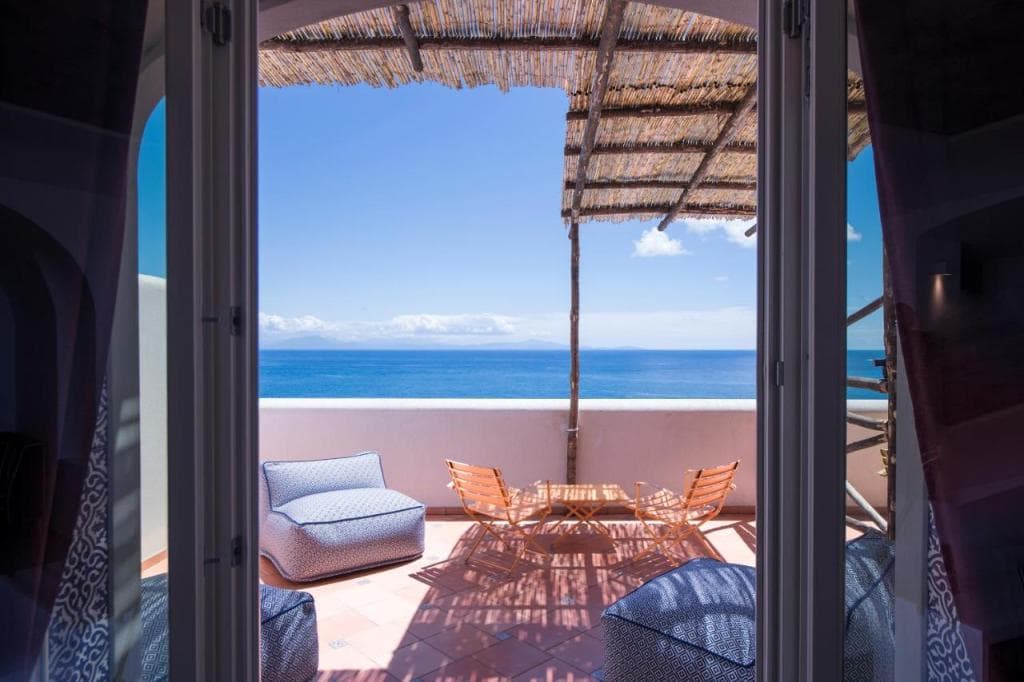
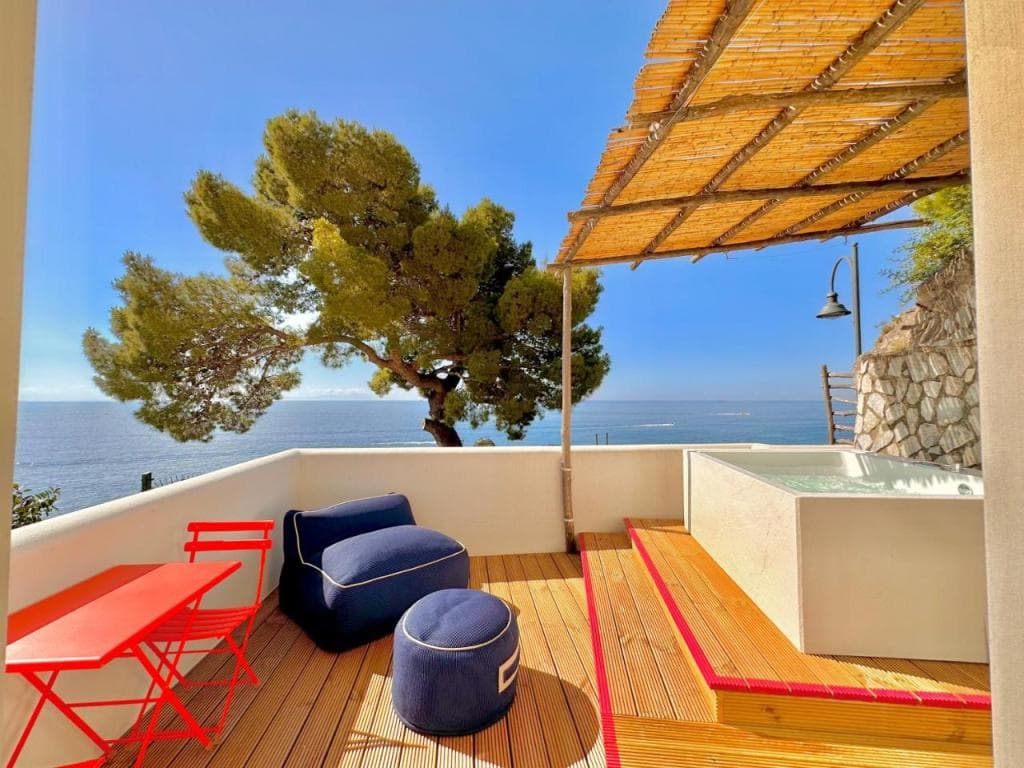
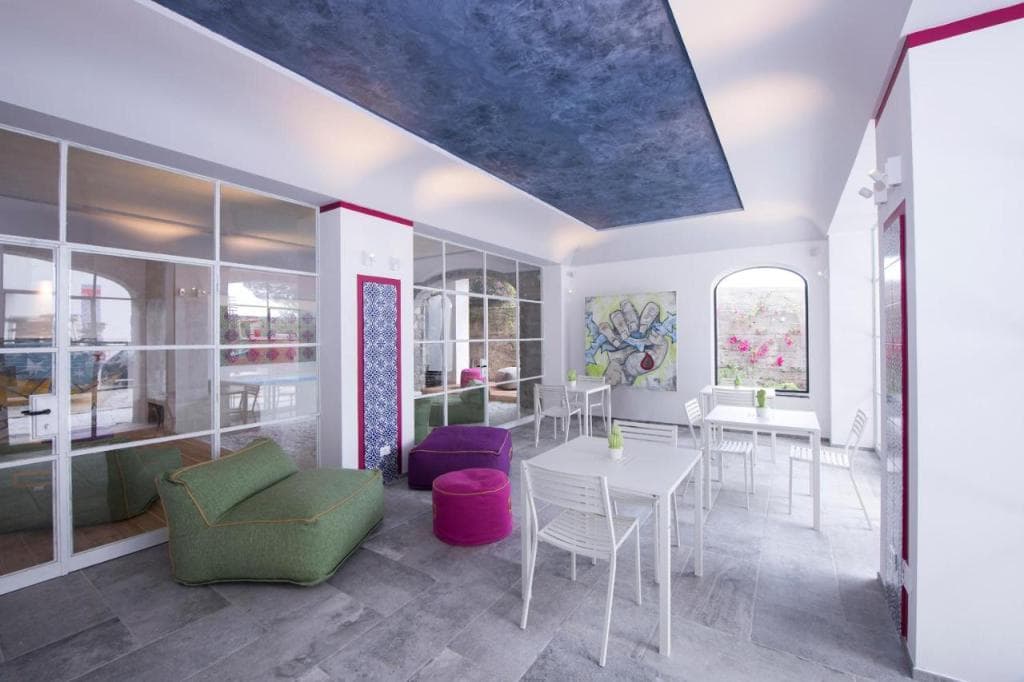
Set in Amalfi, Villa Bossa Amalfi offers beachfront accommodations 492 feet from Castiglione Beach and offers various facilities, such as a bar, a shared lounge and a garden. Boasting family rooms, th

 Amalfi6 rooms
Set in Amalfi, Villa Bossa Amalfi offers beachfront accommodations 492 feet from Castiglione Beach and offers various facilities, such as a bar, a shared lounge and a garden. Boasting family rooms, th


 Amalfi44 rooms
This cliff-top hotel in Amalfi is a converted 13th-century monastery. It offers free WiFi, ultra-modern rooms and an infinity pool overlooking the Mediterranean Sea. All rooms have sea views, terraco



 Amalfi67 rooms
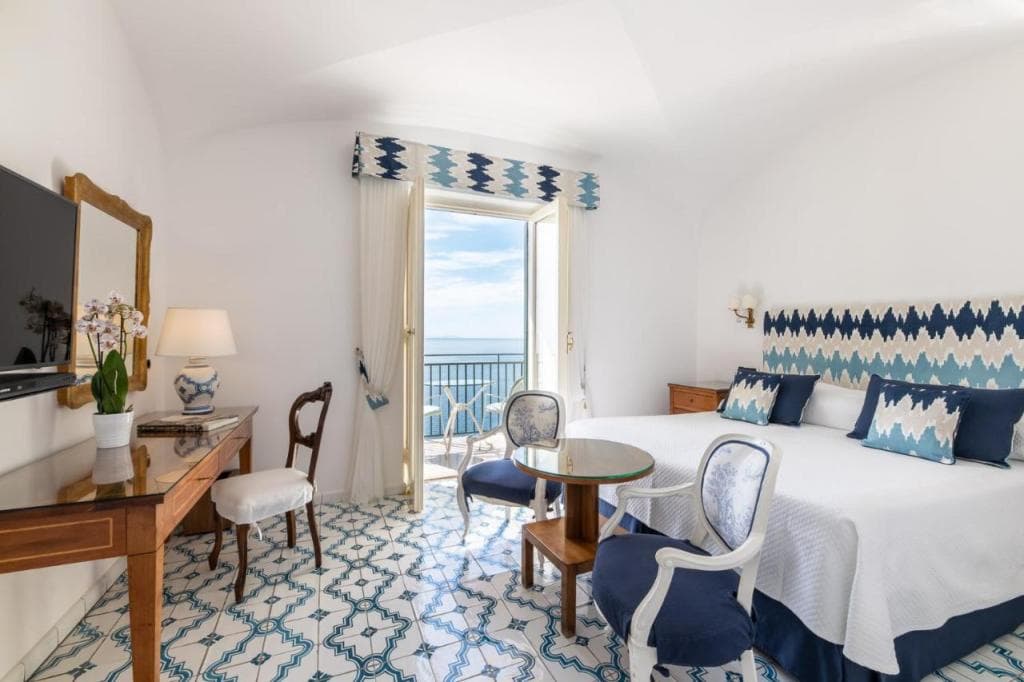
Offering breathtaking views of the Amalfi Coast, Hotel Santa Caterina is an Art Nouveau villa built on a rock that overlooks the sea. It offers many terraces and a beautiful pool, all with sea views.



 Amalfi35 rooms
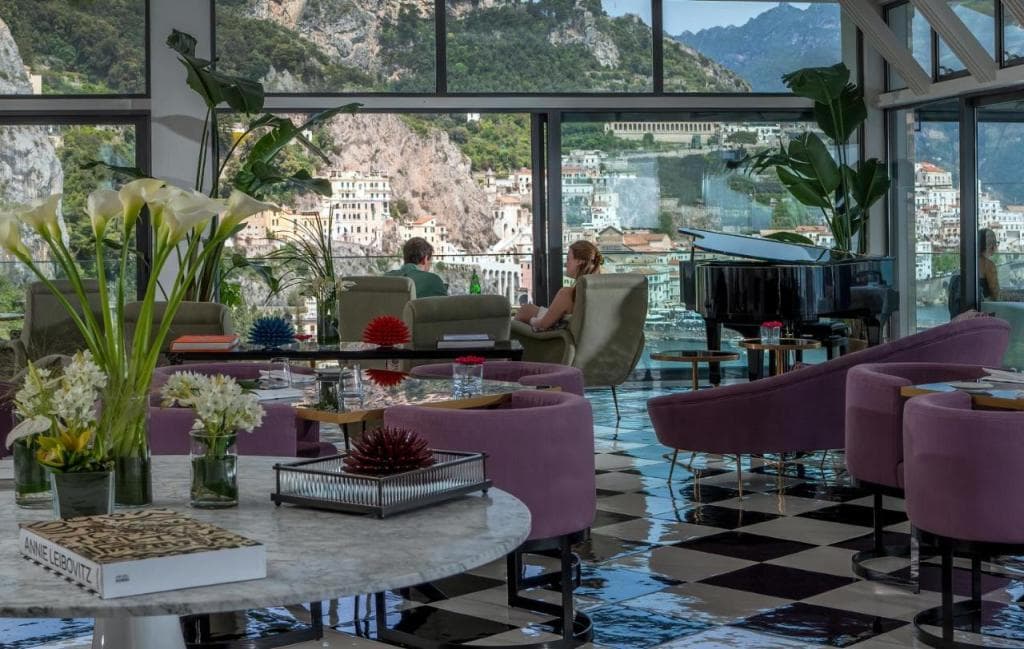
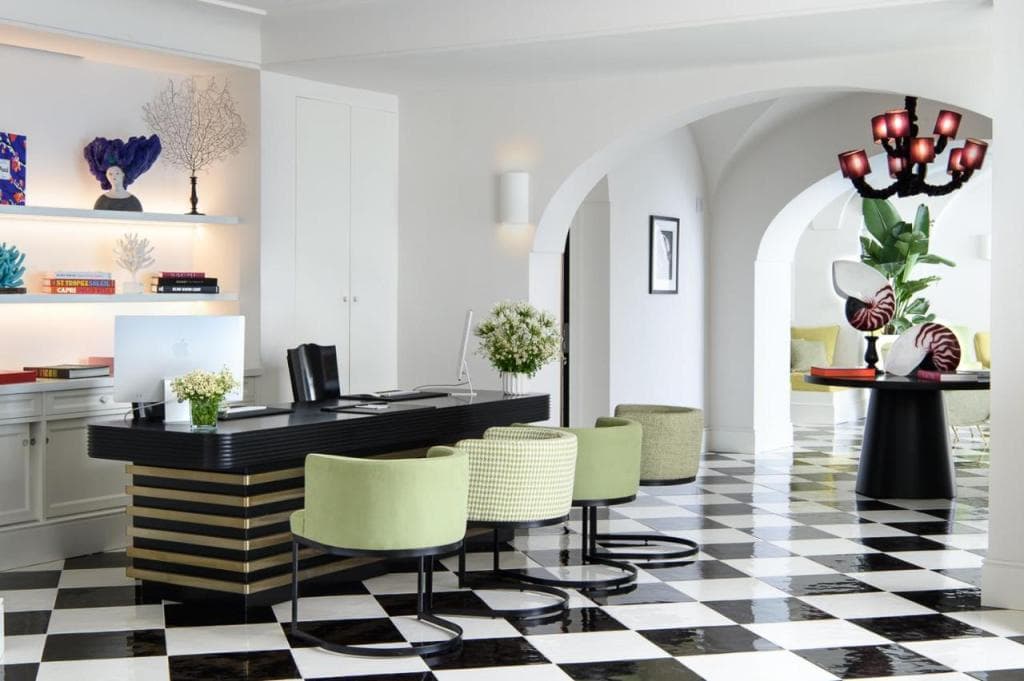
Set on a cliff on the Amalfi Coast, Hotel Miramalfi provides panoramic sea views from its restaurant, swimming pool and guest rooms. It features Mediterranean-style décor. All rooms have a TV with sa




 Amalfi52 rooms
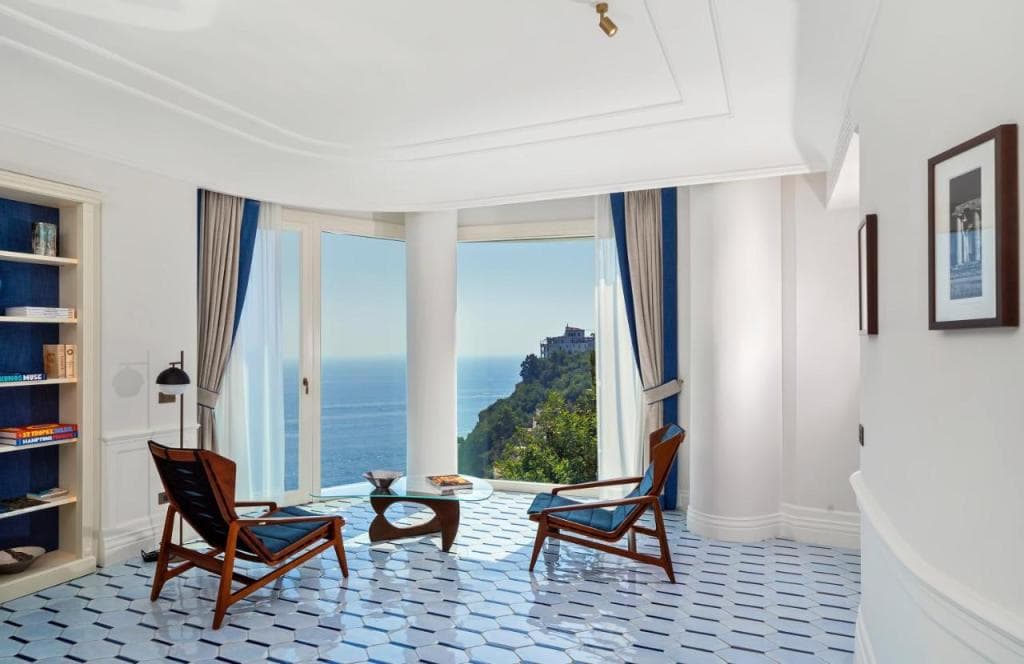
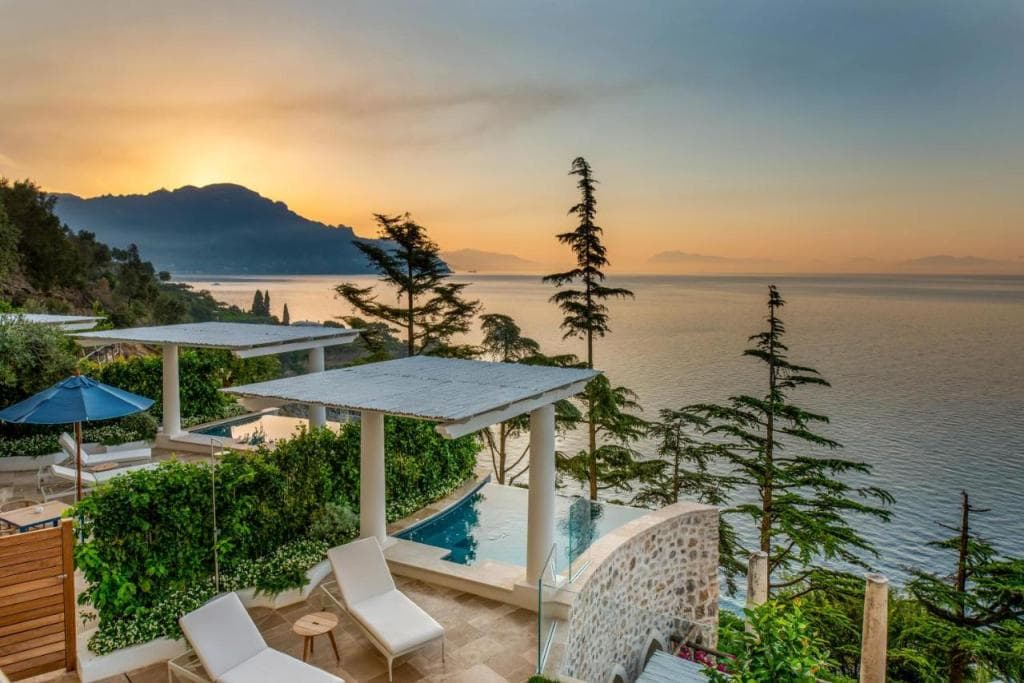
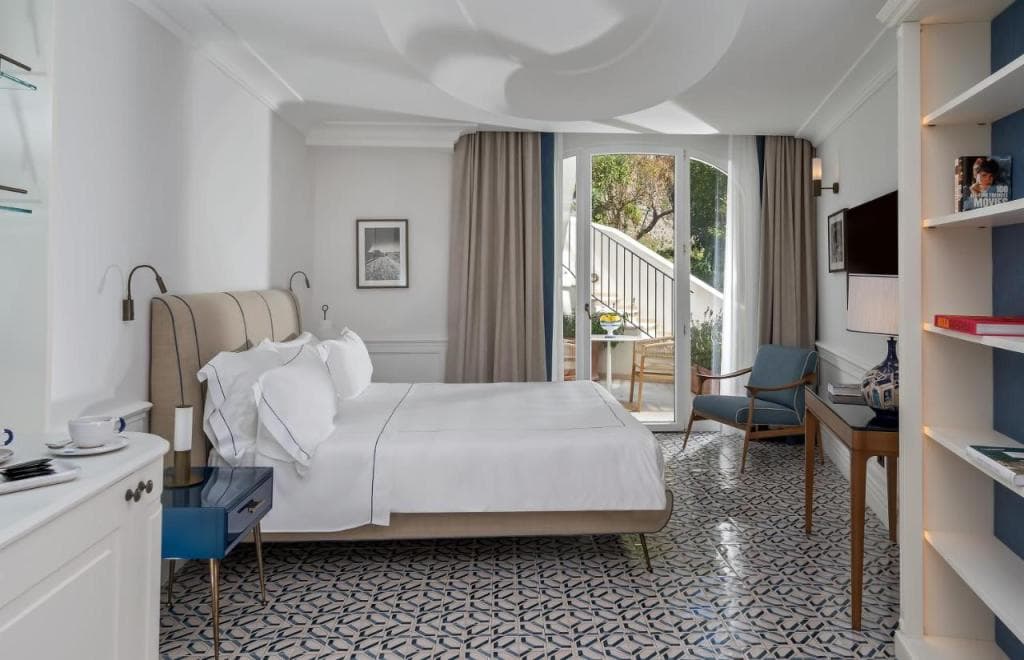
Borgo Santandrea offers accommodations on the Amalfi Coast. It offers free parking, and panoramic sea views from the swimming pool and the sun deck. Borgo Santandrea offers spacious accommodations wi
Results 1 - 5
Amalfi is a destination of slow pleasures rather than a metropolitan scene. The town offers a discreet, refined welcome where same-sex couples can stroll hand in hand along the seafront, share a candlelit dinner on a panoramic terrace or book a sea-view suite without compromise. Selected addresses, from cliffside retreats to historic palazzi tucked into the old town, share an attentive hospitality culture suited to LGBTQ+ guests looking for privacy and elegance.
The pace here favours couples on a romantic escape, small groups celebrating an anniversary, or solo travellers wanting to combine coastal hiking with wellness. Boutique properties often feature spas, infinity pools and private boat transfers, making Amalfi a natural choice for an upscale Mediterranean stay.
Amalfi itself is intimate: evenings revolve around the Piazza Duomo, wine bars in vaulted cellars, and seafood restaurants overlooking the marina. For a livelier LGBTQ+ atmosphere, many travellers combine their stay with a few days in Naples, just over an hour away, which hosts the region's main queer venues, or with a detour to Capri, long appreciated by gay travellers for its glamour and discretion.
Along the coast, Positano and Ravello provide chic aperitivo terraces, classical music festivals and clifftop gardens. Boat excursions between Amalfi, the Li Galli islets and the Emerald Grotto are a highlight, easily arranged through hotel concierges.
Beyond its postcard views, Amalfi carries a rich maritime past as one of the medieval Italian republics. The Cathedral of Sant'Andrea, with its striped facade and Cloister of Paradise, dominates the centre, while the Paper Museum recalls a centuries-old craft still alive in the valley. Walkers can follow the Path of the Gods, a panoramic trail linking Bomerano to Positano through terraces of vines and lemon trees.
Food lovers will appreciate the local cuisine: handmade scialatielli with seafood, mozzarella from the nearby hills, sfogliatelle and the inevitable limoncello, often distilled by family producers open to visits. Pairing these flavours with a wine tasting in Furore or Tramonti adds depth to a coastal stay.
Late spring and early autumn are the most pleasant seasons, with mild temperatures, blooming bougainvillea and fewer visitors than in peak summer. June brings the historic regatta of the ancient maritime republics, while September offers warm swims and golden light. Travellers seeking Pride celebrations usually plan a side trip to Naples in July, then return to Amalfi for a quieter, sea-facing finale.