Superb — 8.7/10


 Athens
 596 rooms
Located within 1.9 mi from the Acropolis and close to Metro stations and the business district of Athens, the Atheneum Intercontinental features award-winning restaurants, a spa center and a 24-hour g

 Athens596 rooms
Located within 1.9 mi from the Acropolis and close to Metro stations and the business district of Athens, the Atheneum Intercontinental features award-winning restaurants, a spa center and a 24-hour g
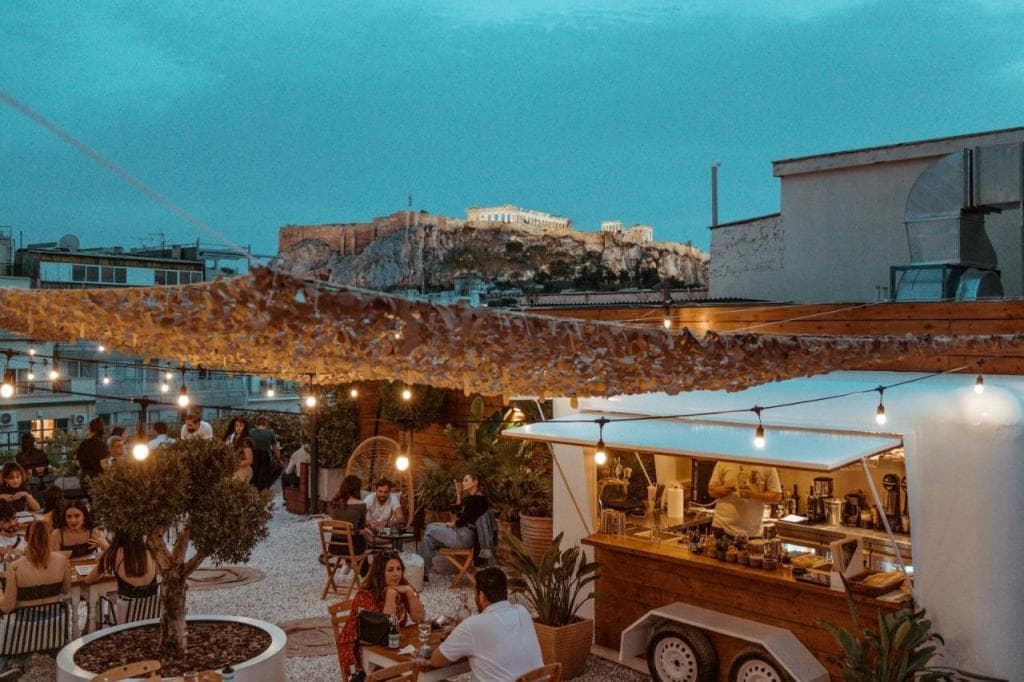


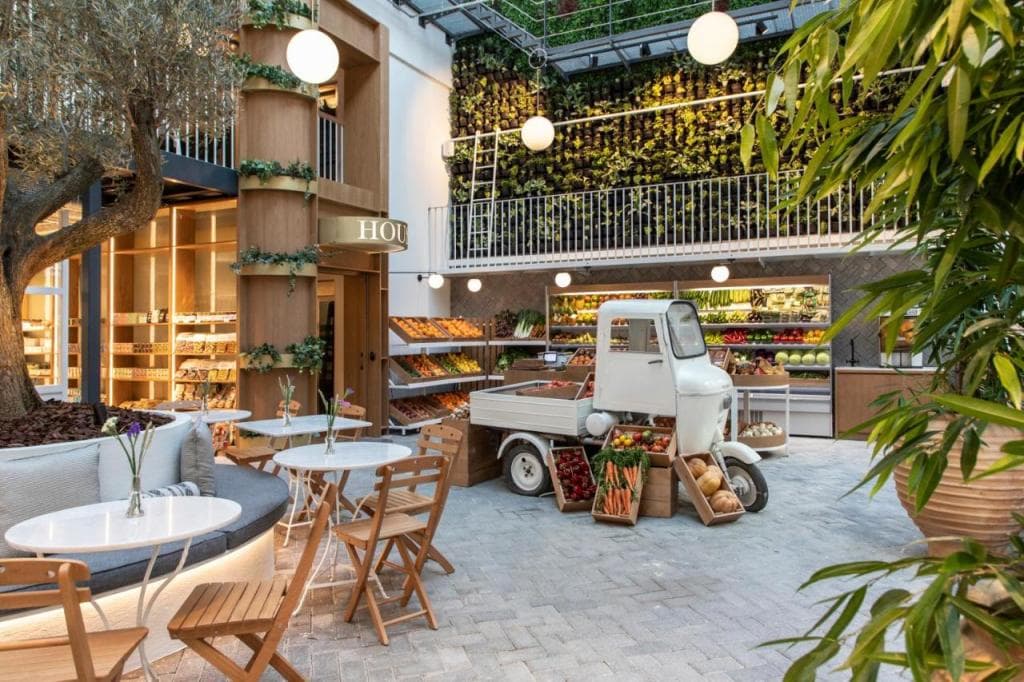

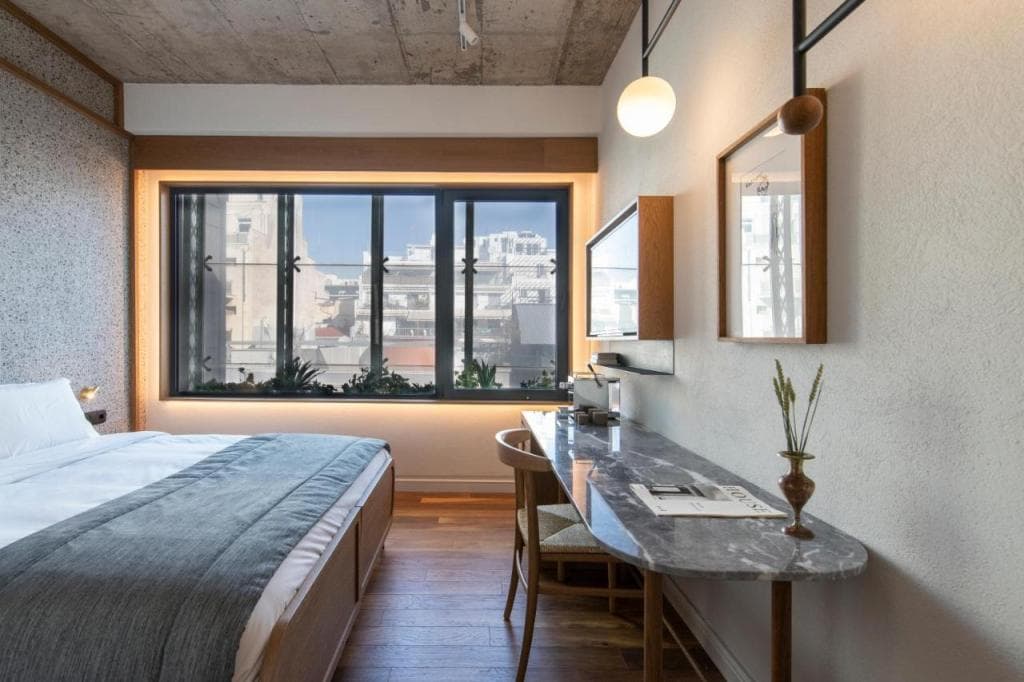

 Athens39 rooms
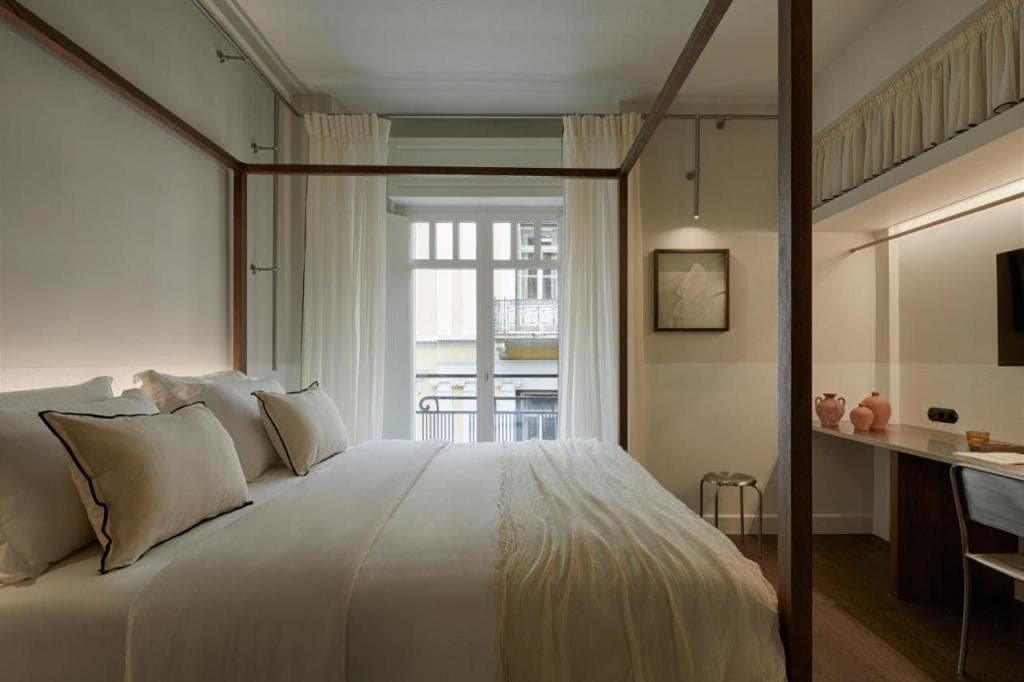
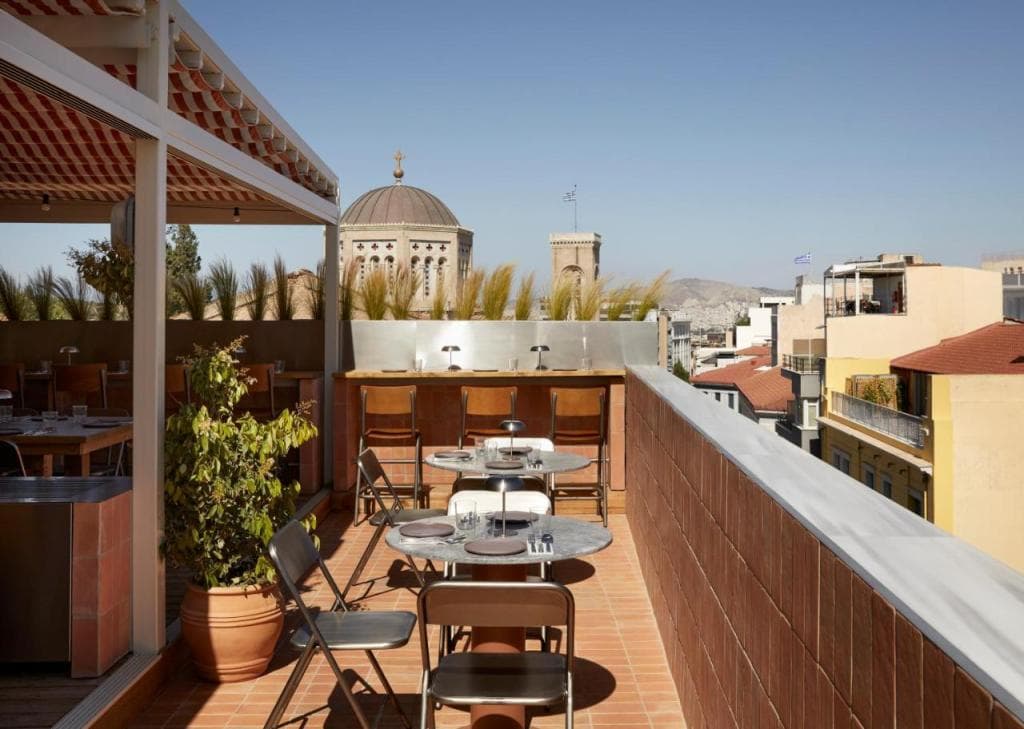
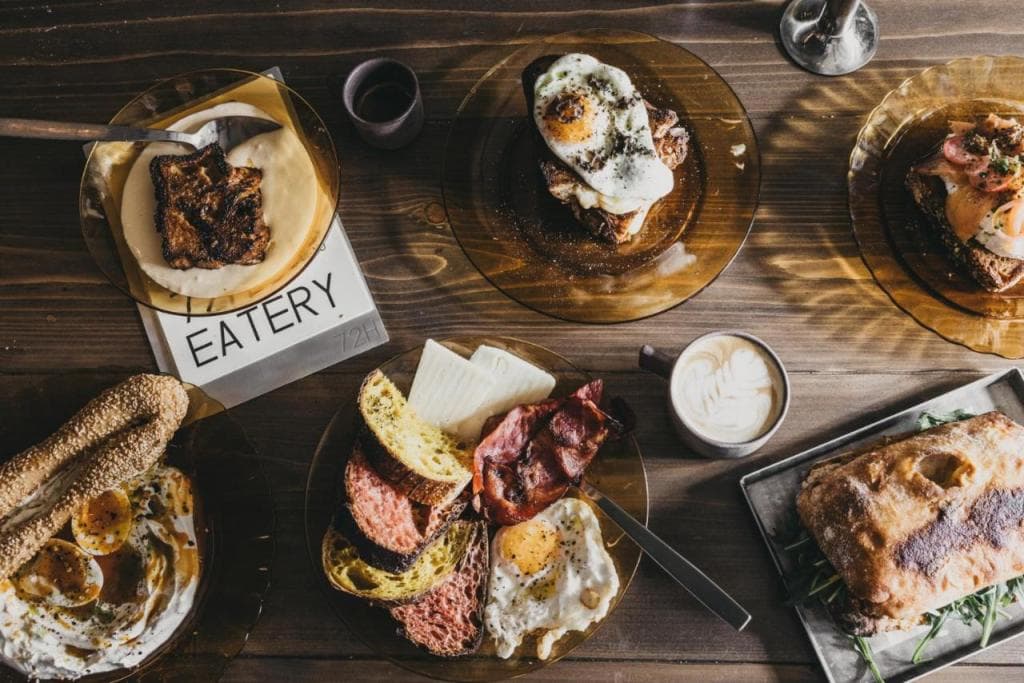
## Comfortable Accommodations Ergon House Athens in Athens offers family rooms with air-conditioning, private bathrooms, and modern amenities. Each room includes a work desk, free WiFi, and a flat-sc
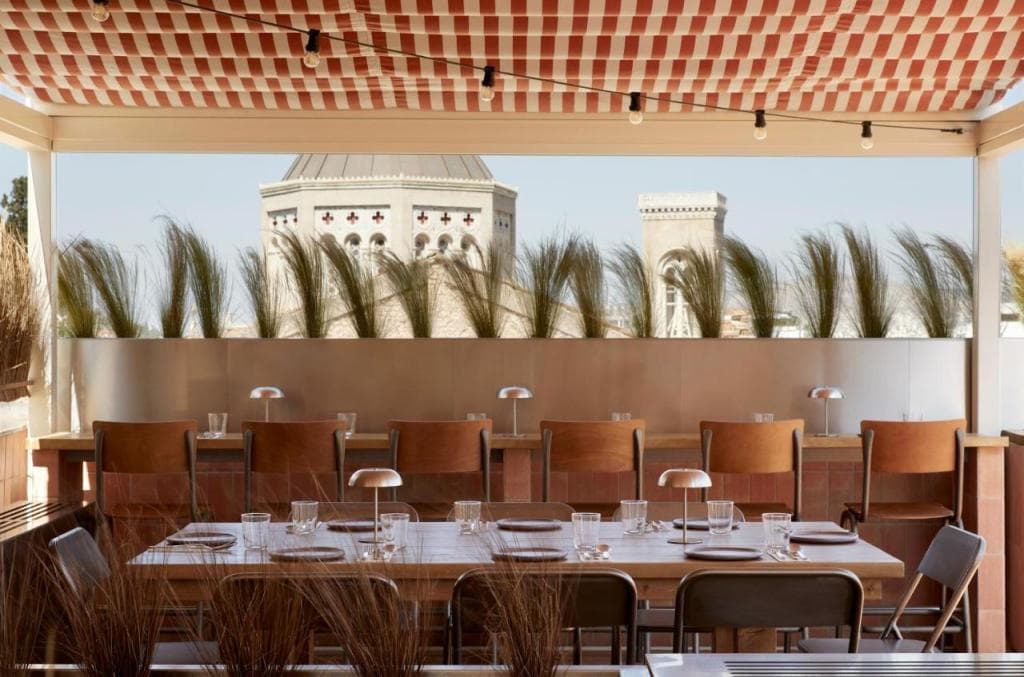




 Athens29 rooms
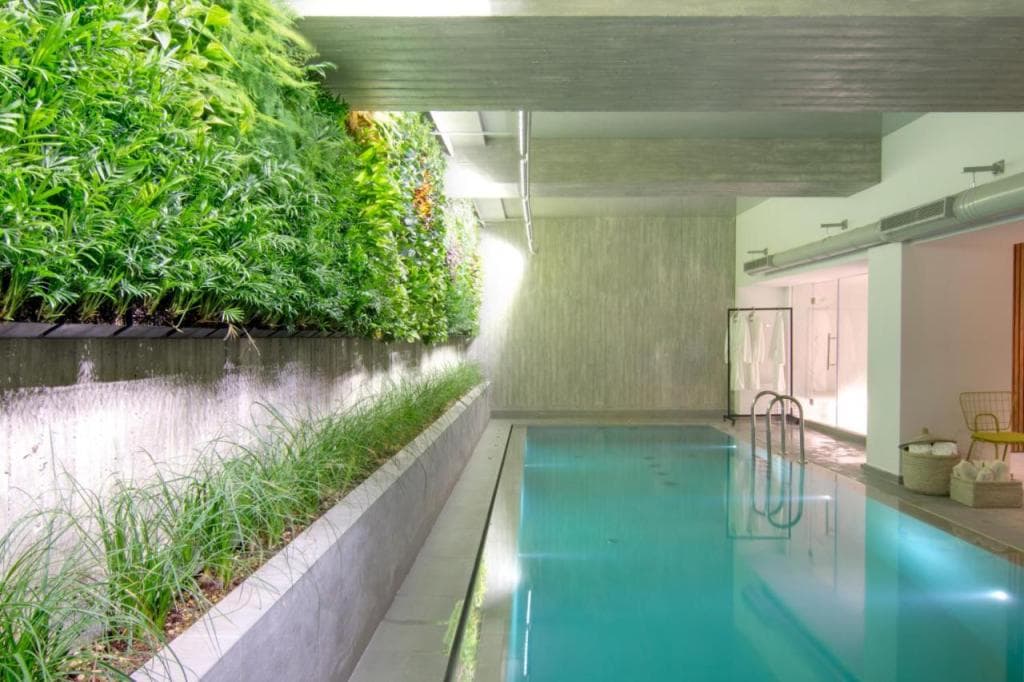
## Comfortable Accommodations Ergon Bakehouse Athens in Athens offers family rooms with air-conditioning, private bathrooms, and city views. Each room includes a work desk, mini-bar, and free WiFi.



 Athens36 rooms
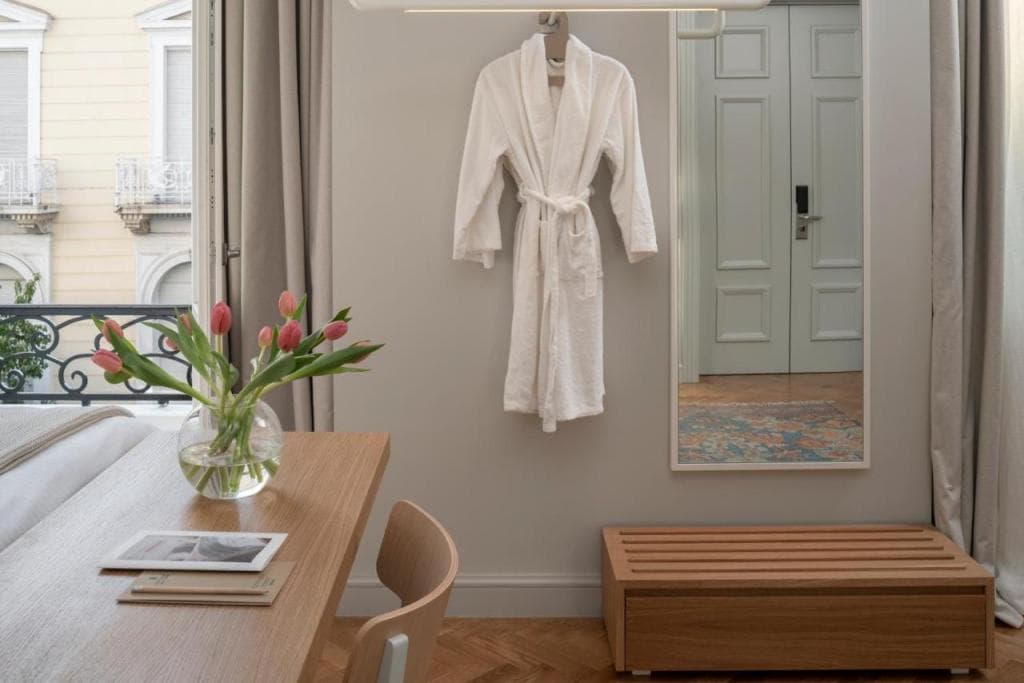
COCO-MAT Athens Jumelle has a restaurant, fitness center, a bar and garden in Athens. Among the facilities at this property are a 24-hour front desk and room service, along with free WiFi throughout t




 Athens24 rooms
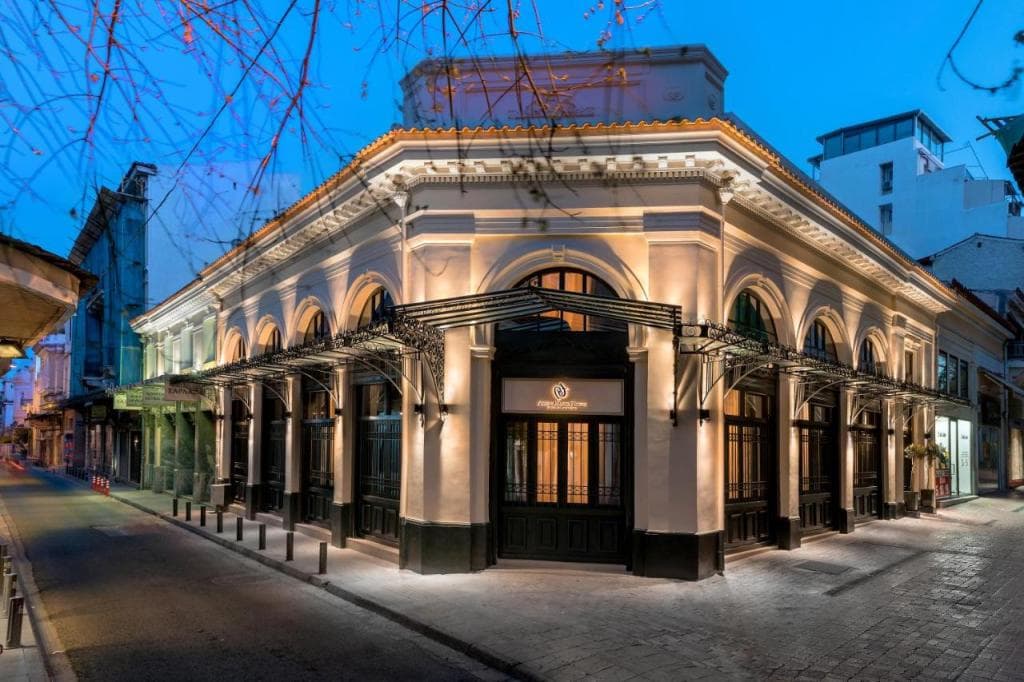
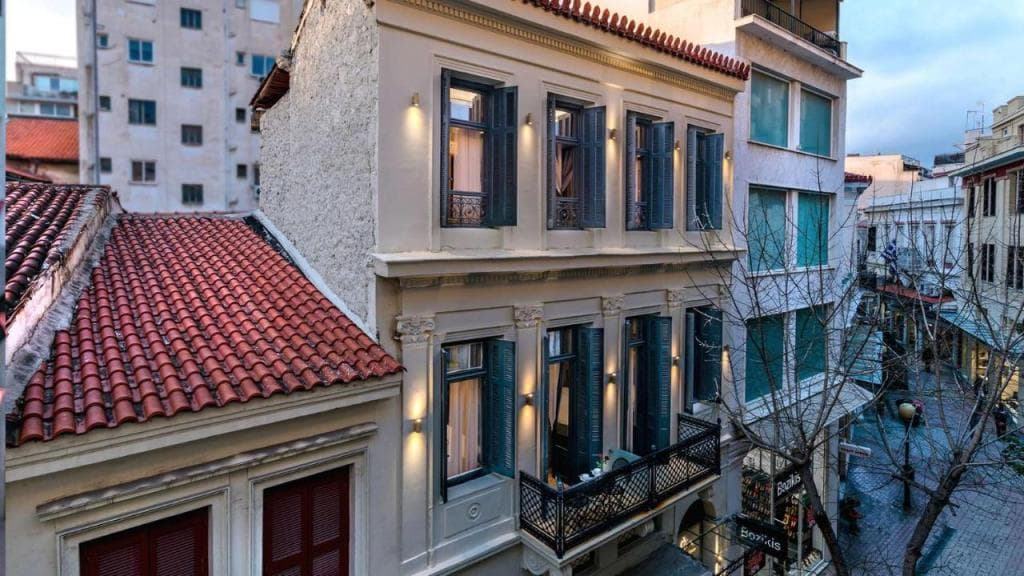
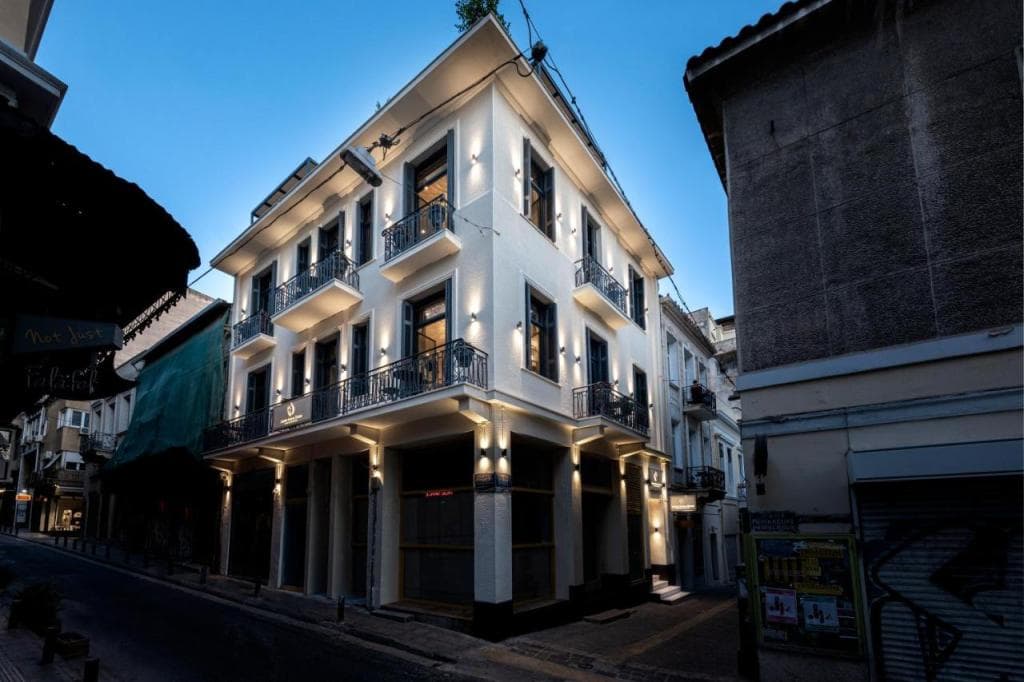
Three restored neoclassical buildings dated back to 1897 within a distance of 82 feet apart, with 24 luxurious suites ideally located in the most vibrant spot of Athens. Located 1312 feet from Monast



 Athens16 rooms
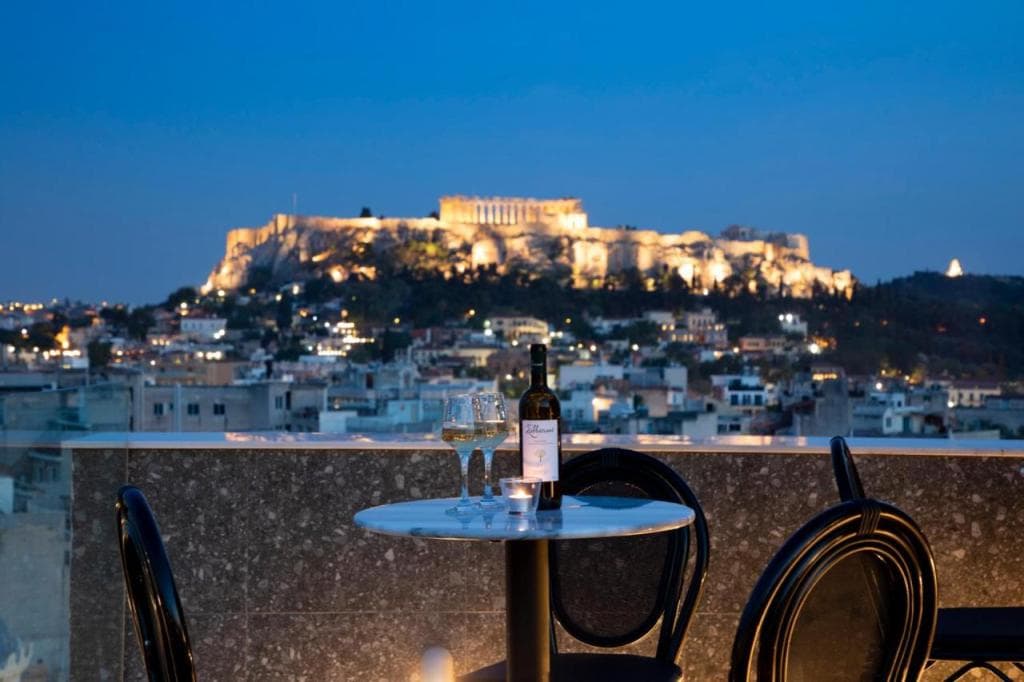
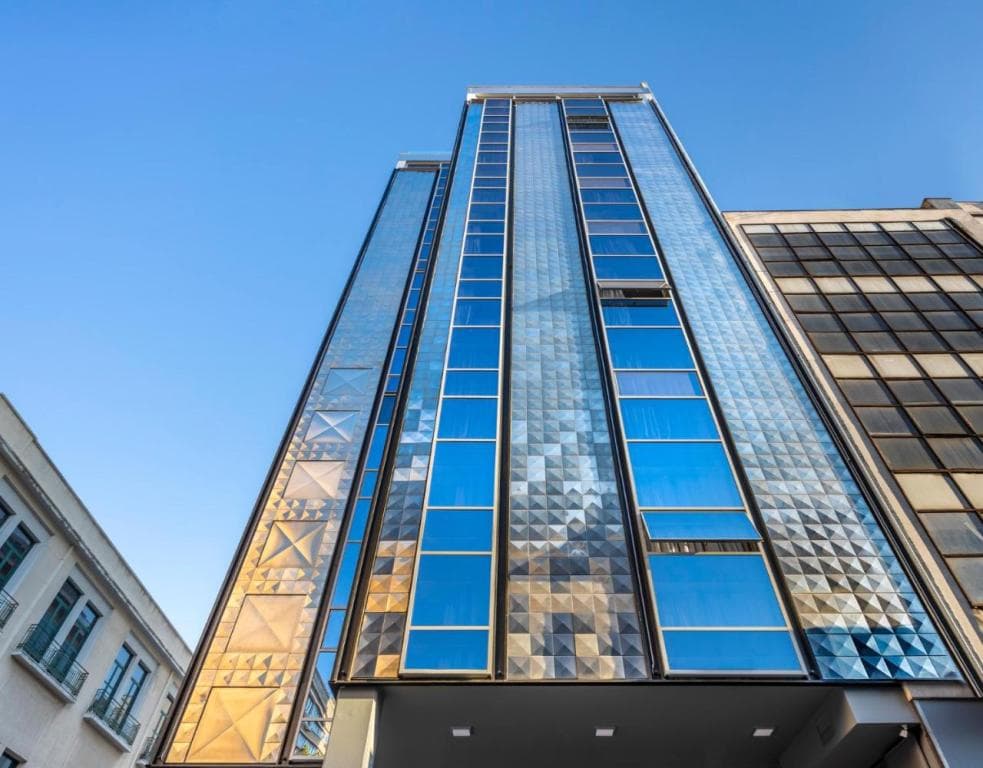
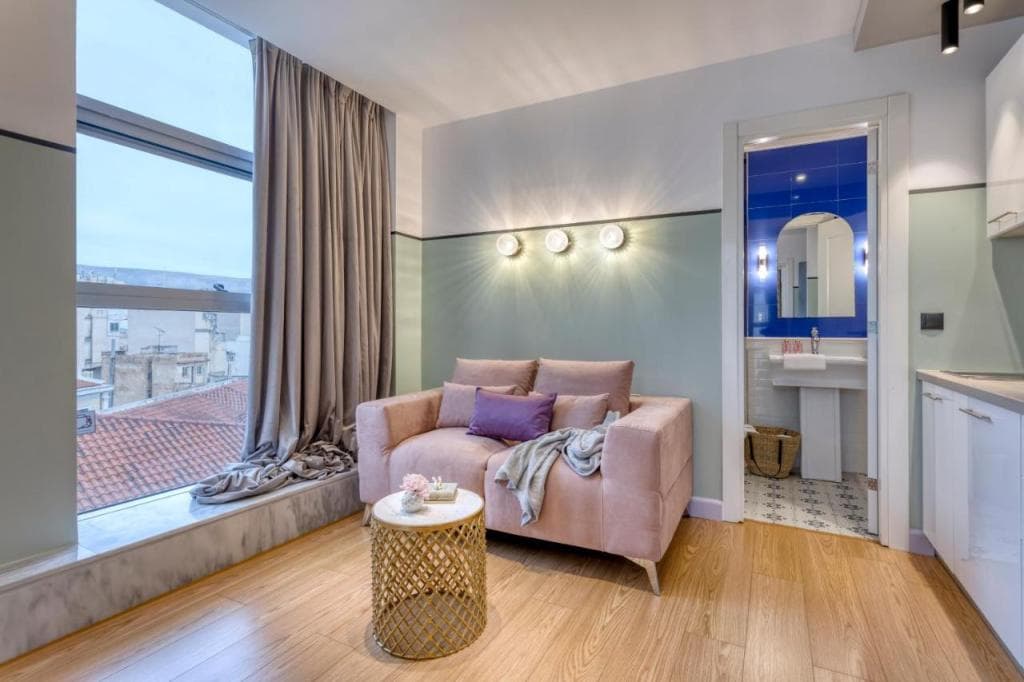
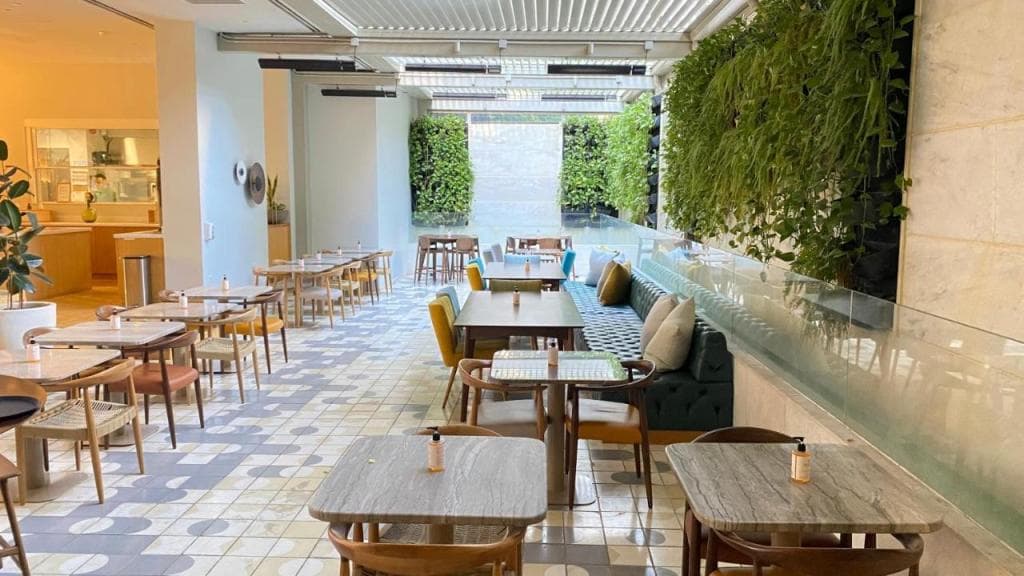
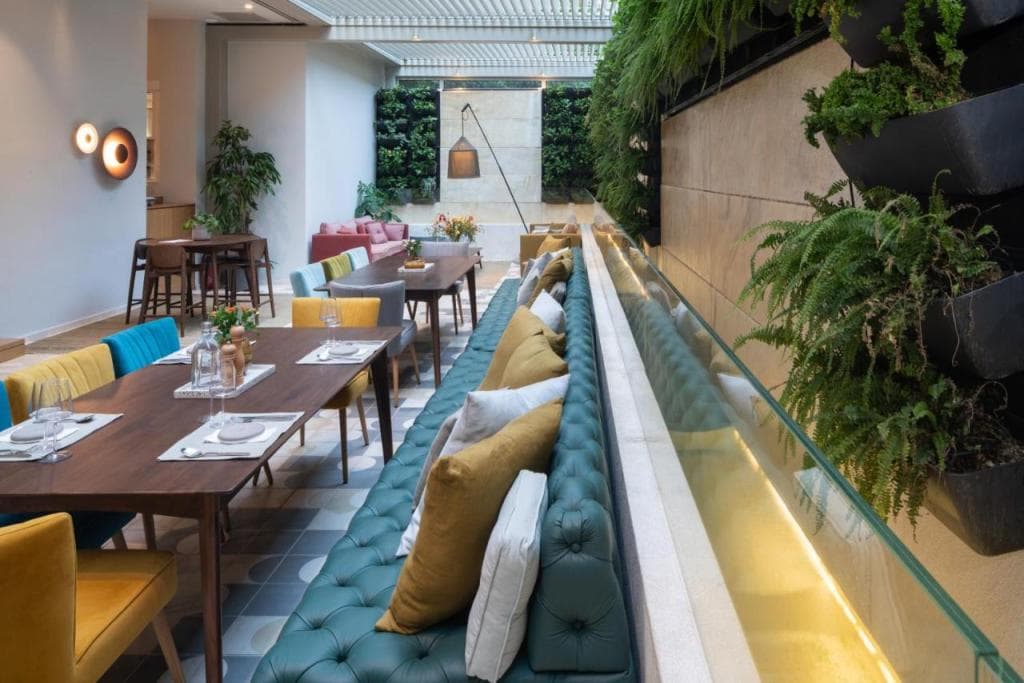
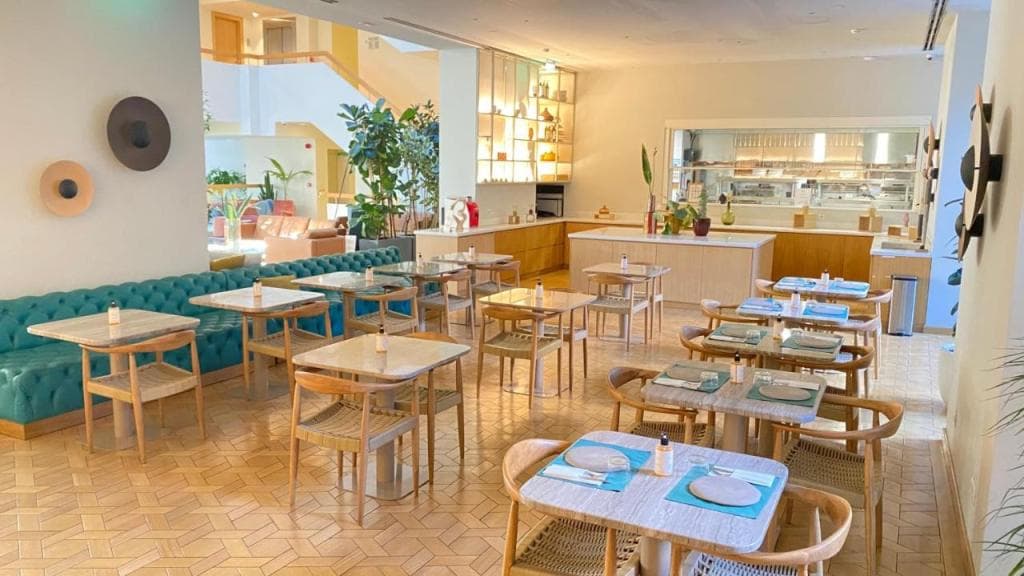
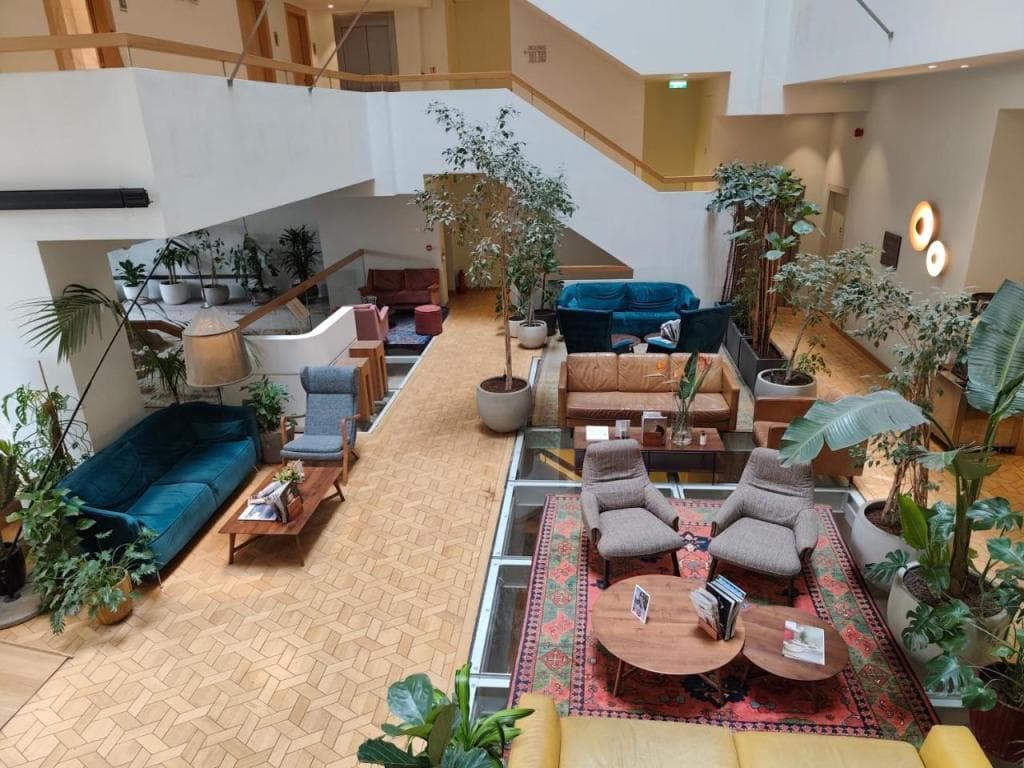
## Prime Location The Pinnacle Athens in Athens offers a central location with key attractions nearby. The University of Athens Central Building is a 7-minute walk, Monastiraki Square 1640 feet away,



 Athens27 rooms
## Elegant Accommodations Coco-mat Athens BC in Athens offers a 5-star hotel experience with spa facilities, a sauna, fitness center, restaurant, bar, and free WiFi. Guests enjoy air-conditioned room
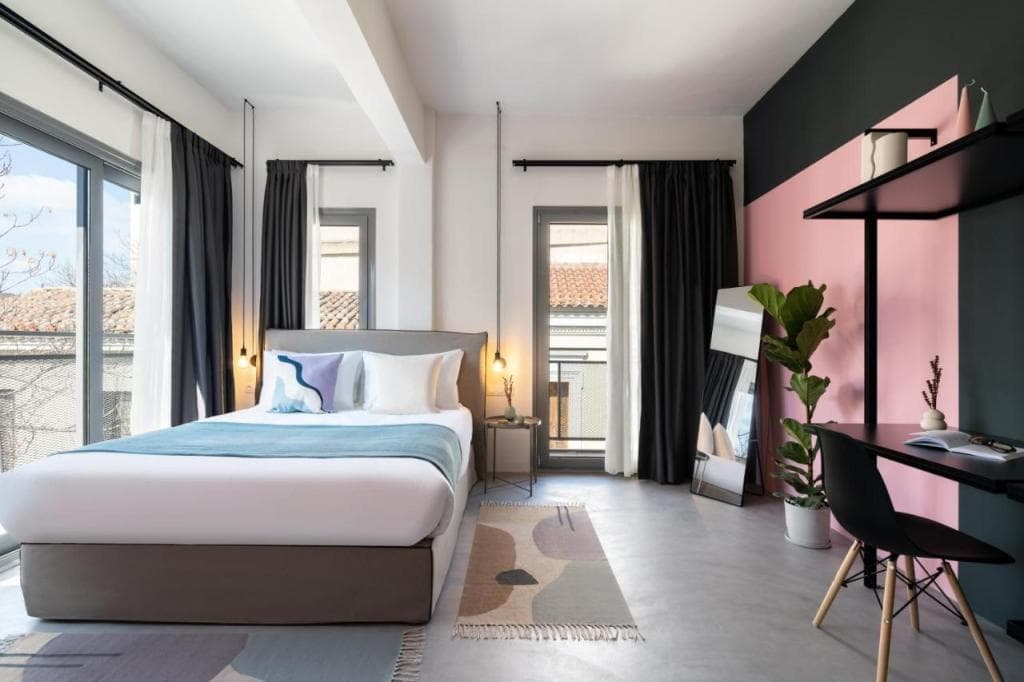


 Athens7 rooms
## Prime City Center Location Play Psyri Athens a member of Brown Hotels is located in Athens city center, offering easy access to key attractions. The Temple of Hephaestus is a 5-minute walk away, w


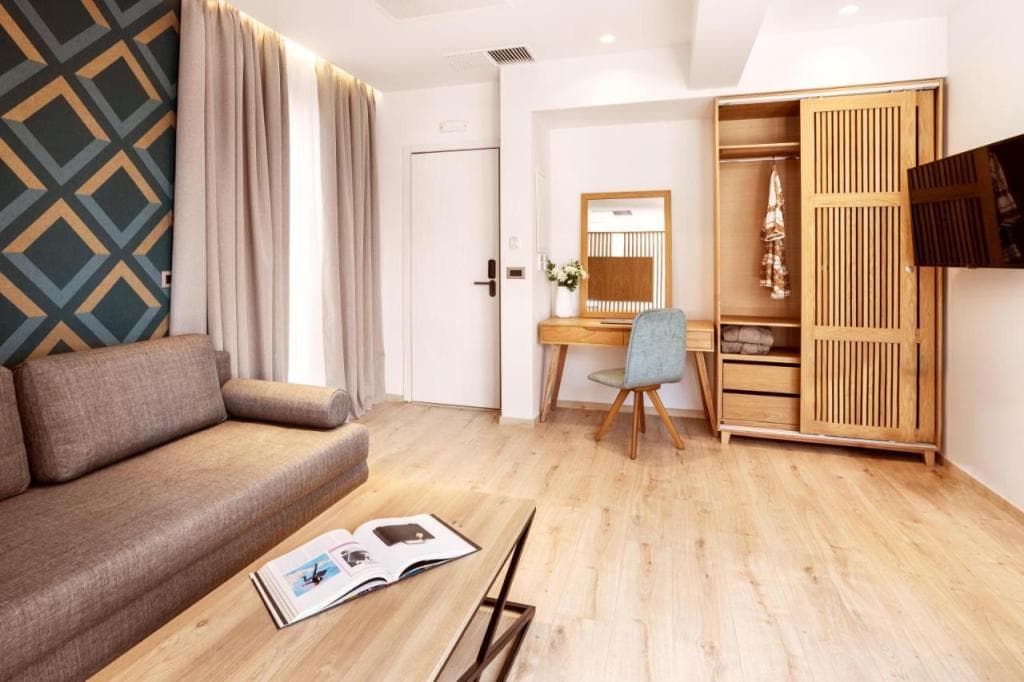
 Athens16 rooms
## Prime City Center Location DAYS City Suites Athens in Athens offers a convenient location with Kerameikos Metro Station a 2-minute walk away and Gazi - Technopoli 984 feet nearby. The Acropolis is
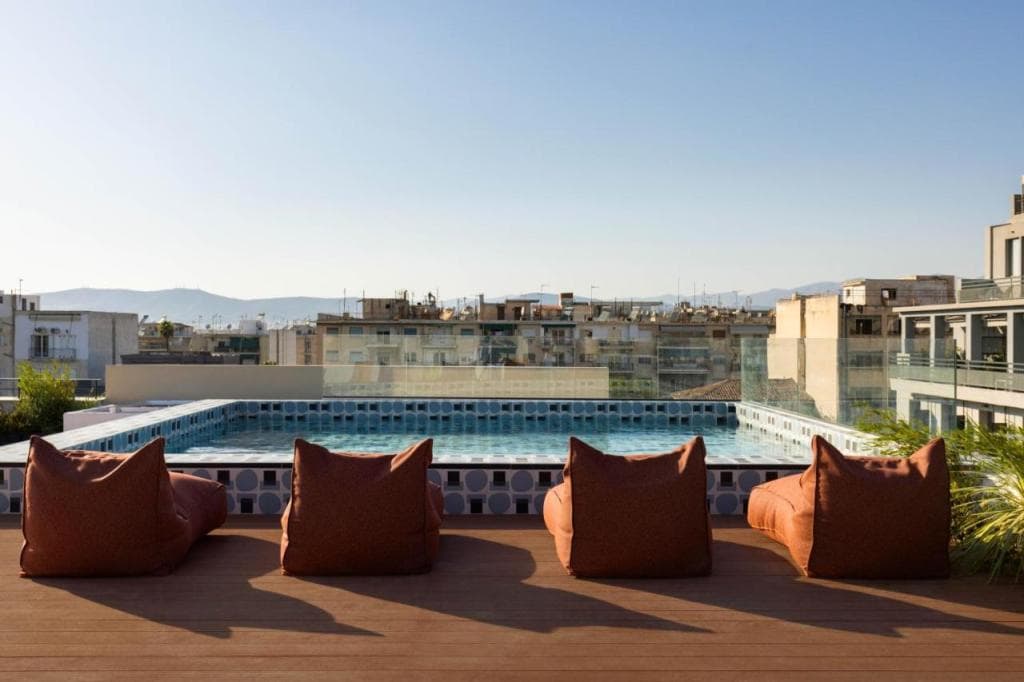


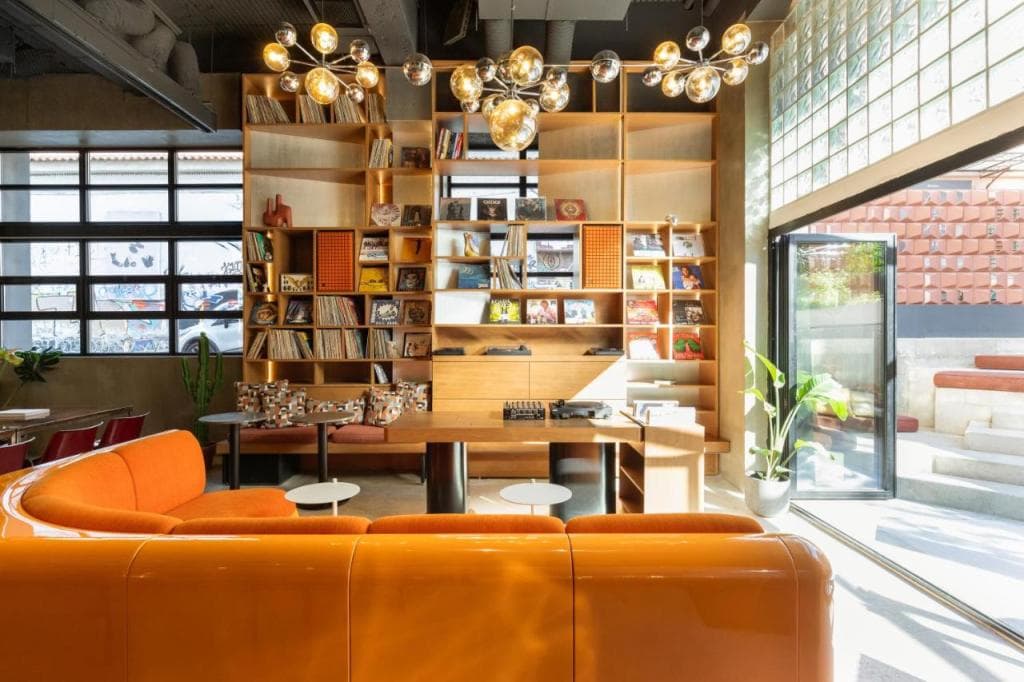

 Athens64 rooms
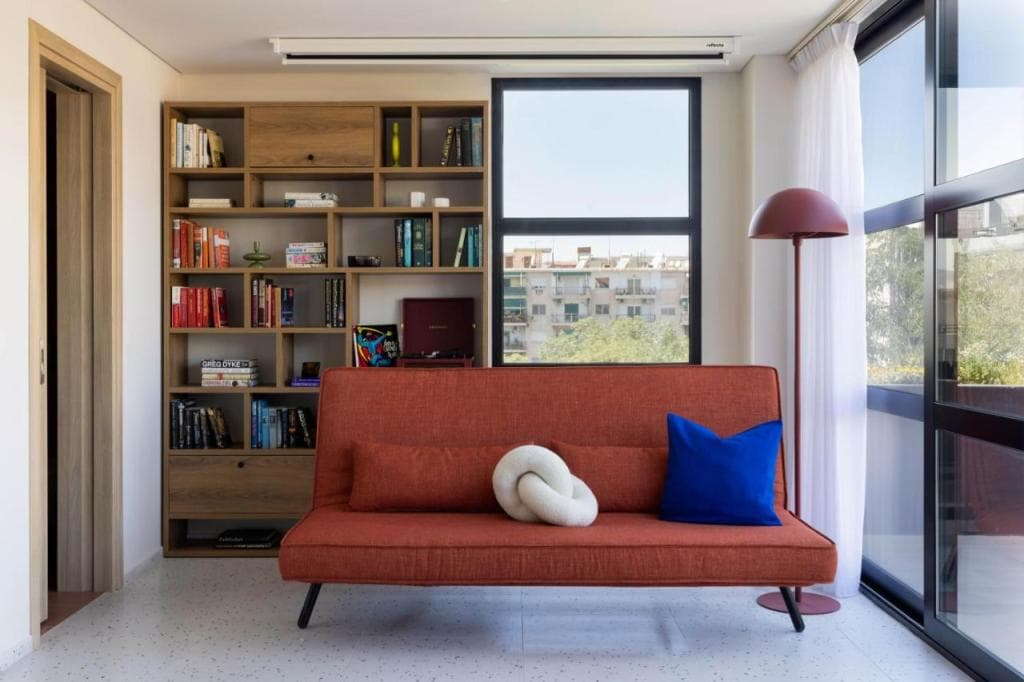
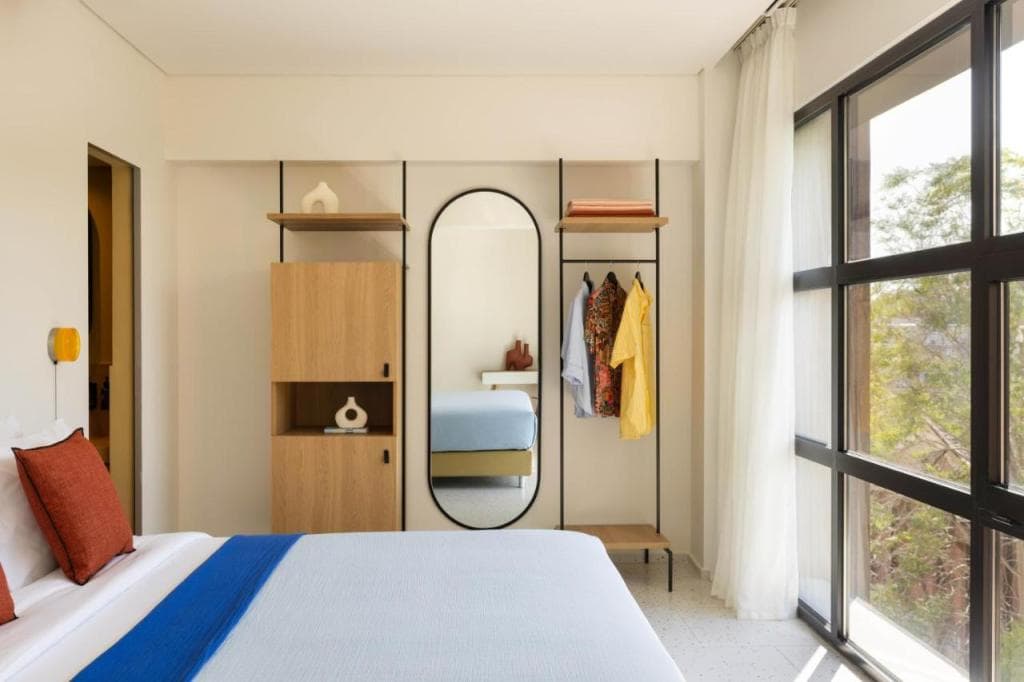
## Comfortable Accommodations Okupa in Athens offers family rooms with air-conditioning, private bathrooms, and modern amenities. Each room includes a balcony or terrace with city views, ensuring a p


 Athens City Centre, Kolonaki6 rooms
In a central area of Athens, Monsieur Didot provides rooms with free Wifi. The property is close to Museum of Cycladic Art, Syntagma Square, and National Archaeological Museum of Athens. On-site staff


 Athens City Centre, Athens Historical Center, Syntagma306 rooms
With a prime location, opposite Constitution Square and the House of Parliament, the Grande Bretagne features luxurious rooms and stunning city views from its magnificent rooftop terrace. WiFi is offe


 Athens City Centre, Athens Historical Center, Monastiraki52 rooms
## Elegant Accommodations THE DOLLI at Acropolis, a 5-star hotel in Athens, offers a rooftop swimming pool, fitness center, sun terrace, restaurant, bar, and free WiFi. Private check-in and check-out


 Athens Coast, Glyfada140 rooms
Located in Athens, a few steps from Asteras Beach, One&Only Aesthesis, Athens has accommodations with an outdoor swimming pool, free private parking, a garden and a private beach area. Among the facil


 Athens Coast, Vouliagmeni15 rooms
The Margi is a refined 5-star boutique hotel set in the prestigious coastal area of Vouliagmeni, where understated elegance meets a relaxed seaside ambiance. Nestled among fragrant pine trees and just


 Athens City Centre, Gazi23 rooms
## Elegant Accommodations Not Boutique Hotel in Athens offers a 5-star experience with adults-only access. Guests enjoy a fitness center, sun terrace, and a year-round outdoor swimming pool. Free WiF


 Athens City Centre, Athens Historical Center, Syntagma75 rooms
Featuring a neoclassical facade, King George features a prime location in the historic Syntagma Square, between the Parliament and the fashionable Voukourestiou Street. A signature restaurant, fitness


 Marousi37 rooms
The Fiction has a garden, terrace, a restaurant and bar in Athens. This 5-star hotel offers a tour desk and luggage storage space. The property has a 24-hour front desk, airport transportation, room s


 Athens City Centre, Athens Historical Center, Koukaki19 rooms
Anthology of Athens, The Leading Hotels of the World features a seasonal outdoor swimming pool, fitness center, a restaurant and bar in Athens. Each room at the 5-star hotel has city views, and guests



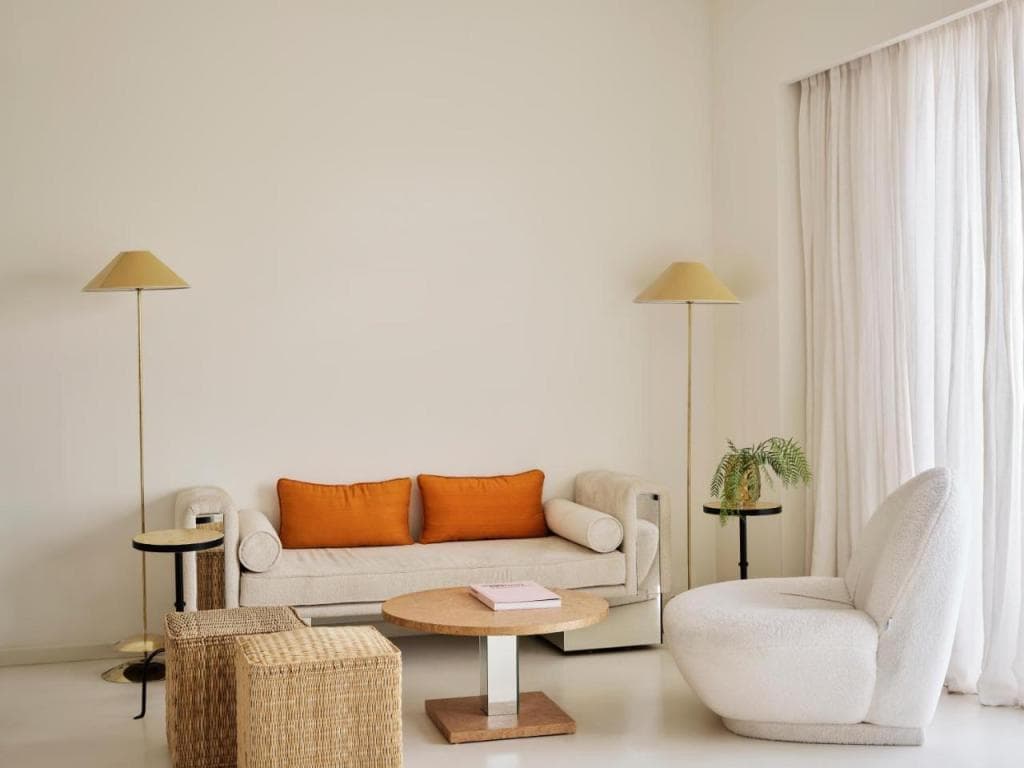
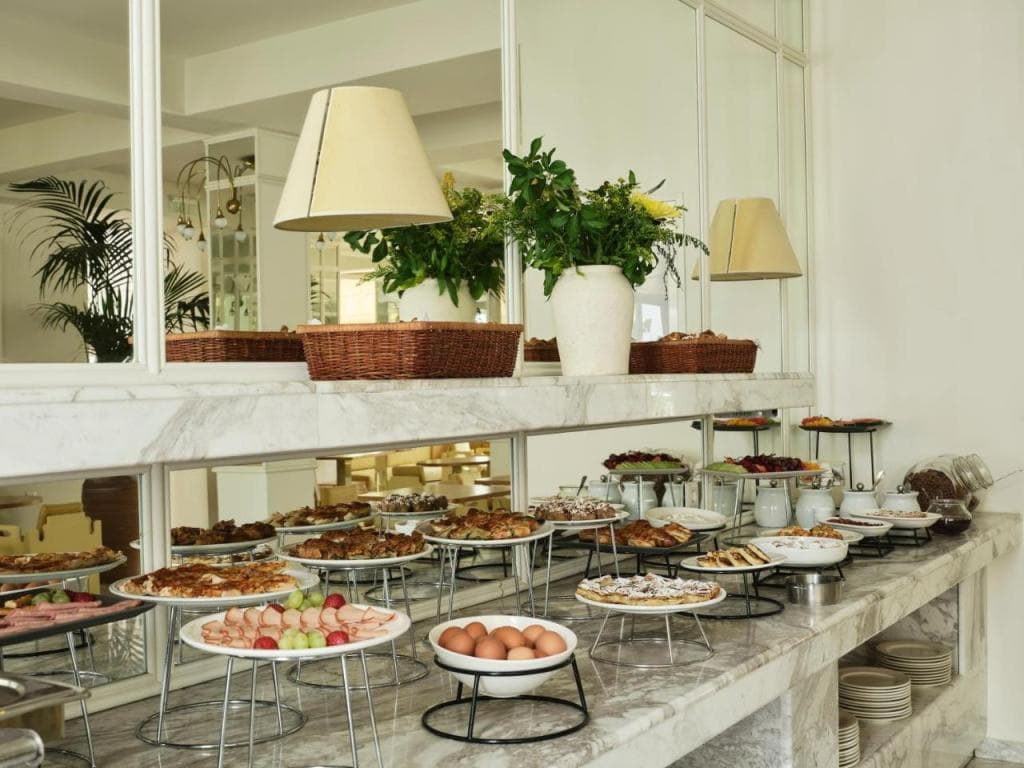 Athens48 rooms
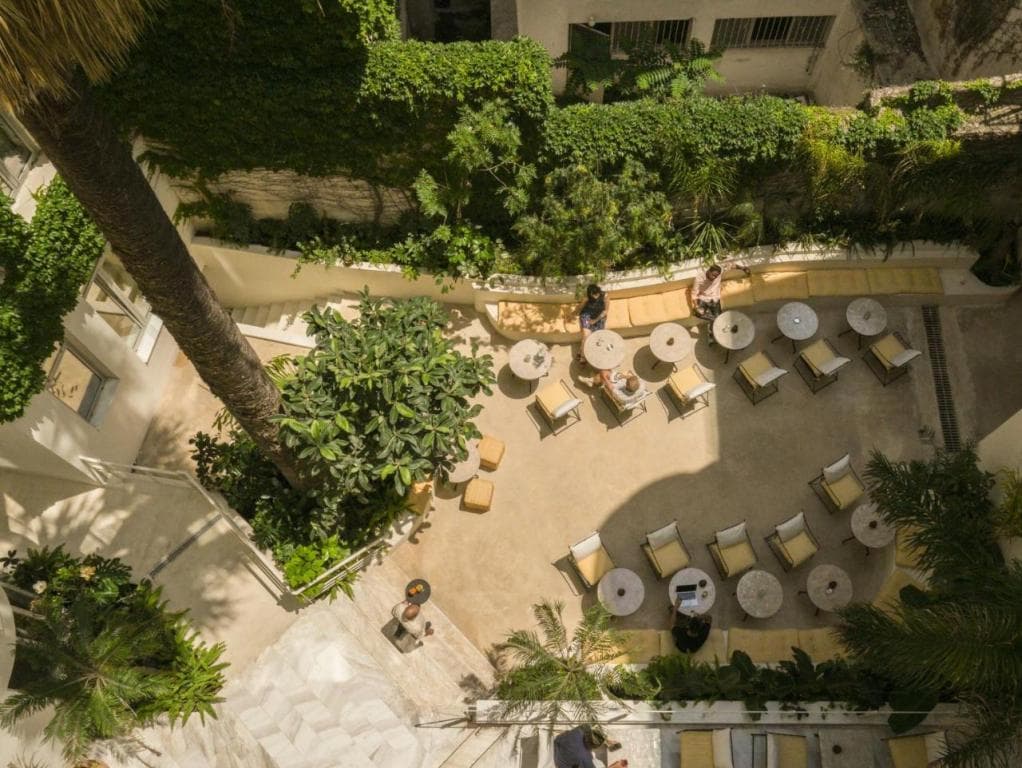
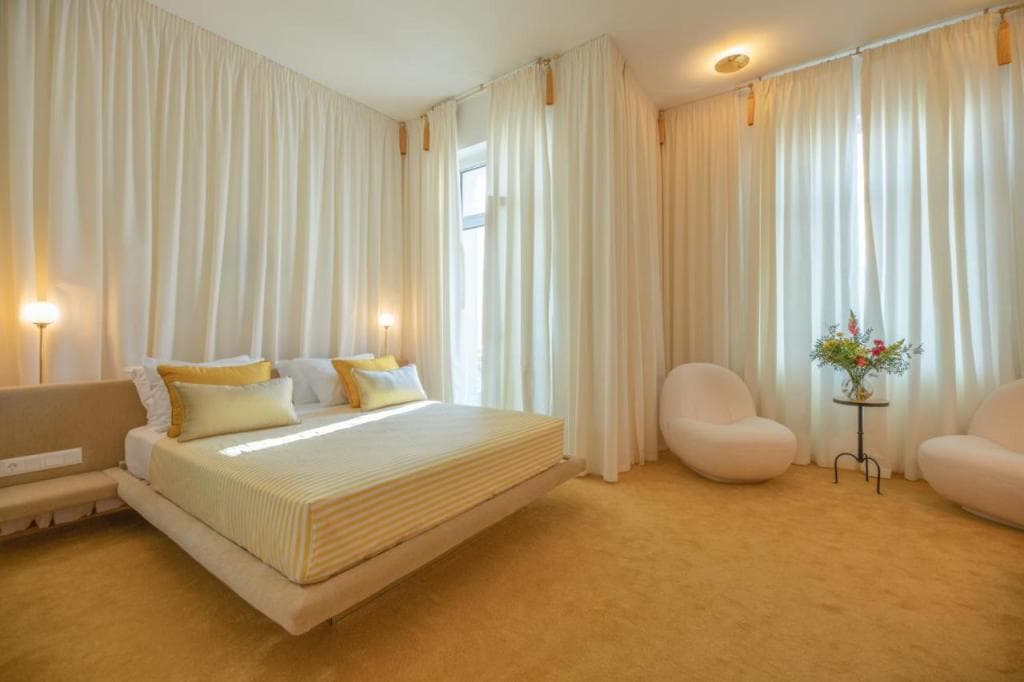
## Comfortable Accommodations Apollo Palm Hotel in Athens offers family rooms with air-conditioning, private bathrooms, and modern amenities. Each room includes a work desk, free toiletries, and a TV
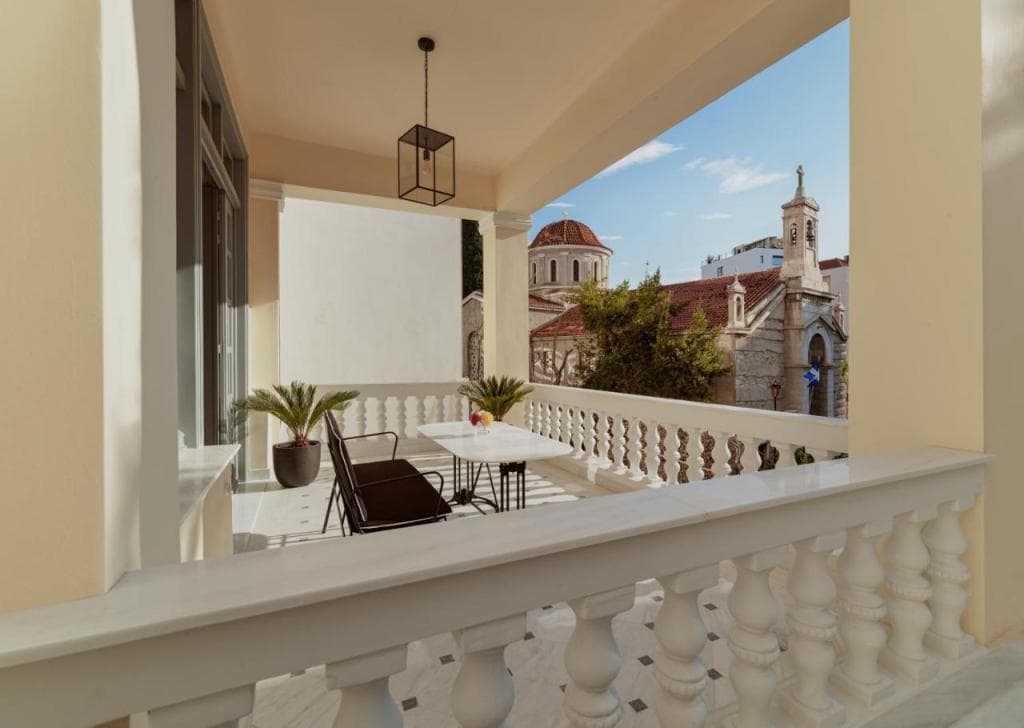


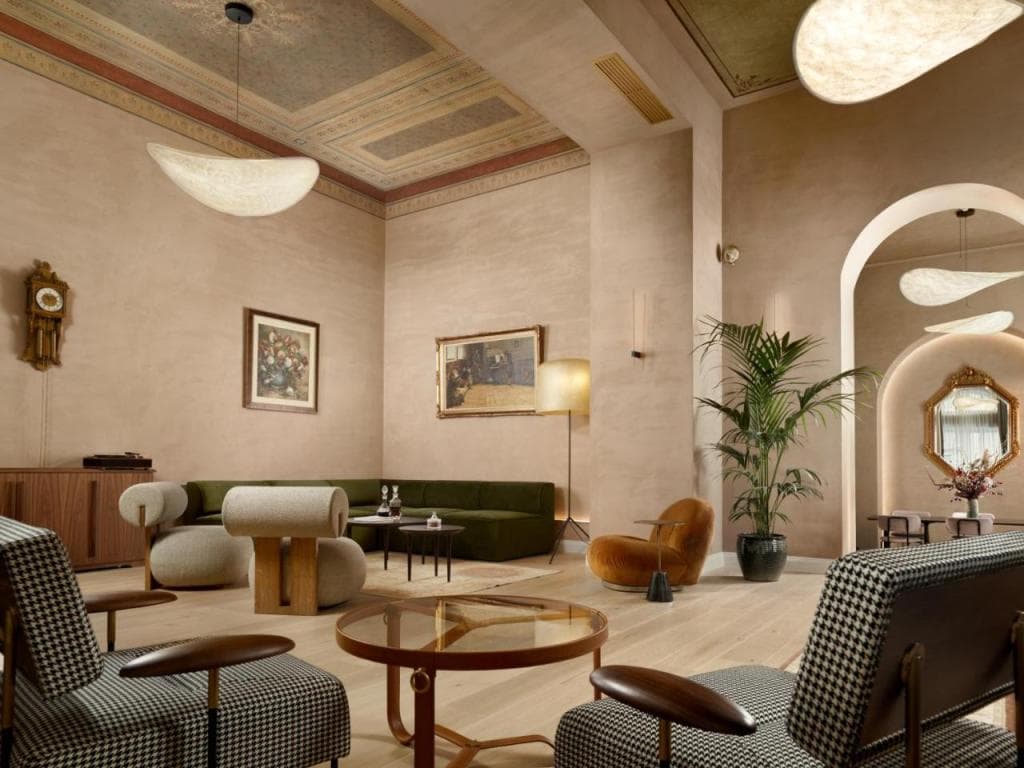

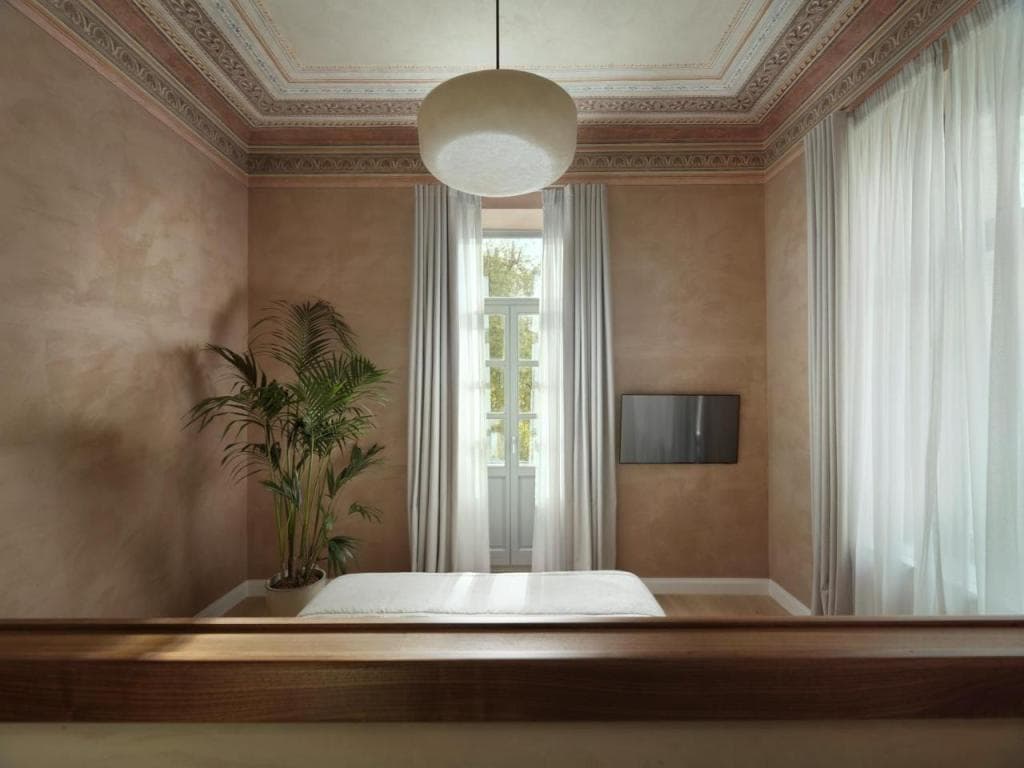
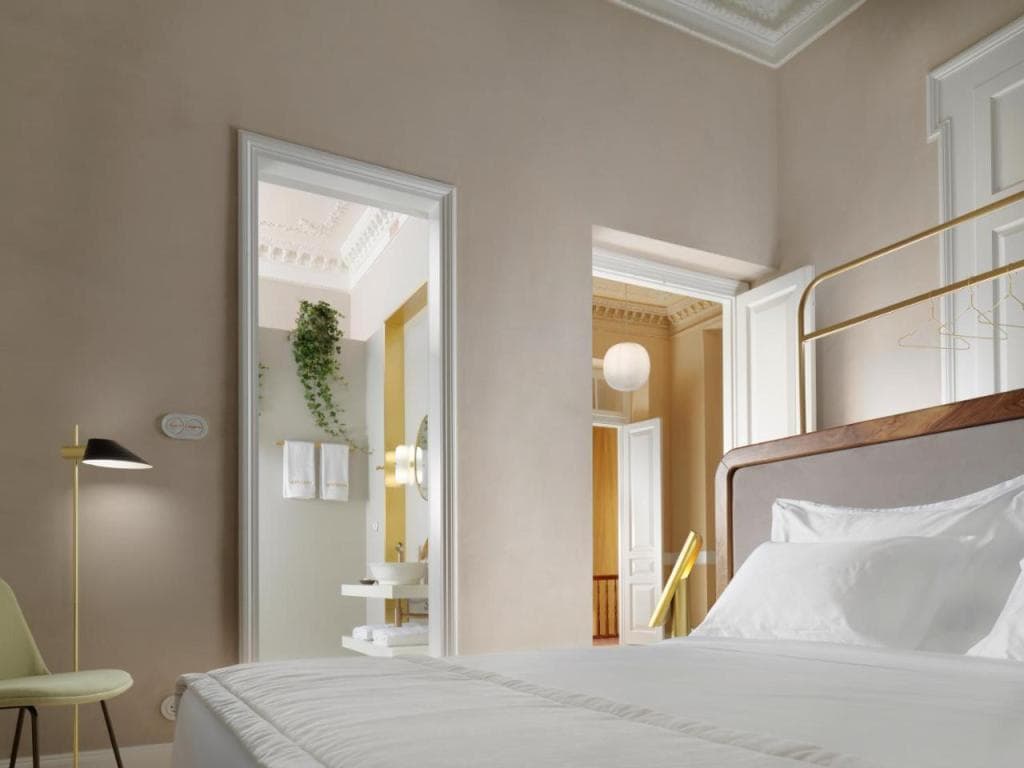 Athens9 rooms
## Comfortable Accommodations Monument Hotel in Athens offers 4-star comfort with air-conditioning, private bathrooms, and city views. Each room includes a mini-bar, free toiletries, and a work desk.
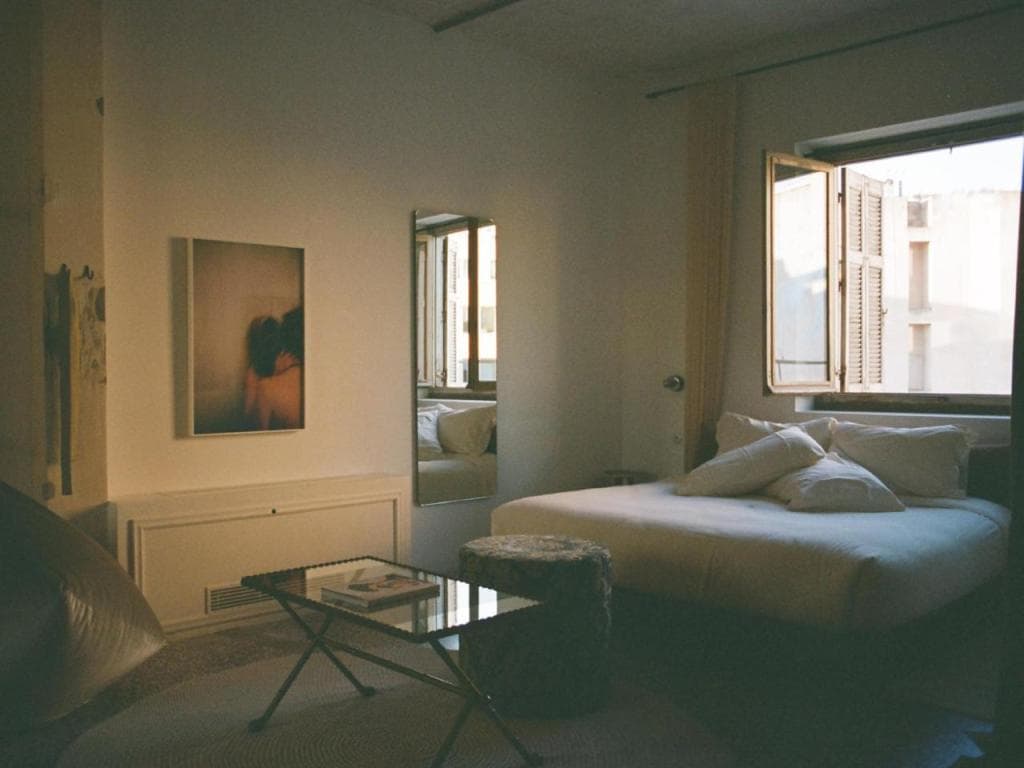


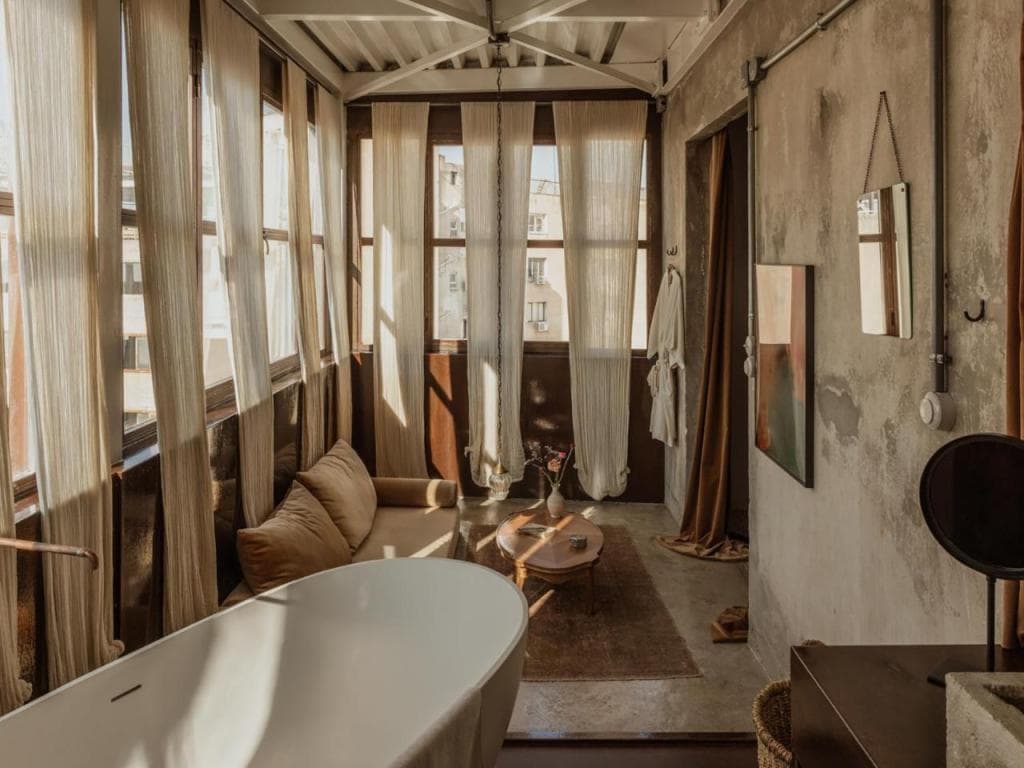

 Athens20 rooms
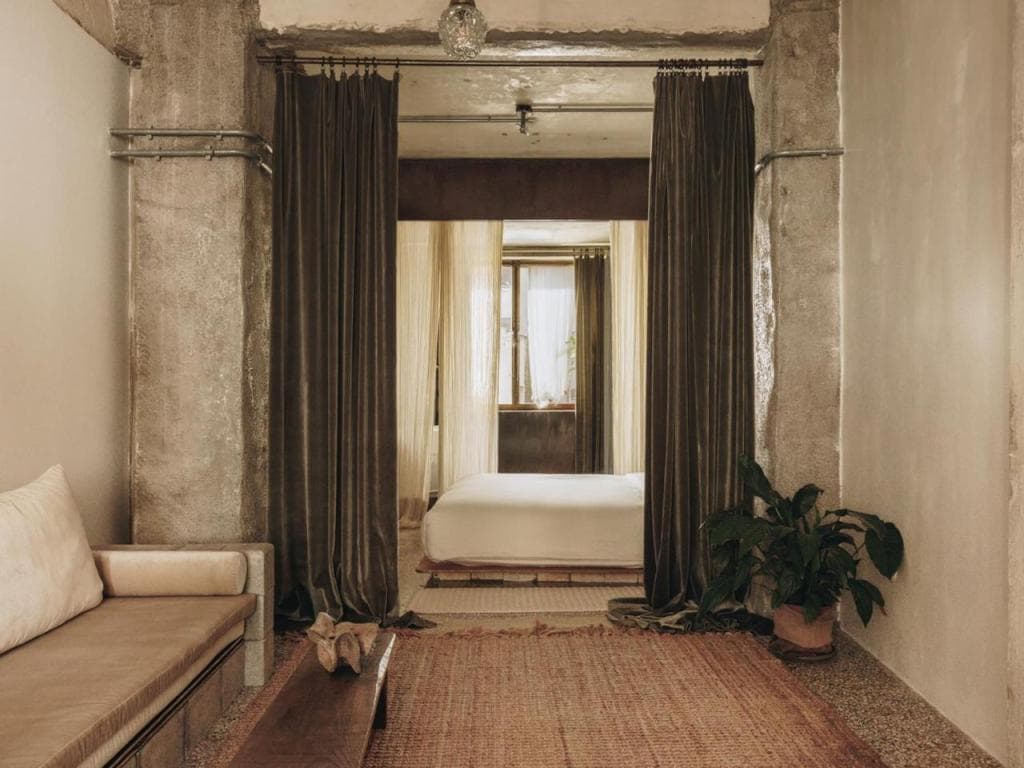
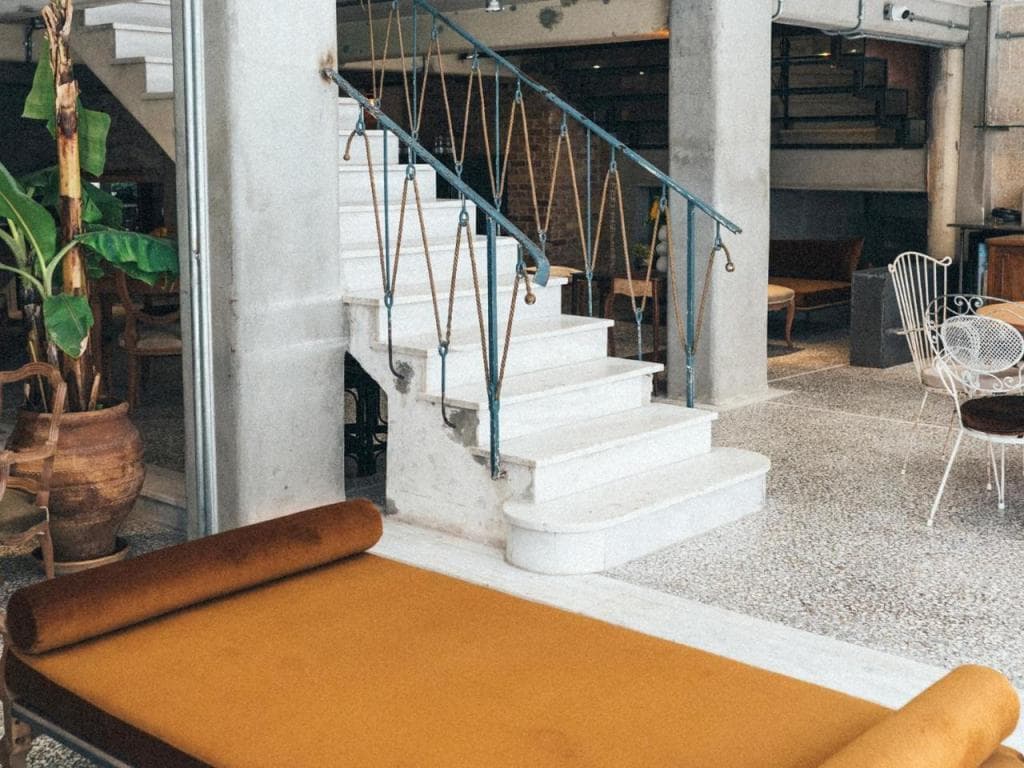
## Central Location Mona Athens in Athens offers a central base with Monastiraki Square just a 2-minute walk away. Monastiraki Railway Station is 656 feet nearby, while the Temple of Hephaestus lies


 Athens35 rooms
## Comfortable Accommodations The Gem Society Hotel in Athens offers 4-star comfort with air-conditioning, private bathrooms, and modern amenities. Each room includes a work desk, mini-bar, and free




 Athens77 rooms
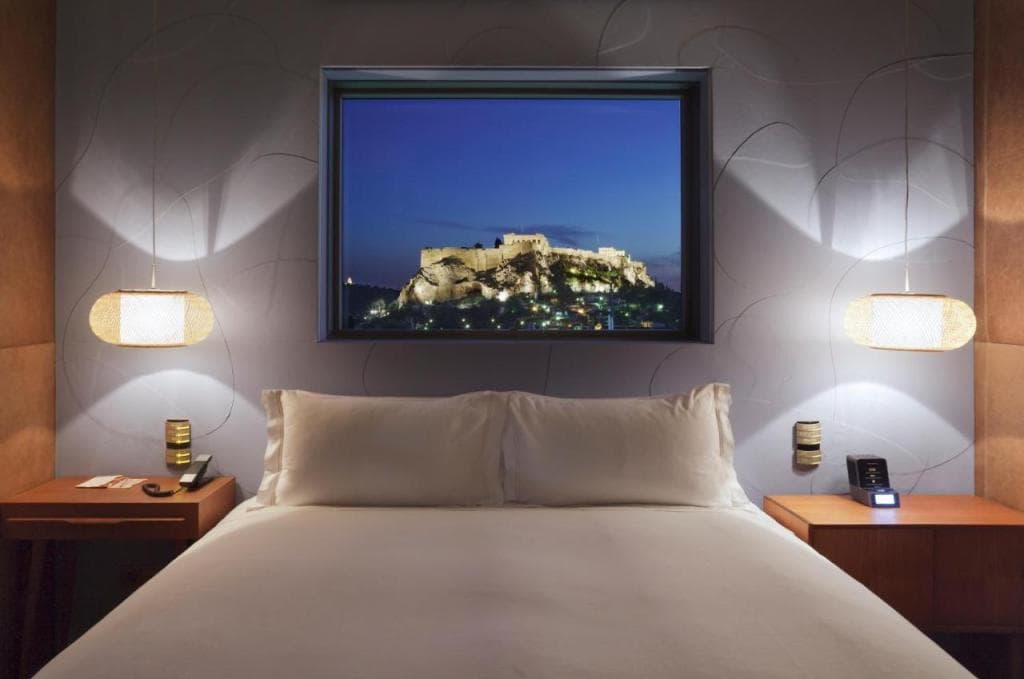
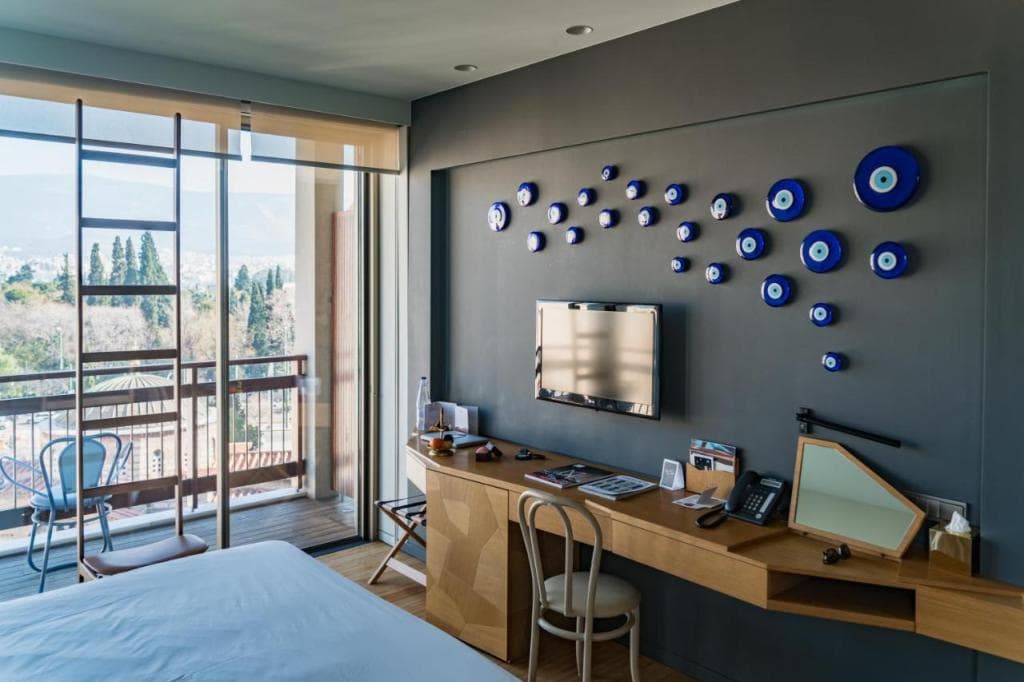
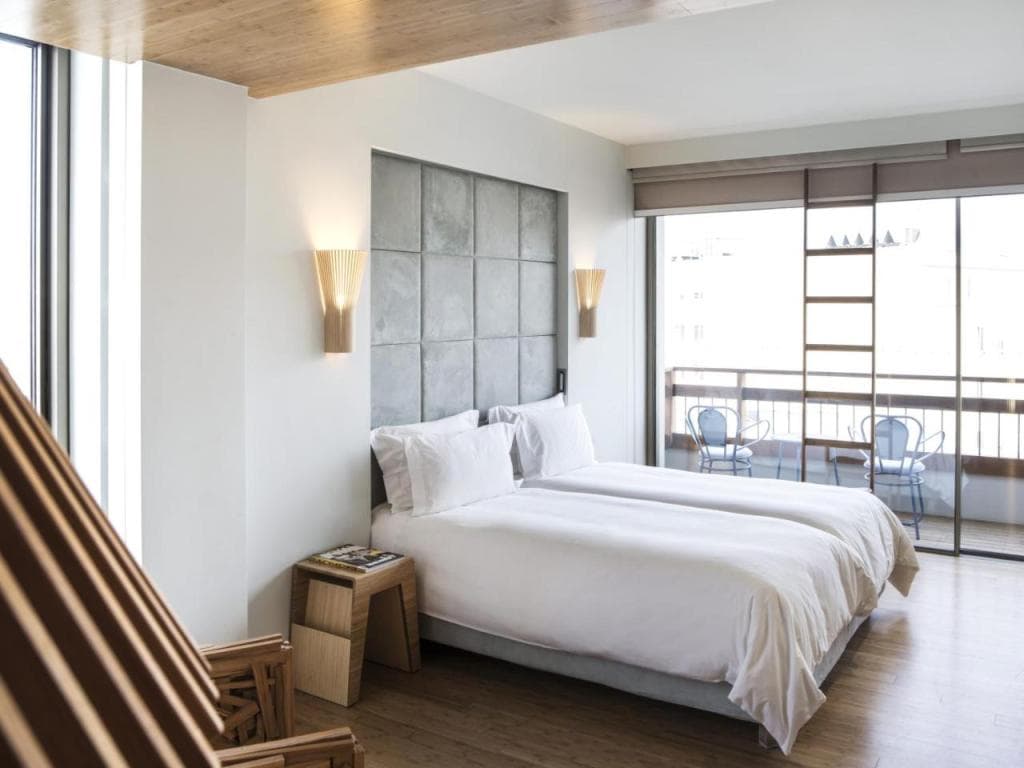
This brand new design hotel stands in a prominent central city location, 656 feet from Syntagma Square. With free Wi-Fi throughout the property, New Hotel, a Member of Design Hotels houses a Mediterra




 Athens173 rooms
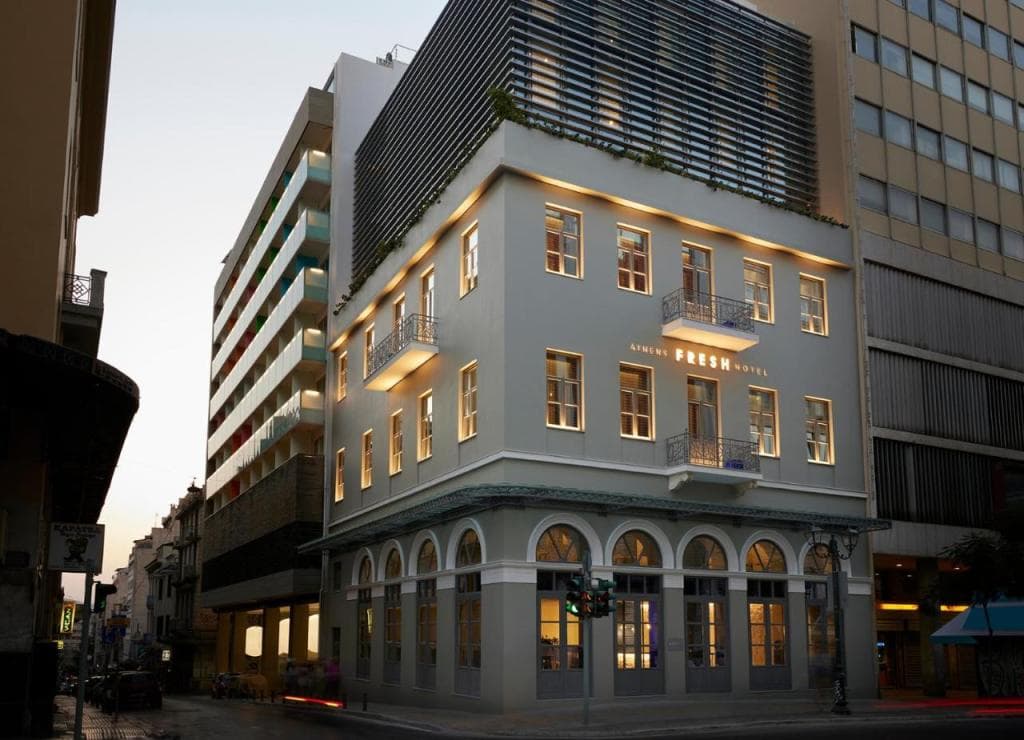
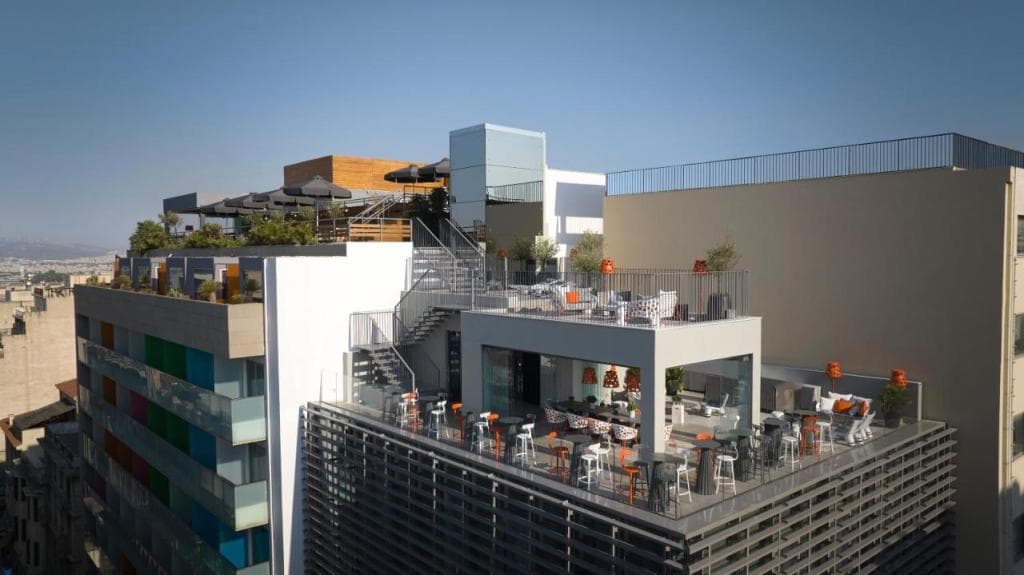
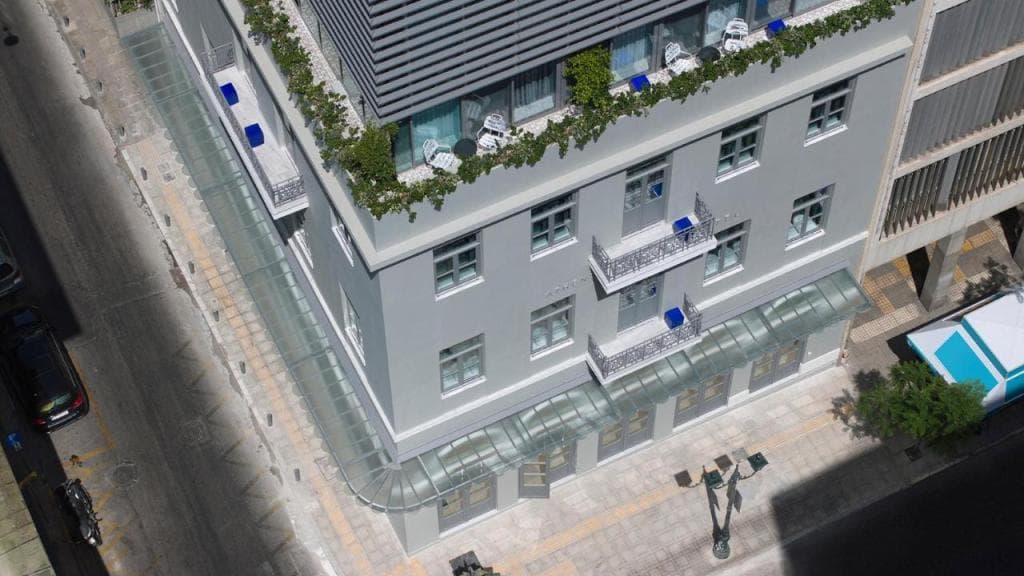
Located in the center of Athens, within walking distance to Monastiraki and Plaka, this design hotel offers luxurious, minimalist rooms, in vivid colors. Most units feature balconies, some with a Zen
Results 1 - 25
Athens has grown into one of the Mediterranean's most relaxed capitals for LGBTQ+ travellers. Since the legal recognition of same-sex marriage in 2024, the city has confirmed an openness already visible in its cafés, beaches and cultural venues. Staying in a gay-friendly property means benefiting from attentive, non-judgemental service and a central location close to the main queer venues as well as the archaeological sites.
Most inclusive addresses are clustered between Syntagma, Monastiraki and Koukaki, placing guests within walking distance of both the Acropolis and the bars of Gazi. Rooftop terraces are a local signature, often facing the Sacred Rock.
The heart of LGBTQ+ nightlife beats in Gazi, a former industrial district reshaped around the Technopolis cultural centre. The streets surrounding Kerameikos metro station fill every evening with bars, clubs and late-night bites, from the long-standing Sodade 2 to the mixed crowds of Noiz and BeQueer. Drag shows, themed nights and open-air terraces animate the area year-round.
Nearby, Psyrri offers a more bohemian atmosphere, with small tavernas, rebetiko venues and a rising number of queer-owned cafés. Further south, the gay beaches of Limanakia, below the coastal road towards Vouliagmeni, remain a summer ritual for locals and visitors alike.
No stay in Athens is complete without climbing to the Acropolis and exploring the Parthenon, the Erechtheion and the Odeon of Herodes Atticus. The renovated Acropolis Museum, with its glass floors revealing ancient ruins below, provides context for the marbles above. Walking the pedestrian avenue of Dionysiou Areopagitou connects these landmarks to the lively Plaka quarter.
Beyond antiquity, Athens reveals layered identities in the National Archaeological Museum, the Byzantine and Christian Museum, and the contemporary art spaces of the Stavros Niarchos Foundation Cultural Centre. A ride up Lycabettus Hill at sunset offers a sweeping view across the basin down to the Saronic Gulf.
Spring and early autumn are the most comfortable seasons, with mild temperatures suited to long walks through the historic centre. Athens Pride, held each June around Syntagma Square, gathers tens of thousands for a parade, concerts and political speeches. Summer brings open-air cinema under the stars at Thissio and Zappeion, while winter reveals a quieter, more local Athens centred on museums, neoclassical cafés and neighbourhood tavernas.