Very good — 8.3/10




 Brussels
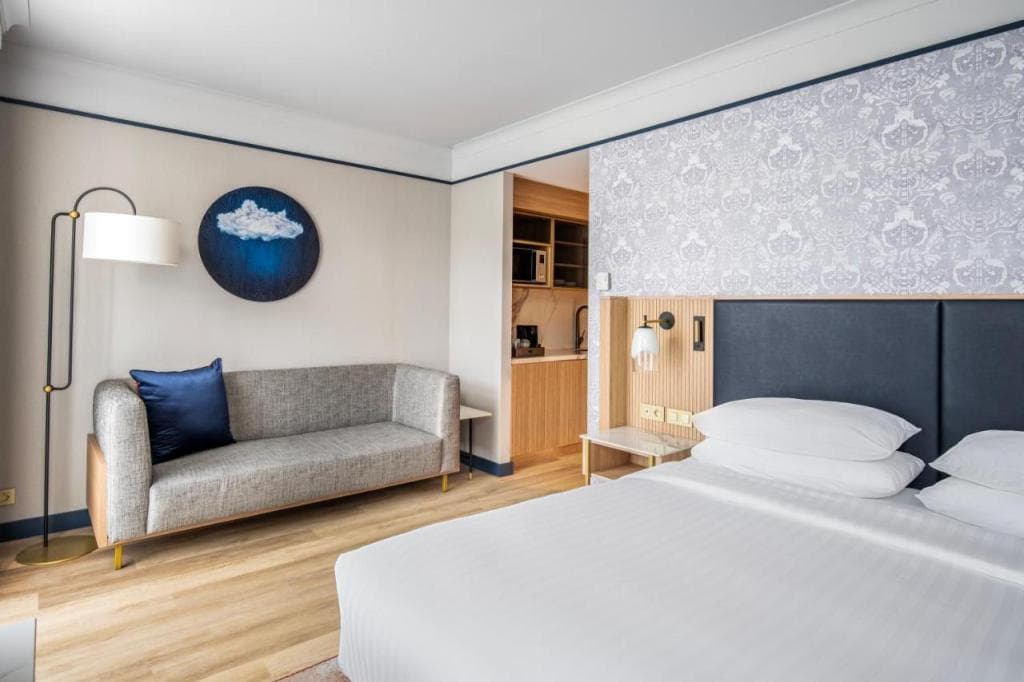
 77 rooms
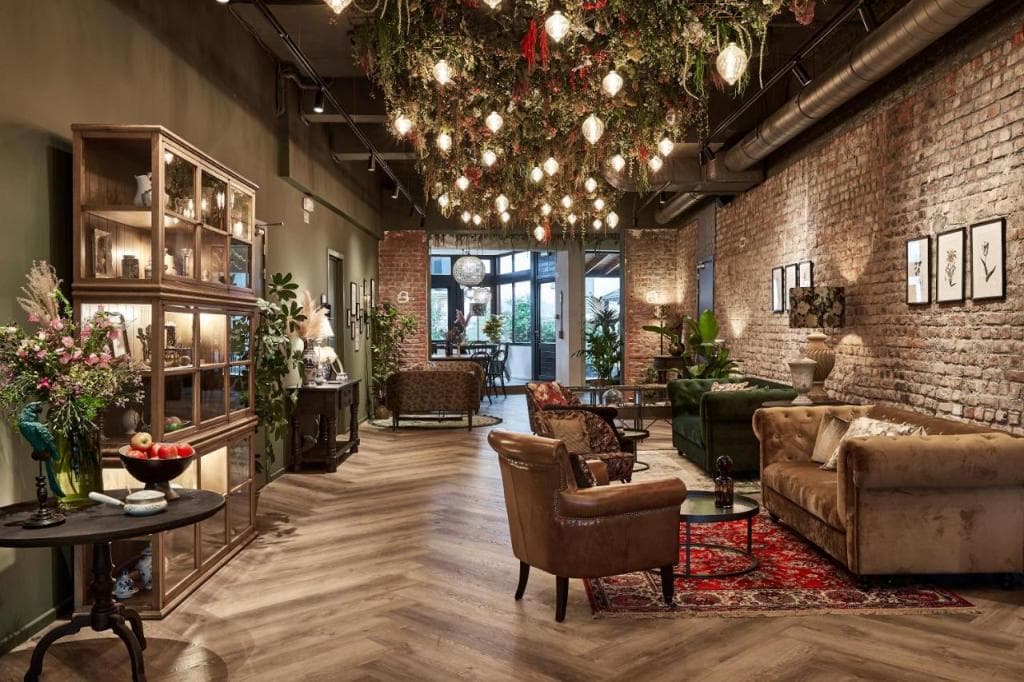
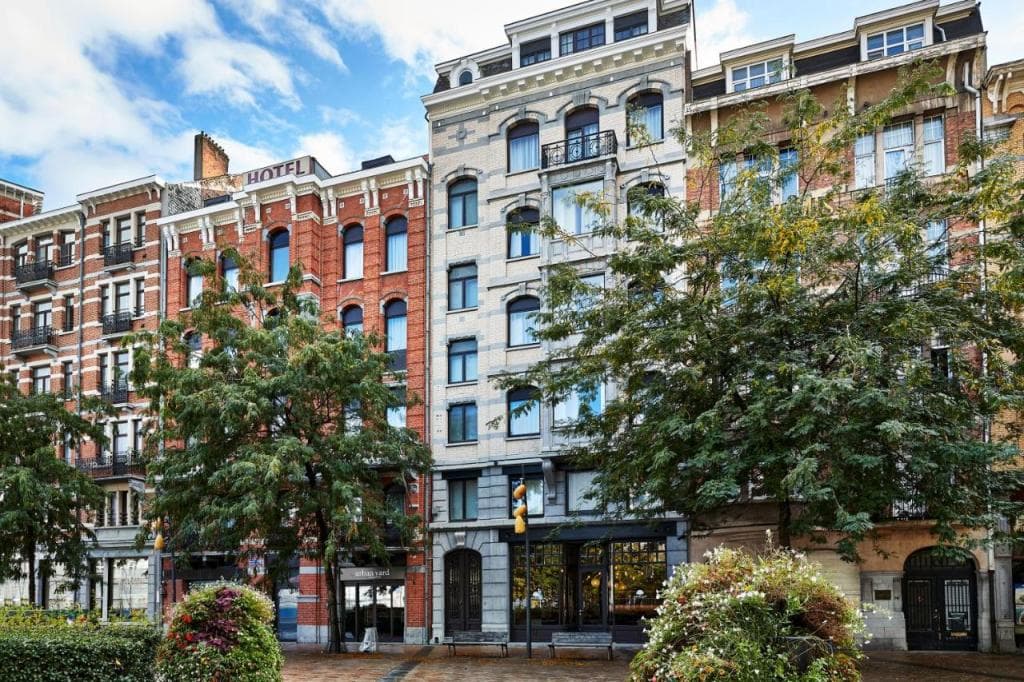
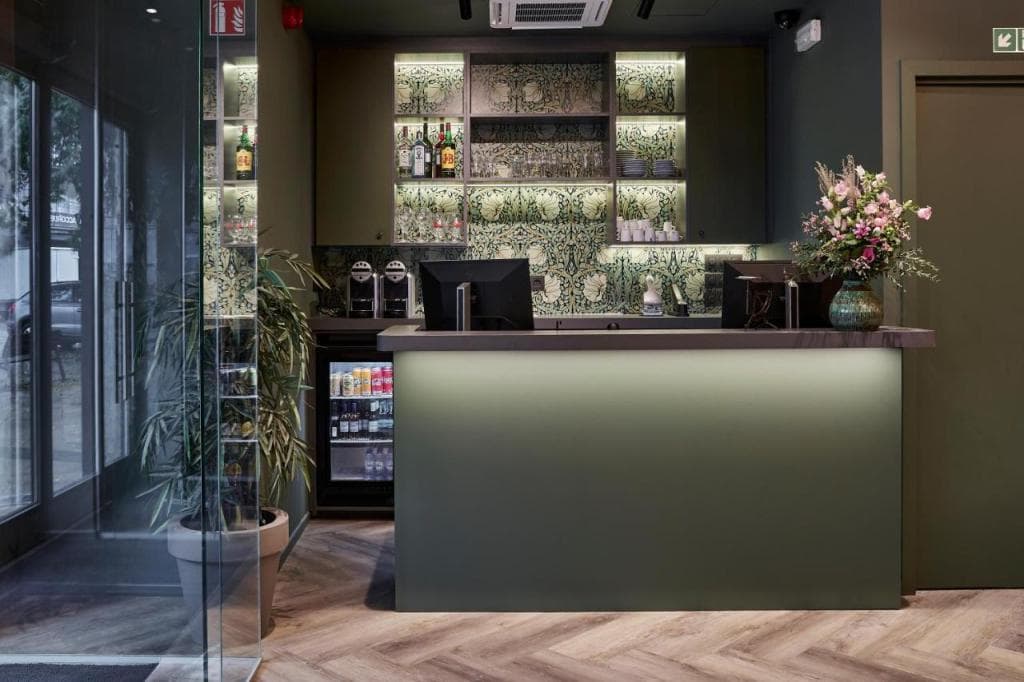
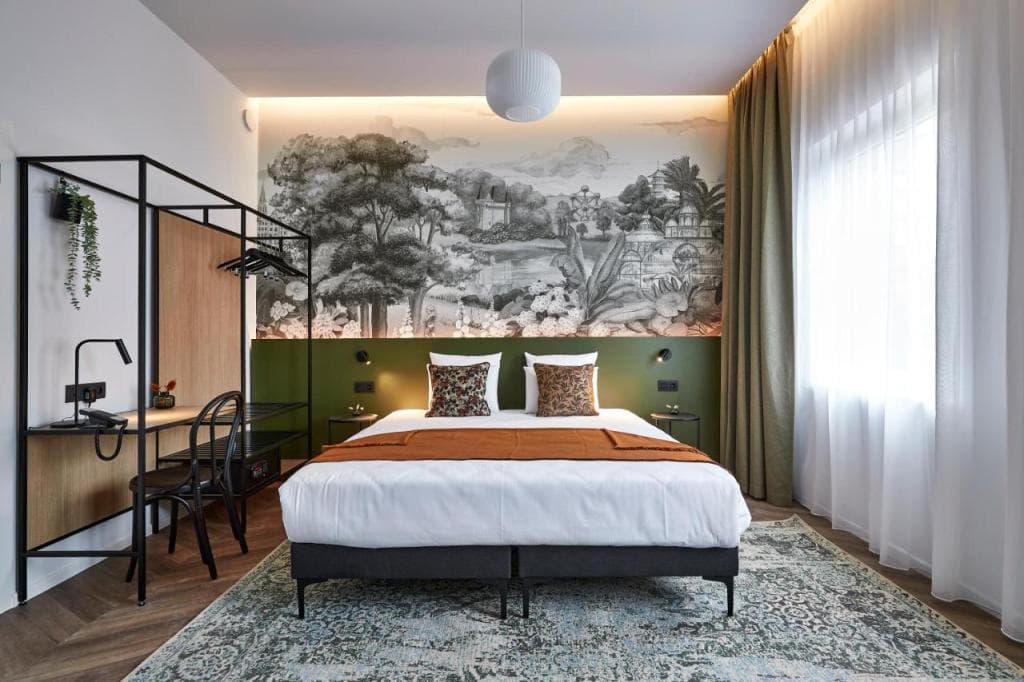
Located 2297 feet from the Brussels-South Train Station, this unique hotel consists of 2 Art Nouveau townhouses offering rooms with individual character. Contemporary style meets natural science and e

 Brussels77 rooms
Located 2297 feet from the Brussels-South Train Station, this unique hotel consists of 2 Art Nouveau townhouses offering rooms with individual character. Contemporary style meets natural science and e



 Brussels222 rooms
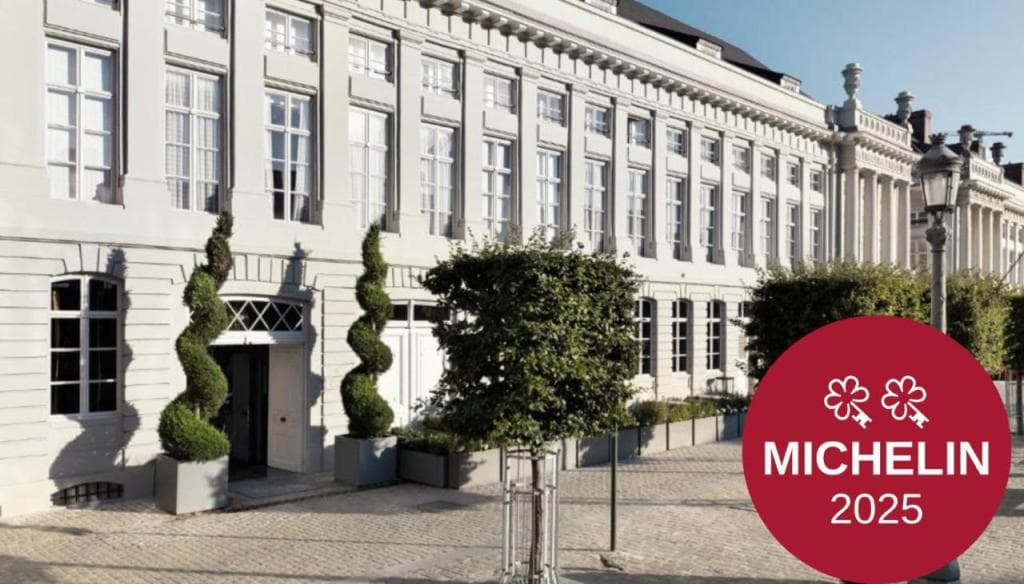
Set within a 5-minute walk from Grand Place and Manneken Pis, and a 10-minute walk from Brussels Central Train Station, Brussels Marriott Hotel offers air-conditioned rooms and a fitness center. There


 Brussels43 rooms
## Elegant Accommodations Juliana Hotel & Spa in Brussels offers a 5-star experience with spa facilities, a wellness center, sauna, fitness center, indoor swimming pool, sun terrace, restaurant, bar,



 Brussels75 rooms
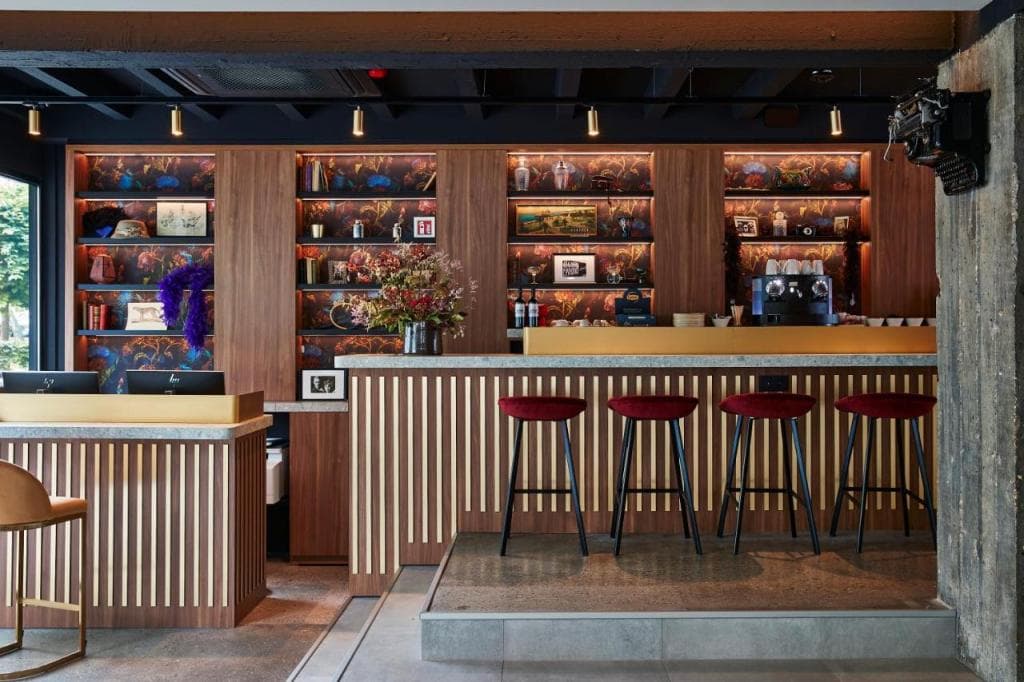
The Scott boutique hotel offers state-of-the art rooms in the trendy Saint Gilles quarter of Brussels, 5-minute walk from the fashionable Avenue Louise shopping area. The Scott has just been fully re




 Brussels72 rooms
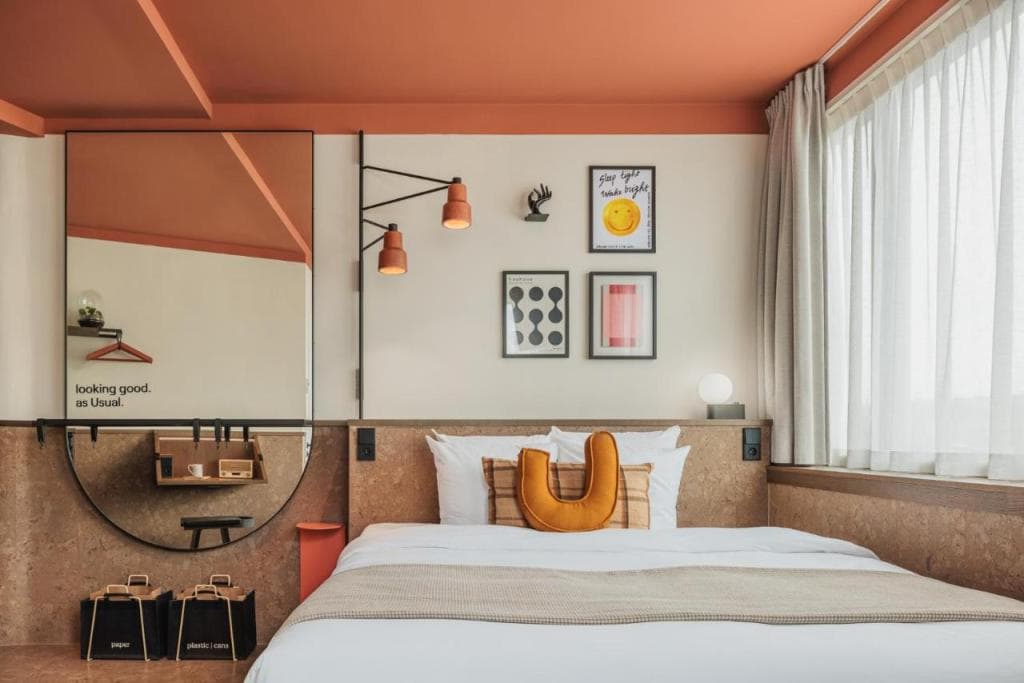
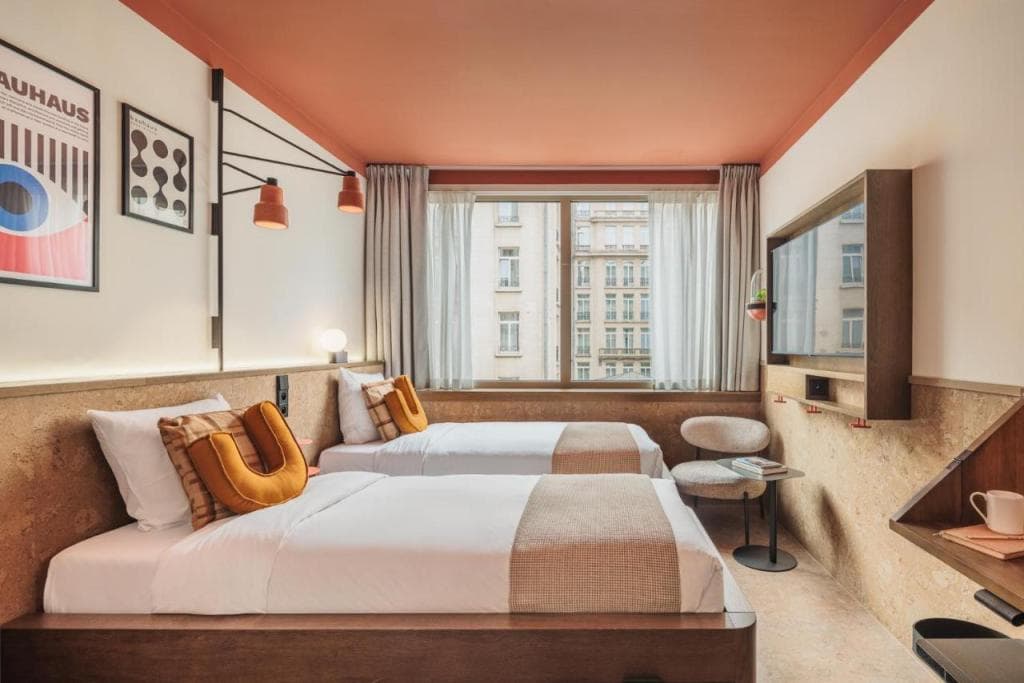
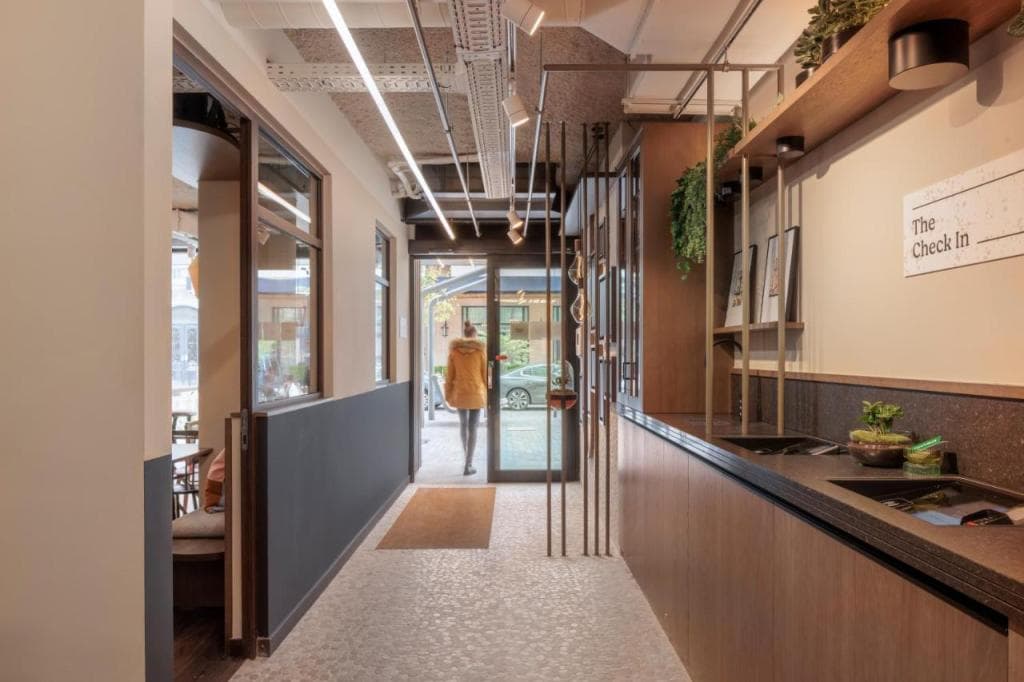
The Usual Brussels is located in Brussels City Center, surrounded by popular shopping streets, local eateries, and pedestrian-friendly areas. It is easily accessible by public transport including trai




 Brussels353 rooms
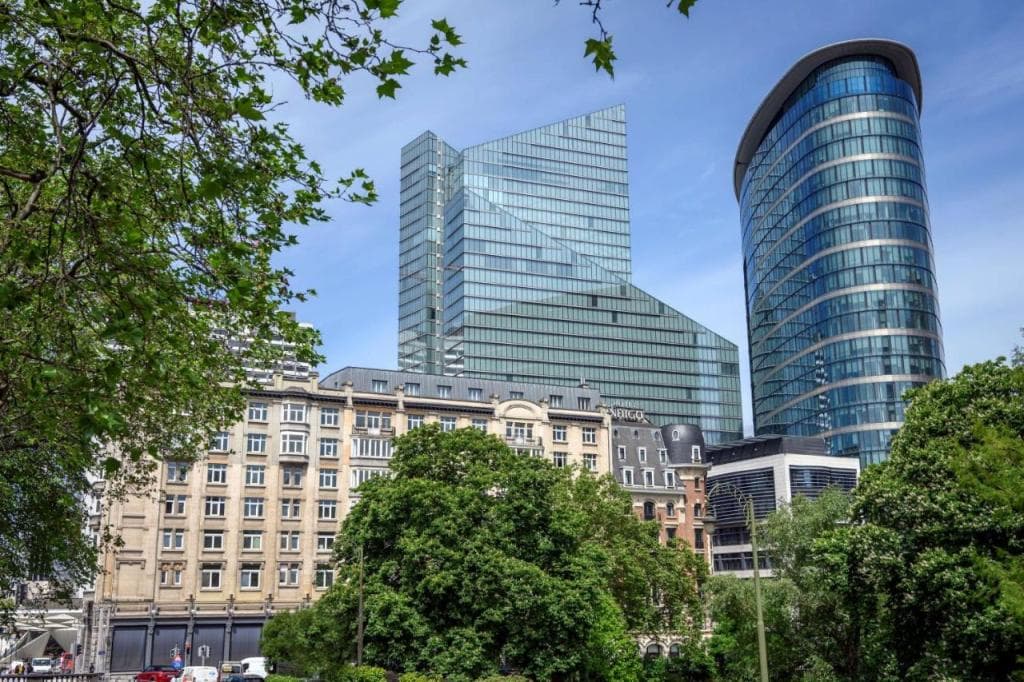
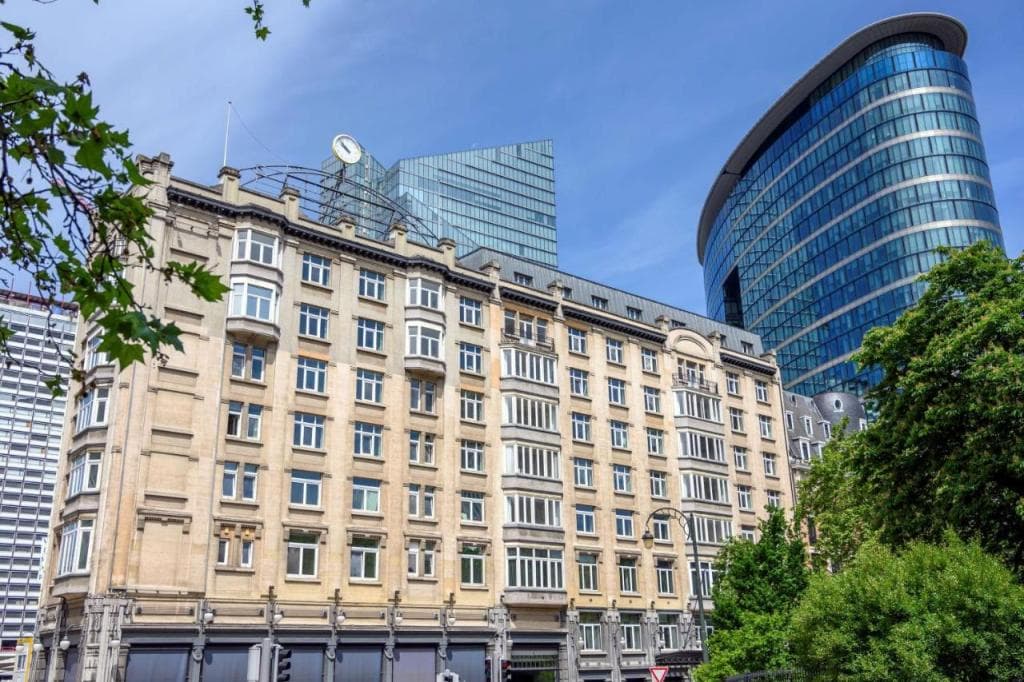
Set within 328 feet from Rue Neuve shopping street and a 15-minute walk from Grand Place, the eco-friendly modern and art déco-era styling DoubleTree By Hilton Brussels City offers free and unlimited


 Brussels22 rooms
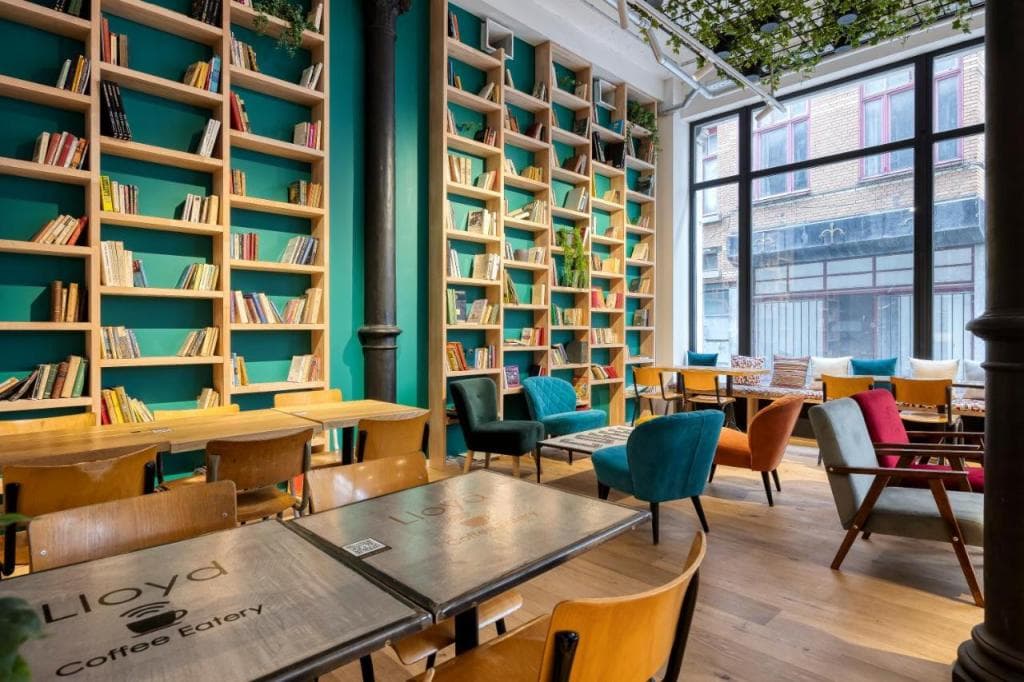
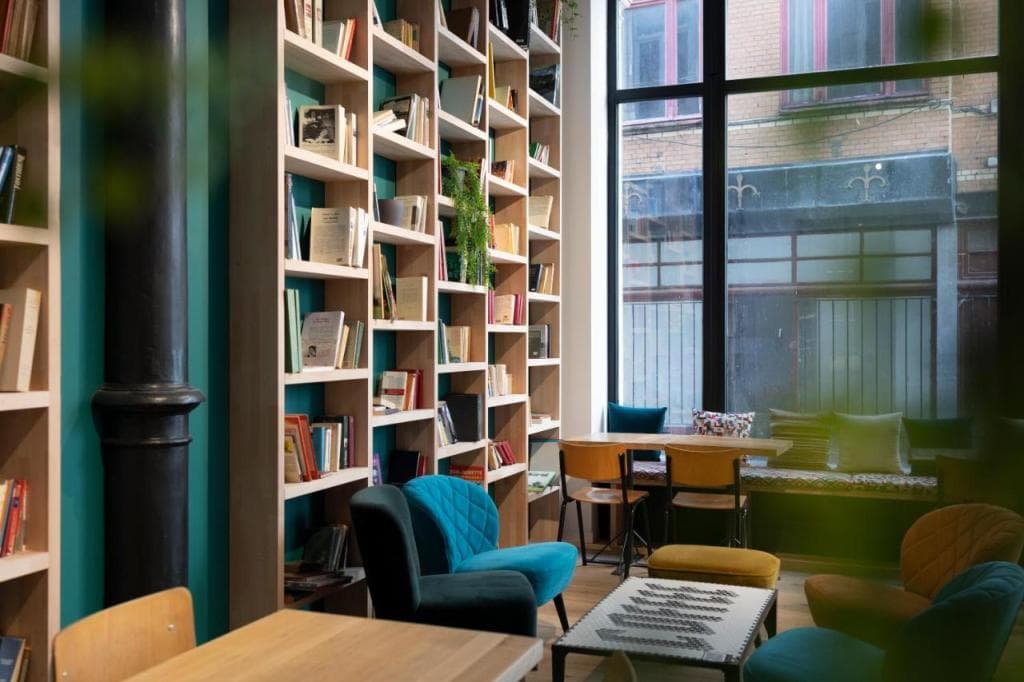
Aris Hotel is ideally set in the center of Brussels. It offers rooms less than 328 feet from the Grand Place and only 984 feet from Brussels Central Station. WiFi is free in the rooms. All of the roo




 Brussels70 rooms
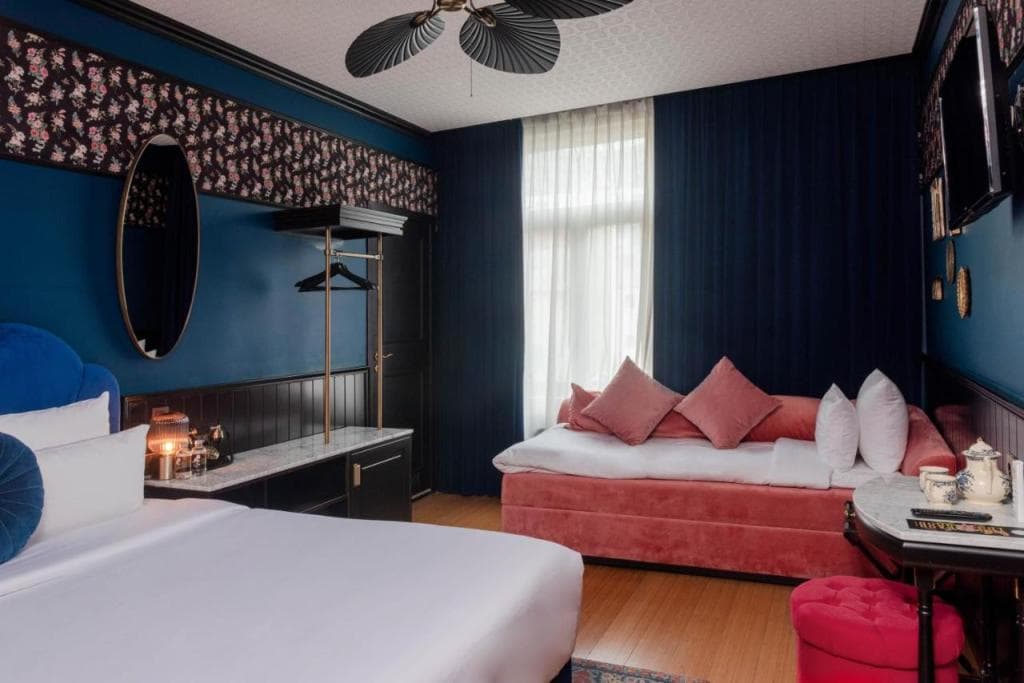
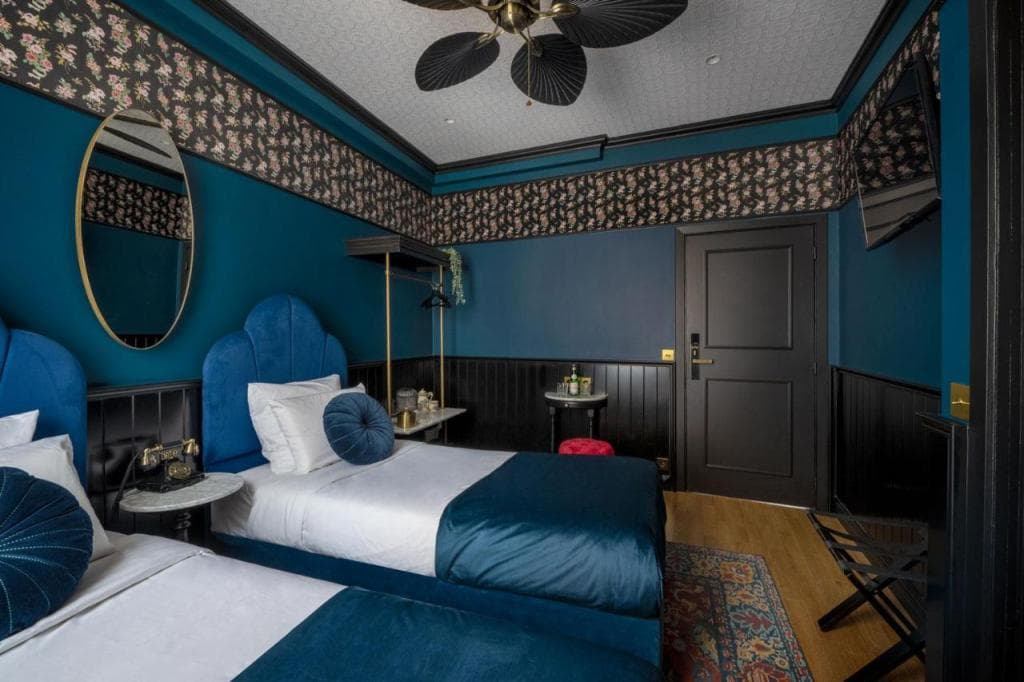
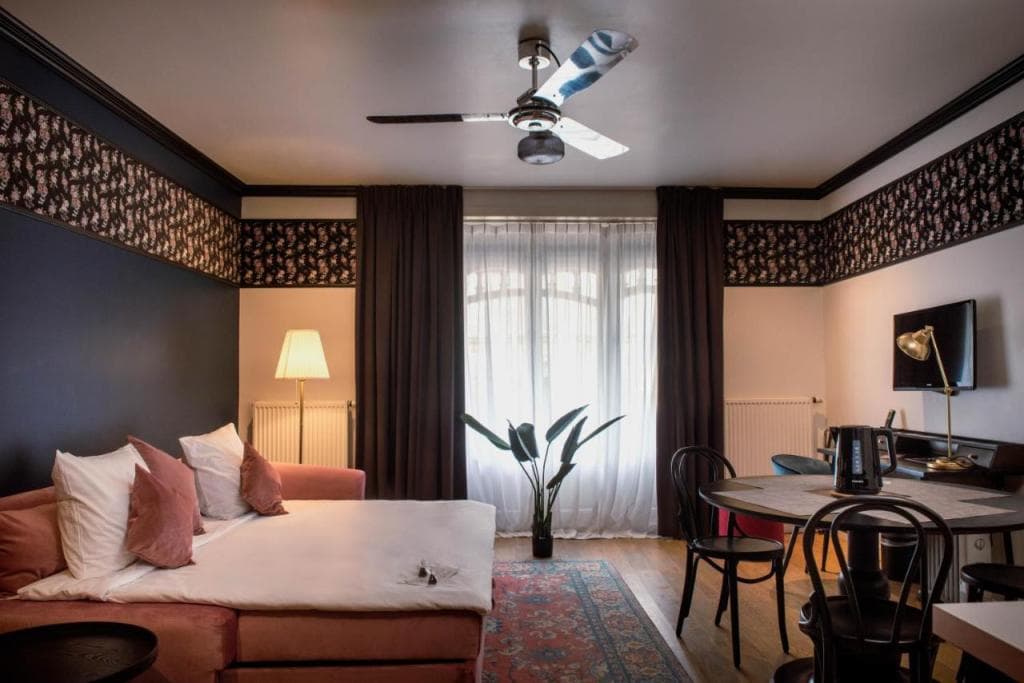
## Comfortable Accommodations Craves in Brussels offers family rooms with private bathrooms, air-conditioning, and free WiFi. Each room includes a work desk, TV, and wardrobe, ensuring a pleasant sta



 Brussels273 rooms
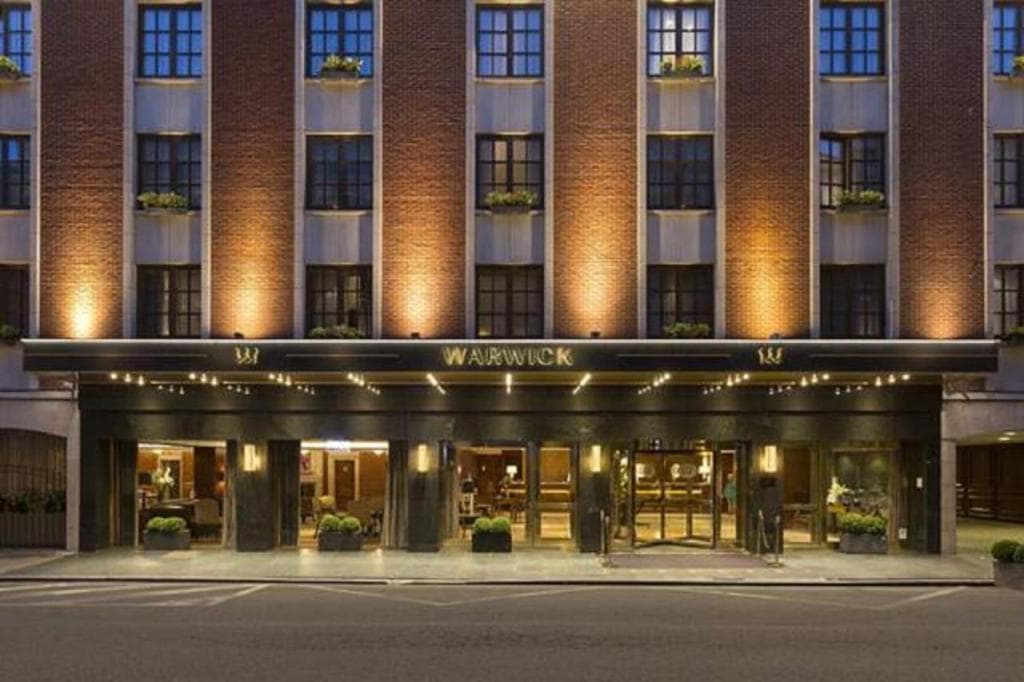
This luxurious hotel in the heart of Brussels is a 2-minute walk from the Grand-Place and Brussels Central Station. It features free access to the fitness center and sauna. A brand newly installed air


 Brussels Center51 rooms
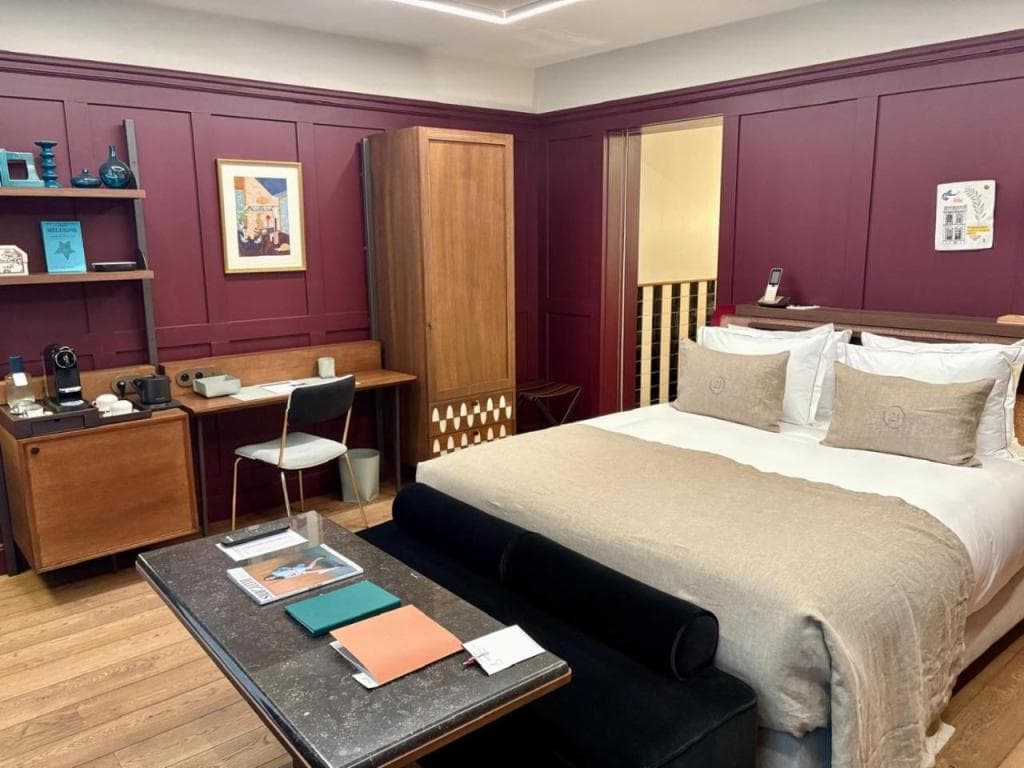
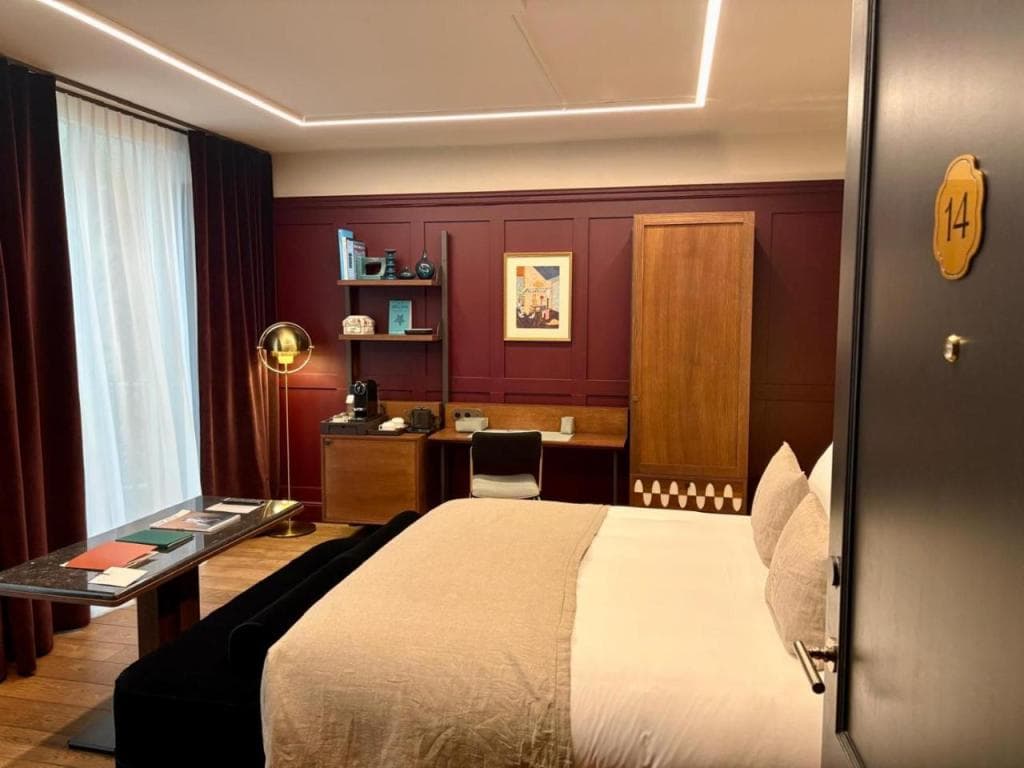
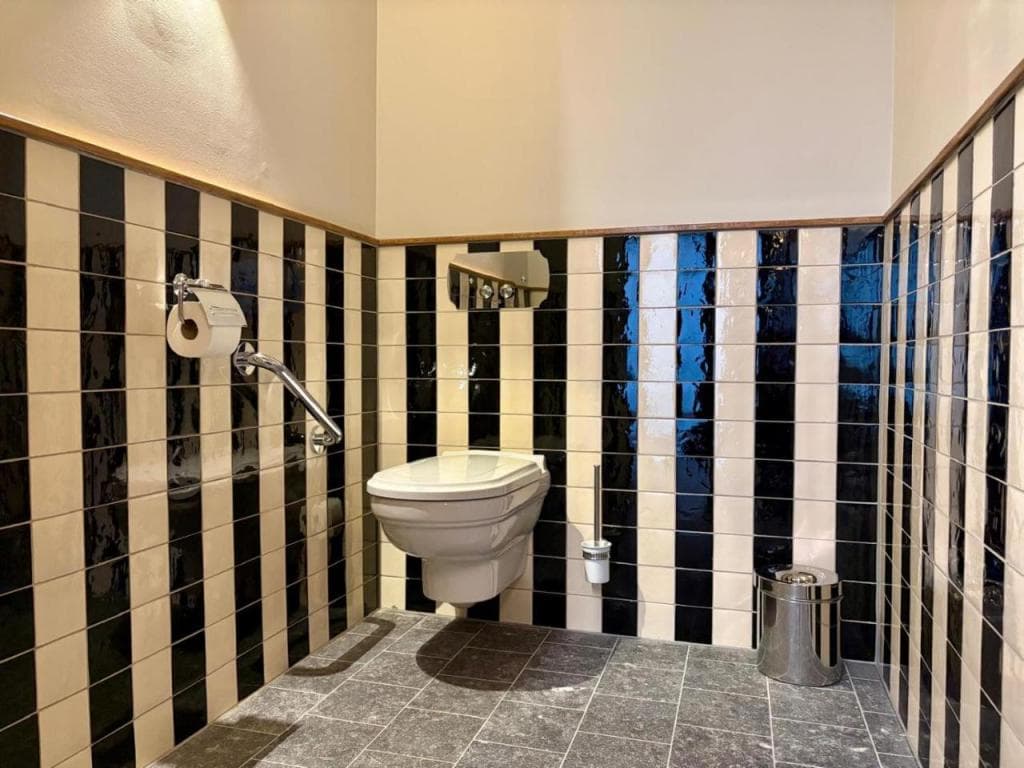
Hotel Fleur de Ville has a fitness center, shared lounge, a restaurant and bar in Brussels. This 4-star hotel offers free WiFi. The property is 600 yards from the city center and a 4-minute walk from




 European District28 rooms
## Elegant Accommodations Faubourg 21 in Brussels offers a 5-star experience with spa facilities, a wellness center, sauna, and a beautiful garden. Guests can relax on the terrace or enjoy free WiFi


 Quartier Nord200 rooms
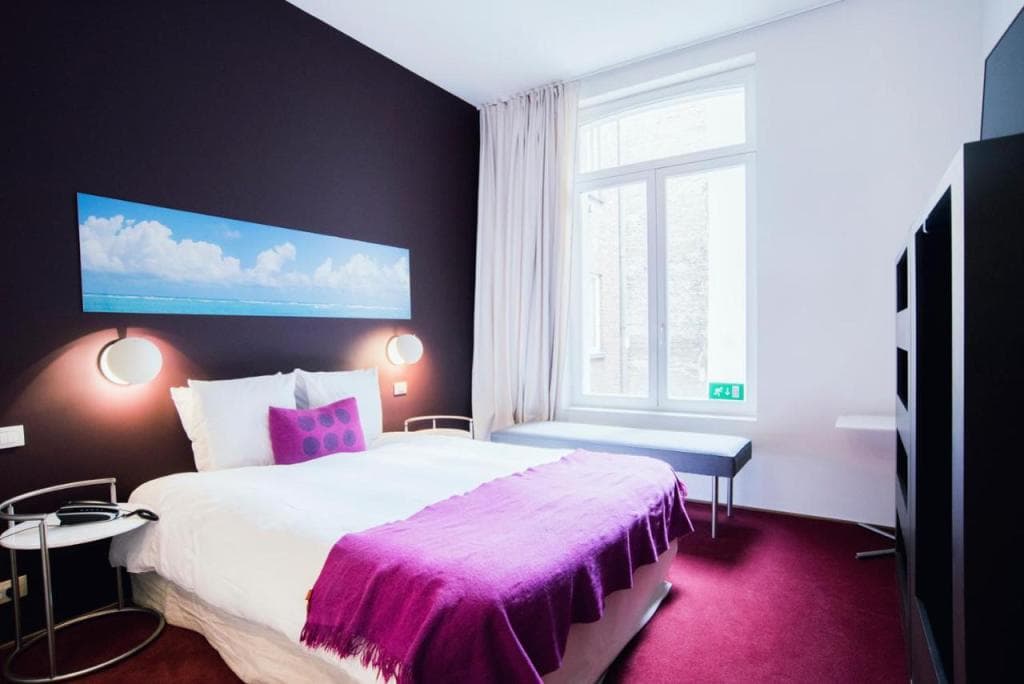
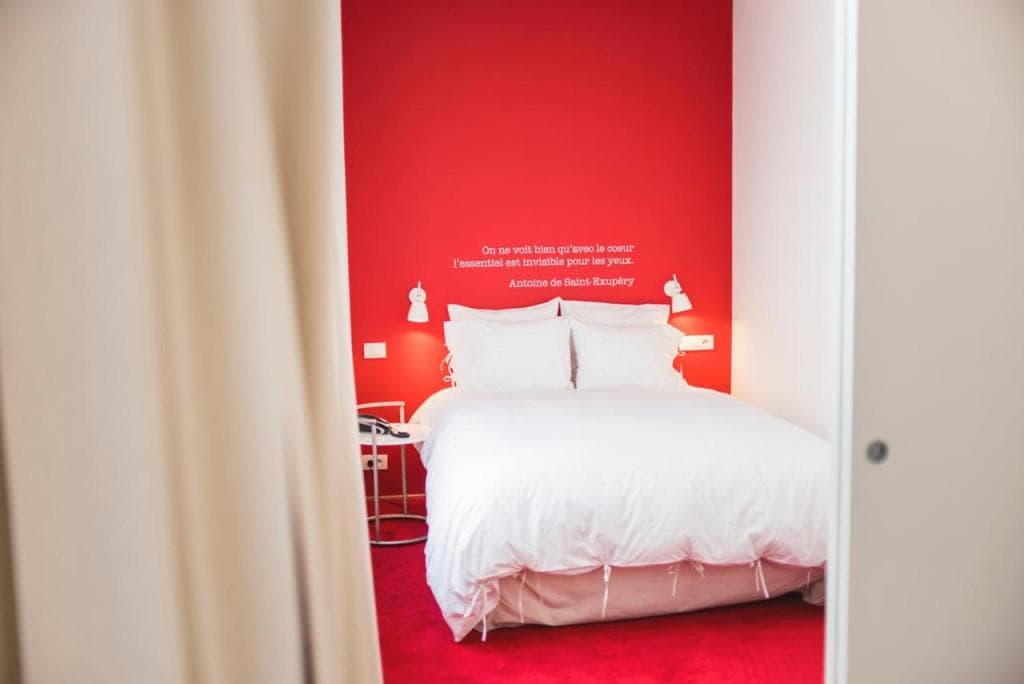
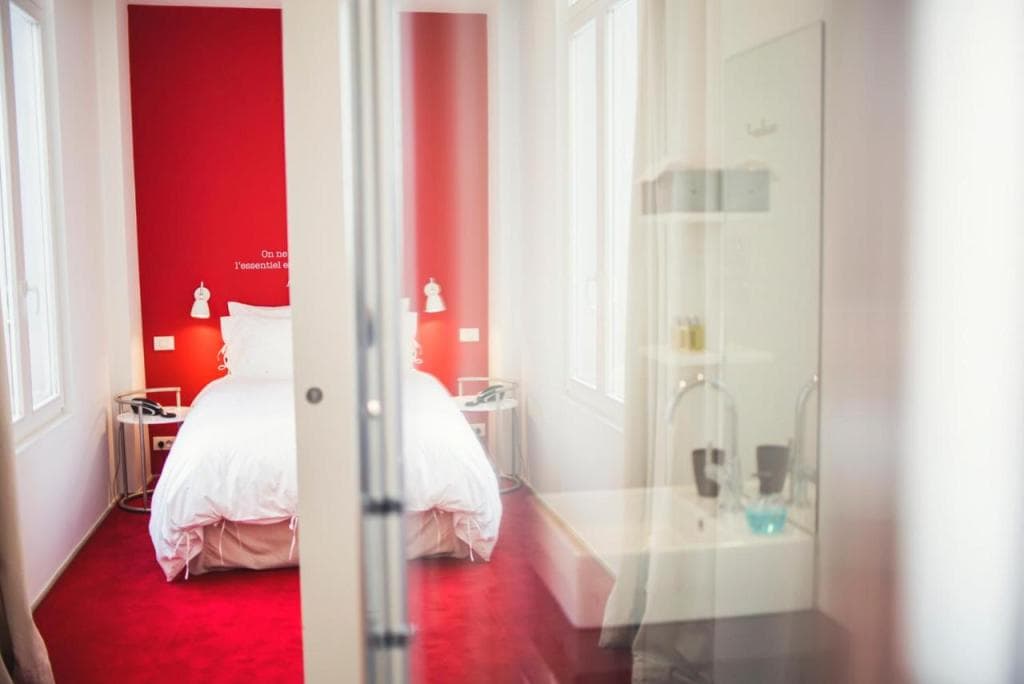
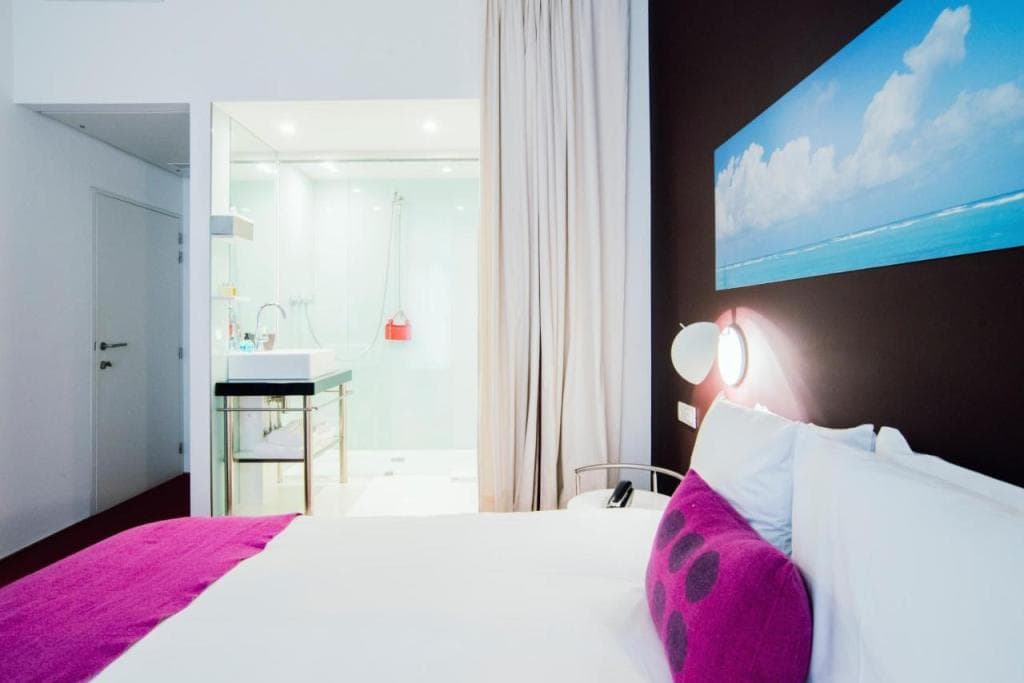
The Standard, Brussels has a fitness center, garden, a terrace and restaurant in Brussels. This 5-star hotel offers room service and a 24-hour front desk. Guests can use a bar. At the hotel, rooms ha
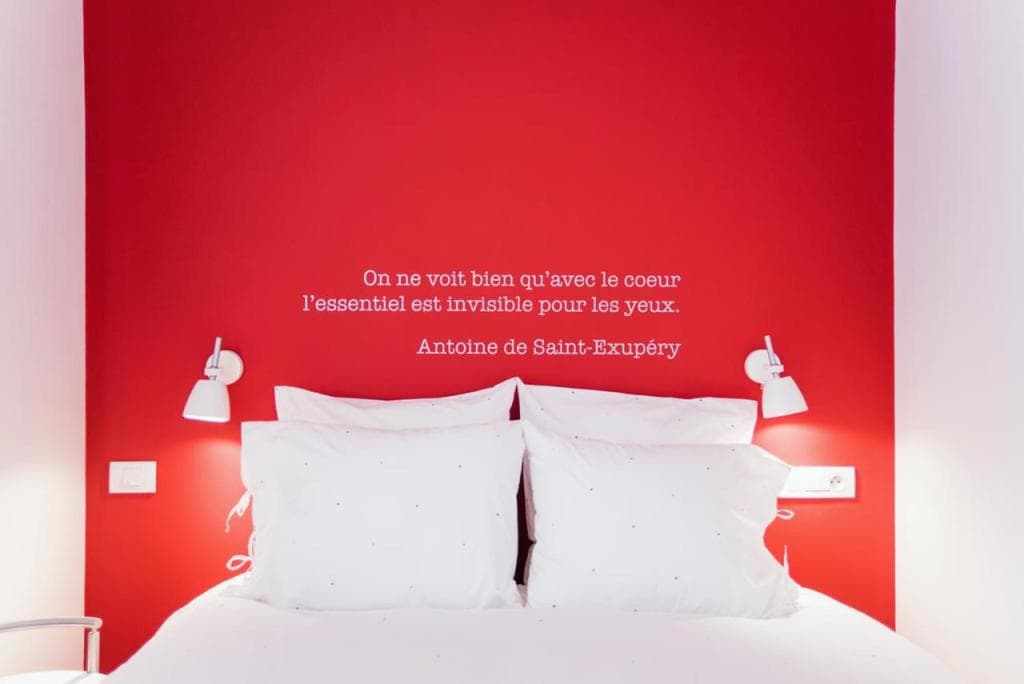
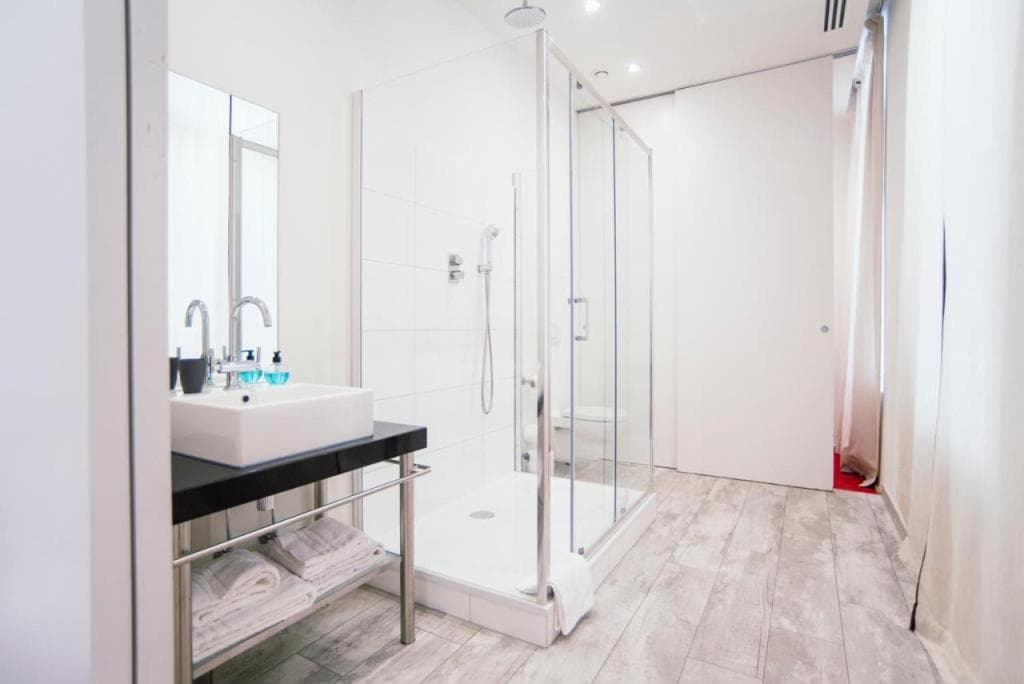
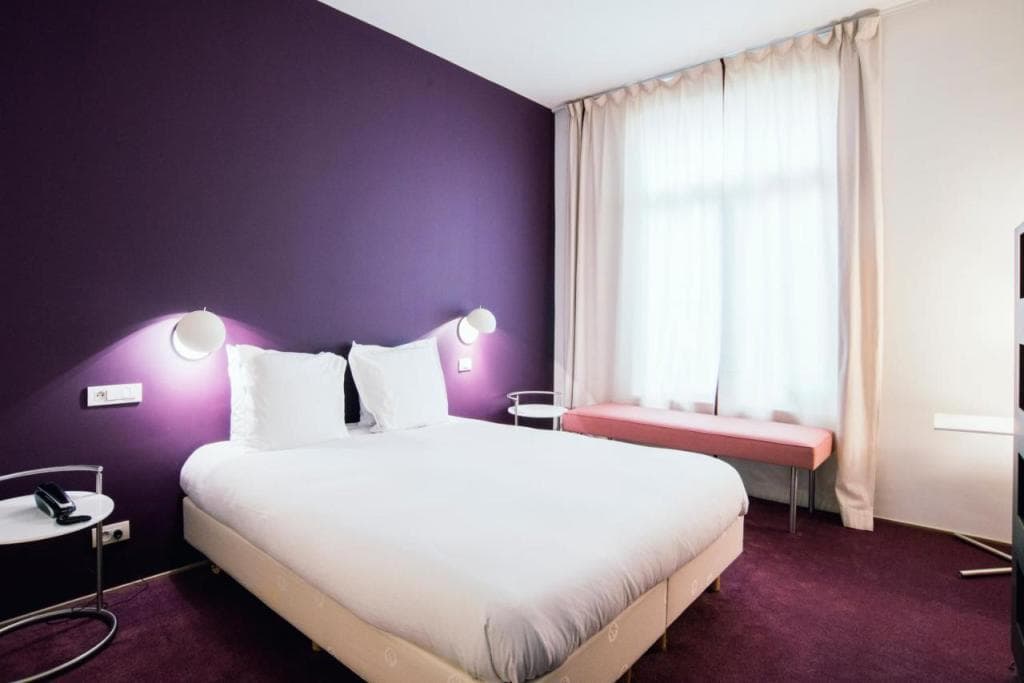
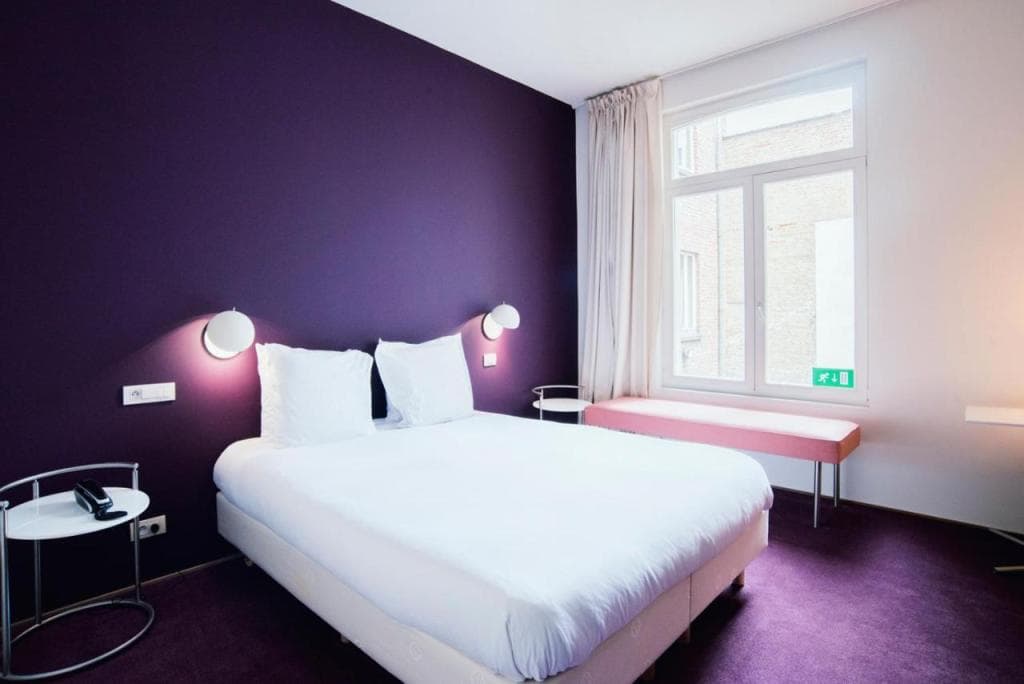
 Brussels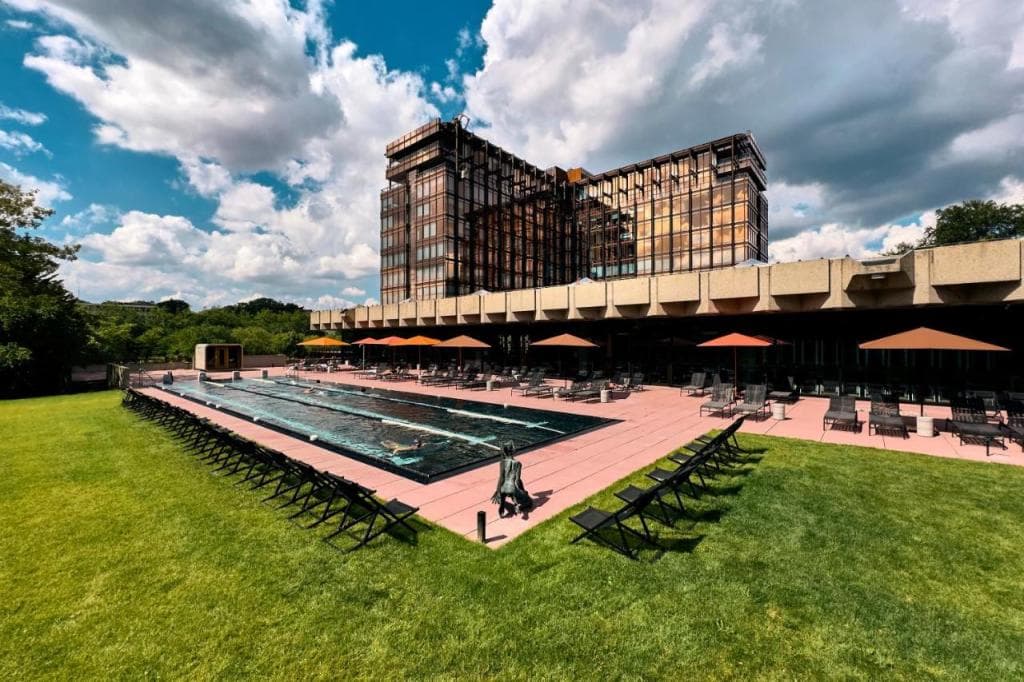


 Brussels181 rooms
## Comfortable Accommodations Mix Brussels --Gym & Wellness for adults only-- in Brussels offers comfortable rooms with air-conditioning, private bathrooms, and free WiFi. Each room includes a work d




 Brussels5 rooms
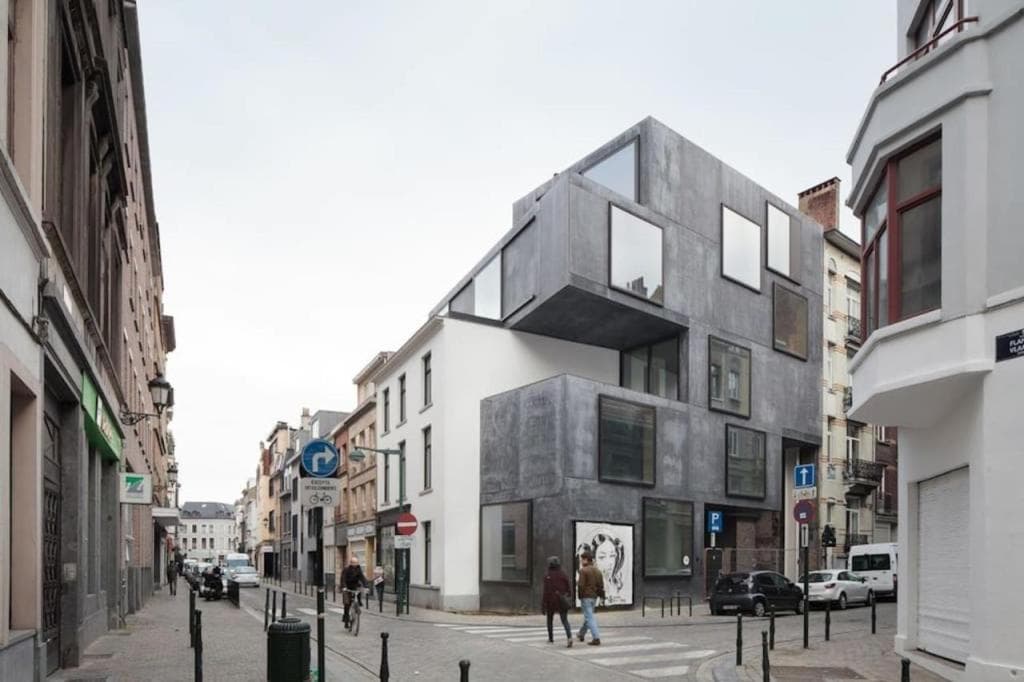
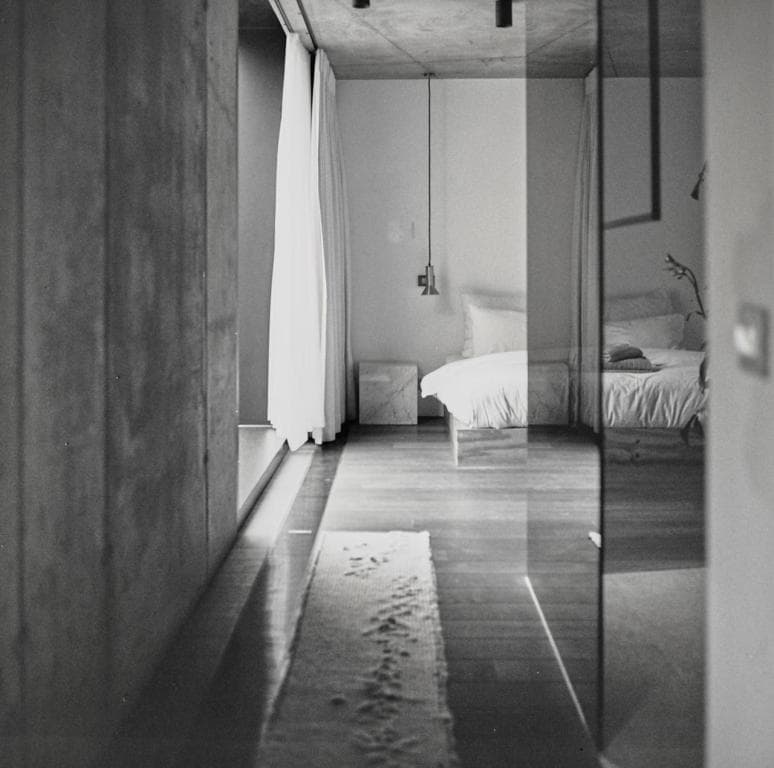
## Comfortable Accommodations Teddy Picker in Brussels offers a homestay with a garden, terrace, restaurant, and free WiFi. Guests enjoy private bathrooms with walk-in showers, balconies with garden




 Brussels8 rooms
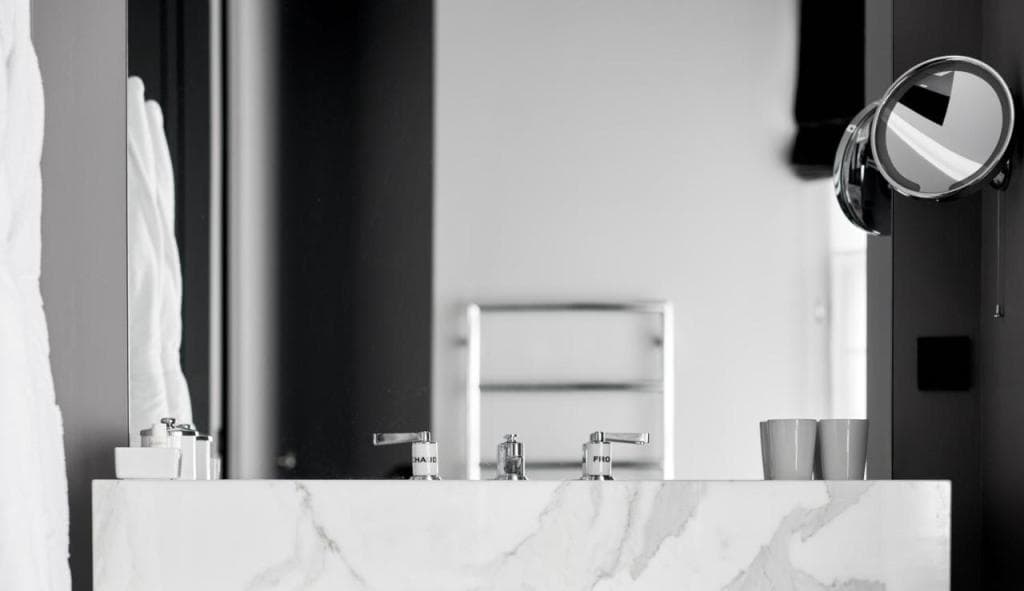
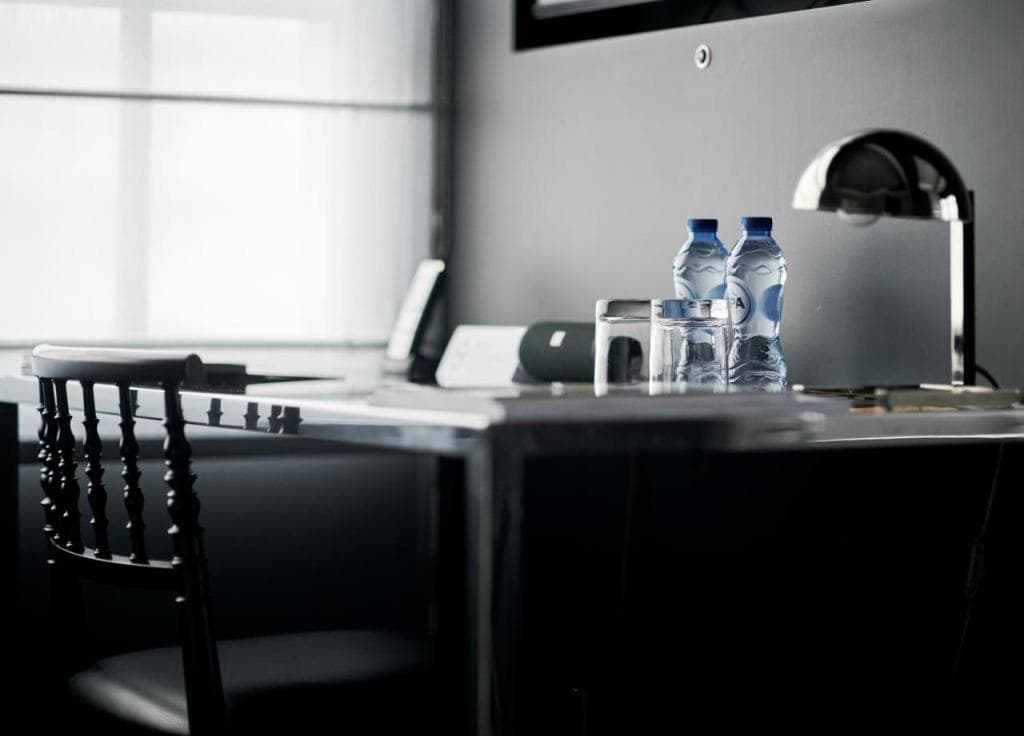
Odette en Ville is located in a private residence from the 1920's. This luxurious boutique hotels offers free Wi-Fi and stylish rooms. Tramway stop Bailli is a 2-minute walk away. Metro station Horta


 Brussels150 rooms
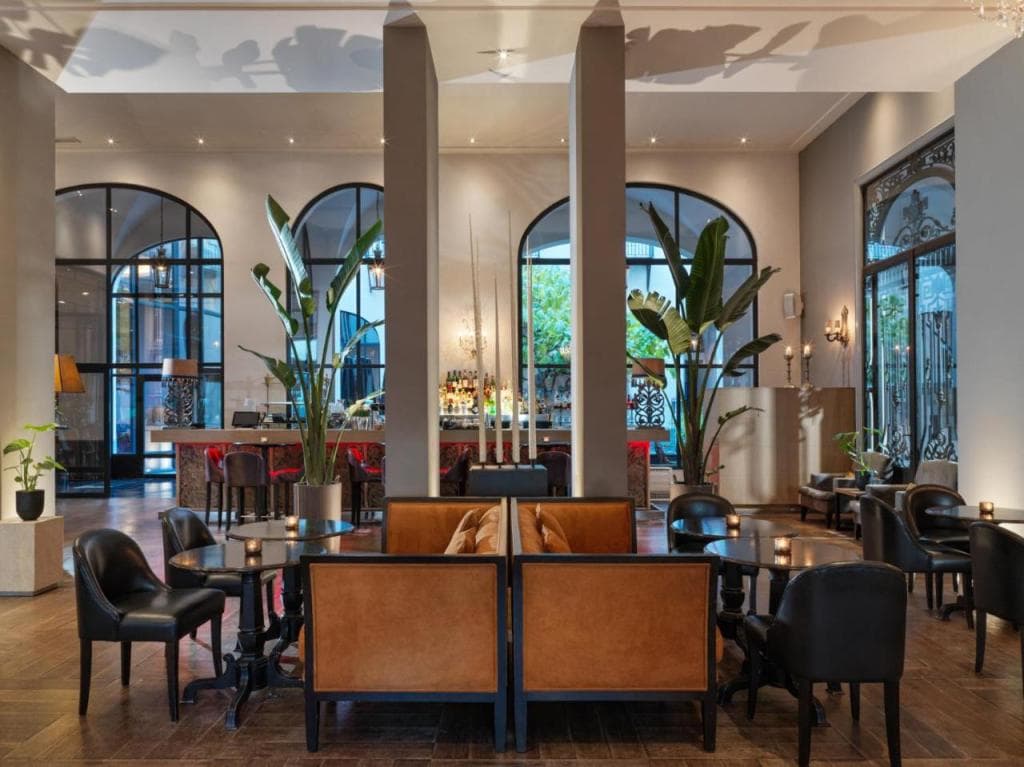
The Dominican, Brussels, a Member of Design Hotels is a 4-star hotel located in the center of Brussels, just a 5-minute walk from the Maison Grand Place. It offers spacious accommodations with free Wi


 Brussels169 rooms
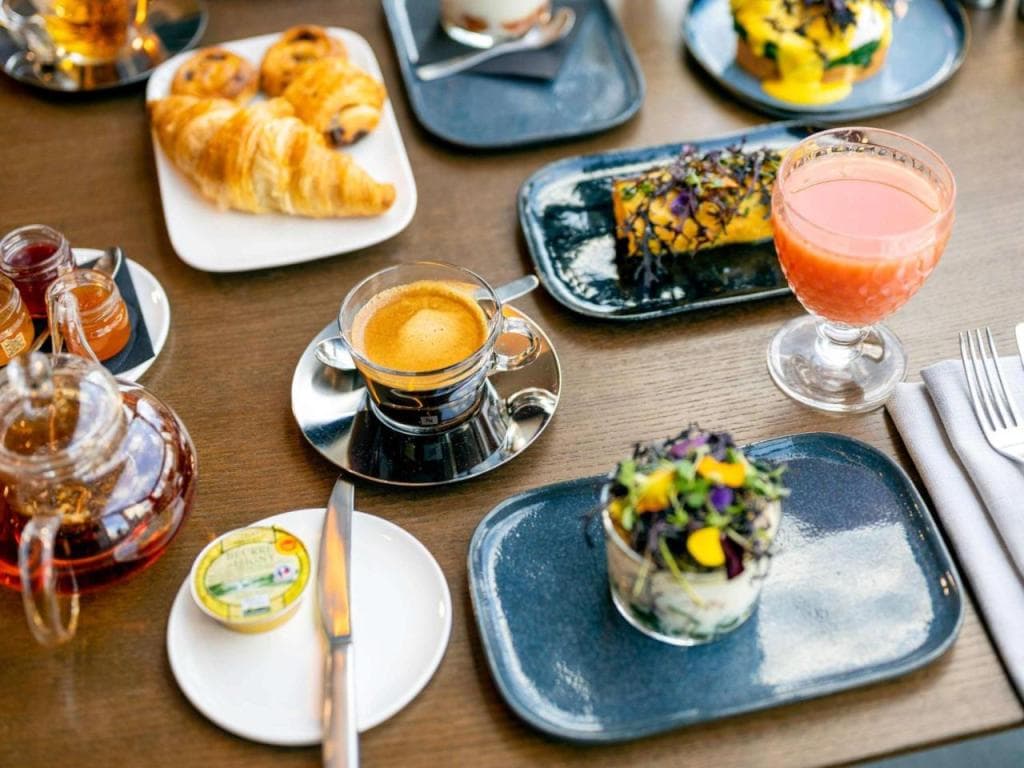
Stay in the heart of Brussels at Le Louise Hotel, just around the corner from Avenue Louise and 328 feet from the Louise Metro Station. Our modern, elegantly designed rooms feature flat-screen TVs, co



 Brussels165 rooms
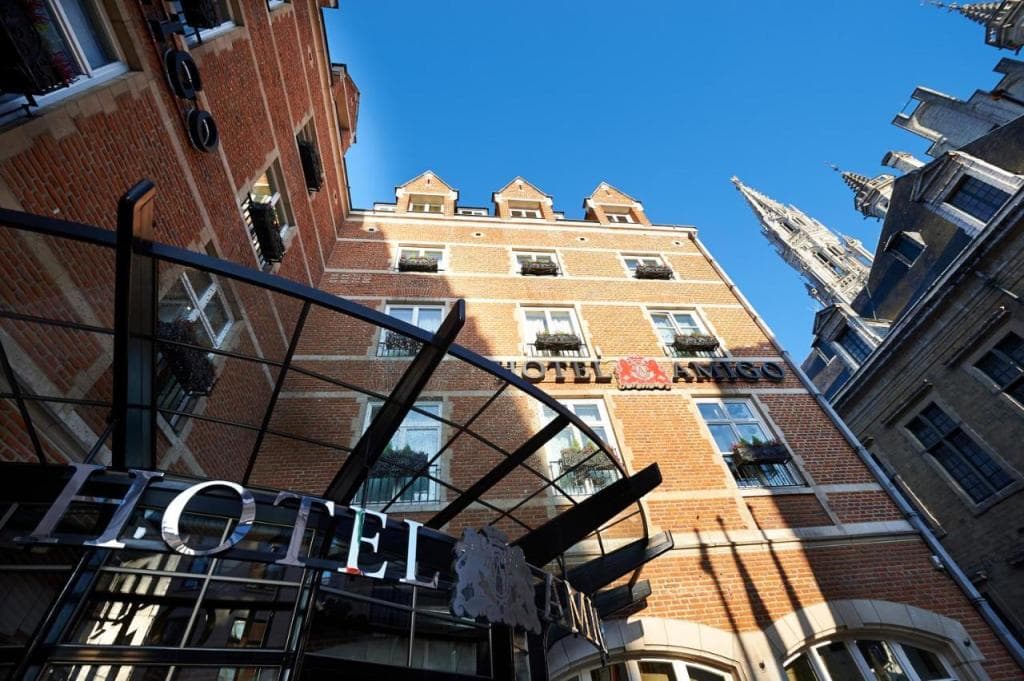
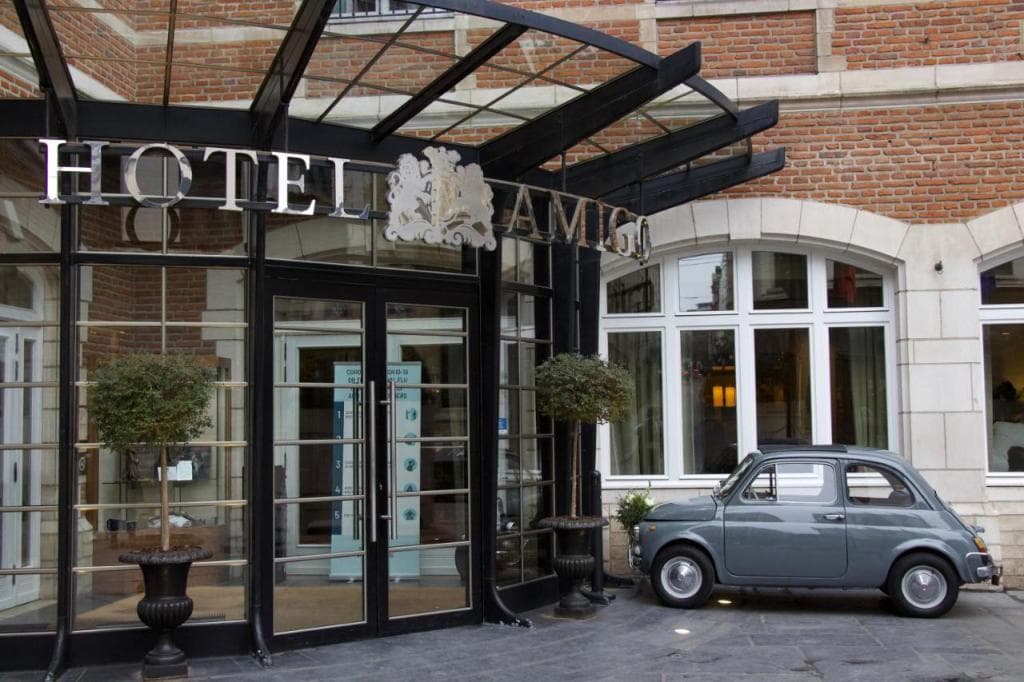
The 5-star Hotel Amigo features elegant rooms with designer features, on the corner of Grand Place. It combines modern facilities, a gym and an authentic Italian restaurant with a picturesque historic


 Brussels243 rooms
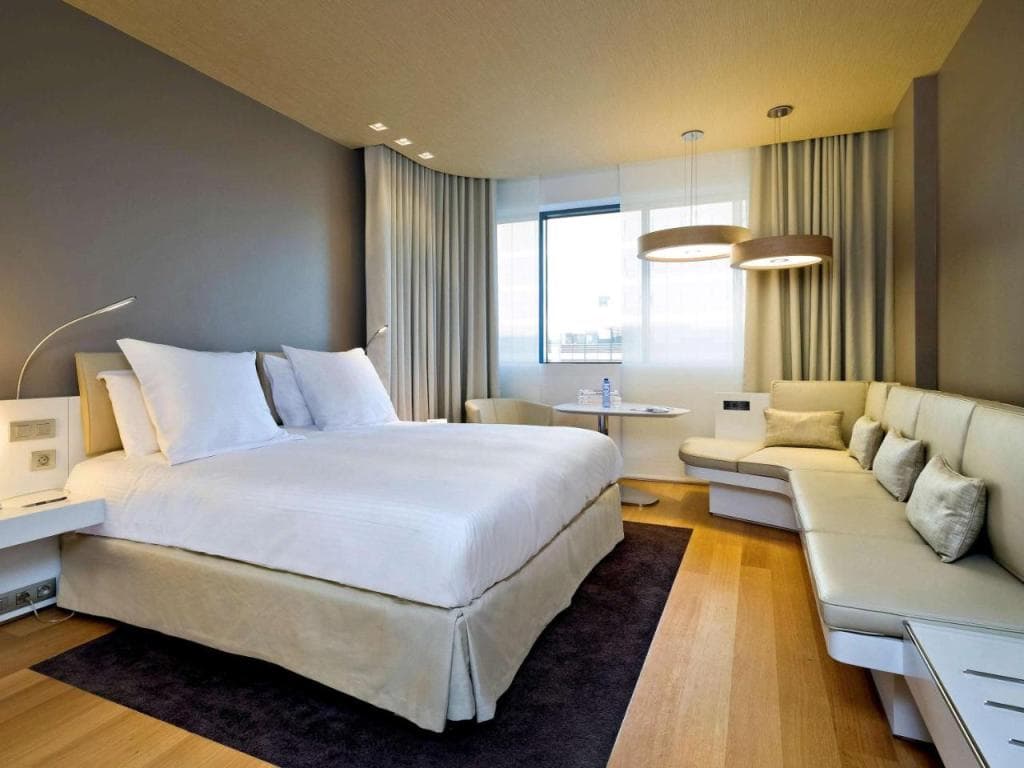
Set on Victor Horta Square directly in Gare du Midi, Pullman Brussels Center Midi features rooms with two free bottles of water and a Chromecast technology IPTV. Free high-speed WiFi is available in t




 Brussels54 rooms
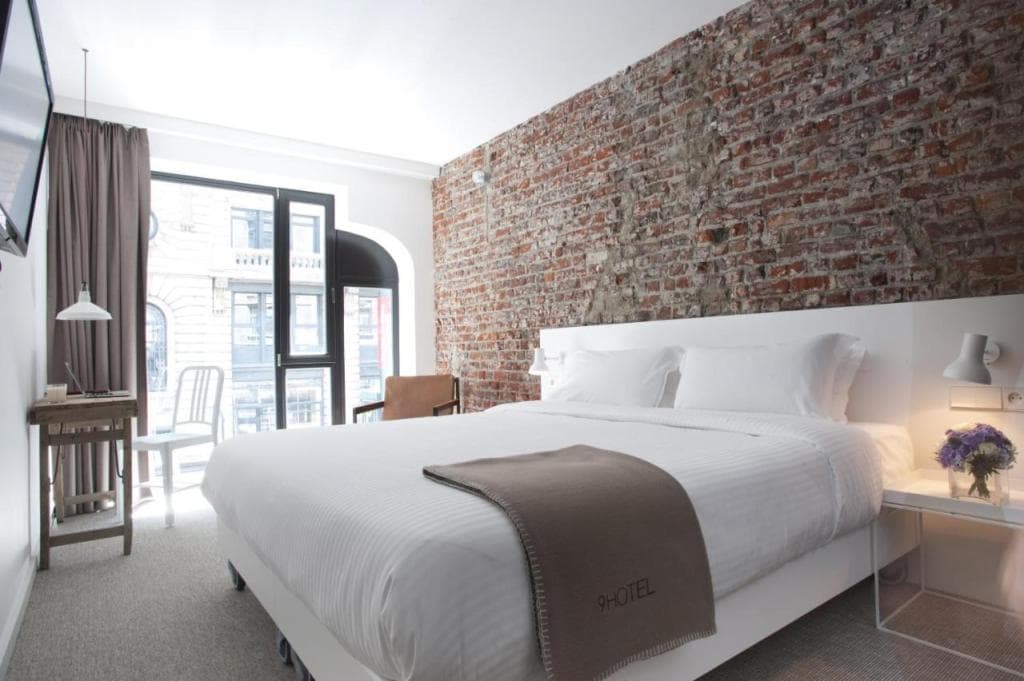
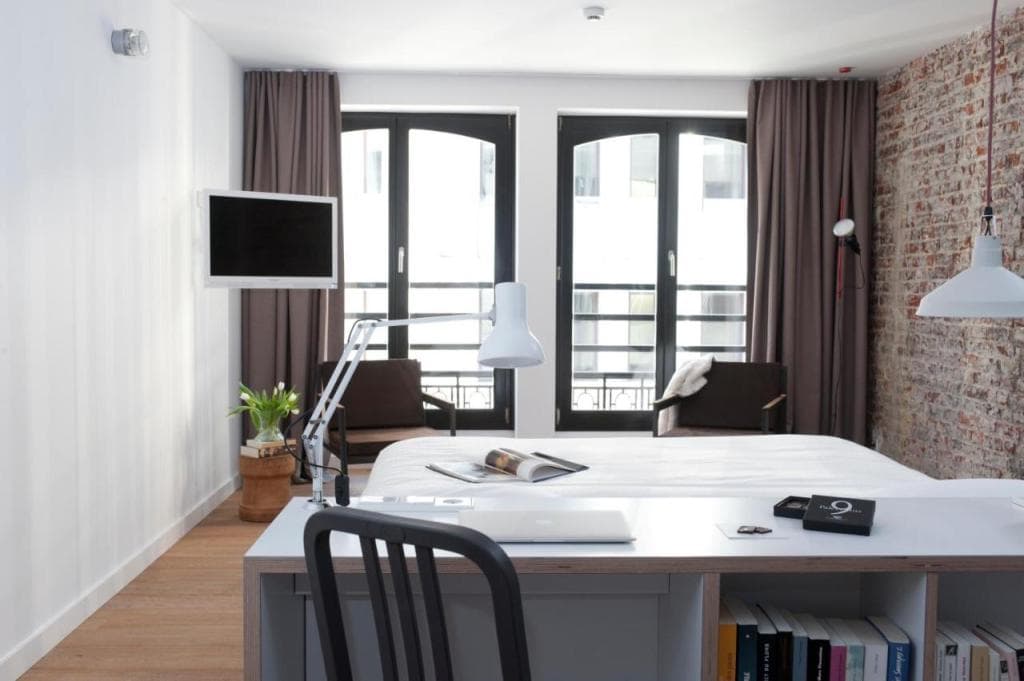
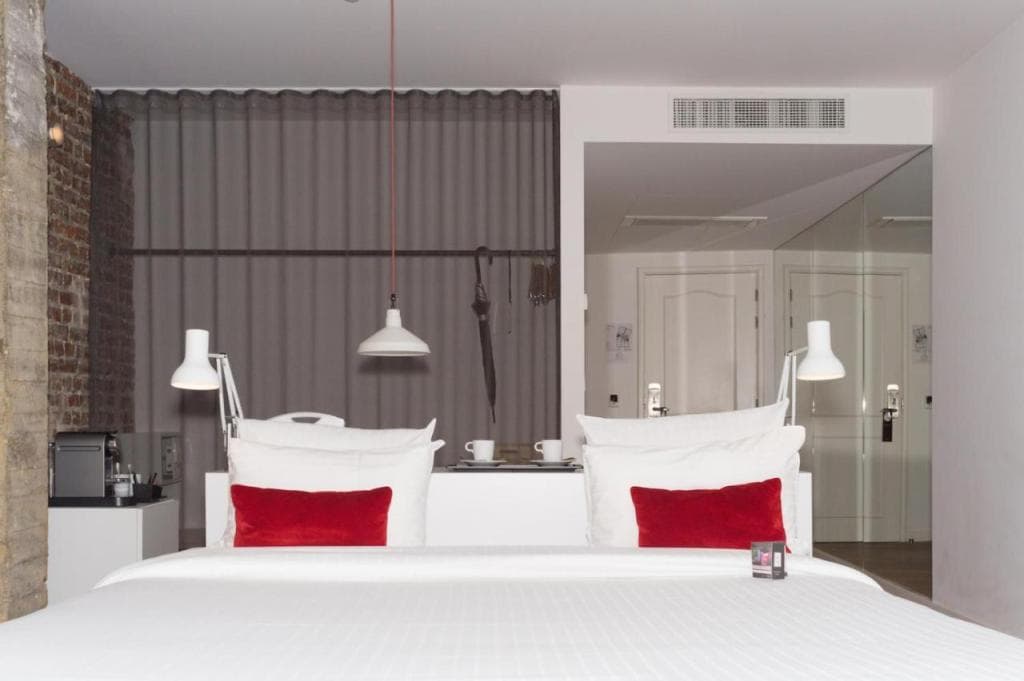
In a historic Belgian townhouse 185 yards from Brussels Central Train Station, the boutique-style 9Hotel Central offers classic accommodations with free Wi-Fi. Brussels' Royal Square and its many muse


 Brussels4 rooms
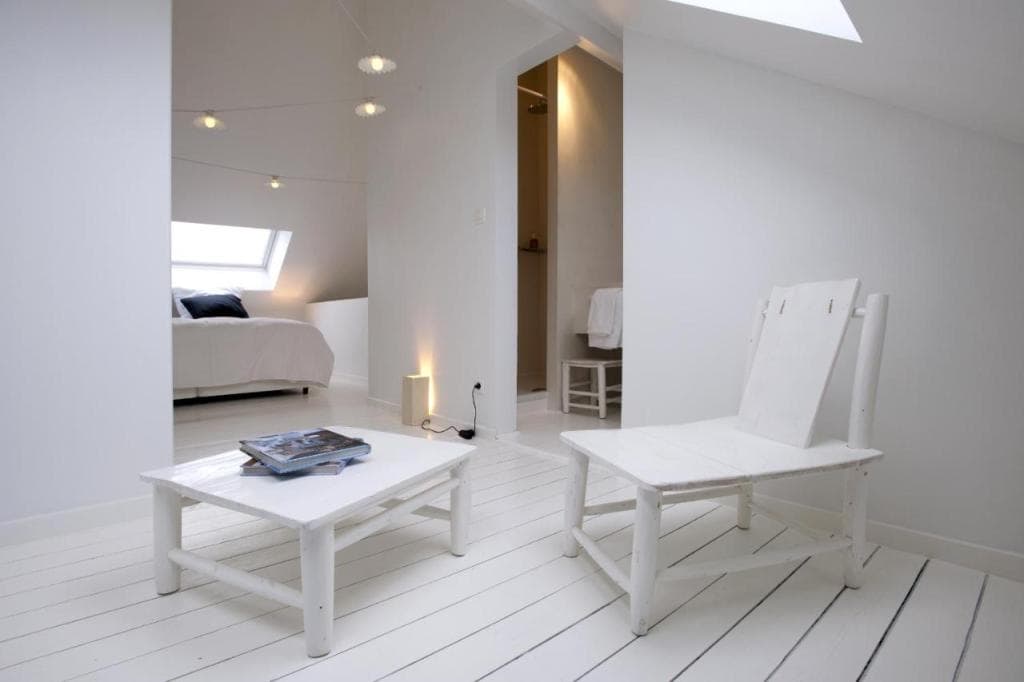
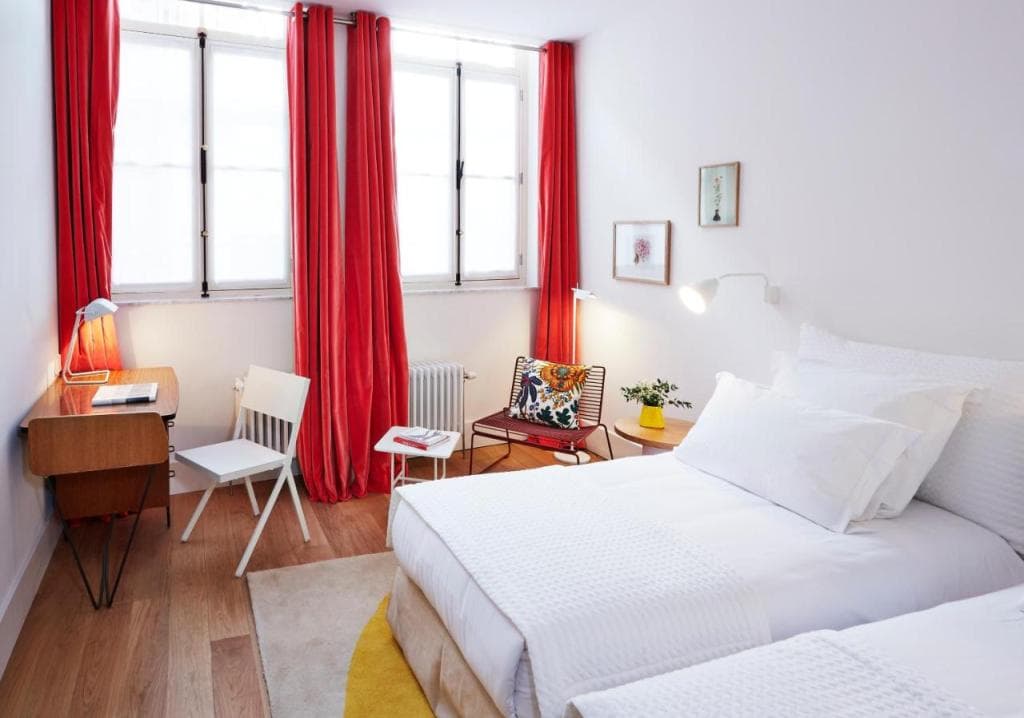
La Maison Haute guesthouse is located in the heart of historical Brussels, 3117 feet away from the Grand Place, the Manneken Pis Statue and the city’s shopping district. Featuring modernly designed gu



 Brussels23 rooms
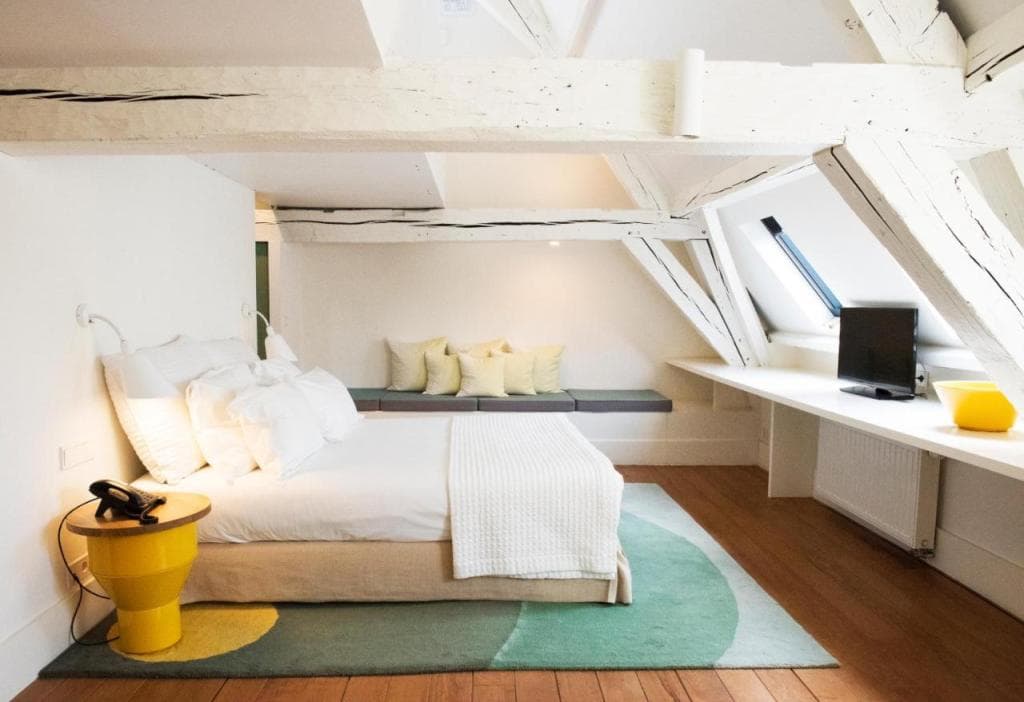
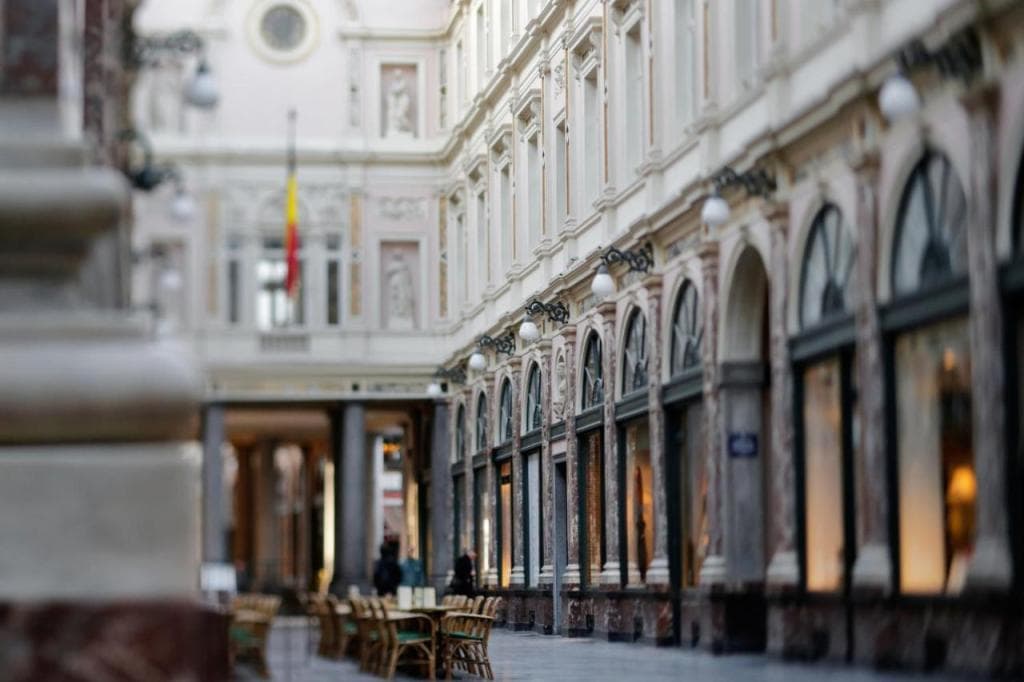
Enjoying a central location in the historical heart of Brussels, within a 2-minute walk from Grand Place and Manneken Pis, Hotel des Galeries offers modernly designed rooms, free WiFi access. All the



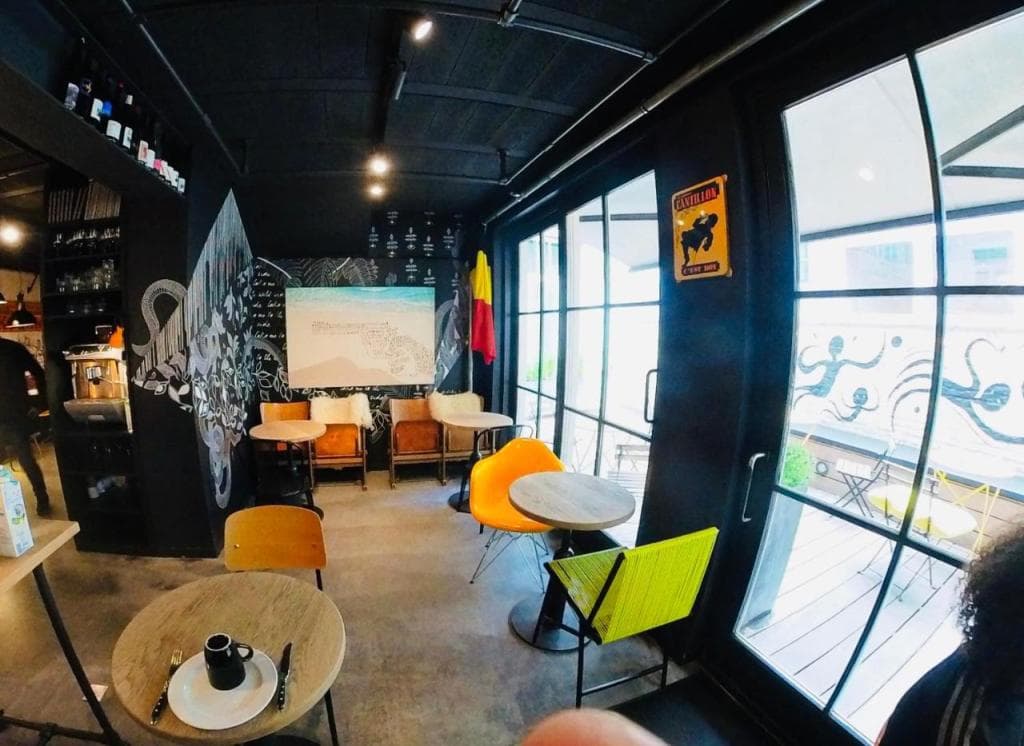
 Brussels37 rooms
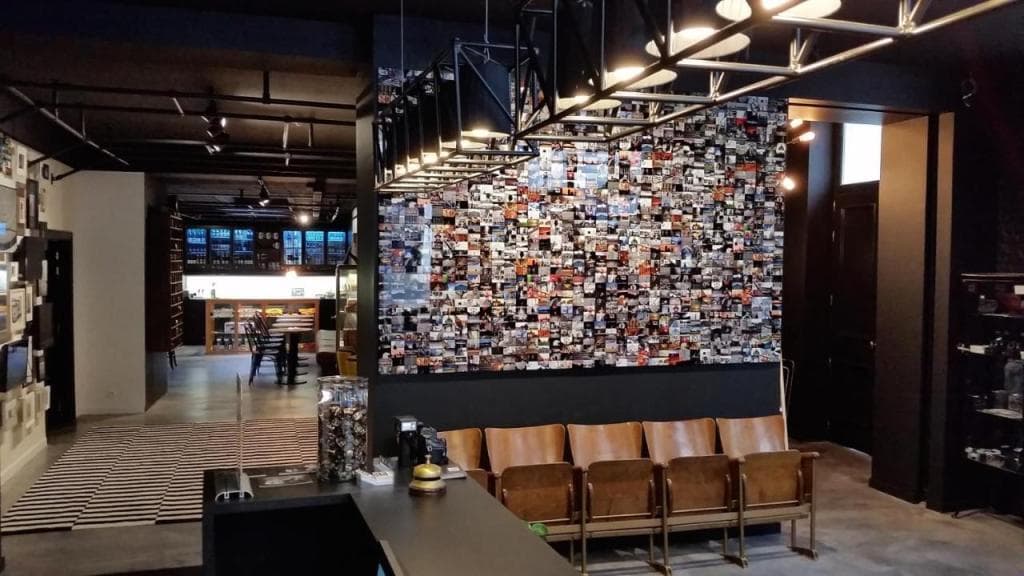
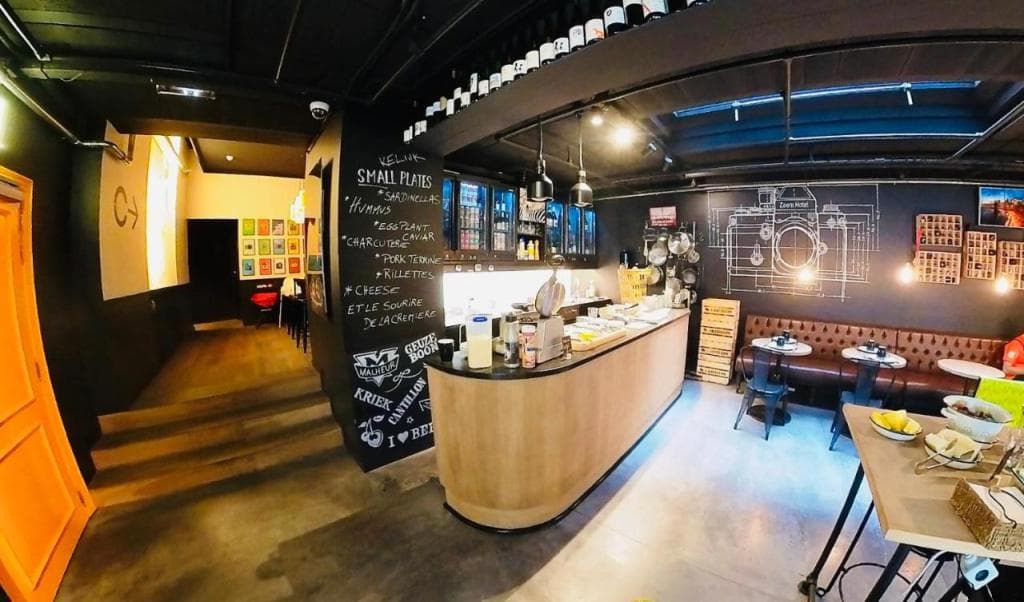
Decorated in industrial vintage style, this hotel is less than half a mile from Louise Metro Station. Zoom Hotel has an intimate garden courtyard and a bar serving local Belgian beers. Guests have fre
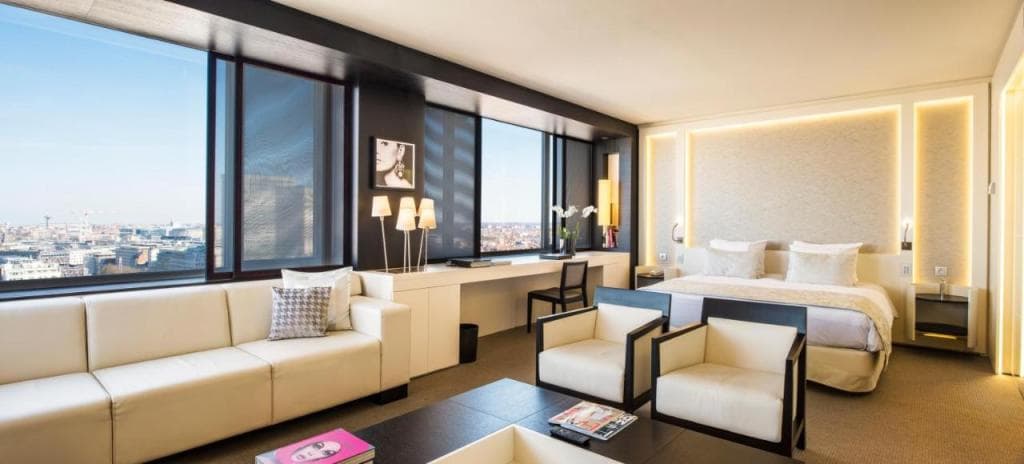


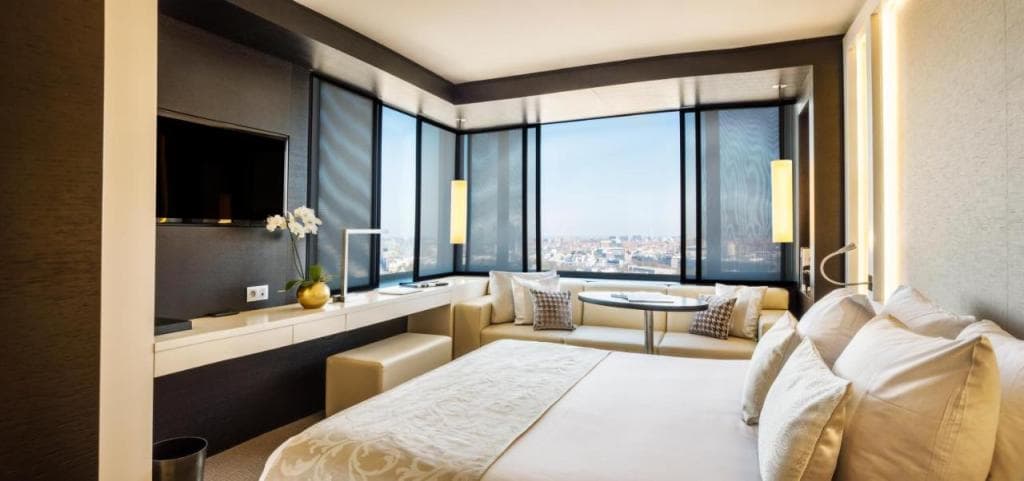

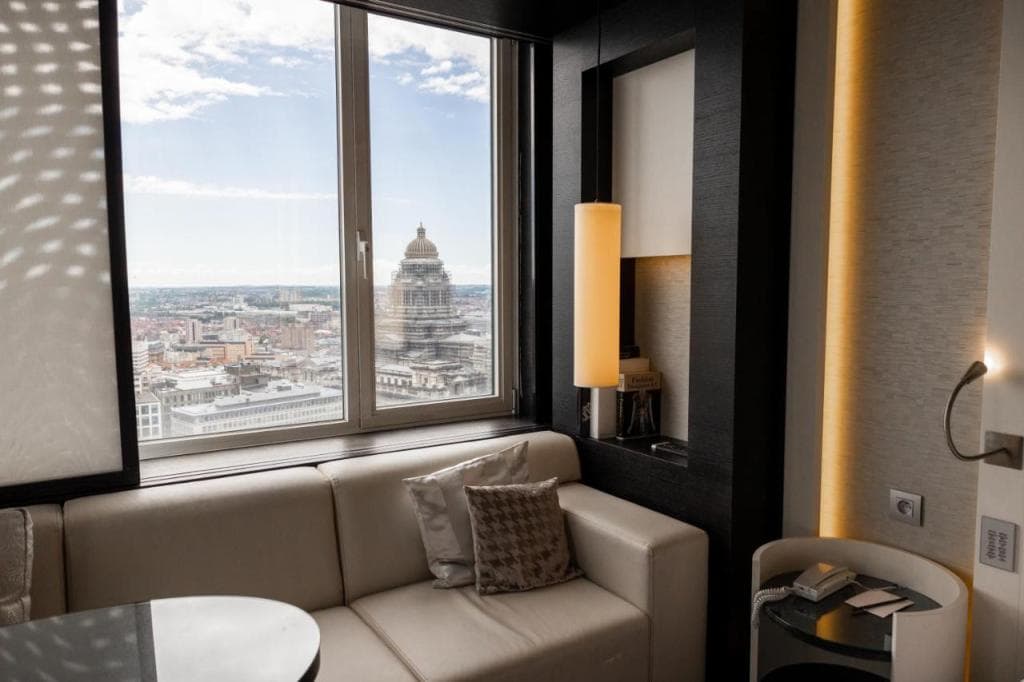

 Brussels415 rooms
Set in one of Brussels' tallest buildings, The Hotel Brussels offers breathtaking panoramic views of the city and is just a 15-minute walk from Grand Place. Guests enjoy an on-site restaurant and free
Results 1 - 25
Brussels has a small but well-established gay district centered on Rue du Marché au Charbon (Kolenmarkt) in the historic city center, just steps from the Grand Place. This street and its surrounding blocks host bars, cafes, and shops that form the heart of the city's gay community. Staying within walking distance of this area, or in the nearby Sablon or Dansaert districts, puts you close to nightlife, restaurants, and daytime attractions alike. These central neighbourhoods are pedestrian-friendly and well connected by tram and metro, making it easy to explore Brussels without needing a car.
Brussels Pride typically takes place in mid-May, drawing thousands of participants for a parade through the city center followed by concerts and community gatherings. This is one of the most vibrant times to visit, with hotels in the city center filling up quickly, so early booking is recommended. Outside of Pride season, spring (April to June) and early autumn (September) offer mild weather and fewer crowds, ideal for sightseeing. Winter brings festive Christmas markets, while summer is popular for outdoor terraces and day trips to nearby cities like Bruges and Ghent.
Belgium has some of the strongest legal protections for gay people in Europe. Same-sex marriage has been legal since 2003, one of the earliest countries in the world to do so, and anti-discrimination laws cover sexual orientation and gender identity in employment, housing, and public services. Brussels itself is generally considered safe for gay travelers, with visible community spaces and a tolerant, cosmopolitan population. As with any major city, it's sensible to stay aware of your surroundings at night, particularly in less central areas, but overt hostility toward gay visitors is rare in the city center and main tourist zones.
When selecting a hotel in Brussels, consider proximity to the Rue du Marché au Charbon area if you want easy access to community spaces and nightlife. Look for accommodations with positive reviews from gay travelers, staff trained in inclusive hospitality, and clear non-discrimination policies. Budget travelers will find guesthouses and boutique hotels in the Marolles and Dansaert districts, while those seeking more amenities may prefer larger hotels near Central Station or the Grand Place. Always check that the property welcomes same-sex couples requesting a double bed, and don't hesitate to contact hotels directly with questions before booking.
Brussels' gay nightlife centers on Rue du Marché au Charbon, home to long-running bars and clubs that cater to diverse crowds within the community. The area has a relaxed, welcoming atmosphere rather than a large-scale party scene (including anyway the very famous "La demence" party at "the fuse"), making it appealing for travelers who prefer intimate venues over big clubs. Beyond bars, the community gathers at cafes, bookshops, and cultural centers throughout the year, with additional events organized around Pride season and other community celebrations. Many venues are open late into the evening and are within easy walking distance of central hotels, making it simple to enjoy the scene without needing transportation.
Yes, Brussels is generally considered safe for gay travelers. Belgium has strong anti-discrimination laws and same-sex marriage has been legal since 2003. The city center, particularly around Rue du Marché au Charbon, has a visible and accepted community presence.
The main gay district is centered on Rue du Marché au Charbon (Kolenmarkt), located in the historic city center near the Grand Place. This street and its surrounding blocks host most of the city's gay bars and community venues.
Brussels Pride is typically held in mid-May each year, featuring a parade through the city center followed by concerts and community events. Hotels near the city center often book up quickly during this period.
Yes, same-sex couples can request a double bed at hotels throughout Brussels without issue. Most hotels, especially those experienced with gay travelers, will accommodate this request as standard practice.
Yes, Belgium legalized same-sex marriage in 2003, becoming one of the first countries in the world to do so. Same-sex couples have the same legal marriage rights as opposite-sex couples nationwide.
The city center near Rue du Marché au Charbon, the Sablon district, and the Dansaert area are popular choices, offering proximity to community venues, restaurants, and major attractions like the Grand Place.
Yes, Brussels has several gay bars concentrated on and around Rue du Marché au Charbon in the city center. The scene tends to be intimate and welcoming rather than large-scale, with venues open into the evening.
In the city center and main tourist areas, holding hands with a same-sex partner is generally accepted and unlikely to draw negative attention. As in any city, awareness of surroundings in quieter or less central areas is still advisable.
Yes, Belgian law prohibits discrimination based on sexual orientation and gender identity in employment, housing, and public services, providing strong legal protections for gay residents and visitors.
May is popular due to Brussels Pride, while spring and early autumn offer mild weather and fewer crowds for sightseeing. Summer is good for outdoor terraces, and winter features festive Christmas markets.
Yes, the Grand Place area is close to Rue du Marché au Charbon and offers convenient access to community venues, making it a practical choice for travelers who want central accommodation near the gay district.
Yes, Brussels is compact, walkable, and has a welcoming community scene, making it comfortable for solo gay travelers to explore independently, meet locals, and access nightlife safely.
Look for hotels with positive reviews from gay travelers, clear non-discrimination policies, and locations near the Rue du Marché au Charbon area. Contacting the hotel directly with questions before booking can also help confirm inclusivity.
Yes, beyond Brussels Pride in May, the community organizes smaller gatherings, cultural events, and activities at bars, cafes, and community centers throughout the year.
Public transportation in Brussels, including the metro and trams, is generally safe for gay couples, particularly during daytime and evening hours in central areas. Standard urban safety precautions apply at night.