Exceptional — 9.8/10


 Capri
Capri 17 rooms
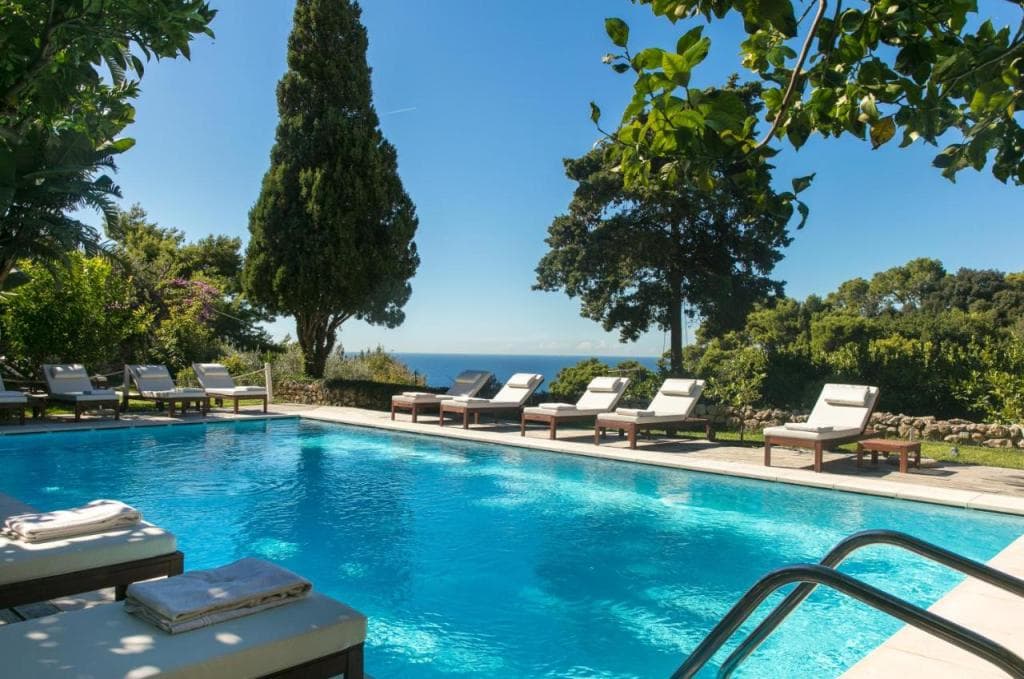
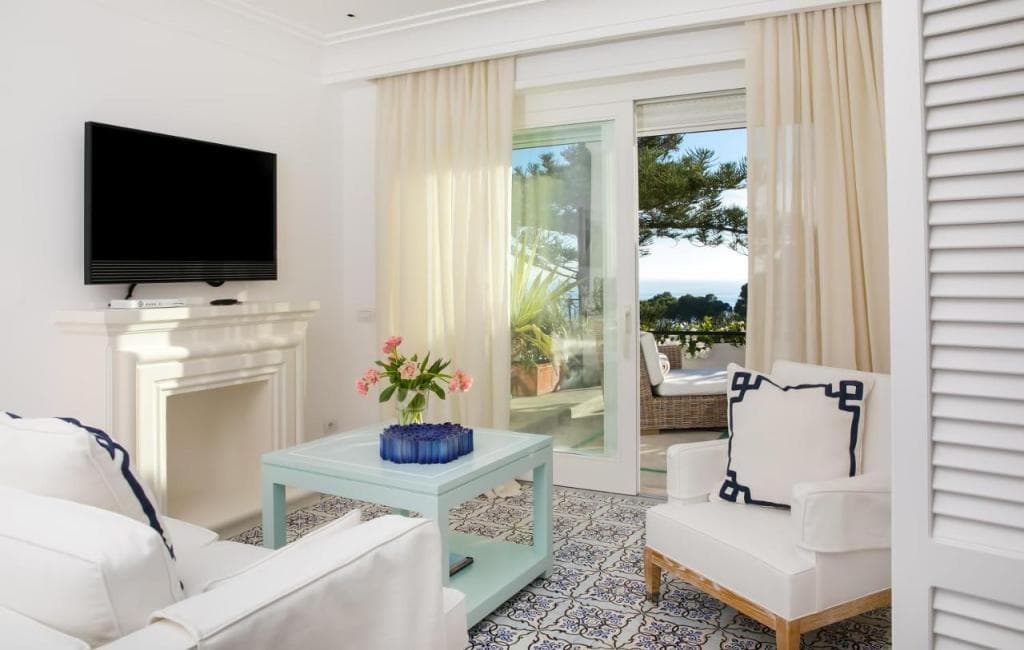
Located in Capri on the island with the same name, Hotel La Minerva features free WiFi, a summer outdoor pool and views of the sea. Guests can enjoy the on-site snack bar. Each room at this hotel is

 Capri17 rooms
Located in Capri on the island with the same name, Hotel La Minerva features free WiFi, a summer outdoor pool and views of the sea. Guests can enjoy the on-site snack bar. Each room at this hotel is



 Capri26 rooms
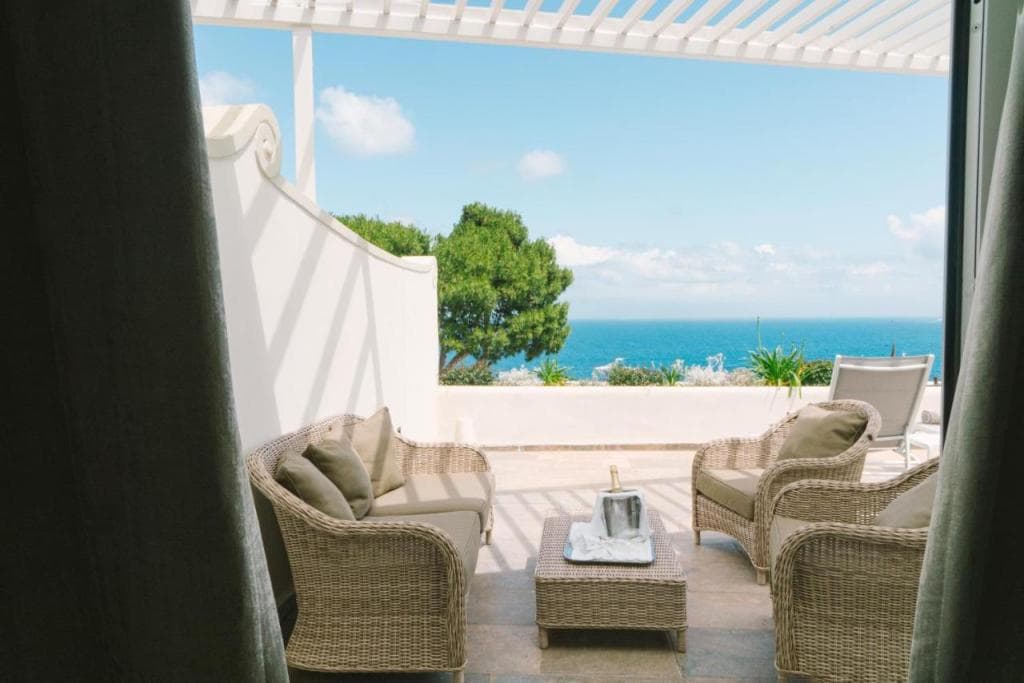
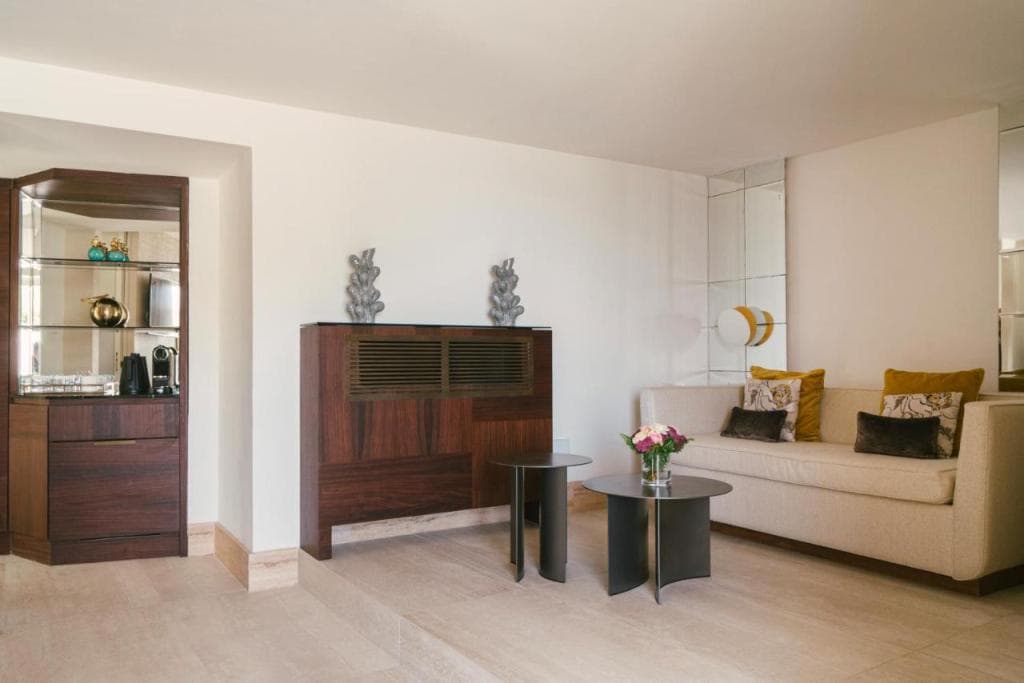
Radiating early 20th century glamor and style, Villa Marina Hotel and Spa brings you luxury accommodations and services in a spectacular setting just a few steps from Capri’s Marina Grande. Surrounde



 Capri45 rooms
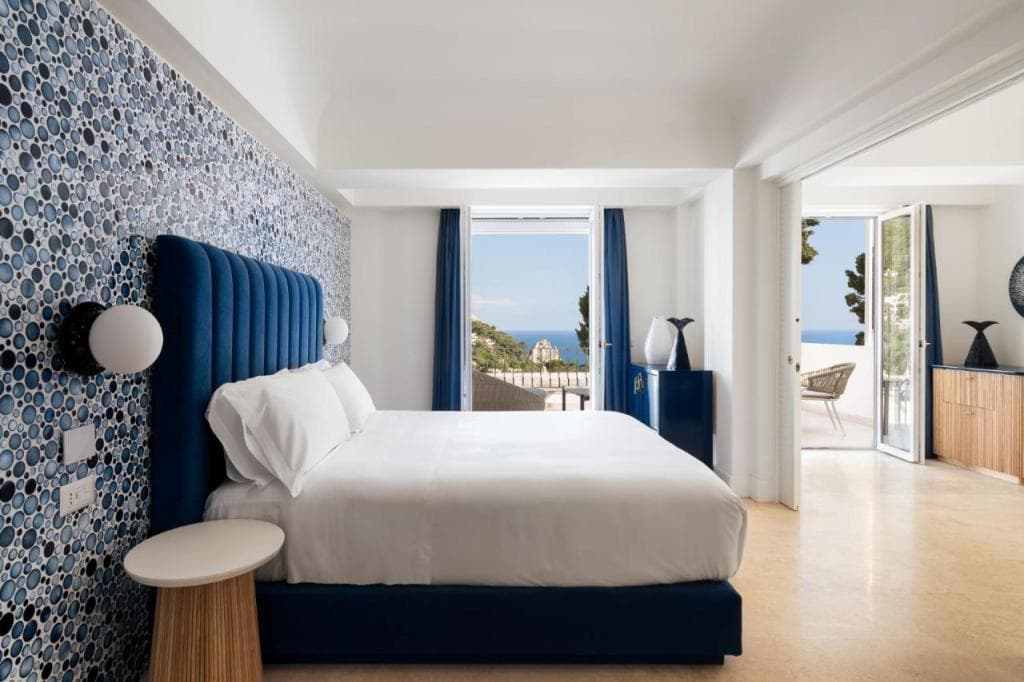
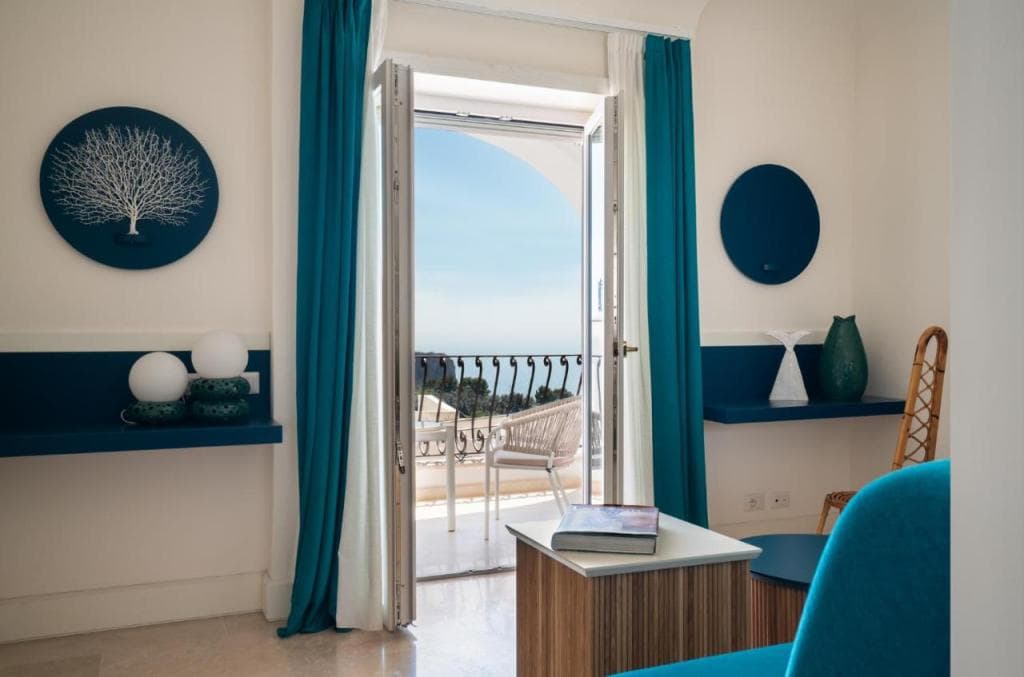
La Residenza Capri is just 650 ft from the Piazzetta, Capri's central square. It features a large terrace with swimming pool and peaceful gardens with palm trees. Wi-Fi is free throughout. In the hea


 Capri16 rooms
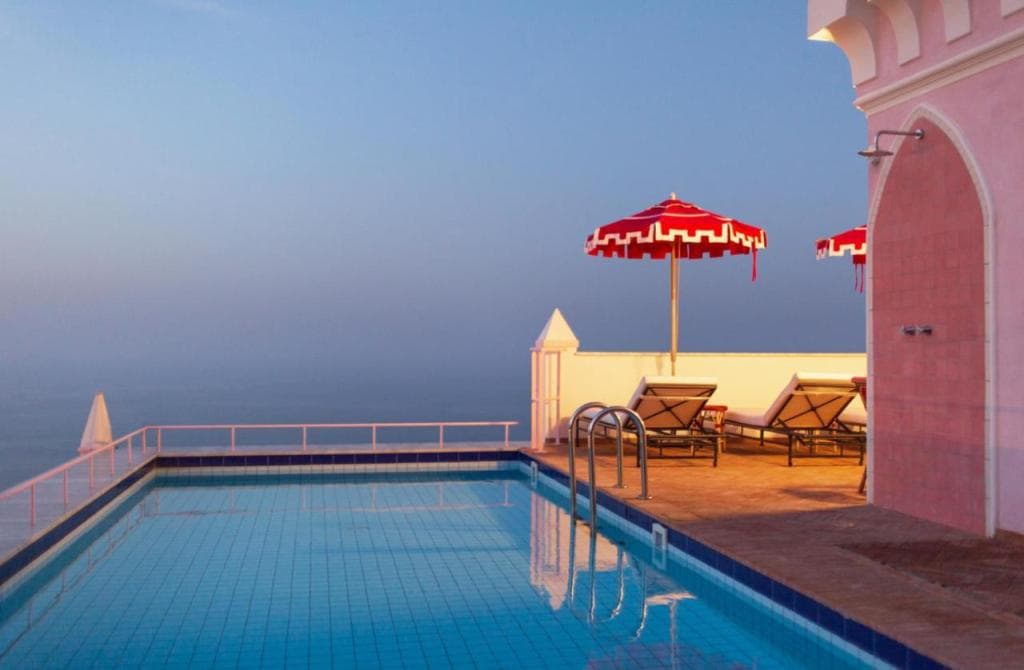
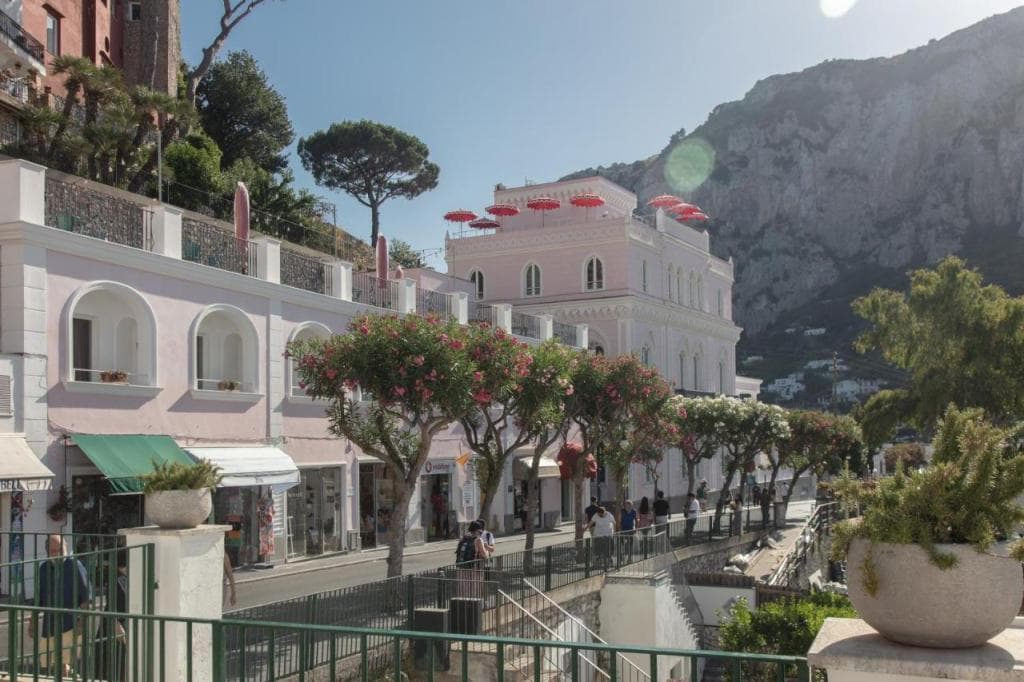
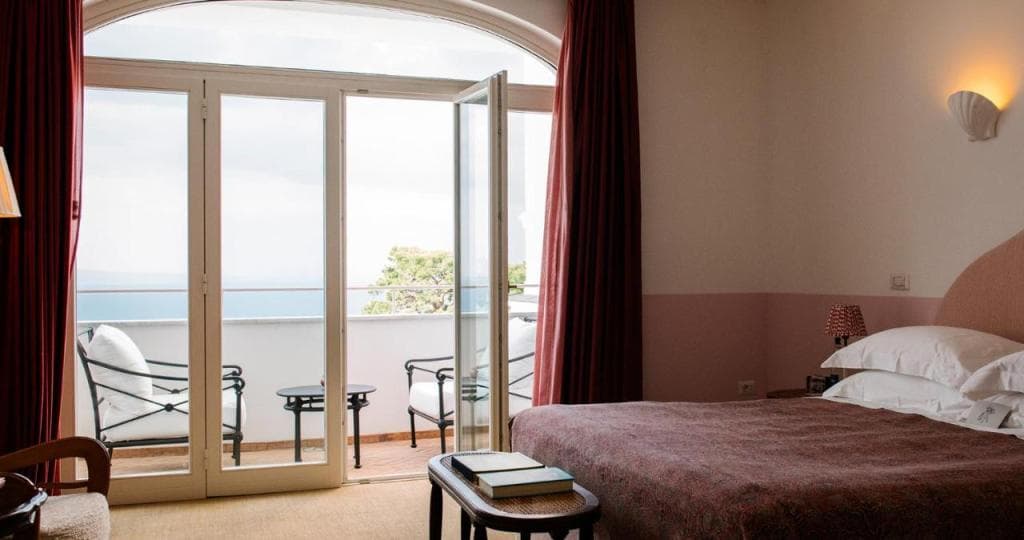
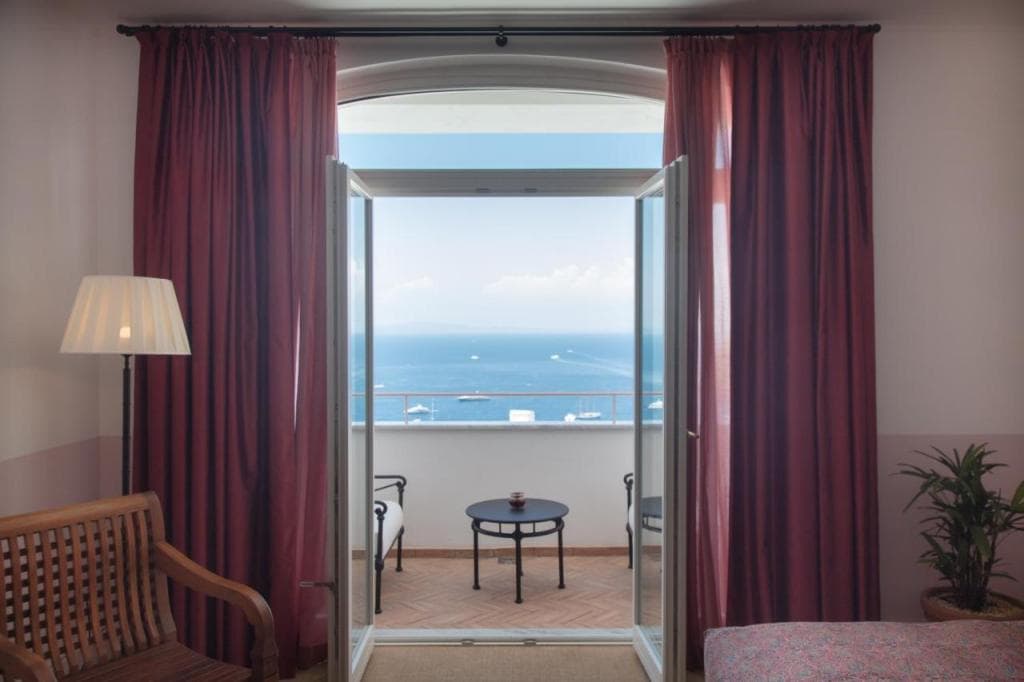
Located on the island of Capri, the J.K. Place features an outdoor pool with panoramic views over the Bay of Naples. It offers a spa, a Neapolitan restaurant and elegant accommodations with a satellit



 Capri21 rooms
## Elegant Accommodations Il Capri Hotel in Capri offers a 5-star experience with adults-only rooms featuring air-conditioning, private bathrooms, and city views. Each room includes bathrobes, a bide


 Capri48 rooms
Dating back to 1822, this elegant hotel lies in the center of Capri, just 328 feet from the island's celebrated La Piazzetta Square. It features a panoramic rooftop terrace, a restaurant, and air-cond



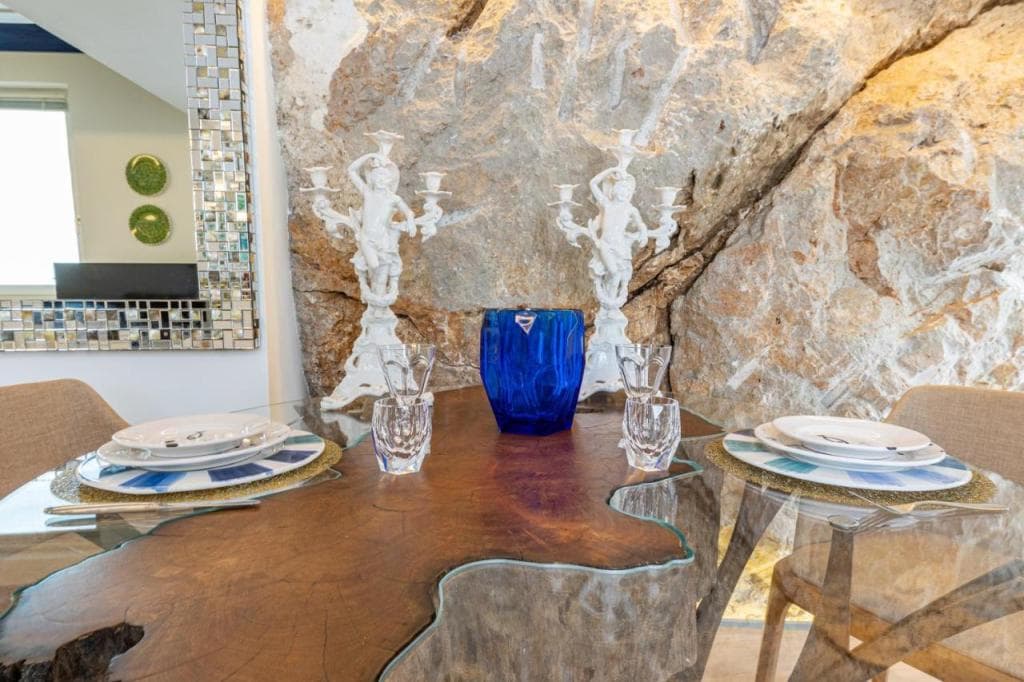

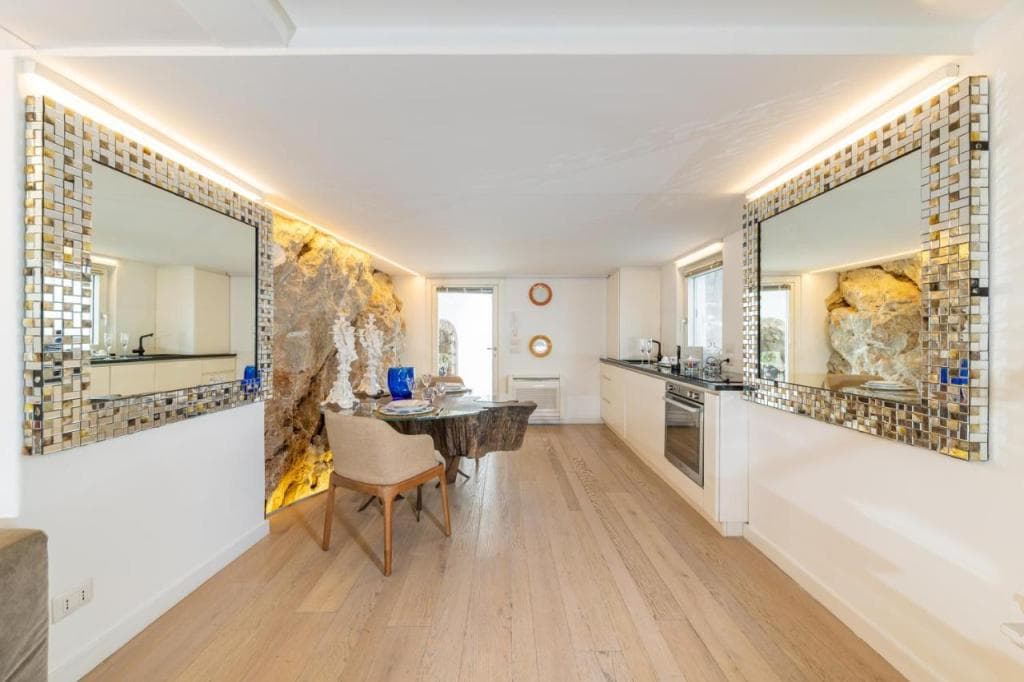 Capri1 room
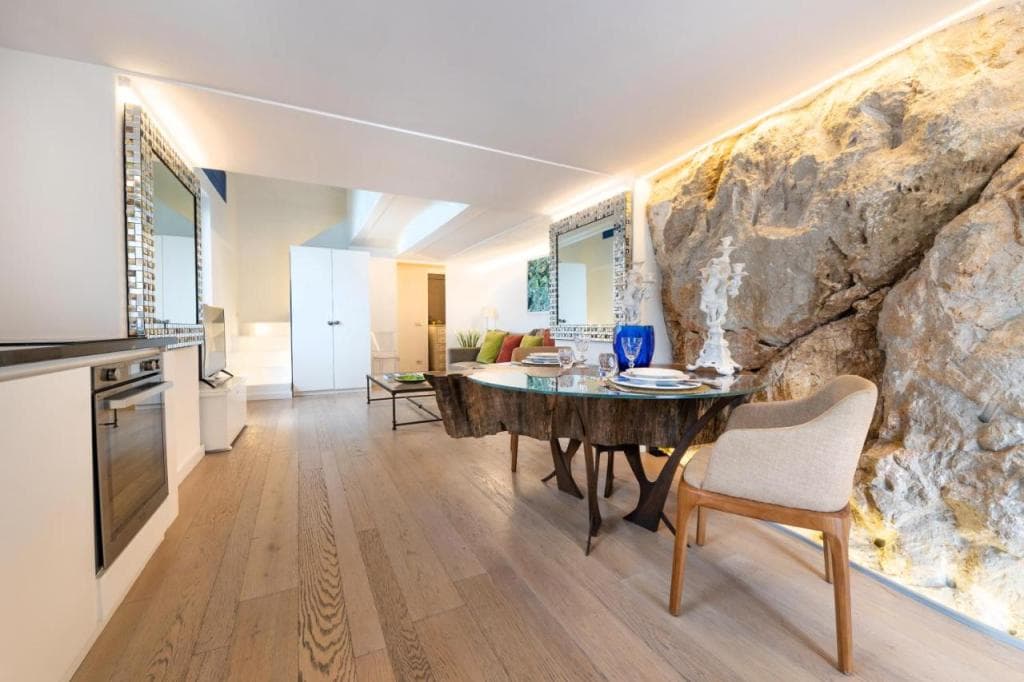
## Modern Comforts Casa Boutique by Capri 5 Senses in Capri offers a recently renovated holiday home with free WiFi and a terrace. The property features air-conditioning, a kitchenette, and a balcony


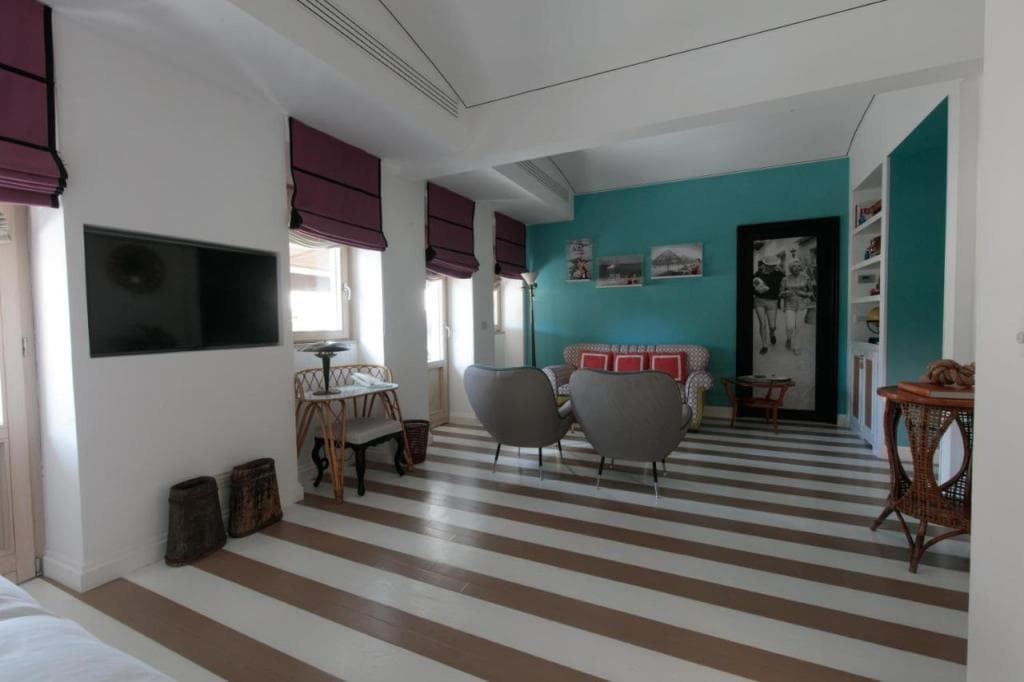 Capri46 rooms
Set in a 19th-century building, Capri Tiberio Palace - The Leading Hotels of the World is a 2-minute walk from Capri's central Piazzetta. It offers elegant, design rooms with LCD satellite TV. It feat


 Capri2 rooms
Providing garden views, LHP Suite Capri Villa La Giara in Capri offers accommodations, an open-air bath, and a garden. This villa features air-conditioned accommodations with a balcony. The accommodat
Results 1 - 9
Capri has long been a refuge for those who valued personal freedom over convention. Tiberius built his villas here, Norman Douglas wrote about its eccentrics, and a century of Anglo-American visitors turned the island into a quiet sanctuary for same-sex couples seeking discretion and beauty. That heritage still permeates the local hospitality: attentive, polished and free of judgement.
The selection of gay-friendly addresses runs from family-owned pensioni in Anacapri to clifftop hotels above Marina Piccola. Staff are used to international LGBTQ+ guests and treat double bookings, anniversary requests or honeymoon arrangements with the same understated care given to any other traveller.
Life on Capri pivots around two villages. Capri Town centres on the Piazzetta, the open-air drawing room where the early evening aperitivo unfolds beneath the clock tower, before the via Camerelle boutiques and small bars come alive. The mood is sophisticated rather than loud: a place to be seen, but with a Mediterranean sense of measure.
Higher up, Anacapri keeps a slower rhythm, with white-washed houses, the chairlift to Monte Solaro and the gardens of Villa San Michele. There is no dedicated gay district, yet the entire island reads as inclusive, and venues such as Marina Piccola's beach clubs and the Faro lighthouse aperitivo spots gather a mixed, cosmopolitan crowd well into the night.
The Blue Grotto remains the postcard image, but Capri rewards those who walk. The path to Villa Jovis, Tiberius's cliff palace, ends in one of the most dramatic panoramas of the Bay of Naples. The Giardini di Augusto overlook the Faraglioni stacks, while the via Krupp zigzags down to the sea in a feat of early twentieth-century engineering.
By boat, the circumnavigation of the island reveals hidden coves, the Grotta Verde and the Punta Carena lighthouse. On land, the Certosa di San Giacomo, a fourteenth-century charterhouse, offers a quieter cultural counterpoint to the glamour of the shopping streets, with cloisters, frescoes and the haunting paintings of Karl Wilhelm Diefenbach.
The island is at its most balanced in late May, June and September, when the sea is warm, the light long and the crowds of August have thinned. Spring brings wildflowers along the Pizzolungo trail and Easter processions through Capri Town. Autumn keeps many hotels open until late October, with mild evenings ideal for terrace dining. Winter is intimate and largely local, suited to travellers seeking solitude rather than nightlife. The closest Pride celebrations take place in Naples each summer, an easy hydrofoil ride from Marina Grande.