Very good — 8.3/10
 Chiang Mai
 Chiang Mai


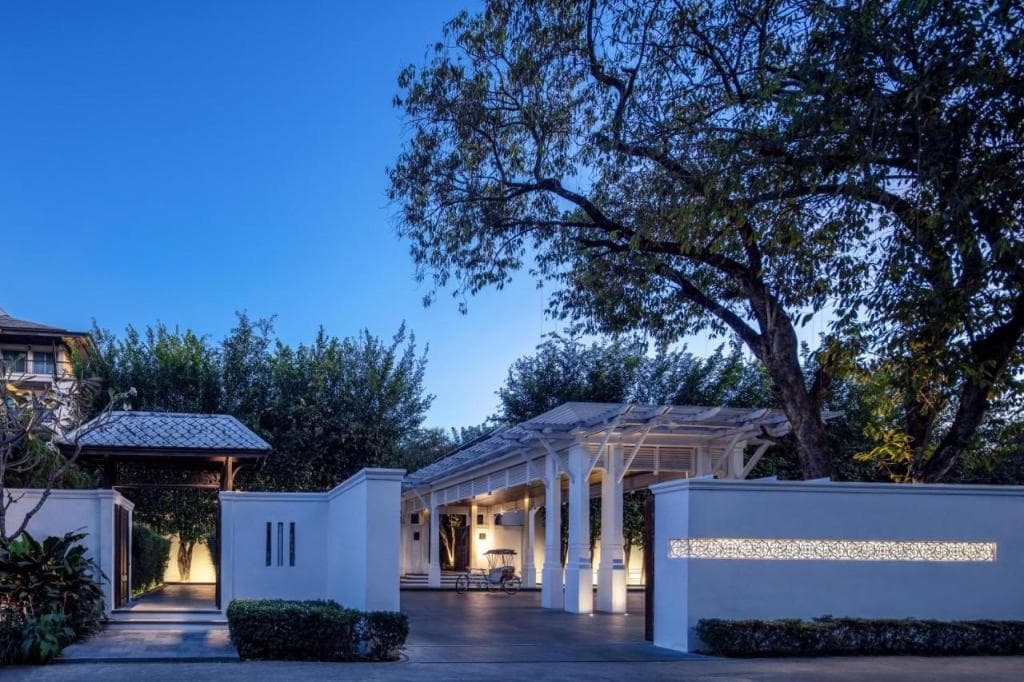

 Chiang Mai Riverside, Wat Ket
 30 rooms
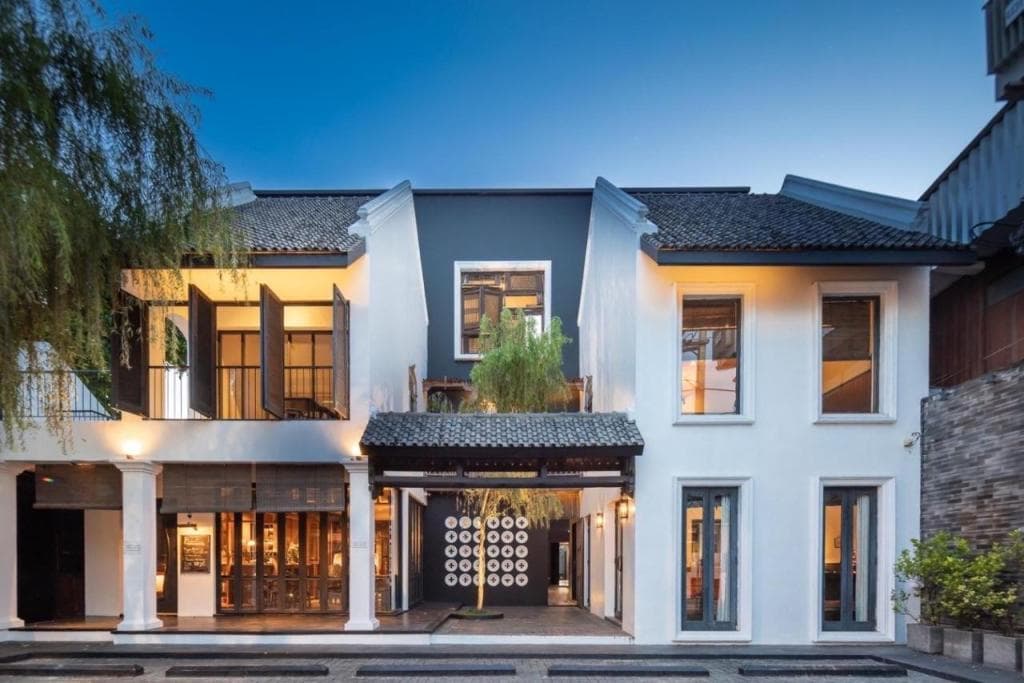
This boutique property features luxuriously spacious suites with views of the grounds, free minibar and free Wi-Fi access. Just a 10 minute walk from the Chiang Mai Night Market, it has an outdoor poo


 Chiang Mai12 rooms
Villa Mahabhirom - SHA Plus is located in Chiang Mai and has an outdoor swimming pool and a garden. With free WiFi, this 5-star resort offers a shuttle service with an additional charge. The property
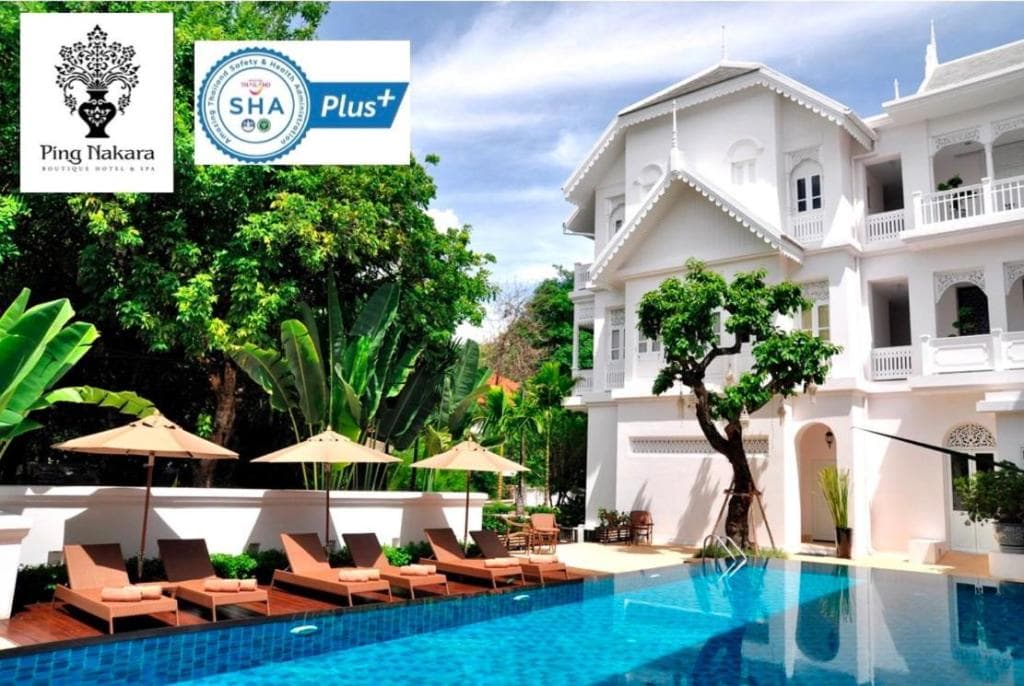


 Chiang Mai19 rooms
Set in a colonial-style building in Chiang Mai, Ping Nakara Boutique Hotel And Spa offers rooms with free Wi-Fi. The hotel has an outdoor pool, a restaurant and lobby bar. Ping Nakara Boutique Hotel


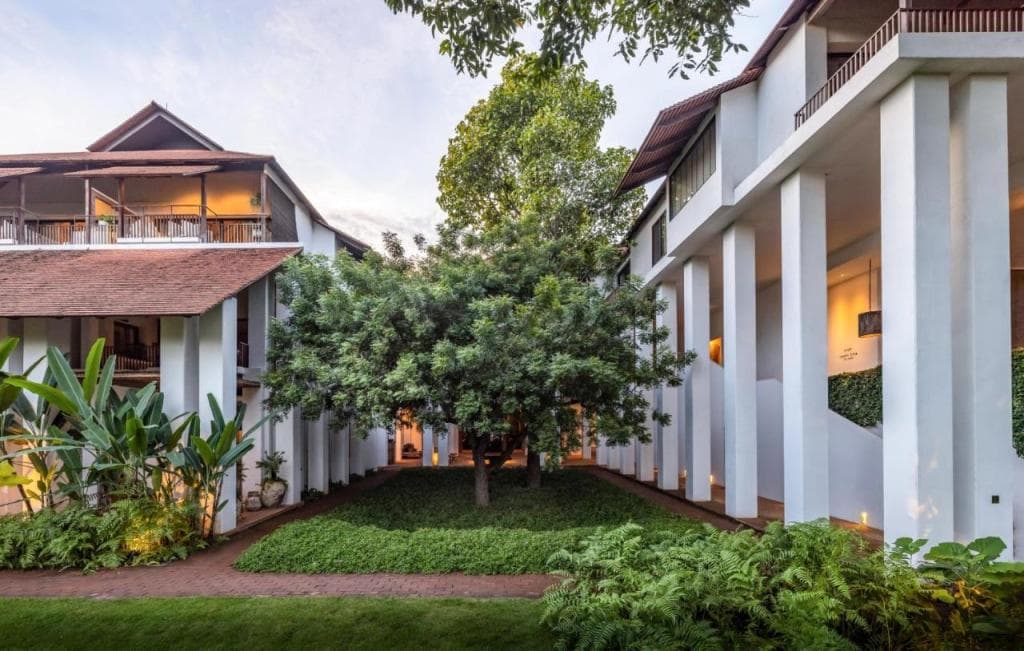


 Chiang Mai33 rooms
Situated in Chiang Mai, 3.1 km from Chiang Mai 700th Anniversary Stadium, Raya Heritage features rooms with garden views and free WiFi. Featuring a restaurant, the property also has an outdoor swimmin
Results 1 - 5
Chiang Mai is known for its gentle, unhurried way of life, a quality reflected in its approach to LGBTQ+ travellers. The city draws a steady community of expats, artists and remote workers who have helped shape inclusive cafés, co-working spaces and boutique hotels. Choosing a gay-friendly hotel here means landing in a property used to international guests, often housed in renovated teak villas or contemporary low-rise buildings that respect the human scale of the old capital of the Lanna kingdom.
Beyond the warm welcome, location matters. Staying inside or near the square moat puts temples, markets and massage parlours within walking distance, while Nimman offers a more design-led, cosmopolitan vibe favoured by younger LGBTQ+ visitors.
The most visible queer scene gravitates around Nimmanhaemin Road, west of the Old City near Chiang Mai University. Its sois are lined with specialty coffee shops, concept stores, rooftop bars and a few openly gay venues that come alive after 10 pm. The atmosphere remains low-key compared with Bangkok or Pattaya, with mixed crowds and a strong local presence.
Inside the Old City, a cluster of bars around Chang Moi and the eastern moat hosts cabaret nights and friendly hangouts. Across the Ping River, the Night Bazaar area attracts a more touristic crowd, with show bars and lounges that are comfortable for same-sex couples. Public displays of affection remain discreet, in keeping with Thai cultural codes.
Founded in 1296, Chiang Mai is dotted with more than three hundred temples. Wat Phra Singh, Wat Chedi Luang and the hilltop Wat Phra That Doi Suthep are essential stops, the latter offering panoramic views over the valley. The Sunday Walking Street on Ratchadamnoen Road transforms the heart of the Old City into a vast open-air market of crafts, street food and live music.
Food is central to the experience, from khao soi curry noodles to the sausages and dips of a traditional khantoke dinner. Day trips lead to elephant sanctuaries, the Mae Sa valley, hill-tribe villages and the cool heights of Doi Inthanon National Park, the highest peak in Thailand.
The cool, dry season from November to February is the most pleasant, with mild evenings and clear skies. November brings Yi Peng and Loy Krathong, when thousands of paper lanterns are released into the night sky, a deeply atmospheric moment to plan a stay around. Songkran in mid-April turns the moat into a city-wide water festival with a strong LGBTQ+ presence, while the burning season from late February to early April is best avoided due to air quality.