Superb — 8.7/10


 Old Town
 17 rooms
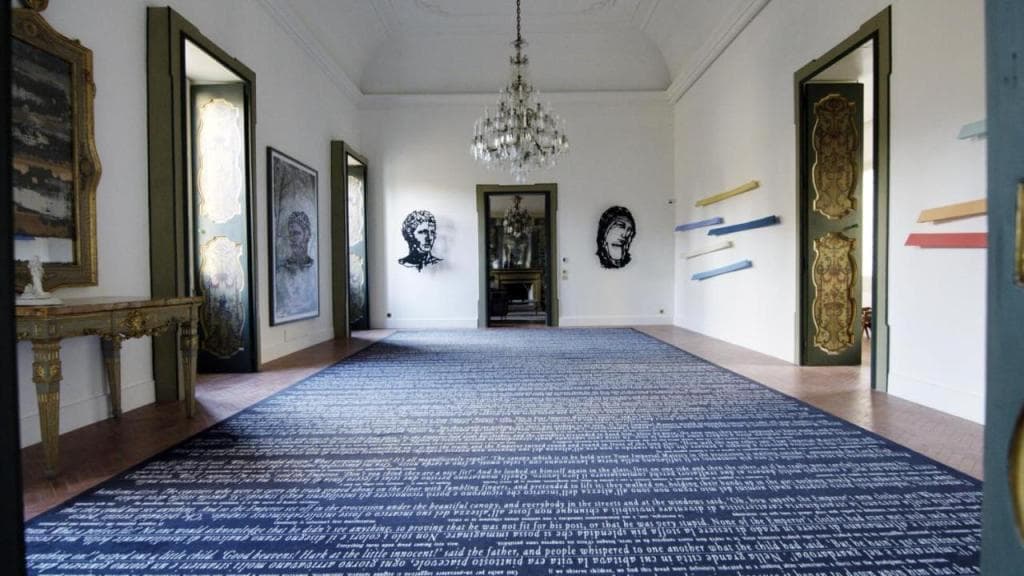
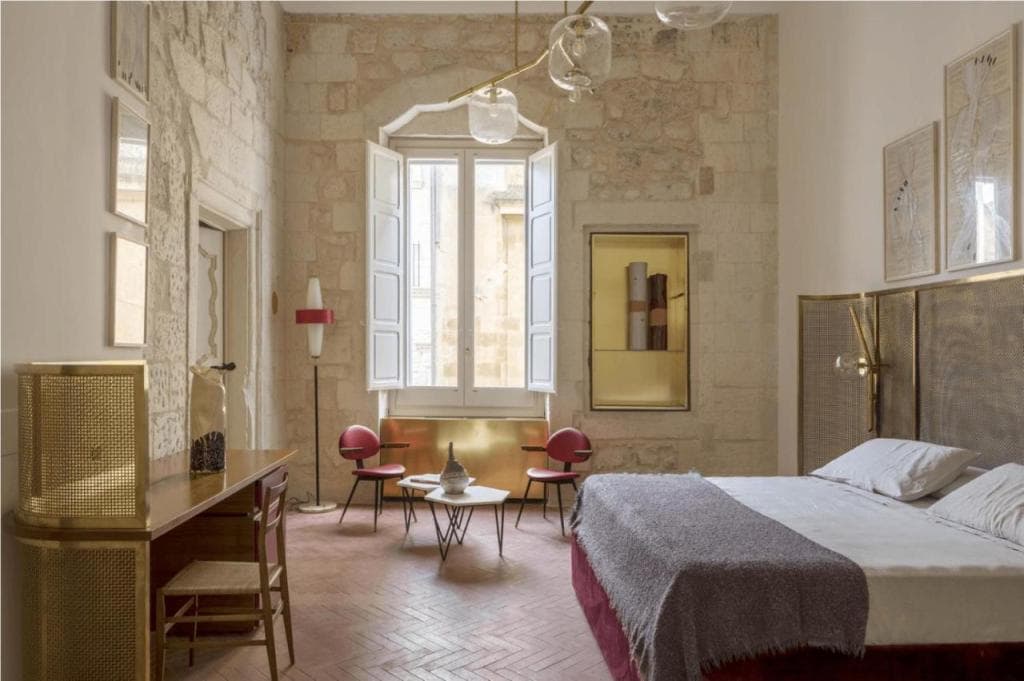
Offering an outdoor pool, a bar and a restaurant, La Fiermontina Urban Resort is located in the center of Lecce, in the Apulia Region. Free WiFi is available throughout and a private parking is availa

 Old Town17 rooms
Offering an outdoor pool, a bar and a restaurant, La Fiermontina Urban Resort is located in the center of Lecce, in the Apulia Region. Free WiFi is available throughout and a private parking is availa



 Lecce6 rooms
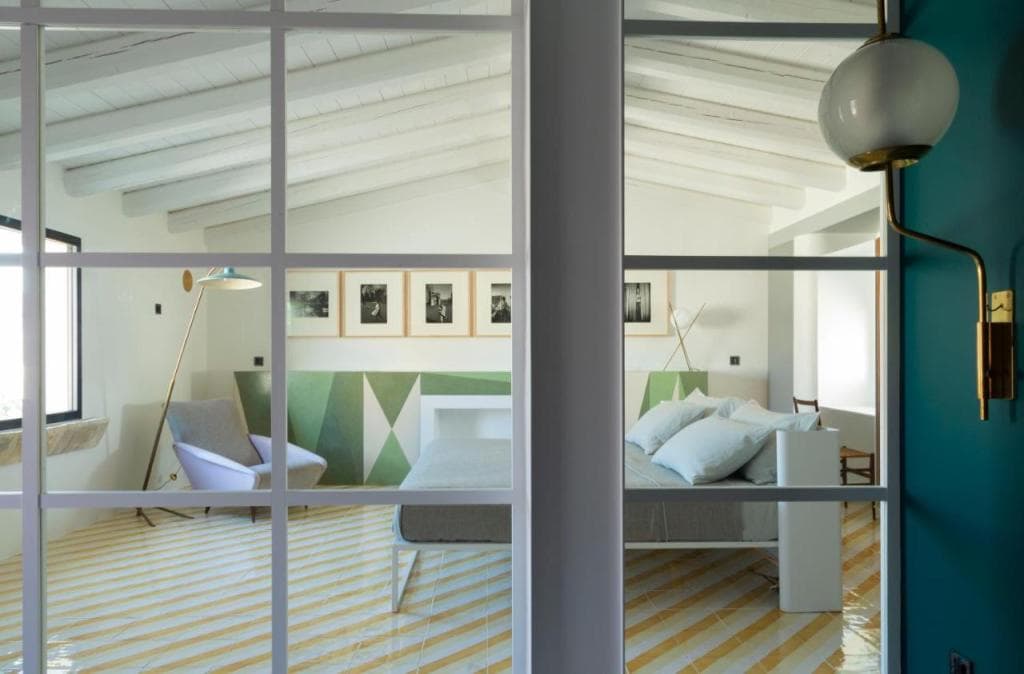
## Historic Setting Palazzo Luce in Lecce is housed in a historic building, offering a unique atmosphere. The property features a rooftop swimming pool, fitness center, sun terrace, and lush garden.


 Old Town12 rooms
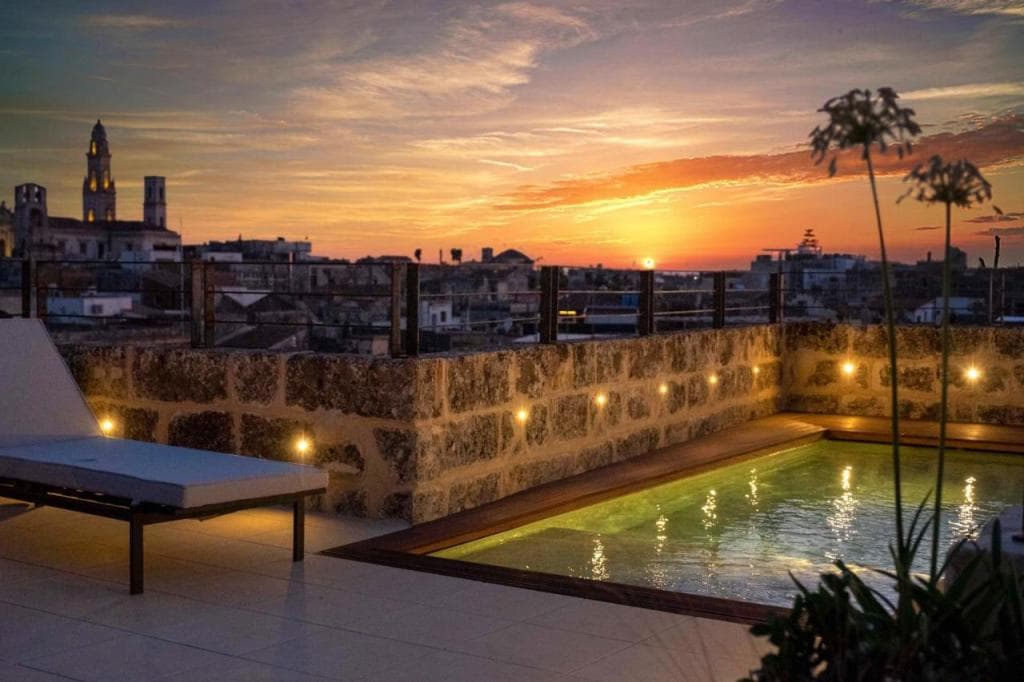
Located in Lecce, within 1640 feet of Piazza Sant'Oronzo and 2953 feet of Piazza Mazzini, Palazzo De Noha - Boutique Hotel features accommodations with a terrace and free WiFi. Popular points of inter




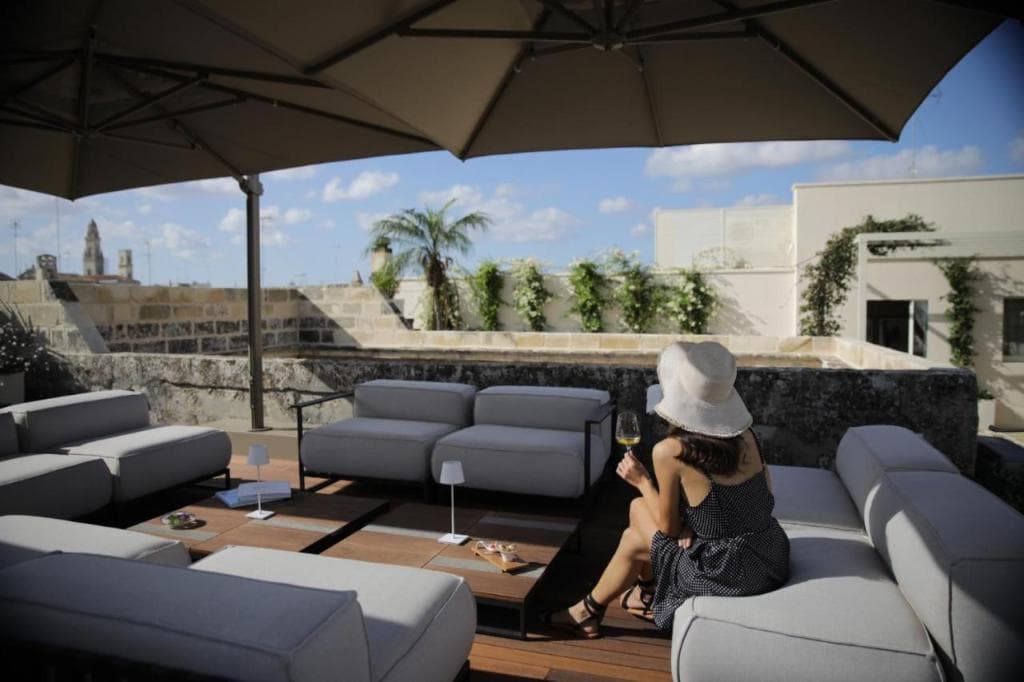 Lecce10 rooms
## Historic Setting La Fiermontina Palazzo Bozzi Corso Hotel in Lecce is housed in a historic building, offering a unique atmosphere. The property features a fitness center, sun terrace, and a season
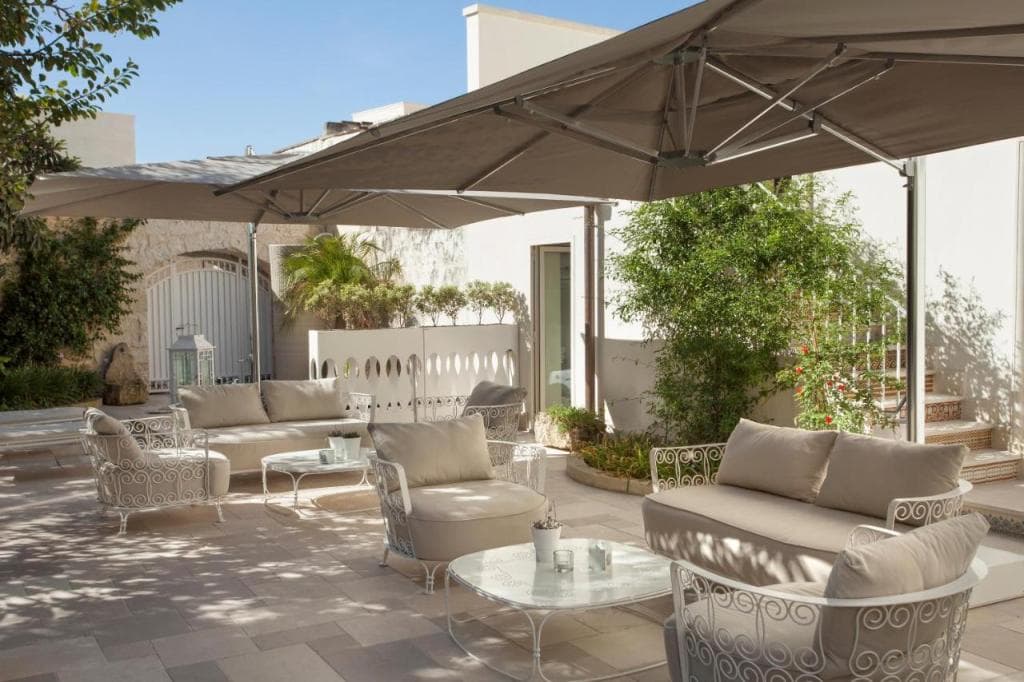


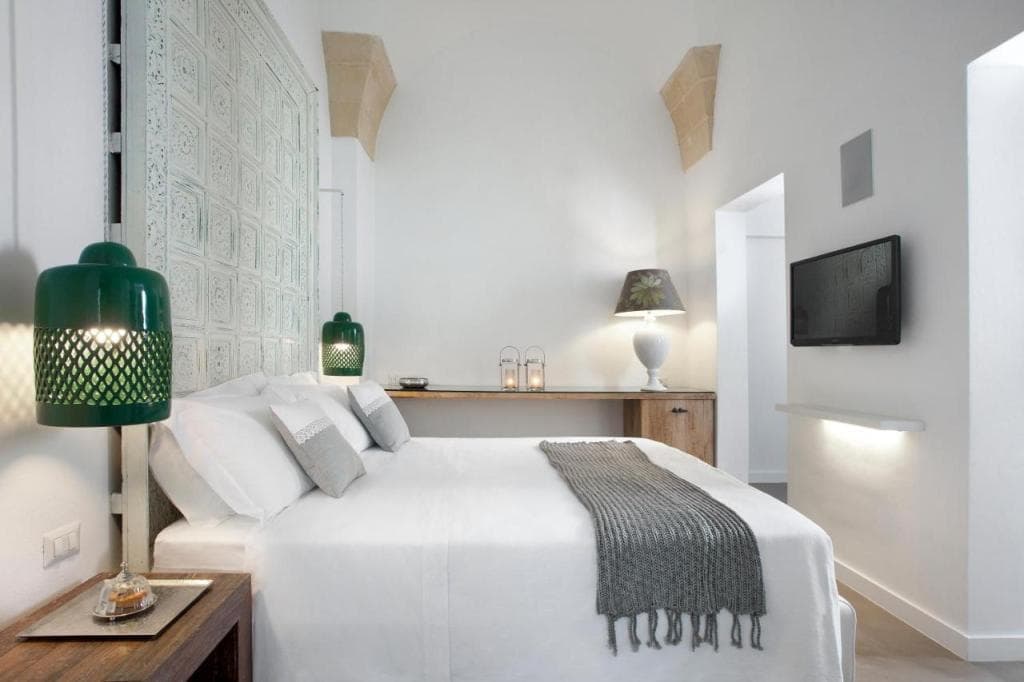


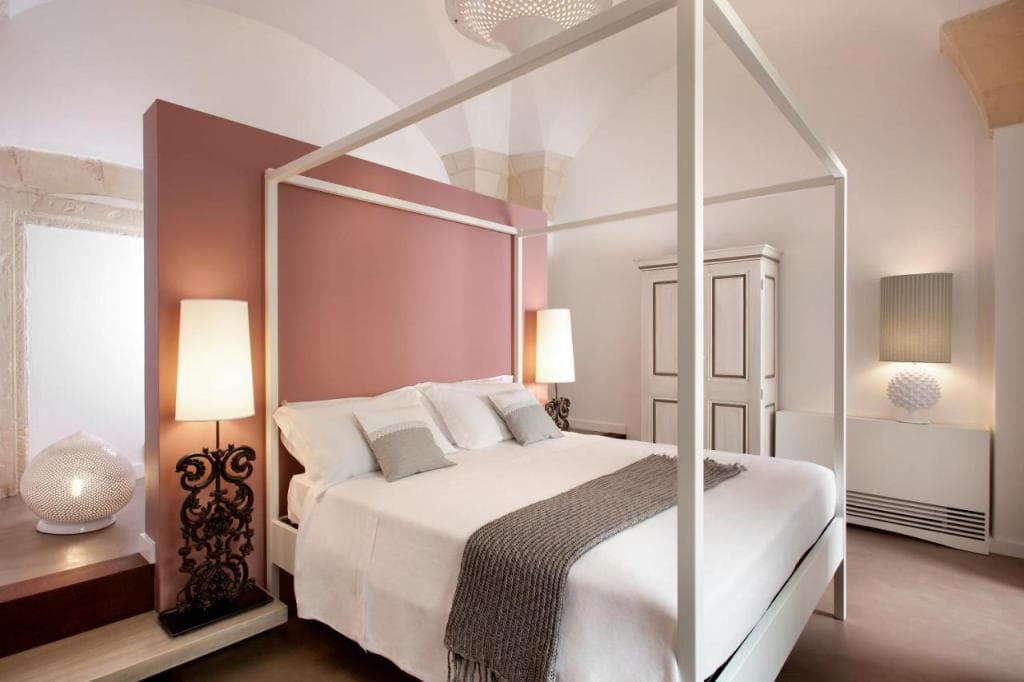
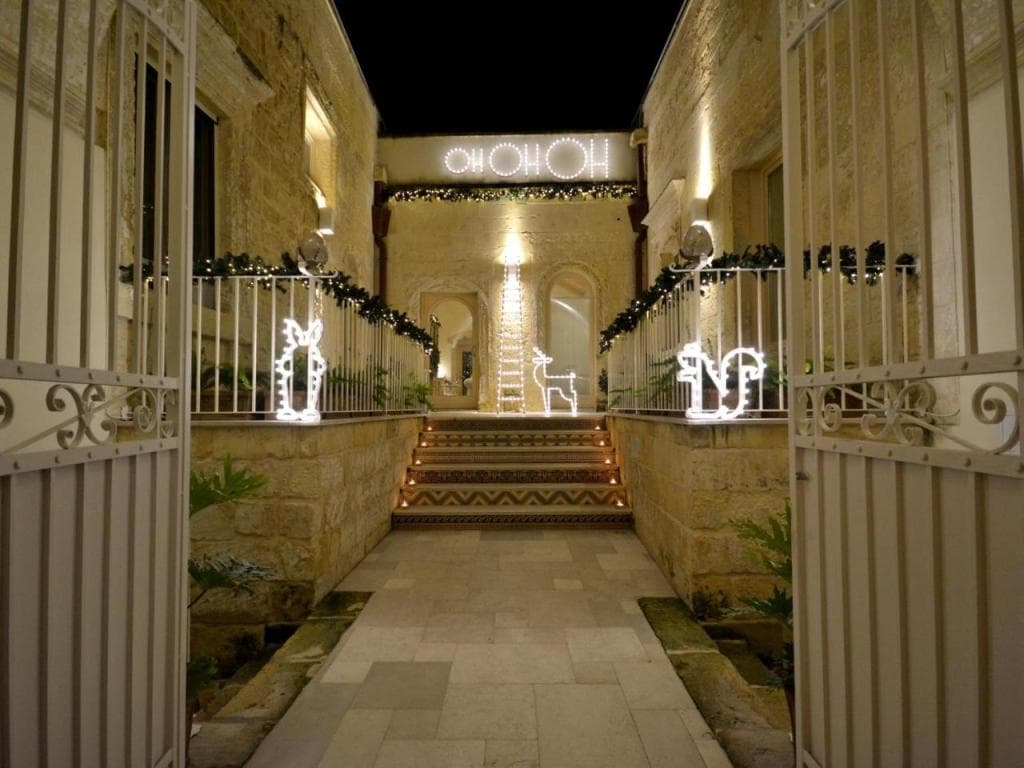 Lecce8 rooms
Behind an arch in the heart of Baroque Lecce, Mantatelurè offers a refined and relaxed ambiance with its design rooms, terrace and rich wine cellar. Wi-Fi and air conditioning are provided throughout.


 Lecce9 rooms
B&B Il Palazzotto di Luca Luxury Suites is a recently renovated bed and breakfast in Lecce near Piazza Sant'Oronzo. The property is around 18 miles from Roca, 24 miles from Gallipoli Train Station, an
Results 1 - 6
Lecce embodies a southern Italian art of living that suits travellers looking for warmth without ostentation. The city is small enough to feel intimate, yet rich enough in culture and gastronomy to fill a long stay. Selected gay-friendly accommodations sit within walking distance of the historic core, often inside restored palazzi with vaulted ceilings, interior courtyards and rooftop terraces overlooking the bell towers of the old town.
Hospitality in Salento has a quietly inclusive tone. Same-sex couples are received with the same natural courtesy as any other guests, whether at a family-run dimora storica or a design-led boutique hotel near Porta Napoli. The atmosphere is one of understated welcome, well aligned with travellers who value discretion, character and authenticity.
Lecce does not have a dense gay district in the manner of larger Italian cities, but its nightlife is friendly, mixed and easygoing. Around Piazza Sant'Oronzo and the lanes leading to Piazza Duomo, wine bars, enoteche and aperitivo spots fill with a young, cosmopolitan crowd drawn from the university and the wider Salento region. In summer, open-air venues and beach clubs along the Adriatic and Ionian coasts host LGBTQ+-leaning parties, particularly around Gallipoli and Otranto, both within easy reach.
The city also takes part in Salento Pride, a roving event that travels between Lecce and other towns of the province, reflecting a regional movement rather than a single urban scene. Cultural associations, independent bookshops and queer-friendly cafés contribute to a discreet but tangible community life year-round.
The historic centre is an open-air museum of Lecce baroque, a style defined by the soft local pietra leccese that allowed sculptors to carve cherubs, garlands and mythical creatures with extraordinary detail. The Basilica di Santa Croce, the Duomo with its theatrical piazza, and the Roman amphitheatre half-buried in the modern square form the backbone of any first visit.
Beyond the monuments, Lecce rewards slow wandering: artisan workshops producing papier-mâché figures, small museums dedicated to Jewish heritage and contemporary art, and trattorie serving ciceri e tria or horsemeat pezzetti. The surrounding Salento offers day trips to whitewashed Ostuni, the masserie of the countryside, the sea caves of Santa Cesarea Terme and the southernmost tip of the heel at Santa Maria di Leuca.
Late spring and early autumn are ideal, with mild temperatures, long evenings and fewer crowds than the Italian August peak. June brings the feast of Sant'Oronzo with processions and concerts; summer nights animate the courtyards with classical and jazz festivals. Winter is quieter and remarkably gentle, well suited to travellers seeking a culturally rich, sun-touched escape with the comfort of a well-chosen boutique stay.