Superb — 8.6/10




 Lisbon
 162 rooms
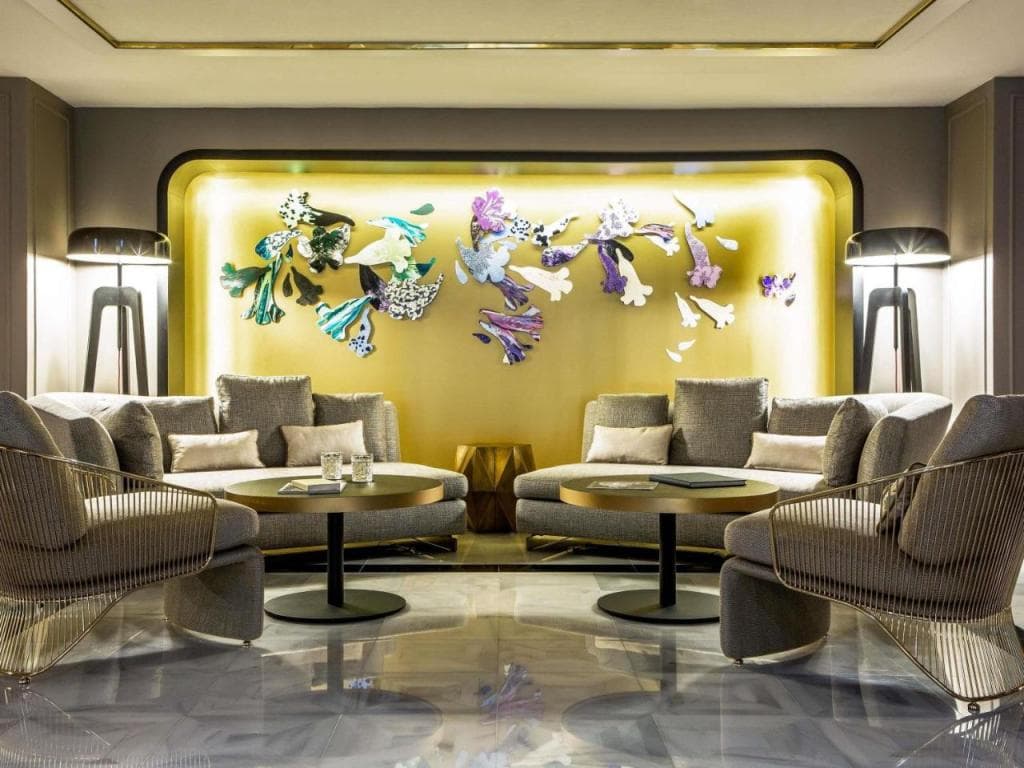
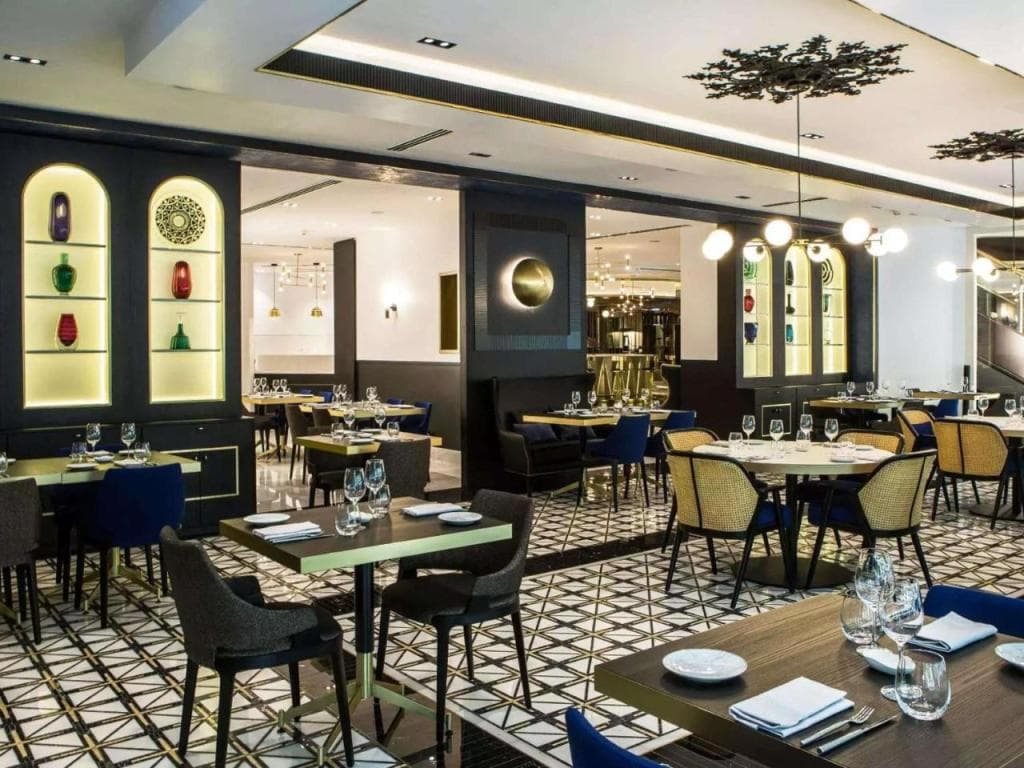
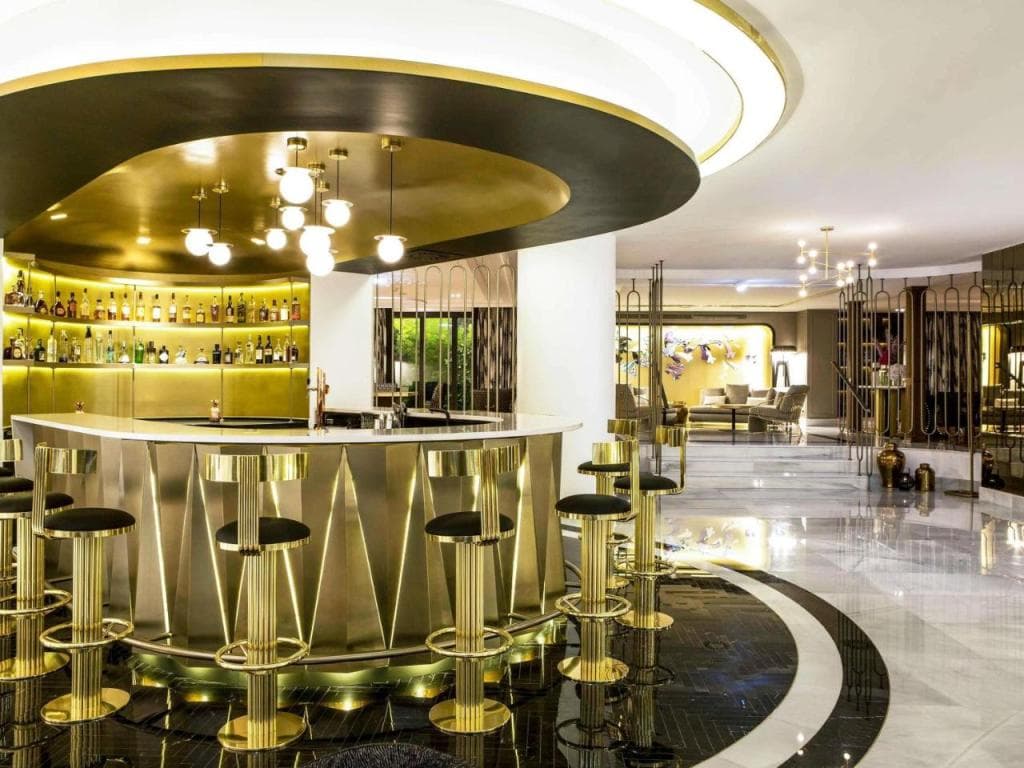
Located on Lisbon’s main avenue, Avenida da Liberdade, this luxurious hotel is right in front of the Avenida Metro stop. It has a modern gym, a restaurant and a library. Some of the rooms have balconi

 Lisbon162 rooms
Located on Lisbon’s main avenue, Avenida da Liberdade, this luxurious hotel is right in front of the Avenida Metro stop. It has a modern gym, a restaurant and a library. Some of the rooms have balconi


 Lisbon46 rooms
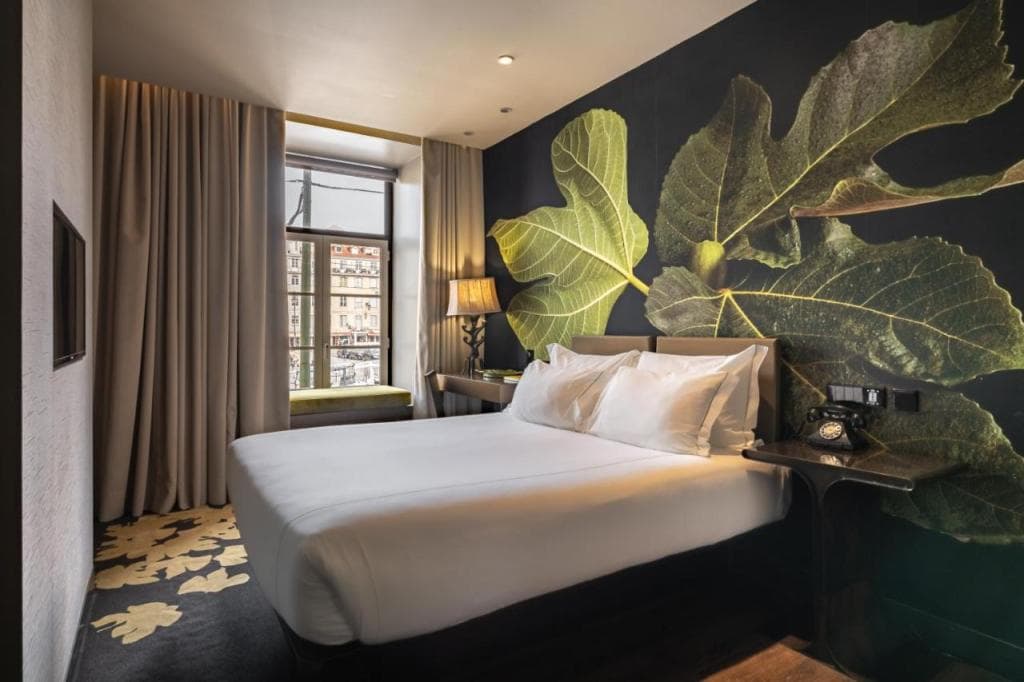
Figueira by The Beautique Hotels & SPA offers unique experiences and overlooks the São Jorge Castle. Centrally located in Lisbon, this charm hotel is just 1312 feet from the iconic Rossio Train Statio



 Lisbon102 rooms
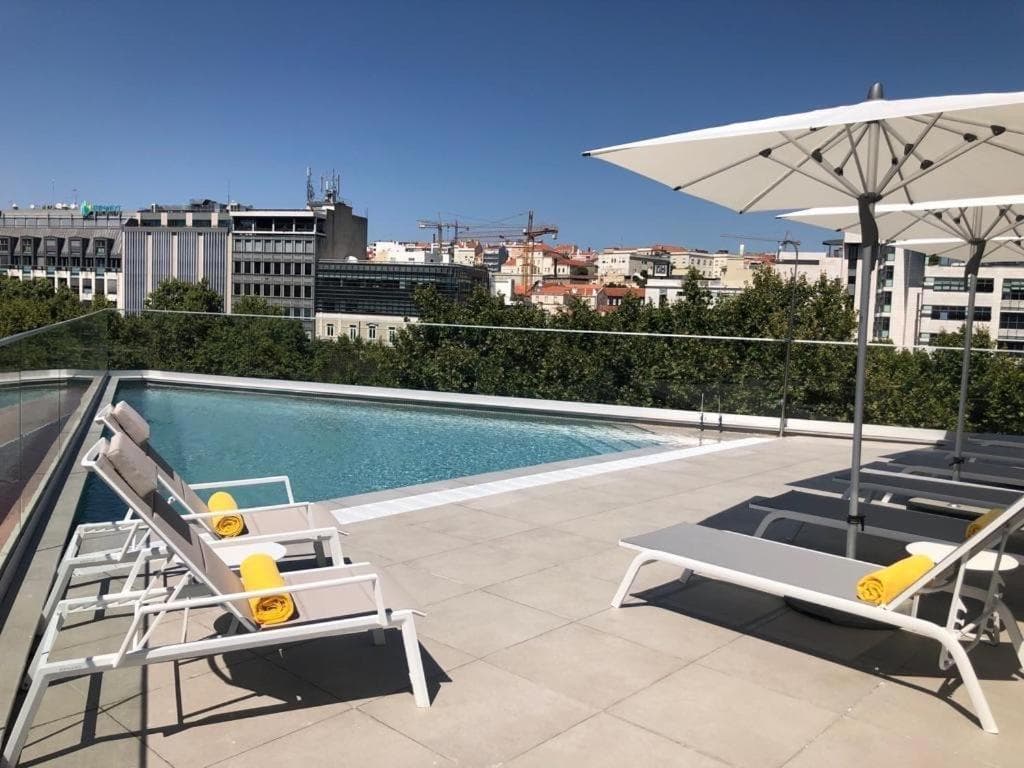
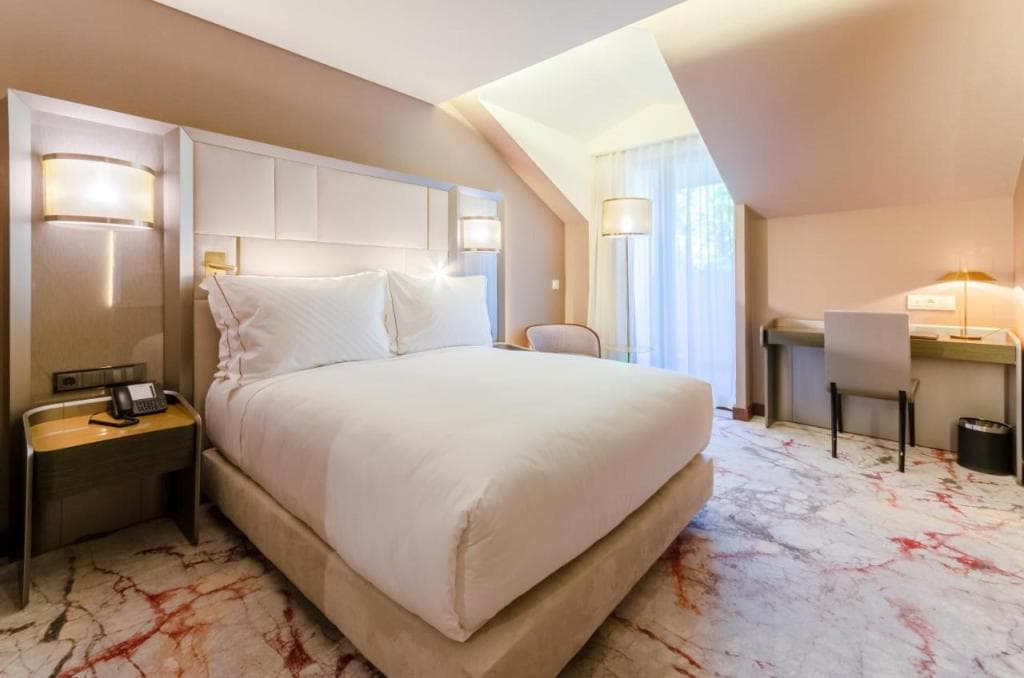
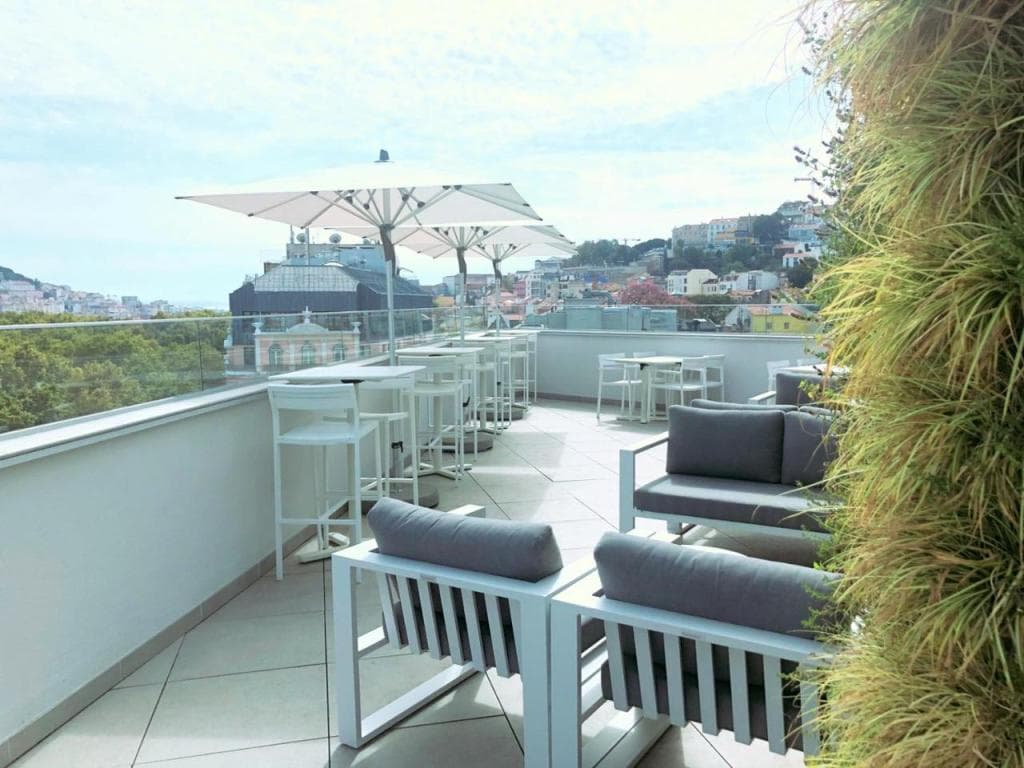
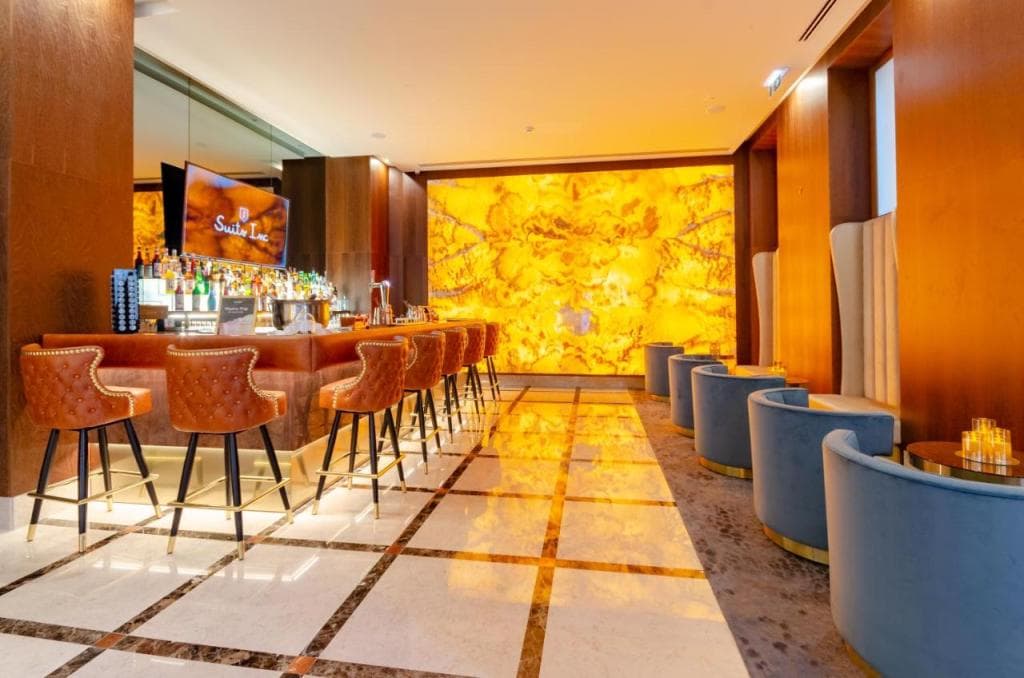
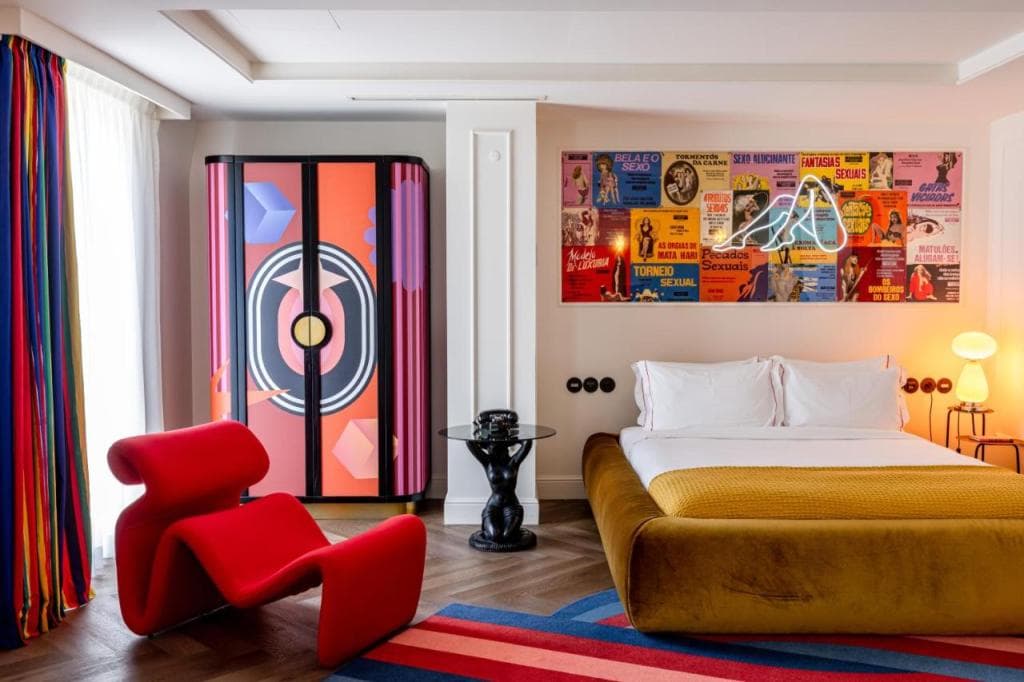
## Elegant Accommodations TURIM Boulevard Hotel in Lisbon offers a 5-star experience with a rooftop swimming pool, sun terrace, restaurant, bar, and free WiFi. Guests enjoy air-conditioned rooms with


 Lisbon44 rooms
## Exceptional Facilities The aparthotel offers a sun terrace, bar, outdoor swimming pool, and free WiFi. Additional amenities include a coffee shop, outdoor seating area, and paid shuttle service.




 Lisbon25 rooms
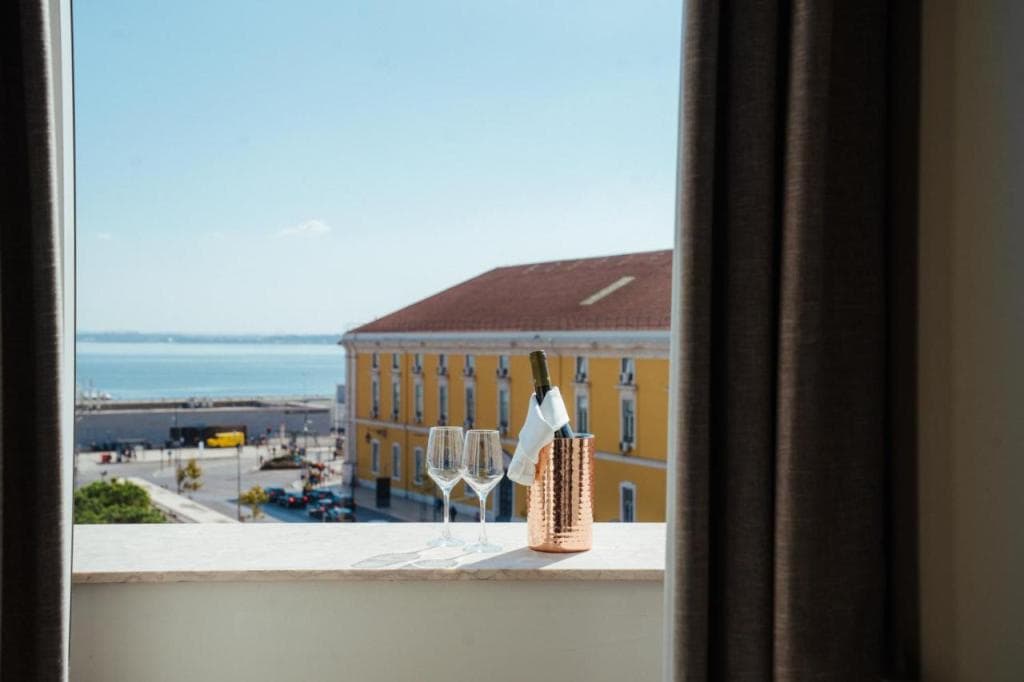
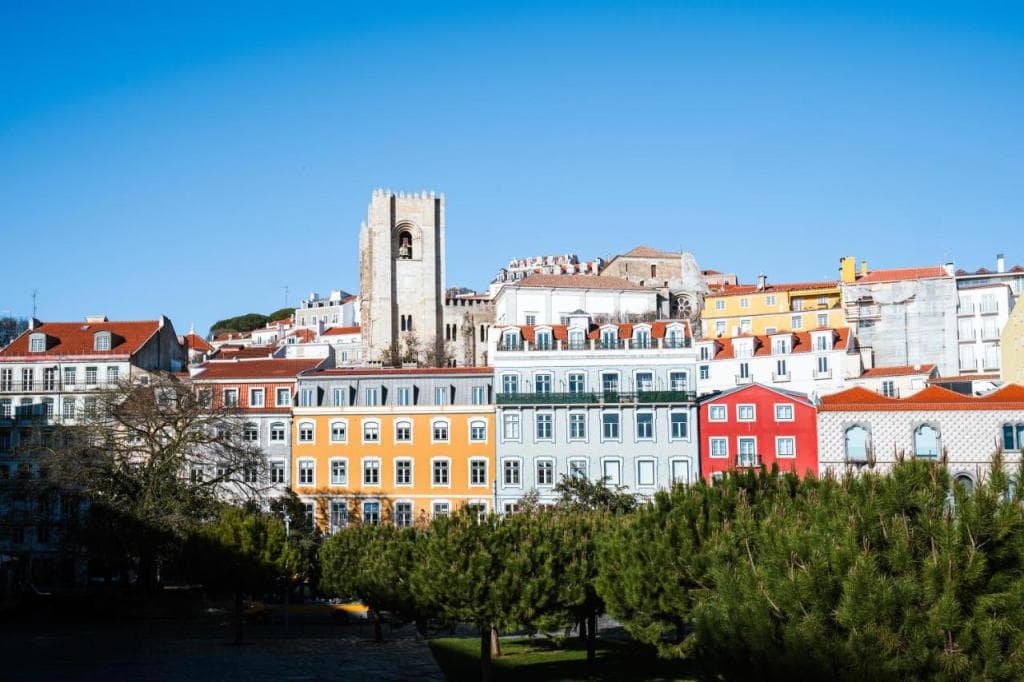
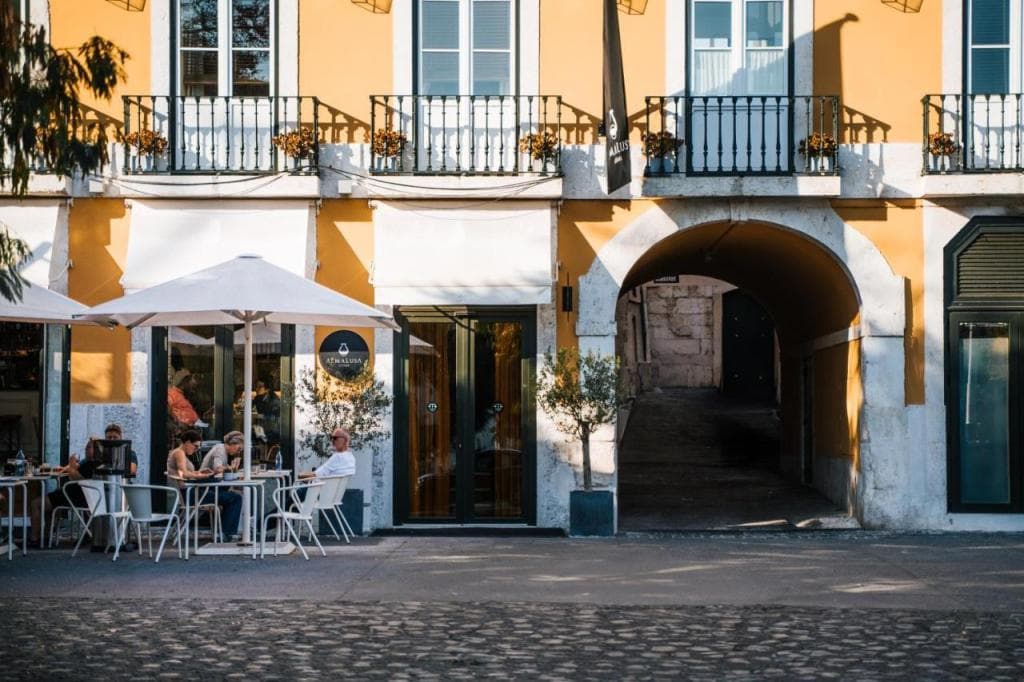
## Comfortable Accommodations AlmaLusa Alfama in Lisbon offers family rooms with air-conditioning, private bathrooms, and modern amenities. Each room includes a tea and coffee maker, free toiletries,


 Lisbon52 rooms
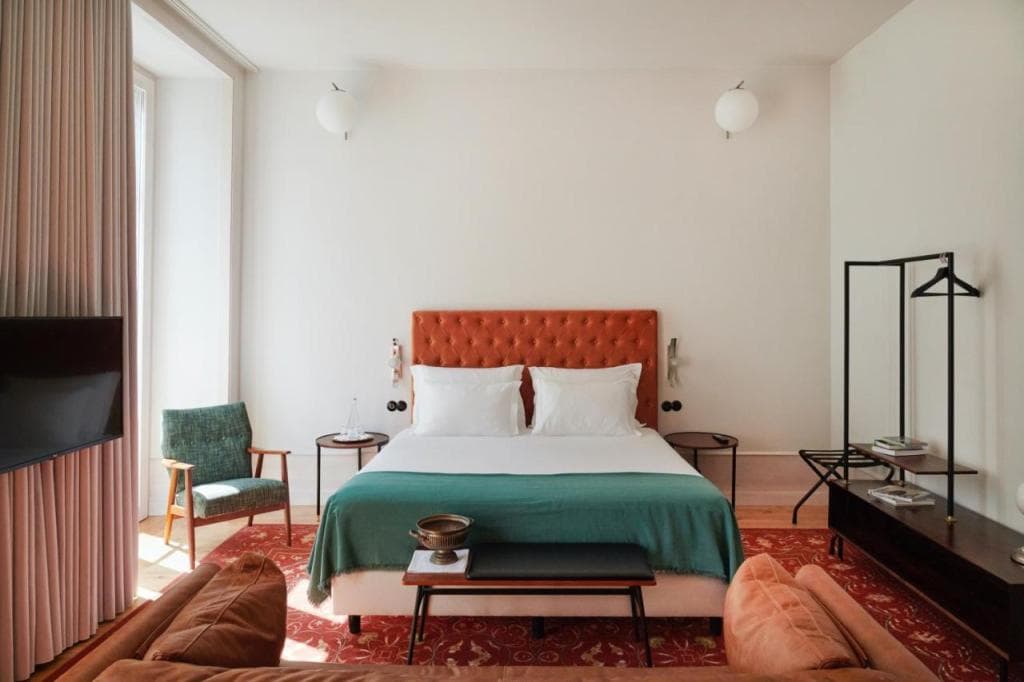
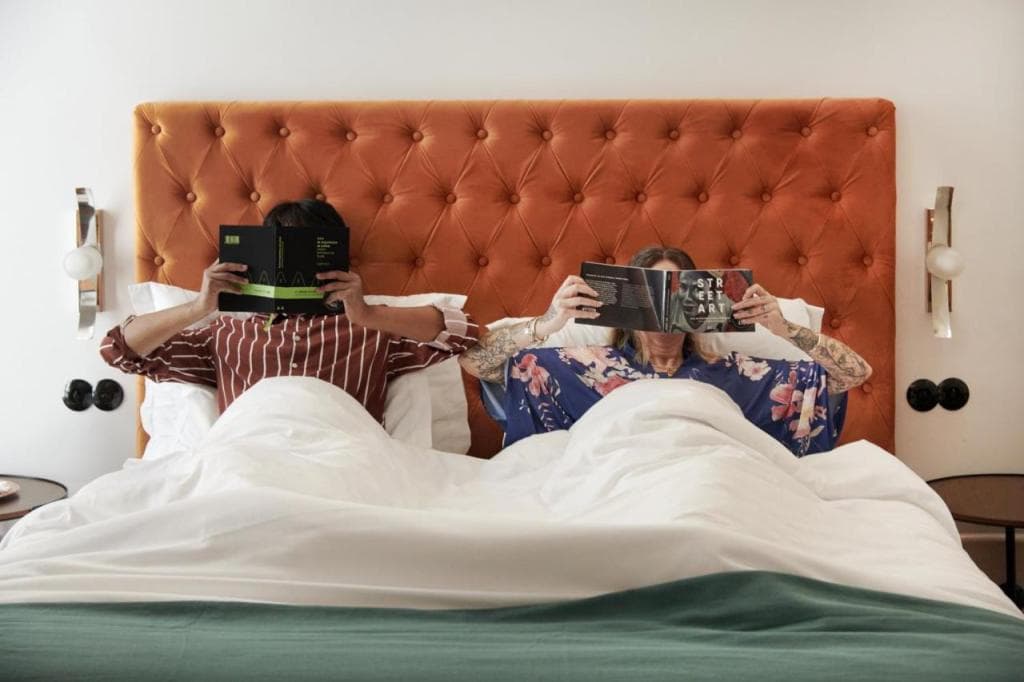
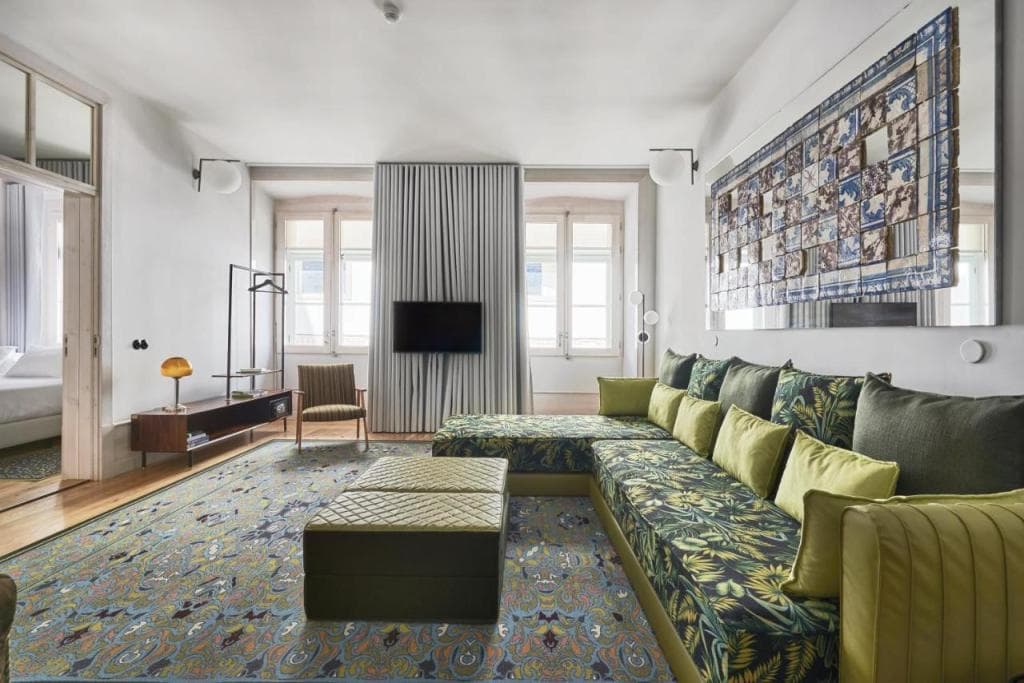
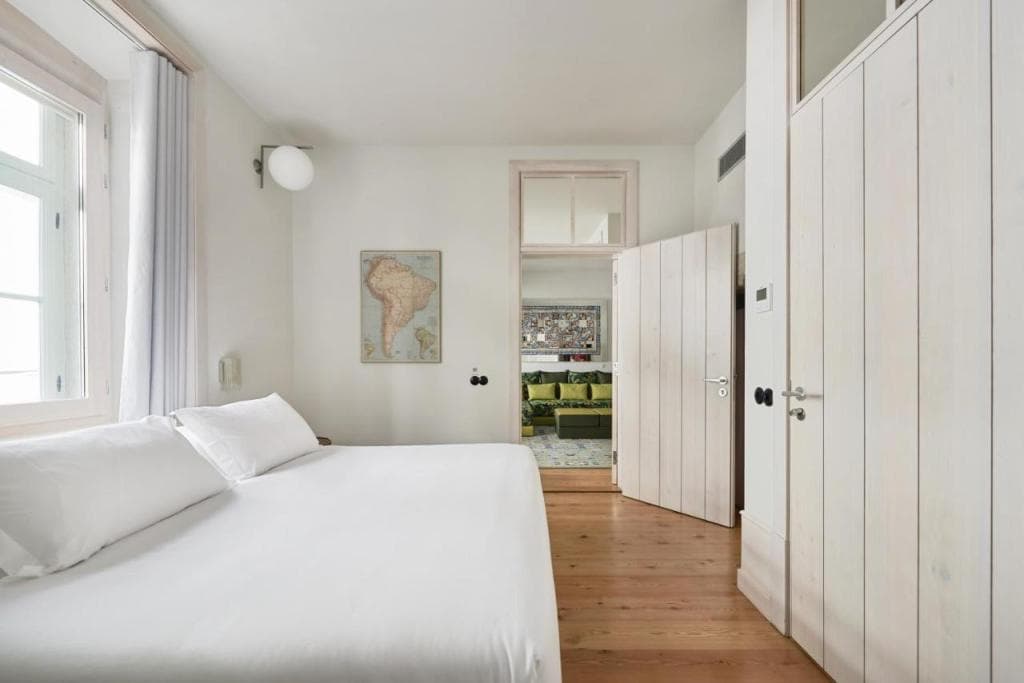
## Comfortable Accommodations Dos Reis by The Beautique Hotels in Lisbon offers comfortable rooms with air-conditioning, private bathrooms, city views, and modern amenities. Each room includes a work




 Lisbon30 rooms
## Central Location Cais Urban Lodge in Lisbon offers a convenient and central location. Commerce Square is a 7-minute walk away, while Rossio is 12 minutes on foot. St. George's Castle lies 1.1 mi f




 Lisbon25 rooms
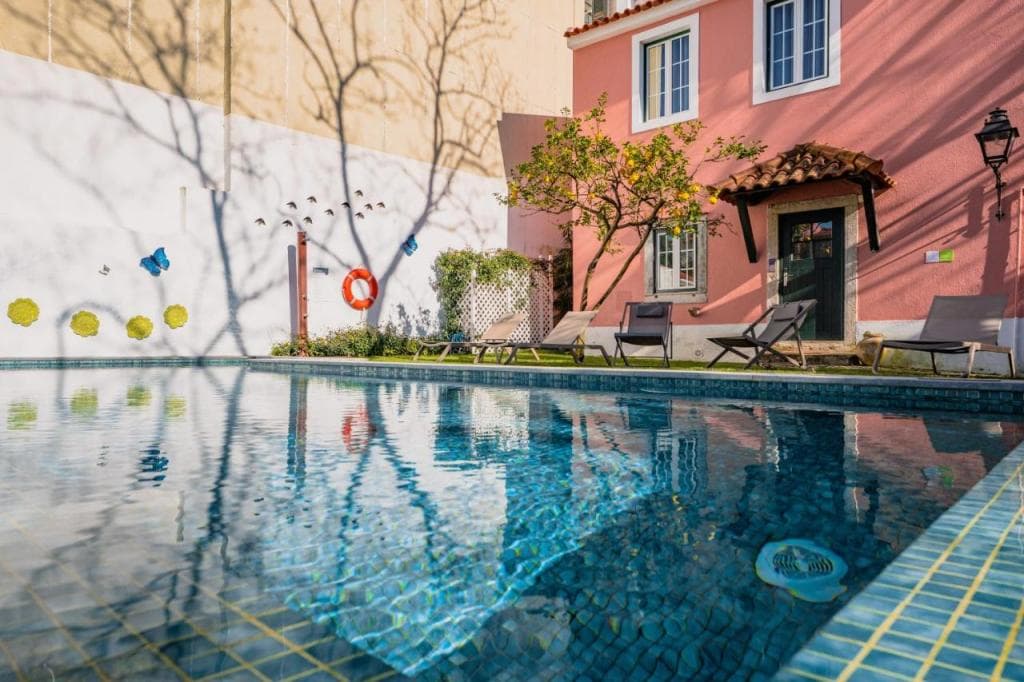
## Comfortable Accommodations Jardim da Lapa by Shiadu in Lisbon offers family rooms with air-conditioning, private bathrooms, and free WiFi. Each room includes a work desk, TV, and parquet floors.


 Lisbon12 rooms
Located in historic Lisbon, Raw Culture Art & Lofts Bairro Alto is a a new concept of lodging, offering a unique cultural experience, with comfort and a sophisticated ambiance. Each loft was decorated




 Lisbon84 rooms
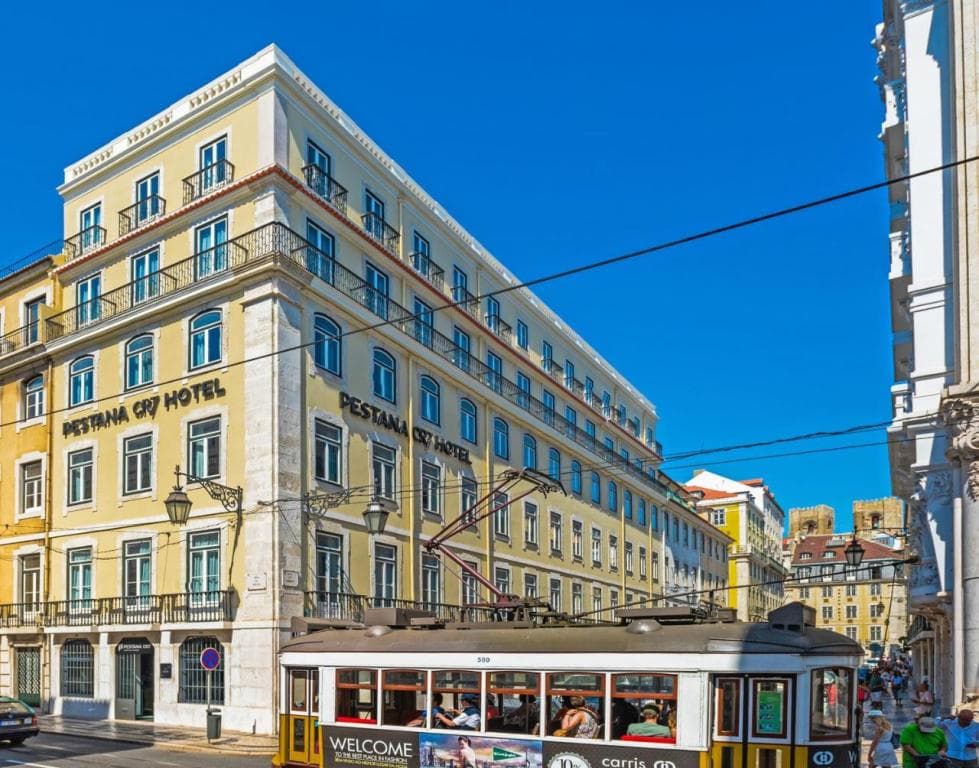
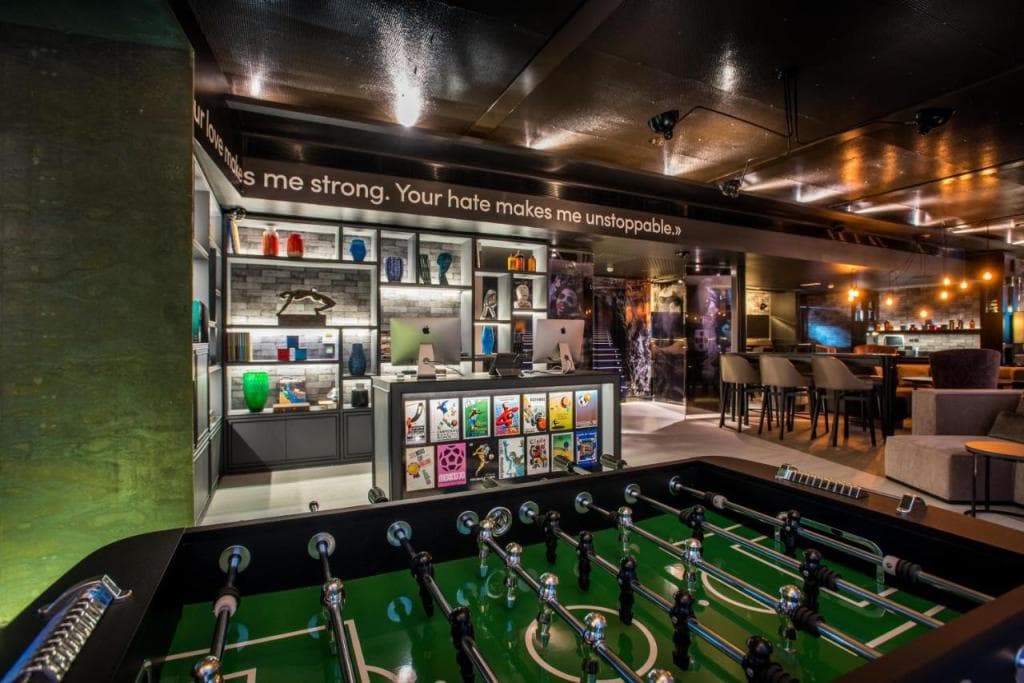
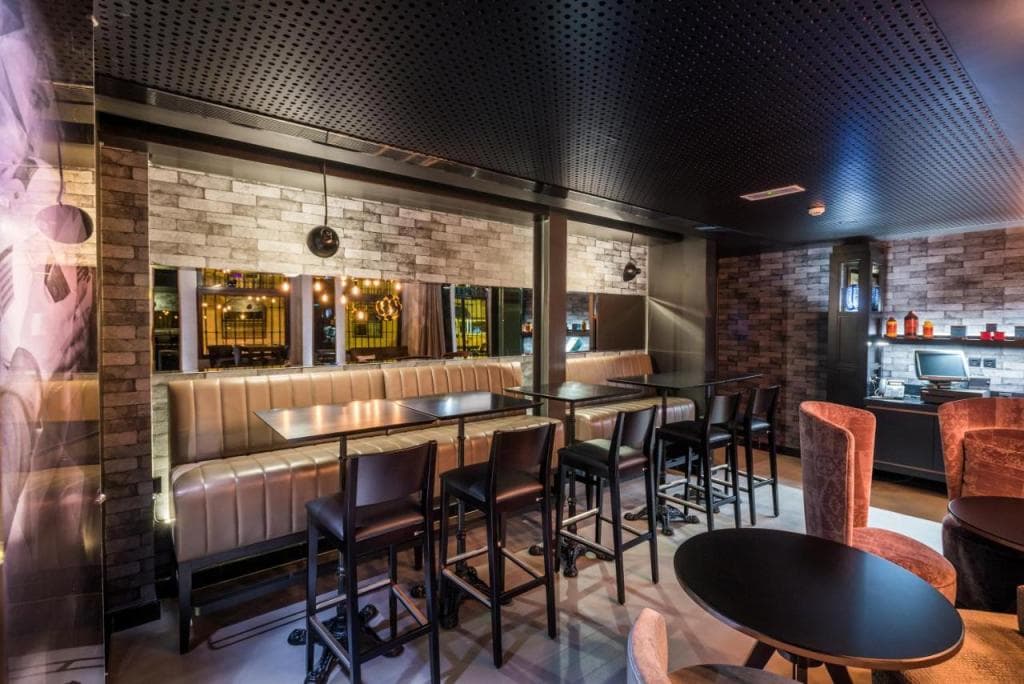
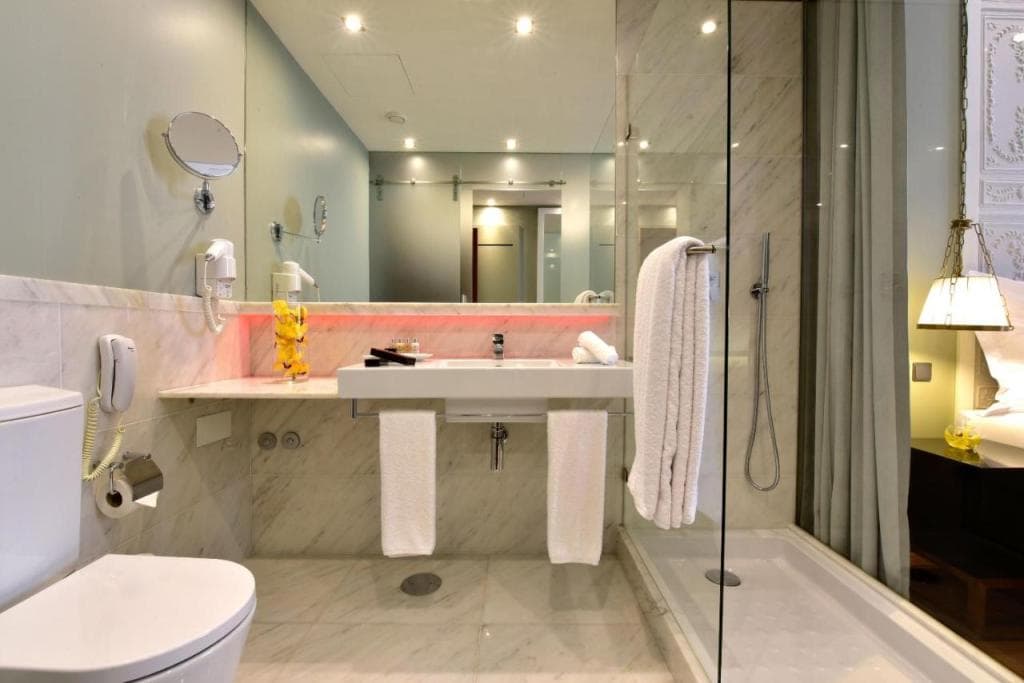
Pestana Hotels and world-renowned footballer Cristiano Ronaldo’s partnership resulted in the 4-star Pestana CR7 Lisboa, located in a traditional Lisbon building, which was fully renovated. Located in


 Lisbon102 rooms
Located in a privileged location, at the very center of Lisbon, Pousada de Lisboa - Small Luxury Hotels Of The World offers elegant accommodations with free WiFi and an à la carte restaurant. Rooms f



 Lisbon86 rooms
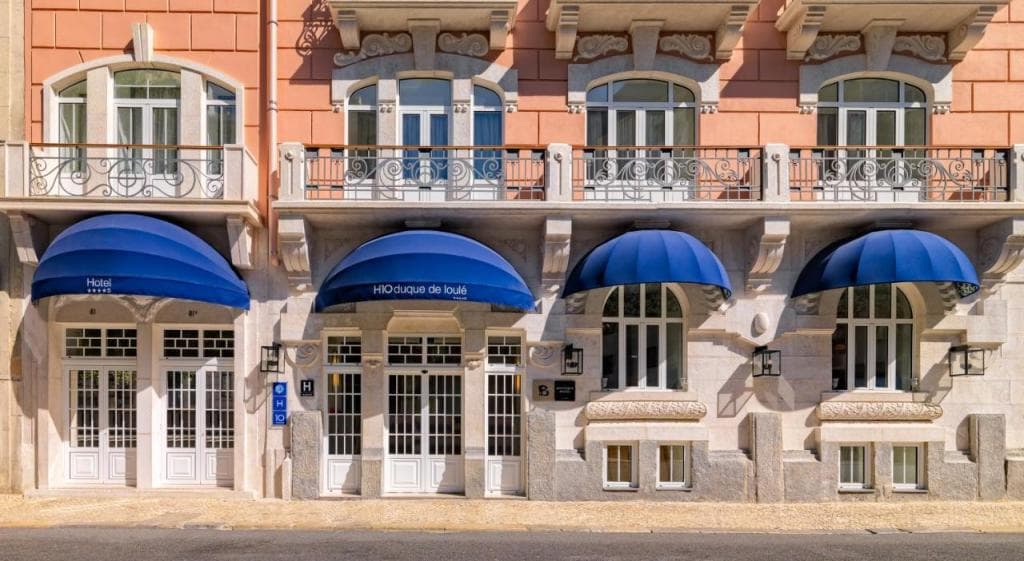
Offering a restaurant, H10 Duque de Loule is located in Lisbon. Free WiFi access is available. Each room here will provide you with air conditioning. There is also a coffee machine. Featuring a bath o


 Lisbon23 rooms
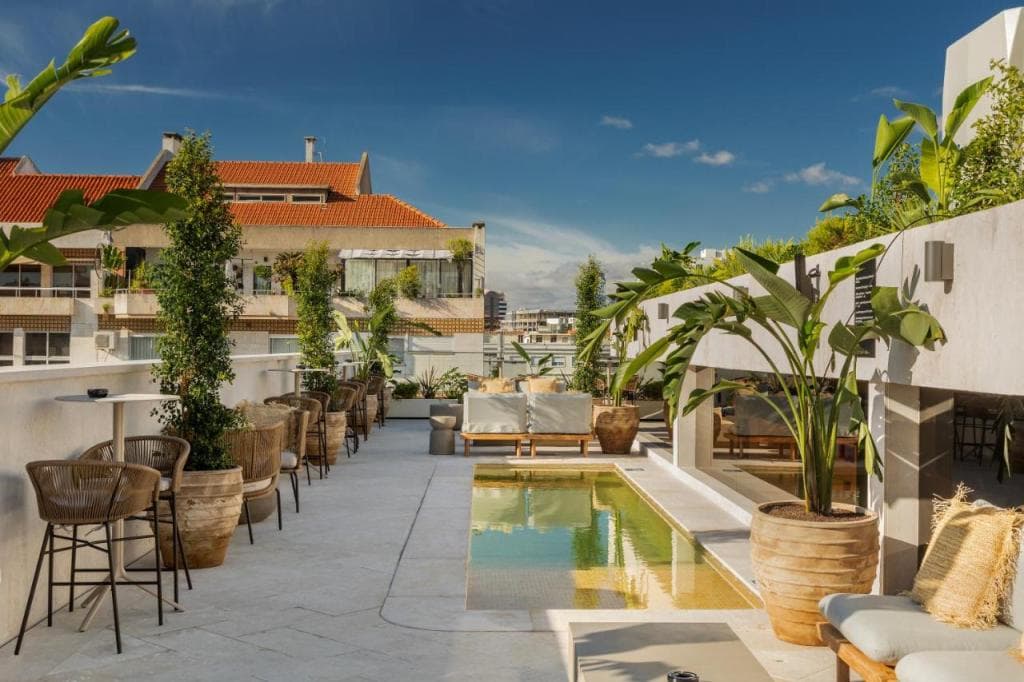
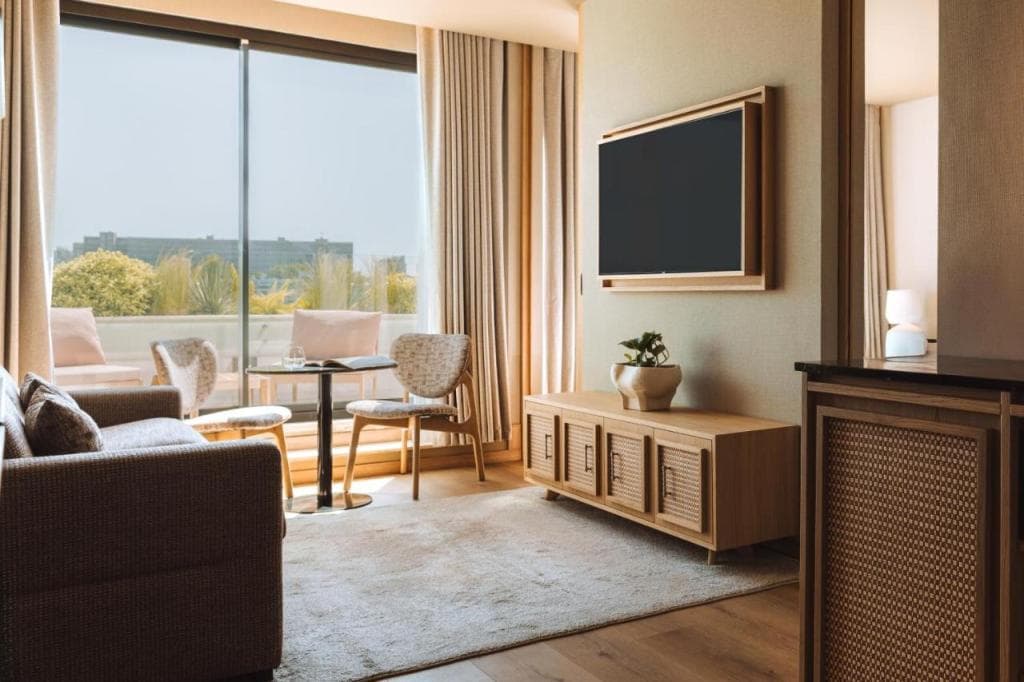
Monte Belvedere by Shiadu is in the heart of Lisbon and offers air-conditioned rooms, some featuring river views. São Bento Palace, the Chiado Museum and Santos Railway Station are within 0.6 mi. The



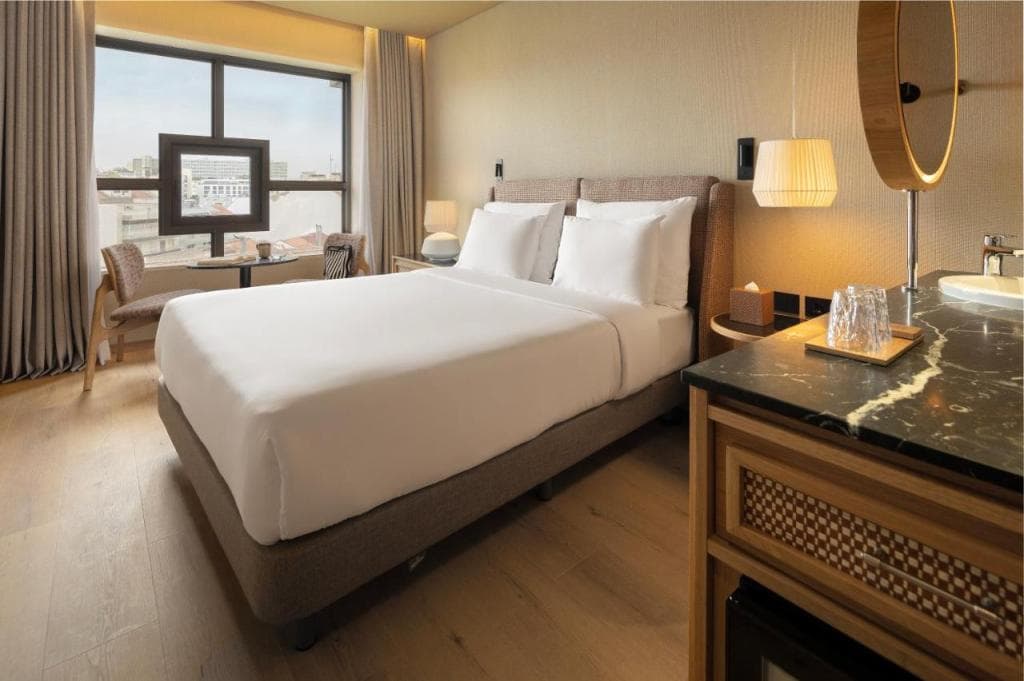
 Lisbon110 rooms
Come as a guest, leave as an EVOLUTIONER! The new EVOLUTION Valbom is a 4 star Hotel with a lifestyle and pet-friendly concept that conquers as soon as you arrive. Vibrant, modern, tech-friendly and


 Alcântara215 rooms
The 5-star Pestana Palace Hotel is a restored 19th-century palace, featuring private parklands and views of the Tagus River. It offers 2 swimming pools, a sauna and wellness center. Each spacious ro


 Baixa / Chiado, Lisbon City Center, Lisbon Old Town, Santa Maria Maior40 rooms
Well situated in the center of Lisbon, Lisbon Chiado Hotel & Spa has air-conditioned rooms with free WiFi, free private parking and room service. Each room at the 5-star hotel has city views, and gues


 Lisbon City Center, Santo Antonio19 rooms
Conveniently located in the center of Lisbon, Hotel das Amoreiras - Small Luxury Hotels of the World provides air-conditioned rooms, a garden, free WiFi and a bar. This 4-star hotel offers a 24-hour f


 Avenidas Novas, Lisbon City Center259 rooms
Featuring a spa & wellness center and massage services, ME by Meliá Lisbon is located in the center of Lisbon, 1.2 miles from Dona Maria II National Theater. Offering a restaurant, the property also h


 Avenidas Novas, Lisbon City Center2 rooms
Featuring a fitness center on the 11th floor with an outdoor running track overlooking Lisbon, the 5-star Four Seasons Hotel Ritz Lisbon is located next to Eduardo VII Park. It offers a spa on site.


 Lisbon City Center, Santo Antonio381 rooms
Located between the lush Parque Eduardo VII and the iconic Marquês de Pombal Square, the luxurious EPIC SANA MARQUÊS - member of Preferred Hotels & Resorts offers free WiFi, a fitness center, concierg


 Bairro Alto, Baixa / Chiado, Lisbon City Center, Lisbon Old Town, Misericordia70 rooms
Featuring a restaurant and a bar, Montebelo Vista Alegre Lisboa Chiado Hotel is located in the center of Lisbon, a 11-minute walk from Commerce Square. The property is around 1.2 miles from Miradouro


 Ajuda25 rooms
Located in Lisbon, a 8-minute walk from Jeronimos Monastery, Wine & Books Lisboa Hotel has accommodations with a fitness center, private parking, a terrace and a restaurant. Offering a bar, the proper


 Av. Liberdade, Lisbon City Center, Santo Antonio50 rooms
Located in Lisbon, a 12-minute walk from Dona Maria II National Theater, Browns Avenue Hotel has accommodations with an outdoor swimming pool, private parking, a terrace and a restaurant. This 5-star


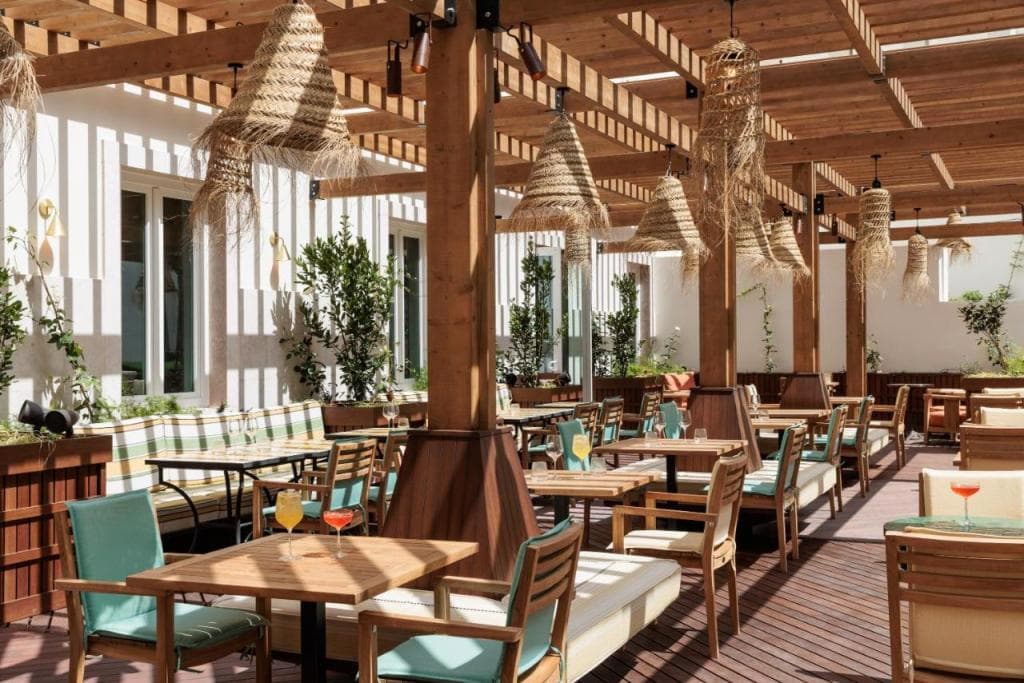

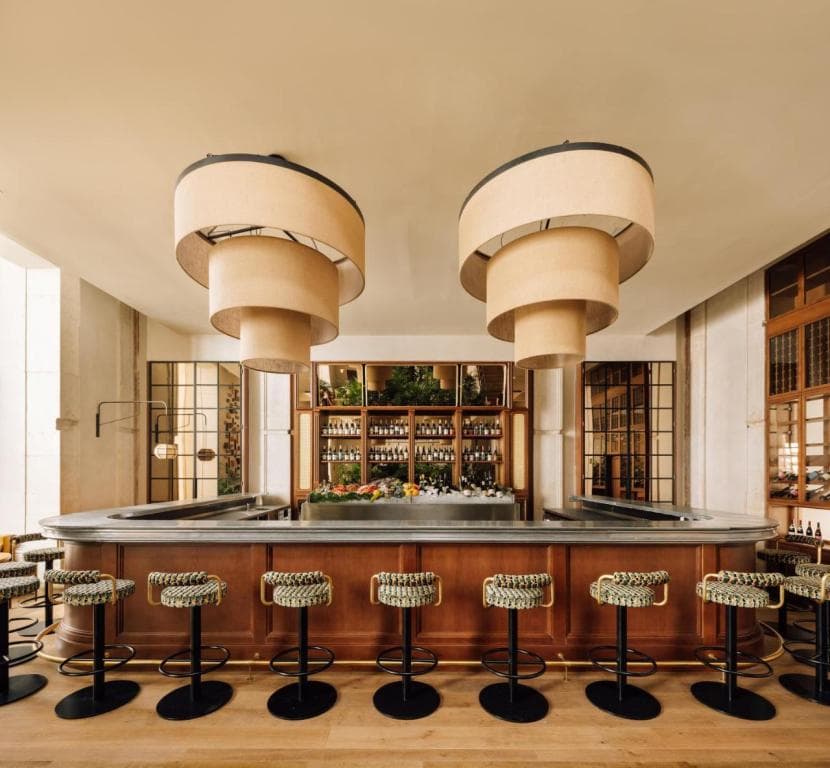
 Lisbon280 rooms
## Comfortable Accommodations Locke de Santa Joana in Lisbon offers family rooms with air-conditioning, private bathrooms, and modern amenities. Each room includes a dining area, TV, and free WiFi.


 Lisbon City Center, Lisbon Old Town, Misericordia19 rooms
This luxurious property has a privileged location, in Lisbon's historic center and overlooking the Tagus River. Verride Palácio Santa Catarina consists of stylish rooms and suites, blending vintage de
Results 1 - 25
Portugal has long stood among the most progressive countries in Europe for LGBTQ+ rights, and Lisbon reflects that openness in its everyday rhythm. Couples walk hand in hand along the Tejo, mixed crowds gather on kiosk terraces, and the queer scene feels woven into the city rather than confined to a single street. Staying in an inclusive hotel means being close to Príncipe Real, the unofficial gay village, while keeping easy tram access to museums, viewpoints and the Baixa grid.
Many properties occupy restored pombalino buildings with azulejo-tiled entrances, wrought-iron balconies and small rooftop pools that capture the Atlantic light. Whether you prefer a design hotel in Chiado, a boutique guesthouse in Alfama or a discreet townhouse near the Botanical Garden, the choice favours character over chain uniformity.
The heart of queer Lisbon beats in Príncipe Real, where Praça do Príncipe Real and its cedar tree anchor a cluster of bars, concept stores and relaxed cafés. Finalmente, Trumps and Construction draw dancers until sunrise, while smaller venues on Rua da Palmeira host drag shows, karaoke and cruising nights. Just downhill, Bairro Alto turns its cobbled streets into an open-air bar scene, mixing LGBTQ+ crowds with students, locals and visitors spilling out of tiny tascas.
Further south, Cais do Sodré combines Pink Street's late-night energy with riverside kiosks and live music at Musicbox. Alternative queer parties travel between Lx Factory in Alcântara and warehouses in Marvila, extending the nightlife map well beyond the historic centre.
Beyond the bar scene, Lisbon rewards slow exploration. The Jerónimos Monastery and the Belém Tower trace the Age of Discoveries along the western waterfront, while the National Tile Museum tells the city's story through ceramic panels. Tram 28 climbs to the Castelo de São Jorge, passing Alfama's fado houses and the miradouros of Santa Luzia and Graça, each offering a different angle on the red rooftops below.
Day trips stretch the experience further: the palaces of Sintra rise from Atlantic mists, Cascais opens onto sheltered beaches, and Costa da Caparica welcomes LGBTQ+ sunbathers at Praia 19, a long-established gay and nudist stretch reached by a seasonal mini-train.
Spring and early autumn bring mild temperatures ideal for walking the hills and sitting on esplanadas. Arraial Lisboa Pride fills Terreiro do Paço in June with concerts and political speeches, coinciding with the Santos Populares and the sardine-scented street parties of Santo António. July and August are lively but hot, while November and February stay mild enough to enjoy terraces between showers, often at gentler rates.