Very good — 8.4/10


 Lyon
Lyon 72 rooms
## Prime City Center Location Le Royal Hotel Lyon - MGallery Collection in Lyon offers a central position with key attractions nearby. Musée Miniature et Cinéma lies less than 0.6 mi away, while Lyon

 Lyon72 rooms
## Prime City Center Location Le Royal Hotel Lyon - MGallery Collection in Lyon offers a central position with key attractions nearby. Musée Miniature et Cinéma lies less than 0.6 mi away, while Lyon
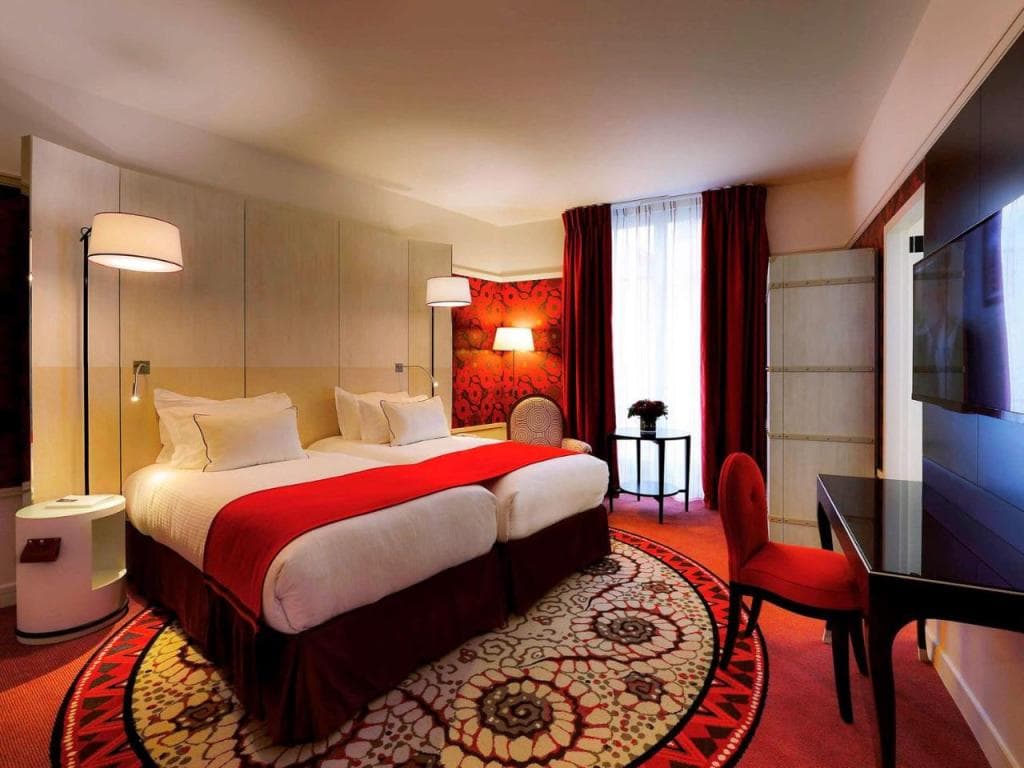


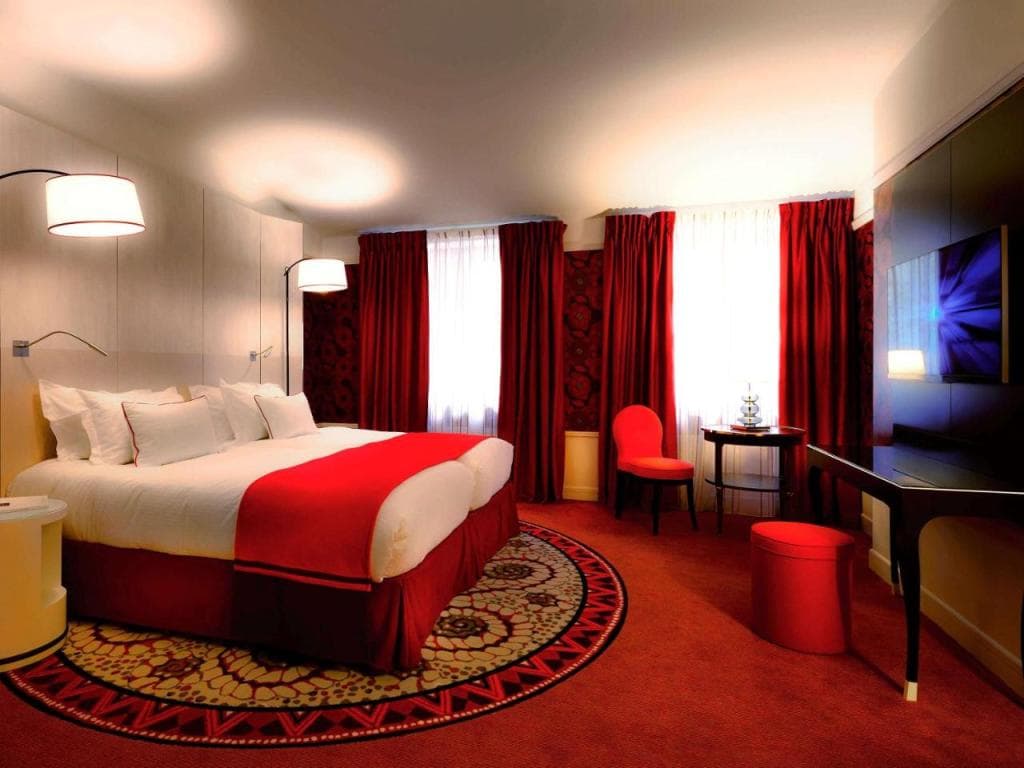


 Lyon80 rooms
Set in a building dating from 1894, Hotel Carlton Lyon - MGallery Hotel Collection is located on Lyon’s Presqu’île, a 5-minute walk from Cordeliers Metro Station. Free WiFi is offered throughout the
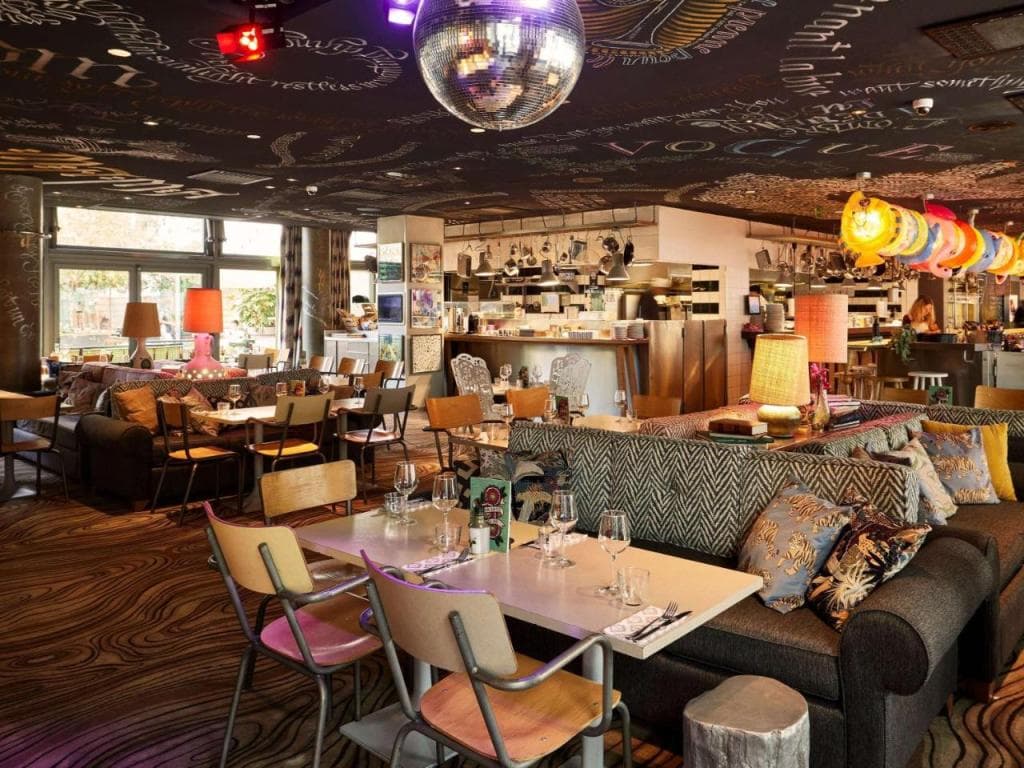


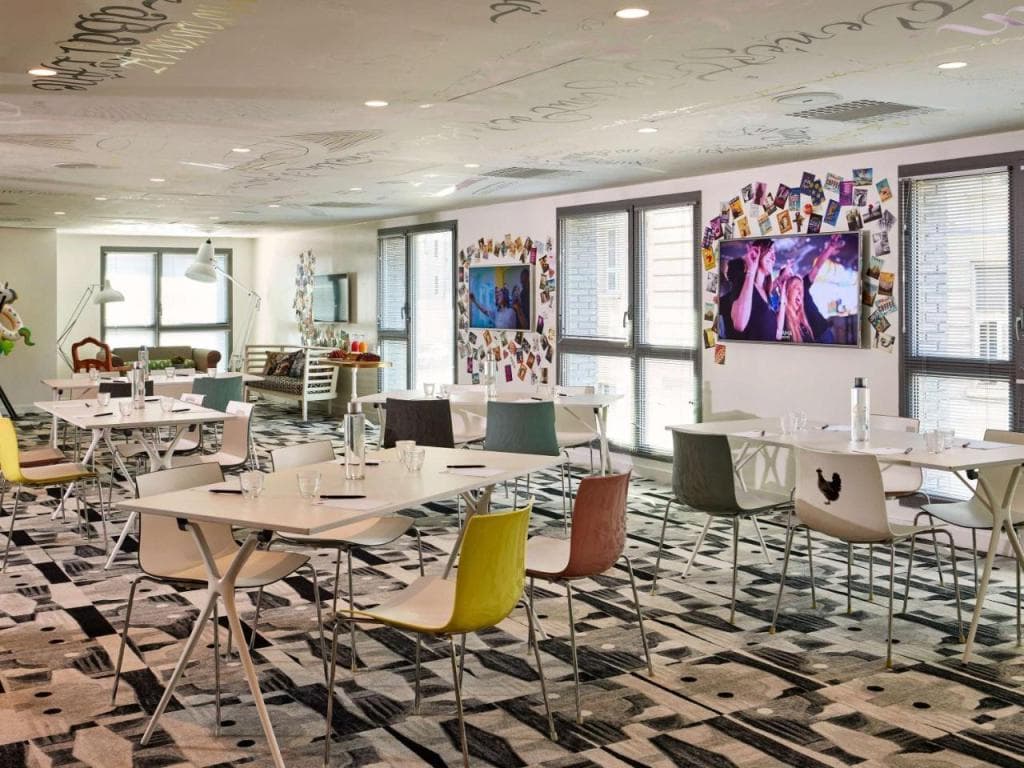


 Lyon183 rooms
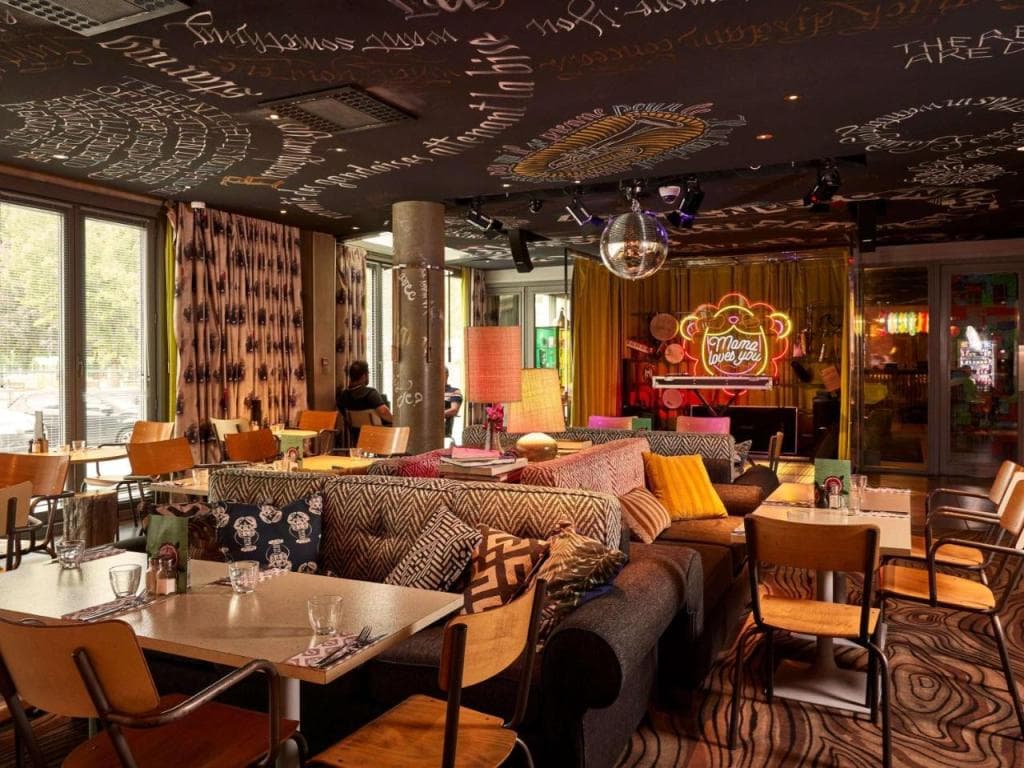
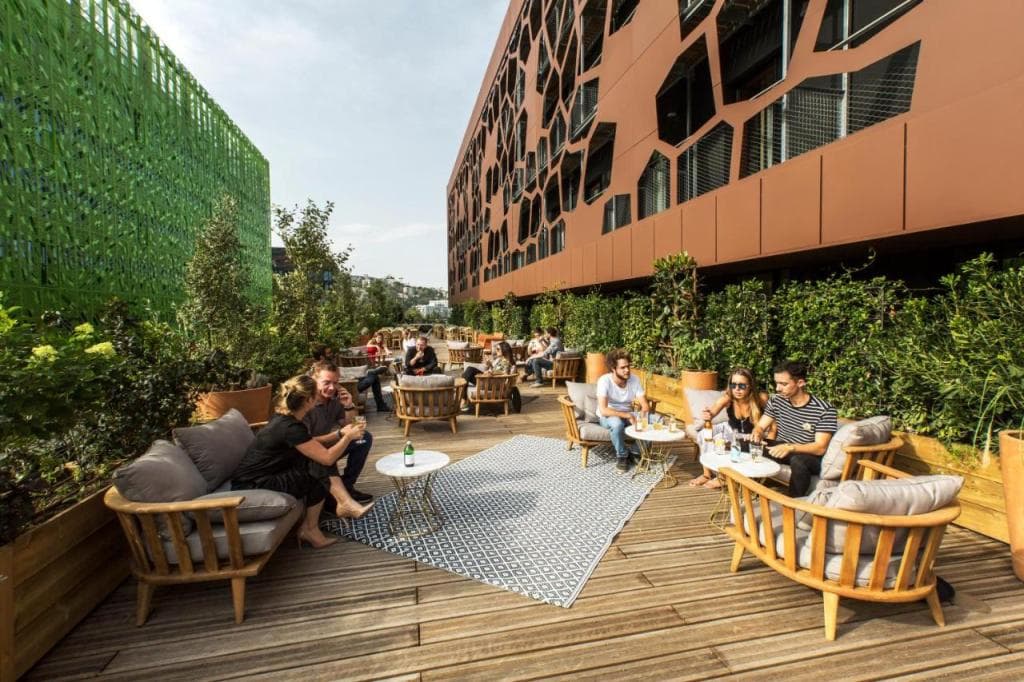
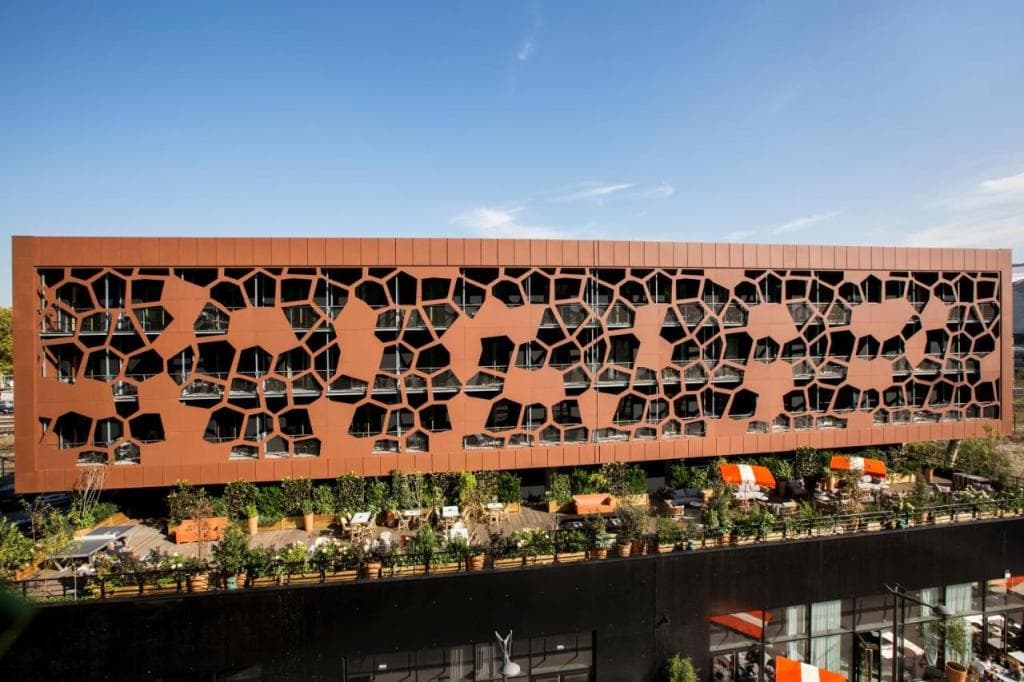
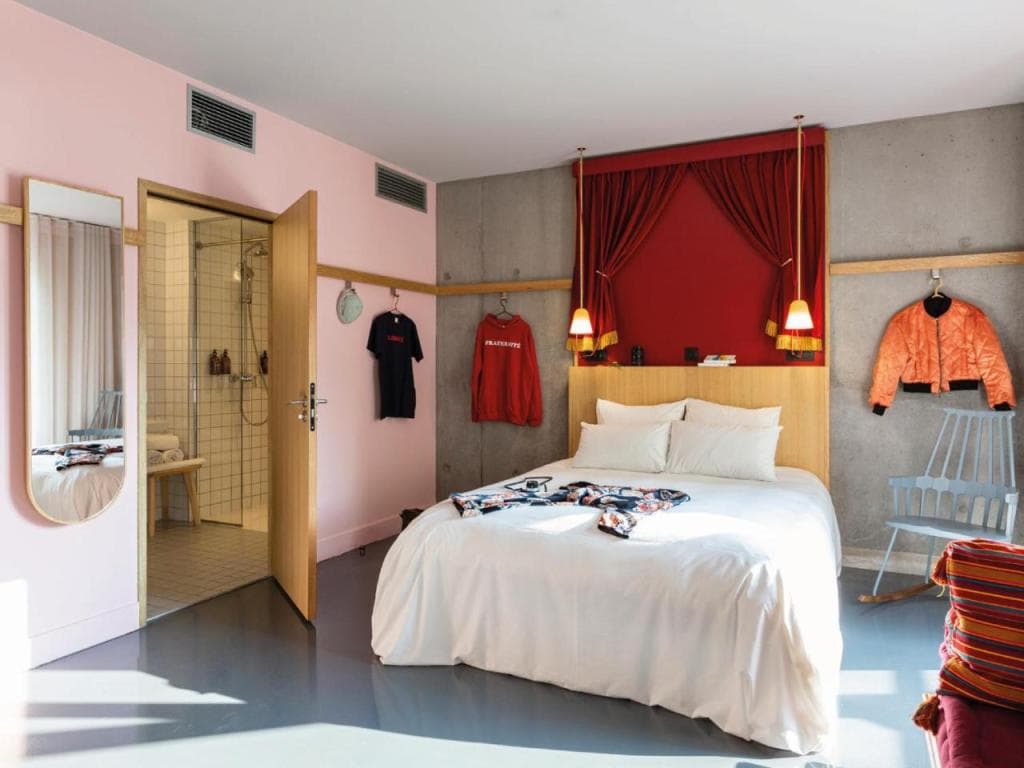
Located in Lyon, Mama Shelter Lyon offers a 24-hour front desk, a restaurant and suites. It is 984 feet from Jean-Macé Metro Station, which leads directly to Stade de Gerland and Lyon-Part-Dieu Train




 Lyon147 rooms
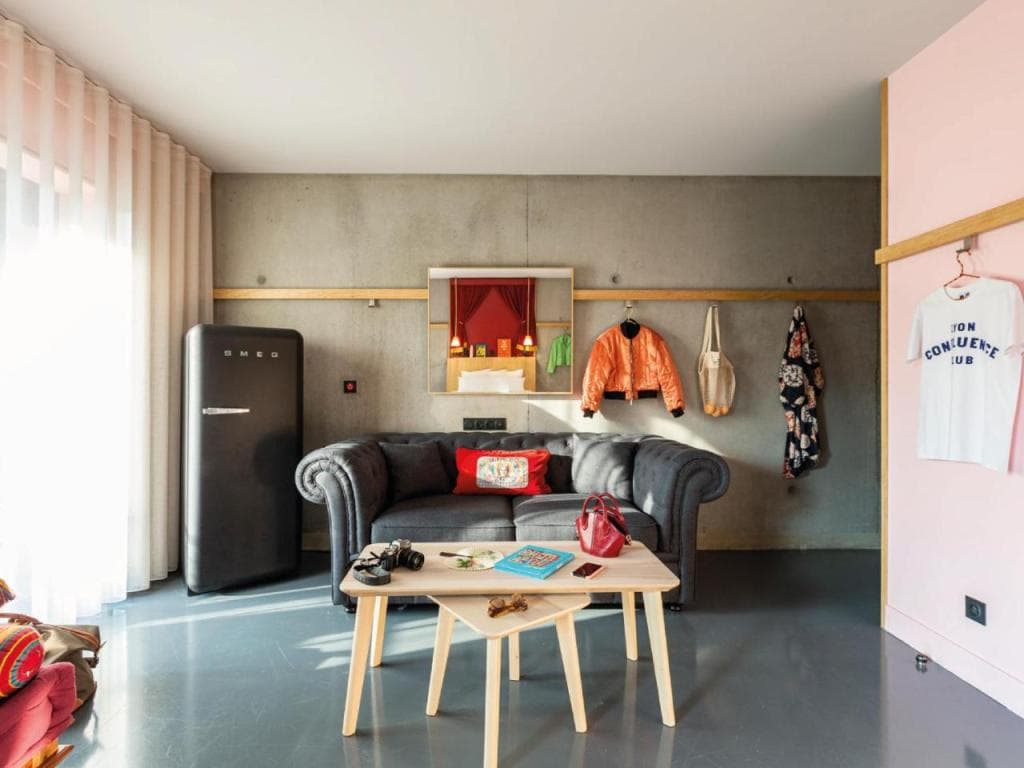
Located 2 minutes' walk from the Musée des Confluences and 10 minutes' walk from a shopping center, MOB HOTEL Lyon Confluence features a restaurant and free WiFi throughout the property. The hotel has


 Lyon48 rooms
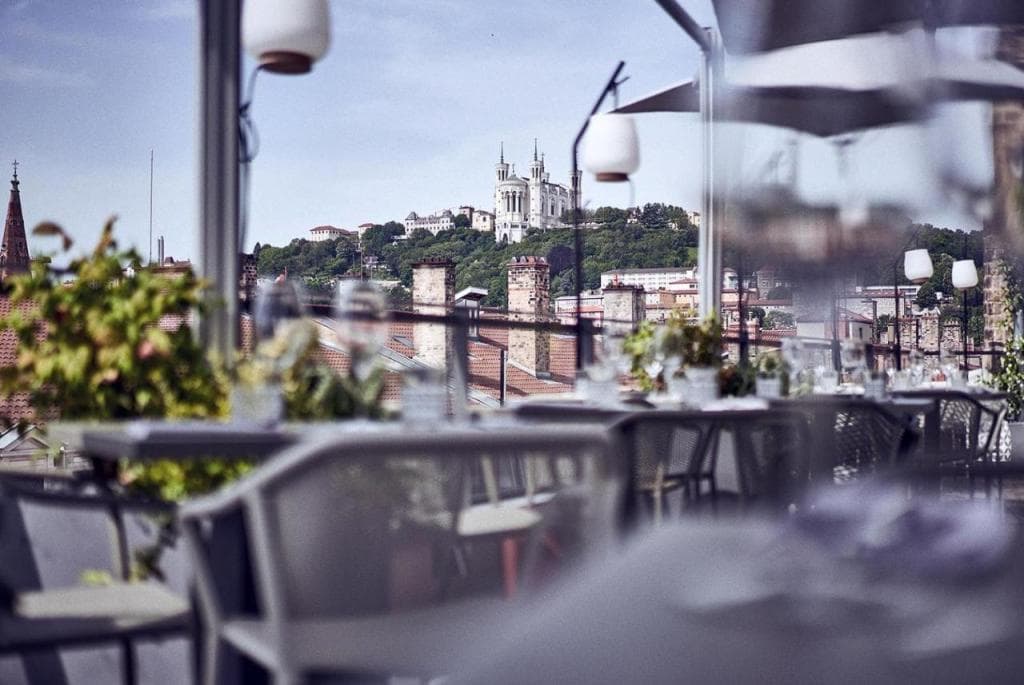
Featuring a sauna and fitness center, Maison Nô - Hôtel et Rooftop offers accommodations with free WiFi in central Lyon. It is a short walk away from Place des Terreaux, Museum of Fine Arts and Rue de


 2nd arr., La Presqu’Ile, Lyon City-Centre198 rooms
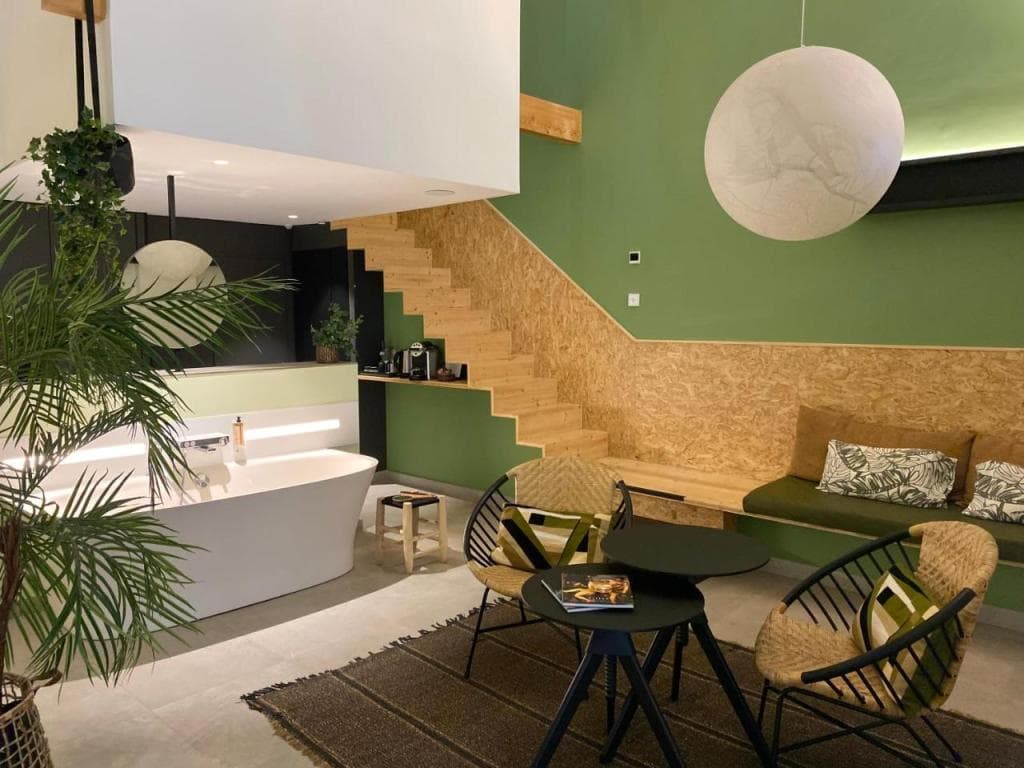
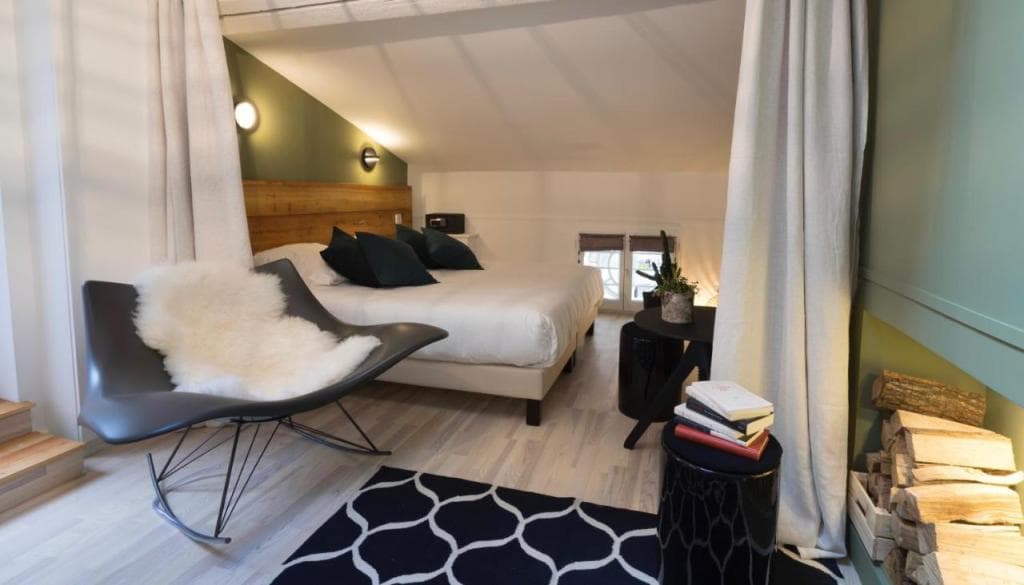
## Elegant Accommodations InterContinental Lyon - Hotel Dieu by IHG in Lyon offers a 5-star experience with spa facilities, a fitness center, sun terrace, and a lush garden. Guests enjoy free WiFi, a



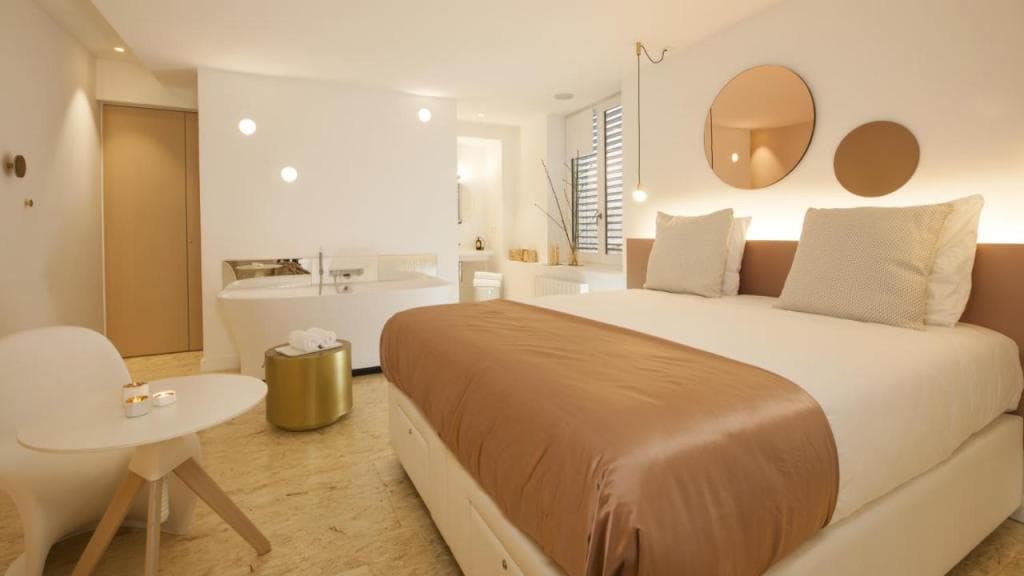
 Lyon4 rooms
## Comfortable Accommodations MiHotel Comte in Lyon offers comfortable rooms with air-conditioning, private bathrooms, and modern amenities. Each room includes a tea and coffee maker, walk-in shower,
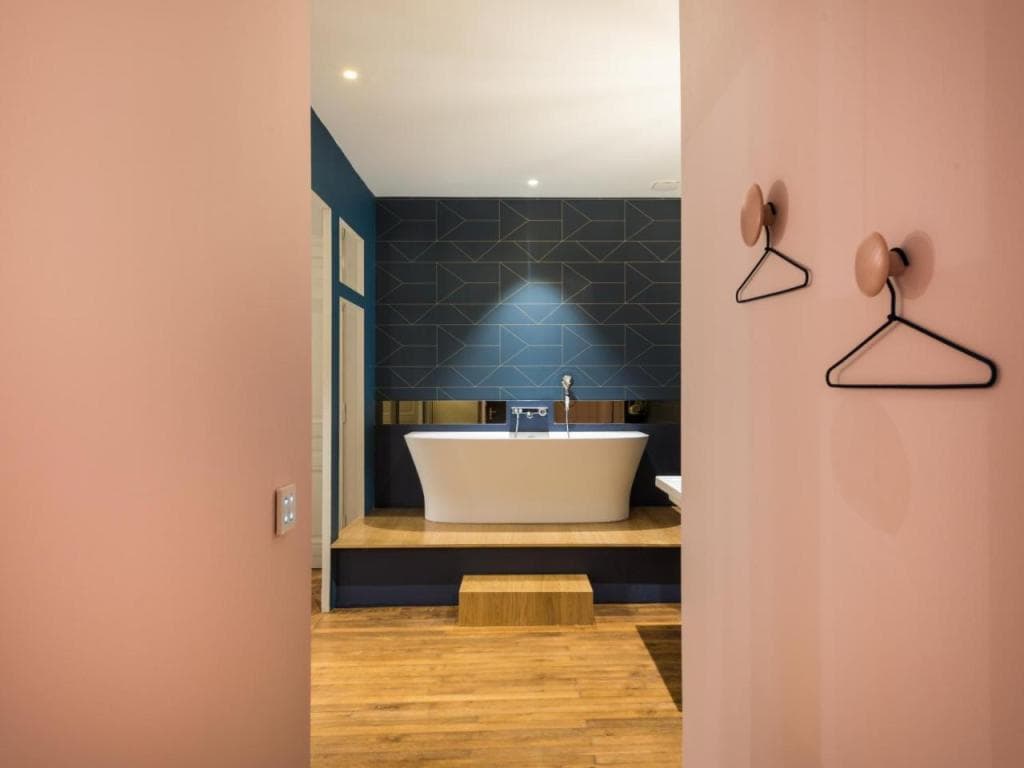


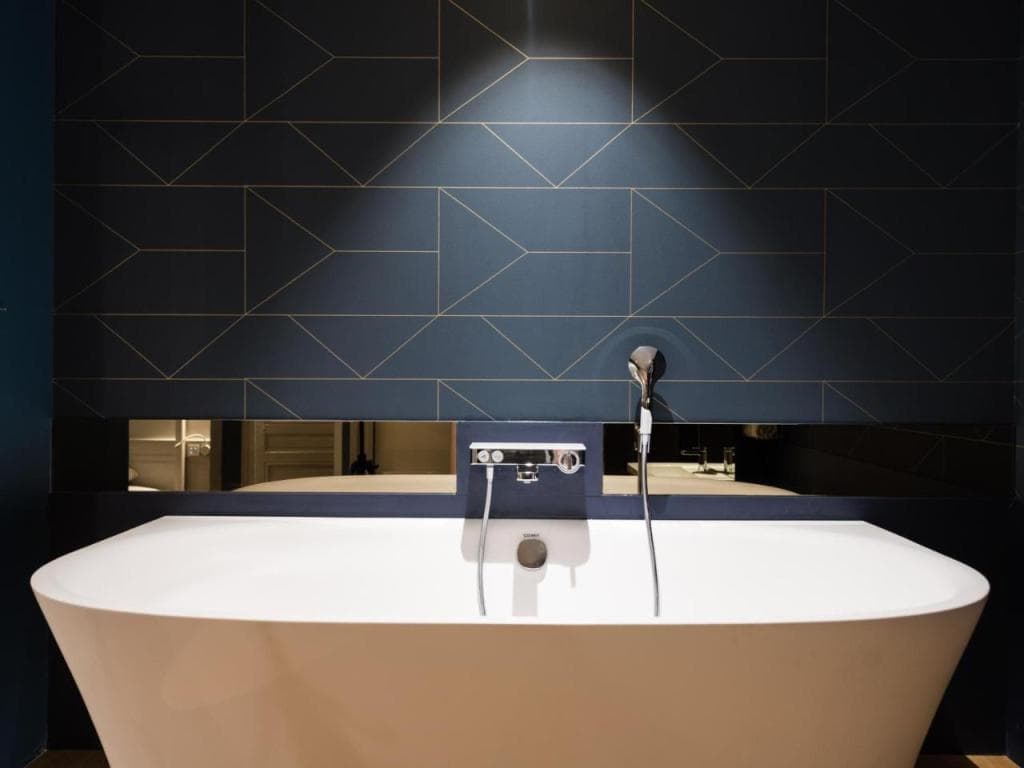

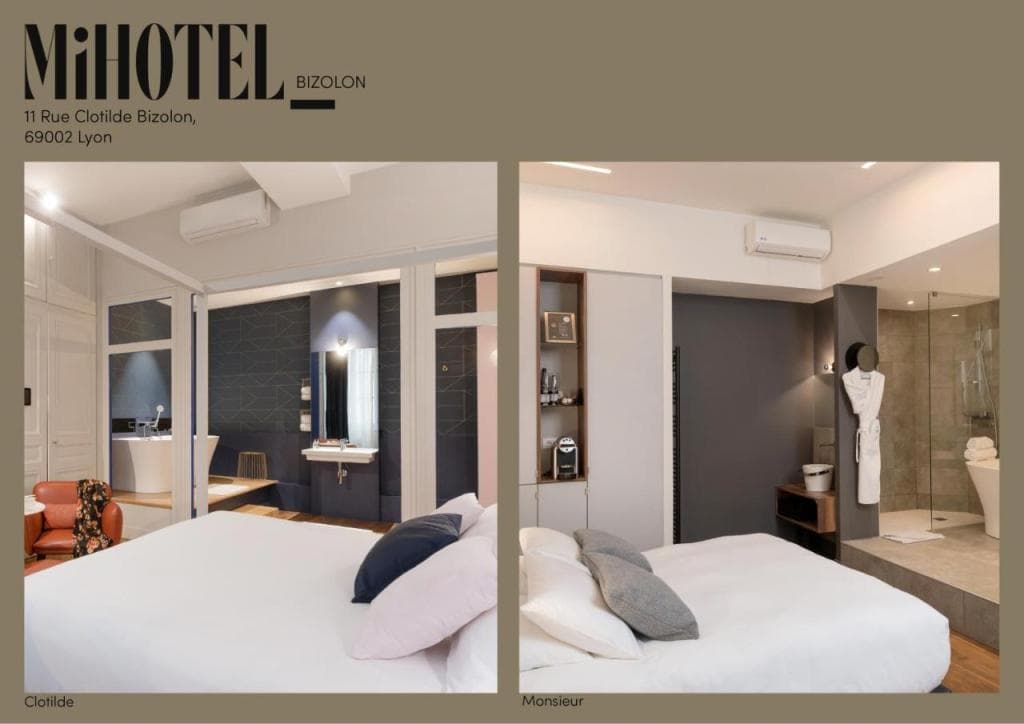
 Lyon2 rooms
## Prime City Center Location MiHotel Bizolon in Lyon offers a convenient location with Musée Miniature et Cinéma less than 0.6 mi away, Lyon Perrache Train Station a 12-minute walk, and the Museum o
Results 1 - 8
Lyon has long cultivated an art of living that suits travellers seeking comfort without ostentation. Its LGBTQ+ scene is woven into the fabric of the city rather than confined to a single street, with welcoming addresses spread between Presqu'île, the slopes of Croix-Rousse and the regenerated docks of Confluence. Gay-friendly hotels emphasise professional hospitality, attentive concierge service and a sense of place rooted in Lyonnais gastronomy.
From boutique townhouses tucked into Vieux Lyon's cobbled traboules to design-led properties along the Rhône, accommodation tends to favour character over scale. Many establishments sit within a short walk of Bellecour, Hôtel-Dieu and the Opéra, making it easy to combine cultural visits with evenings in the bars of Rue Sainte-Catherine or the calmer cafés of Croix-Rousse.
The historic heart of Lyon's gay nightlife runs through Presqu'île, between Place des Terreaux and the Opéra. Around Rue Royale, Rue Romarin and Rue Sainte-Catherine, a cluster of bars, lounges and late-night venues has shaped the city's queer social life for decades. Expect mixed crowds, neighbourhood regulars and a tone that leans more conversational than club-driven, although weekend dance floors hold their own.
Across the Saône, Croix-Rousse offers a different rhythm. The former silk-workers' hill has become a creative enclave of independent bookshops, organic markets and inclusive cafés where the canuts' legacy meets a younger, queer-friendly community. Confluence, further south, adds contemporary architecture and waterfront terraces to the picture.
Lyon's UNESCO-listed core spans two thousand years of history. The Roman theatres of Fourvière, the Renaissance courtyards of Vieux Lyon and the nineteenth-century facades of Presqu'île form a continuous narrative best explored on foot, often via the discreet traboules that link courtyards through entire blocks. The Basilica of Notre-Dame de Fourvière crowns the western hill with sweeping views over the rooftops.
Gastronomy is inseparable from any visit. The covered market of Halles Paul Bocuse, family-run bouchons serving quenelles and praline tarts, and a new generation of chefs working with Rhône-Alpes produce all reward unhurried exploration. Museums such as the Musée des Confluences and the Musée des Tissus deepen the cultural offer.
Spring and early autumn bring the most agreeable weather for walking the quays and dining on terraces. Lyon Pride, held in June, gathers the local community and visitors for a march through Presqu'île followed by events across the city. In December, the Fête des Lumières transforms facades and squares into a four-night light installation that draws international audiences and fills hotels well in advance.