Fabulous — 9.4/10




 Montepulciano
 11 rooms
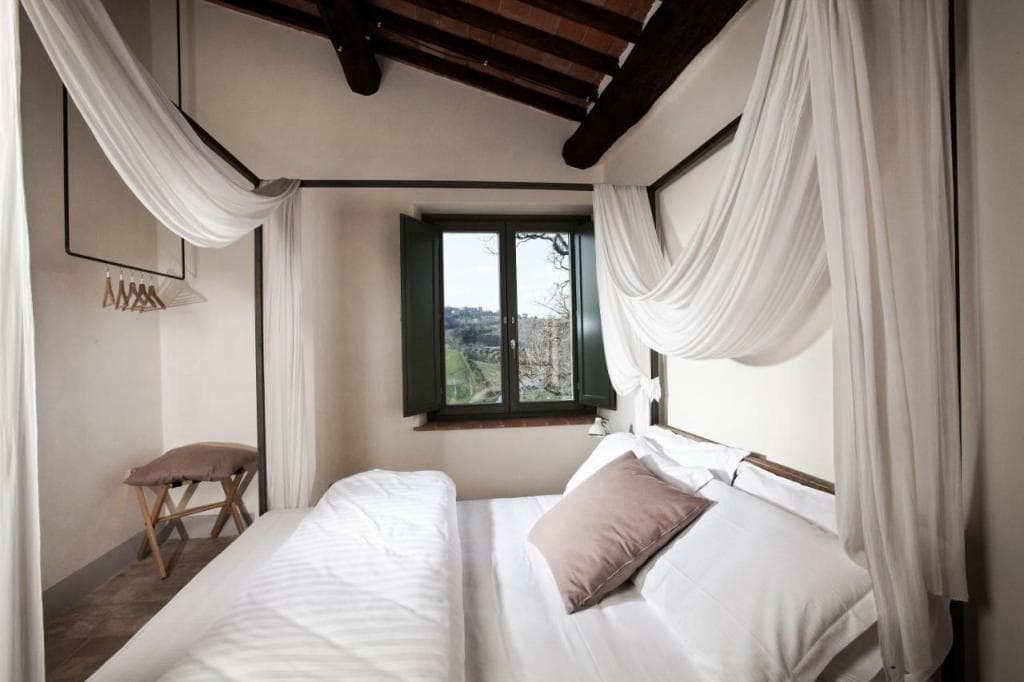
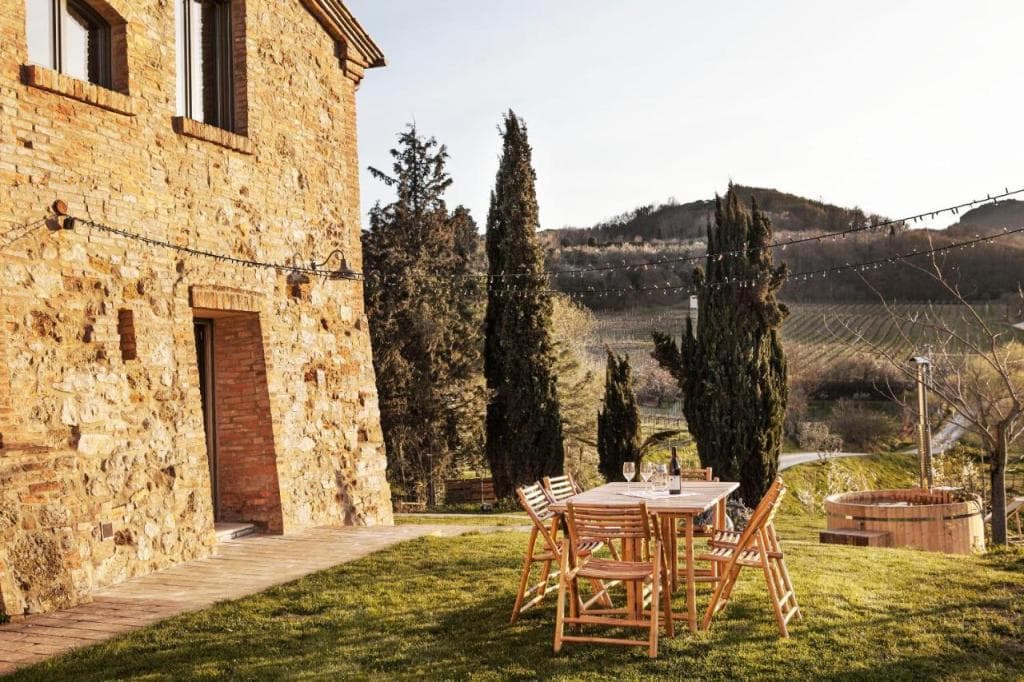
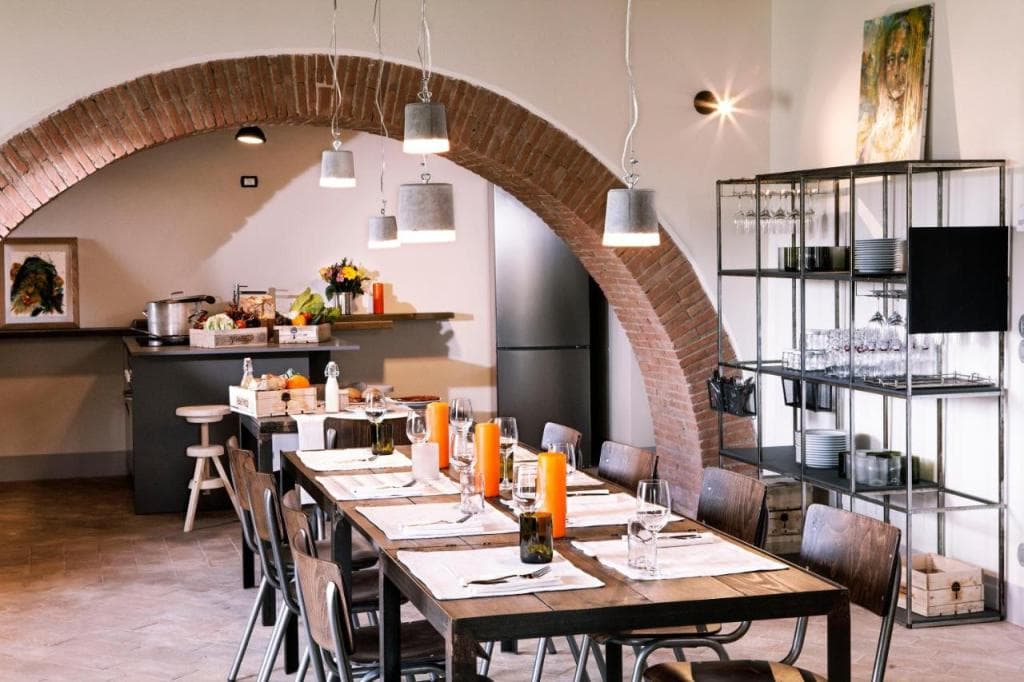
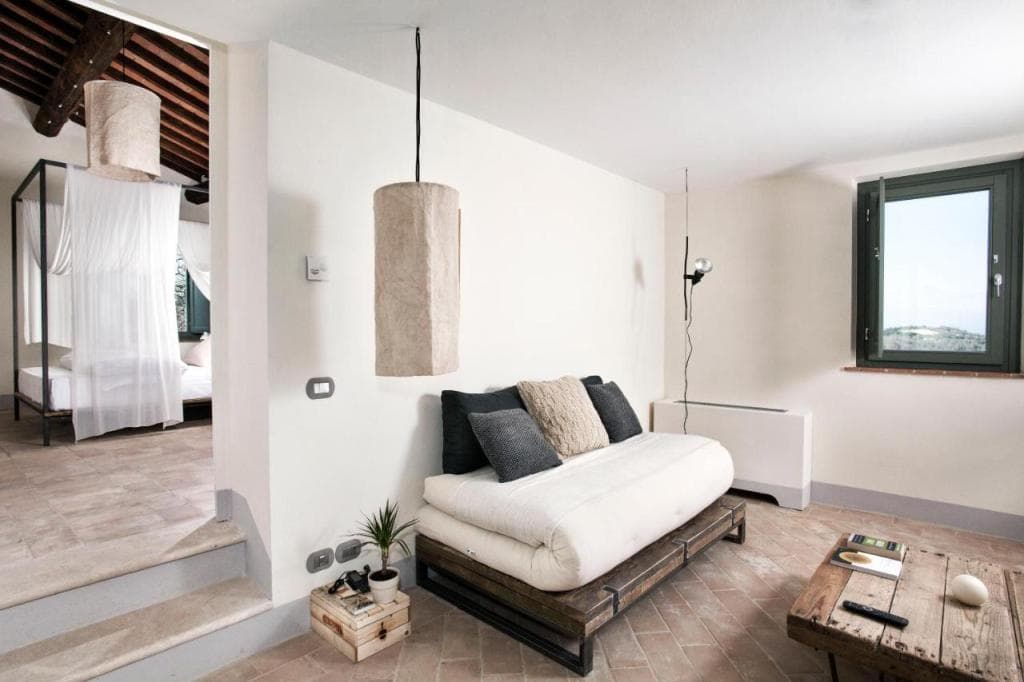
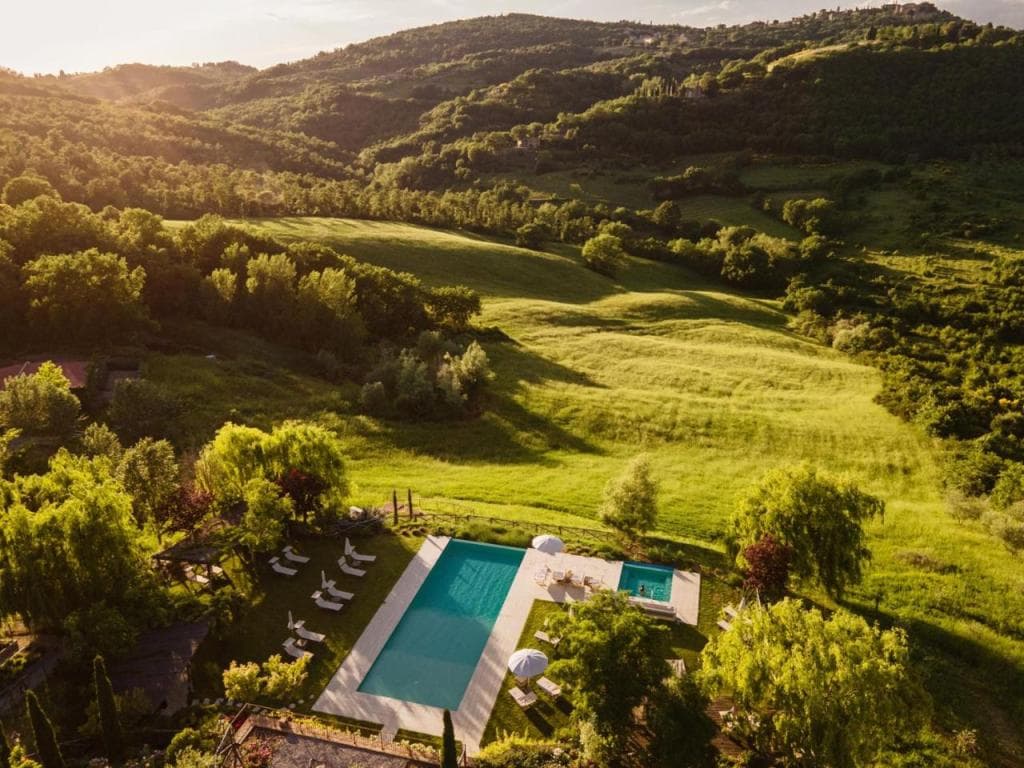
Surrounded by a vineyard and set in its own garden, Salcheto Winehouse offers stylish rooms with free WiFi, a wine cellar, and a heated external hot tub. Free private parking is available on site. Al

 Montepulciano11 rooms
Surrounded by a vineyard and set in its own garden, Salcheto Winehouse offers stylish rooms with free WiFi, a wine cellar, and a heated external hot tub. Free private parking is available on site. Al


 Montepulciano59 rooms
Located in Montepulciano, 19 miles from Bagno Vignoni, Precise Tale Poggio Alla Sala provides accommodations with a seasonal outdoor swimming pool, free private parking, a fitness center and a garden.



 Montepulciano5 rooms
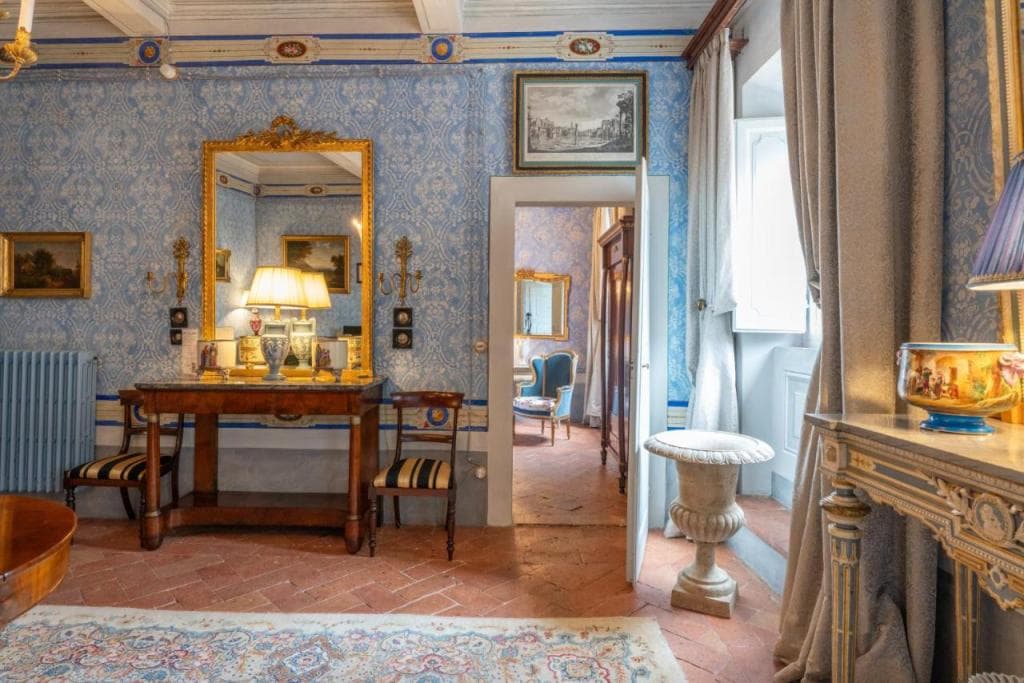
## Historic Setting Palazzo Nobile di San Donato in Montepulciano offers a historic guest house experience. The property is housed in a historic building, featuring tiled floors and a private entranc




 Montepulciano12 rooms
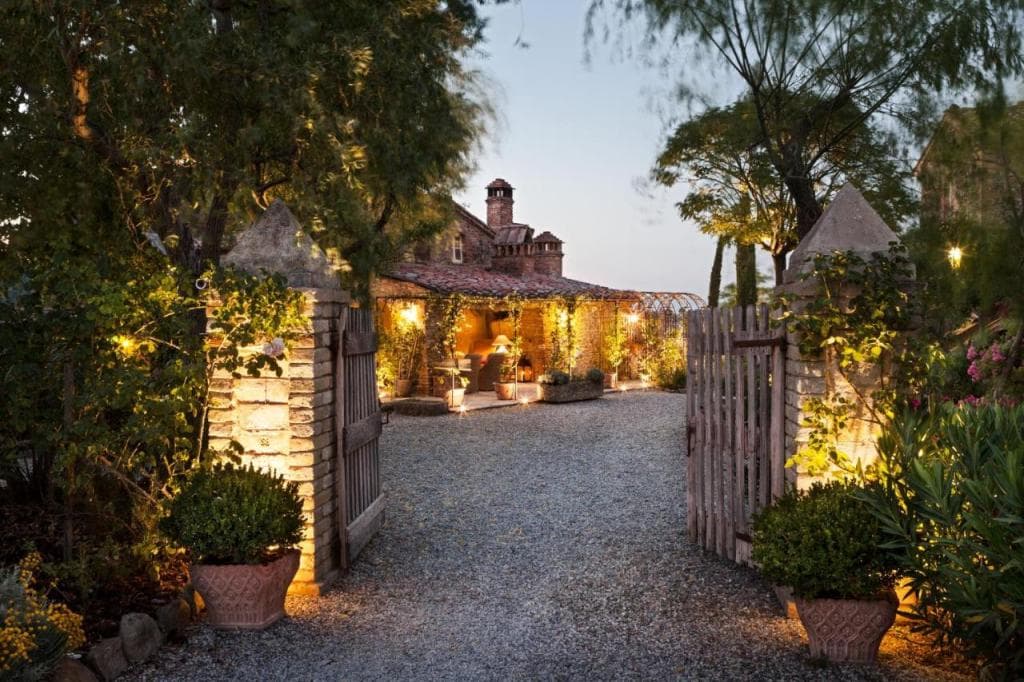
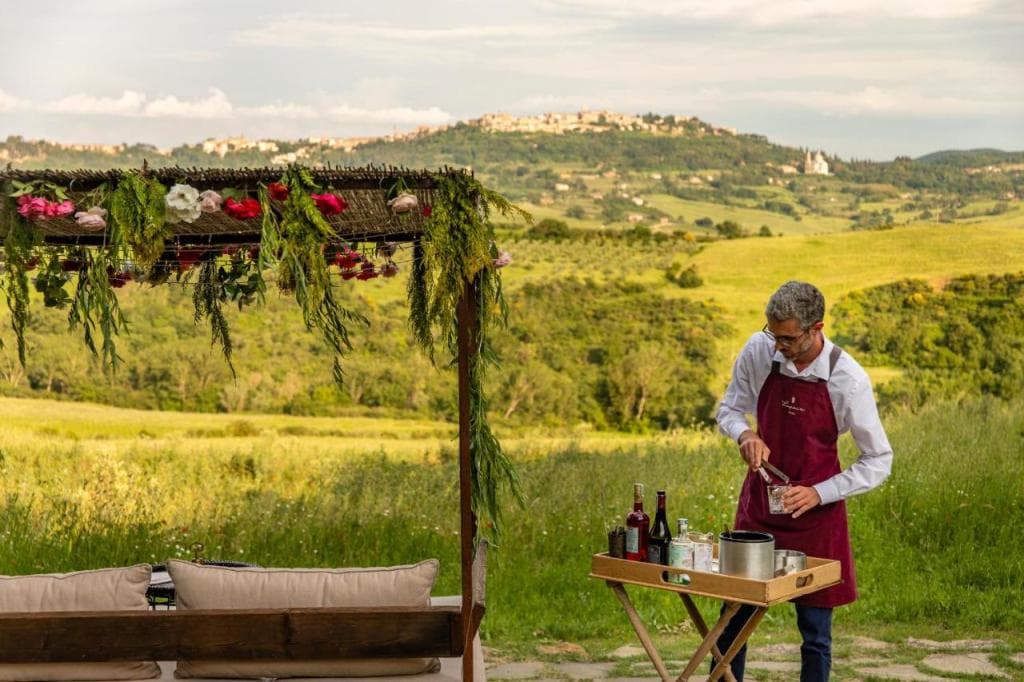
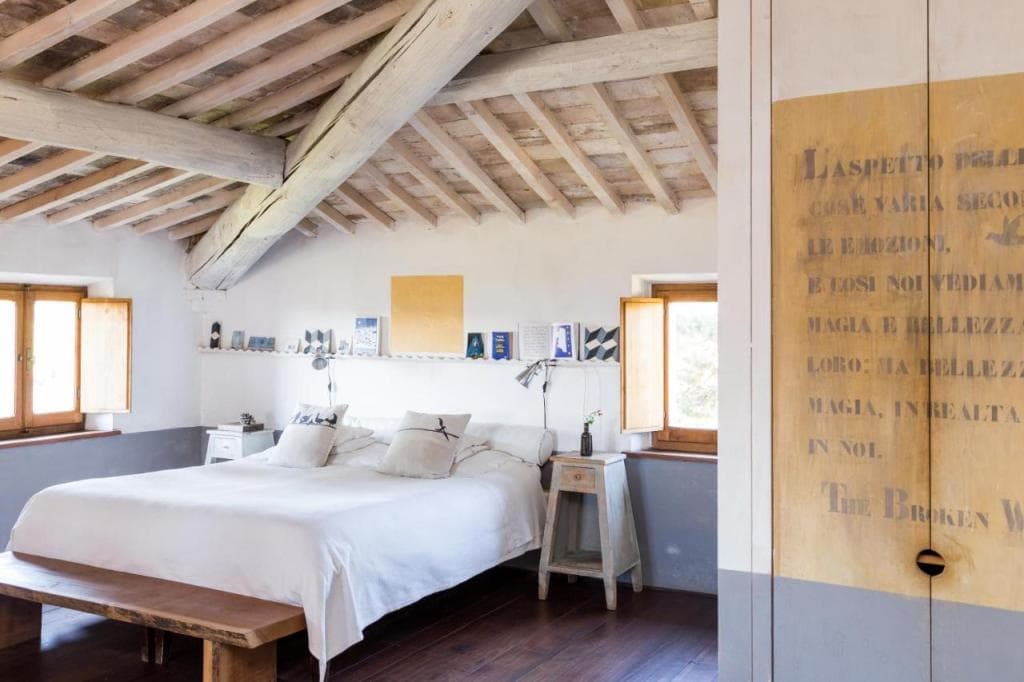
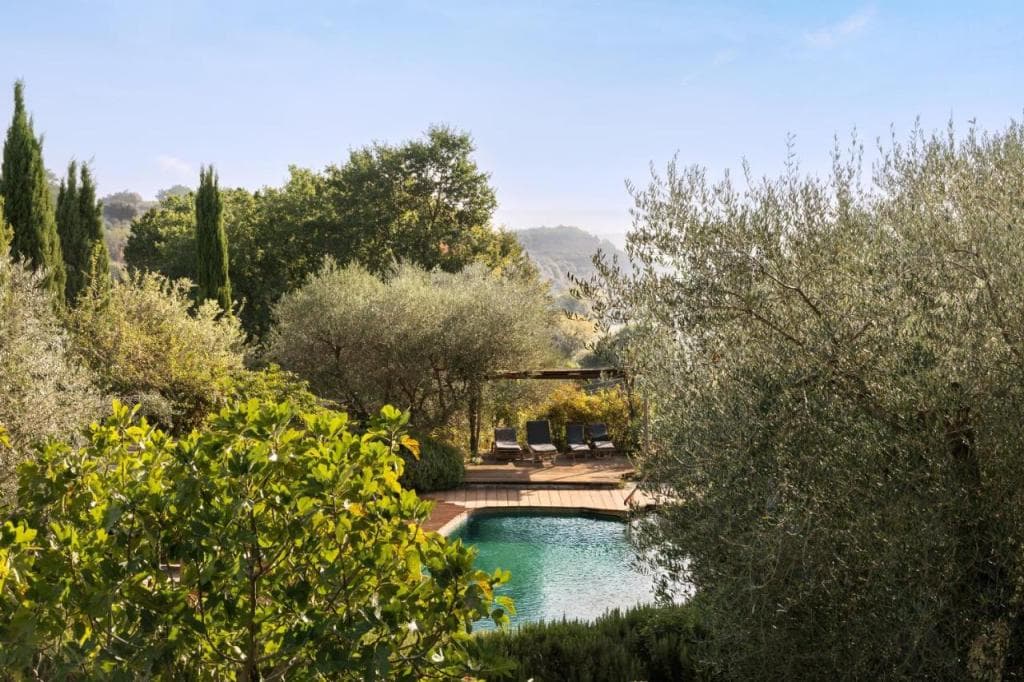
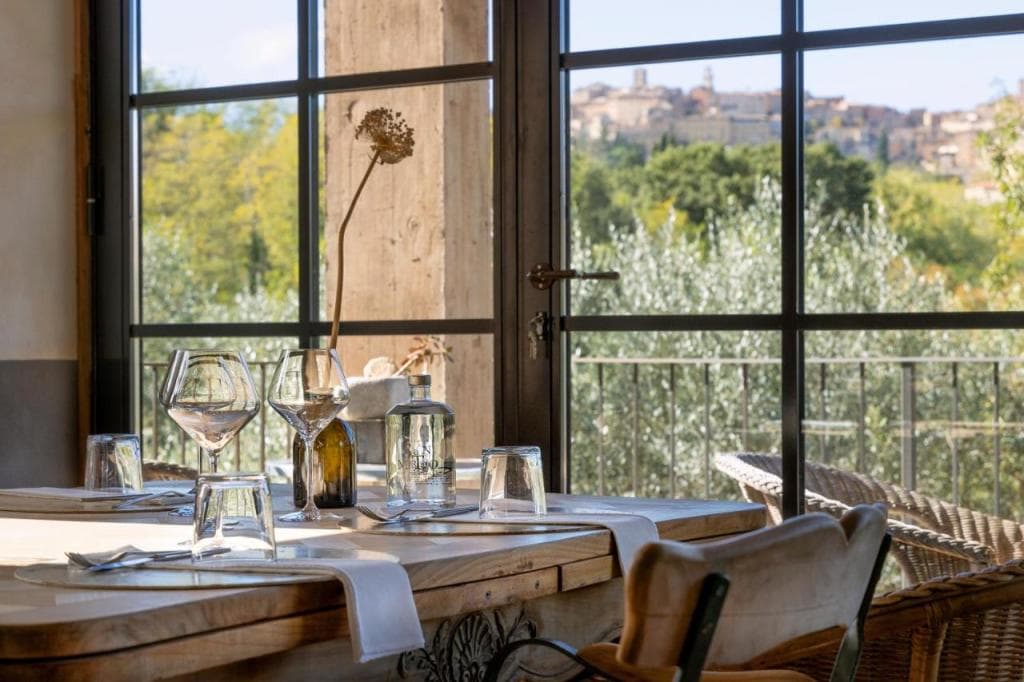
On a hilltop in the heart of Tuscany, Lupaia, a converted stone farmhouse overlooking Montepulciano, will offer you a warm welcome. The hotel is made up of 12 charming and unique guest rooms, each of




 Montepulciano6 rooms
Surrounded by its large gardens and orchards, Fattoria San Martino is located 2625 feet from Montepulciano. It offers panoramic views over the town and has free parking and free Wi-Fi. The rooms at t
Results 1 - 5
Montepulciano is a refined base for couples and solo travellers who appreciate quiet hilltop towns over crowded resorts. The local hospitality scene is shaped by family-run wineries, boutique residences inside historic palazzi and countryside agriturismi, all increasingly attentive to LGBTQ+ guests. Inclusive stays here favour personalised welcomes, regional gastronomy and authentic Tuscan interiors rather than a club-driven nightlife.
The town's compact centre allows guests to move easily between tasting rooms, churches and panoramic terraces. Same-sex couples can expect a respectful, low-key reception in restaurants and enotecas, in line with the discreet acceptance found across rural Tuscany.
The main artery, the Corso, climbs gently from Porta al Prato to Piazza Grande, passing Renaissance facades designed by Sangallo and Vignola. At the top, the Palazzo Comunale tower opens onto sweeping views over the Val d'Orcia, a UNESCO landscape of rolling hills and isolated farmhouses.
Beneath the streets, historic cellars such as those of De' Ricci or Contucci stretch into Etruscan tufa, where Vino Nobile di Montepulciano matures in oak barrels. Tastings are an essential part of the visit, often paired with pecorino di Pienza, pici pasta and cinta senese pork.
Just outside the walls, the Tempio di San Biagio stands alone in a meadow, considered one of the purest examples of High Renaissance architecture. Inside the town, the Duomo, the Museo Civico and a number of small churches reveal works by Della Robbia, Taddeo di Bartolo and Caravaggio's circle.
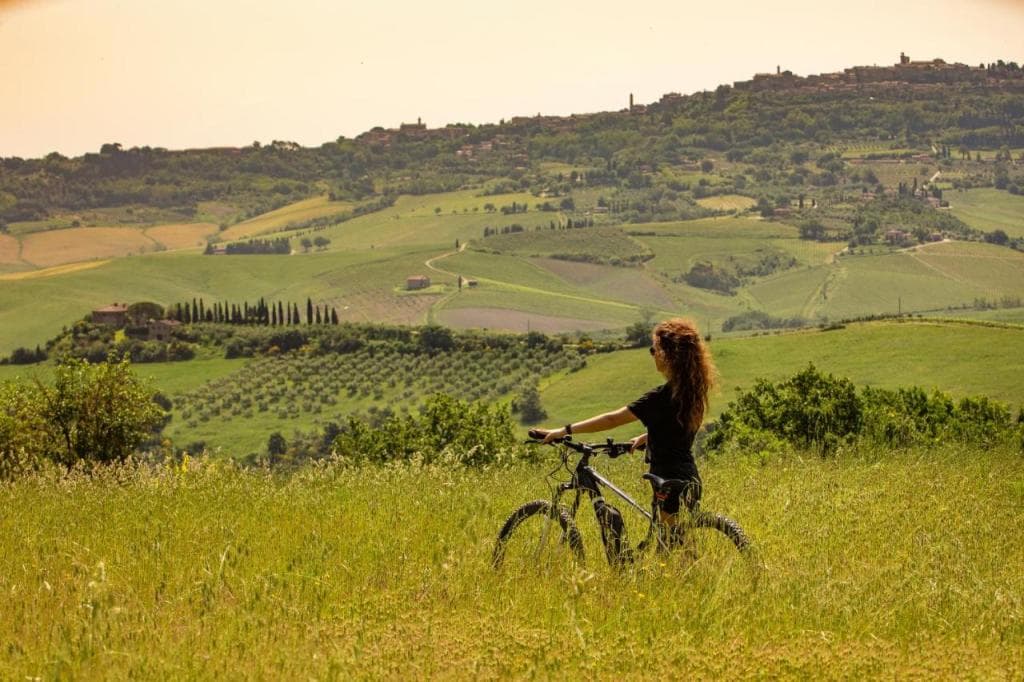
The surrounding territory invites slow exploration: the cheese town of Pienza, the abbey of Sant'Antimo, the thermal pools of Bagno Vignoni and the medieval streets of Montalcino, capital of Brunello, are all within an easy day trip by car.
Late spring and early autumn offer the most balanced experience, with mild temperatures, golden light over the vineyards and harvest activities in September and October. The Bravio delle Botti, a barrel-rolling race between the town's contrade, animates the last Sunday of August, while the Cantiere Internazionale d'Arte brings classical music and contemporary performances each summer.
Winter is quieter and more intimate, ideal for couples seeking fireplaces, truffle menus and uncrowded cellar visits. For Pride events and a denser LGBTQ+ scene, Florence and Bologna remain the closest reference cities, easily reachable for a day or weekend extension.