Fabulous — 9.3/10




 Oaxaca City
 5 rooms
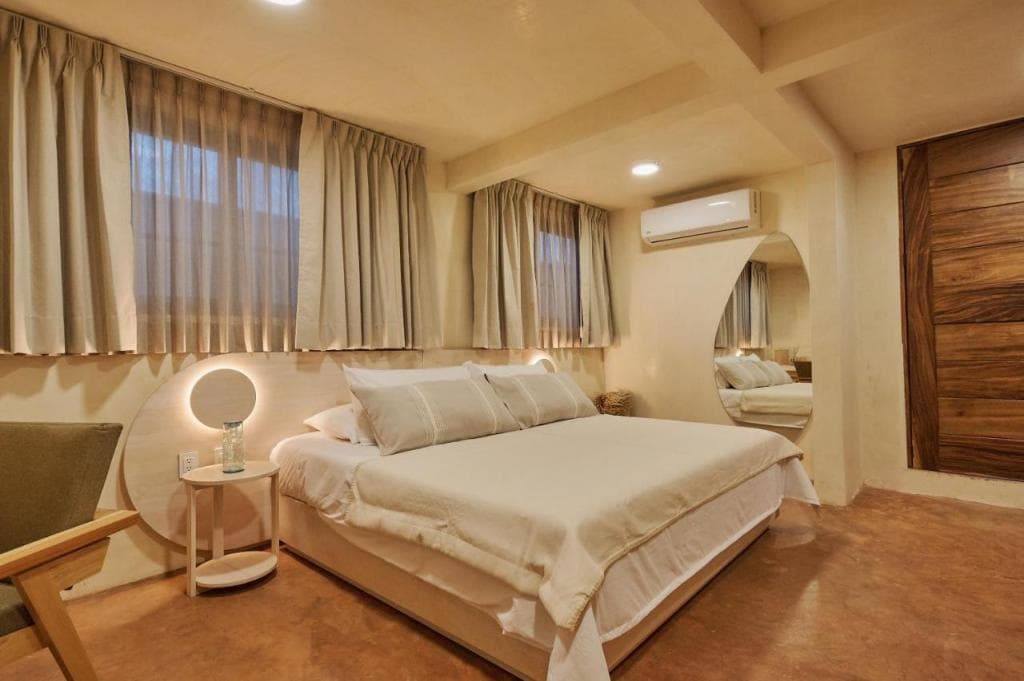
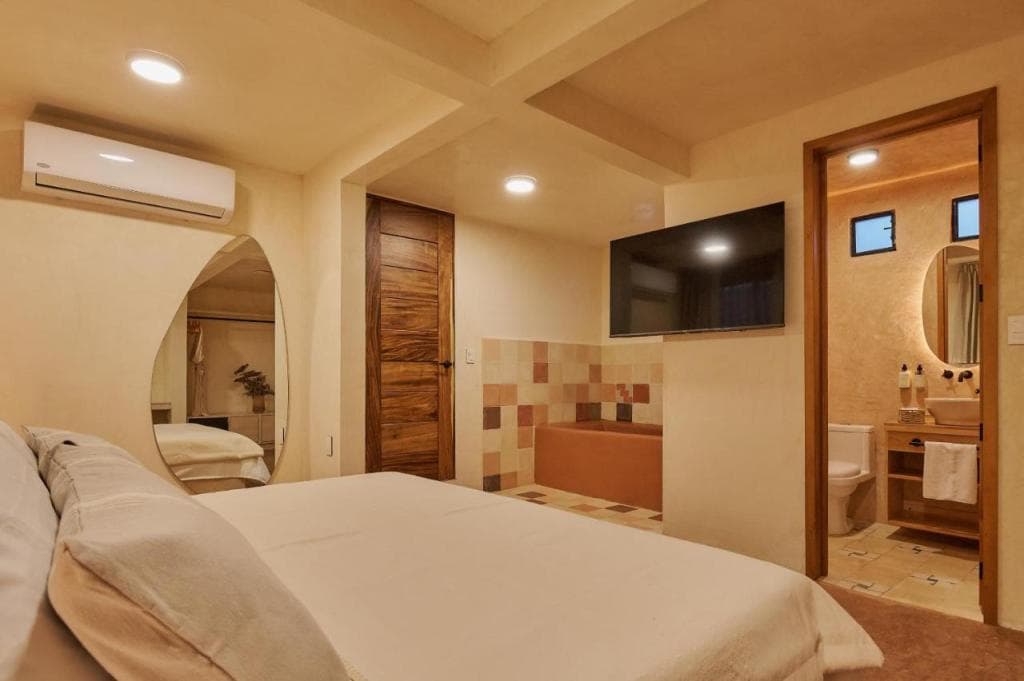
## Comfortable Accommodations Hotel Materia in Oaxaca City offers air-conditioned rooms with private bathrooms, free WiFi, and modern amenities including a work desk and TV. ## Exceptional Facilitie

 Oaxaca City5 rooms
## Comfortable Accommodations Hotel Materia in Oaxaca City offers air-conditioned rooms with private bathrooms, free WiFi, and modern amenities including a work desk and TV. ## Exceptional Facilitie




 Oaxaca City15 rooms
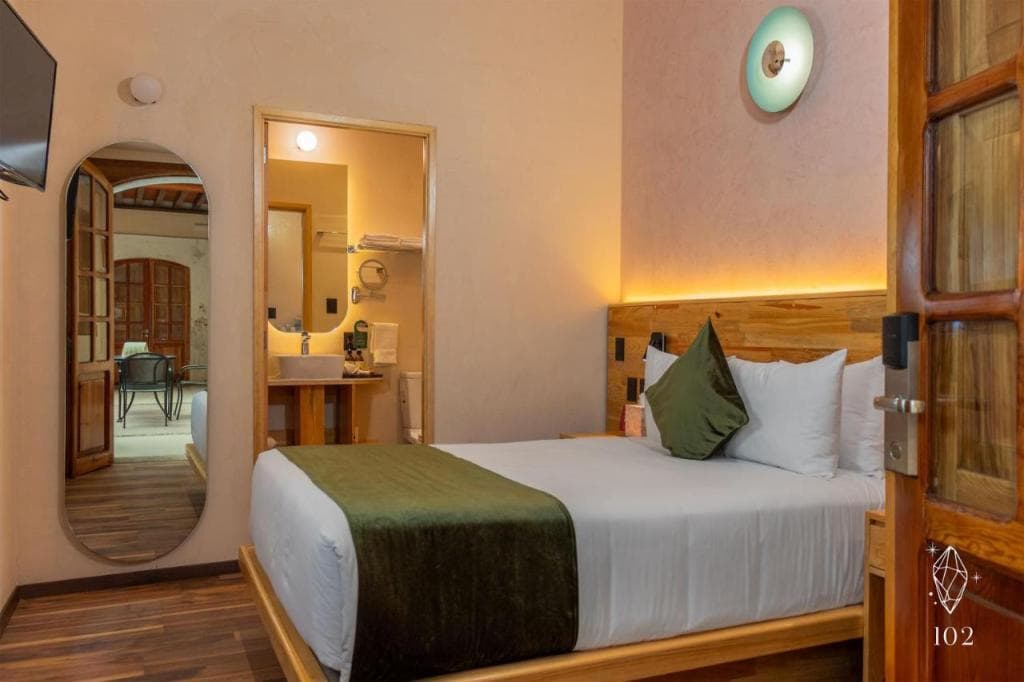
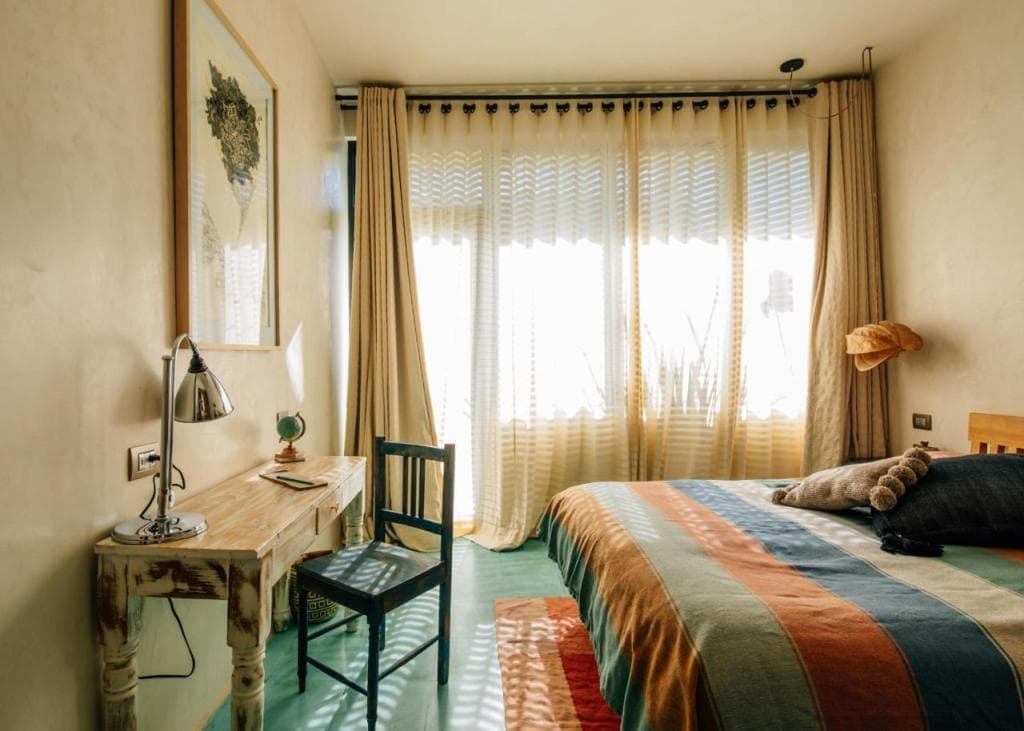
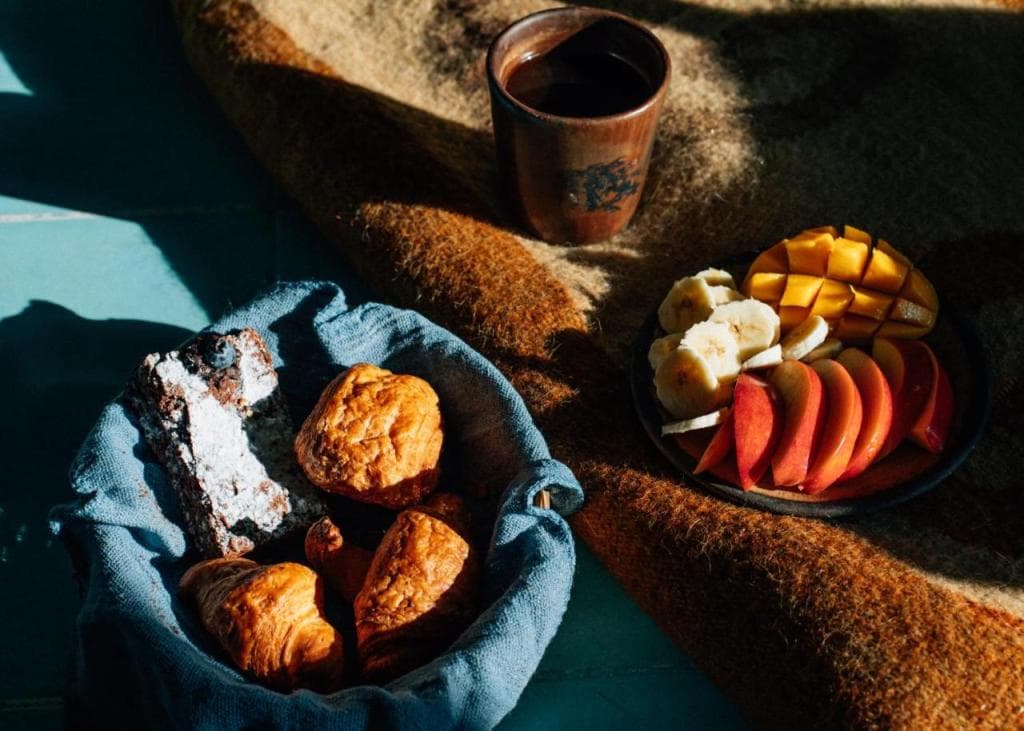
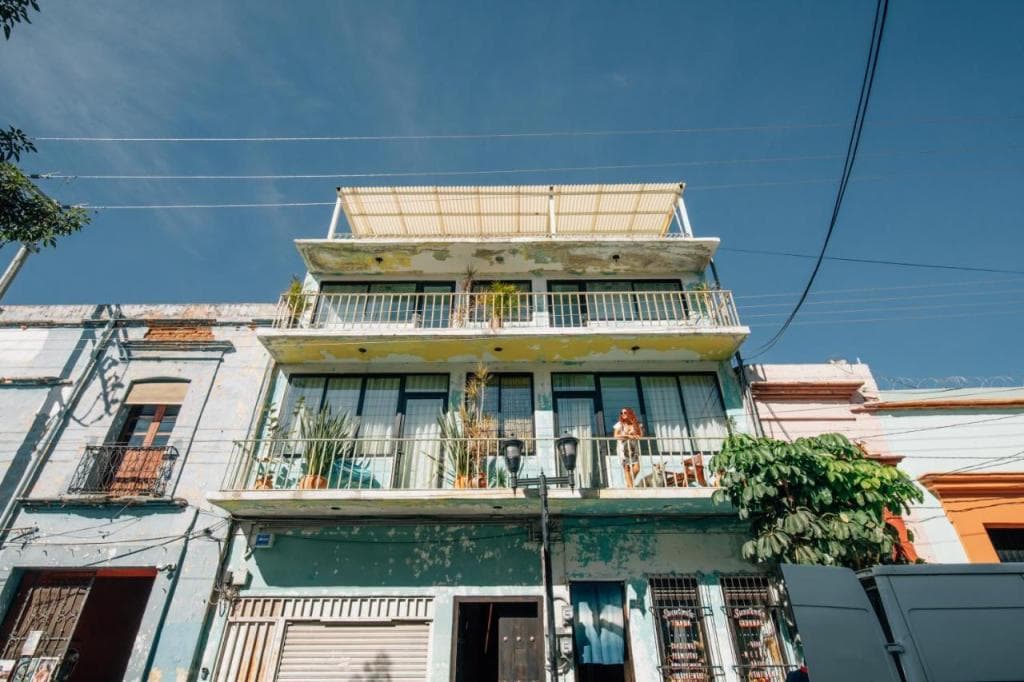
## Elegant Accommodations Sauvé Casa Boutique in Oaxaca City offers a 5-star experience with free WiFi, private check-in and check-out, and a 24-hour front desk. Guests enjoy beauty services, a conci




 Oaxaca City8 rooms
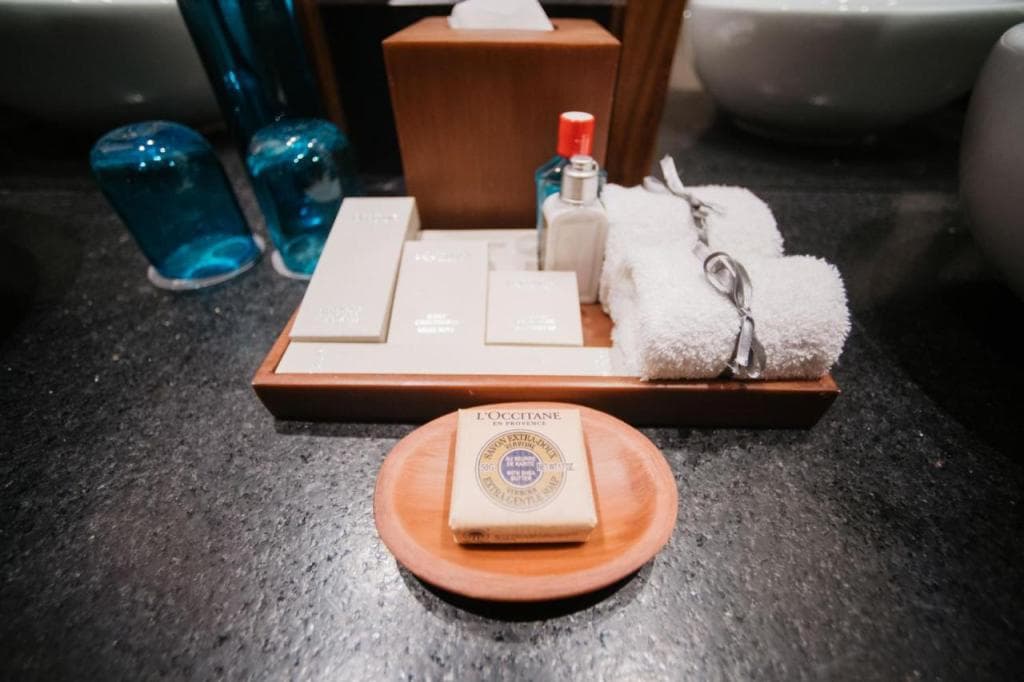
## Comfortable Accommodations Boulenc Bed and Bread in Oaxaca City offers adults-only rooms with private bathrooms, air-conditioning, and city views. Each room includes a work desk, soundproofing, an





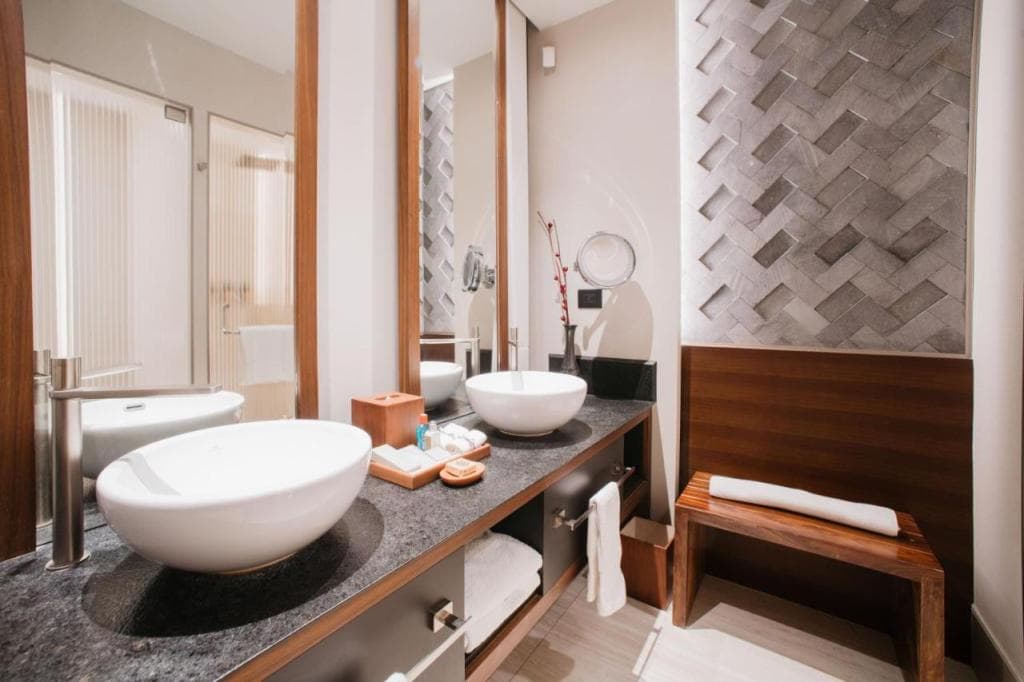 Oaxaca City178 rooms
## Elegant Accommodations Grand Fiesta Americana Oaxaca in Oaxaca City offers luxurious rooms with air-conditioning, private bathrooms, and modern amenities. Guests enjoy free WiFi, mini-bars, and pr
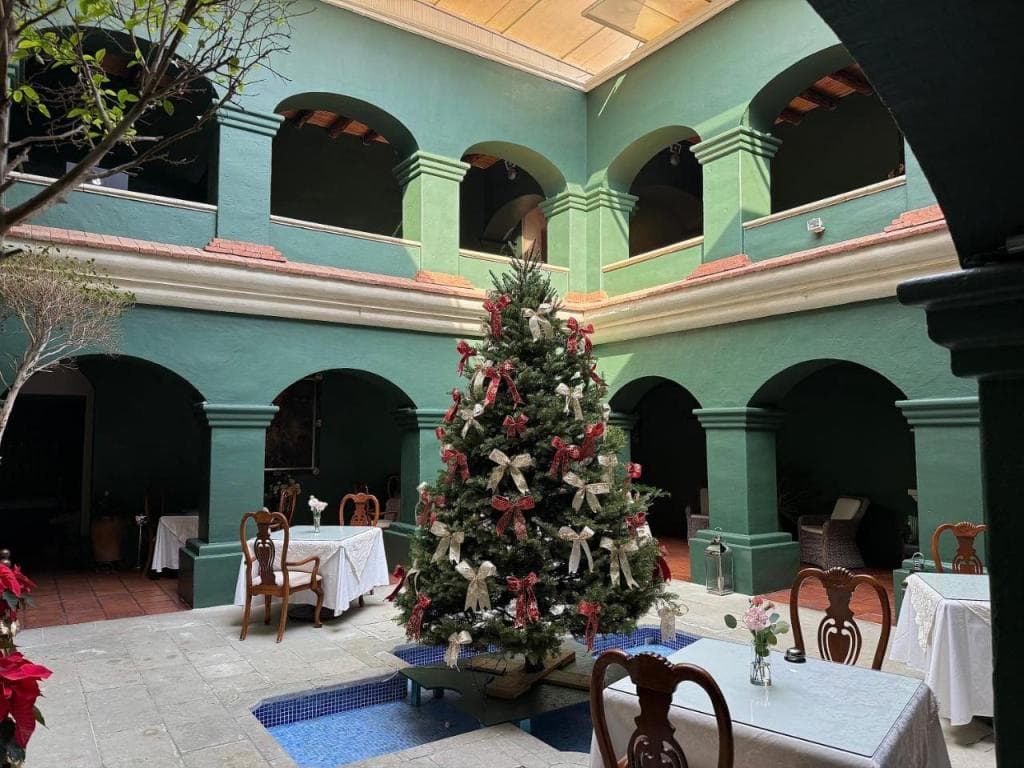


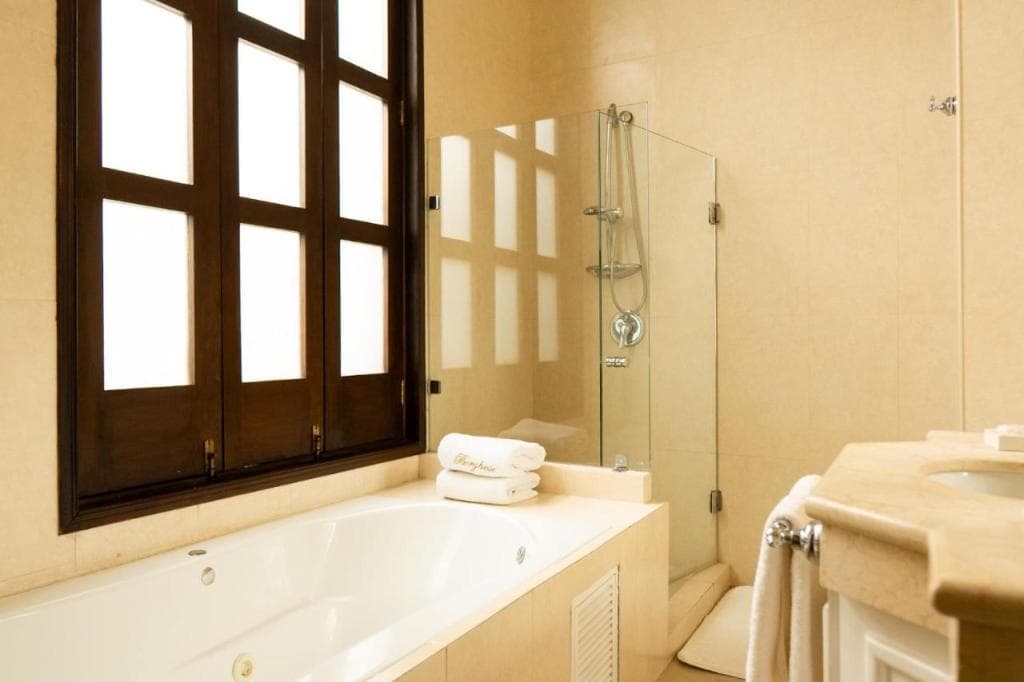


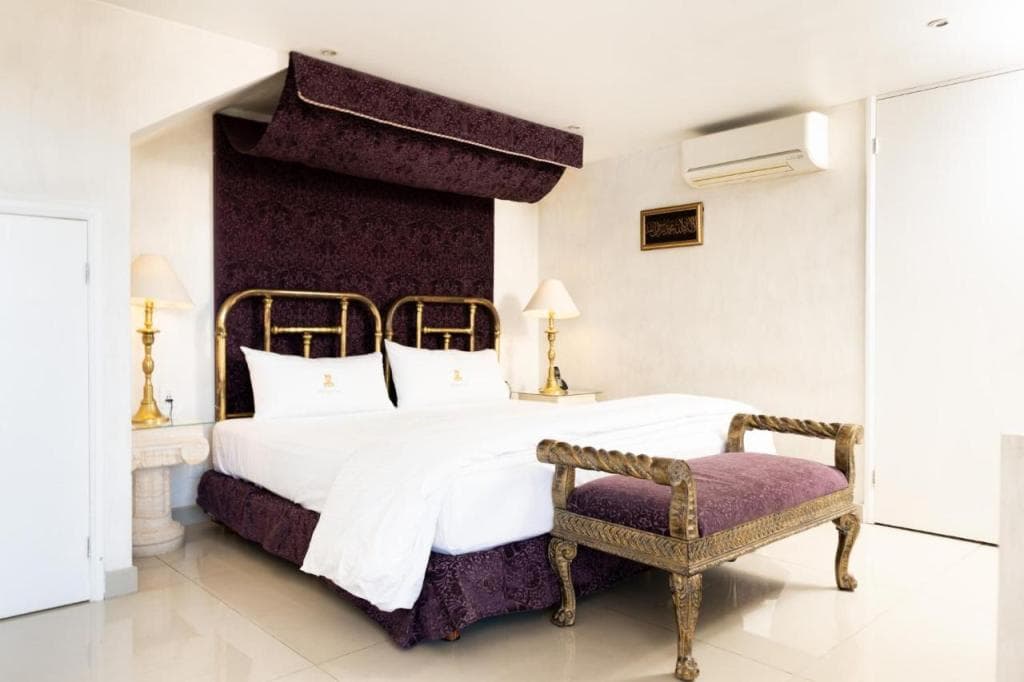
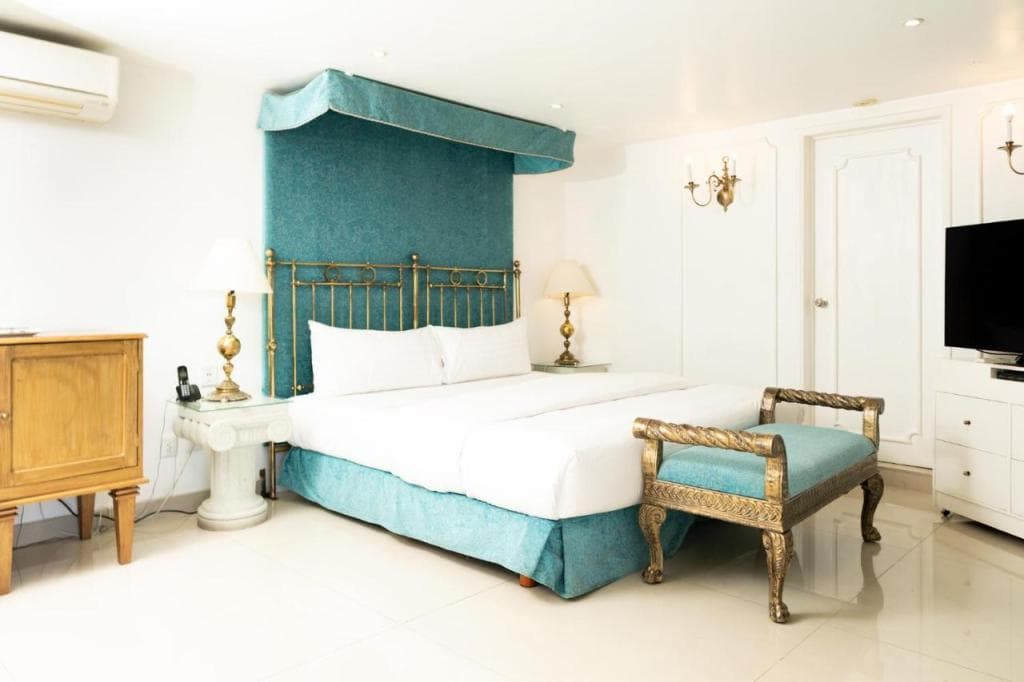 Oaxaca City8 rooms
## Comfortable Accommodations Ébano Hotel Boutique in Oaxaca City offers air-conditioned rooms with private bathrooms, bathrobes, and free WiFi. Each room includes a mini-bar, TV, and work desk. ##


 Oaxaca Historic Centre12 rooms
Hotel Escondido Oaxaca, a Member of Design Hotels is attractively set in Oaxaca City, and has a garden, free WiFi and a restaurant. This 5-star hotel offers a 24-hour front desk and a concierge servic


 Oaxaca Historic Centre9 rooms
## Comfortable Accommodations Casa Antonieta in Oaxaca City offers 4-star comfort with air-conditioning, private bathrooms, and free WiFi. Each room includes a private entrance, wardrobe, and modern


 Oaxaca Historic Centre7 rooms
Located in Oaxaca City and with Monte Alban reachable within 6.7 miles, Macondo Arte Oaxaca provides concierge services, non-smoking rooms, an outdoor swimming pool, free WiFi throughout the property


 Oaxaca City11 rooms
Located in Oaxaca City, 10 miles from Monte Alban, Flavia Hotel provides accommodations with an outdoor swimming pool, free private parking, a fitness center and a garden. This 5-star hotel offers roo


 Oaxaca Historic Centre16 rooms
Otro Oaxaca, a Member of Design Hotels is well set in Oaxaca City, and features a garden, free WiFi and a bar. This 5-star hotel offers room service and a 24-hour front desk. The hotel has an indoor p


 Oaxaca Historic Centre14 rooms
Featuring a terrace, a restaurant as well as a bar, Majagua Hotel Boutique -Adults Only is located in the center of Oaxaca City, 5.5 miles from Monte Alban. This 4-star hotel offers a concierge servic
Results 1 - 11
Oaxaca rewards travellers who appreciate authenticity over spectacle. The selected gay-friendly hotels sit within walking distance of the Zócalo, the Templo de Santo Domingo and the cultural institutions of the Centro Histórico, allowing same-sex couples to move through the city with ease. Properties range from restored colonial casonas with shaded patios to boutique addresses showcasing Oaxacan textiles, ceramics and contemporary art.
Hospitality here is rooted in attention to detail: bespoke breakfasts featuring chocolate de agua and pan de yema, concierge advice on weaving villages, and an inclusive welcome that reflects Oaxaca's long-standing recognition of gender diversity through the muxe community of Juchitán.
Oaxaca's queer life is woven into its broader cultural fabric rather than confined to a single district. Around Macedonio Alcalá and the Andador Turístico, mixed venues, cantinas and rooftop bars draw a diverse crowd into the night. Mezcalerías such as those along García Vigil and Allende host tasting flights of artisanal mezcal where conversations stretch late under candlelight.
For nightlife, intimate clubs and lounges in the Centro and the Reforma area welcome LGBTQ+ visitors, while seasonal events, drag performances and queer-friendly cultural gatherings appear regularly at independent venues and contemporary galleries.
Few destinations concentrate as much heritage as Oaxaca. The monumental Templo de Santo Domingo de Guzmán and the adjoining Museo de las Culturas reveal Zapotec and Mixtec masterpieces, including the treasures of Tomb 7 from Monte Albán. The archaeological site itself, perched above the valley, offers a sweeping perspective on the region's pre-Columbian past.
The Mercado 20 de Noviembre and Mercado Benito Juárez are essential stops for tlayudas, moles and chapulines, while specialised markets in Tlacolula and Etla provide deeper immersion. Day trips lead to Hierve el Agua's petrified waterfalls, the Tule tree and the weaving workshops of Teotitlán del Valle, where natural-dye traditions are kept alive.
Oaxaca's calendar shapes the experience. In late July, the Guelaguetza festival gathers indigenous communities from the eight regions of the state for music, dance and ceremonial offerings on the Cerro del Fortín. Late October and early November bring Día de Muertos, when cemeteries fill with marigolds, candles and family vigils, an event of profound emotional resonance.
The dry months from November to April offer mild days ideal for walking the Centro and exploring the valleys, while the green season from June to September reveals a lusher landscape and a quieter pace, well suited to longer stays in the city's character-filled hotels.