Exceptional — 9.6/10


 Ostuni
 28 rooms
Located in Ostuni, 5.8 miles from Costa Merlata, VISTA Ostuni provides accommodations with a seasonal outdoor swimming pool, free private parking, a garden and a terrace. With a bar, the 5-star hotel

 Ostuni28 rooms
Located in Ostuni, 5.8 miles from Costa Merlata, VISTA Ostuni provides accommodations with a seasonal outdoor swimming pool, free private parking, a garden and a terrace. With a bar, the 5-star hotel


 Ostuni14 rooms
Set in Ostuni in 18th-century building, Palazzo Rosso stands as a symbol of elegance and tradition in the White City. 5.3 mi from the sandy beaches, Paragon 700 Boutique Hotel & SPA offers accommodati


 Ostuni5 rooms
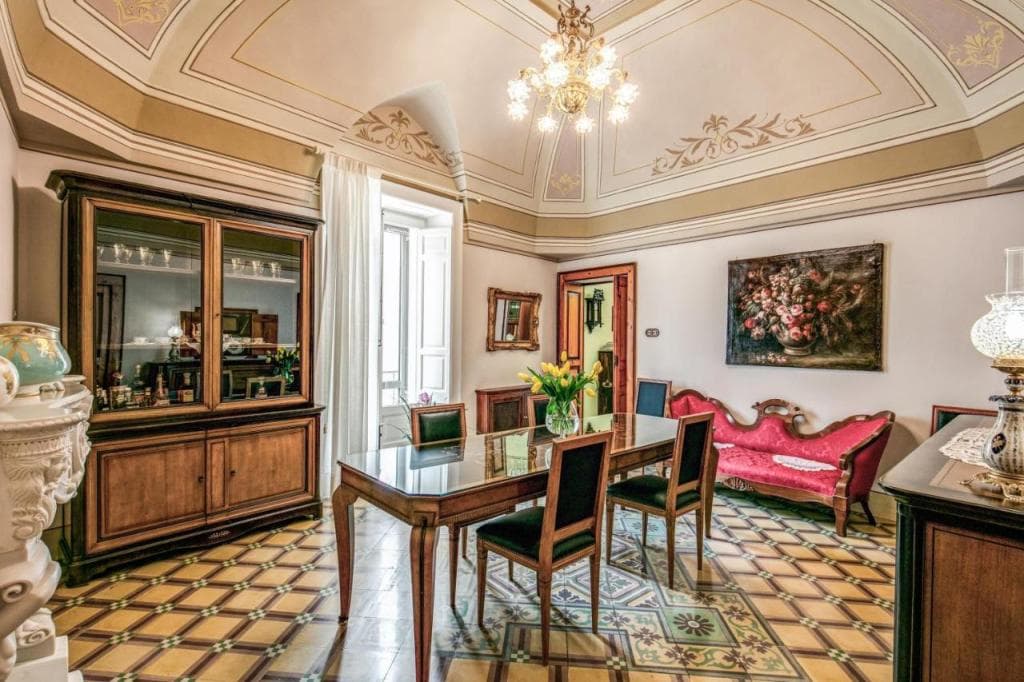
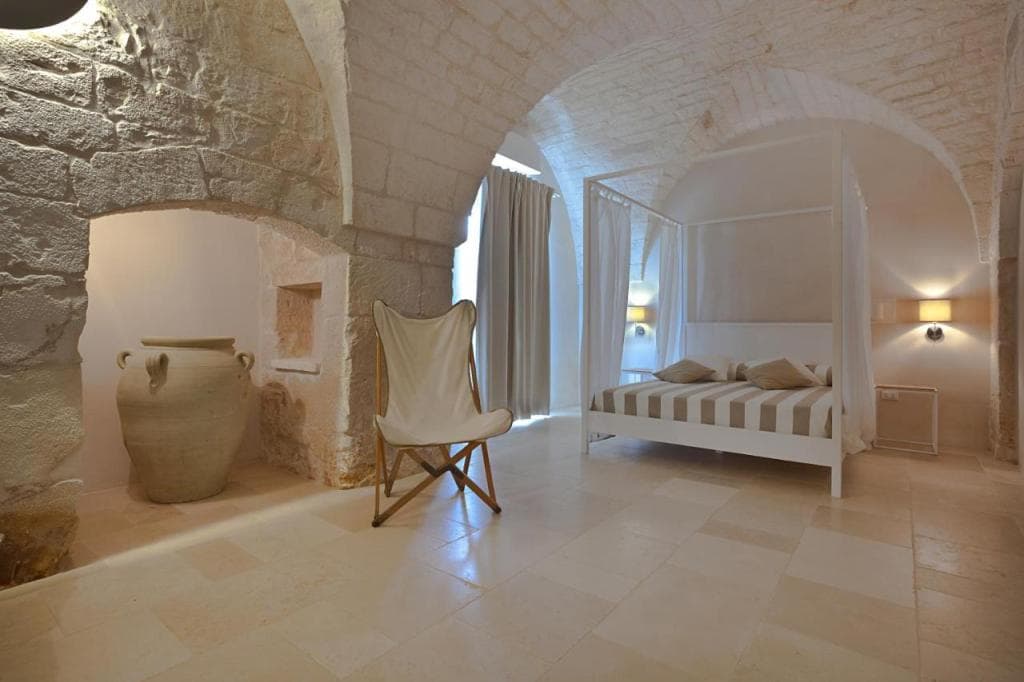
## Historic Charm Palazzo Stunis - Dimora di Charme in Ostuni offers a historic setting with a sun terrace and free WiFi. The property features private check-in and check-out services, a paid shuttle



 Ostuni5 rooms
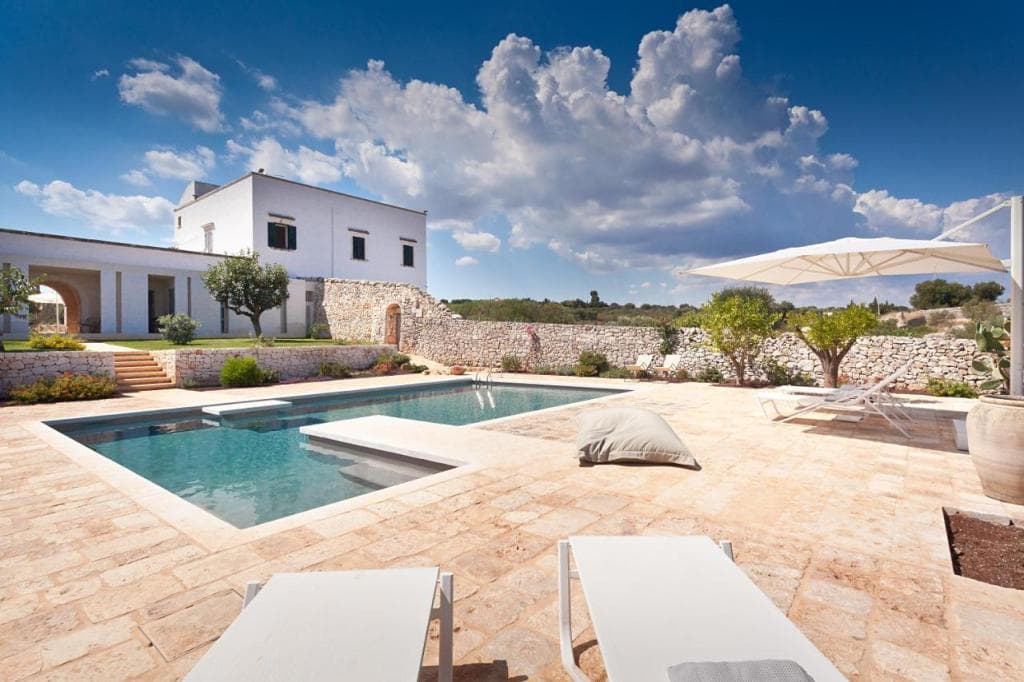
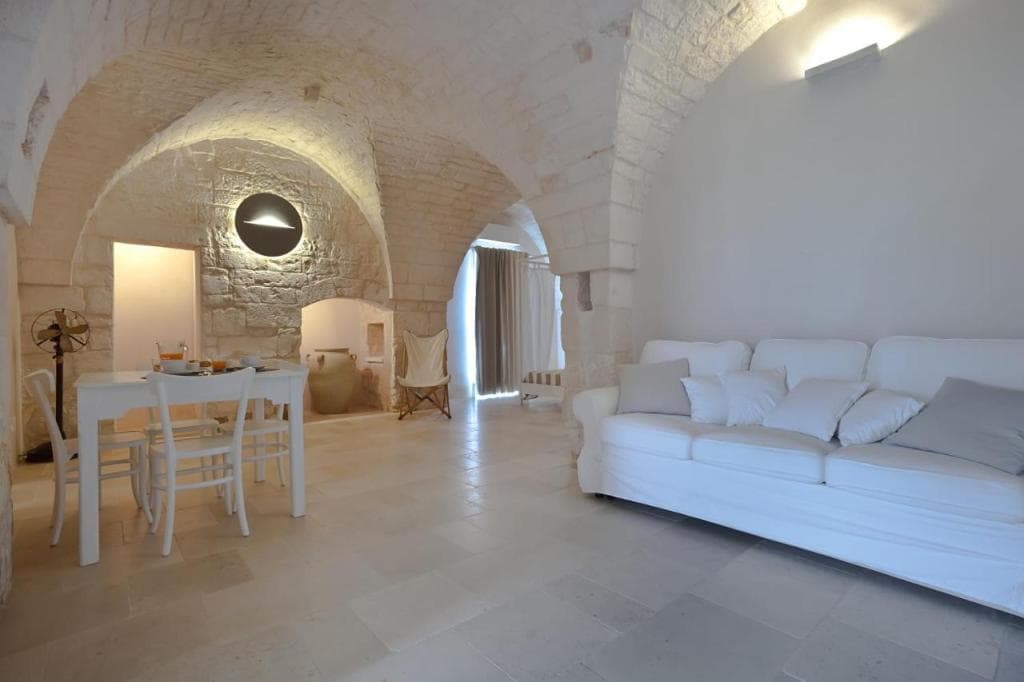
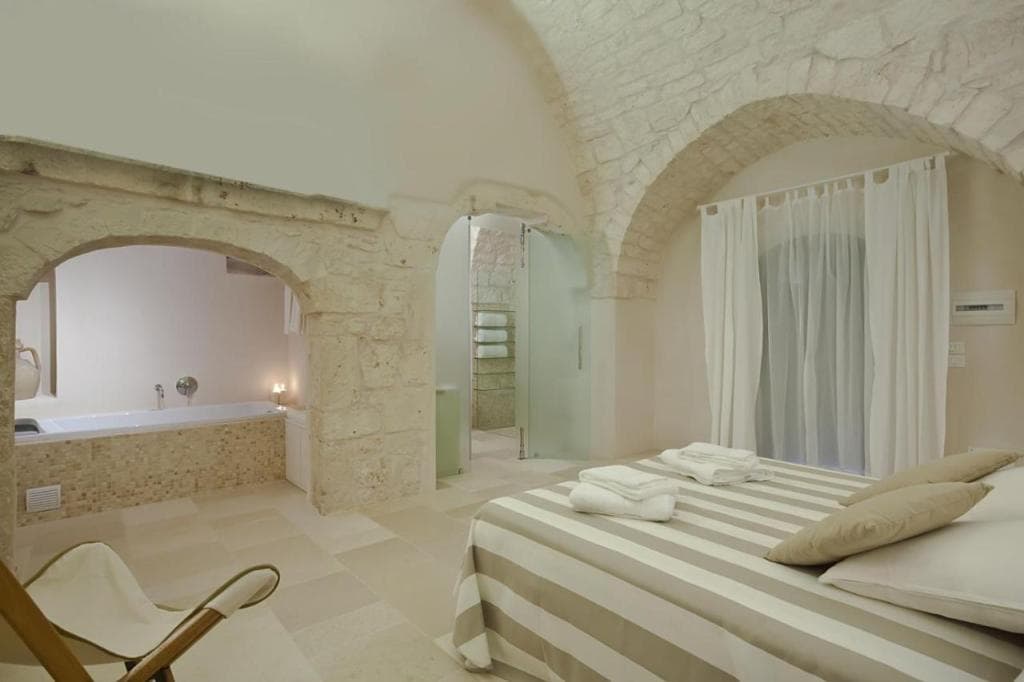
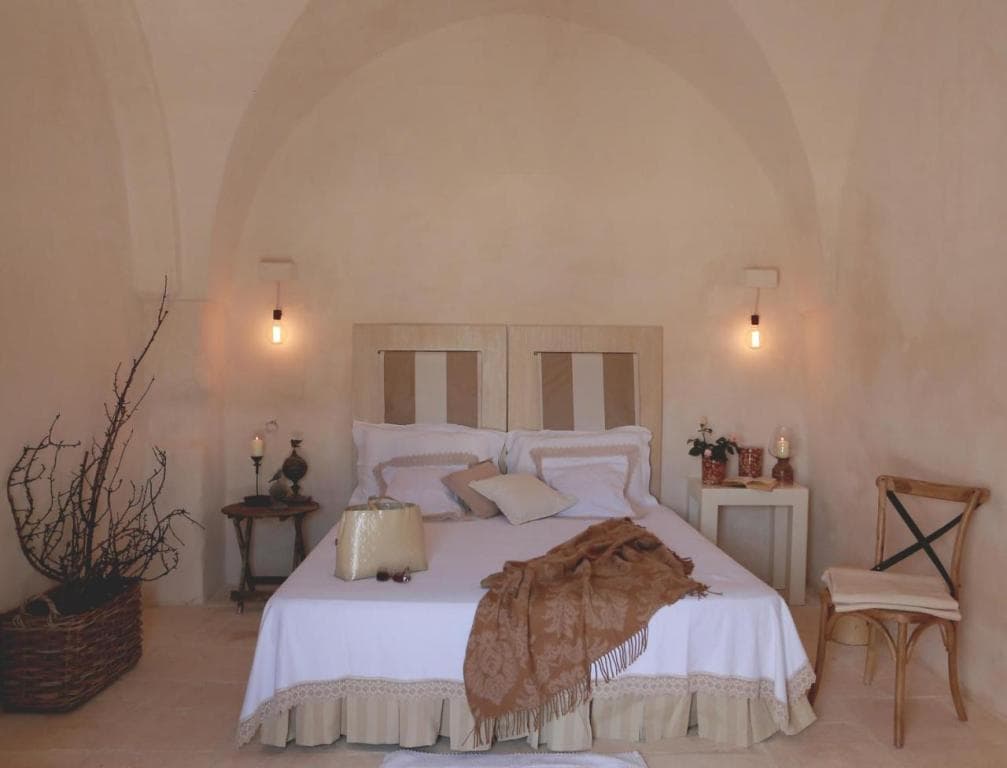
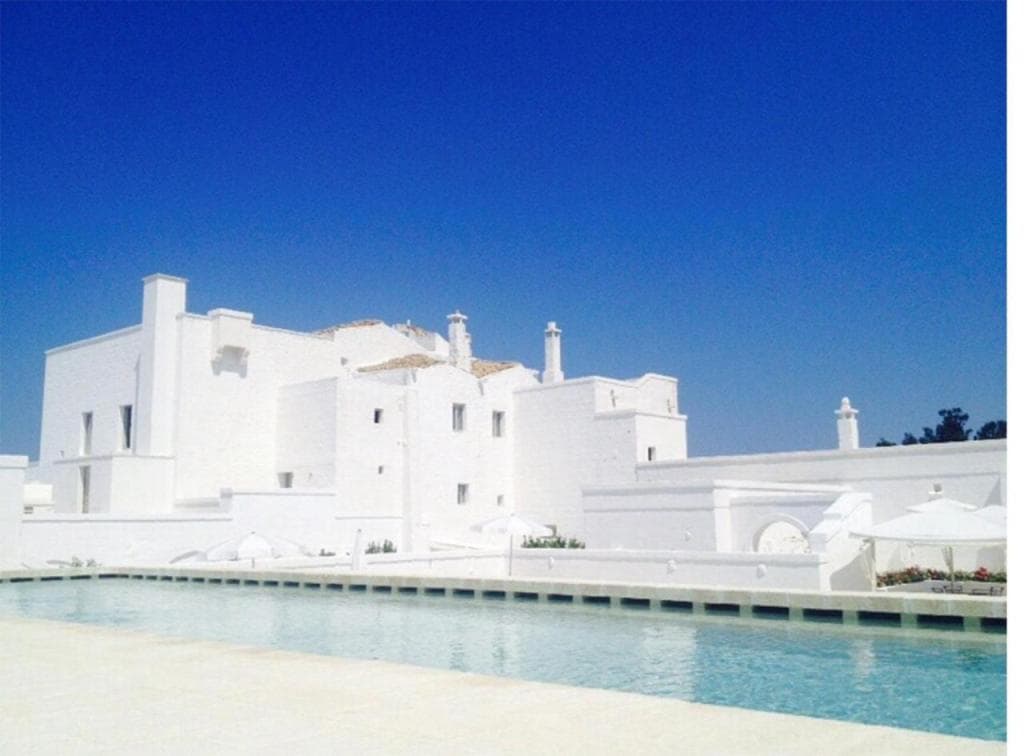
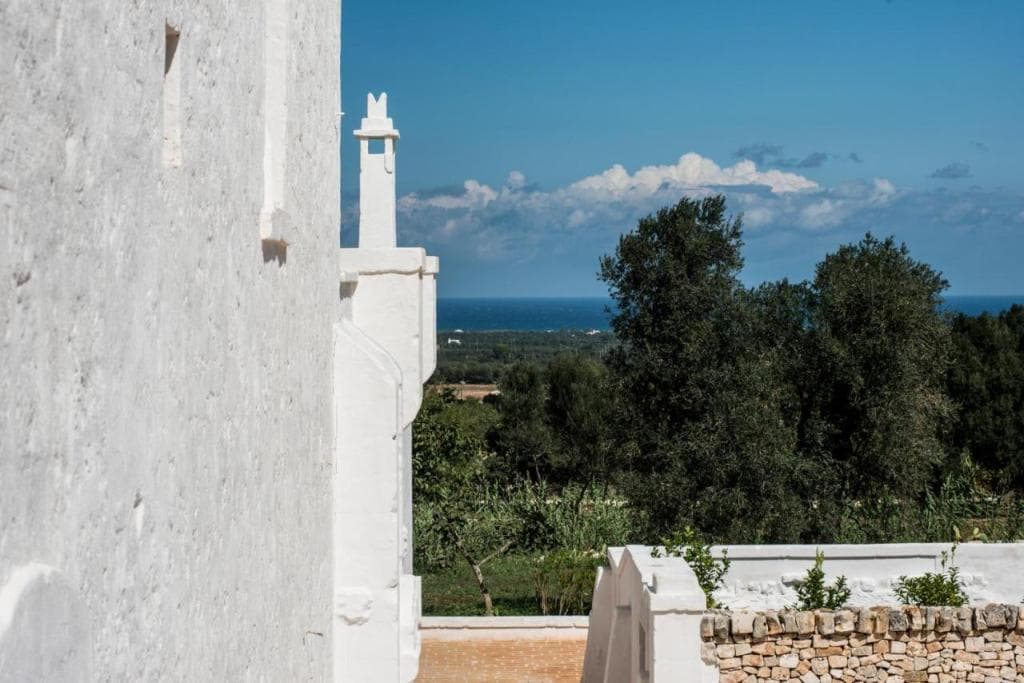
## Elegant Accommodations Masserie Maresca in Ostuni offers a farm stay experience with a swimming pool boasting stunning views, a lush garden, and free WiFi. Guests enjoy a hot tub, outdoor seating




 Ostuni19 rooms
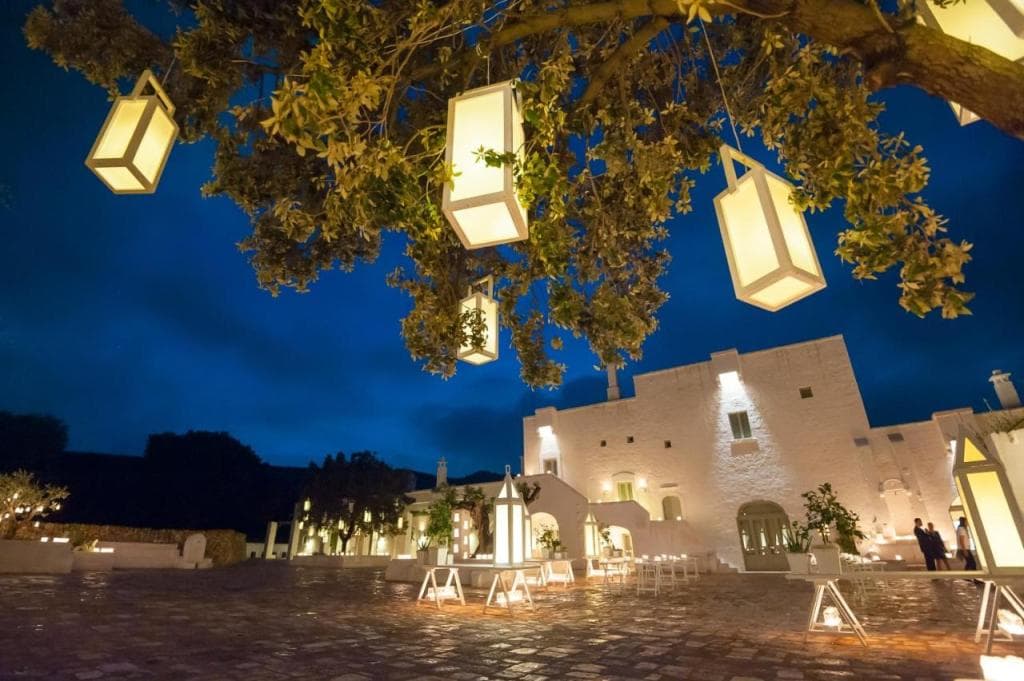
## Elegant Accommodations Masseria Le Carrube in Ostuni offers comfortable family rooms with air-conditioning, private bathrooms, and modern amenities. Each room includes a work desk, soundproofing,
Results 1 - 5
Ostuni stands out for its understated, refined approach to hospitality. Owners of boutique stays and restored masserie are used to welcoming international LGBTQ+ guests, and same-sex couples are met with the same attentive service as any other traveller. The town's compact size makes it easy to feel at home within a few days, whether you stay inside the historic centre or in a countryside property among the centuries-old olive trees.
Accommodation ranges from design suites carved into ancient white stone houses to agriturismi with private pools, spas and farm-to-table restaurants. Many properties cater to slow tourism, with yoga sessions, cooking classes and curated experiences that let couples and solo travellers immerse themselves in the rhythm of Apulian life.
The heart of Ostuni is its centro storico, a maze of narrow alleys climbing toward the Gothic cathedral and the panoramic Piazza della Libertà. In the evening, the streets around Largo Lanza and Via Cattedrale fill with wine bars, trattorie and rooftop terraces serving Primitivo and Negroamaro, where conversations easily spill from one table to the next.
Ostuni does not have a dedicated gay district, but the atmosphere is relaxed and openly welcoming. For a more visible LGBTQ+ scene, travellers often combine their stay with a day trip to Lecce or a summer evening on the gay-friendly beaches around Torre Guaceto and the Salento coast, easily reachable by car.
Beyond its dazzling skyline, Ostuni invites slow exploration. The cathedral with its rose window, the bishop's palace and the small Museum of Pre-Classical Civilisations tell the story of a settlement inhabited since prehistoric times. Walking the city walls at sunset, with the Adriatic shimmering on the horizon, is one of the quintessential Apulian moments.
The surrounding countryside is dotted with masserie, fortified farmhouses now turned into refined retreats, and with the trulli of the Itria Valley, a short drive away in Alberobello and Cisternino. Sandy beaches like Costa Merlata, Pilone and Rosa Marina line the coast below, offering clear water and lidos perfect for long, lazy afternoons.
Late spring and early autumn are the most rewarding seasons in Ostuni: warm light, mild evenings and a gentler pace than the busy summer weeks. June brings the feast of Sant'Oronzo, the patron saint, with processions in historical costume that animate the entire town.
July and August are lively, ideal for combining cultural visits with beach life and open-air concerts in the Itria Valley, including the renowned Festival della Valle d'Itria in nearby Martina Franca. Travellers seeking quieter, romantic stays often choose September and October, when the olive harvest begins and the countryside takes on softer, golden tones.