

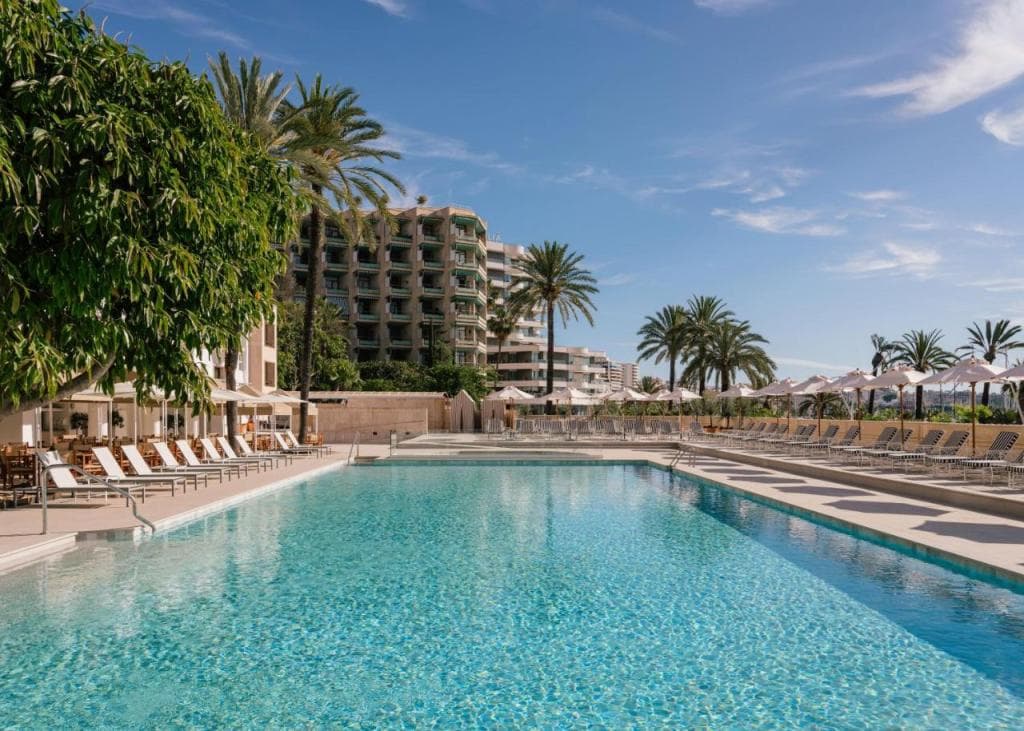

 Palma de Mallorca
 170 rooms
 Palma de Mallorca170 rooms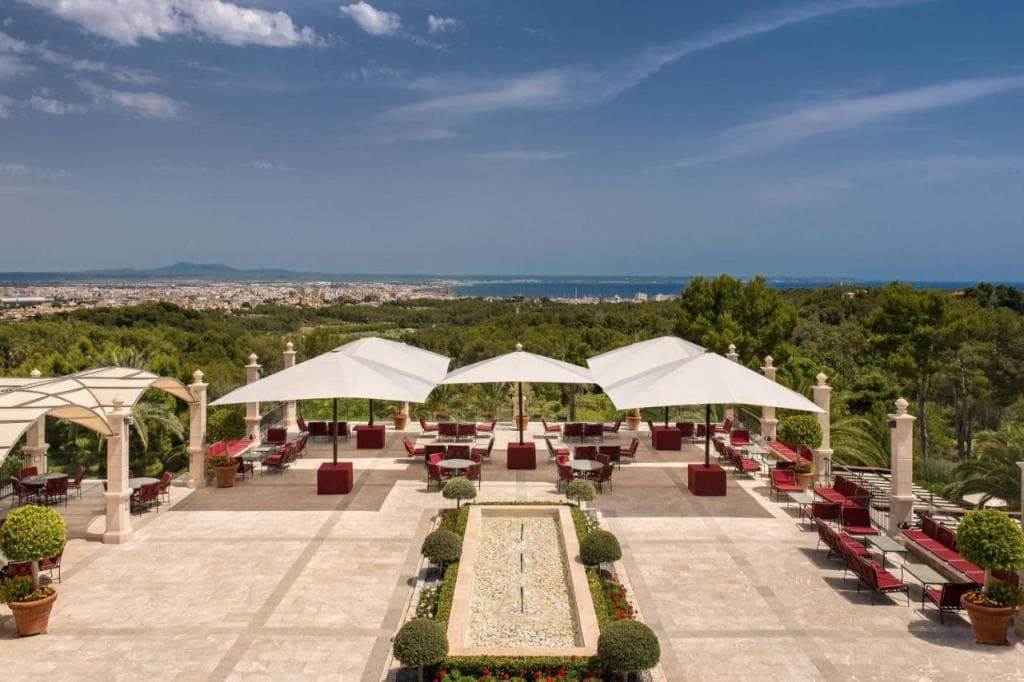


 Palma de Mallorca157 rooms

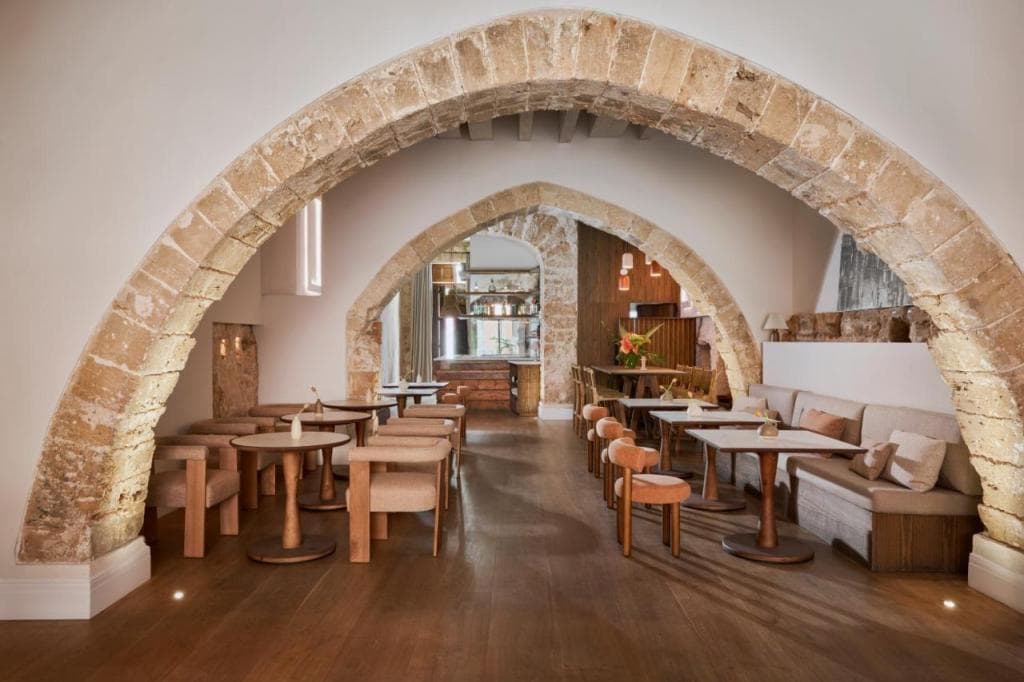


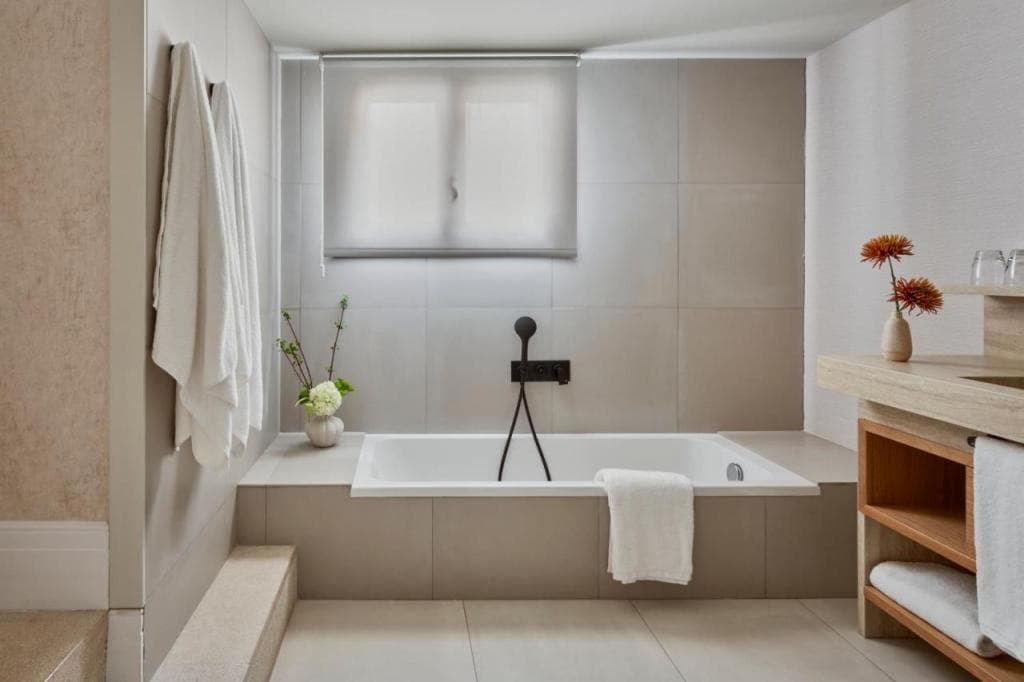
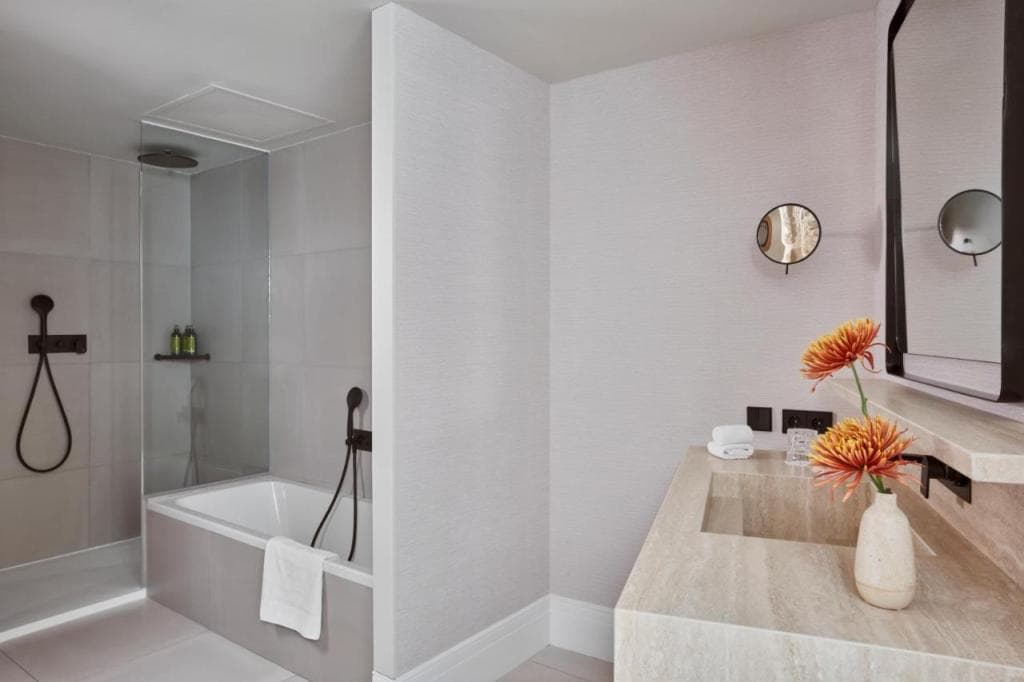
 Palma de Mallorca26 rooms


 Old Town14 rooms


 Old Town35 rooms


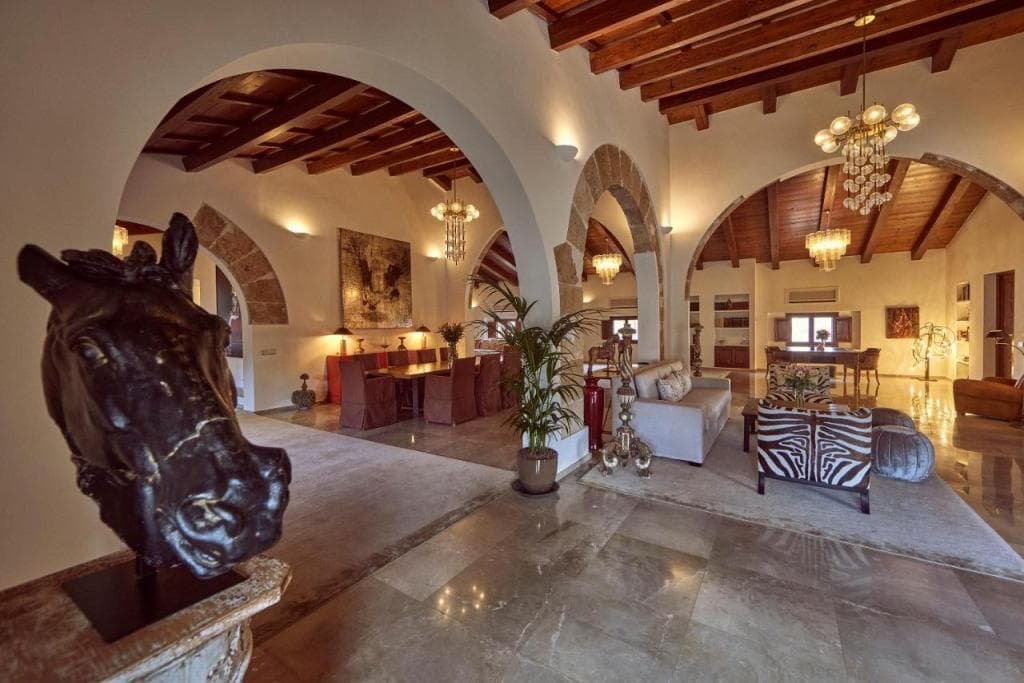


 Old Town17 rooms


 Old Town41 rooms


 Old Town11 rooms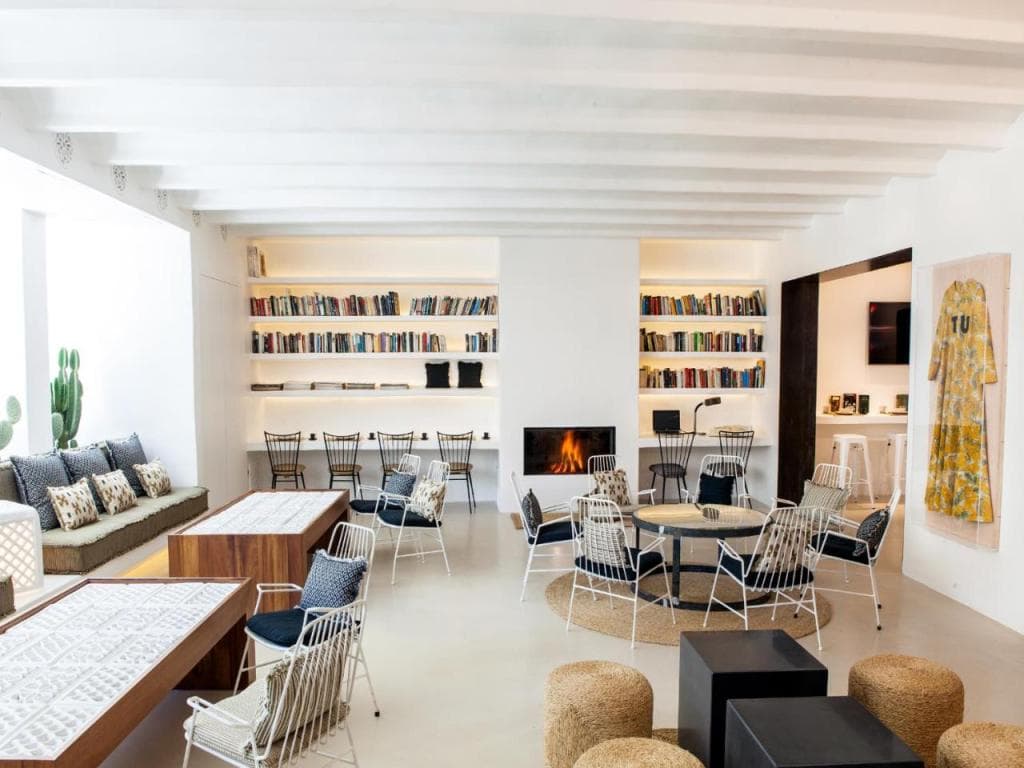
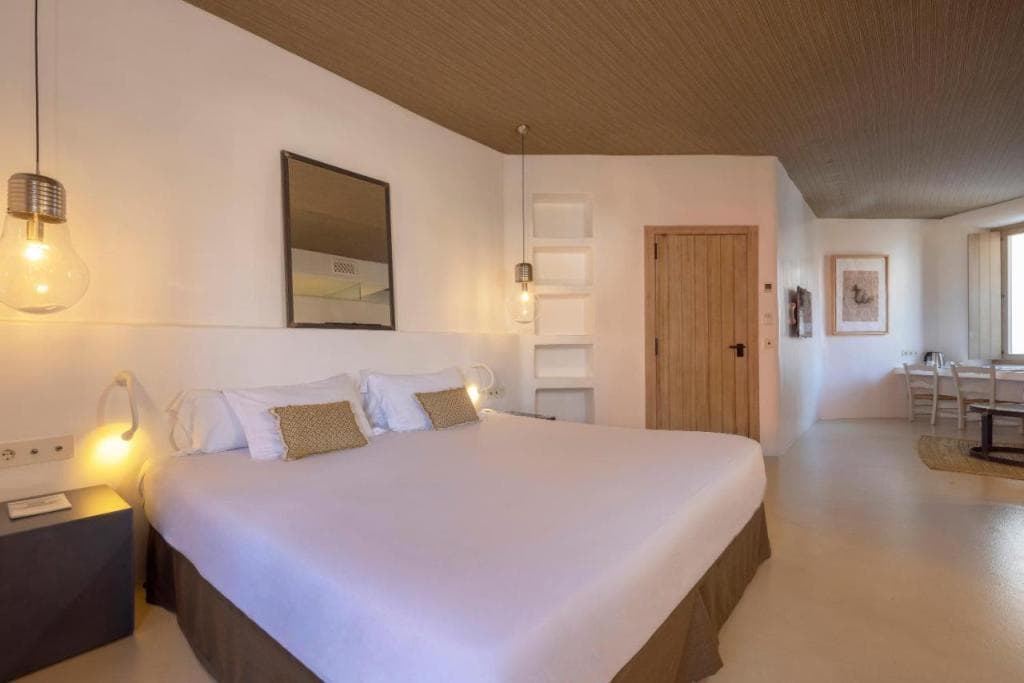
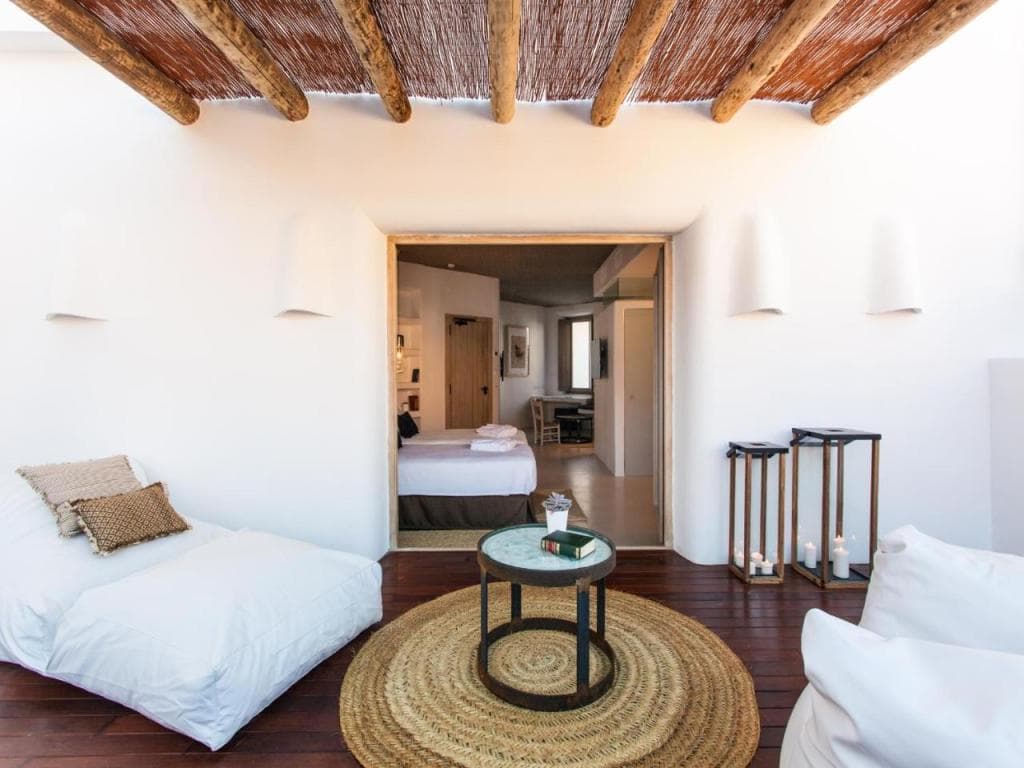
 Palma de Mallorca40 rooms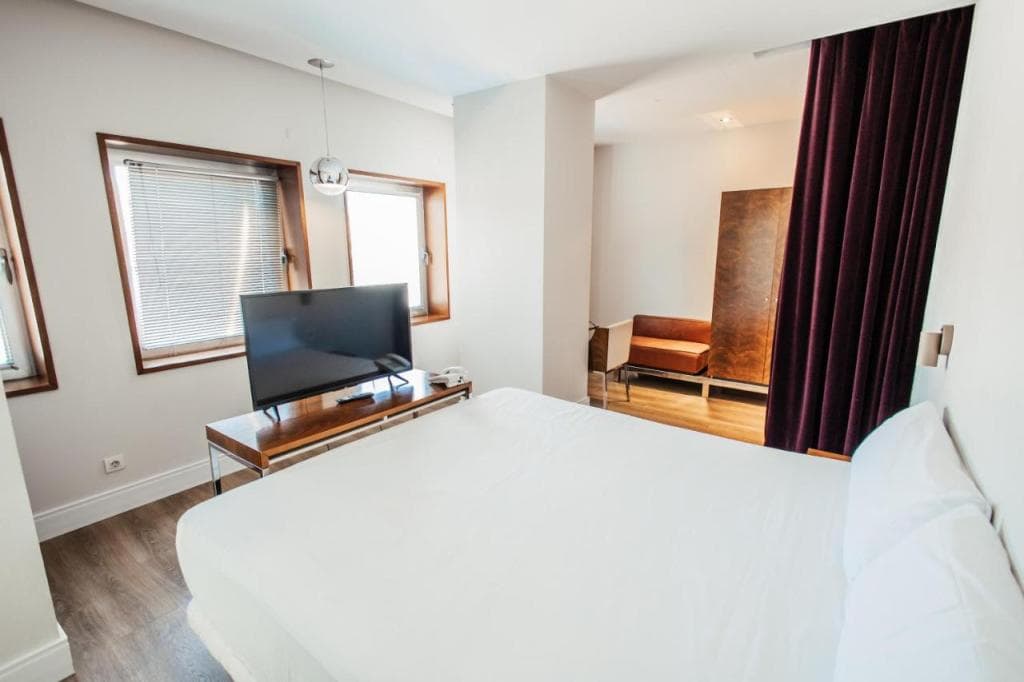
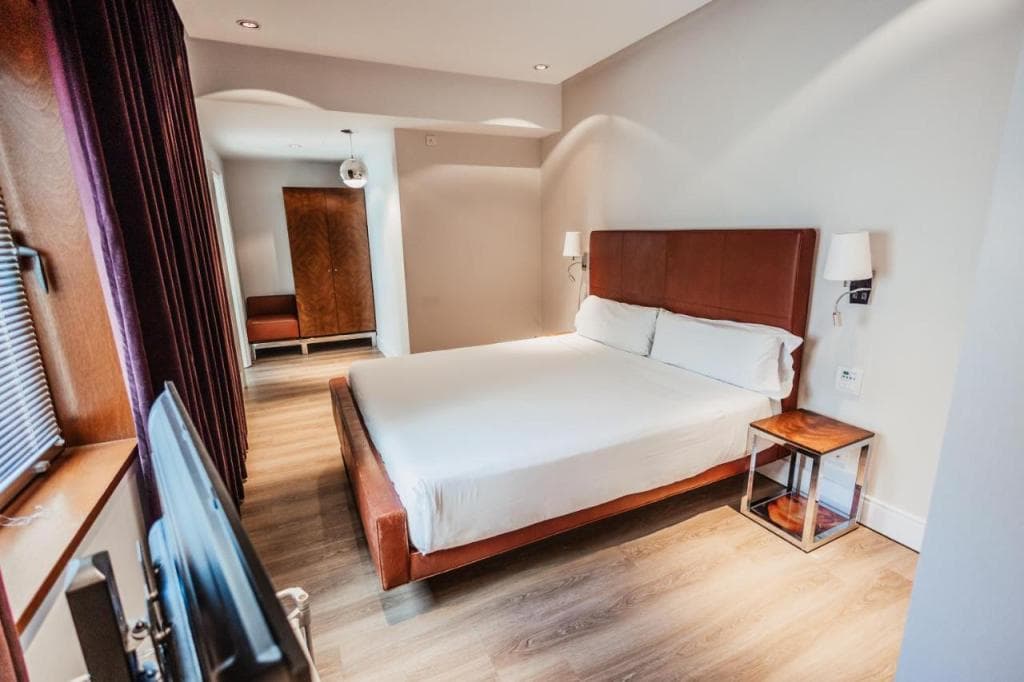
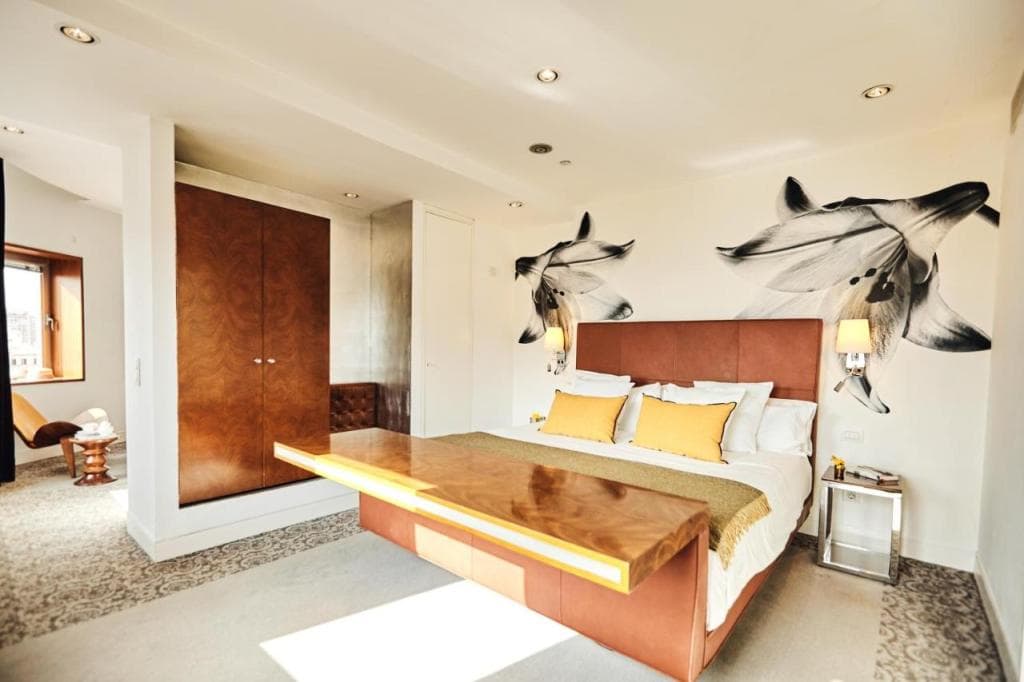
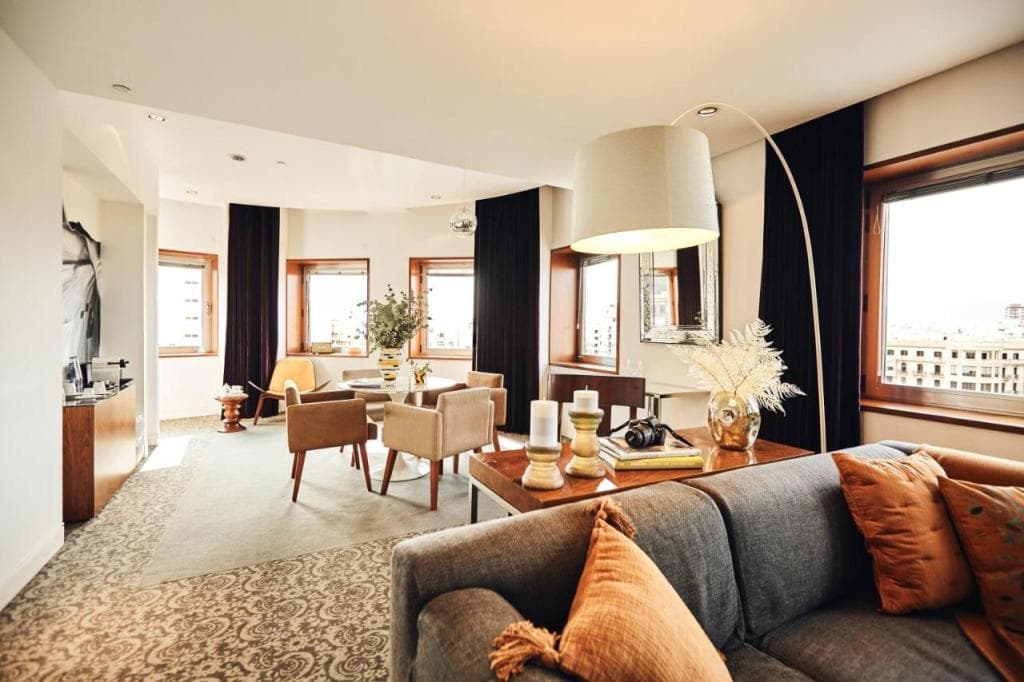
 Palma de Mallorca
 Palma de Mallorca16 rooms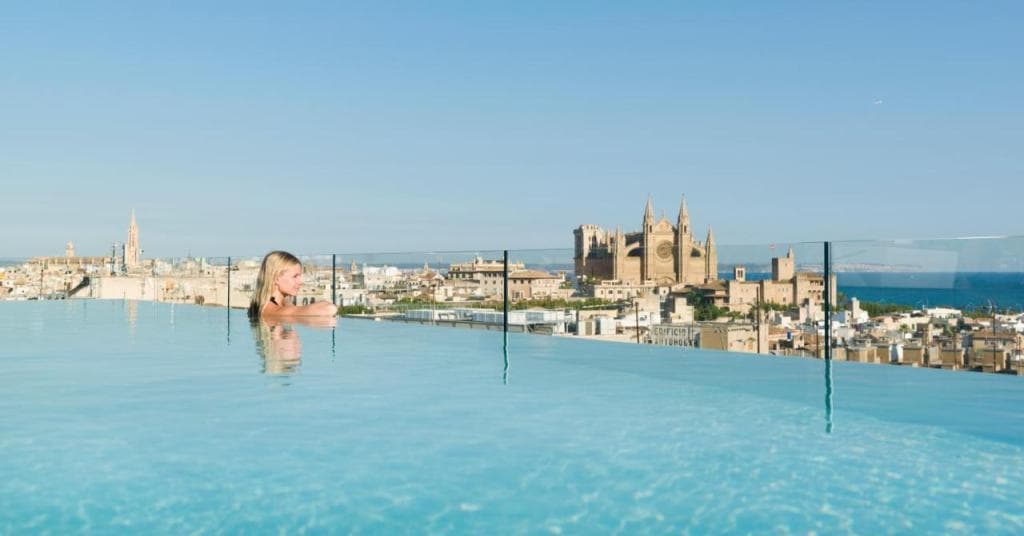
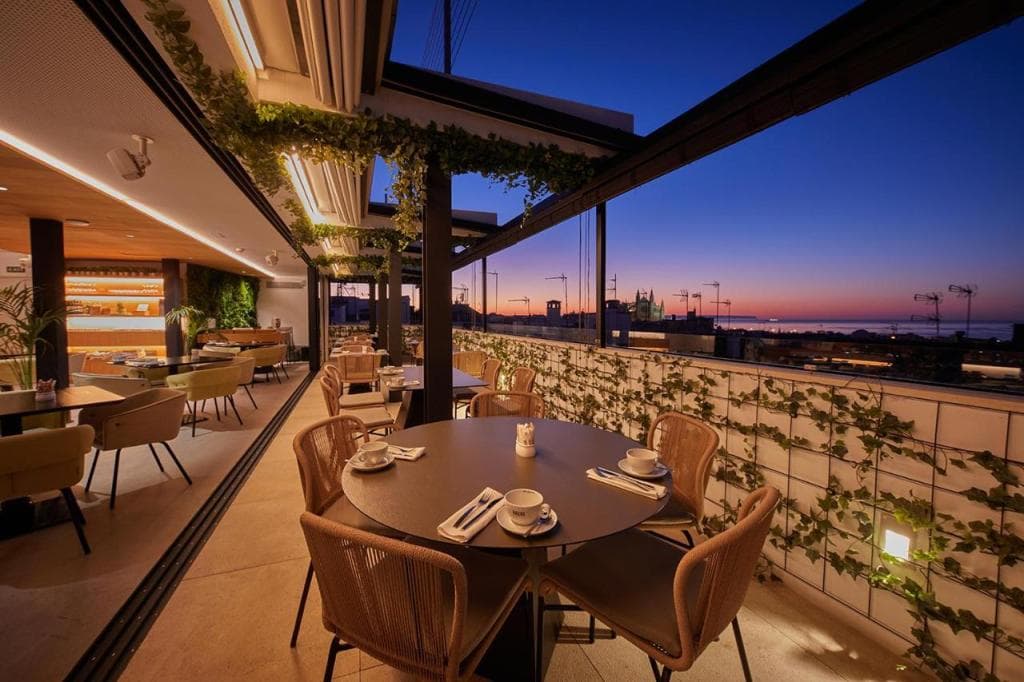
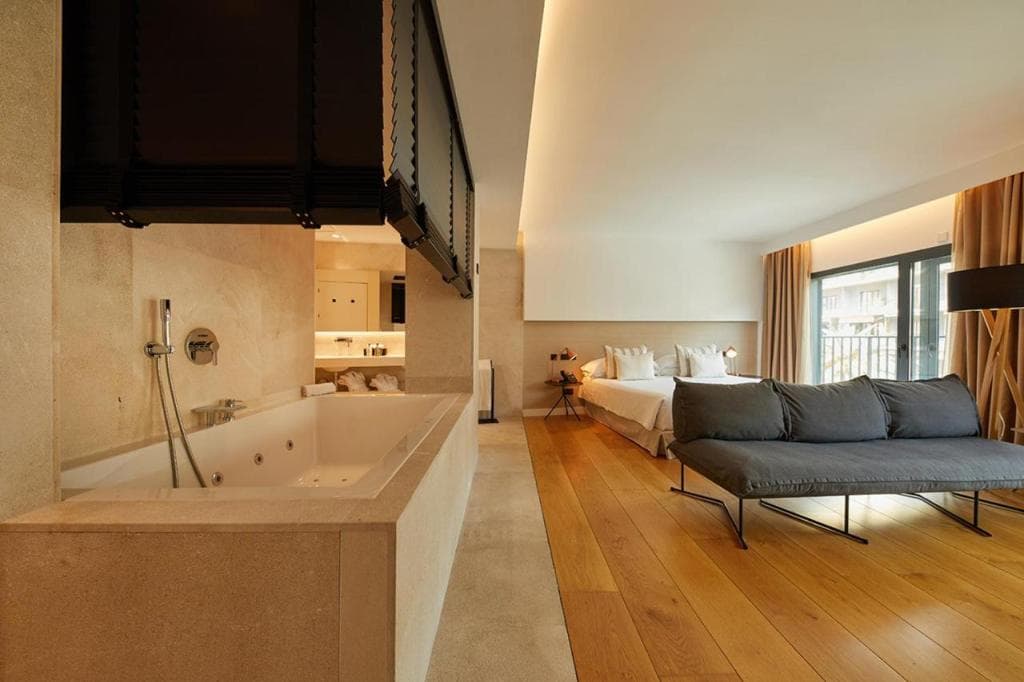

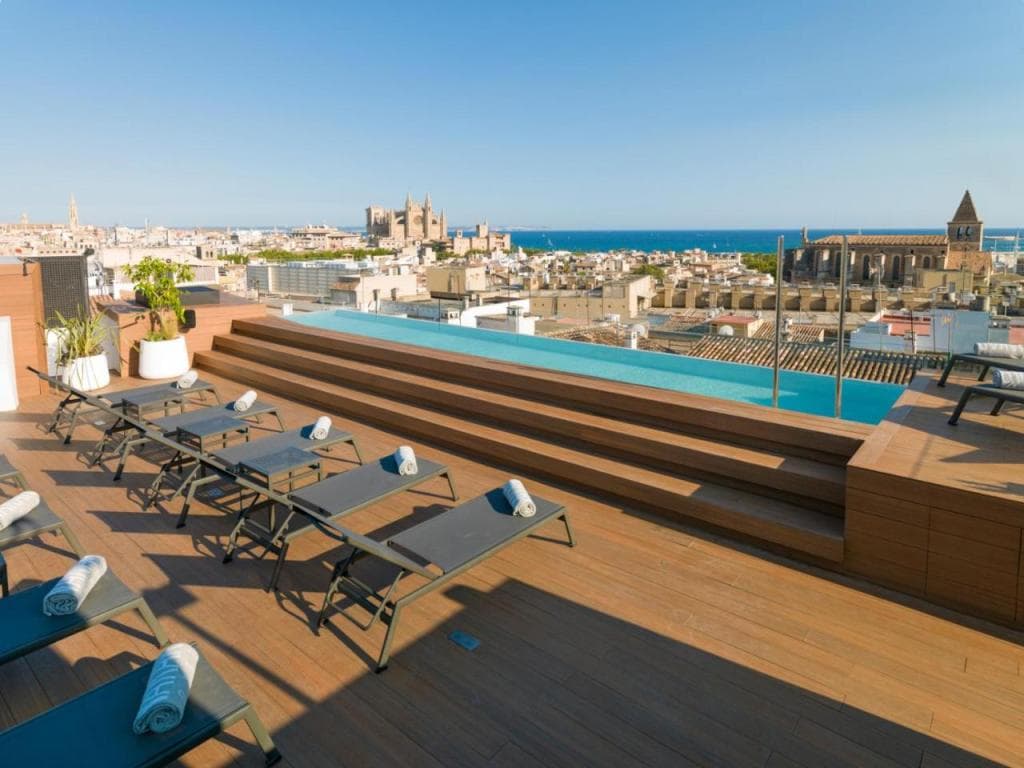 Palma de Mallorca58 rooms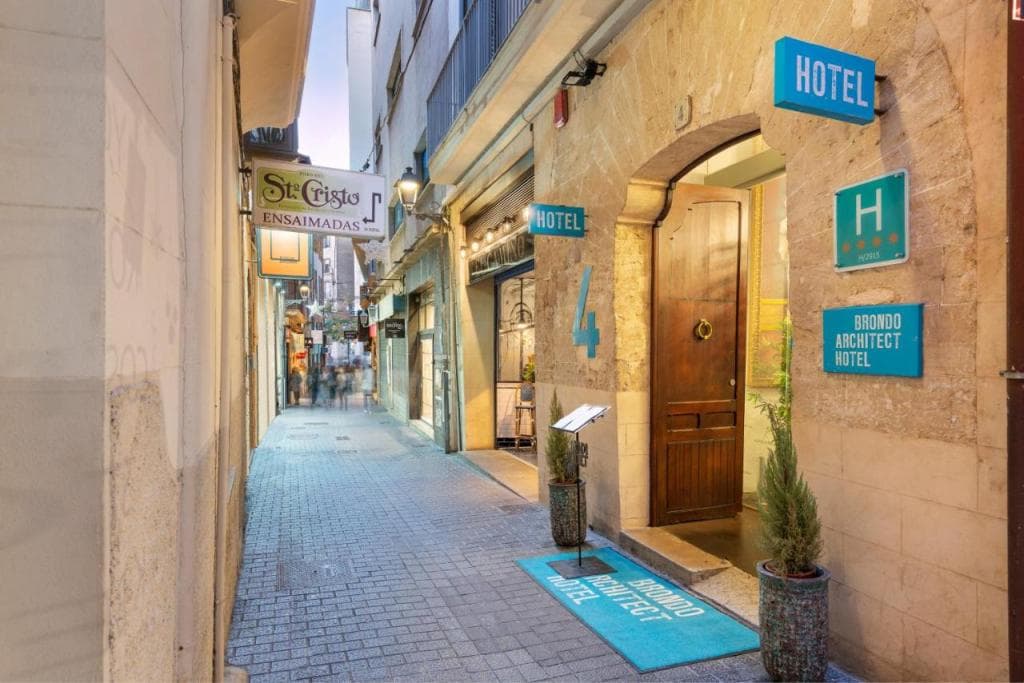
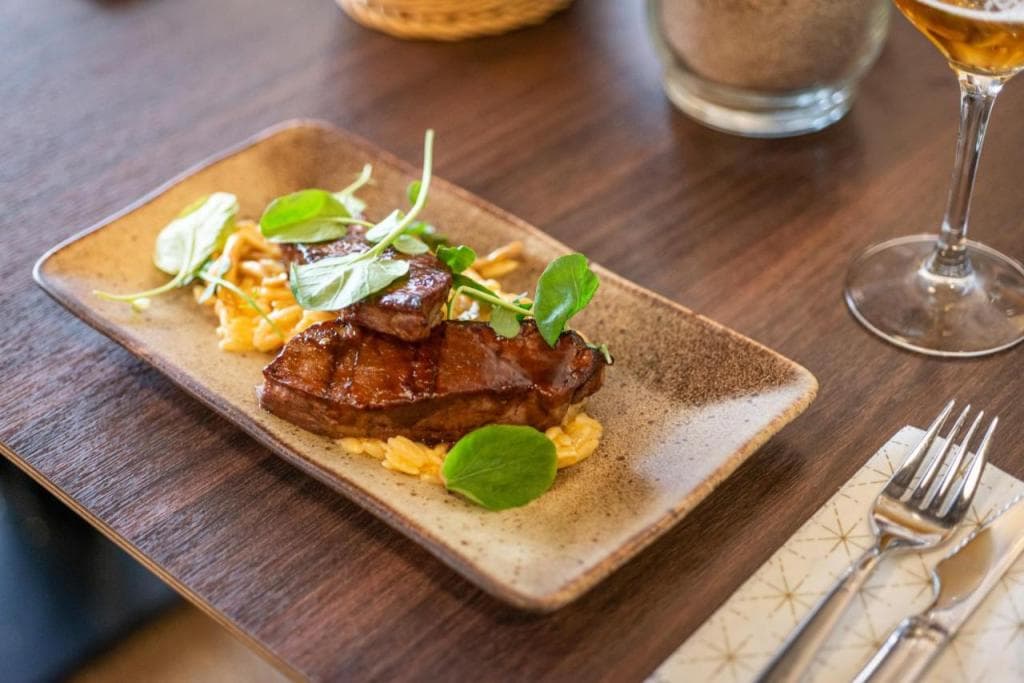
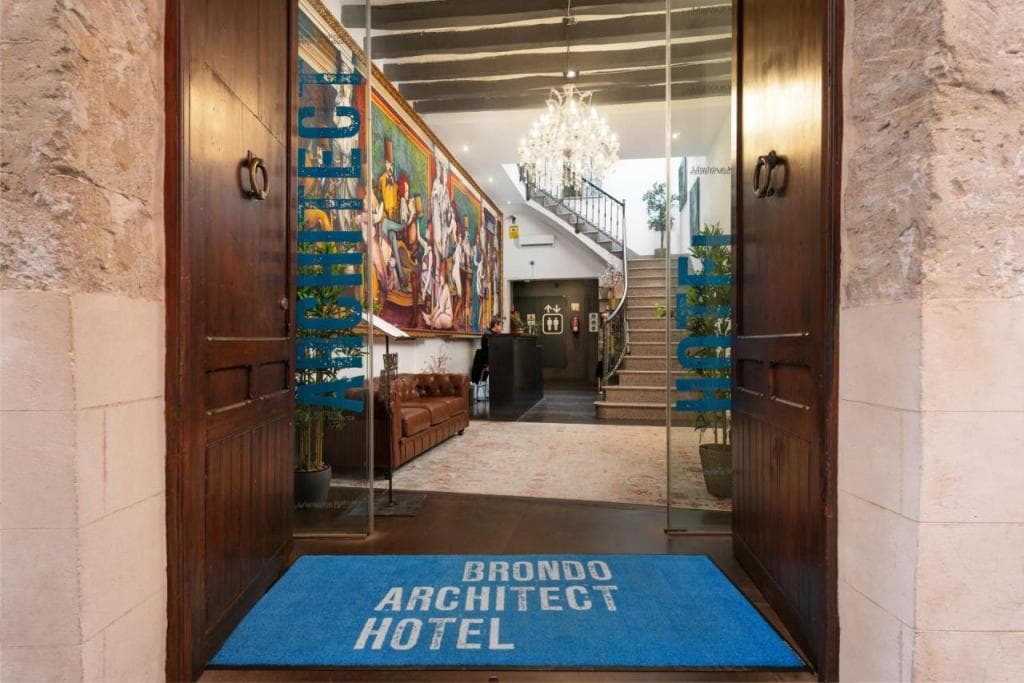
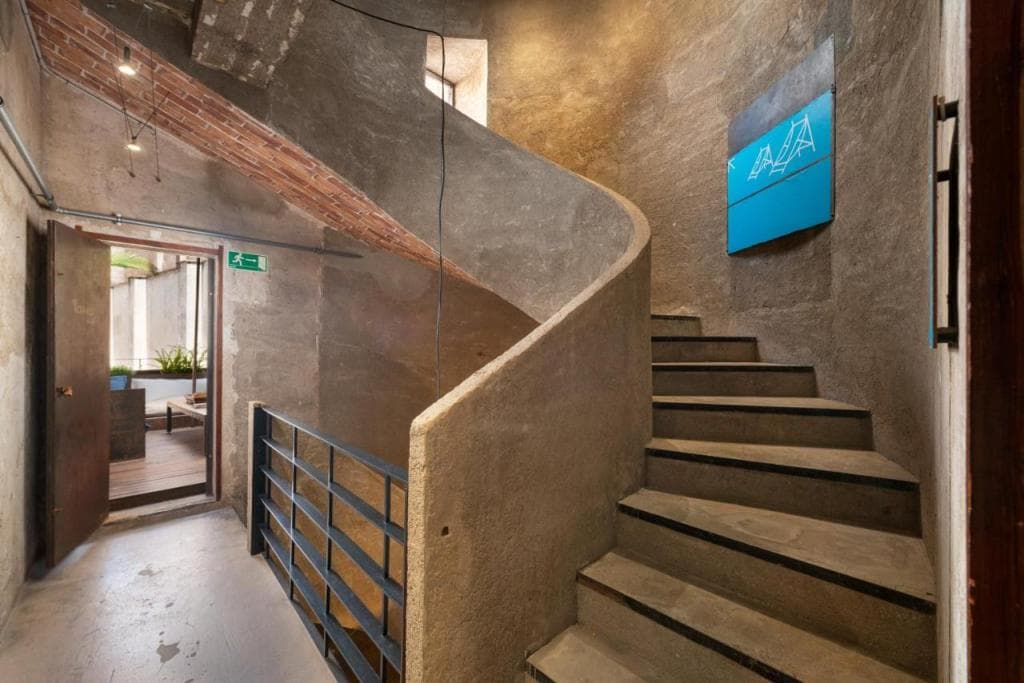
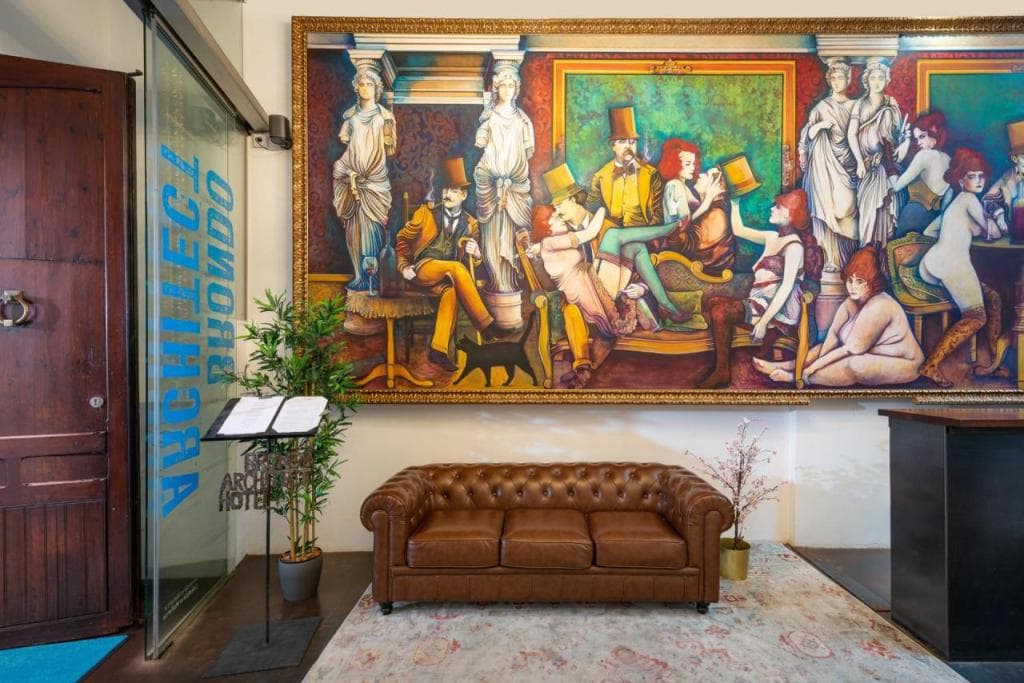
 Palma de Mallorca20 rooms
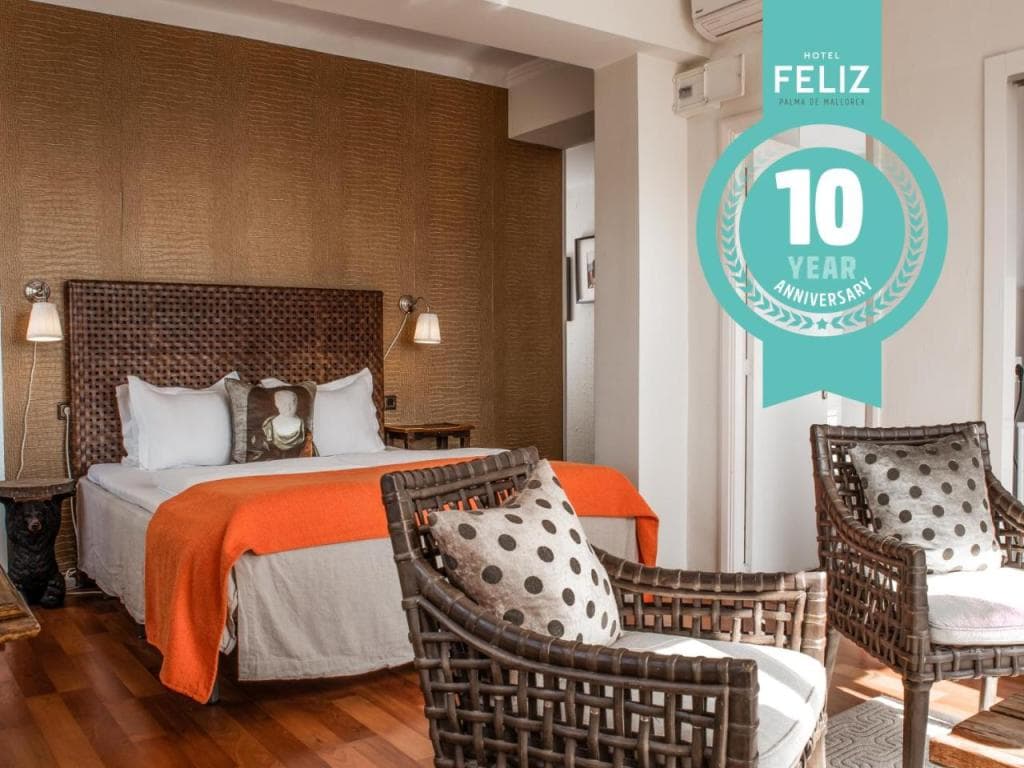
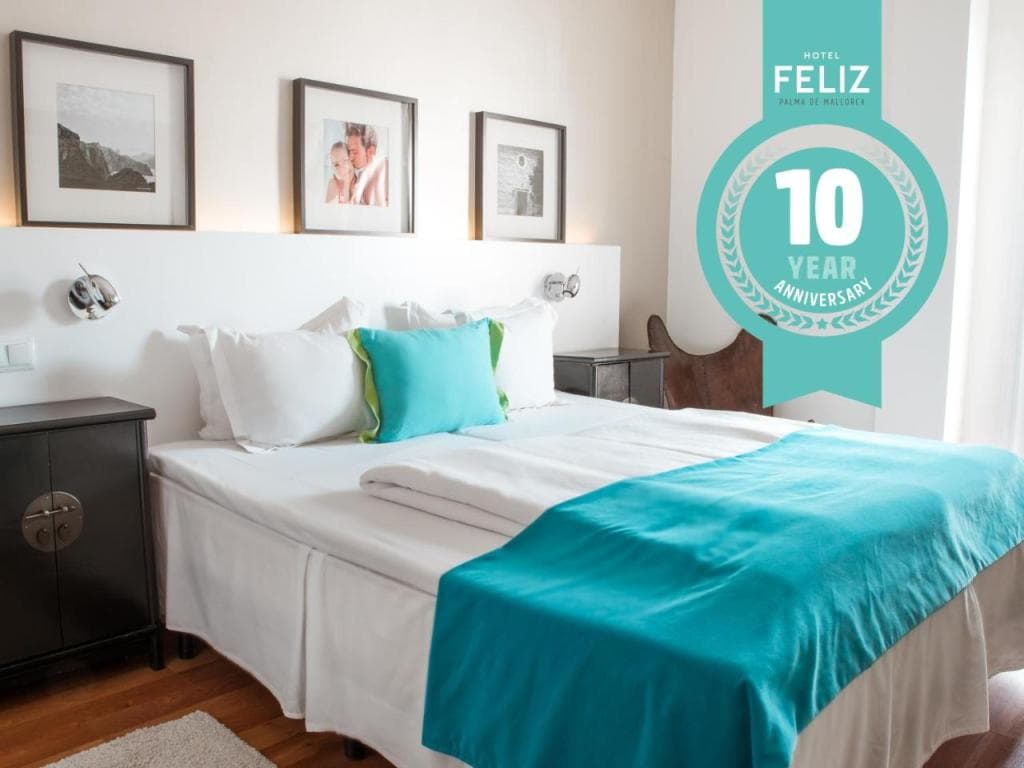
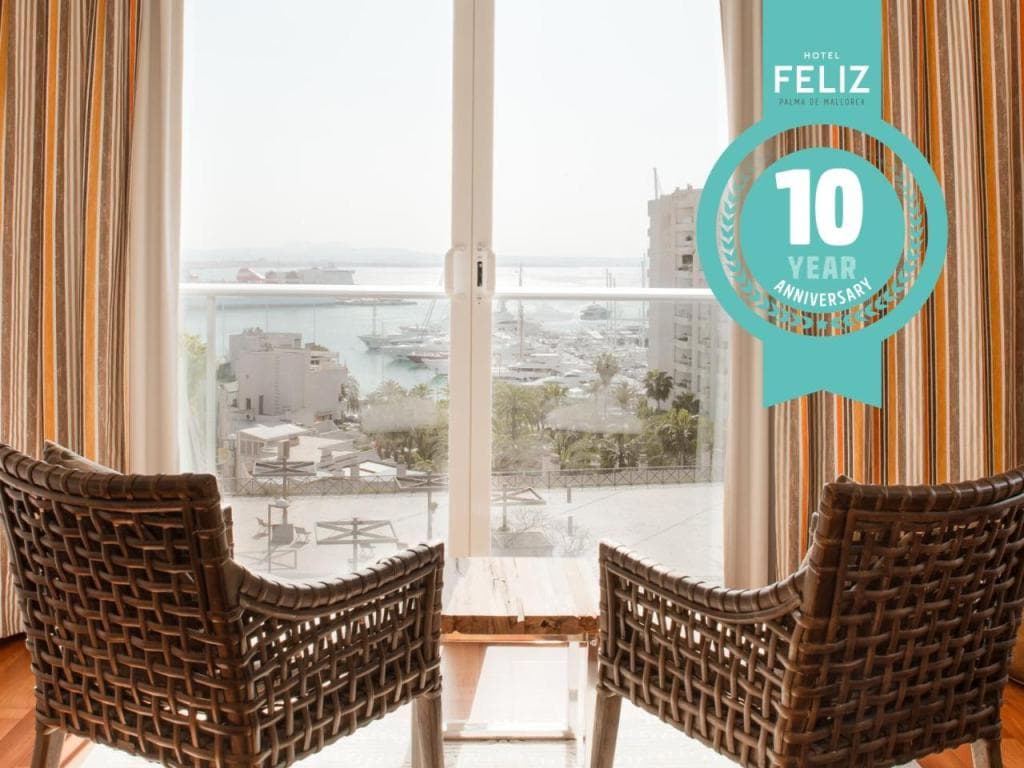
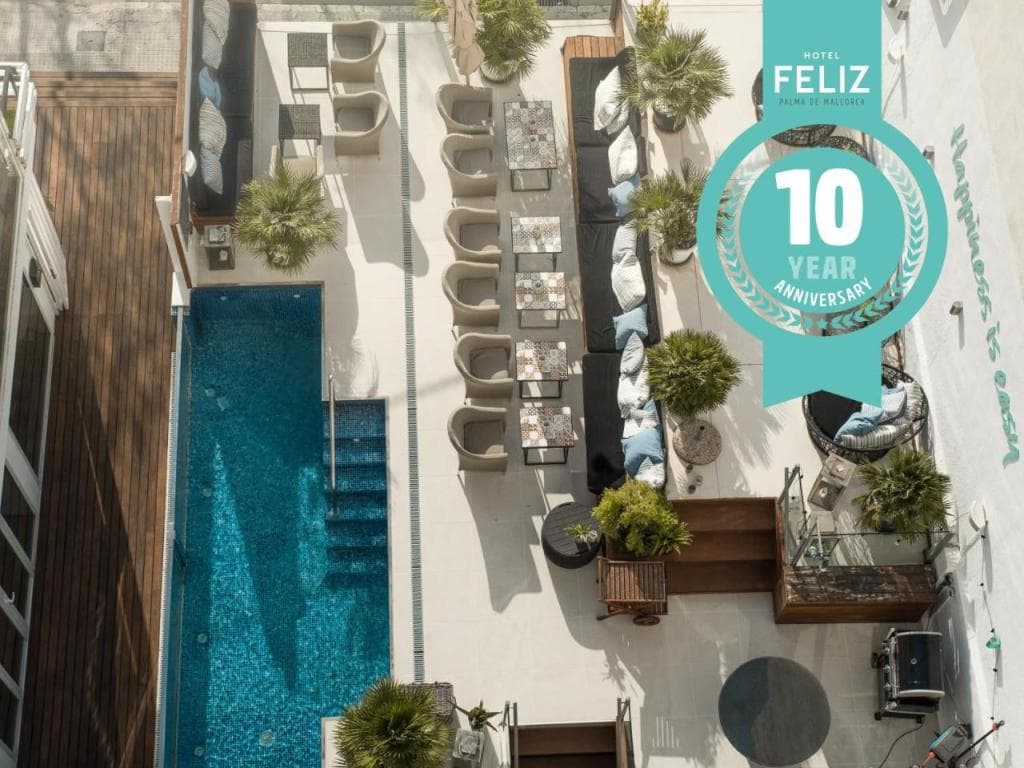
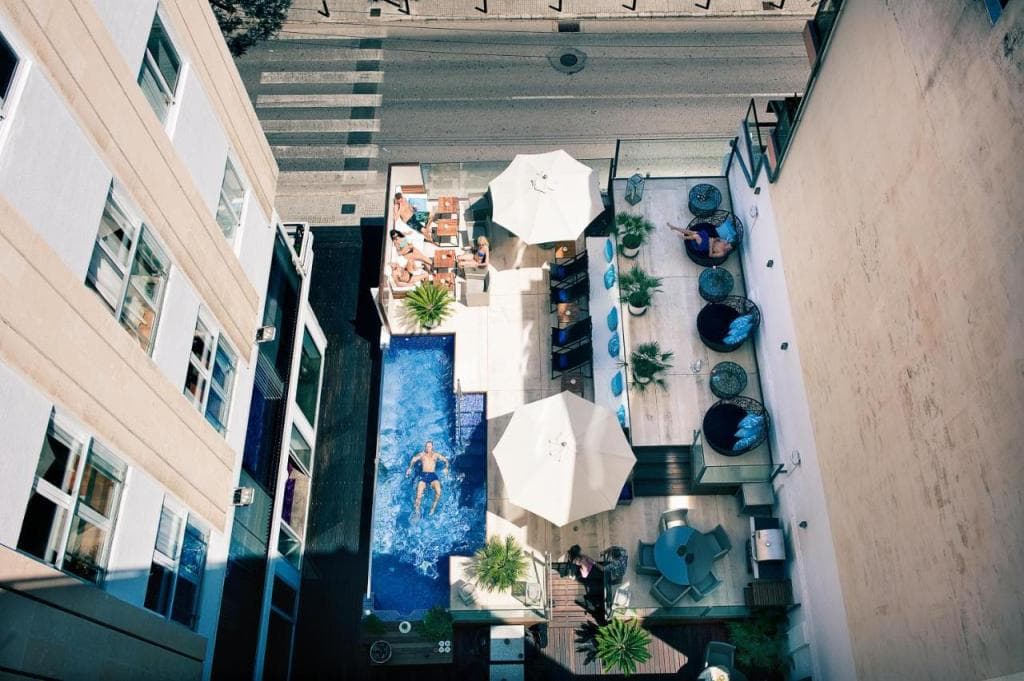
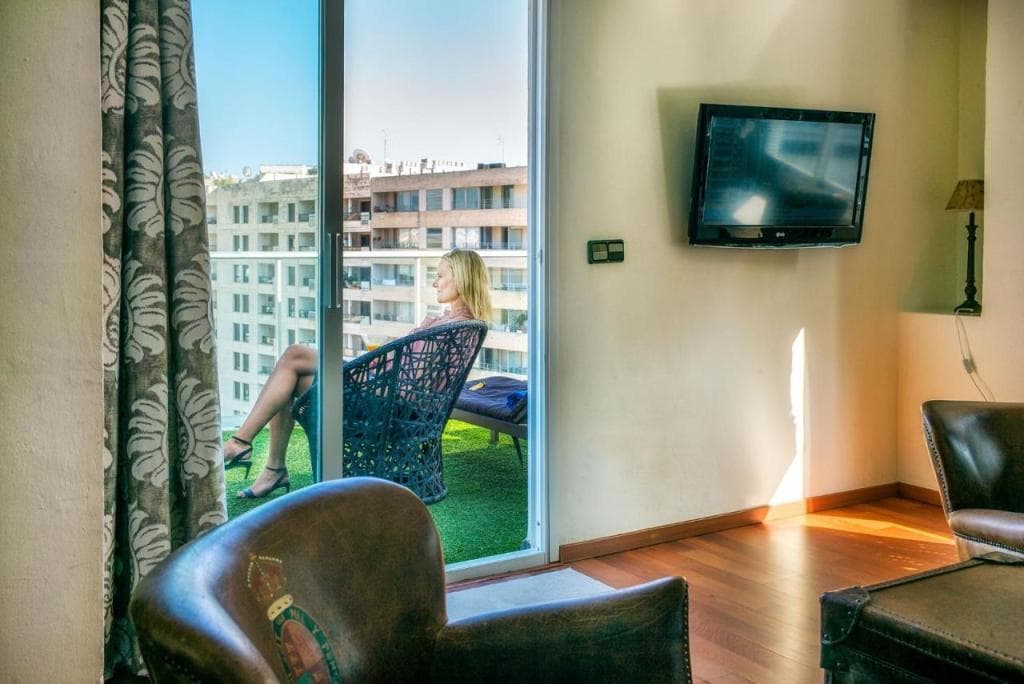
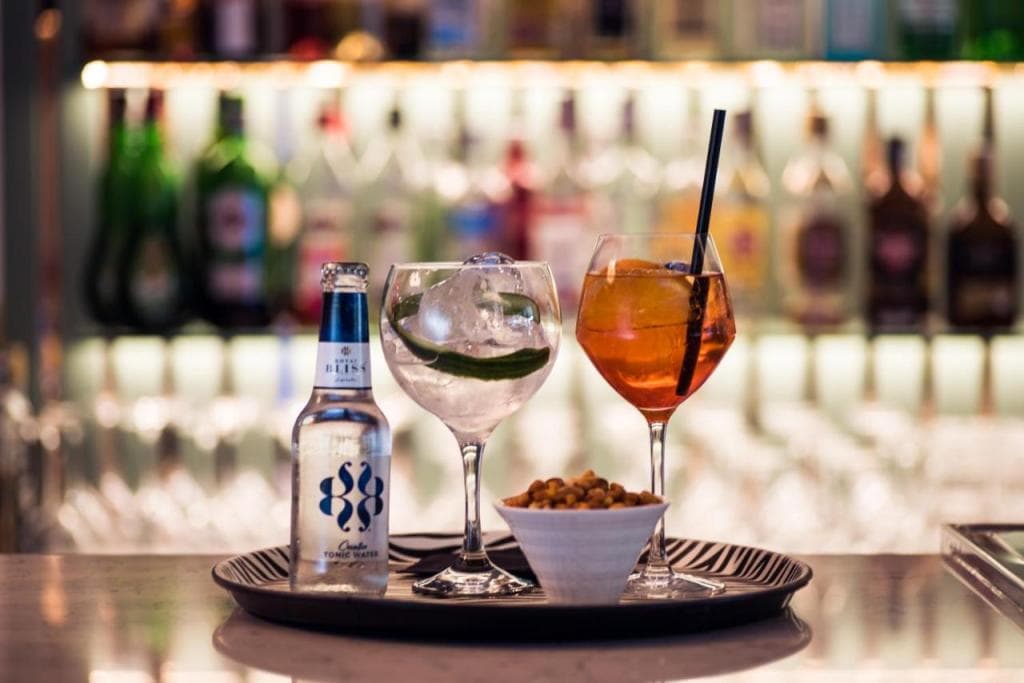 Palma de Mallorca43 rooms

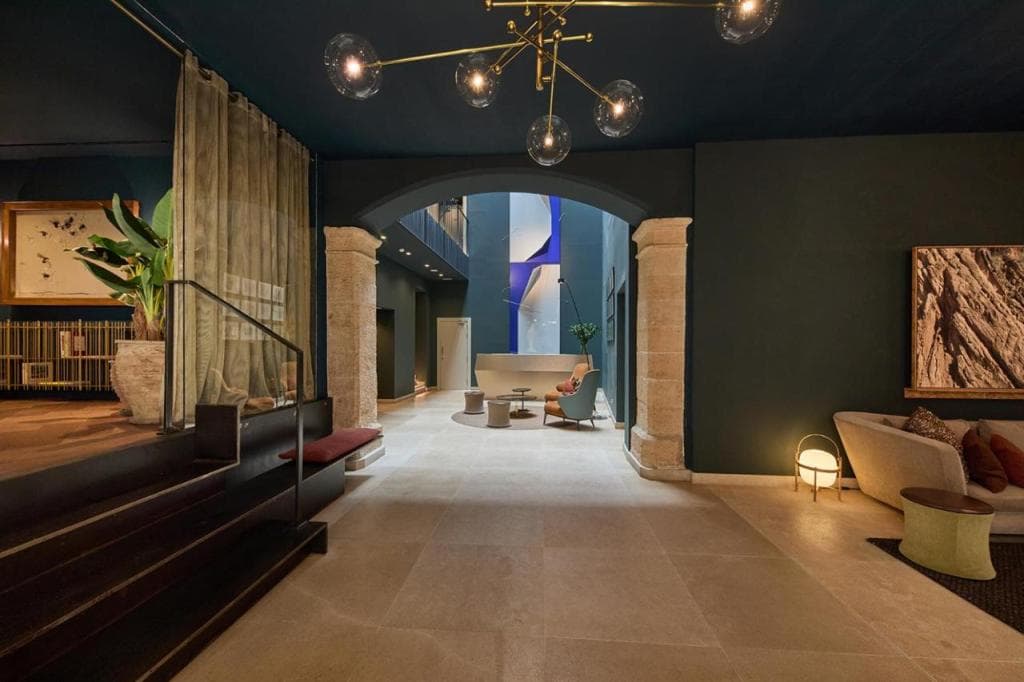
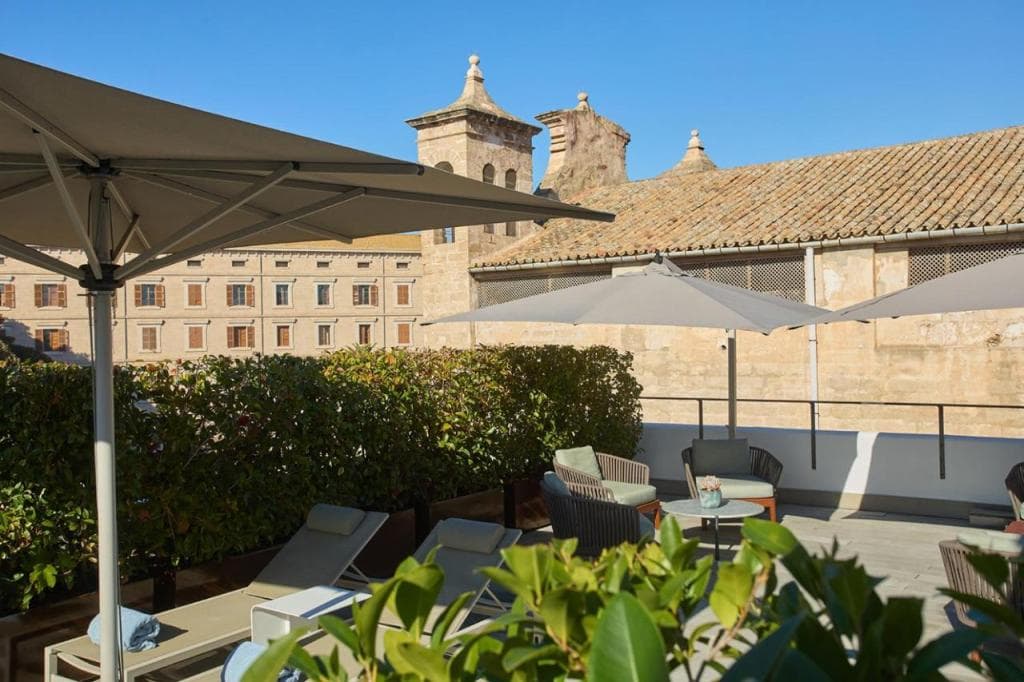


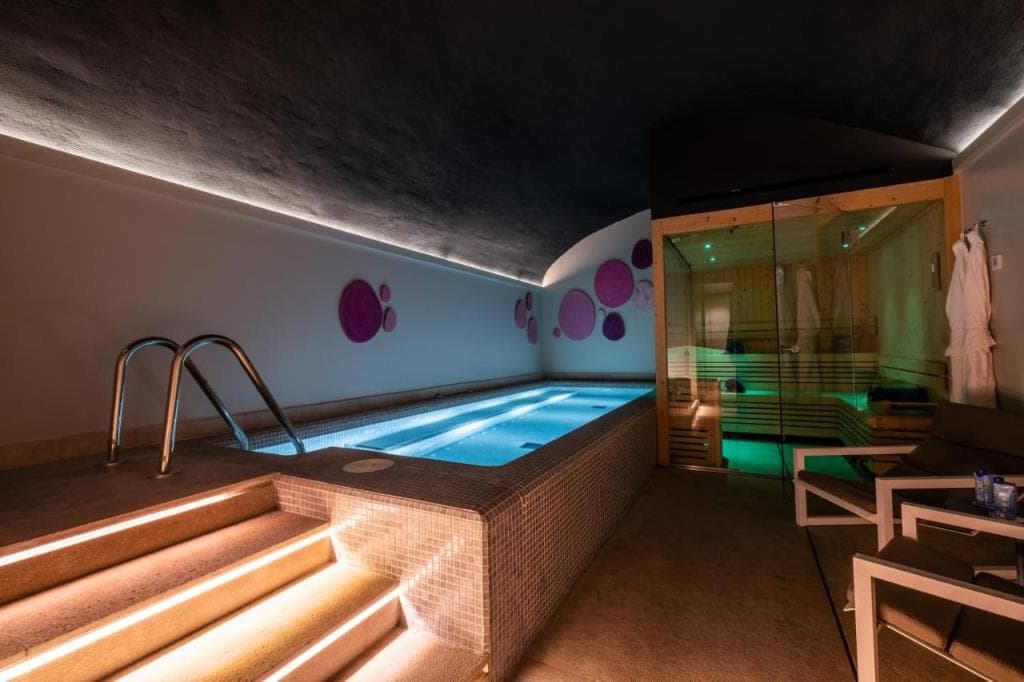
 Palma de Mallorca36 rooms
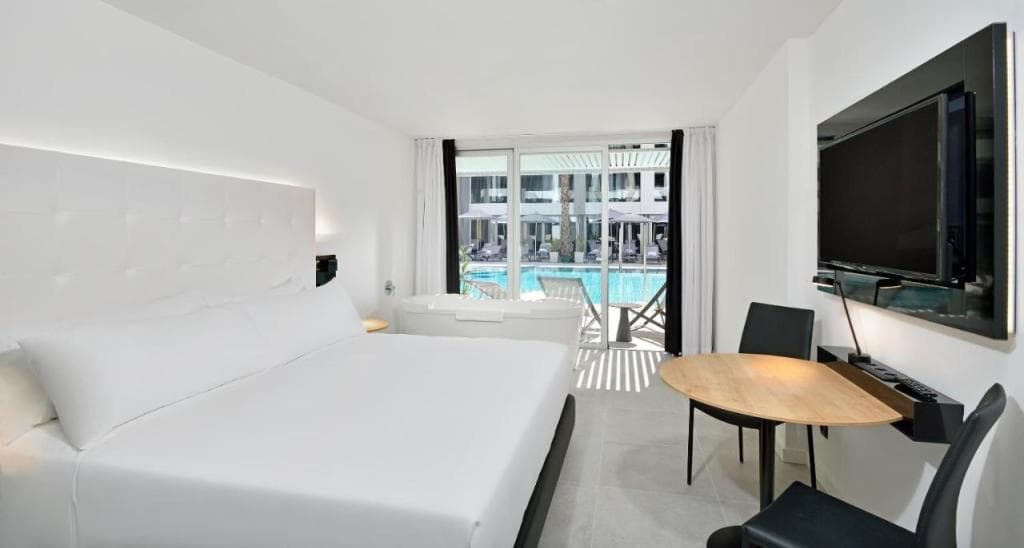
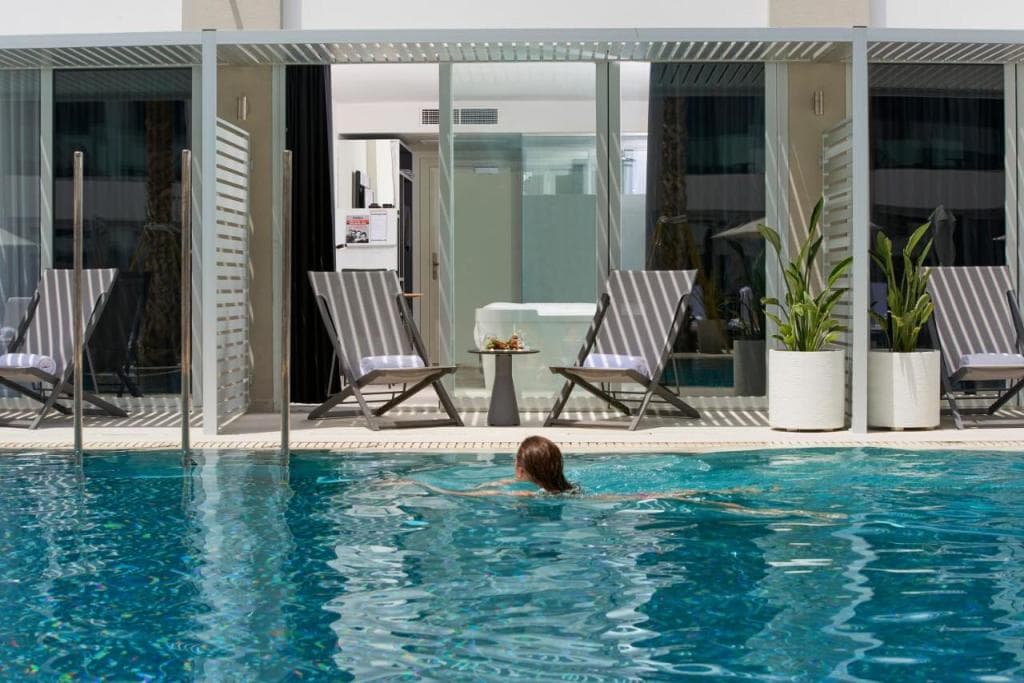

 Palma de Mallorca266 rooms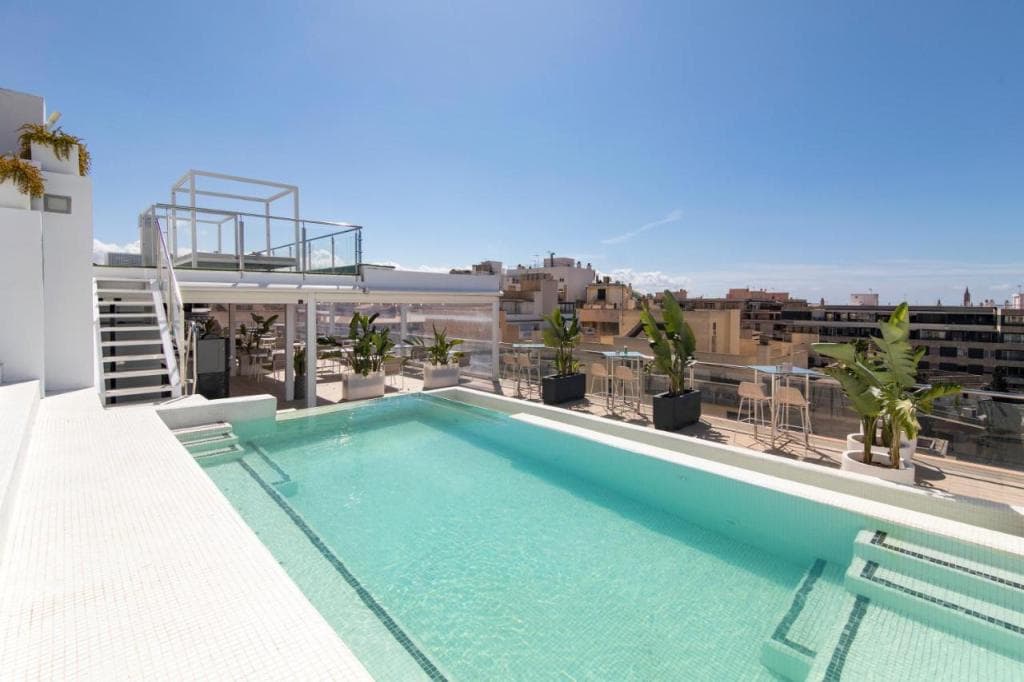


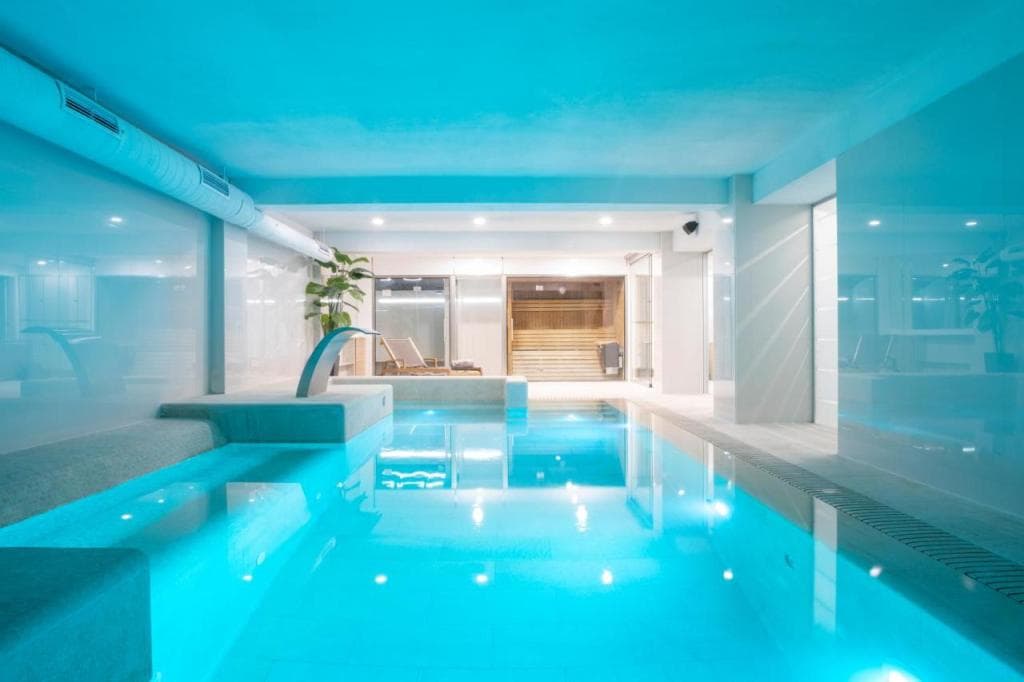


 Palma de Mallorca111 rooms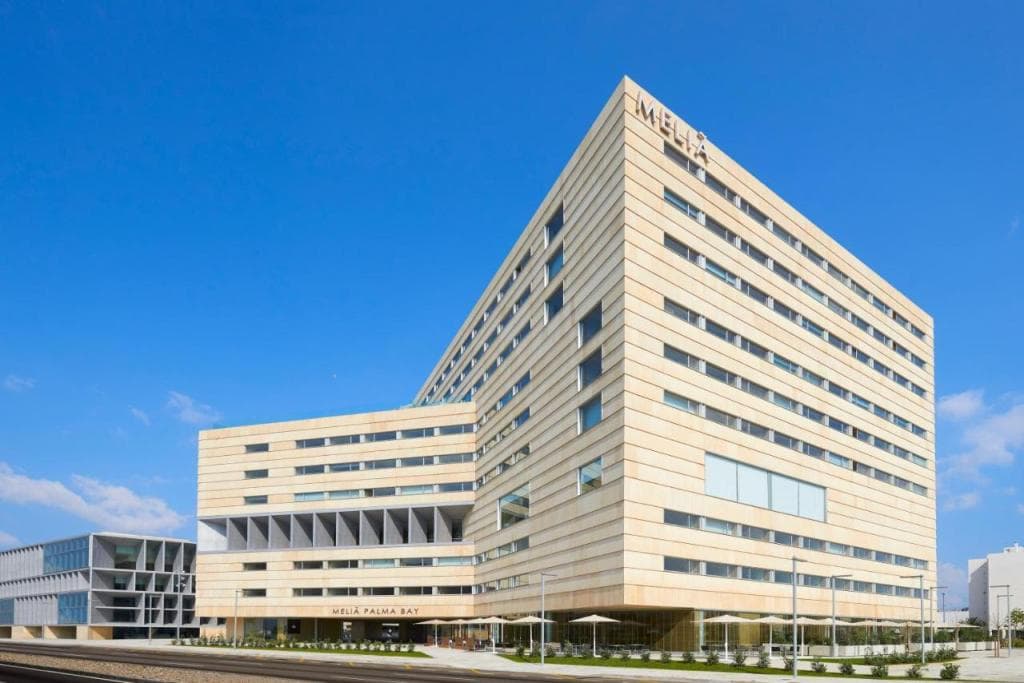
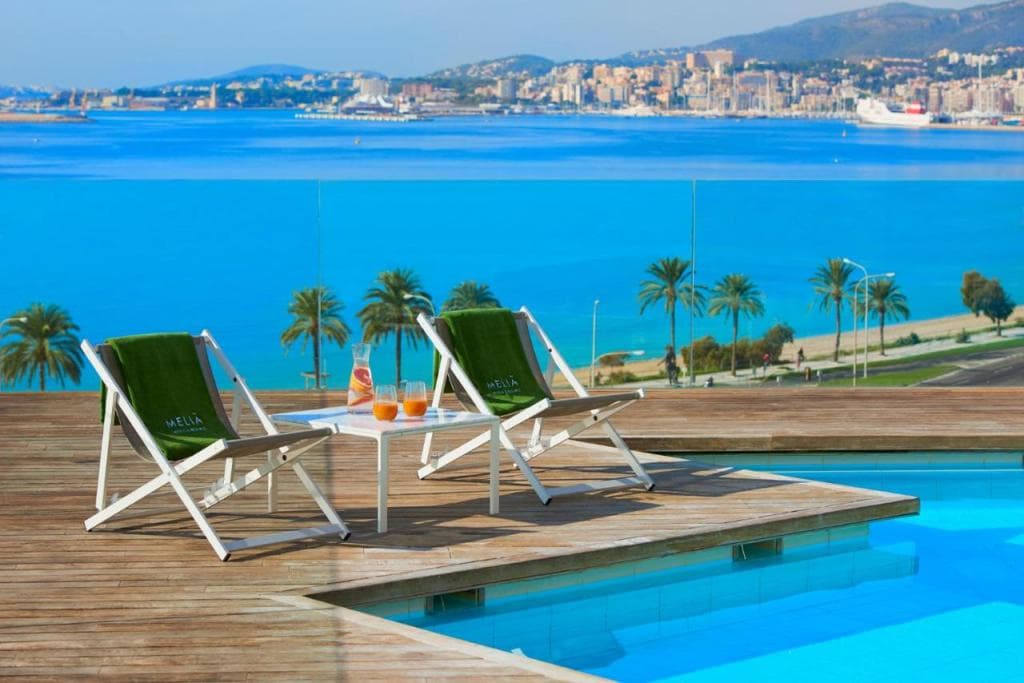
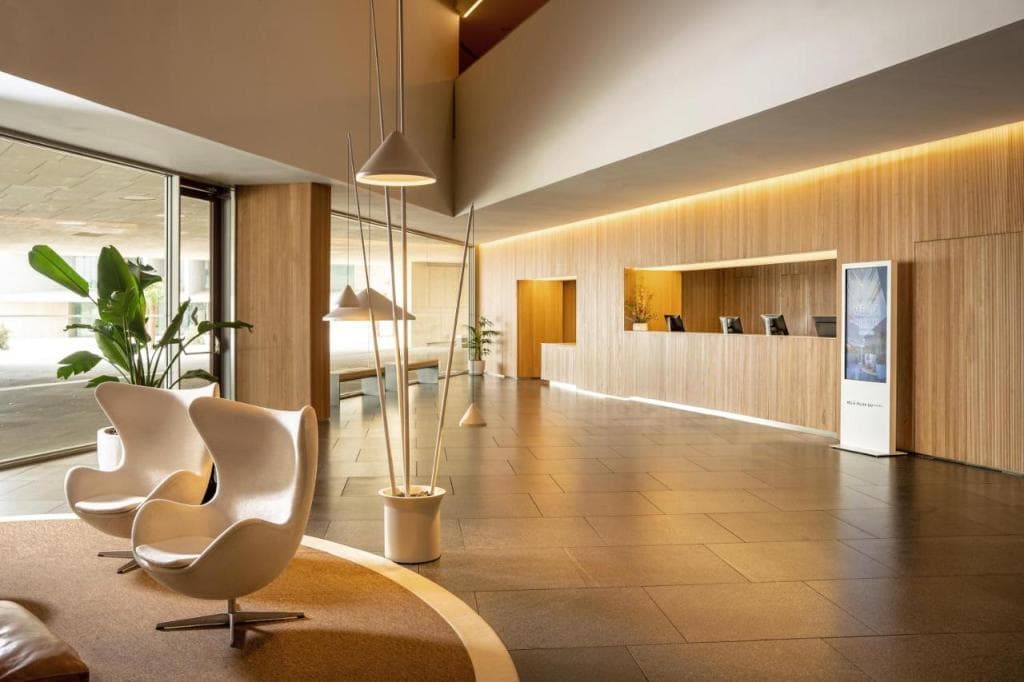
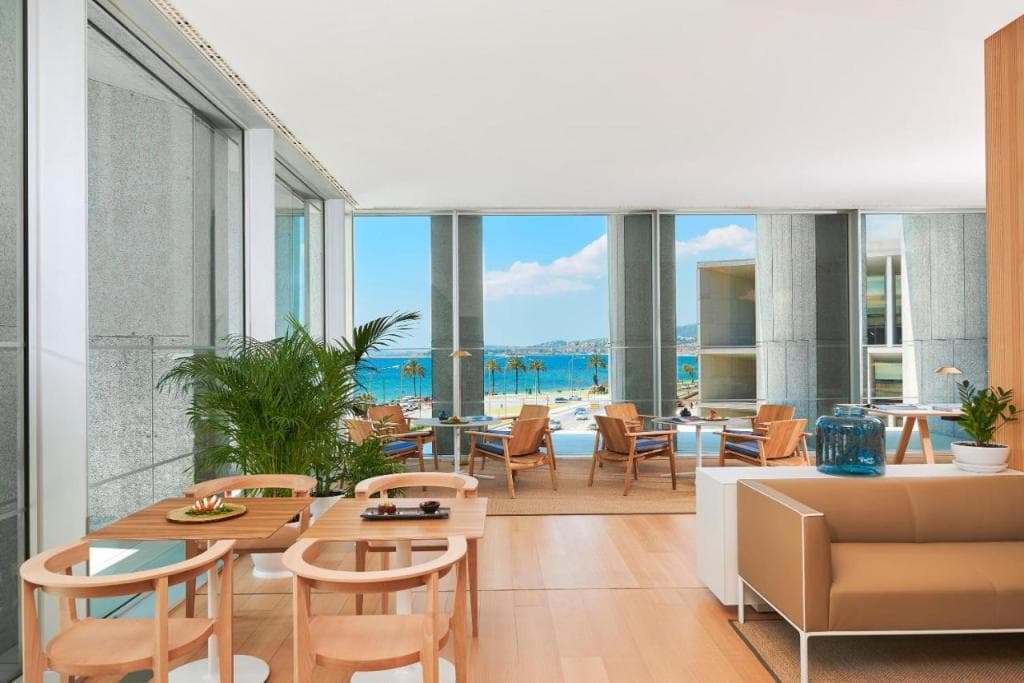
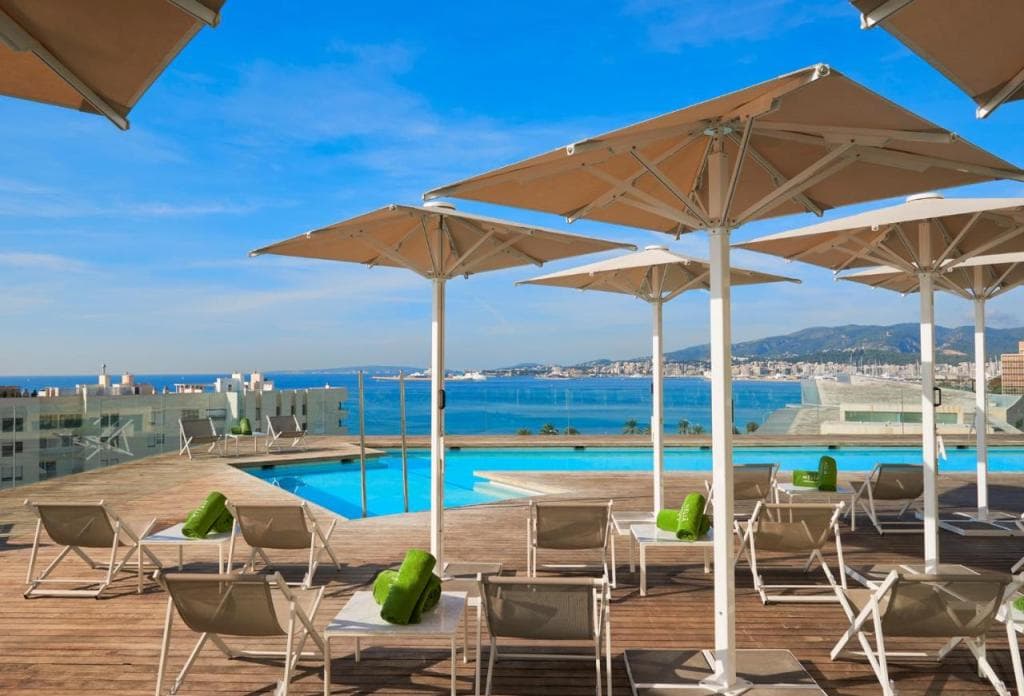
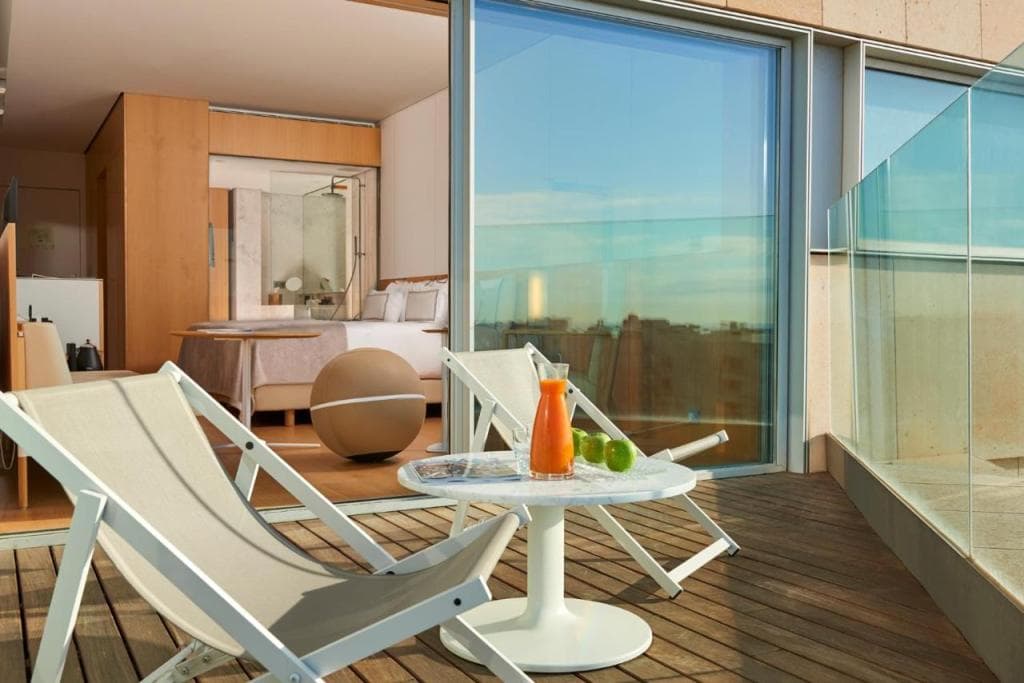
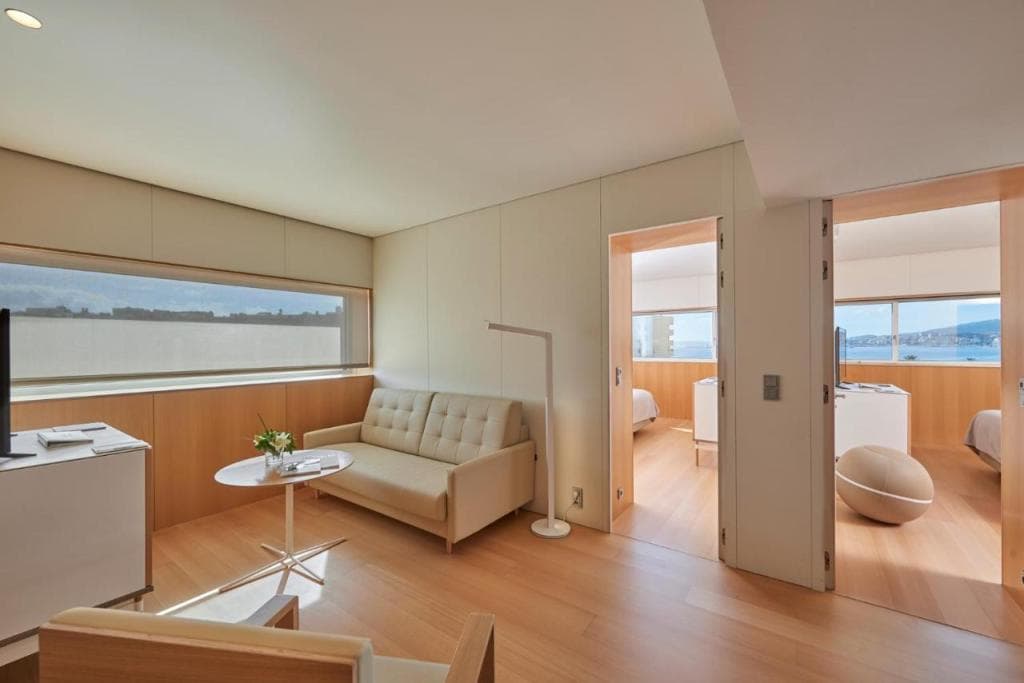
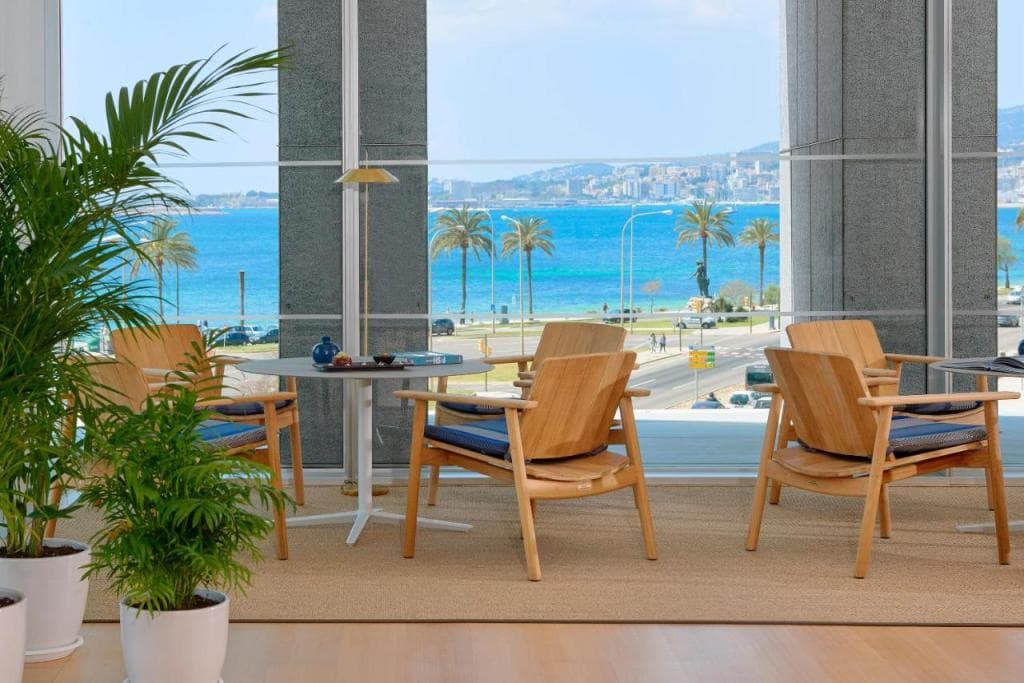 Palma de Mallorca264 rooms


 Old Town45 rooms
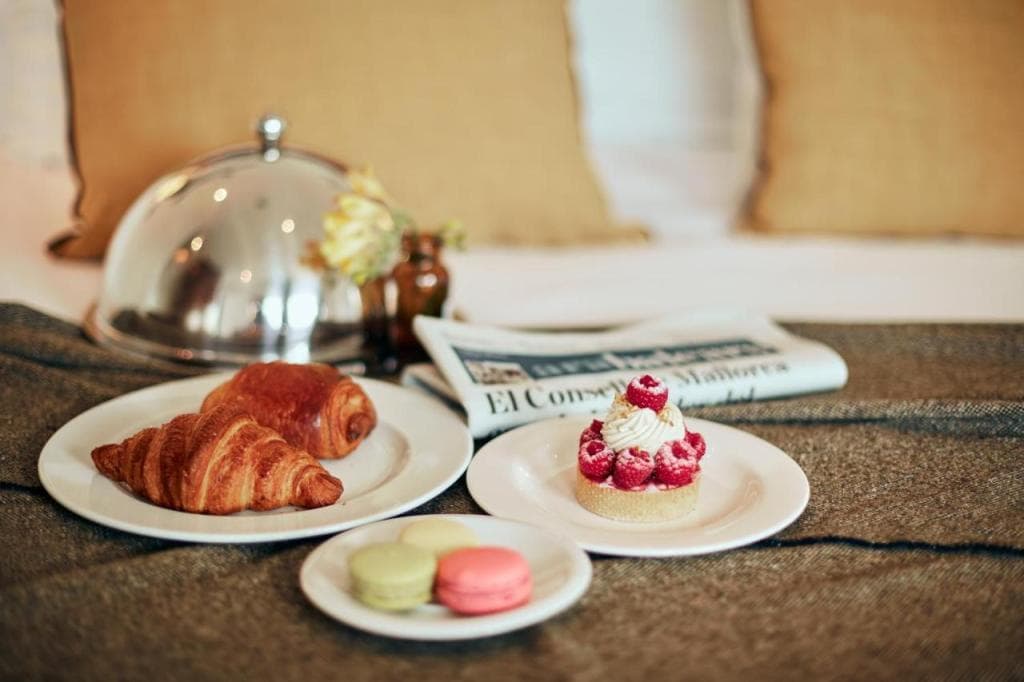
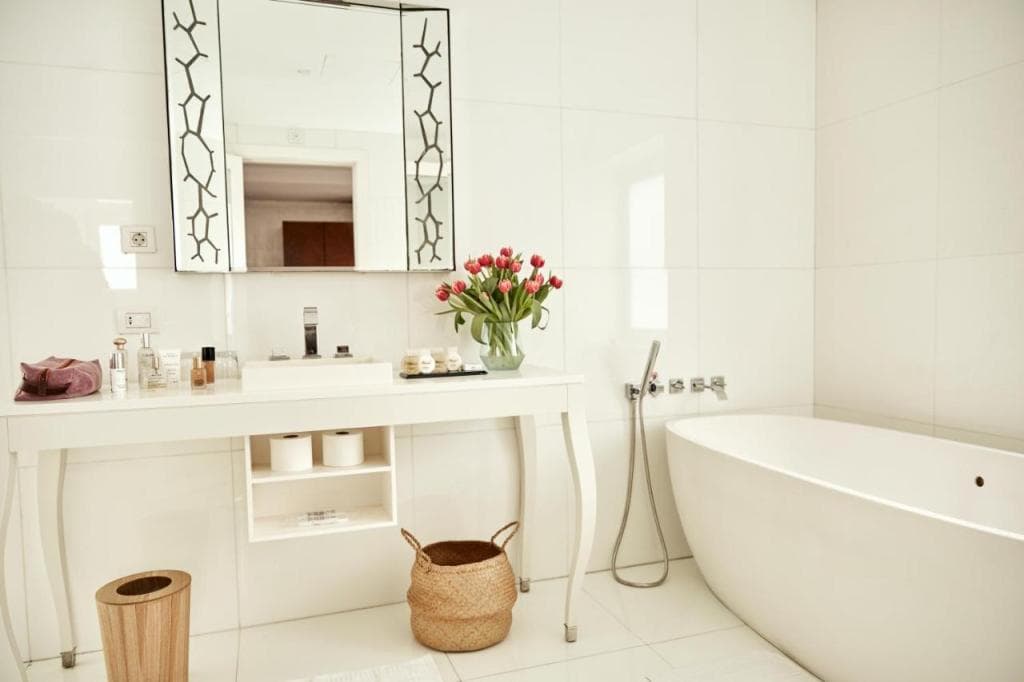
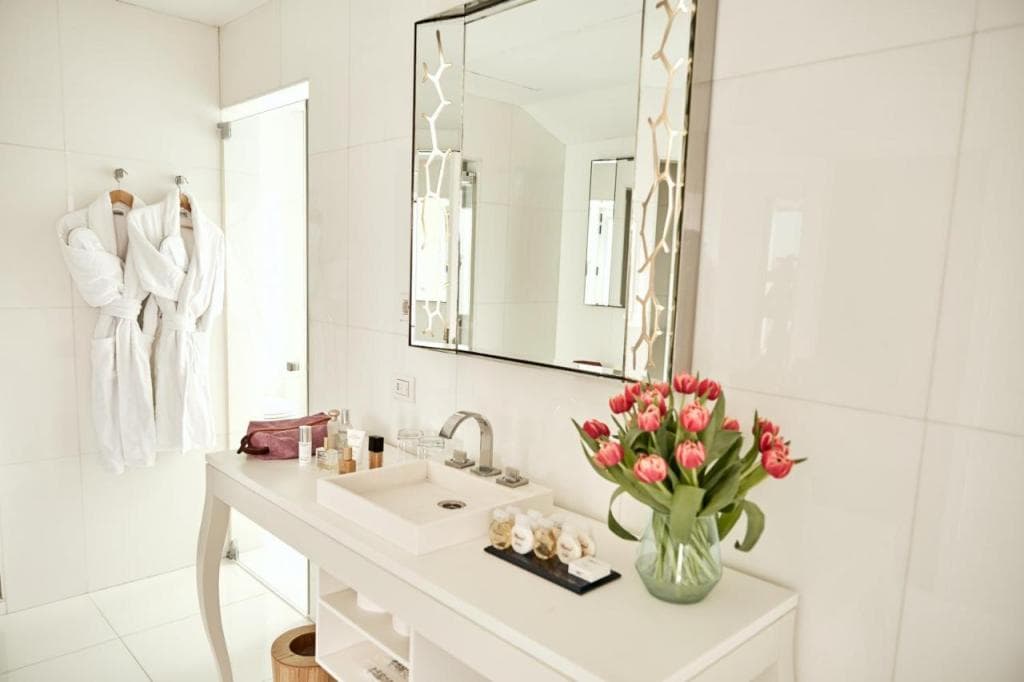
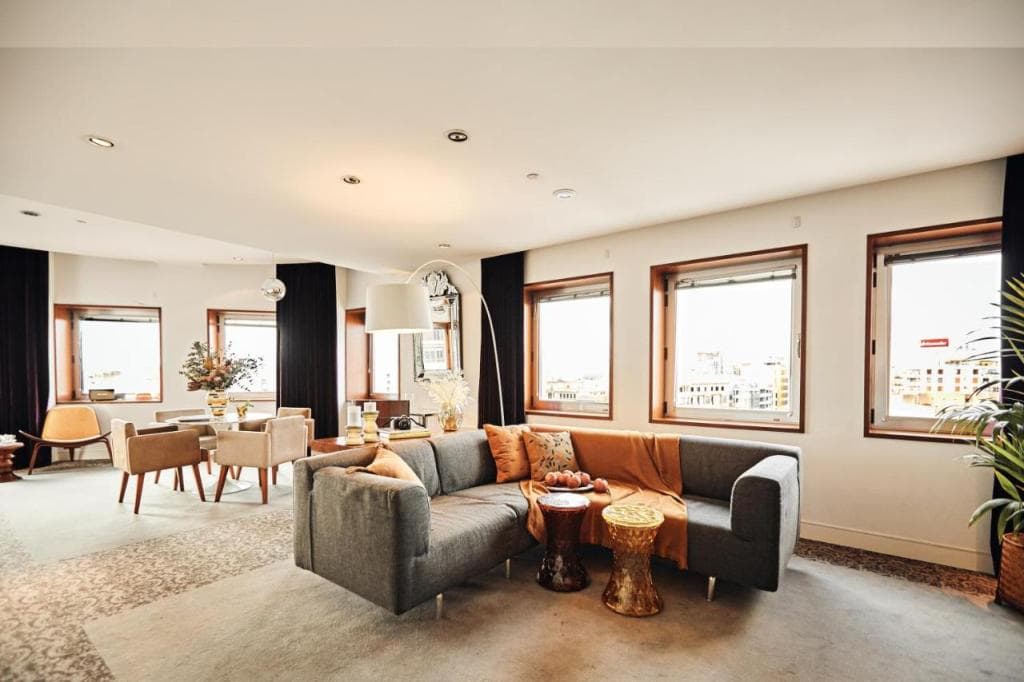
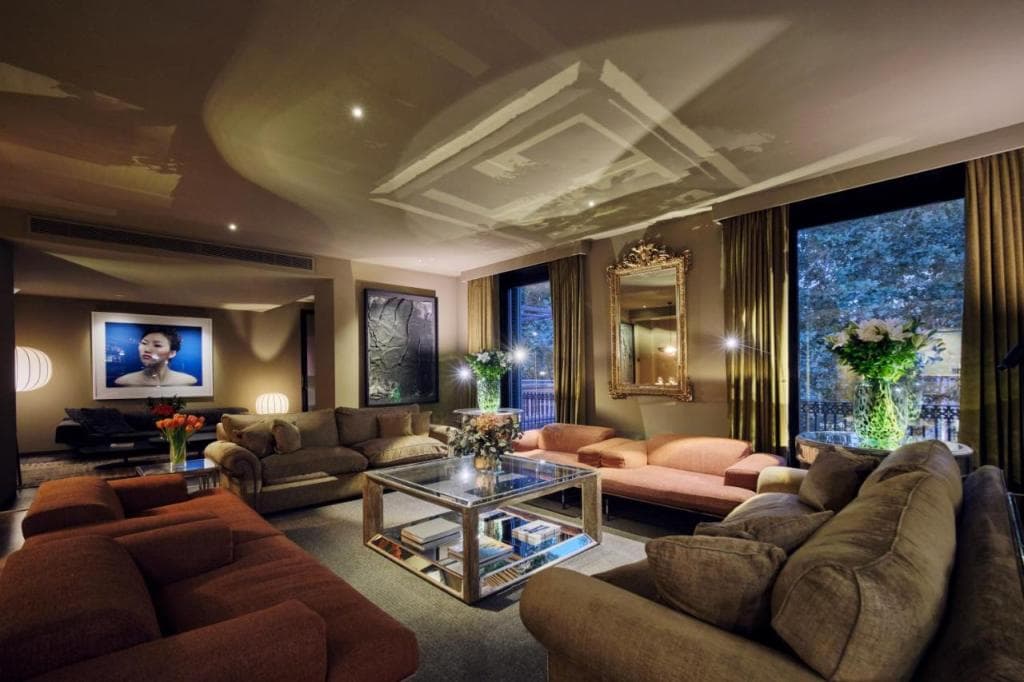
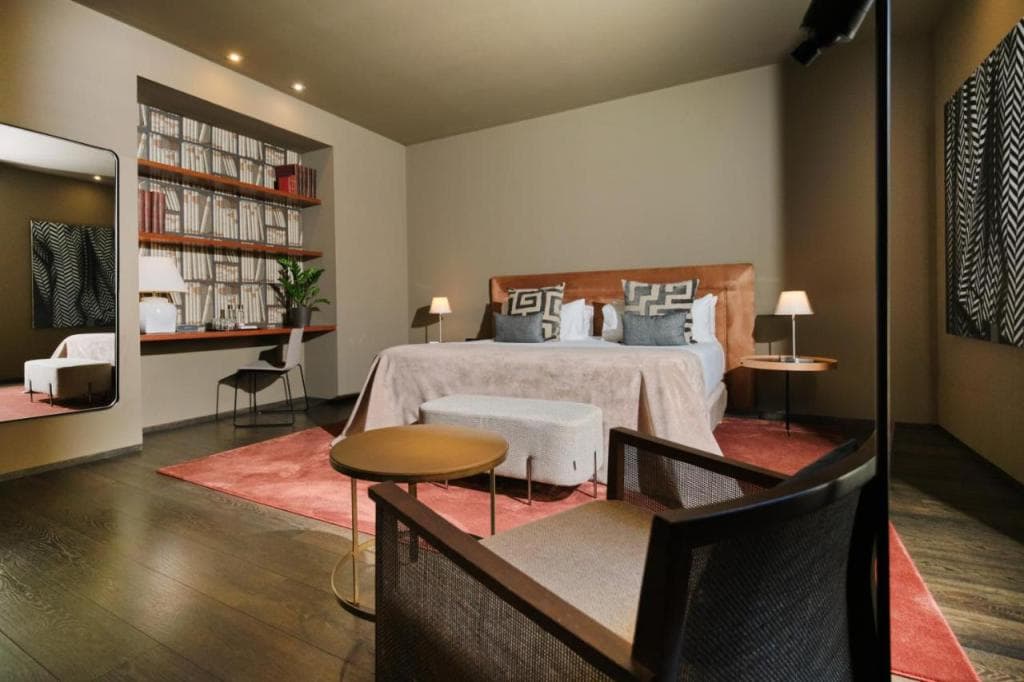
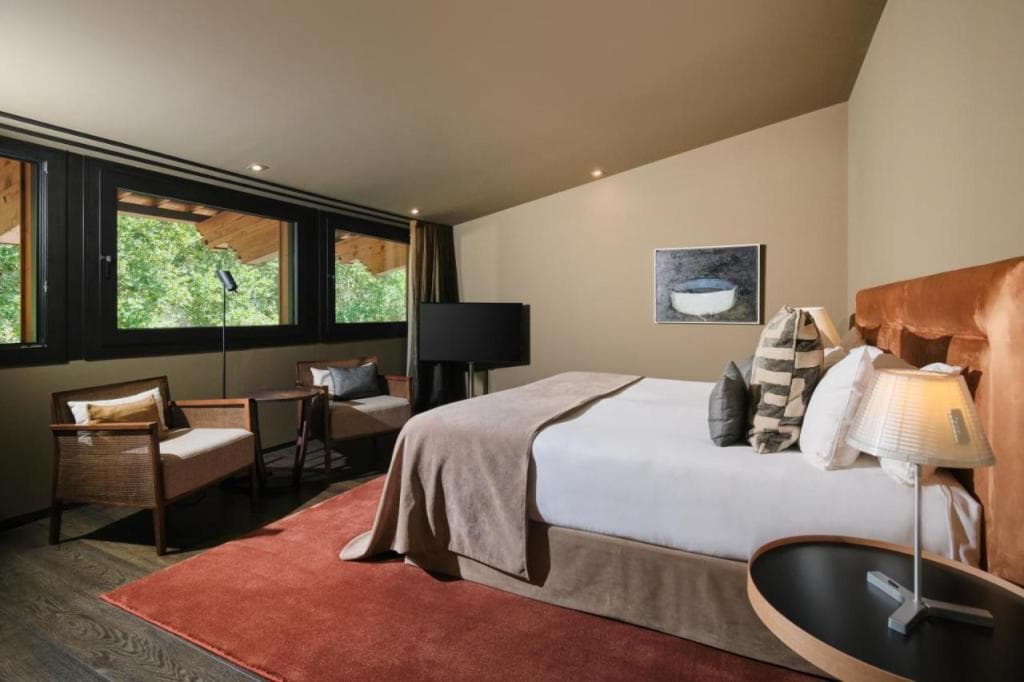
Nobis Hotel Palma, a Member of Design Hotels has a fitness center, terrace, a restaurant and bar in Palma de Mallorca. This 5-star hotel offers room service, a 24-hour front desk and free WiFi. The pr


 Old Town27 rooms
Set in Palma’s old town, Palma Suites offers modern, air-conditioned suites with a fully equipped kitchen and free WiFi. It features a roof terrace and a gym. Featuring Nordic-style dècor, each suite
Results 1 - 20
Palma has built its reputation on a quiet, confident inclusivity rather than a single concentrated district. Same-sex couples are a familiar presence on café terraces in Plaça Major, on the marina promenade and across the beach clubs of Platja de Palma. Choosing a gay-friendly hotel here means landing somewhere where staff are used to welcoming LGBTQ+ guests without fuss, whether you book a restored townhouse near the cathedral or a contemporary seafront property.
The selection covers historic palaces converted into intimate boutique hotels, design-led addresses in Santa Catalina and larger resorts close to the gay beach. Many are walkable to nightlife, dining and the old harbour, making it easy to plan a stay around culture, sea and socialising.
The heart of the gay scene sits between the Old Town and the seafront. In the centre, a cluster of bars and cocktail venues animates the streets around Plaça del Mercat and Avenida Joan Miró, the latter known locally as the gay strip with its mix of cabaret bars, lounges and late-night terraces. Expect a crowd that is mostly local and Northern European, switching easily between Spanish, Catalan, English and German.
By day, attention shifts to Playa de Palma, where Balneario 6 anchors the gay beach. Sunbeds, music and a steady flow of regulars create a sociable but unhurried atmosphere from late spring to October. Santa Catalina, west of the centre, adds another dimension with its food market, natural-wine bars and small plates restaurants popular with queer locals.
Beyond the scene, Palma rewards slow exploration. The Gothic cathedral of La Seu dominates the bay, with its Gaudí-modified interior and rose window catching the morning light. Next door, the Royal Palace of La Almudaina recalls the city's Moorish past, while the Arab Baths and the courtyards of Carrer Sant Feliu reveal a layered Mediterranean history.
For art, the Es Baluard contemporary museum and the Joan Miró Foundation offer a strong counterpoint to the historic centre. Cyclists and walkers can follow the Paseo Marítimo around the bay, and a short drive leads to the villages of the Tramuntana mountains, the calas of the east coast or the vineyards inland.
Palma works almost year-round. Spring and early autumn bring warm light, manageable crowds and ideal temperatures for combining city walks with beach afternoons. The summer high season concentrates energy along Playa de Palma and the marina, while Mallorca Pride, held in the city in early summer, anchors a programme of parties, concerts and cultural events that fills boutique hotels quickly.
Winter remains mild and quietly elegant, perfect for long lunches in Santa Catalina, museum visits and weekend escapes when the island slows down and Old Town hotels feel particularly intimate.