Exceptional — 10/10




 Provincetown
 11 rooms
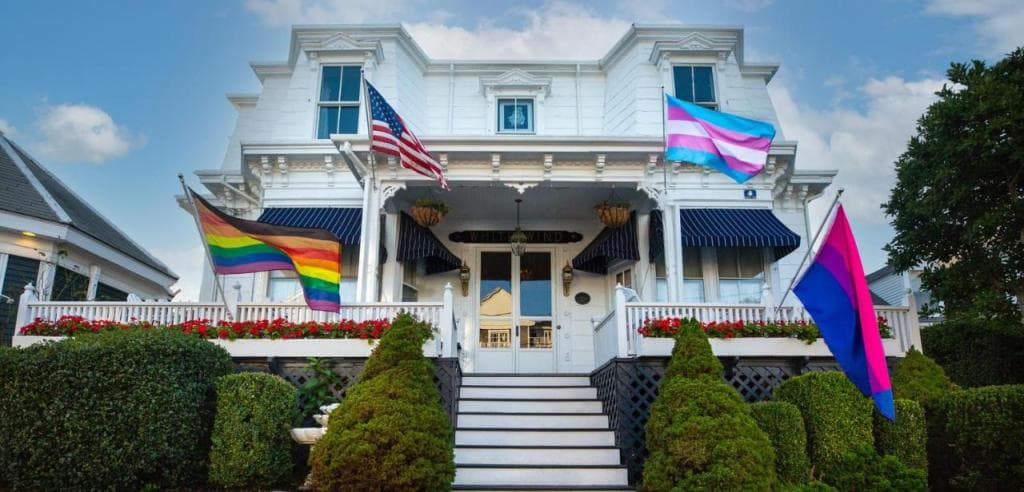
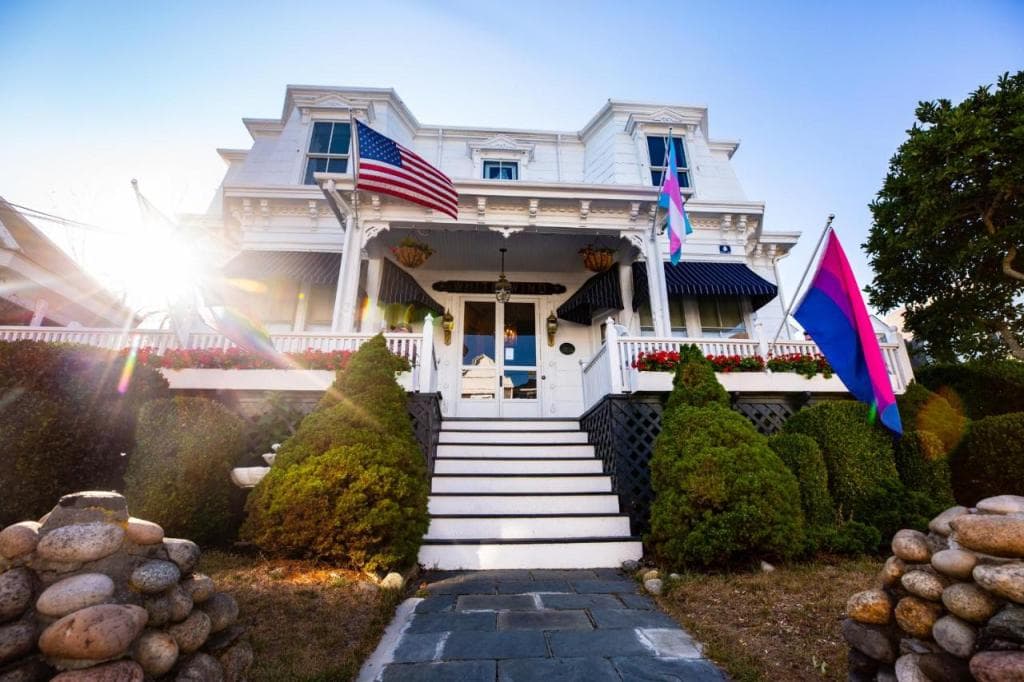
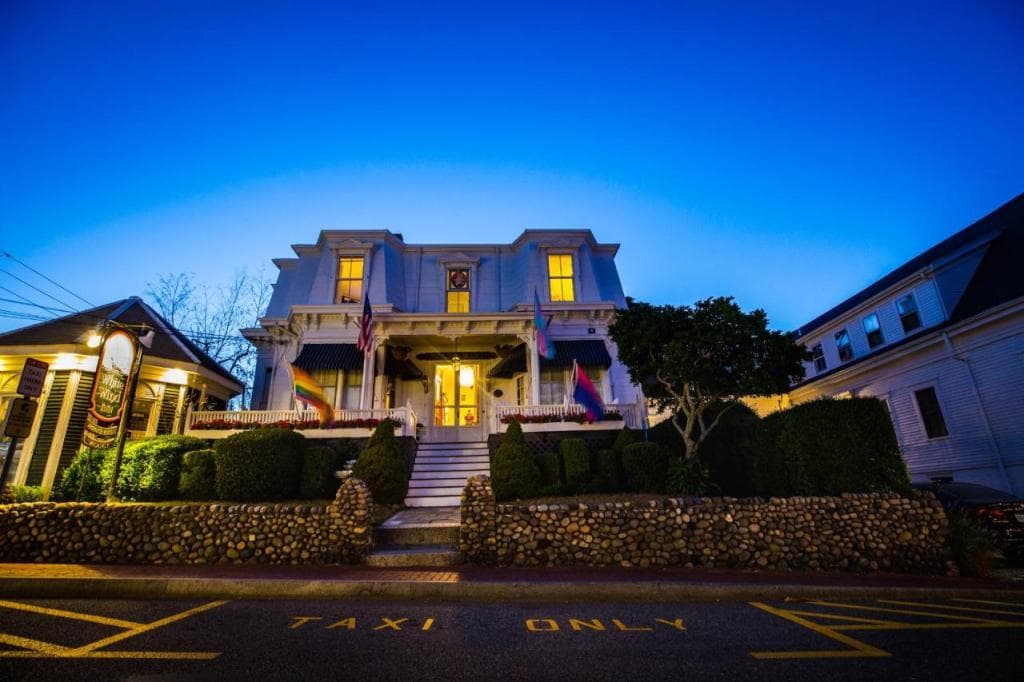
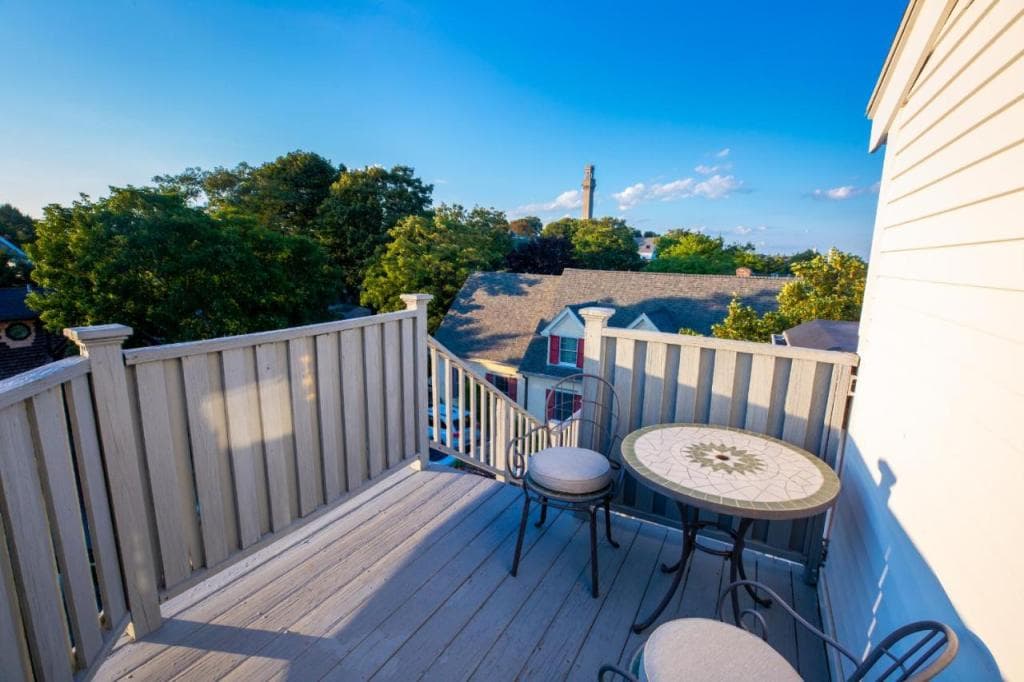
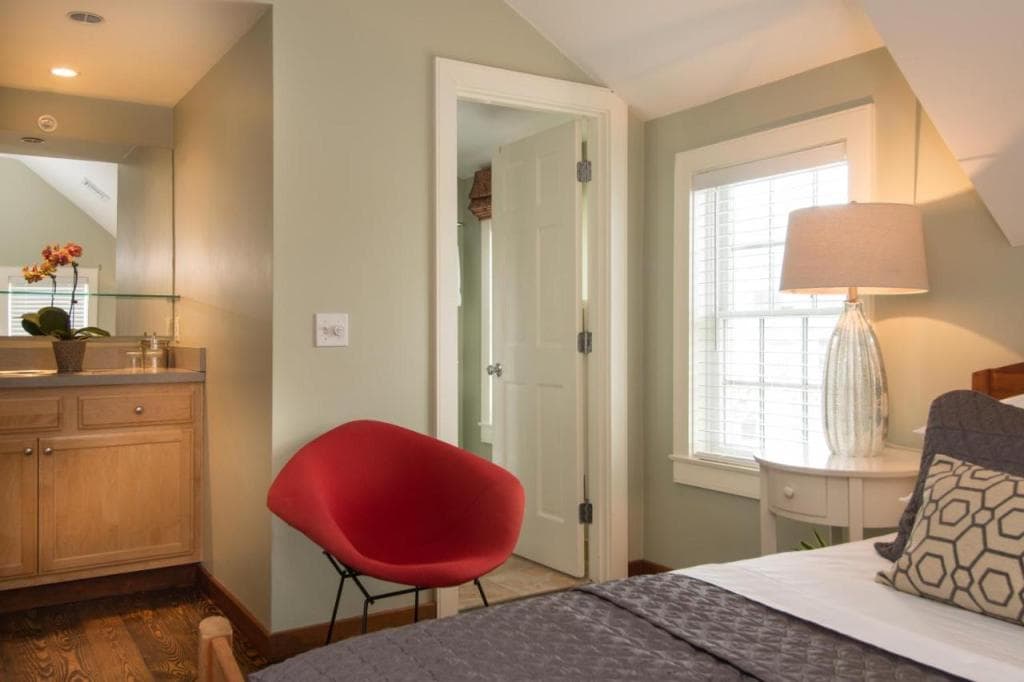
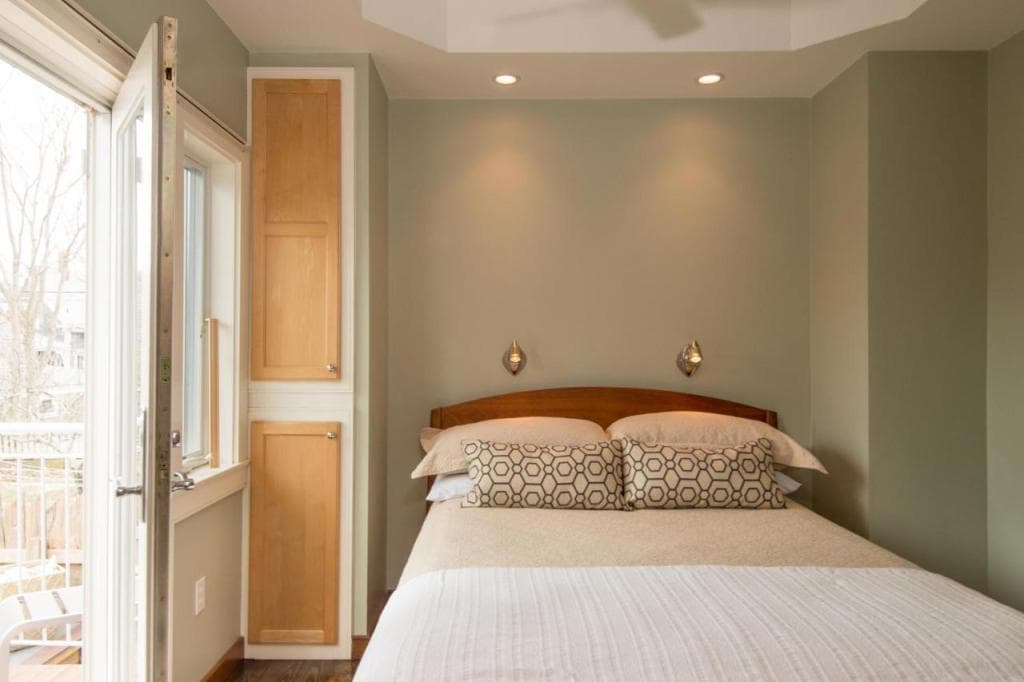
## Historic Setting Brasswood Inn in Provincetown offers a unique stay within a historic building. The property is adults-only and features air-conditioning, private bathrooms, and free WiFi in publi

 Provincetown11 rooms
## Historic Setting Brasswood Inn in Provincetown offers a unique stay within a historic building. The property is adults-only and features air-conditioning, private bathrooms, and free WiFi in publi
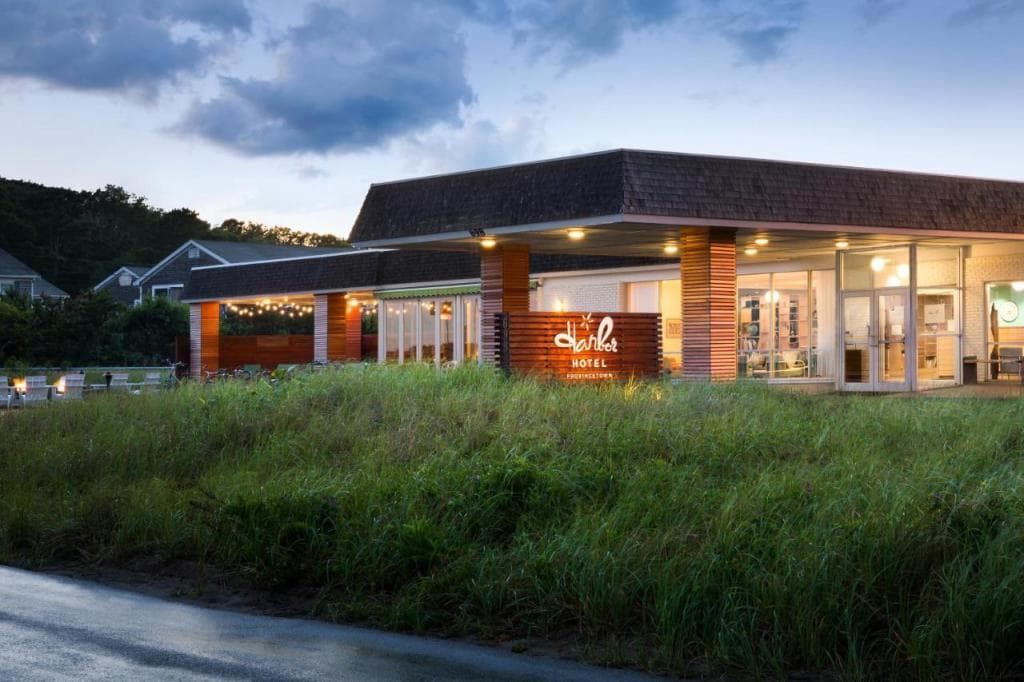




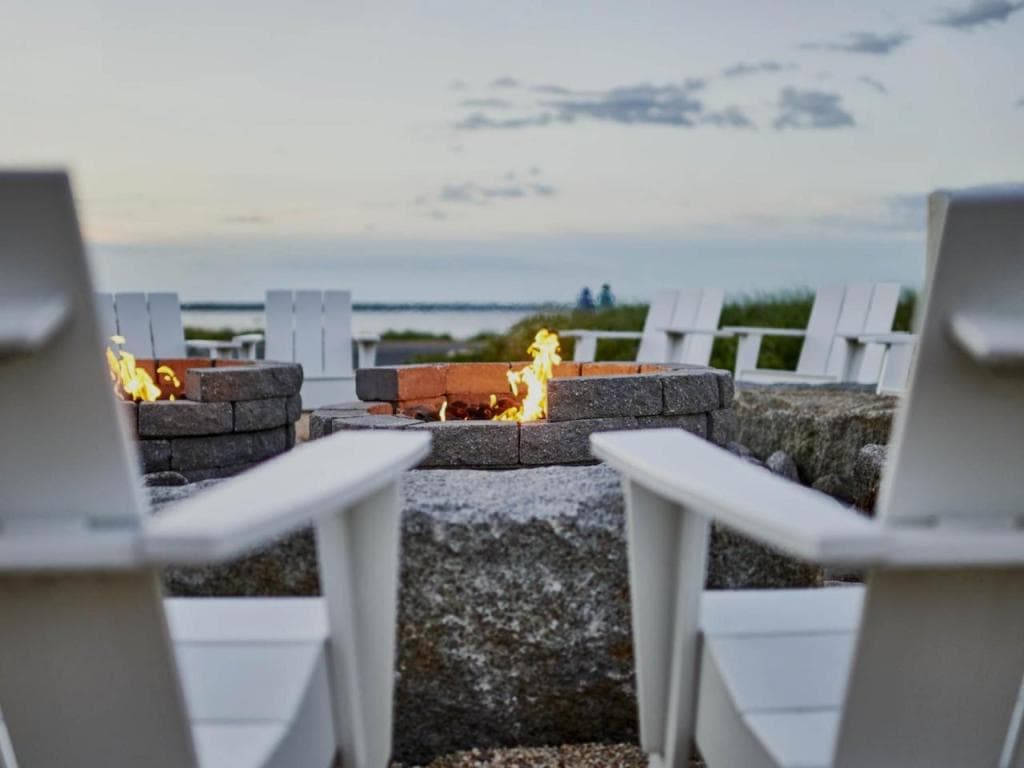
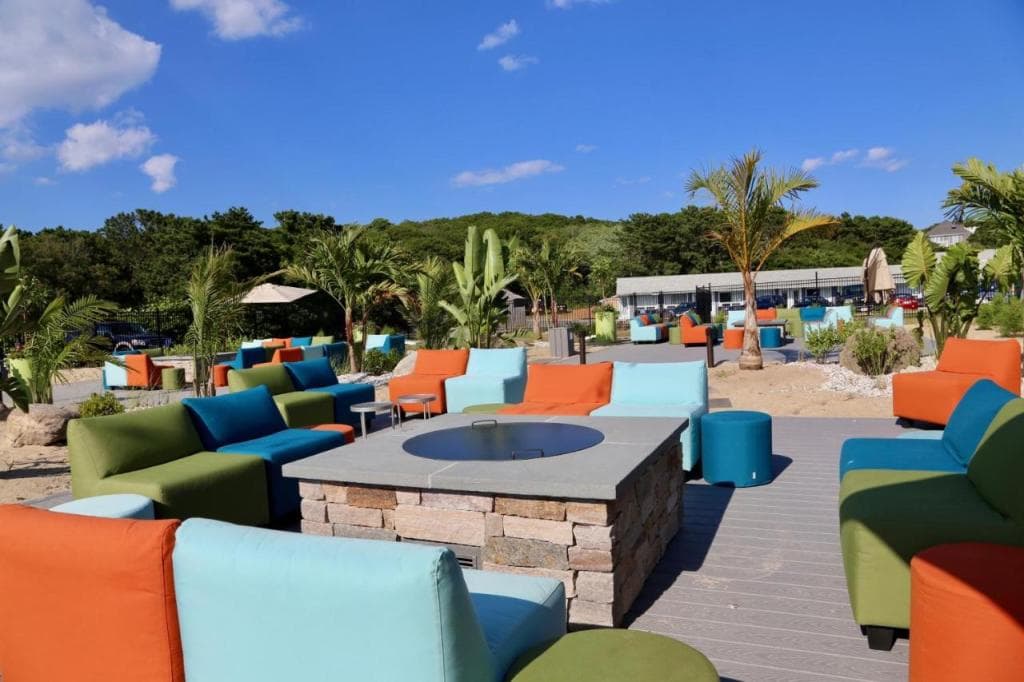 Provincetown106 rooms
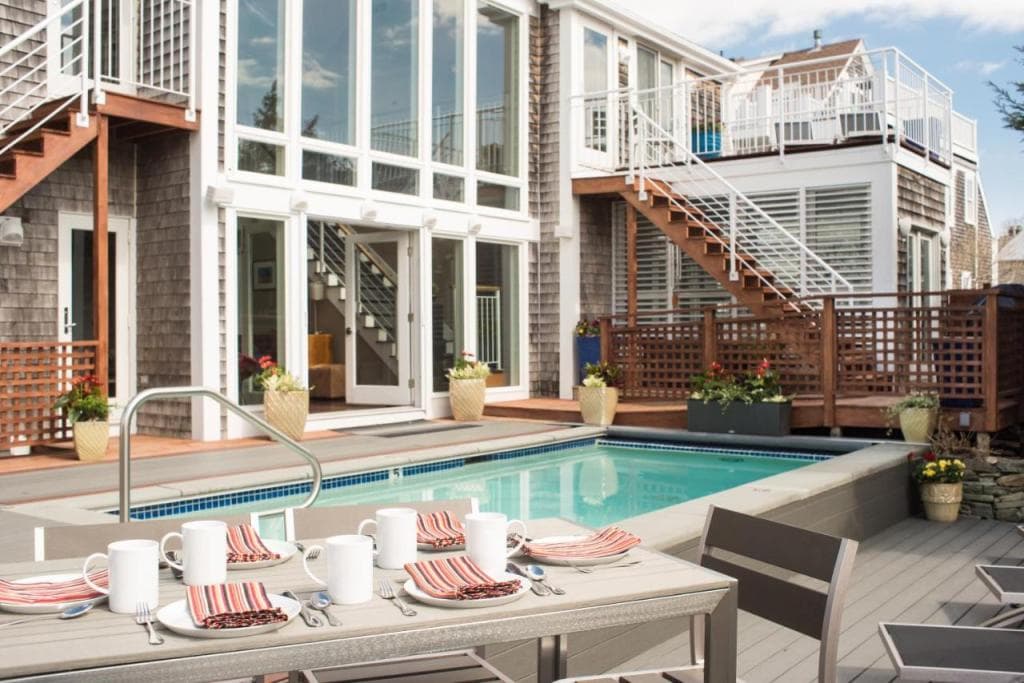
Overlooking Cape Cod Bay, this hotel in historic Provincetown features an outdoor pool with poolside bar and rooms with a flat-screen TV. Pilgrim Monument is 5 minutes’ drive away. The modern rooms a
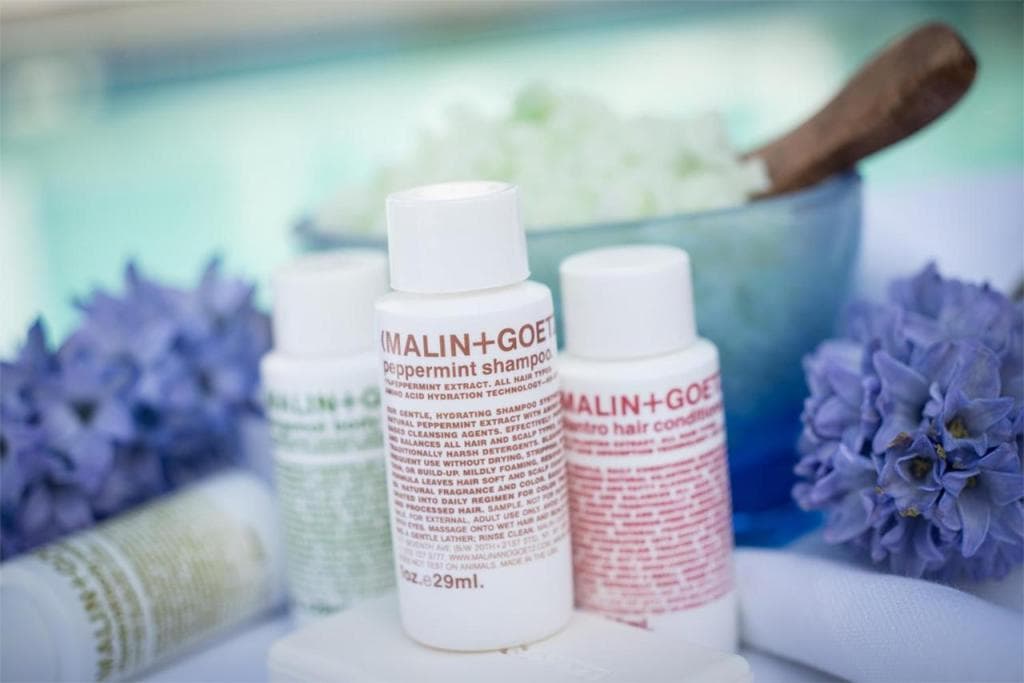
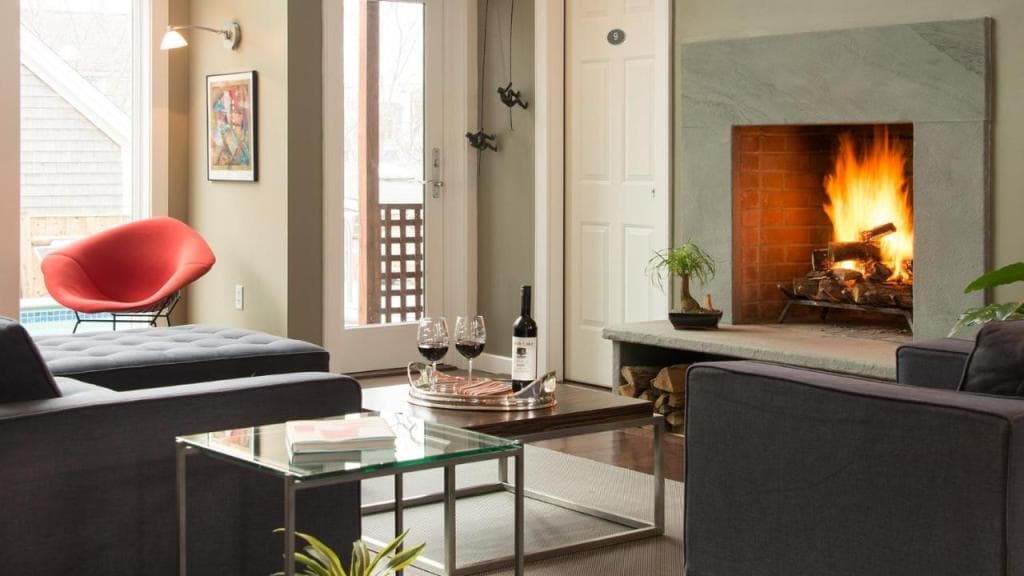
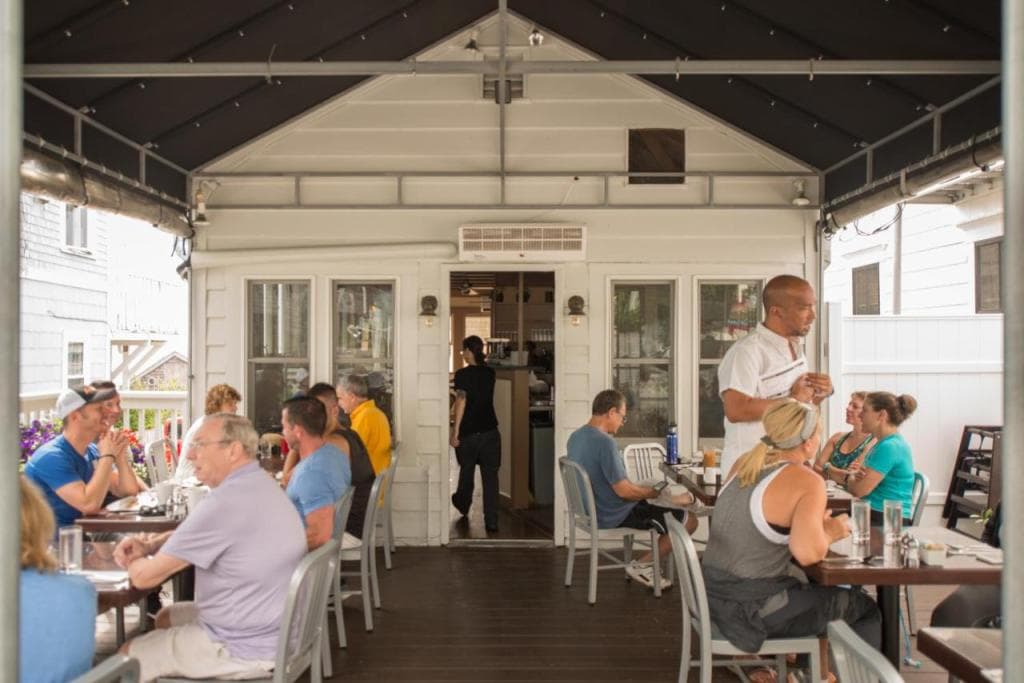
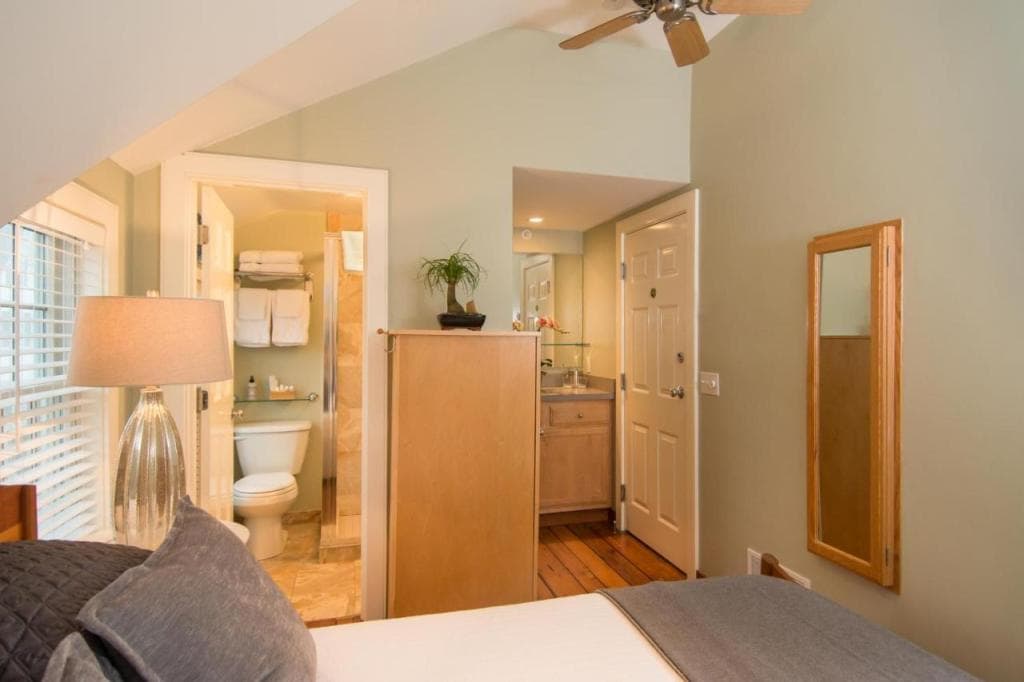

 ProvincetownProvincetown


 Provincetown37 rooms
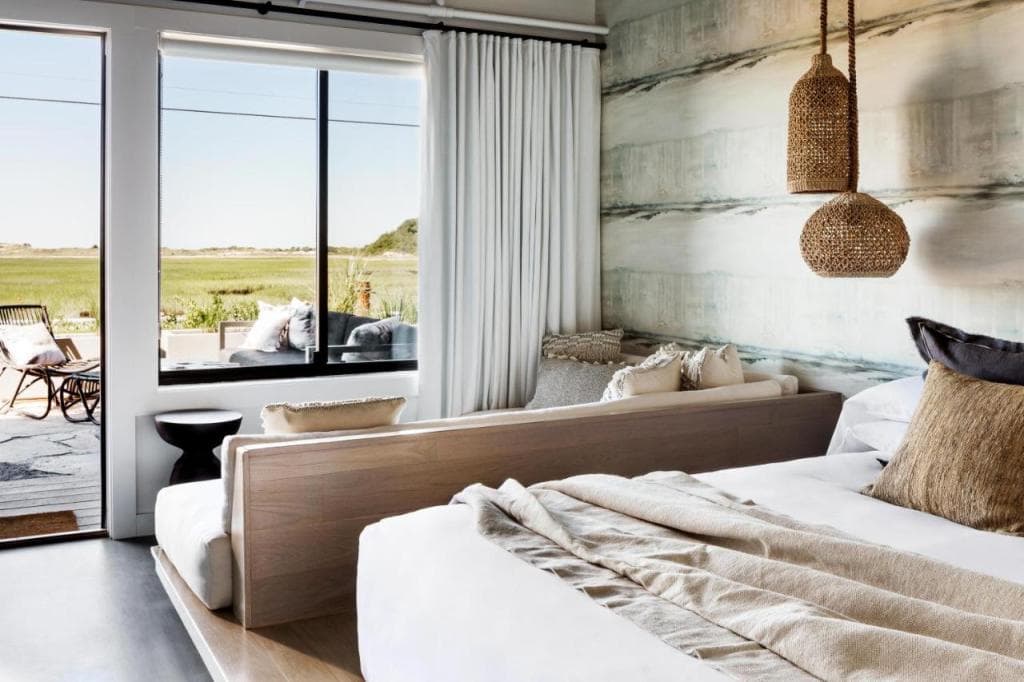
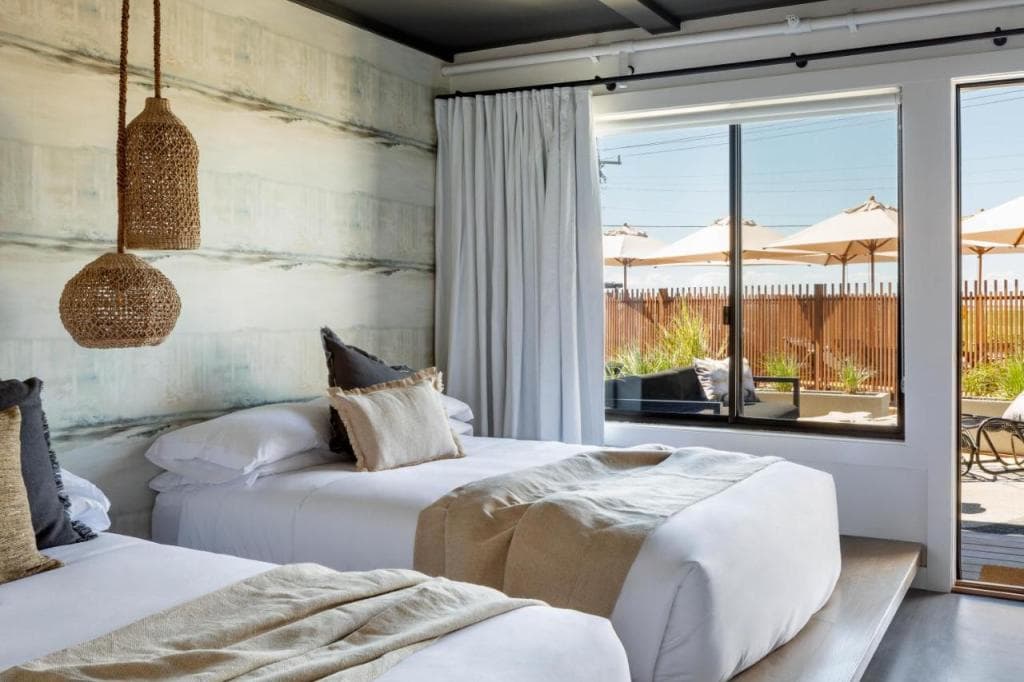
Located 4 minutes’ drive from Herring Cove Beach on the Cape Cod National Seashore, this resort is 5 minutes’ walk to Providencetown city center. This adult's only accommodations offers spa services,




 Provincetown26 rooms
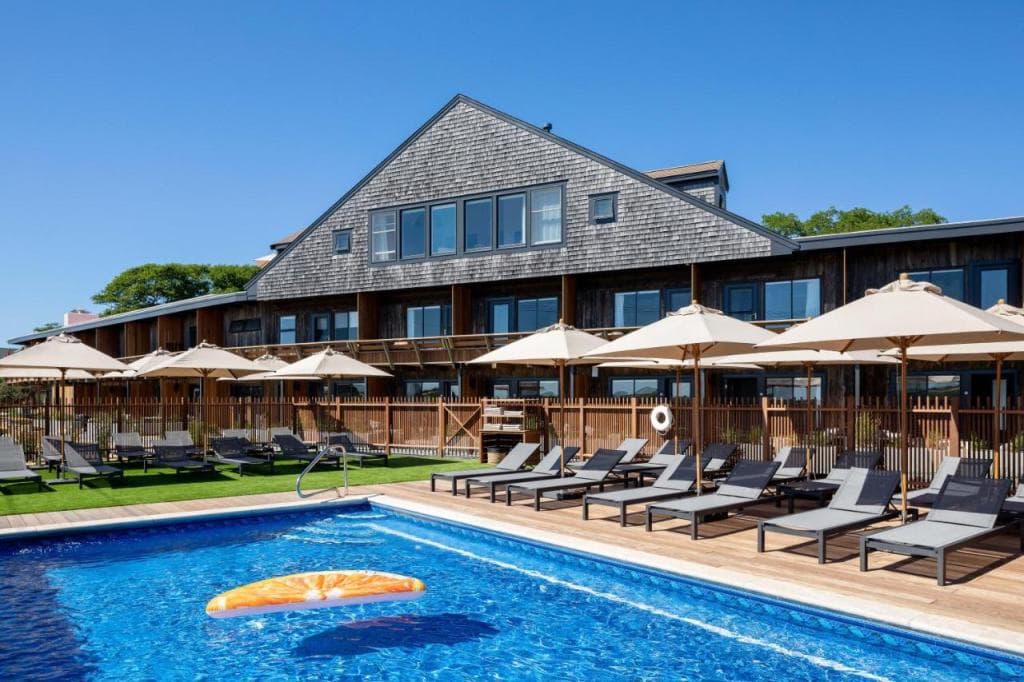
Located in Cape Cod, this Provincetown accommodations is 1 mile from Herring Cove Beach and is 10 minutes’ drive from Provincetown Municipal Airport. Guests at AWOL Hotel Provincetown can enjoy swimm


 Provincetown20 rooms
## Elegant Accommodations The Gaslamp Bed and Breakfast in Provincetown offers an adults-only retreat with a sun terrace, garden, and free WiFi. Private check-in and check-out services ensure a seaml



 Provincetown24 rooms
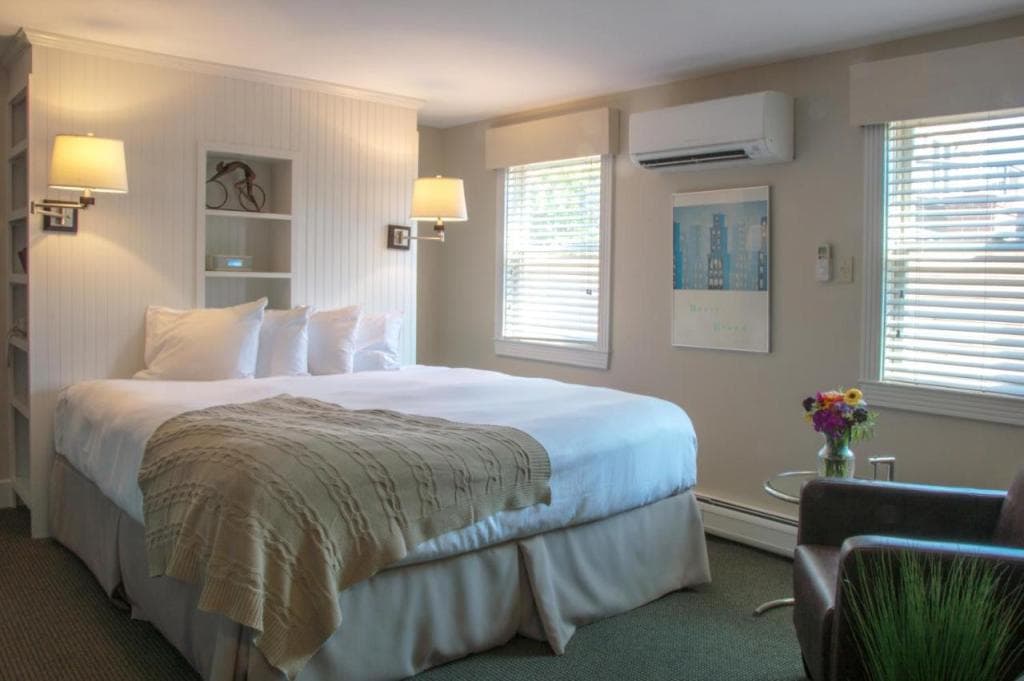
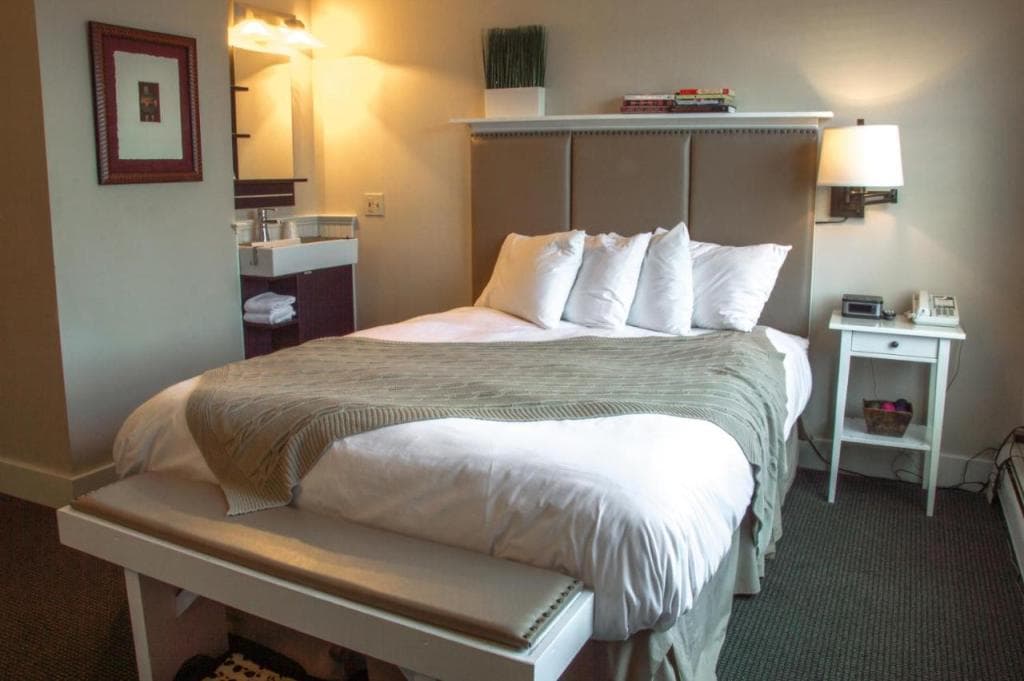
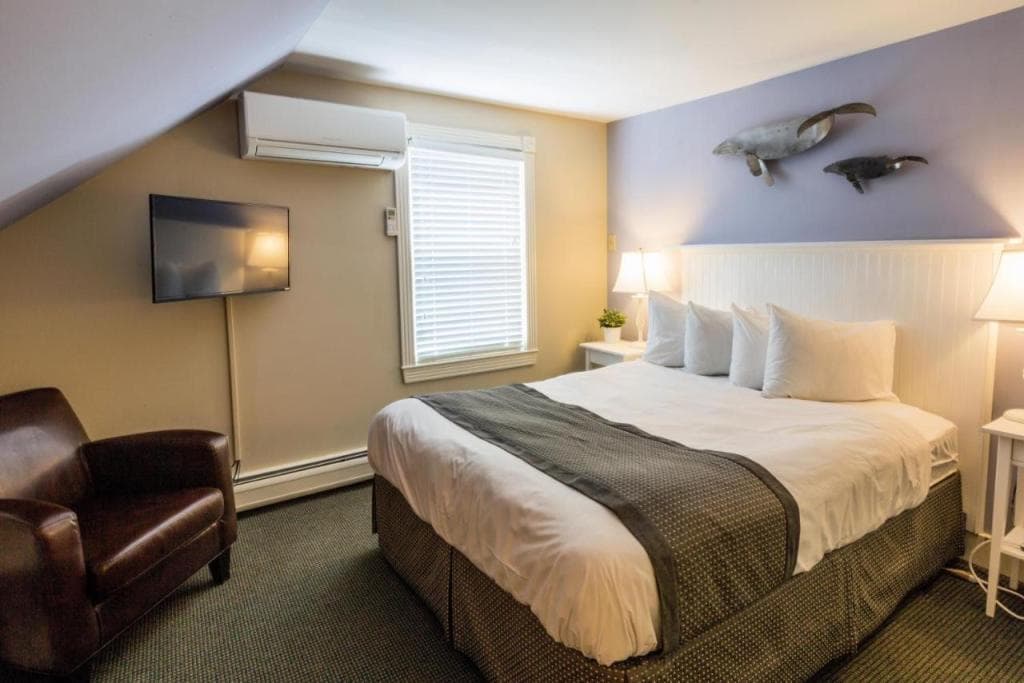
Pilgrim House is located in Provincetown. Free Wi-Fi access is available is all rooms. Beach towels and loungers (surcharge) are available to guests. Rooms here will provide you with air conditioning


 Provincetown17 rooms
## Comfortable Accommodations The Provincetown Hotel at Gabriel's in Provincetown offers family rooms with air-conditioning, private bathrooms, and modern amenities. Each room includes a tea and coff


 Provincetown28 rooms
Located on Cape Cod, this Provincetown, adults-only inn is less than 2 miles from Herring Cove Beach and offers on-site facilities like a sauna, full-service spa and hot tub. A breakfast buffet is ser
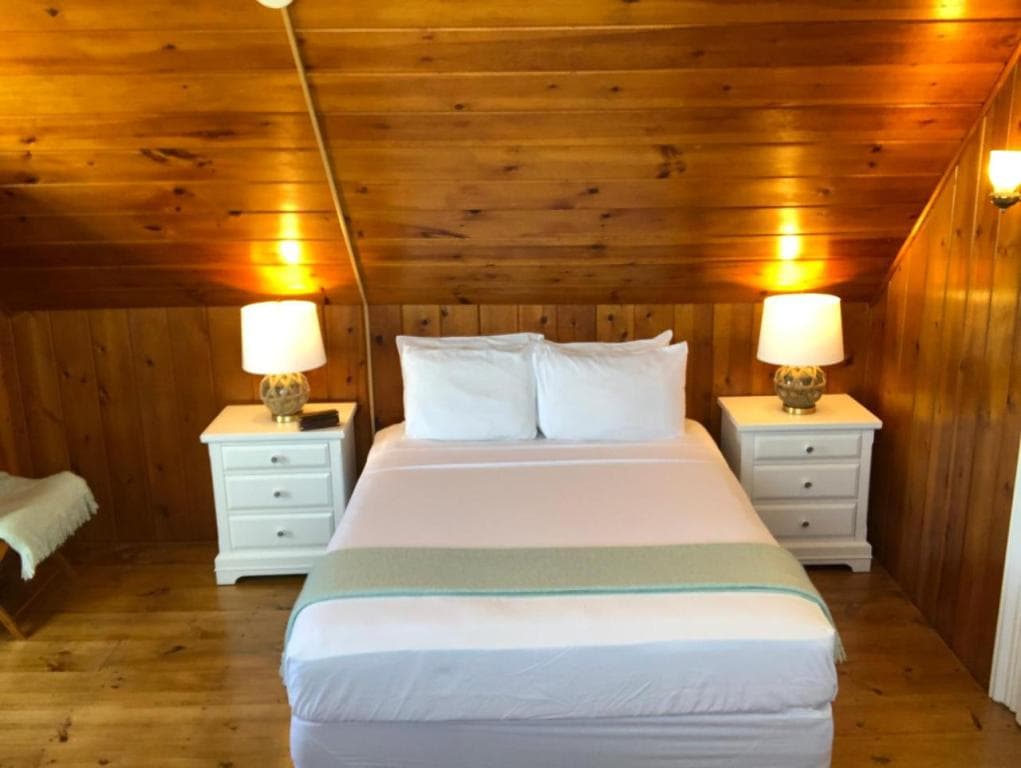


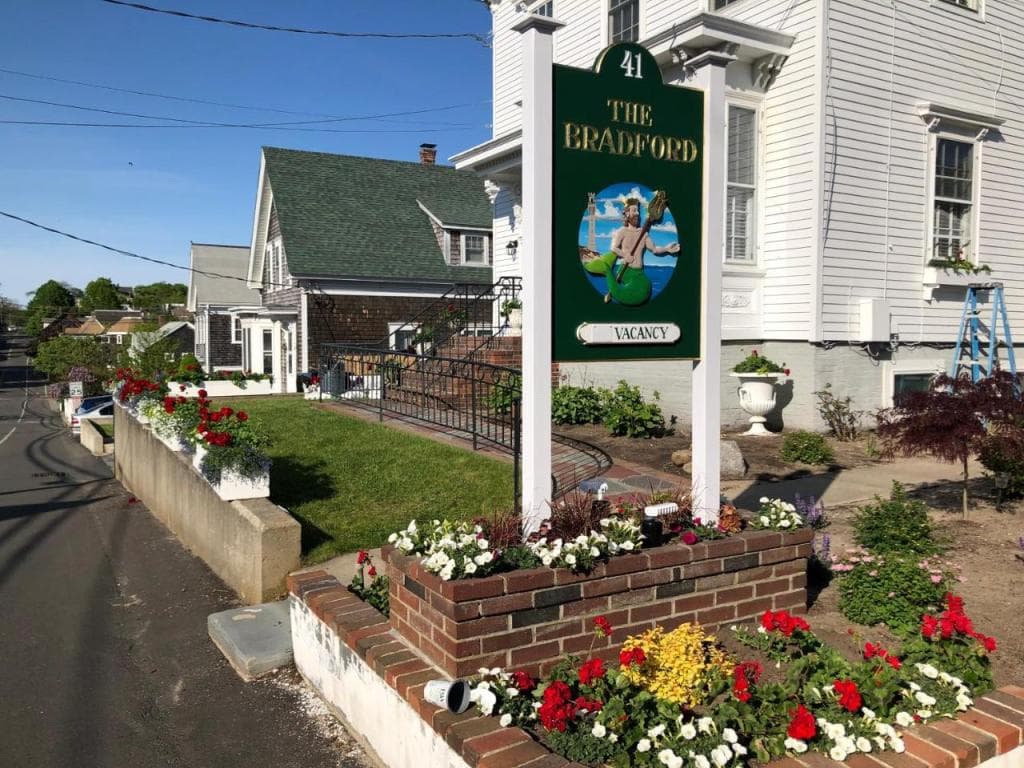

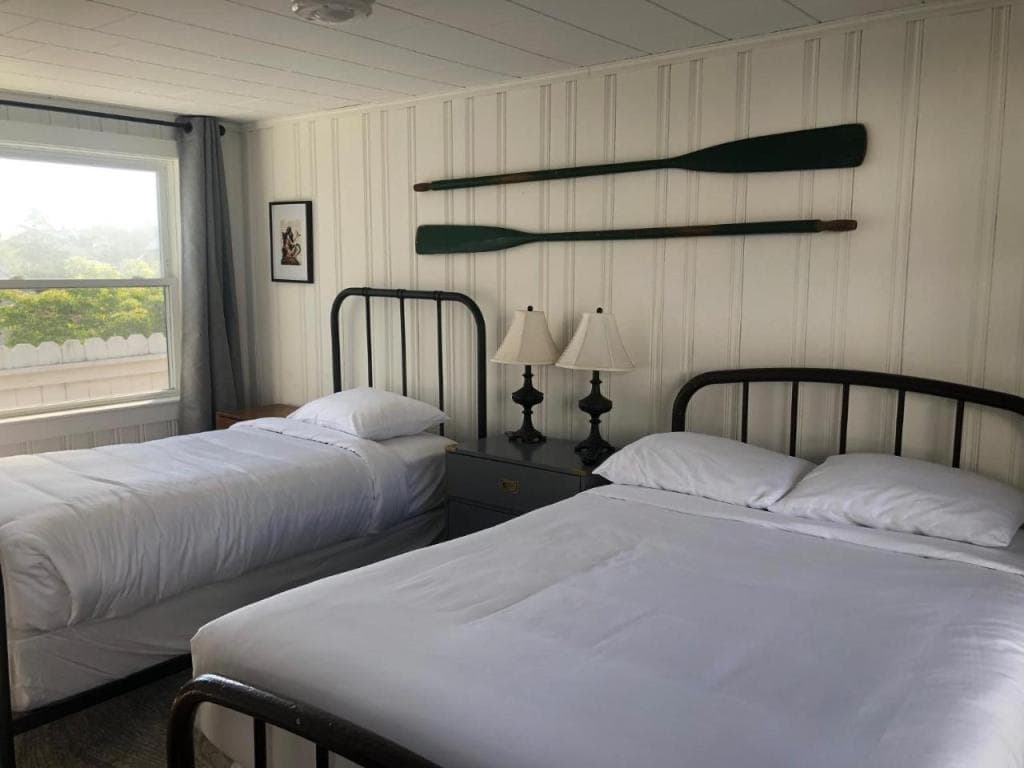

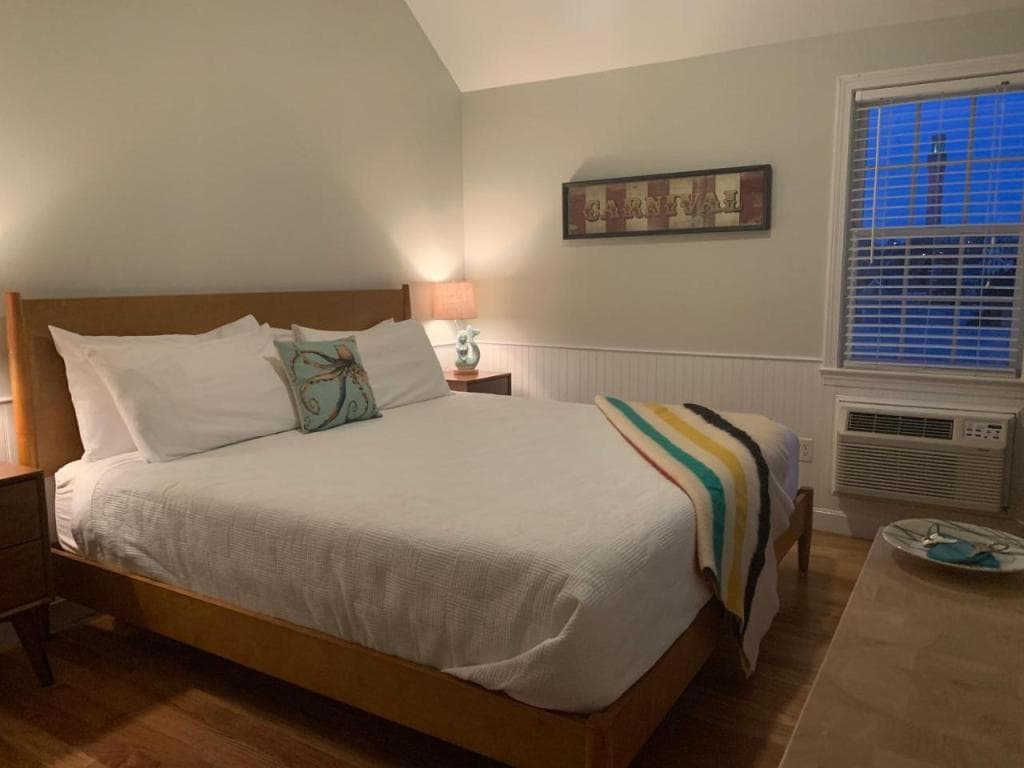 Provincetown21 rooms
## Comfortable Accommodations The Bradford in Provincetown offers family rooms with private bathrooms, air-conditioning, and sea views. Each room includes a balcony, kitchen, and free WiFi. ## Relax


 Provincetown81 rooms
This waterfront property in Provincetown features private beach access and an outdoor heated pool. Surrounded by various shops and art galleries, the hotel is less than 1 mile from the center of town.…
Results 1 - 12
Provincetown is small enough that nearly the entire town functions as a welcoming space for gay travelers. Commercial Street is the heart of the action, stretching through the town center and lined with shops, restaurants, guesthouses, and bars. The East End of Commercial Street tends to be quieter and more residential, popular with couples seeking a relaxed stay near art galleries. The West End, closer to the breakwater and Herring Cove Beach, has a laid-back, community feel with many long-standing guesthouses that cater specifically to gay guests. The North of Commercial Street area, near Bradford Street, offers easy access to the town center while being slightly removed from the busiest nightlife.
Many travelers prefer staying within walking distance of Commercial Street so they can easily reach restaurants, tea dances, and beaches without needing a car. Guesthouses throughout town range from simple and budget-friendly to more polished boutique properties, and most have served the gay community for years.
Provincetown has a distinct seasonal rhythm. The peak season runs from June through September, when the weather is warmest and the town is at its liveliest. Specific weeks throughout the summer are dedicated to different segments of the community, including Bear Week in July, Girl Splash (also known as Women’s Week events in June), Family Week in late July, and Women’s Week in October, which draws thousands of visitors for parties, performances, and social events. Provincetown Carnival, held in mid-August, is the town's largest annual celebration, featuring a themed parade through Commercial Street and week-long festivities. For travelers who prefer a quieter visit, late spring (May) and early fall (late September to October) offer mild weather with fewer crowds, though many businesses reduce their hours after Columbus Day. Winter is very quiet, with a significant number of hotels and restaurants closing until spring.
Massachusetts has strong legal protections for gay residents and visitors, including non-discrimination laws covering public accommodations, employment, and housing based on sexual orientation and gender identity. Same-sex marriage has been legal statewide since 2004. Provincetown itself has a long history as a haven for the gay community, and the town's economy and identity are closely tied to this legacy, making it one of the safest and most openly welcoming destinations in the United States. Public displays of affection between same-sex couples are common and widely accepted throughout town. As with any travel destination, it's sensible to stay aware of your surroundings, particularly late at night, though Provincetown's small size and walkable layout contribute to a generally secure environment for visitors.
When selecting accommodation, consider proximity to Commercial Street if you want easy access to nightlife and restaurants without driving. Decide whether you prefer a guesthouse with a social, communal atmosphere (many have shared decks, pools, or clothing-optional sundecks) or a more private boutique hotel experience. Check whether the property is open during your travel dates, since many smaller guesthouses close for the winter season. If you're visiting during a themed week like Bear Week or Carnival, book well in advance, as rooms fill quickly and prices rise during peak events. Reading recent guest reviews can also help confirm a property's current atmosphere and how well it suits solo travelers, couples, or groups.
Provincetown's nightlife centers around a handful of well-known venues along or near Commercial Street, including bars offering tea dances, drag shows, cabaret performances, and dance floors that draw crowds throughout the summer season. Tea dance, a long-standing Provincetown tradition, typically happens in the early evening and serves as a social gathering point before dinner. Beyond nightlife, the town supports a range of community spaces, including LGBTQ+-owned bookshops, art galleries, and beaches like Herring Cove that serve as informal daytime gathering spots. The Provincetown Business Guild also promotes local events and resources for visitors looking to connect with the community during their stay.
Yes, Provincetown is widely considered one of the safest and most welcoming destinations for gay travelers in the United States. The town has a long-established gay community, strong local support, and Massachusetts has statewide legal protections against discrimination based on sexual orientation and gender identity.
Summer, from June through September, hosts most themed events including Girl Splash in June, Bear Week in July, Family Week in late July, and Provincetown Carnival in mid-August. Women’s Week in October is another major gathering. Each event draws a specific segment of the community and has its own atmosphere.
Yes, public displays of affection between same-sex couples are common and widely accepted throughout Provincetown, reflecting the town's long history as a welcoming space for the gay community.
Provincetown's town center is very walkable, with most guesthouses, restaurants, bars, and shops located along or near Commercial Street. Many visitors don't rent a car and instead walk, bike, or use local shuttle services during their stay.
The West End near Herring Cove Beach has a relaxed, community-oriented feel with many longtime guesthouses. The East End is quieter and closer to art galleries, while staying near central Commercial Street puts you closest to nightlife and restaurants.
Yes, Provincetown has several well-known bars and venues offering tea dances, drag shows, cabaret, and dancing, most located along or near Commercial Street. Tea dance is a long-standing local tradition that typically takes place in the early evening.
Provincetown is highly seasonal. Peak season runs from June through September, with many businesses and guesthouses closing or reducing hours during the winter months from November through April.
Bear Week is an annual gathering held in mid-July that draws visitors from the bear community for parties, social events, and gatherings throughout town. It is one of Provincetown's most popular themed weeks.
Many guesthouses in Provincetown have historically been owned and operated by members of the gay community, and the town's hospitality industry has long catered specifically to gay and lesbian travelers.
Massachusetts has statewide non-discrimination laws covering sexual orientation and gender identity in public accommodations, employment, and housing. Same-sex marriage has been legal in the state since 2004.
Yes, Provincetown is a popular destination for solo travelers due to its walkable size, active social calendar, and welcoming community atmosphere, making it easy to meet people and join in local events.
Herring Cove Beach, located near the West End, is a popular gathering spot for the gay community, particularly during summer months, and is known for its relaxed, social atmosphere.
Yes, it's recommended to book well ahead of themed weeks like Bear Week, Girl Splash, and Carnival, since accommodations fill quickly and prices typically rise during these high-demand periods.
Yes, Provincetown hosts an annual Family Week in late July specifically for gay parents and their children, alongside a generally welcoming environment for families throughout the summer season.
Late spring and early fall offer milder weather with fewer crowds, though many guesthouses, restaurants, and shops reduce hours or close entirely between November and April, so it's important to check availability before planning an off-season trip.