Superb — 8.7/10




 Siena
Siena 105 rooms
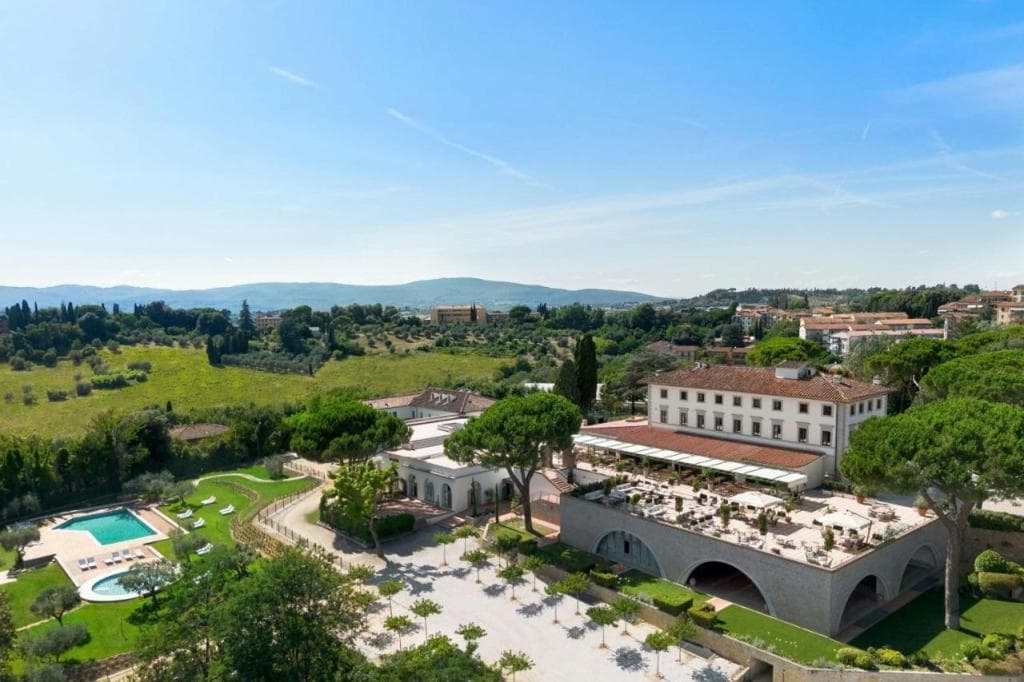
Villa Ermellina Siena, a Tribute Portfolio Hotel, is a 15-minute walk from Porta Camollia, the ancient city gate. It offers an outdoor pool and a buffet breakfast served on the terrace. Rooms at the

 Siena105 rooms
Villa Ermellina Siena, a Tribute Portfolio Hotel, is a 15-minute walk from Porta Camollia, the ancient city gate. It offers an outdoor pool and a buffet breakfast served on the terrace. Rooms at the


 Siena14 rooms
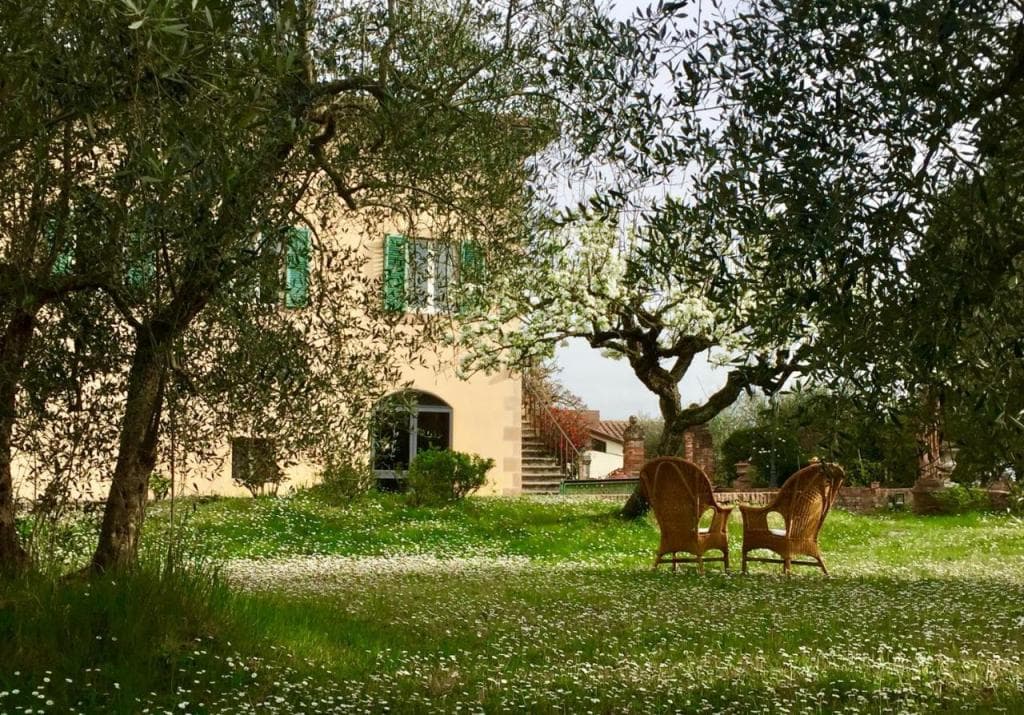
Certosa Di Maggiano is a former monastery located in the Tuscan countryside, 1.2 mi from Siena's famous Piazza del Campo. It offers unique rooms, free internet and free parking. Built in 1314, Hotel


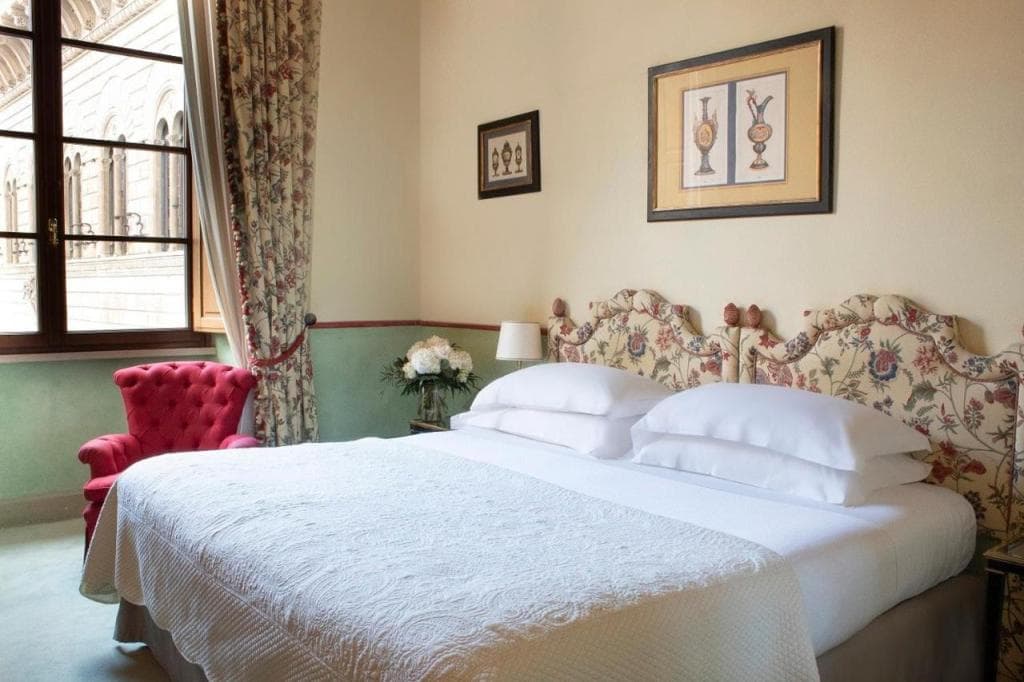


 Siena City Centre55 rooms
Set in a 17th-century building, Grand Hotel Continental Siena - Starhotels Collezione is a luxury 5-star hotel in the historical center of Siena, 820 feet from Piazza Campo square. It offers elegant r


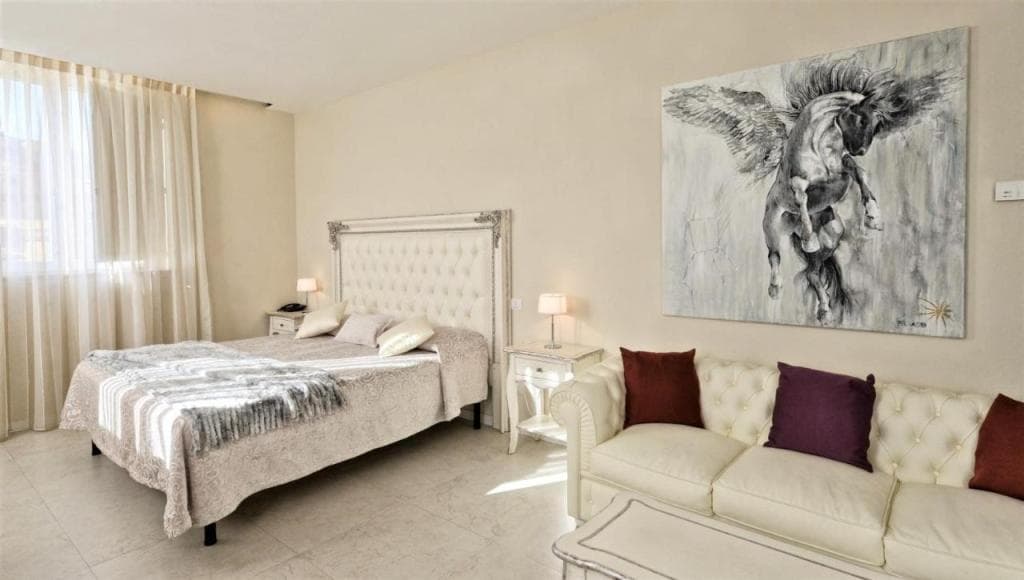

 Siena9 rooms
Overlooking the historic center of Siena, Villa del Sole Siena is just 984 feet from Piazza del Campo square and the Tower of Mangia. Free WiFi is available in all areas. Each room here will provide
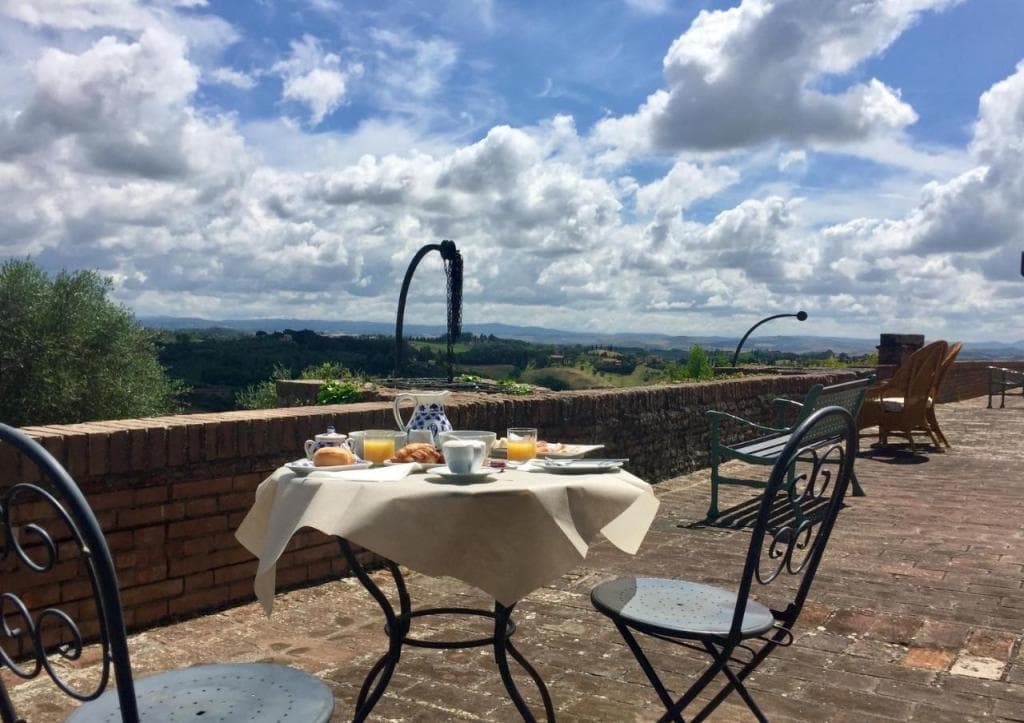


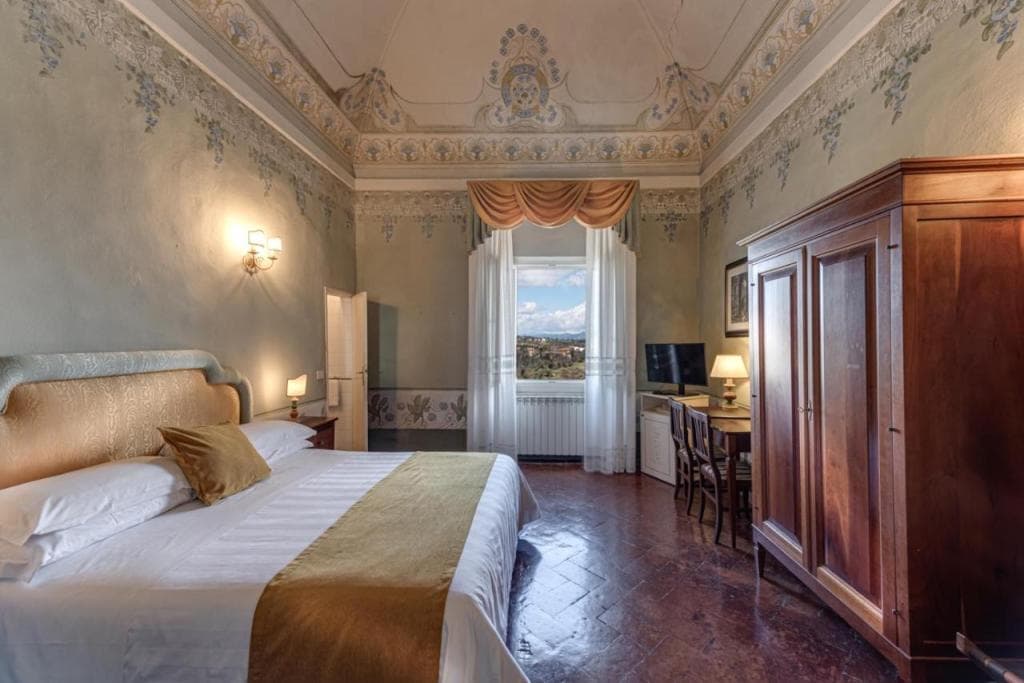

 Siena11 rooms
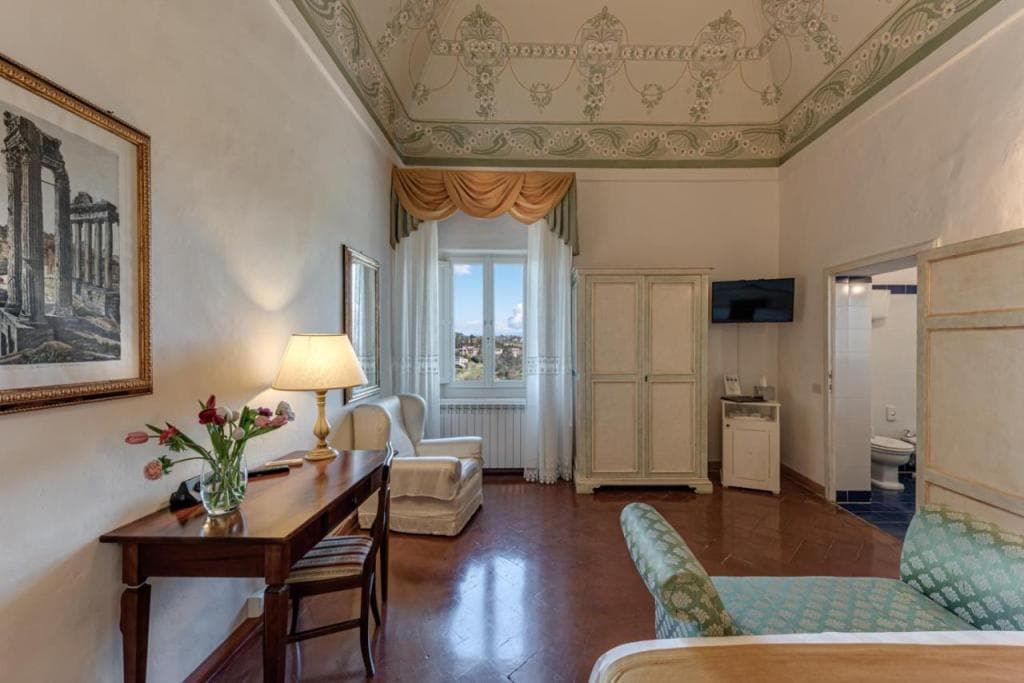
Situated only 440 yards from the historic center of Siena, Hotel Palazzo di Valli is a gorgeous 18th century villa beautifully decorated and smartly furnished in traditional Tuscan style. The hotel i




 Siena5 rooms
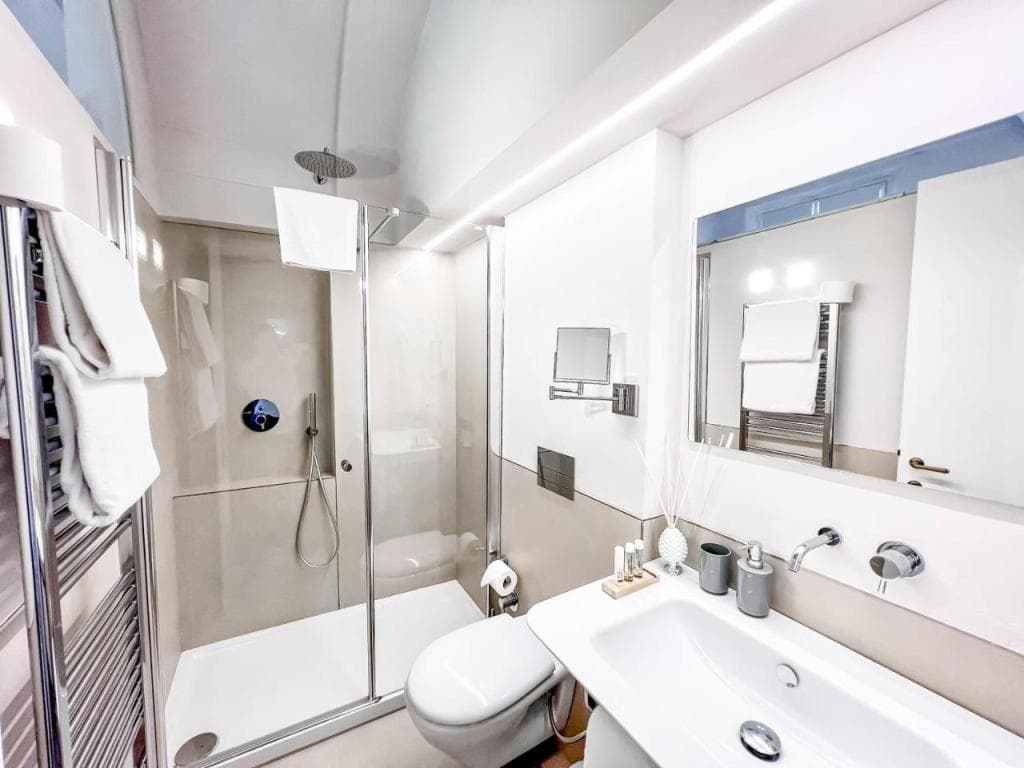
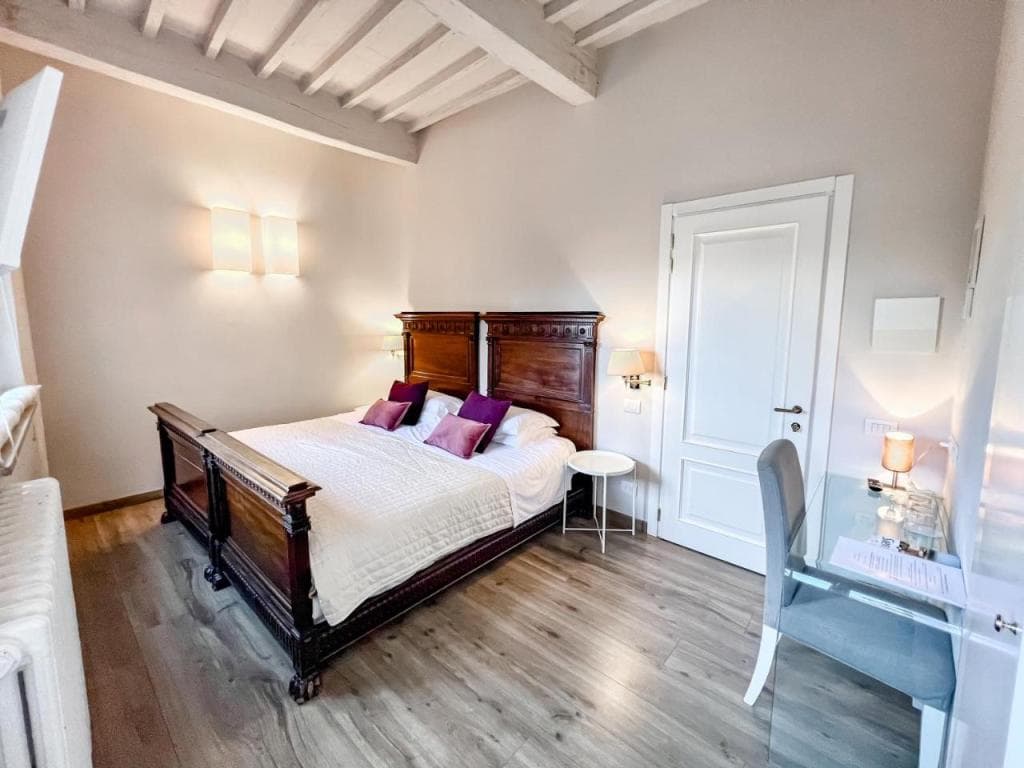
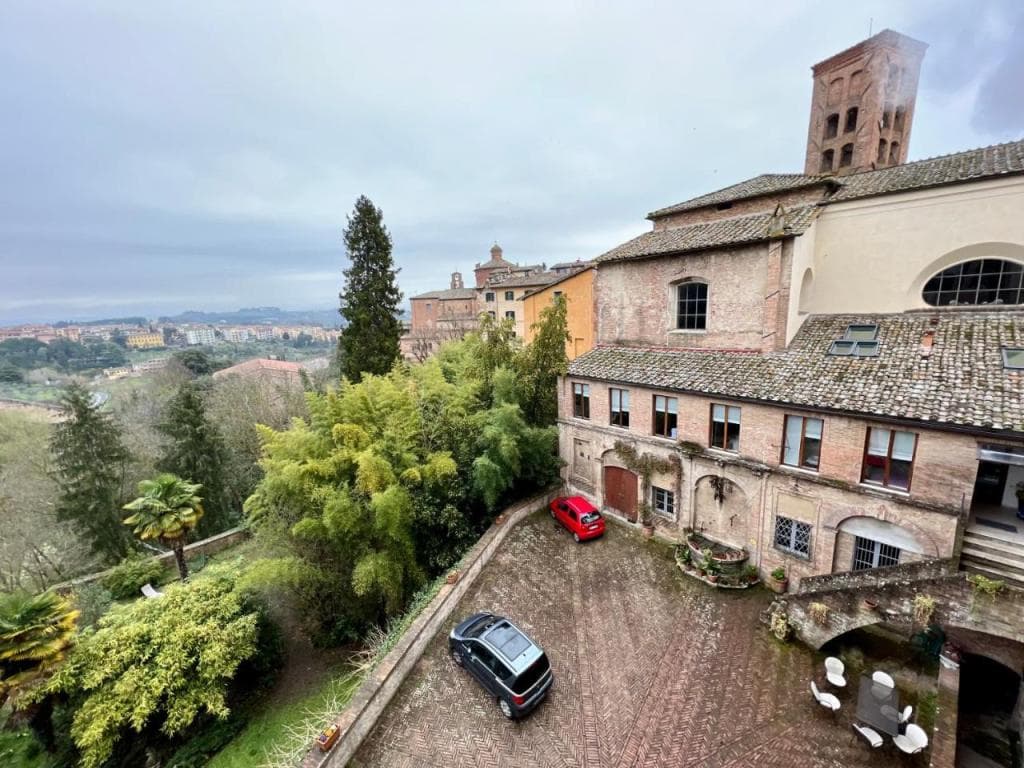
## Central Location B&B Palazzo Bruchi in Siena offers a central base with Piazza del Campo a 5-minute walk away. San Cristoforo Church lies 1640 feet nearby, while Torre del Mangia is just 5 minutes




 Siena25 rooms
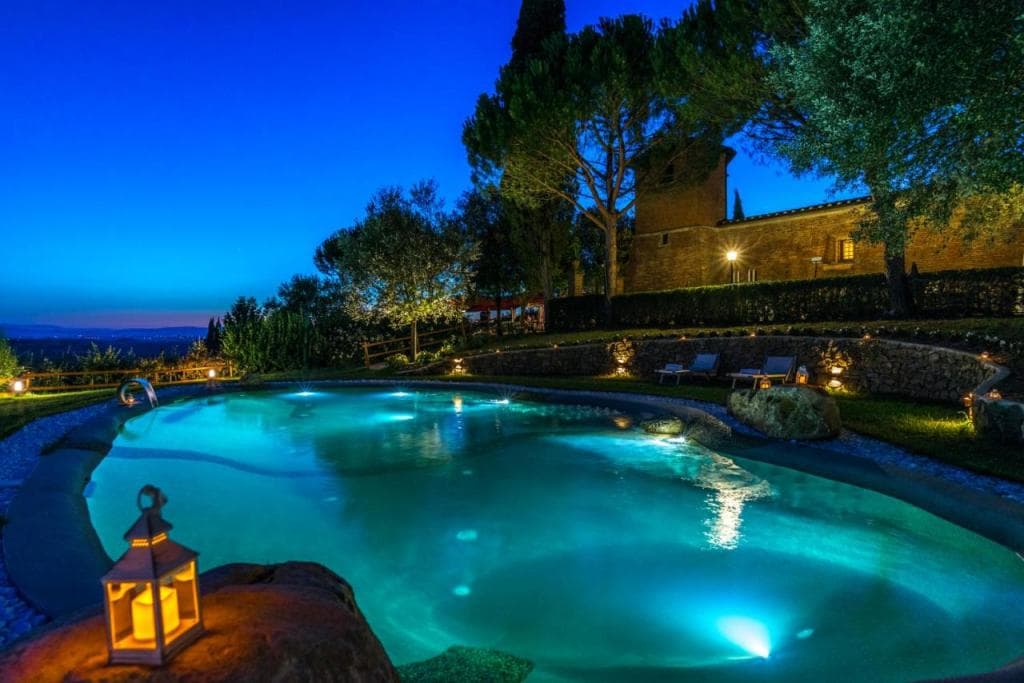
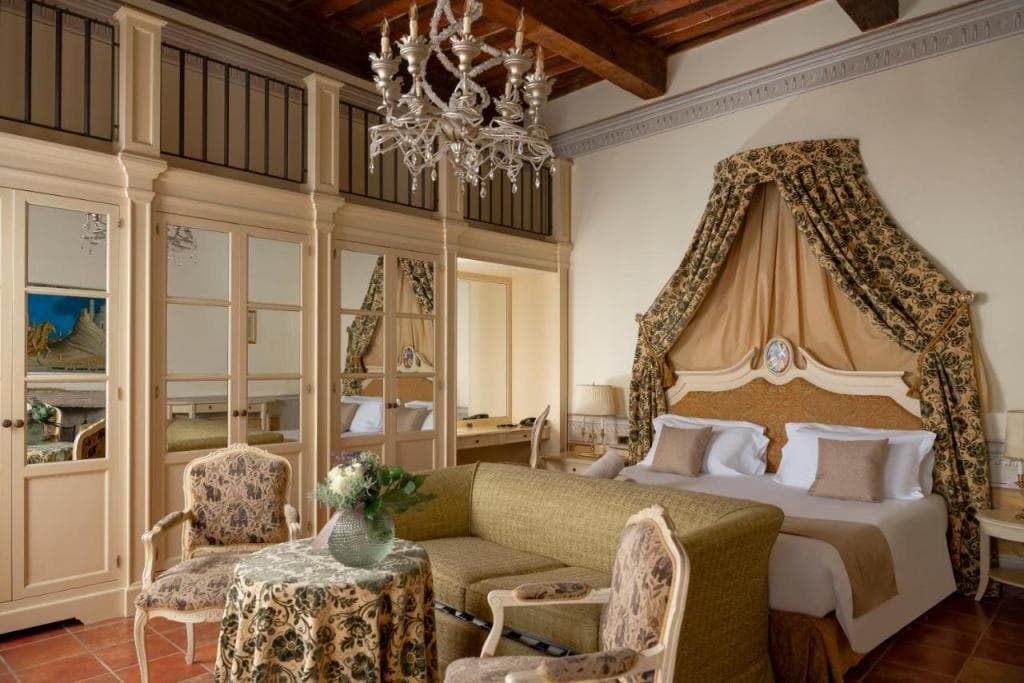
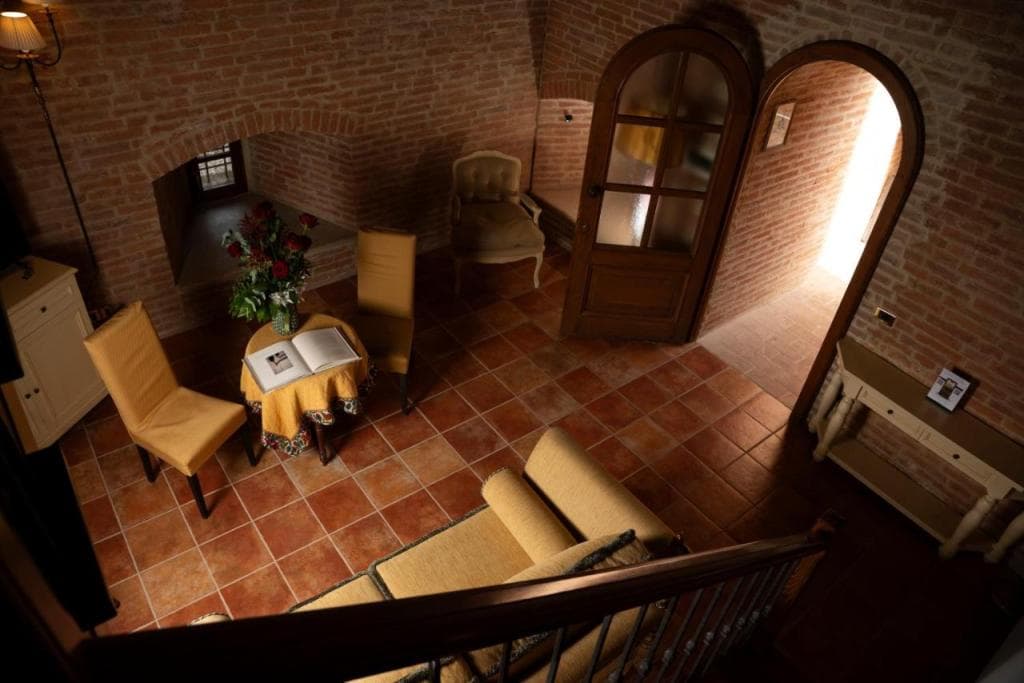
Castello di Leonina Relais - Adults Only was once a noble residence. This 13th-century castle is set in Asciano and has beautiful views of the hills. It features a wellness corner, a Finnish sauna and
Results 1 - 7
Siena is a city of intimate scale, where staying within the historic walls means waking to bells, footsteps on stone and the scent of fresh focaccia from neighbourhood bakeries. LGBTQ+ travellers find a hospitable, attentive welcome in family-run residenze and boutique hotels housed in restored medieval and Renaissance buildings. Many properties cluster near Piazza del Campo, the Duomo or Via di Città, offering refined rooms, frescoed lounges and rooftop terraces overlooking terracotta skylines.
The Sienese approach to hospitality is grounded in discretion and care, with concierges who guide guests towards lesser-known cloisters, wine bars and artisan workshops. This makes the city particularly suited to couples and solo travellers seeking a romantic, contemplative stay rather than a club-driven escape.
Unlike Florence or Bologna, Siena does not have a dedicated gay district, and its scene is woven into the broader cultural life of the city. Mixed wine bars along Via dei Termini and Via di Città, aperitivo terraces facing the Campo, and seasonal events at cultural centres welcome a diverse, open-minded crowd. Younger queer locals often gather in the cafés around Piazza Indipendenza and the university quarter, while summer brings open-air cinema, jazz nights and contemporary art openings to medieval courtyards.
For more pronounced nightlife, many travellers combine Siena with weekend trips to Florence, easily reached by regional train, while keeping their Tuscan base in the calmer, more atmospheric setting of the walled city.
The shell-shaped Piazza del Campo, dominated by the Torre del Mangia and Palazzo Pubblico, remains the symbolic heart of the city, framed by cafés where mornings begin slowly with espresso and pastries. The black-and-white striped Duomo, with its inlaid marble floor, Pinturicchio frescoes in the Piccolomini Library and panoramic views from the Facciatone, ranks among the most refined Gothic ensembles in Italy.
Art lovers should explore the Pinacoteca Nazionale and the Santa Maria della Scala complex, a former medieval hospital turned museum. Beyond the walls, the rolling landscapes of the Crete Senesi, the abbey of Sant'Antimo and the wine villages of Chianti and Montalcino make Siena a natural base for slow Tuscan itineraries.
Spring and early autumn bring mild light, harvest aromas and uncrowded streets, ideal for walking the contrade and tasting Brunello in nearby cellars. The two editions of the Palio, on 2 July and 16 August, transform the Campo into a charged, theatrical arena, while the Siena Jazz festival and Settimane Musicali Senesi animate summer evenings. Winter offers a quieter, more introspective city, where Christmas markets and candlelit churches reveal a softer, deeply local Siena.