Very good — 8.3/10


 Stockholm
 164 rooms
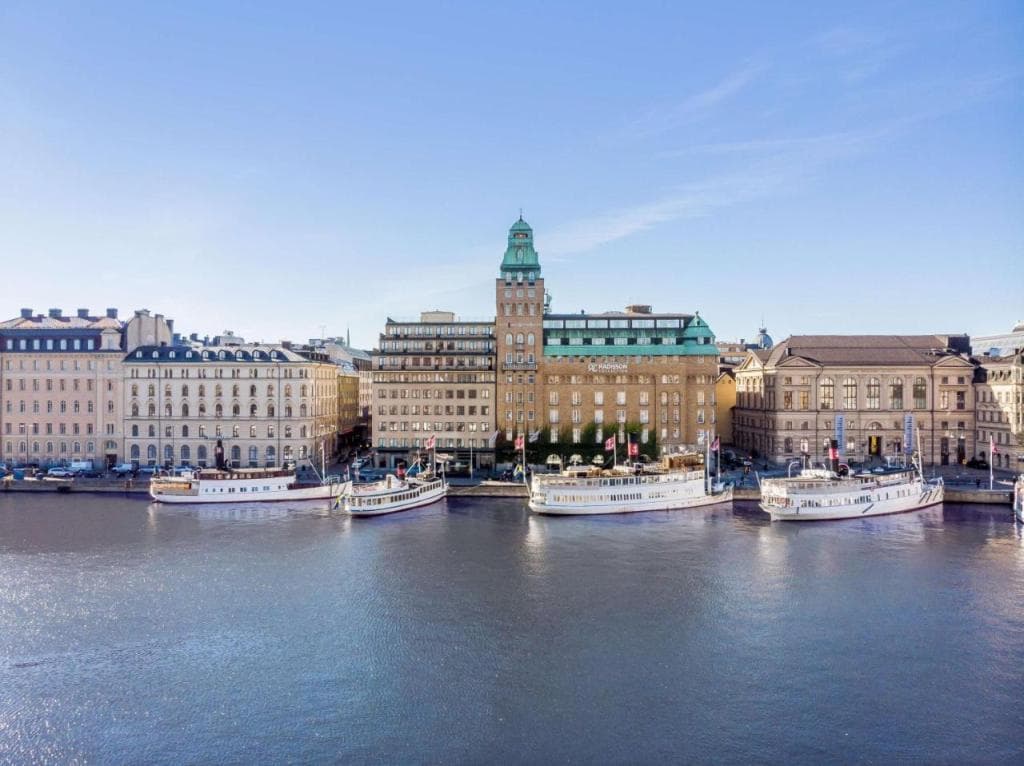
Stunning Nybroviken waterfront views and free WiFi make this central Stockholm hotel a perfect base from which to explore the Old Town and the Moderna Museum. Stureplan's shopping, restaurants and nig

 Stockholm164 rooms
Stunning Nybroviken waterfront views and free WiFi make this central Stockholm hotel a perfect base from which to explore the Old Town and the Moderna Museum. Stureplan's shopping, restaurants and nig



 Stockholm234 rooms
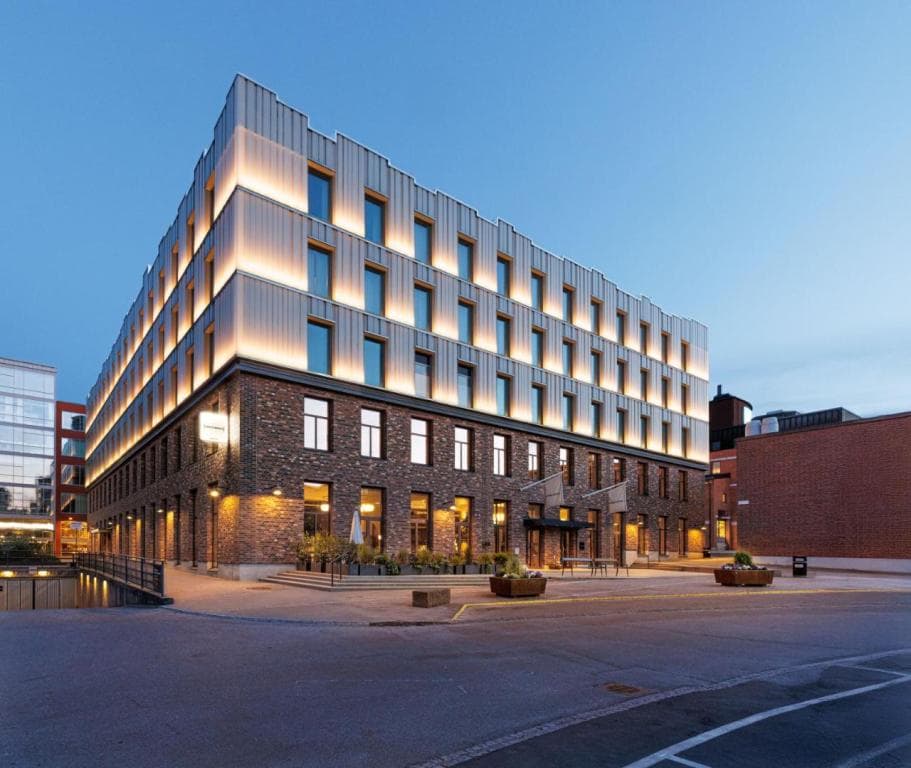
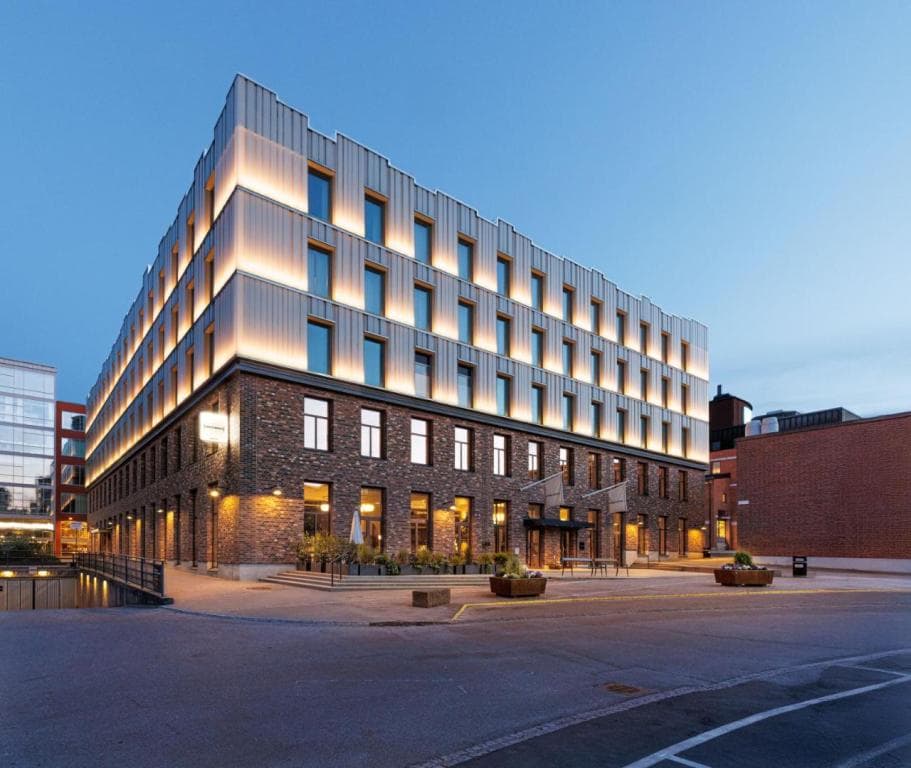
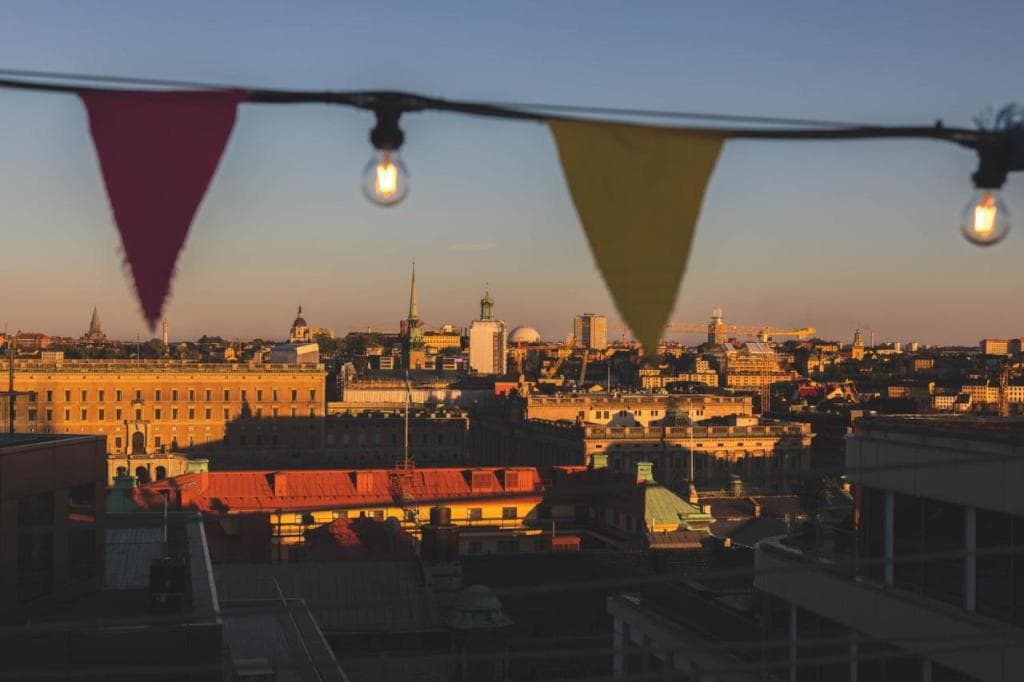
## Comfortable Accommodations Home Hotel Tapetfabriken in Stockholm offers family rooms with private bathrooms, walk-in showers, and modern amenities. Each room includes a work desk, TV, and free WiF



 Stockholm201 rooms
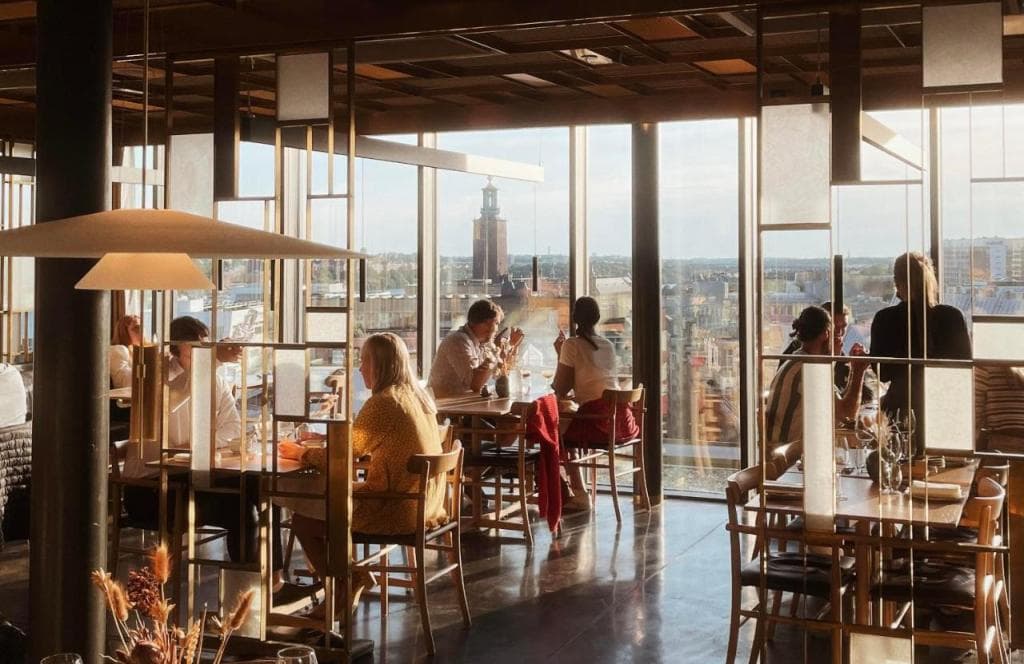
This central Stockholm hotel is just 656 feet from Sergels Torg Square and 1640 feet from Kungsträgården Park. With a focus on sustainability, Hobo Stockholm’s restaurant offers organic and seasonal d


 Stockholm401 rooms
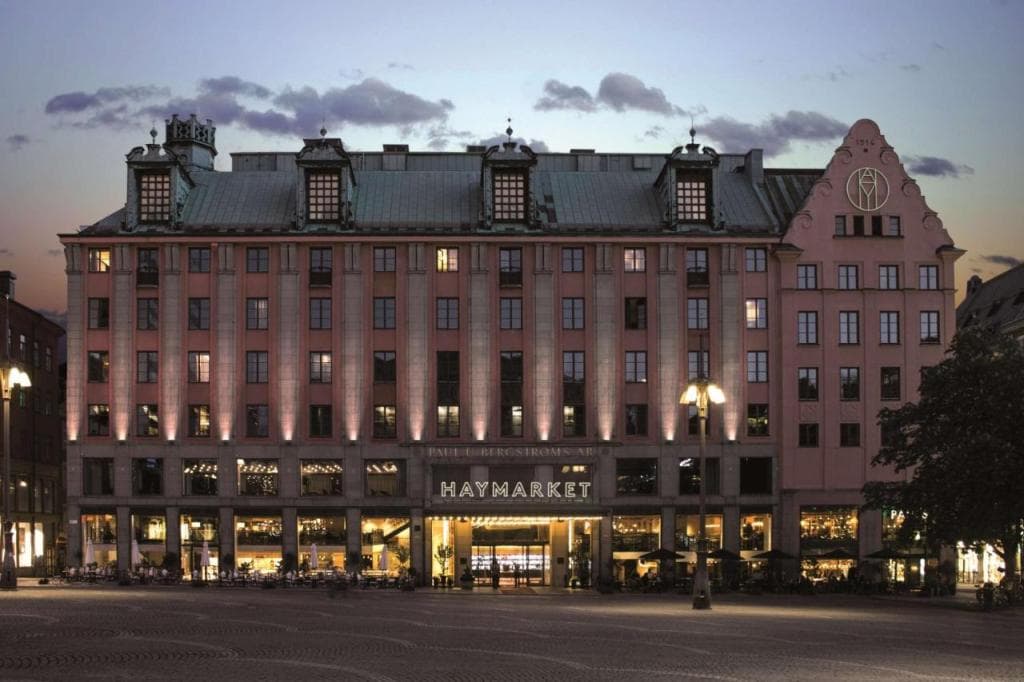
Opened in May 2016, Haymarket by Scandic is an art-deco themed hotel located next to Hötorget Square in central Stockholm. It features modern design and architecture, as well as a cocktail bar, small



 Stockholm68 rooms
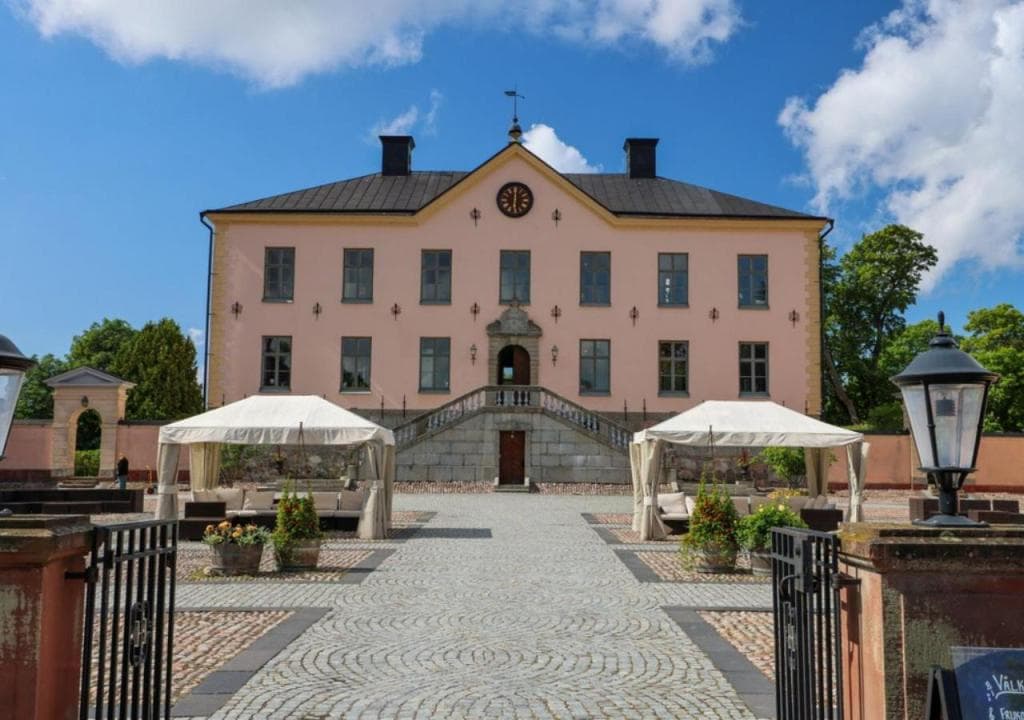
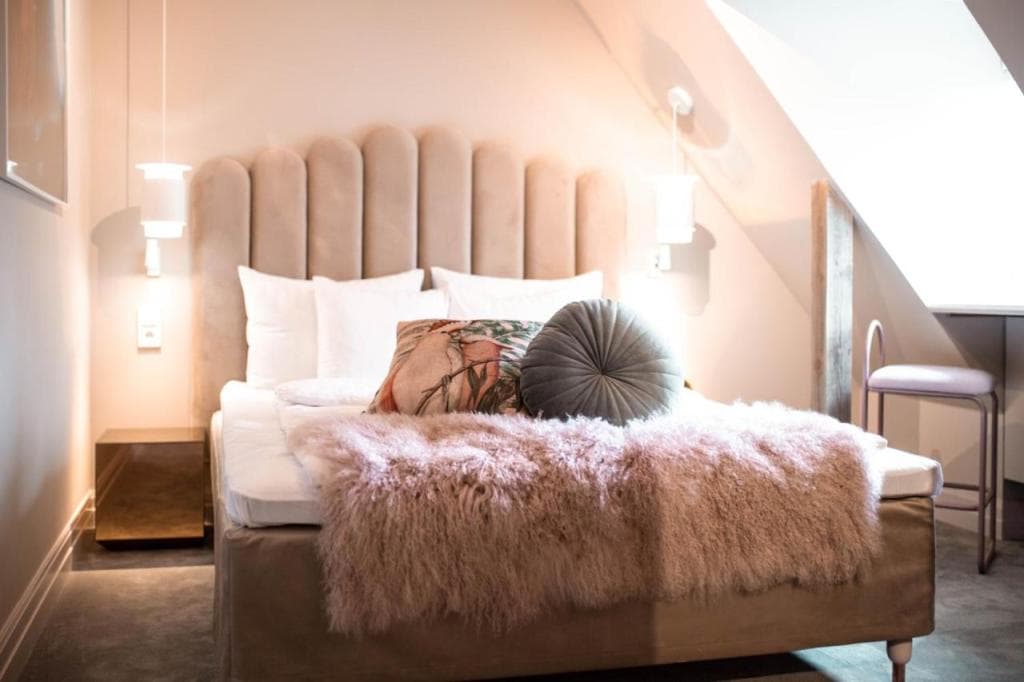
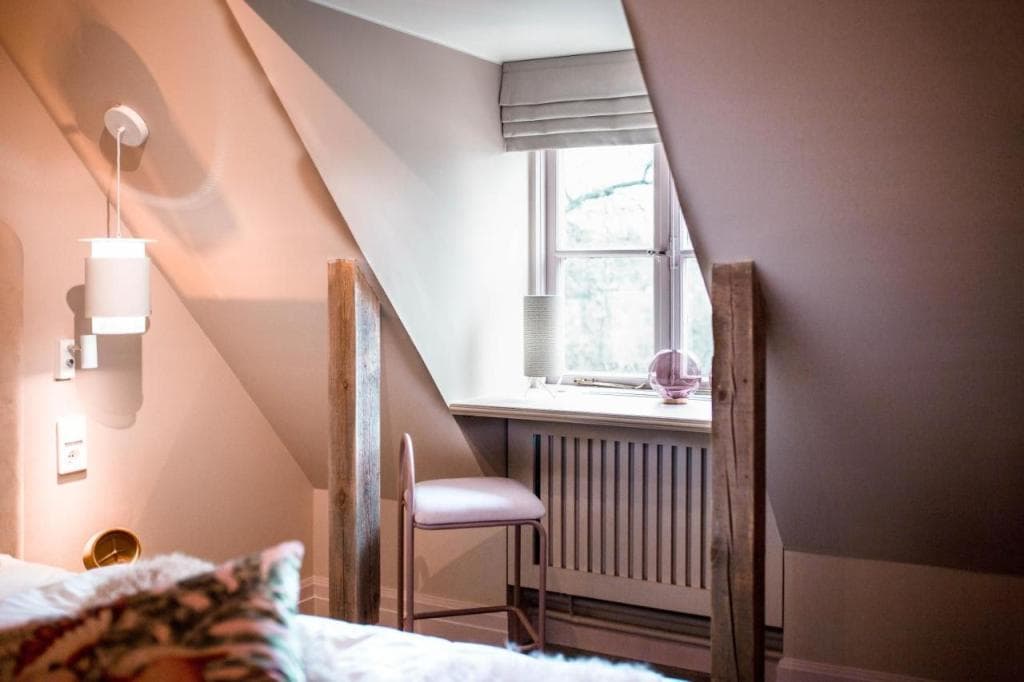
Set in a stylish 17th-century manor, Hesselby Slott offers Free WiFi and individually decorated rooms in the themed annex wings are also featured. Johannelund Metro Station is just 820 feet away. All


 Stockholm215 rooms
On Kungsholmen island, within a 5-minute walk of Thorildsplan Metro Station, this stylish hotel has free Wi-Fi and free gym access. Its spacious rooms include tea/coffee makers and satellite TV. The



 Stockholm211 rooms
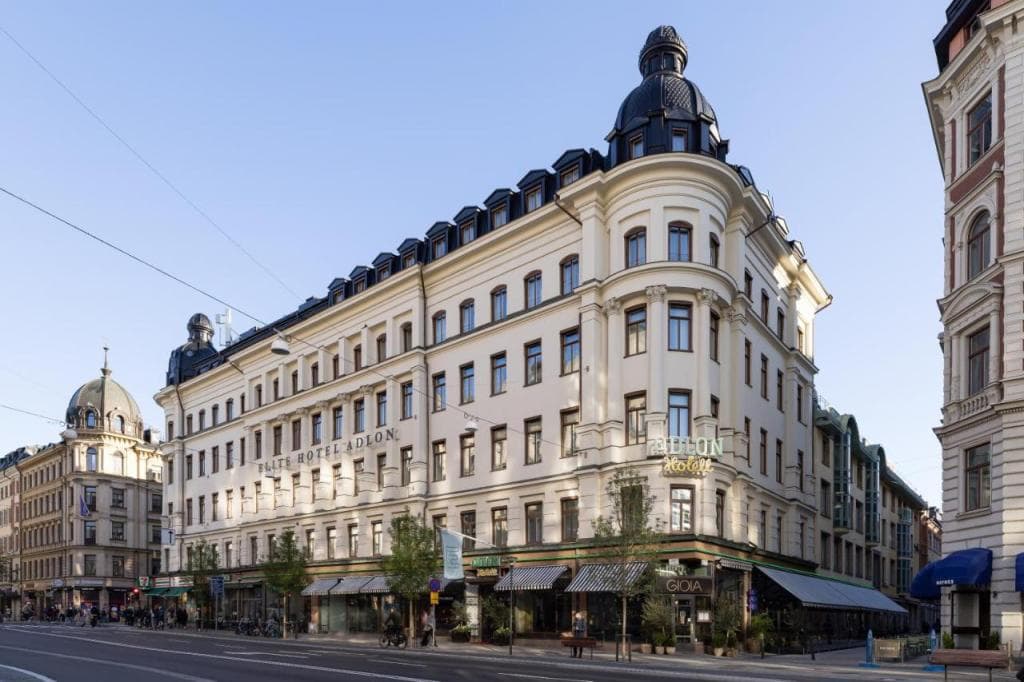
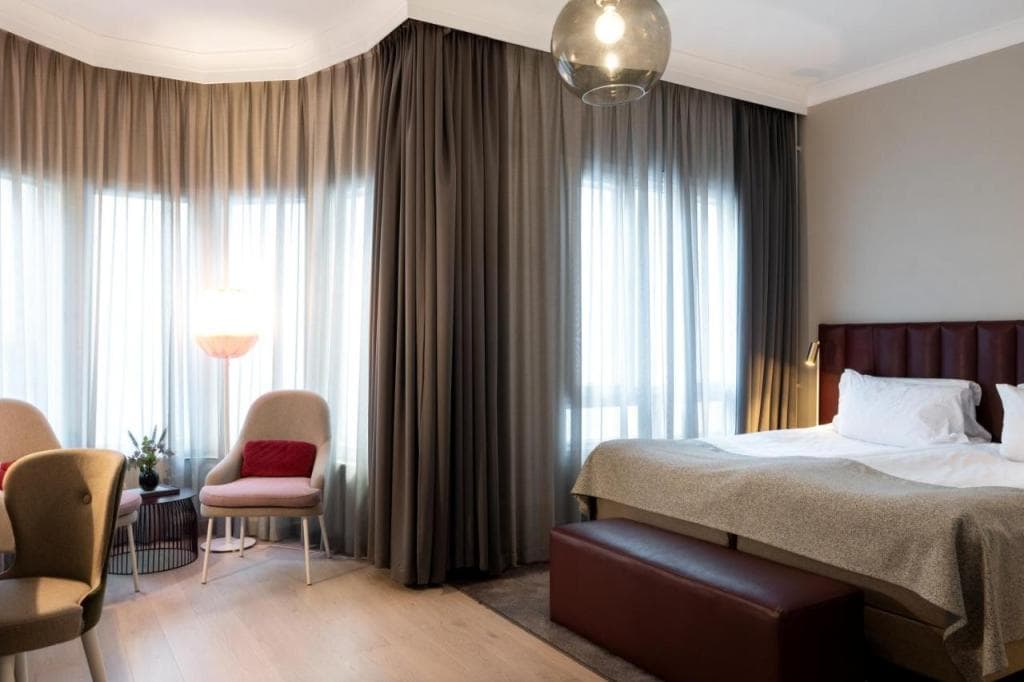
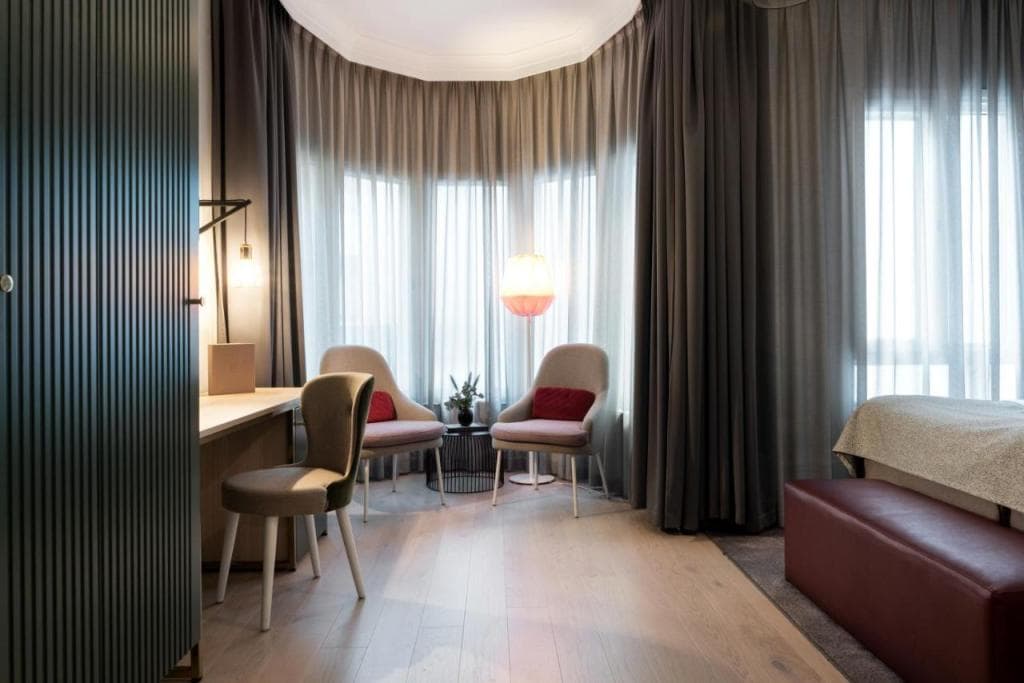
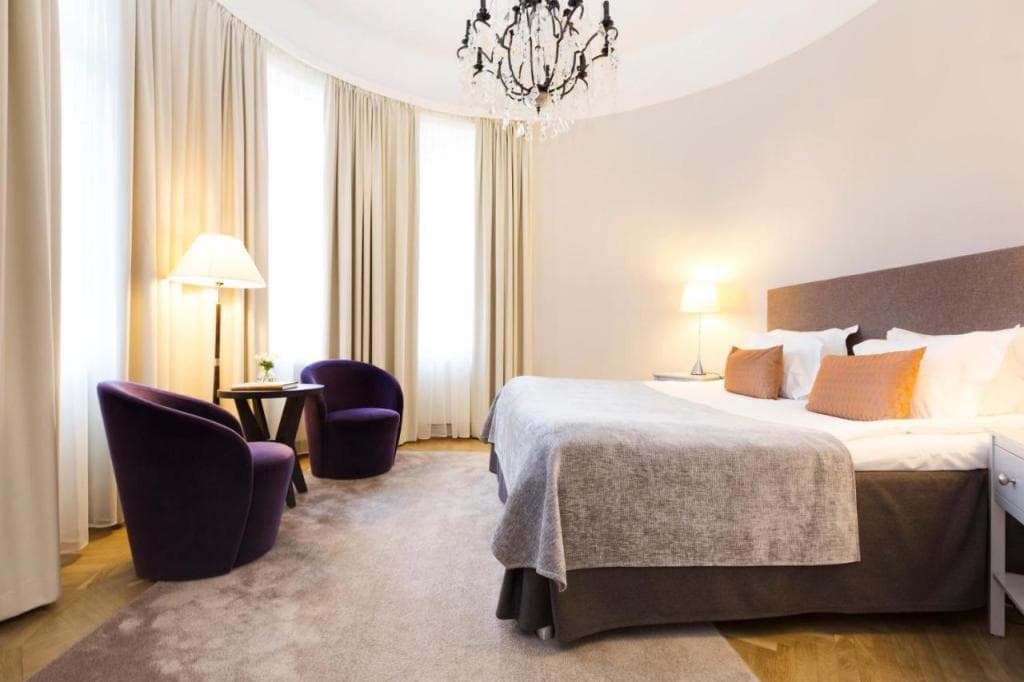
Located in a stylish 19th-century building in the heart of Stockholm, Elite Hotel Adlon offers individually decorated rooms with free Wi-Fi. Drottninggatan shopping street is just a 3-minute walk away


 Stockholm144 rooms
Located on the water front in Old Town, this hotel is 492 feet from the Royal Palace. Hôtel Reisen in The Unbound Collection by Hyatt Waterfront features a TV with pay channels, and many offer panora




 Stockholm167 rooms
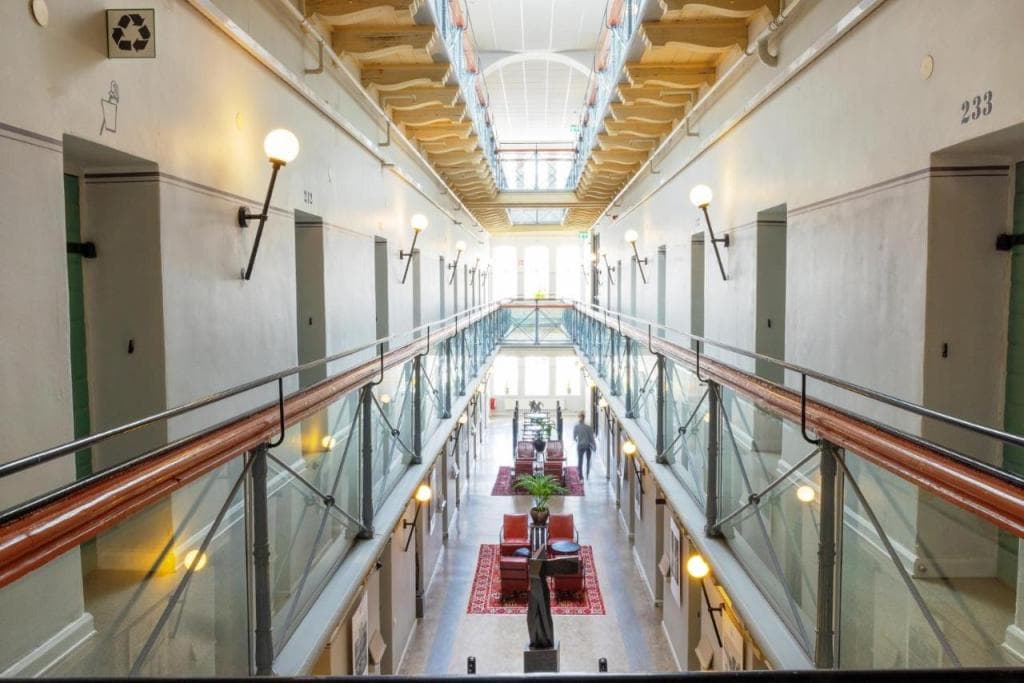
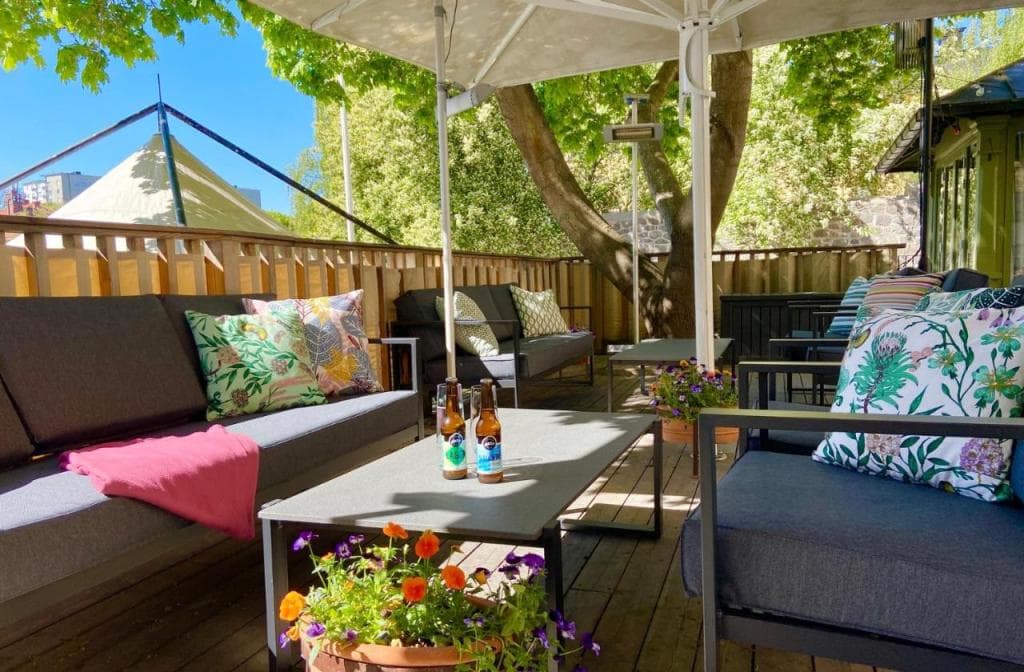
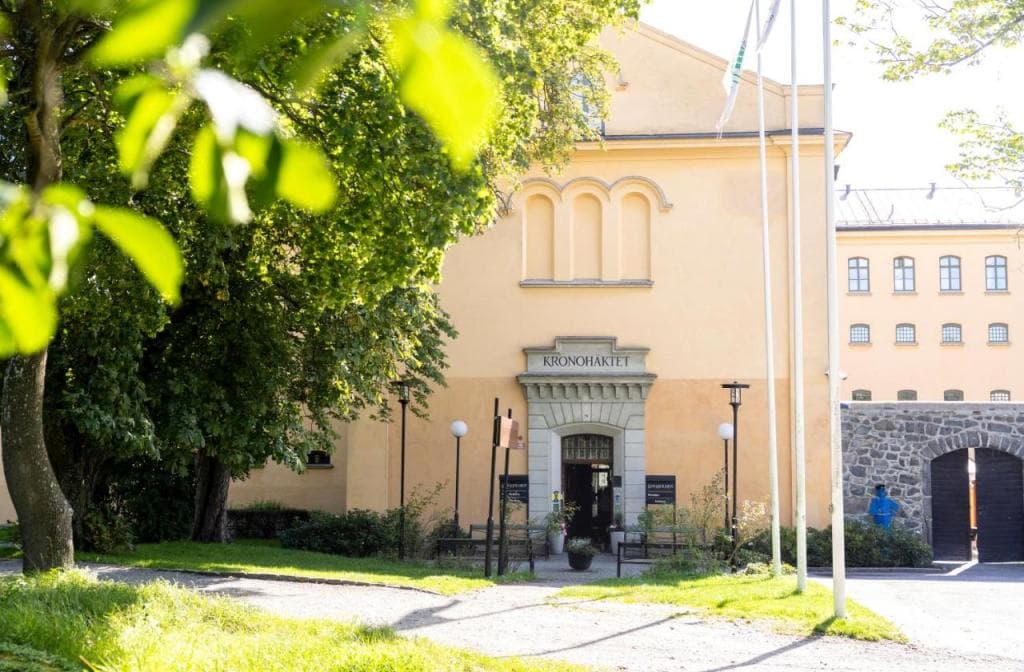
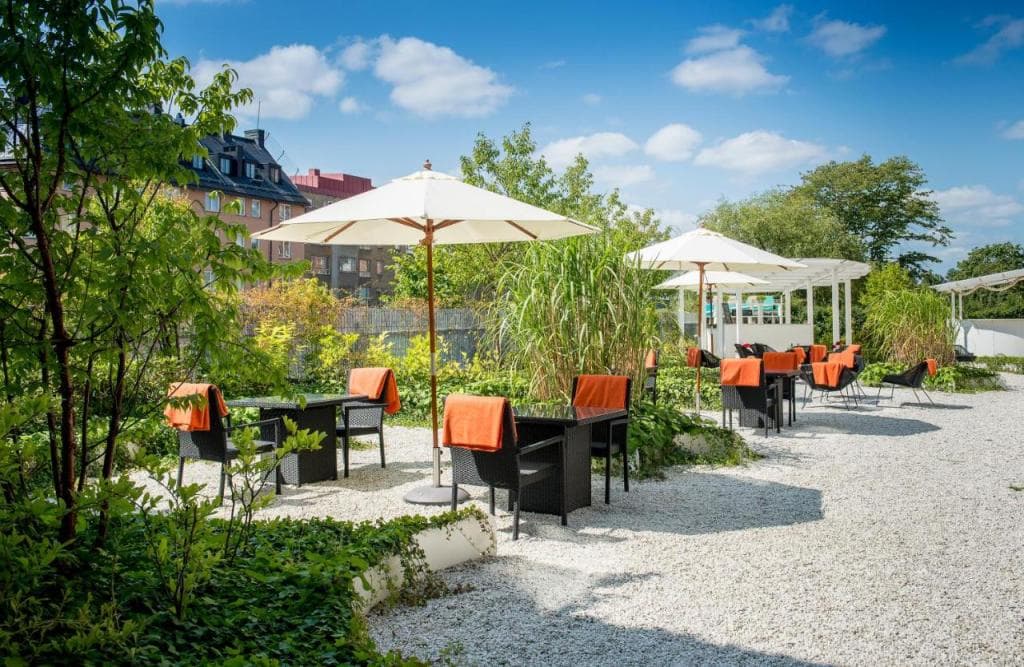
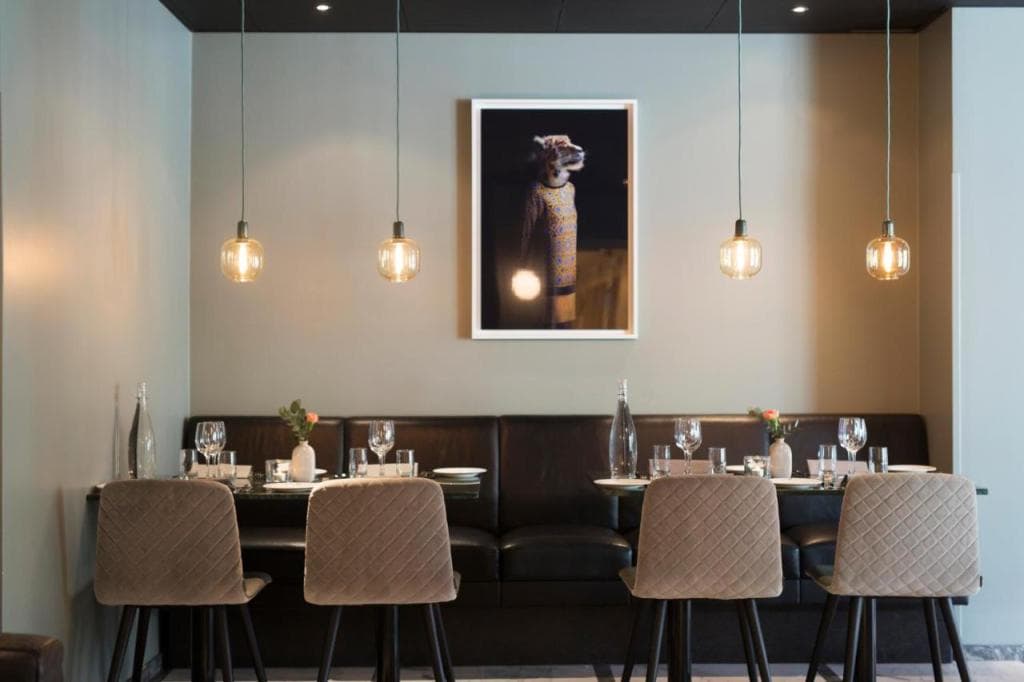
Långholmen Hotell is in a 19th century prison building on Långholmen Island in Stockholm. It offers free parking and unique prison cell rooms with flat-screen cable TVs and free Wi-Fi access. The mod




 Stockholm87 rooms
Set in a stylish 1950s building in fashionable Östermalm, this hotel is 15 minutes’ walk from Stureplan. It offers free Wi-Fi internet and rooms with LCD TVs and blackout curtains. Elite Hotel Arcadi


 Stockholm287 rooms
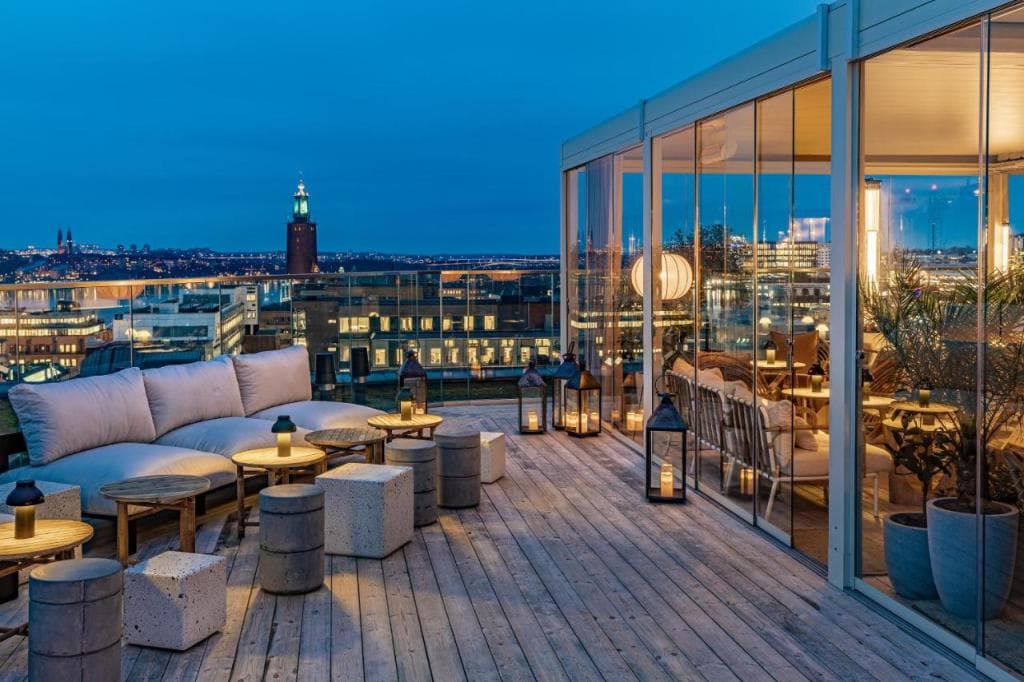
Centrally located between trendy Södermalm and the charming Old Town, this modern hotel offers panoramic views of the inner city, Lake Mälaren and Stockholm City Hall. Relaxation options include a sau


 Stockholm143 rooms
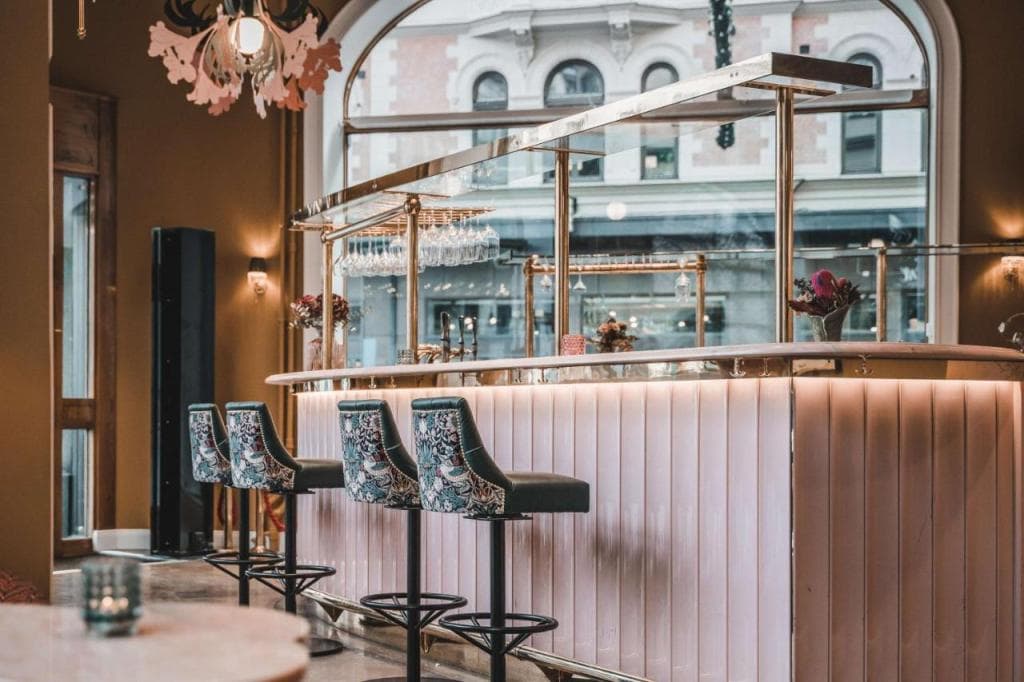
Housed in an elegant early 1900s building, this hotel lies by Stureplan Square, right in Stockholm’s main shopping and nightlife district. The individually decorated rooms feature elegant decor, free




 Stockholm301 rooms
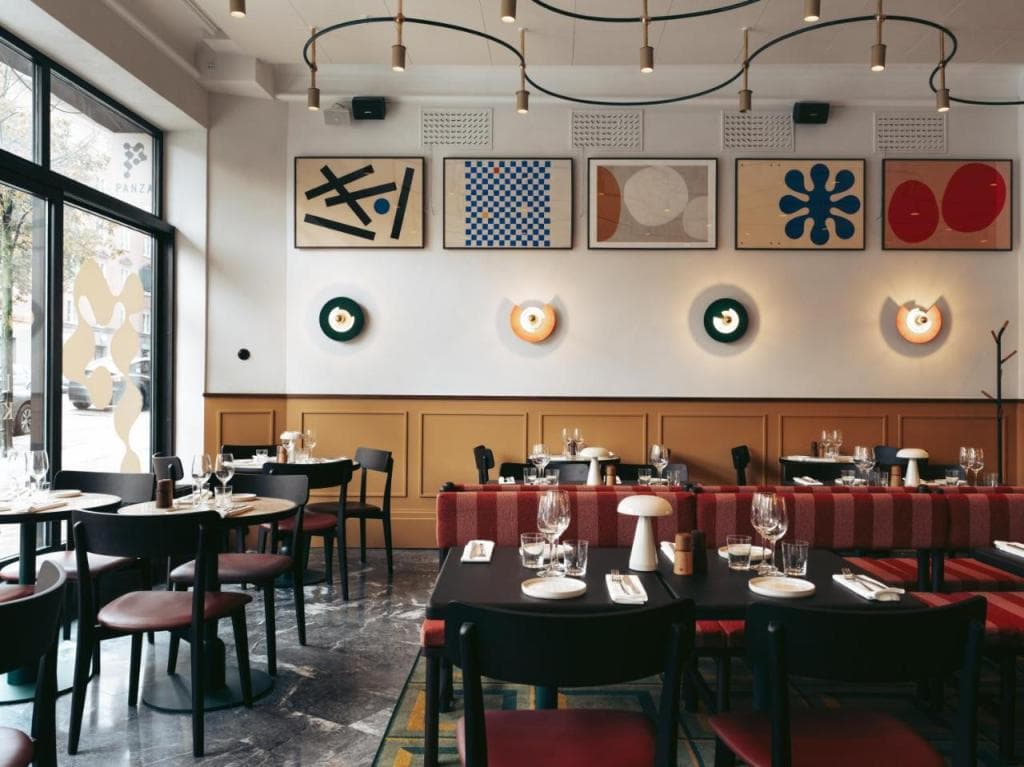
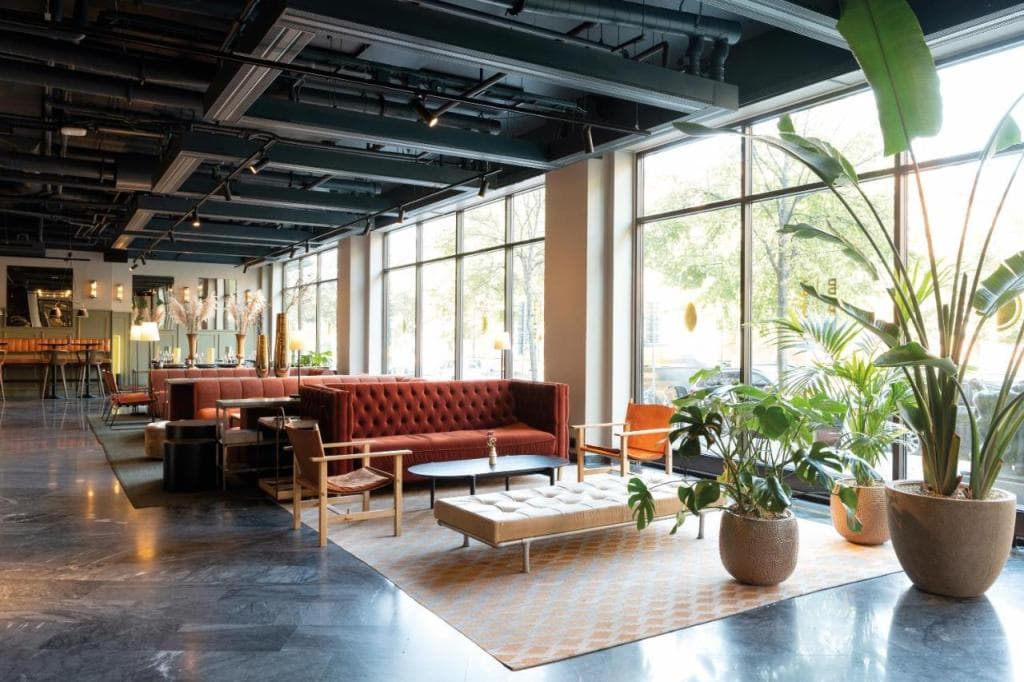
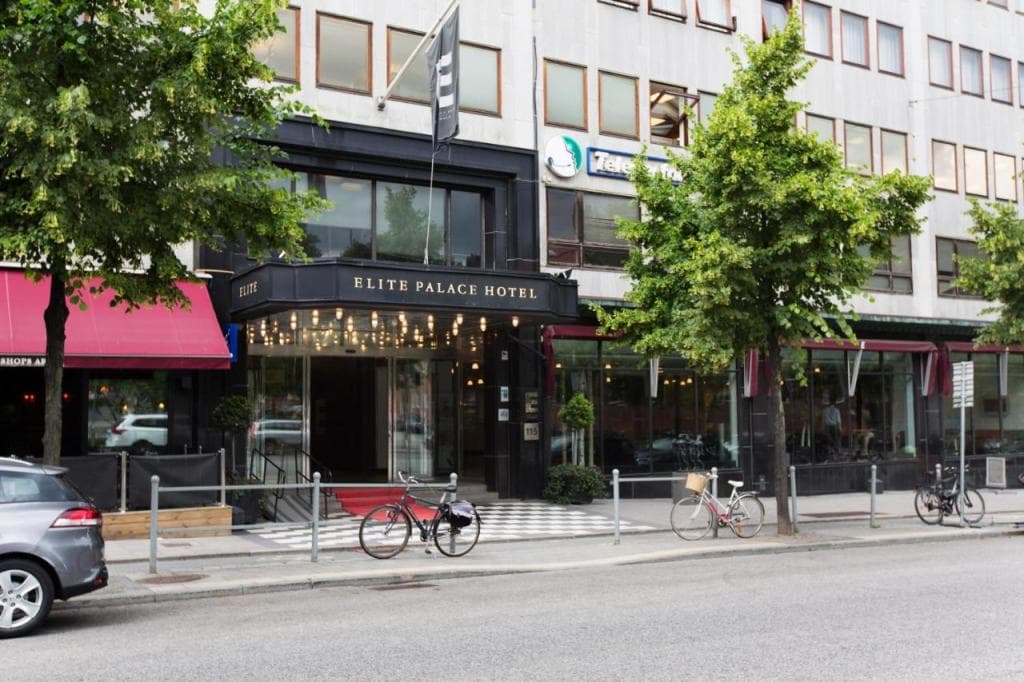
Centrally located in Stockholm’s Vasastan neighborhood, this hotel is 7 minutes’ walk to St. Eriksplan Metro Station and 3 min to Odenplan commuter train station (exit Vanadisplan). From Odenplan comm
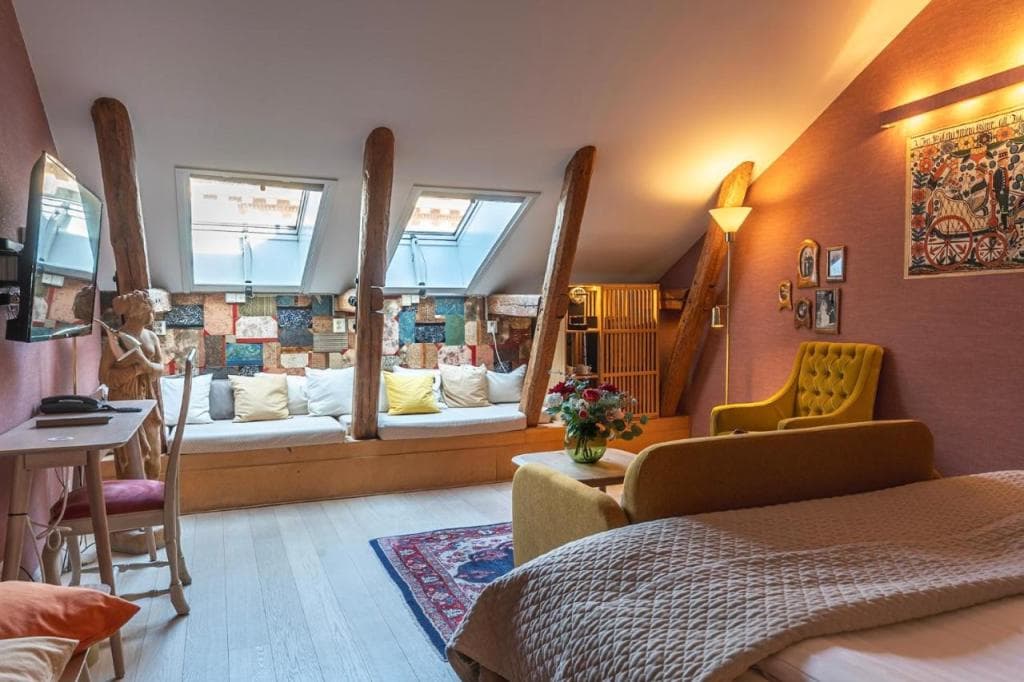


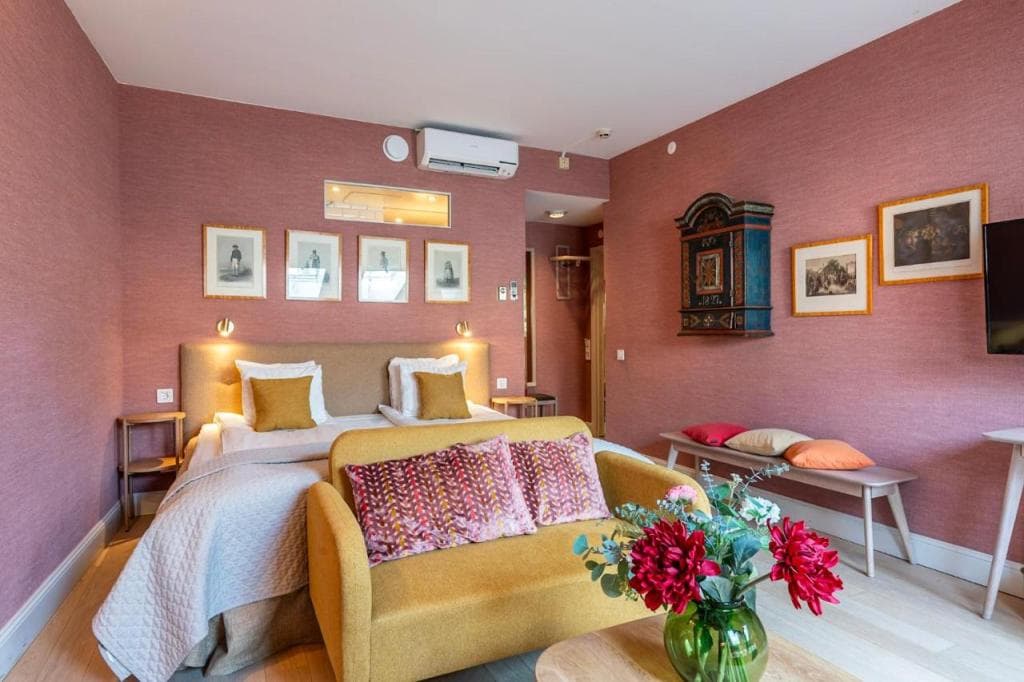
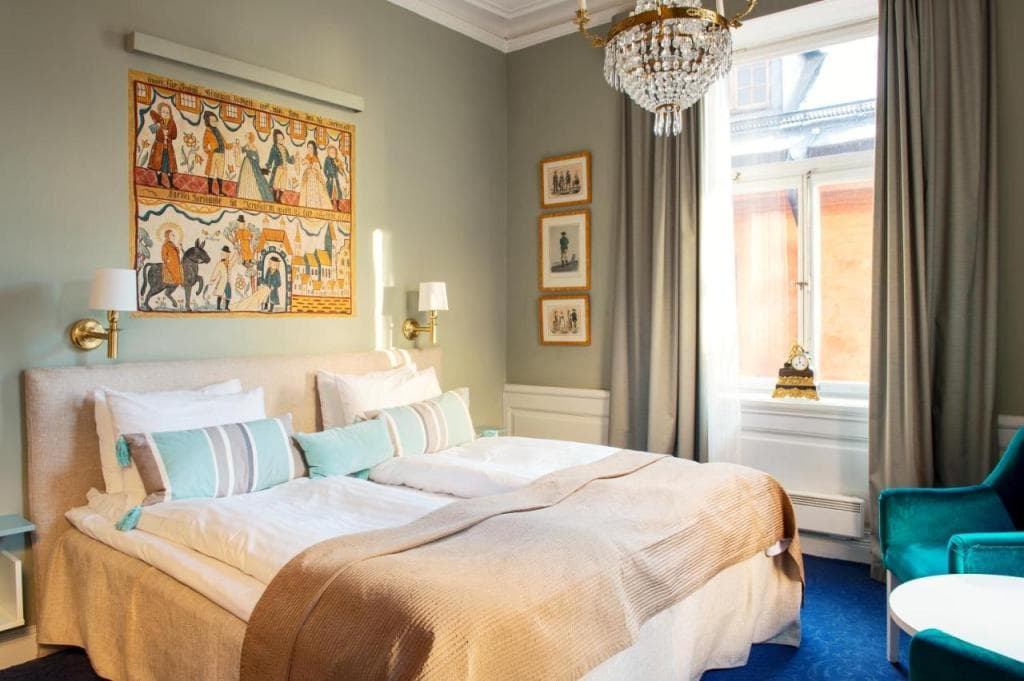

 Stockholm43 rooms
This charming hotel is housed in a listed 15th-century building, right next to the Royal Palace in Stockholm’s Old Town. Gamla Stan Metro Station is 1312 feet away. Guests can book private access to t
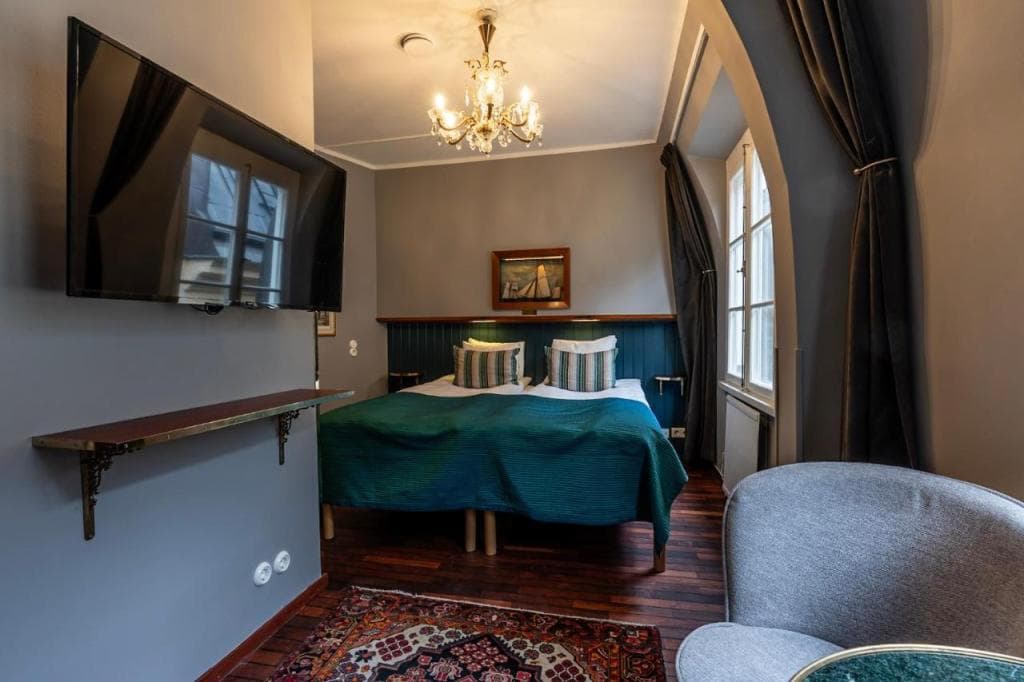


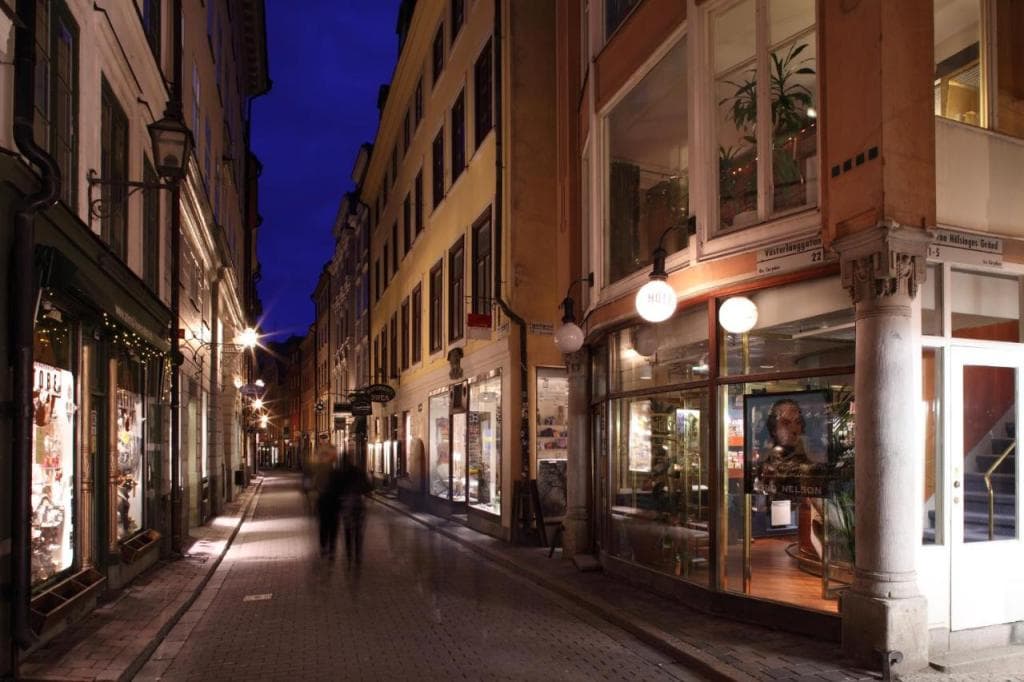
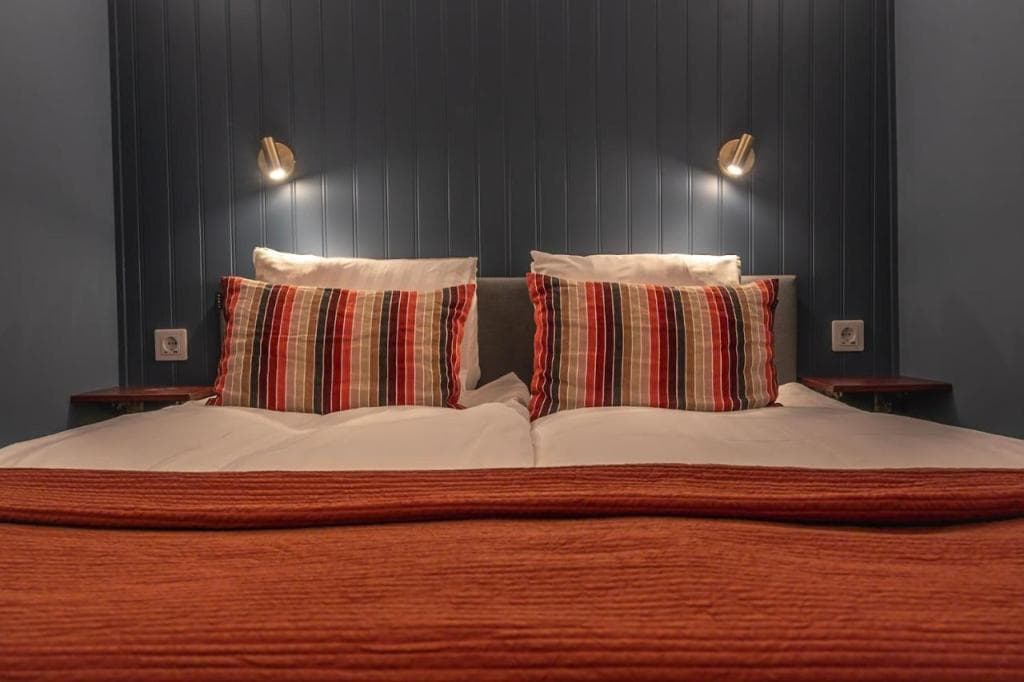

 Stockholm31 rooms
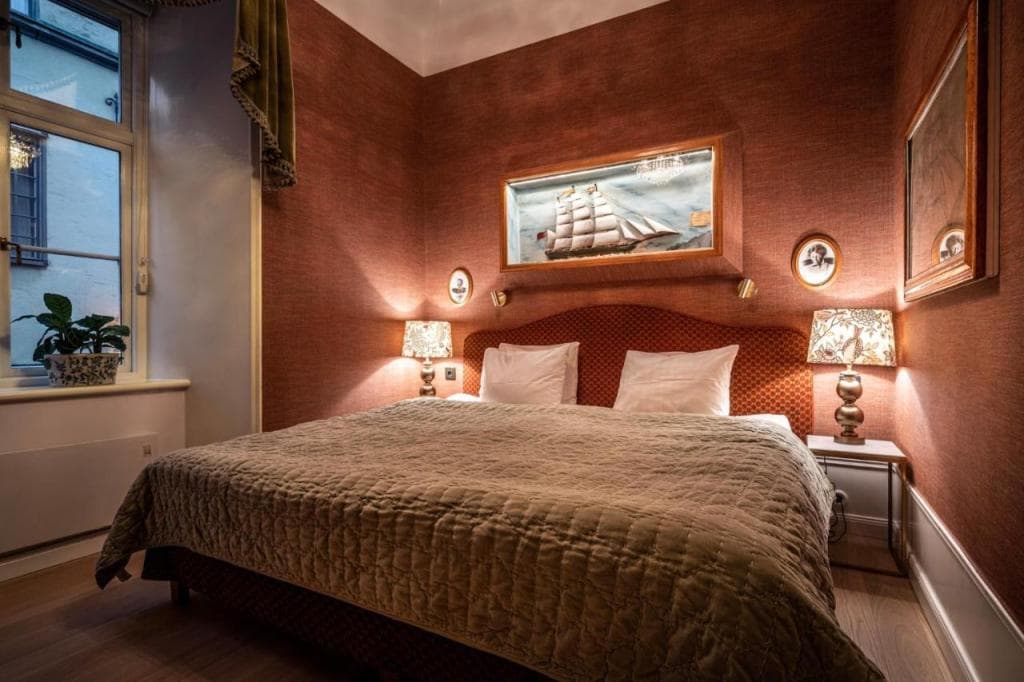
Located in a narrow 17th-century building in Stockholm’s Old Town, Collector’s Lord Nelson Hotel offers maritime-style rooms with cable TV and free Wi-Fi access. The hotel has a 24-hour reception. Al
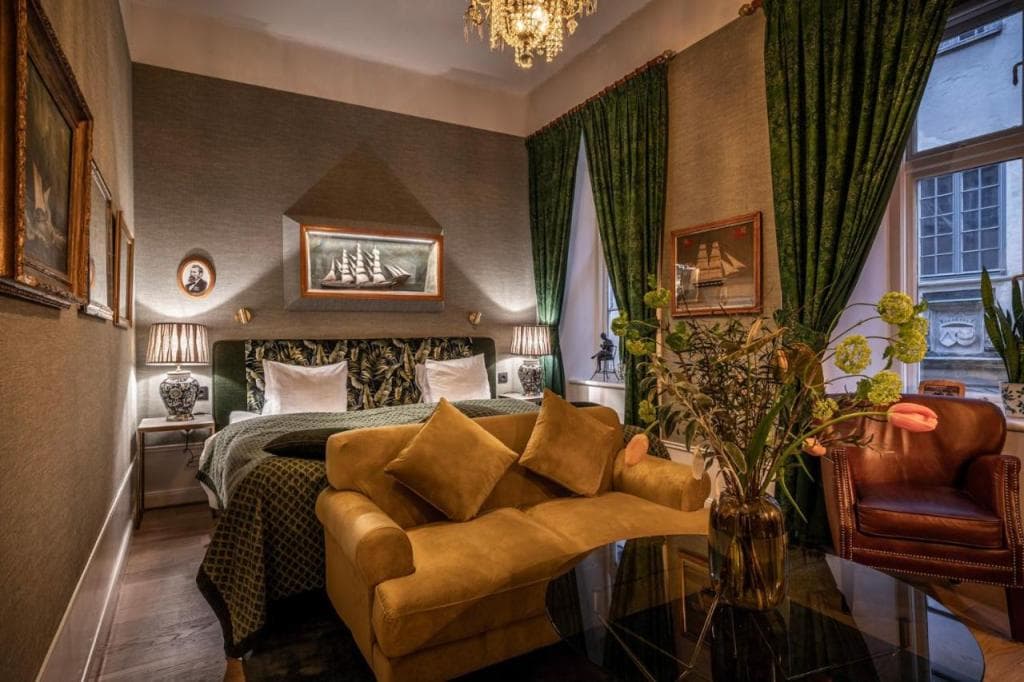


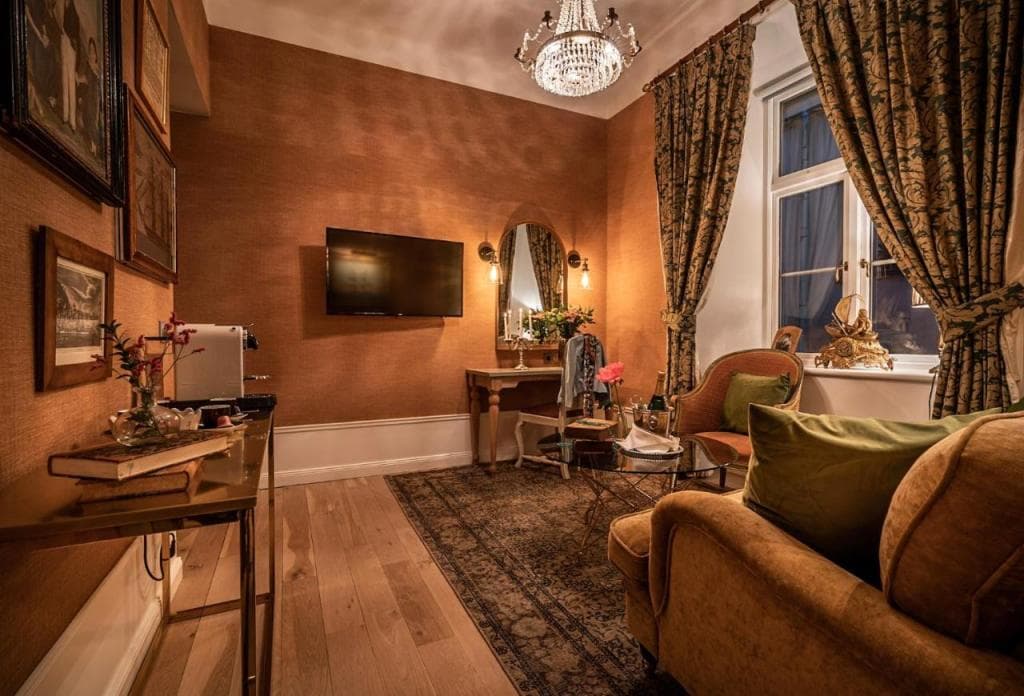


 Stockholm45 rooms
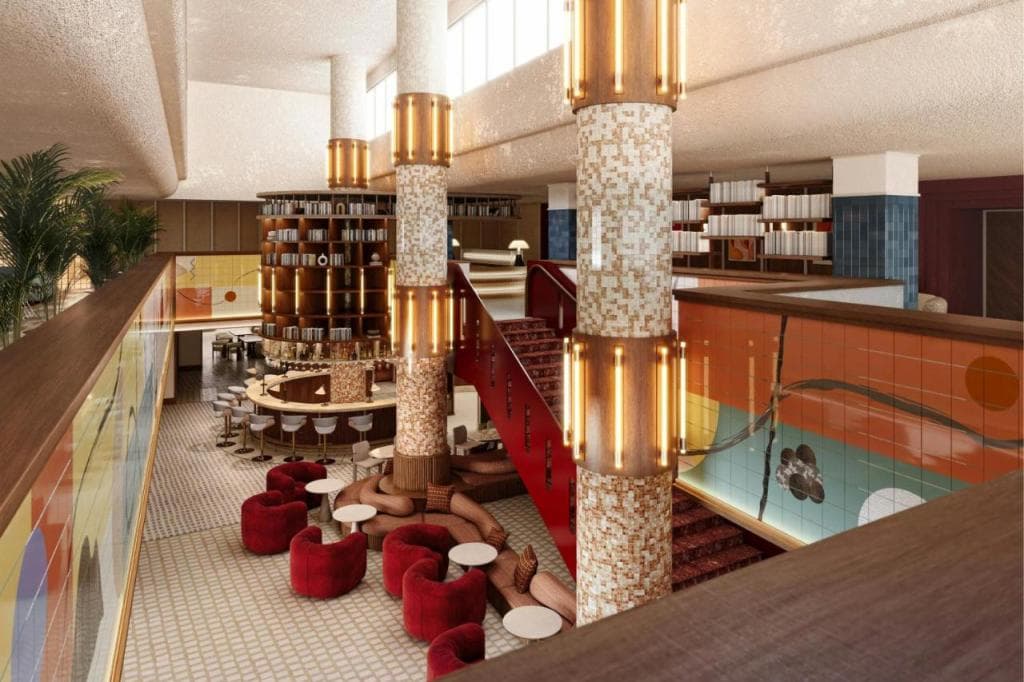
Located in Stockholm’s picturesque Old Town, Collector's Victory Hotel is 2 minutes’ walk from Gamla Stan Metro Station. Its uniquely decorated rooms have a flat-screen TV and heated bathroom floors.



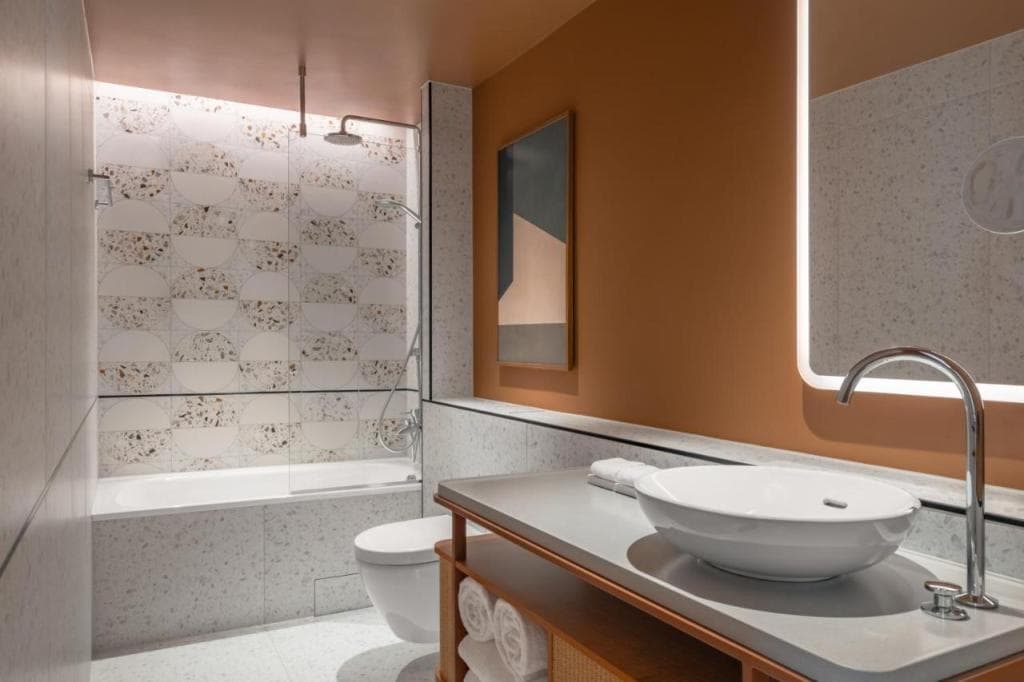 Stockholm445 rooms
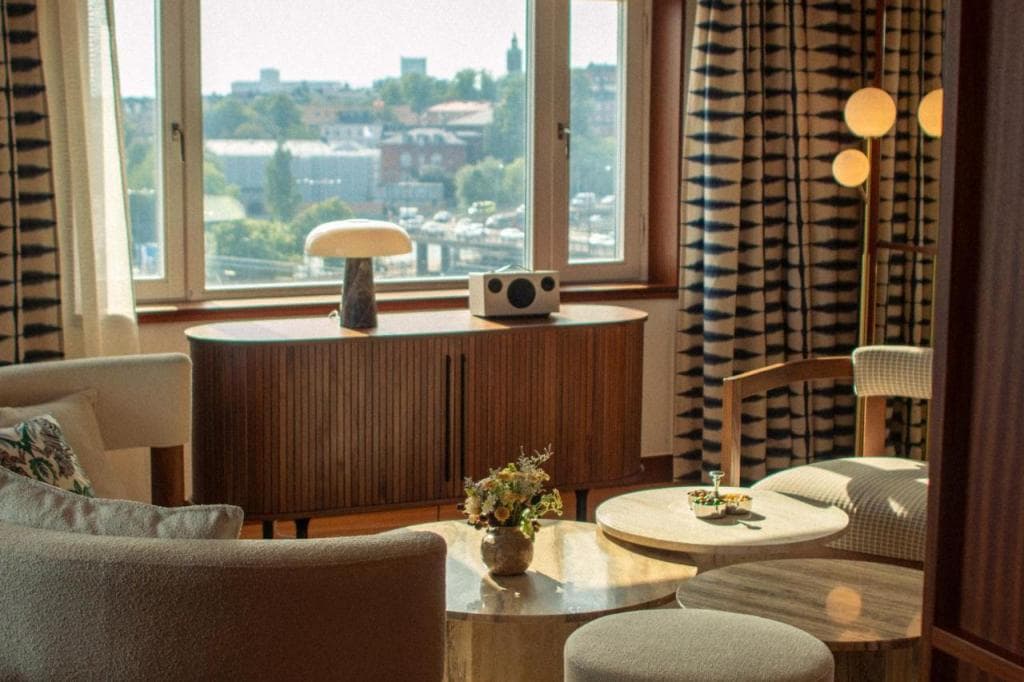
This stylish hotel is 984 feet from Stockholm Central Station and 5 minutes' walk from the Old Town. The air conditioned rooms have a flat-screen TV and a tea/coffee maker. Sheraton Stockholm’s moder
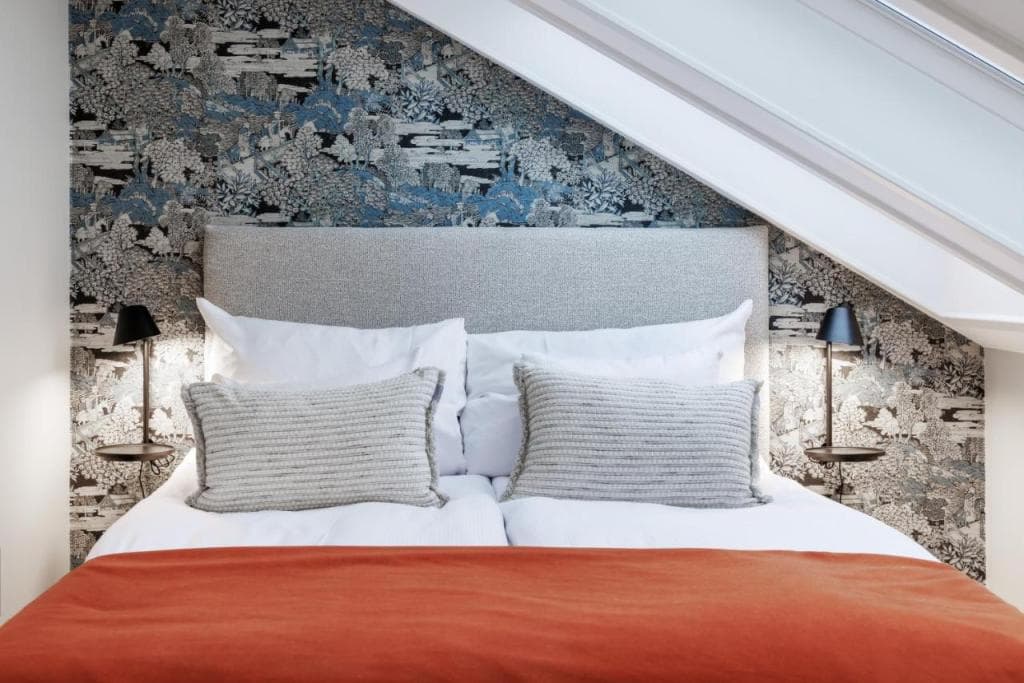


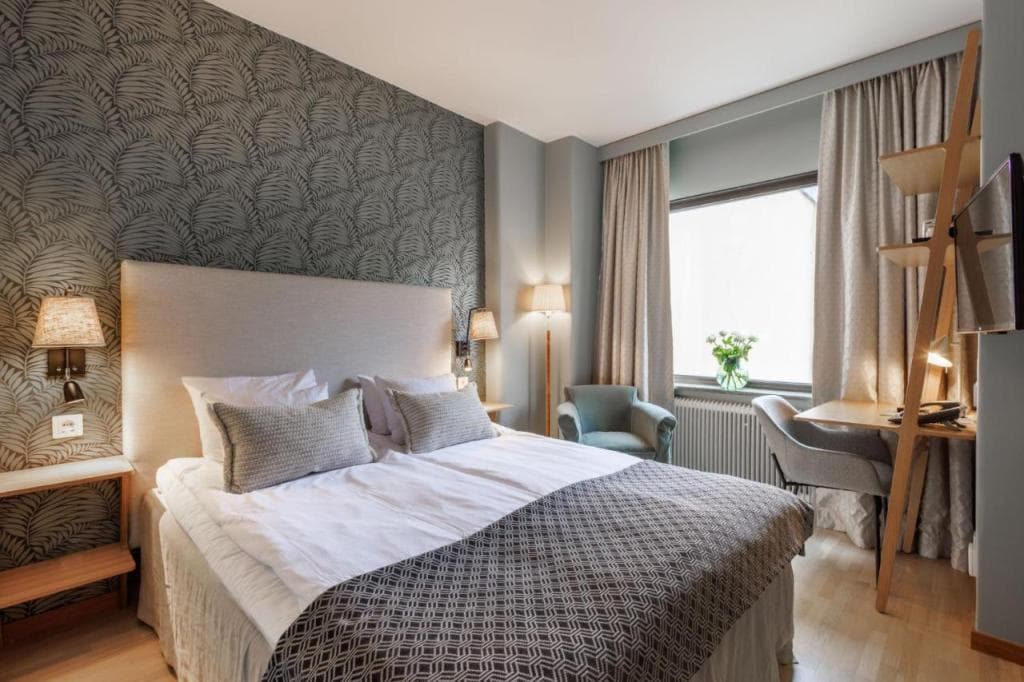

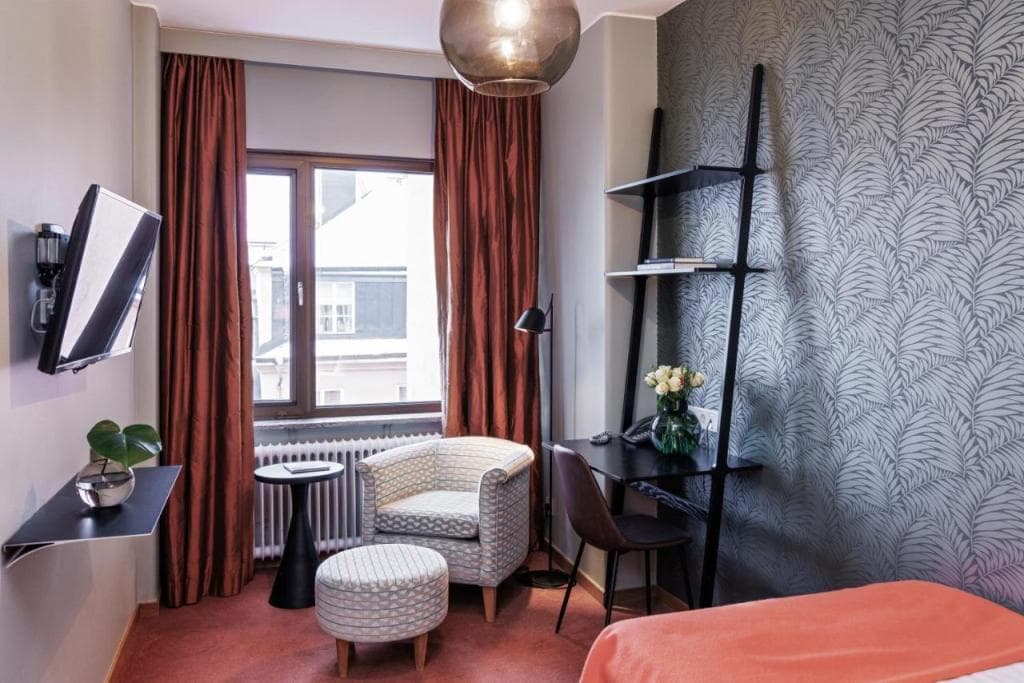

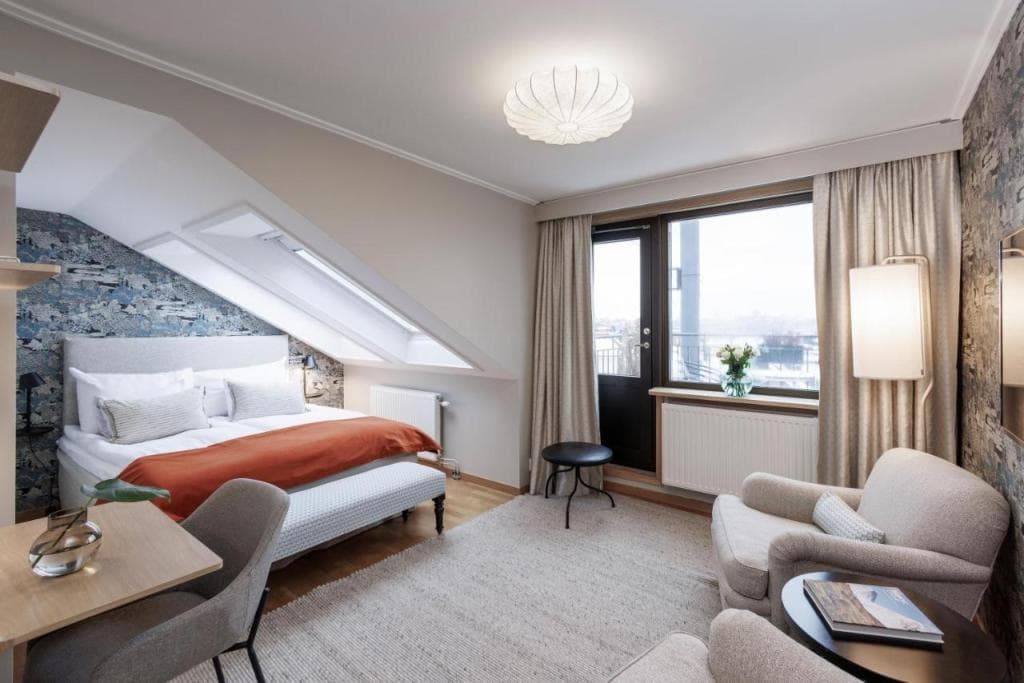 Stockholm65 rooms
In Stockholm's fashionable Östermalm neighborhood, this hotel is a 2-minute walk from the Östermalmstorg Metro Station and an 8-minute walk from the lively Stureplan Square. It has free Wi-Fi, an even


 Stockholm City Centre, Vasastan100 rooms
This hotel overlooks Tegnérlunden Park, 492 feet from the Drottninggatan shopping street and 10 minutes’ walk from Stockholm Central Station. It offers free WiFi, a bar and SPA & gym. Villa Dahlia’s


 Östermalm, Stockholm City Centre130 rooms
Set in an impressive 1911-era Art Nouveau building on upscale Strandvägen boulevard, Hotel Diplomat offers great views over Nybroviken Bay, spa and a restaurant with summer terrace. WiFi is free. Dip


 Östermalm, Stockholm City Centre22 rooms
Located on Östermalm, 1.2 mi from Sergels torg square and Stockholm city center, Ett Hem is a 5-star hotel with a restaurant, bar, fitness center and sauna. It offers a 24-hour front desk, room servic


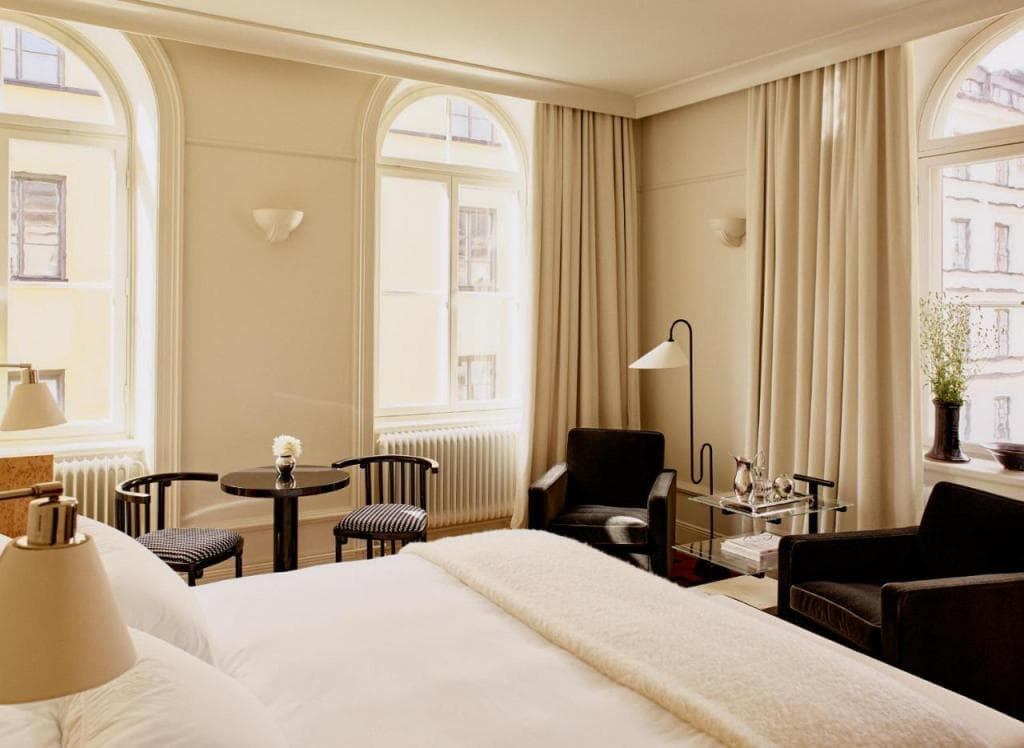


 Södermalm, Stockholm City Centre29 rooms
Conveniently located in the center of Stockholm, Stockholm Stadshotell provides air-conditioned rooms, a restaurant, free WiFi and a bar. This 5-star hotel offers room service and a 24-hour front desk


 Norrmalm, Stockholm City Centre277 rooms
Grand Hôtel Stockholm is located on the waterfront opposite the Royal Palace and the Old Town, 0.6 mi from Central Station. It offers fine dining, a spa and free WiFi access. Grand’s air-conditioned
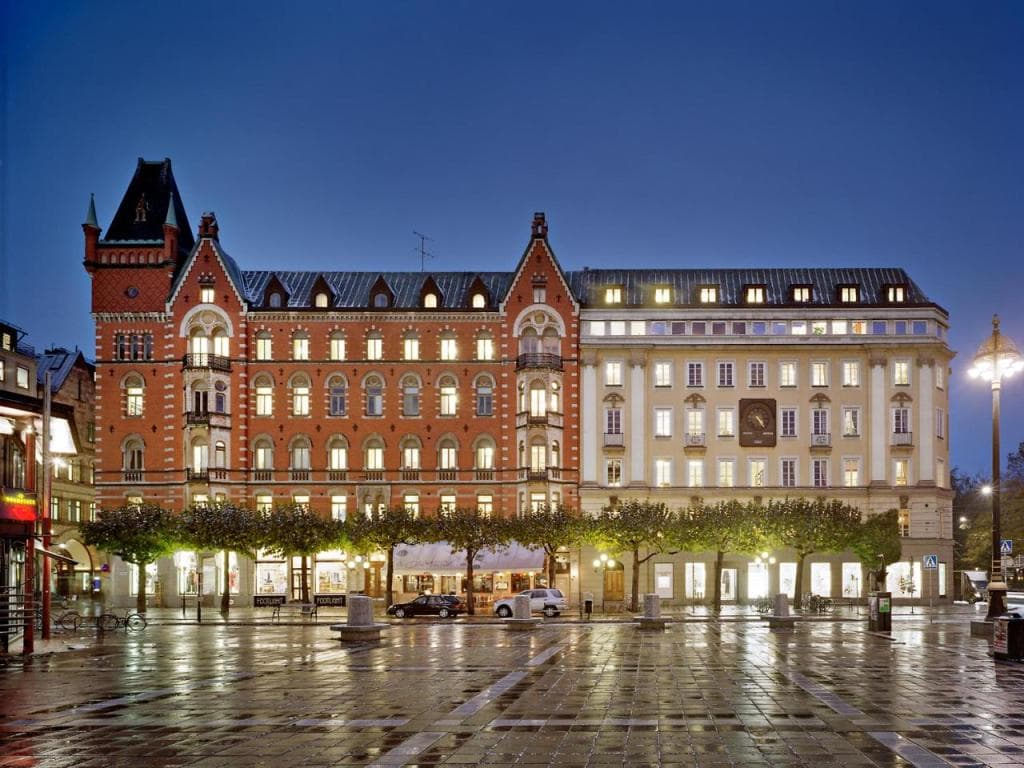


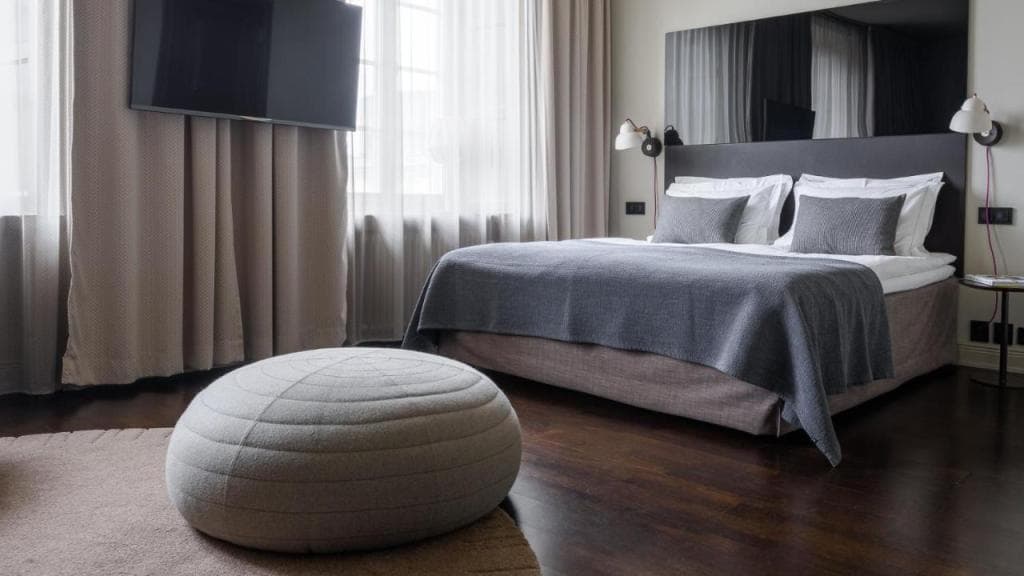


 Stockholm201 rooms
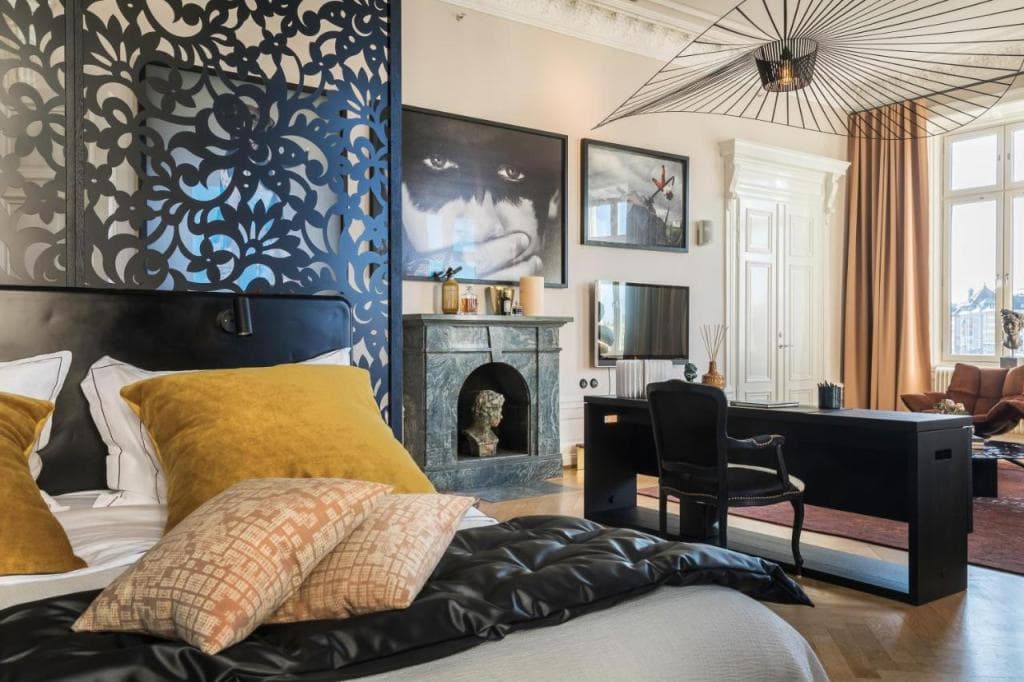
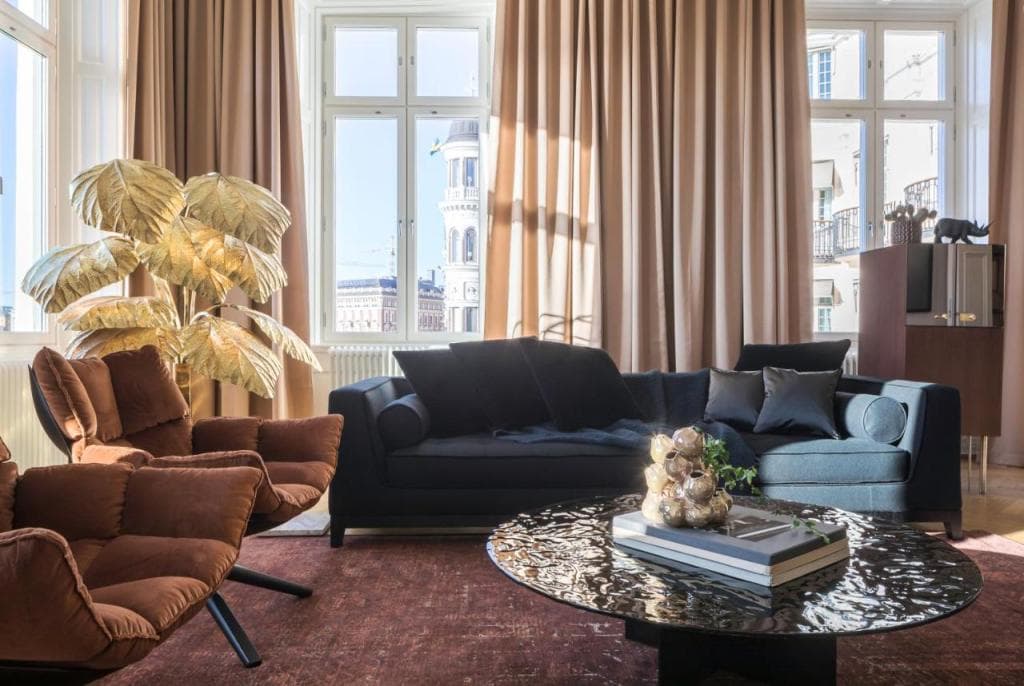
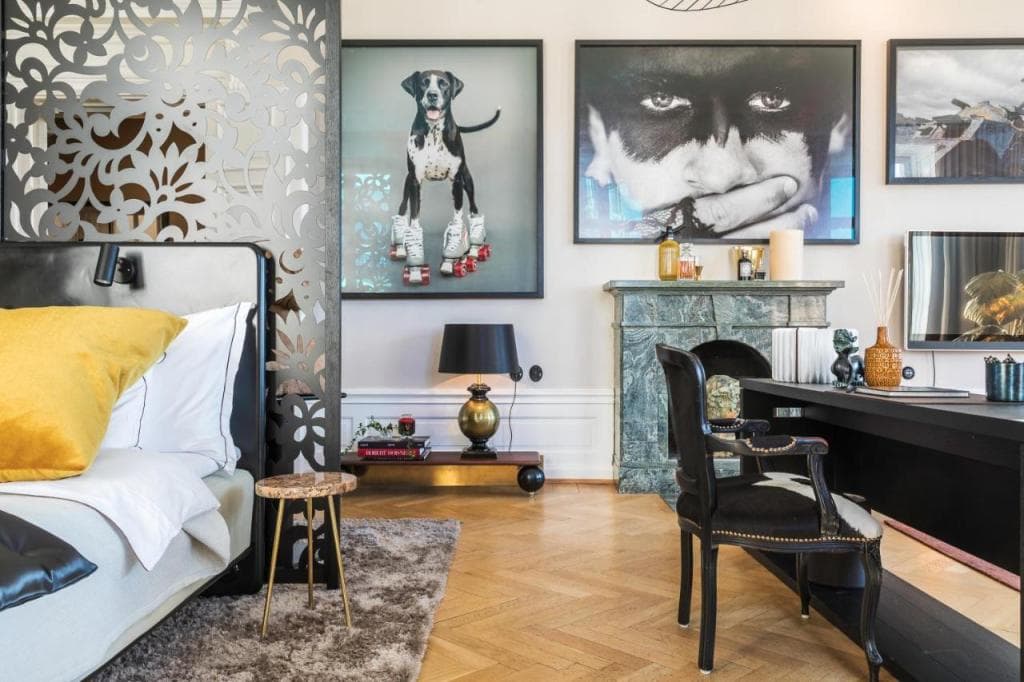
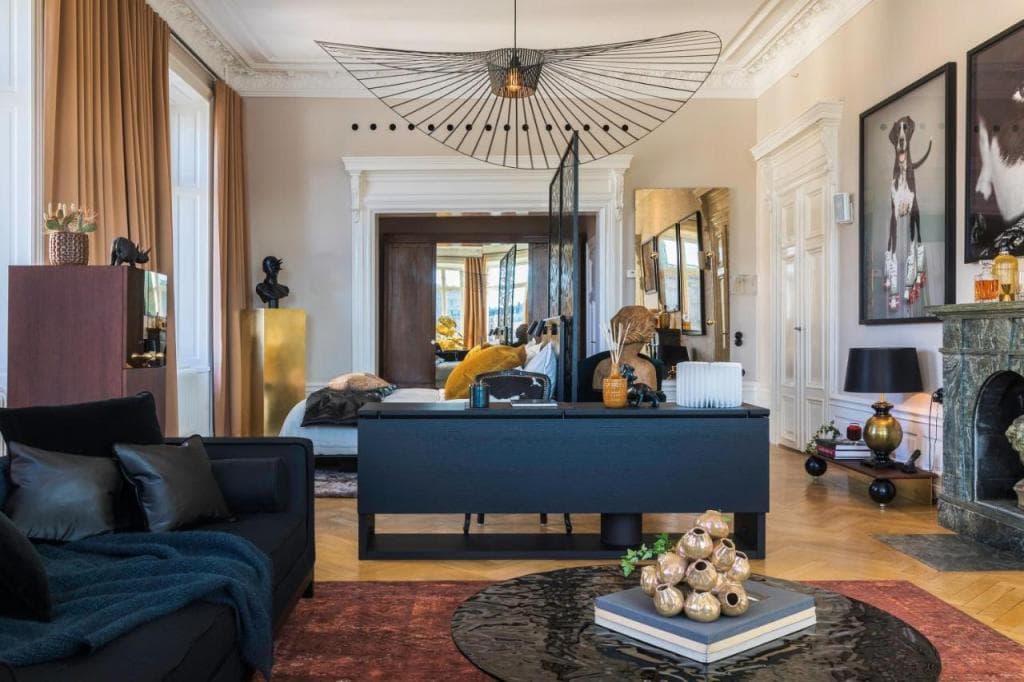
Nobis Hotel is housed in two stylish 19th-century buildings on Norrmalmstorg Square, in the middle of Stockholm’s main shopping district. It offers luxurious rooms with free WiFi access. All rooms at




 Stockholm46 rooms
Located by the National Museum, this chic waterfront hotel offers views of the Old Town and Royal Palace. It offers a popular bistro-style restaurant and art exhibitions. Free WiFi is available throug
Results 1 - 25
Sweden has long ranked among the most welcoming countries in the world for LGBTQ+ visitors, with marriage equality, robust legal protections and an everyday culture of respect and discretion. Stockholm reflects that ethos in its hospitality scene, where staff training, inclusive policies and an unfussy attitude towards same-sex couples are simply part of the standard.
Hotels selected here cover a spectrum of styles, from boutique addresses in restored townhouses to contemporary design properties along the quaysides. Whatever the budget, the priority is the same: a confident, considered welcome and a location that lets travellers explore the city's queer life on foot or by tunnelbana.
Södermalm is Stockholm's creative heart and the centre of its queer nightlife. Around Mariatorget and Medborgarplatsen, café terraces, vintage shops and independent galleries set the tone, while venues such as Side Track, Mälarpaviljongen on the waterfront and the long-running Patricia floating club host a mixed, friendly crowd well into the night.
Beyond Söder, the streets of Gamla Stan and Norrmalm offer a more polished evening rhythm, with cocktail bars, opera and design hotels catering to couples seeking quieter sophistication. The compact geography means moving between neighbourhoods is straightforward, whether by ferry, metro or simply walking across the bridges that stitch the islands together.
Stockholm's sightseeing rewards slow exploration. The medieval alleys of Gamla Stan lead to the Royal Palace and Storkyrkan cathedral, while Djurgården island gathers some of Europe's finest museums, including the Vasa with its salvaged seventeenth-century warship, the open-air Skansen and the ABBA Museum.
Design enthusiasts gravitate to Östermalm's galleries and to Fotografiska, the photography museum perched above the harbour. A boat trip into the surrounding archipelago, with its red-painted cottages and granite skerries, offers an unforgettable counterpoint to the urban core and is easily arranged from the central quays.
The high season runs from June to August, when daylight stretches past midnight and the city moves outdoors. Stockholm Pride, held in late July or early August, transforms Pride Park and Kungsträdgården into a week of concerts, debates and street parties, culminating in one of northern Europe's largest parades.
Winter has its own appeal, with snow-dusted rooftops, candlelit cafés and the Nobel Week festivities in early December. Spring and early autumn offer milder weather, fewer crowds and noticeably softer hotel rates across the central districts.