Review score — 7.8/10


 Strasbourg
 150 rooms
Located on Grande Ile, the historic center of Strasbourg, this luxurious Sofitel offers guestrooms with Sofitel MyBeds, flat-screen TVs and unlimited Wi-Fi internet access. Guests can enjoy French cu

 Strasbourg150 rooms
Located on Grande Ile, the historic center of Strasbourg, this luxurious Sofitel offers guestrooms with Sofitel MyBeds, flat-screen TVs and unlimited Wi-Fi internet access. Guests can enjoy French cu


 Strasbourg33 rooms
Hôtel De Rohan is set in the historic center of Strasbourg, just 492 feet from the Strasbourg Cathedral and the Rohan Palace. The hotel offers 2 furnished terraces and elegantly decorated, air-conditi


 Strasbourg30 rooms
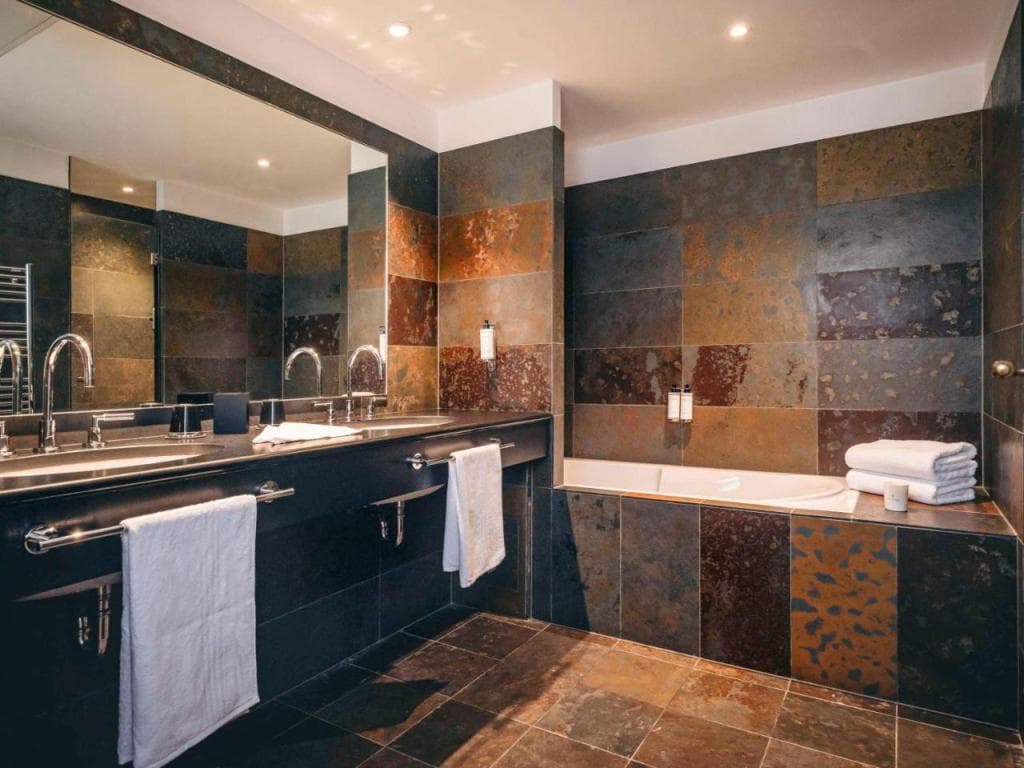
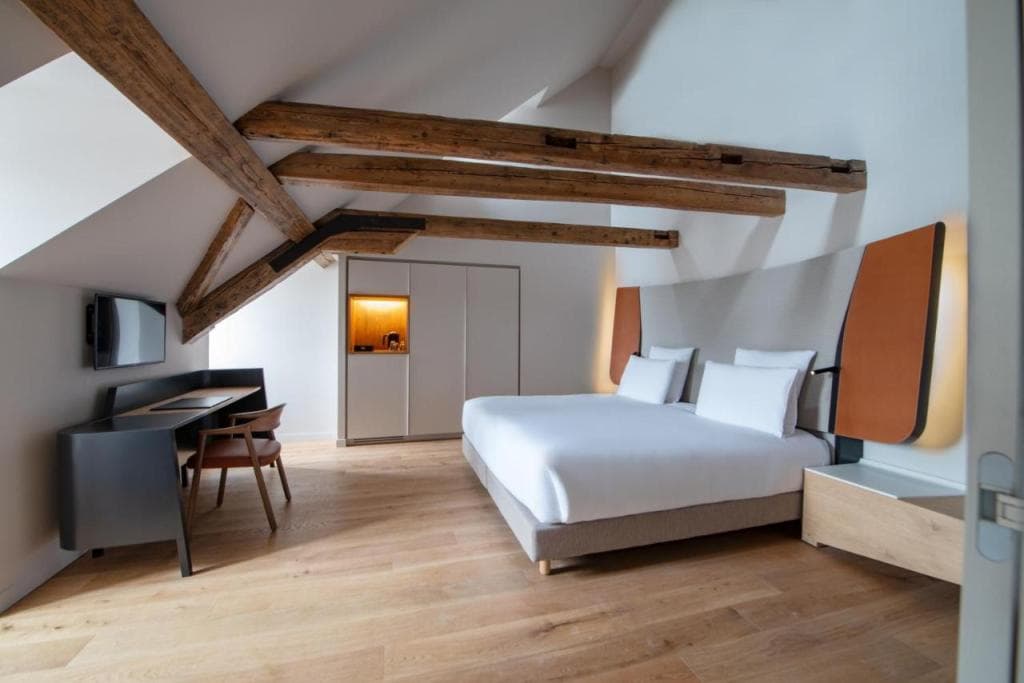
- Prestige Rooms measure approximately 121 ft² and are spacious, offering a personalized living area ideal for families. - Each room includes details such as a flat‑screen television. - Bathroom fac




 Strasbourg115 rooms
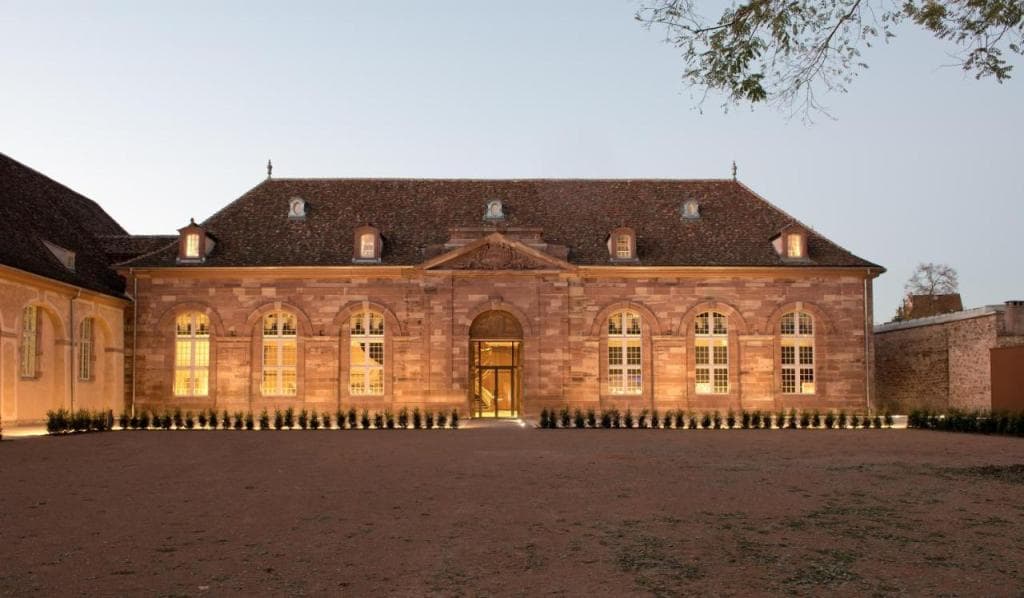
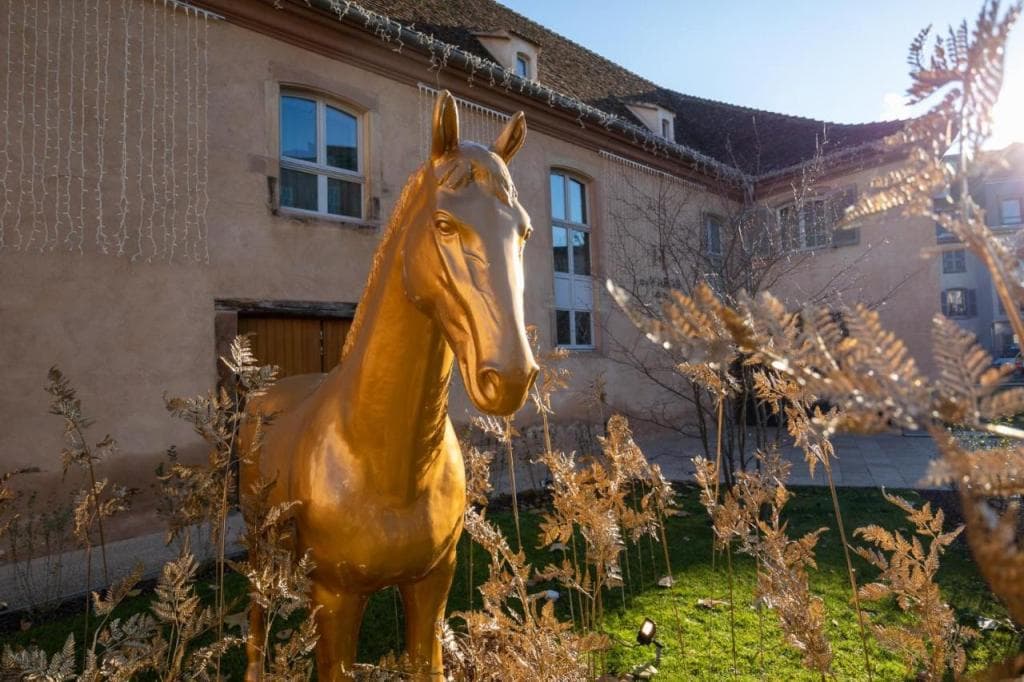
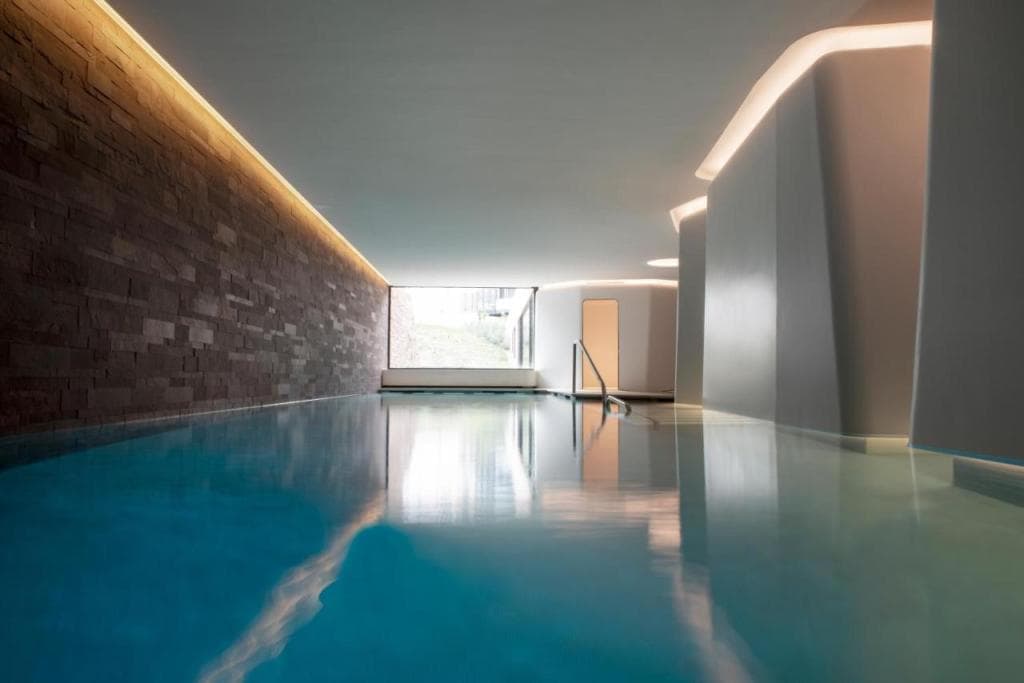
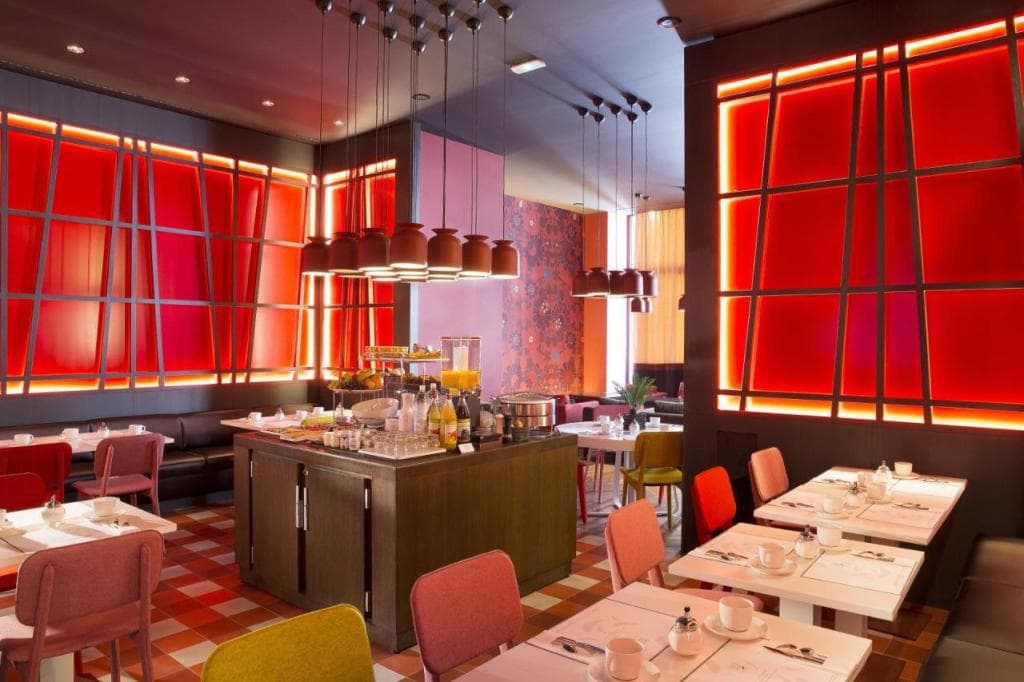
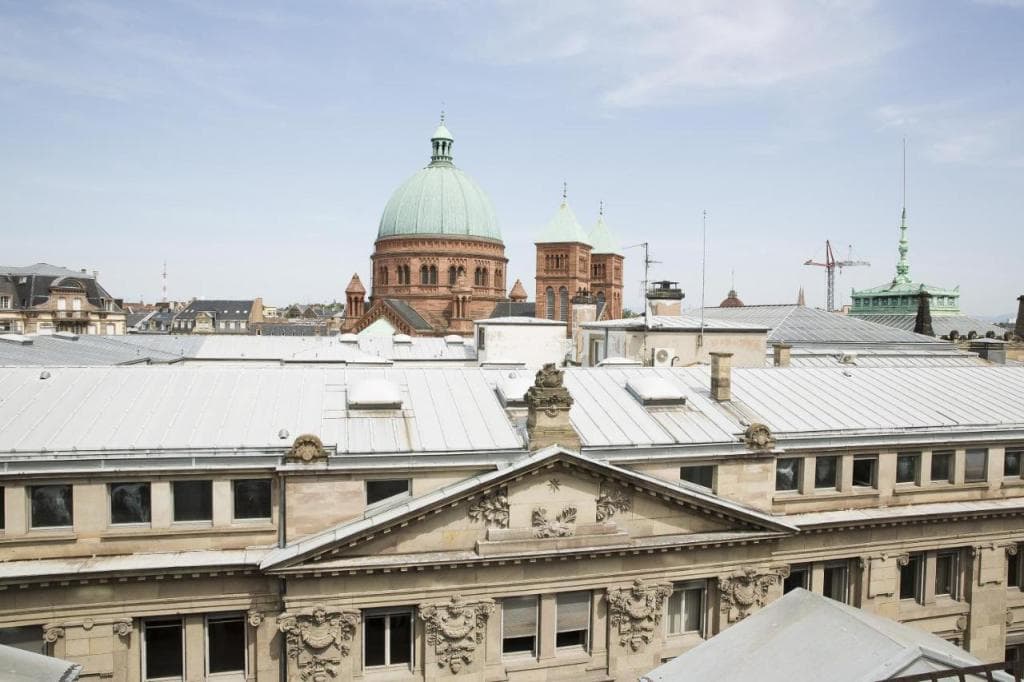
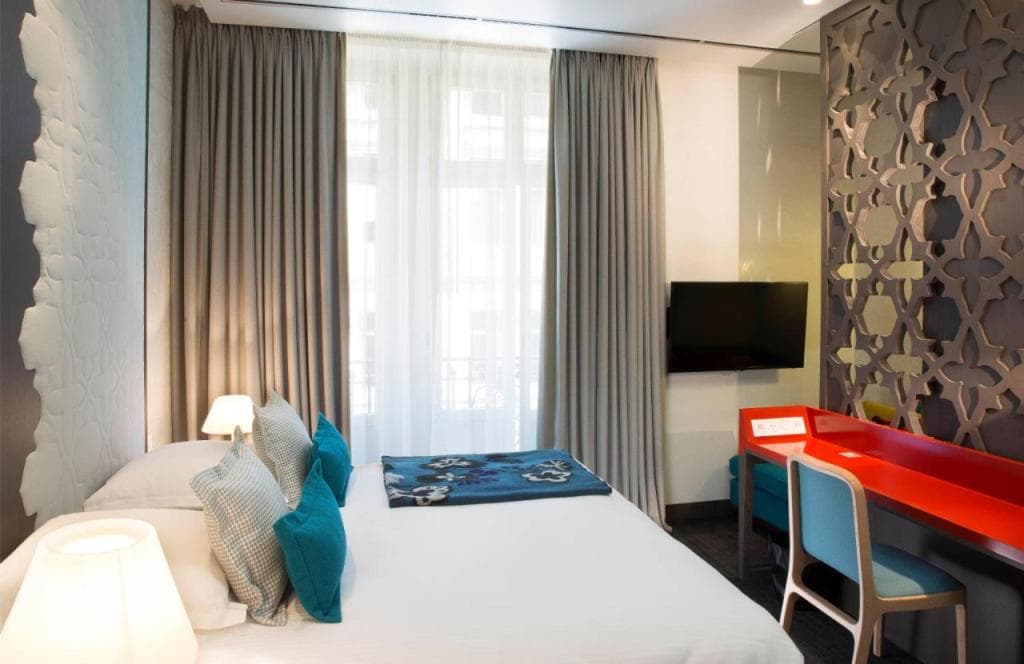
## Comfortable Accommodations Hotel Les Haras By Stay Collection in Strasbourg offers 4-star comfort with air-conditioning, private bathrooms, and city views. Each room includes a work desk, mini-bar



 Strasbourg37 rooms
Offering a fitness center and a sauna, Hotel D - Strasbourg is located in Strasbourg, a 13-minute walk from the cathedral and 1640 feet from the Christmas Market. Free Wi-Fi access is available. The
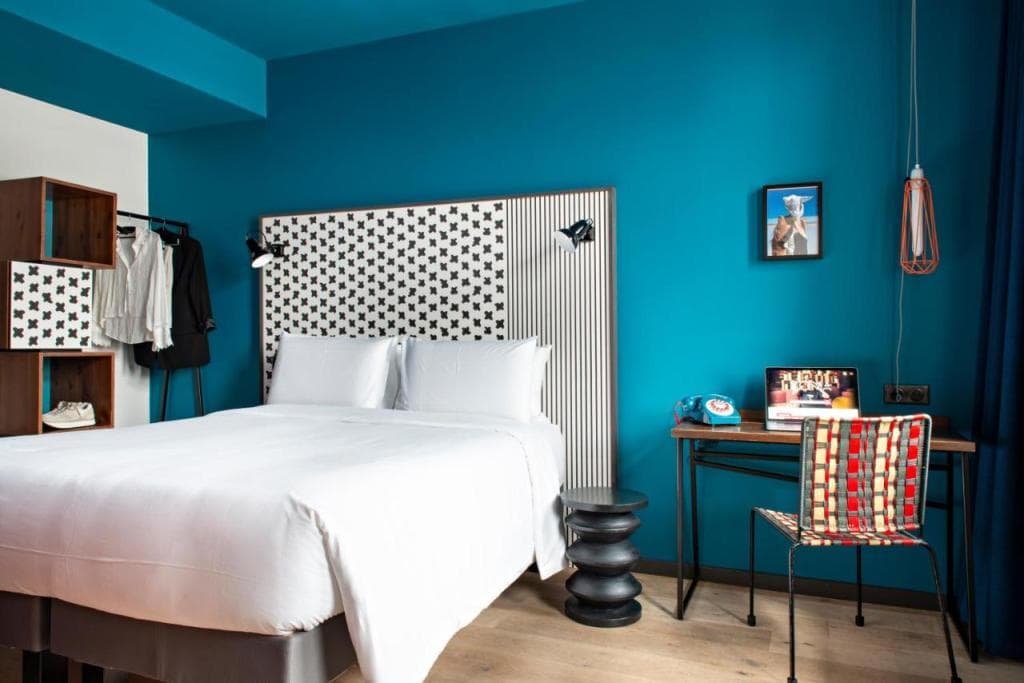


 Strasbourg103 rooms
BOMA easy living hotel is set in Strasbourg, 984 feet from The 'Petite France'. Guests can enjoy the on-site bistrot. Free WiFi is offered. Each room at this hotel is air conditioned and has a flat-s
Results 1 - 6
Capital of Alsace and seat of the European Parliament, Strasbourg cultivates a cosmopolitan, open-minded atmosphere that suits LGBTQ+ visitors looking for culture and calm in equal measure. The selected addresses share a clear commitment to inclusive hospitality, with attentive staff, neutral booking processes and a sense of discretion that fits the city's understated style.
Most properties sit within walking distance of the Grande Île, the UNESCO-listed historic centre, allowing same-sex couples to stroll hand in hand along the Ill river, between half-timbered facades and cobbled lanes, without ever feeling out of place.
Strasbourg's queer scene is concentrated around the city centre rather than confined to one street. The area between Place Kléber, Rue des Frères and the Krutenau quarter gathers the main bars and clubs, including long-running venues that host mixed and themed nights. Le Cheval Blanc and a handful of cocktail bars near the cathedral are popular meeting points before heading out.
The Krutenau, just south of the centre, is the most relaxed neighbourhood for an evening out, with its student energy, craft breweries and small restaurants. Festigays, the local Pride, animates the streets each spring with a march, debates and concerts organised by the association La Station, the city's LGBTQ+ community centre.
The skyline is dominated by Notre-Dame Cathedral, a masterpiece of Rhenish Gothic architecture whose astronomical clock still draws crowds at solar noon. A short walk leads to Petite France, the former tanners' district, where flower-filled bridges and crooked houses reflect into the canals.
Beyond the historic core, the Neustadt, built under German rule, offers wide boulevards and imperial palaces now part of the UNESCO listing. The European quarter, with its Parliament and Council of Europe, can be reached by tram, while the Museum of Modern and Contemporary Art and the Palais Rohan reward art lovers with a rich, layered collection.
Strasbourg shines in two very different seasons. From late November to late December, the Christkindelsmärik transforms the Grande Île into one of Europe's oldest Christmas markets, perfect for a romantic getaway with mulled wine and Alsatian specialities. Late spring and early summer bring milder weather, open-air terraces along the Ill and the energy of Festigays, ideal for combining sightseeing with the local LGBTQ+ calendar.