

The Gay Destination You’ll Want to Return To Again and Again
 By Xavier B in Destination, Sitges, Guides, Hotels, Gay PrideMonday, April 13, 2026
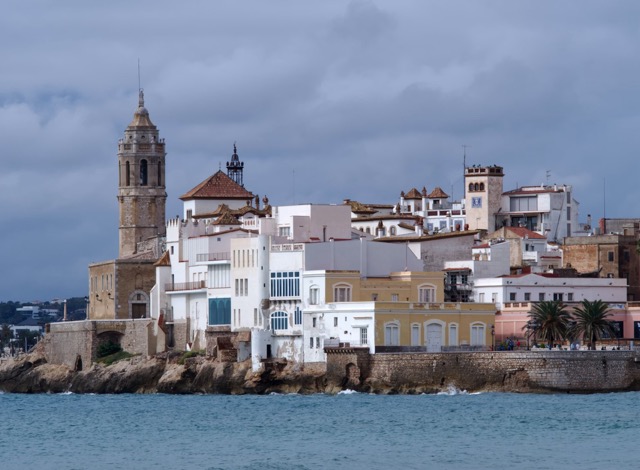
Just 35 minutes from Barcelona, Sitges has built a global reputation as one of Europe’s most iconic gay destinations. Beaches, nightlife, charm, and a unique sense of freedom, this is why travelers keep coming back.
Sitges is not just a destination. It’s a feeling.
You arrive in Sitges and, within a few hours, something shifts. It might be the light, soft, Mediterranean, instantly calming. It might be the sea, always close, always present. Or it might simply be the fact that everything feels easier, as if the town is designed to remove friction rather than create it. One American traveler described it perfectly after a first visit: “I didn’t expect much, just a beach town near Barcelona. But within a day, I felt more relaxed than I had in months.” That’s Sitges: not spectacular in the obvious sense, but quietly addictive in a way that makes you start thinking about your next trip before the first one is even over.
check-out here Gay hotels, Gay accommodations Sitges
Why Sitges became a global gay hotspot
There are plenty of gay destinations in Europe, but Sitges occupies a very specific space. It’s small enough to feel intimate, walkable enough to feel effortless, and infused with LGBTQ+ life without ever feeling like it’s trying too hard. That’s why it lands differently. As a UK traveler put it: “It’s one of the few places where being gay doesn’t feel like a ‘scene’, it just feels normal.” And that’s the key distinction. You don’t come to Sitges to “find the gay area.” You come because the entire town already understands the rhythm you’re looking for.
The beaches: where connections happen naturally
In Sitges, the beach isn’t just where you lie in the sun. It’s where the day begins, and often where it takes shape, socially as much as visually. The town’s beach culture has its own geography, and each spot carries a slightly different energy.
Platja de la Bassa Rodona is the main gay beach: central, social, and easy to slip into even if you arrive alone. A solo traveler from Germany shared: “I arrived alone, put my towel down, and within 20 minutes I was talking to people. That never happens to me anywhere else.” That’s what Sitges does well: it lowers the barriers without forcing anything.
Balmins Beach feels more relaxed, with a slightly older crowd and a partially clothing-optional vibe that stays friendly rather than performative. A French couple described it as “the perfect balance, relaxed, friendly, no pressure, just good energy,” which captures exactly why it’s so loved: it’s social, but it never feels like you have to be “on.”
And then there’s Playa del Muerto, more remote, more explicit, more uninhibited. It’s not for everyone, but for some travelers it’s part of what makes Sitges feel unique, proof that the town makes room for different comfort levels and different versions of freedom.
The nightlife: simple, dense, and effective
Sitges nightlife works because it removes friction. You don’t need Uber. You don’t need a schedule. You don’t need to plan. Everything is close enough that you can let the night evolve naturally, one drink at a time, one conversation at a time. A frequent visitor summed it up perfectly: “You don’t plan your nights in Sitges. You just step outside and let it happen.”
The center of gravity is Carrer del Pecat, where the evening energy concentrates and where it’s almost impossible not to feel the town’s social pulse. Parrots Bar is the iconic early-evening anchor: social, open, the kind of place where you start with “one drink” and end up collecting a group. El Horno feels a bit more local and intimate, a good counterbalance when you want something slightly calmer. And XXL takes things later and more intense, for nights when you’re ready for the volume to rise. As a traveler from New York put it: “It’s like the whole town becomes one big bar, but in a good way.” In Sitges, that’s not an exaggeration; it’s almost the operating system.
Events: when Sitges becomes even more alive
Sitges doesn’t need events to exist, its baseline energy is already strong. But when big moments land on the calendar, the town intensifies in a way that feels concentrated rather than chaotic. Sitges Pride is often described as more compact than in larger cities, but for many travelers that’s exactly what makes it more enjoyable. “It feels like Pride, but without the chaos. Everything is close, and everyone is part of it.” That closeness turns the event into something immersive, where you’re not commuting between experiences, you’re living inside them.
Bears Week Sitges
The Bears Week Sitges is another peak moment, one of Europe’s biggest and friendliest bear gatherings. The recurring feedback is almost always the same: welcome, inclusion, warmth. “I’ve never felt that welcomed anywhere else. It’s incredibly inclusive.” In a town like Sitges, these events don’t feel like temporary takeovers; they feel like the town doing what it already does best, just louder.
Where you stay shapes your entire trip
This is the part many travelers underestimate at first. In Sitges, your hotel isn’t only a base, it becomes part of your rhythm. You don’t just sleep there; you return during the day, you reset, you get ready, you change the pace, and sometimes you even meet people through it. A traveler from Amsterdam explained it simply: “The second time I went, I chose a better hotel, and it completely changed my experience.” That’s the difference. In Sitges, the “between moments” matter, and your accommodation determines how smooth those moments feel.
What you look for depends on what you want from the trip. A central location matters if nightlife is a priority and you want everything within a few minutes’ walk. Calm and a view matter if you want balance and recovery between the beach and the bars. And above all, it helps to stay somewhere that feels aligned with you, your pace, your energy, your version of a good weekend. That’s exactly why mygayhotels.com can help here: not by offering everything, but by helping you choose better.
Sitges vs other gay destinations
Comparisons are inevitable, and travelers often describe the difference with surprising clarity: “Mykonos is more impressive. Ibiza is more intense. Barcelona is bigger. But Sitges is the one I actually want to go back to.” That line says almost everything. Sitges isn’t about scale. It’s about consistency, how easily it delivers the same good feeling, again and again, without needing to be extreme.
A few things to keep in mind
Sitges is easy to love, but it isn’t perfect. In peak summer, the town can get crowded, especially around the old center and the main beach, and prices can rise quickly, particularly for well-located hotels. The best places often book far in advance, which means spontaneity becomes harder in high season.
The nightlife, while fun and accessible, is also compact. If you’re used to larger cities like Berlin or Barcelona, you might find the scene a bit repetitive after a few nights. And because Sitges is so social, it’s not always the ideal fit if you’re looking for total anonymity or a very quiet escape, at least not during the busiest months.
But interestingly, even those “downsides” are often framed as part of the charm. “Yes, it gets busy. Yes, you start recognizing people after a few days. But that’s also why it feels like a community.” And that’s probably the best way to understand Sitges: it’s not just a destination you visit. It’s a place you start belonging to, even temporarily.
Who is Sitges really for?
Sitges works for almost everyone, but it’s especially good for a few profiles. Solo travelers tend to love it because it’s one of the easiest places in Europe to connect naturally. Couples often find it relaxed and judgment-free, with the kind of openness that makes even simple moments feel lighter. Groups benefit from how walkable and convenient everything is, beach, dinner, drinks, and late nights without coordination stress. And for first-time gay travelers, it can feel safe and intuitive in a way that’s rare: you don’t need to “know the scene” to enjoy it.
As one first-time visitor wrote: “It was my first trip alone as a gay man. Sitges made it feel easy.” That’s the core promise in one sentence.
Final thought: the “return factor”
Some destinations impress you. Others stay with you. Sitges belongs to the second category. One traveler summed it up perfectly: “It’s not the most spectacular place I’ve been. But it’s the one I keep booking again.” And that’s exactly why it works. Sitges isn’t trying to be the loudest or the biggest. It’s trying to be the place you return to, because it keeps delivering the same rare combination: ease, familiarity, and a sense of belonging.
FAQ
Is Sitges a good destination for gay travelers?
Yes, it’s one of the most welcoming and established LGBTQ+ destinations in Europe.
When is the best time to visit Sitges?
May to September for peak energy, but spring and early autumn are ideal for a more relaxed trip.
Is Sitges good for solo gay travelers?
Very, it’s one of the easiest places in Europe to meet people naturally.
Where should I stay in Sitges?
Near the old town for nightlife, or seafront for more calm, curated options on mygayhotels.com help simplify the choice.
Why do people return to Sitges so often?
Because it offers something rare: ease, familiarity, and a sense of belonging.
By Xavier B
in
Destination
,
Sitges
,
Hotels
monday 13 april 2026
Previous post

Sitges Gay pride 2026 - Dates, parade, gay hotels in Sitges
What is the best to know about the gay pride in Sitges
By Xavier B
in
Destination
,
Sitges
,
Gay Pride
monday 13 april 2026
Next post
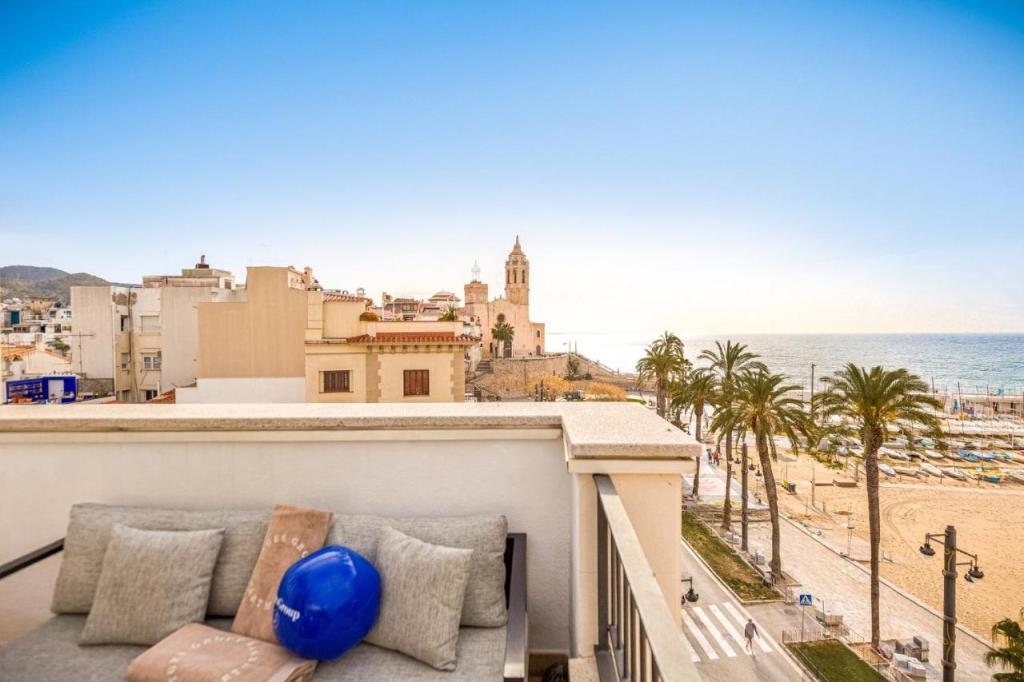
Best Gay Hotels in Sitges: Where to Stay for the Perfect LGBTQ+ Getaway
Looking for the best gay hotels in Sitges? Discover where to stay near beaches, nightlife, and the heart of Sitges’ LGBTQ+ scene.