Exceptional — 9.8/10



 Kyoto
Kyoto 3 rooms
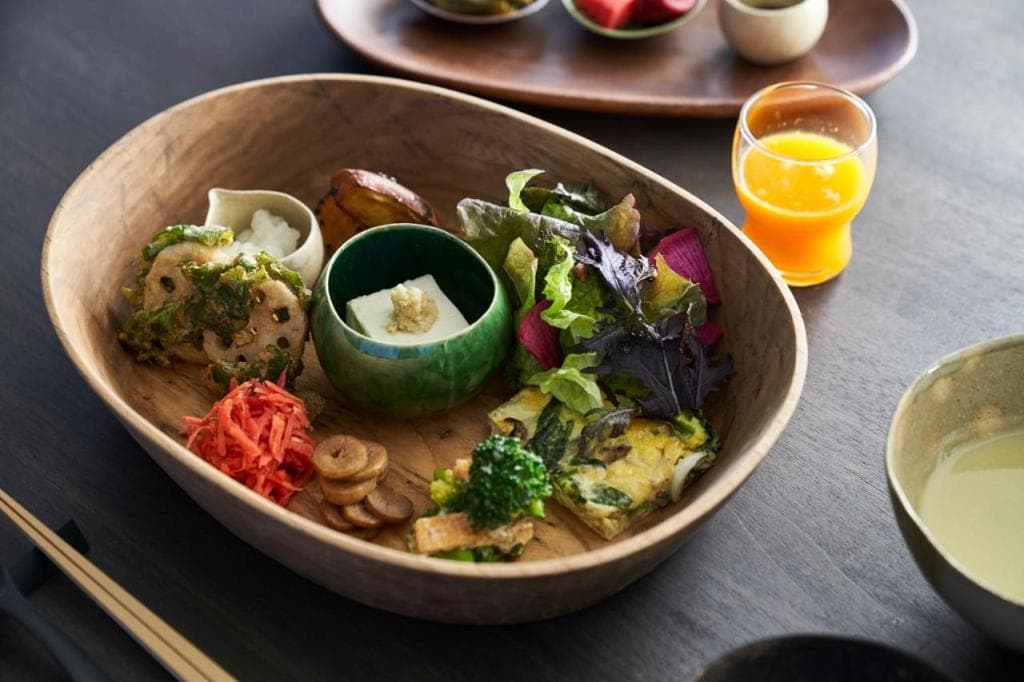
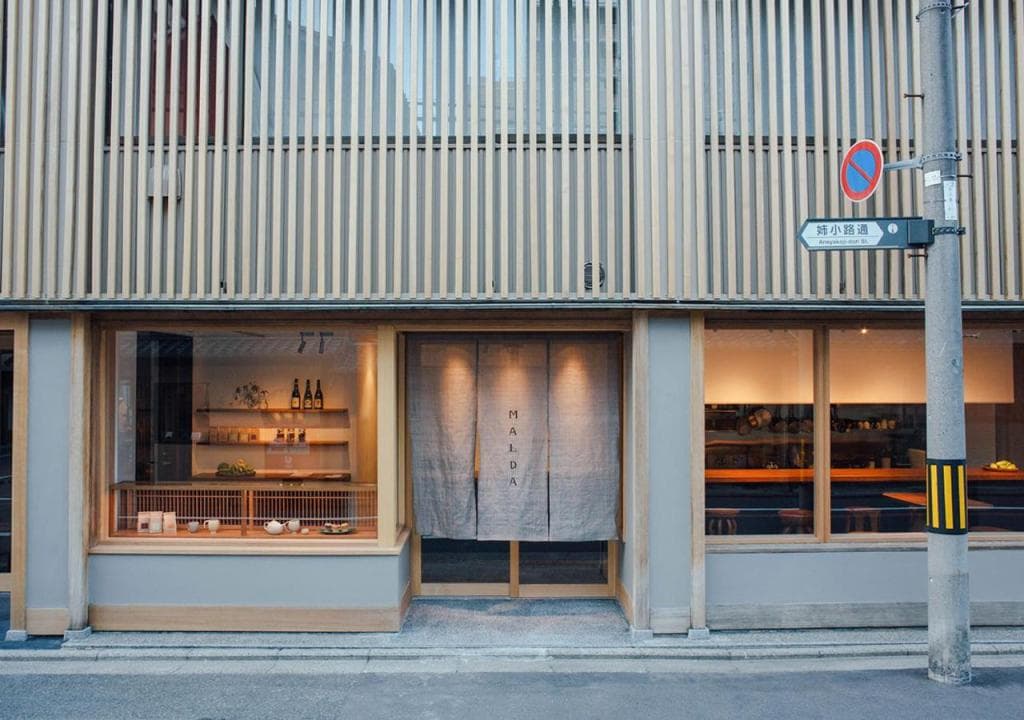
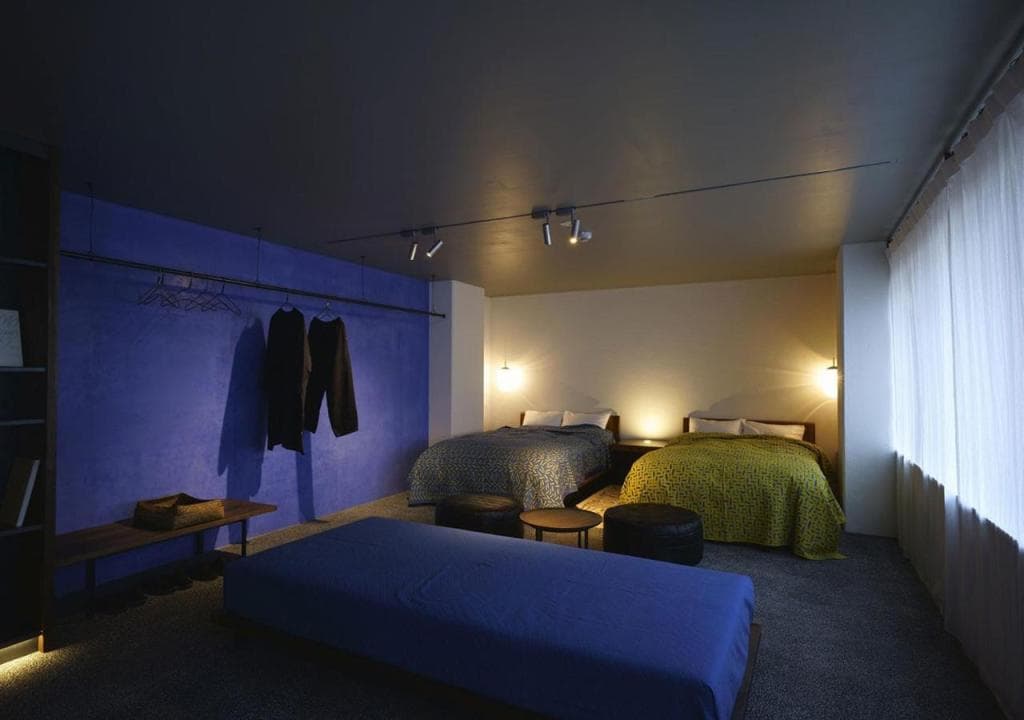
## Modern Dining Malda Kyoto in Kyoto offers a modern restaurant serving brunch. Guests can enjoy a variety of meals in a comfortable setting. ## Comfortable Accommodations The hotel features air-c

 Kyoto3 rooms
## Modern Dining Malda Kyoto in Kyoto offers a modern restaurant serving brunch. Guests can enjoy a variety of meals in a comfortable setting. ## Comfortable Accommodations The hotel features air-c




 Kyoto27 rooms
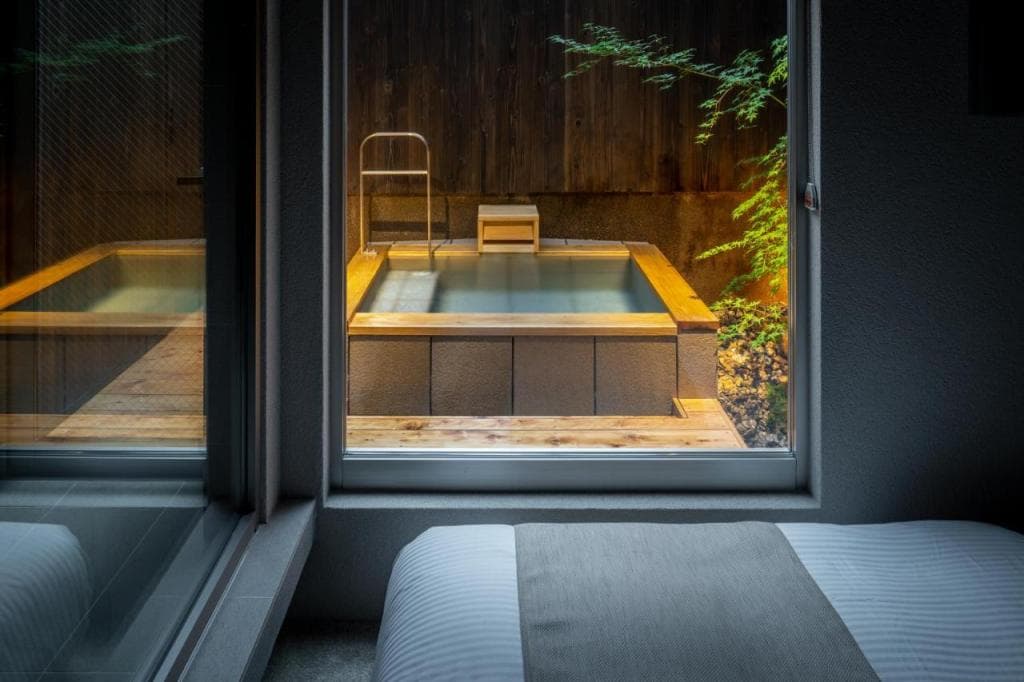
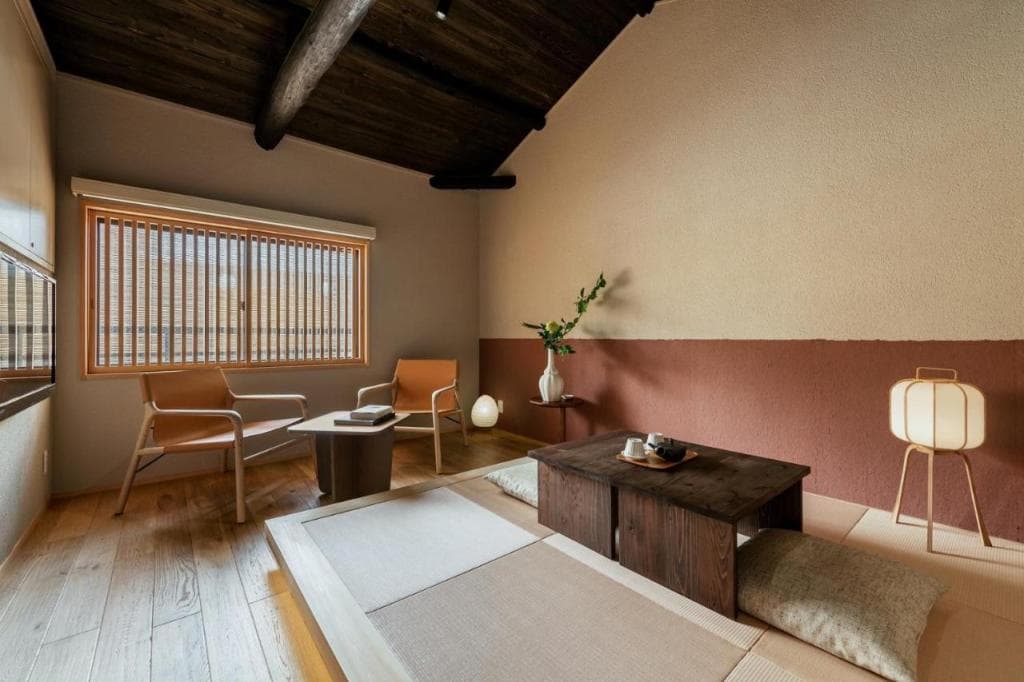
## Elegant Accommodations Nazuna Kyoto Tsubaki St. in Kyoto offers a 5-star ryokan experience with a restaurant, open-air bath, and free WiFi. Guests enjoy a lounge, hot tub, and private bathrooms wi


 Kyoto1 room
## Comfortable Accommodations YADORU KYOTO HANARE Mizunoe No Yado in Kyoto offers a holiday home with two bedrooms and a living room. The property features a garden, open-air bath, and free WiFi, ens



 Kyoto9 rooms
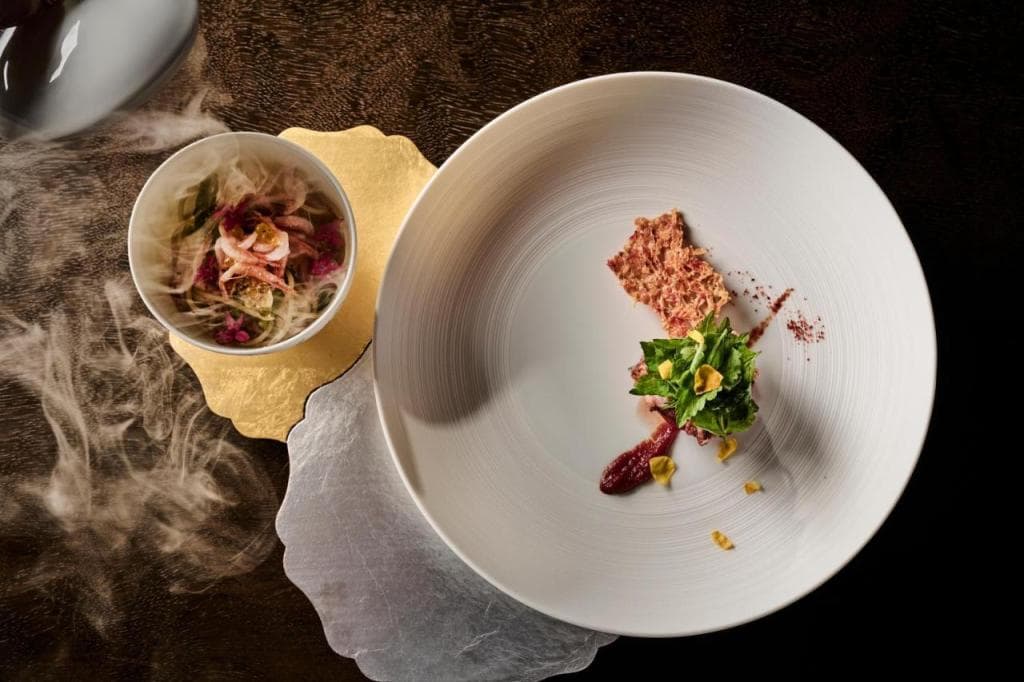
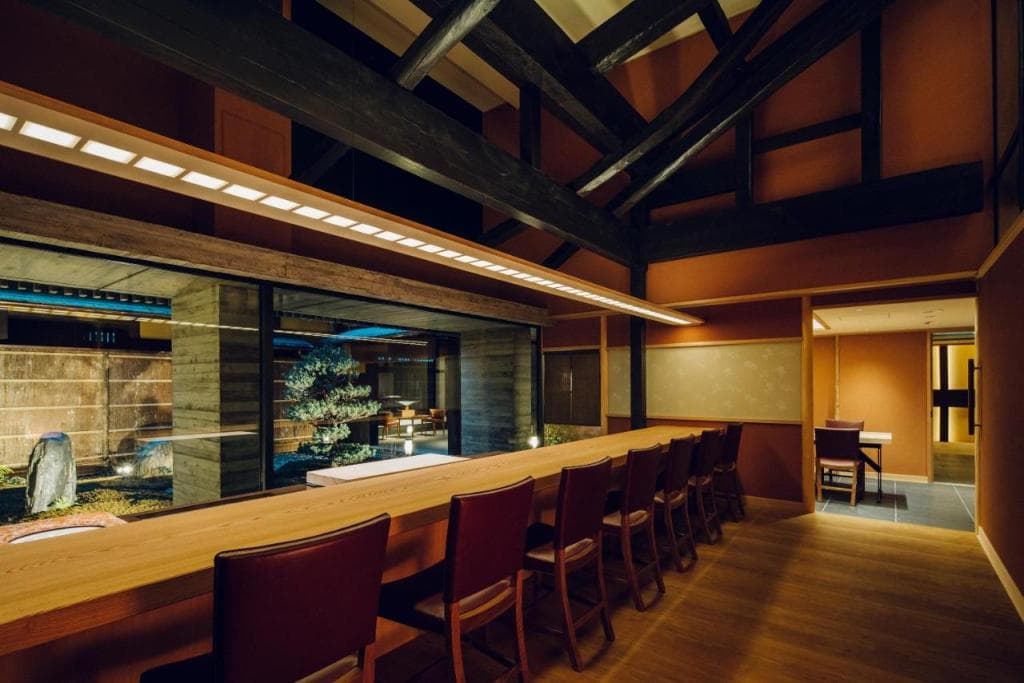
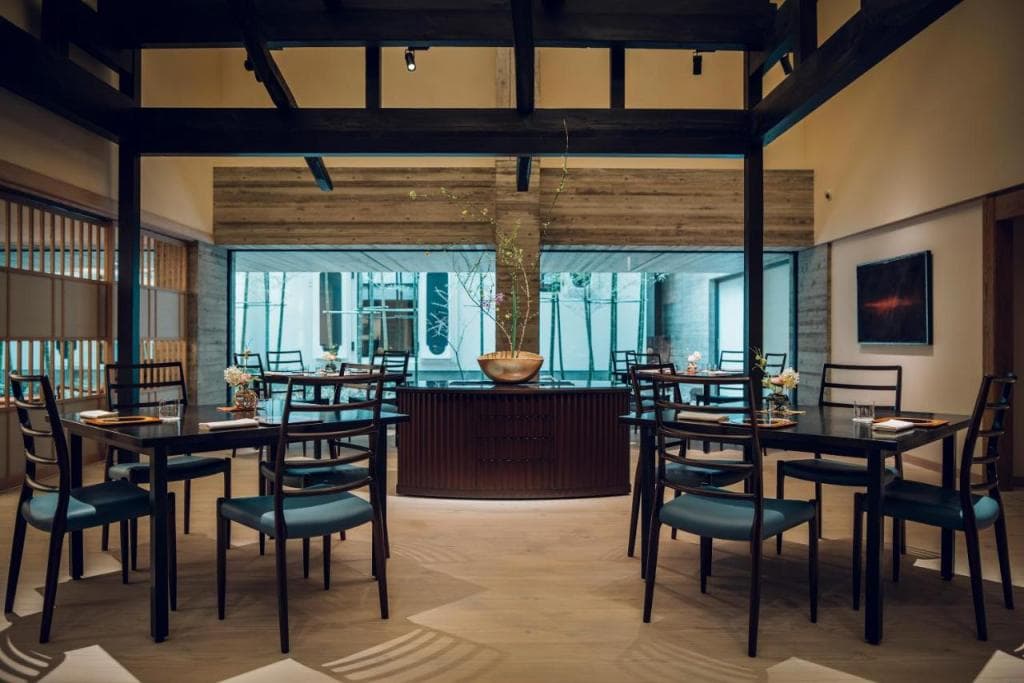
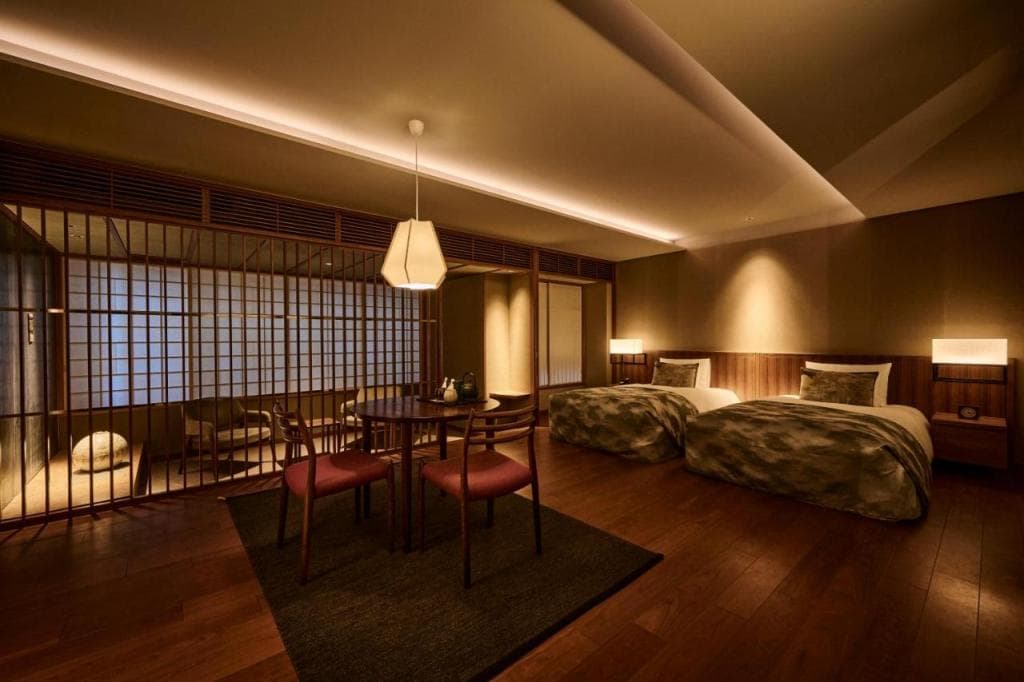
Located in the Nakagyo Ward district, THE HIRAMATSU KYOTO provides a bar. Among the facilities of this property are a restaurant, a 24-hour front desk and room service, along with free WiFi. The accom



 Kyoto3 rooms
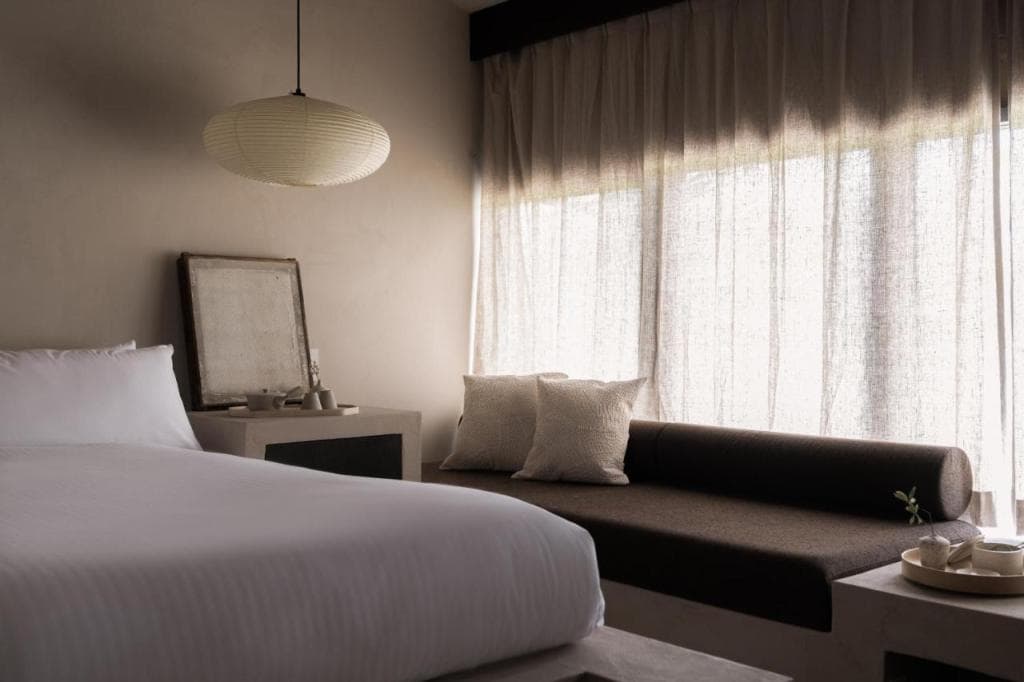
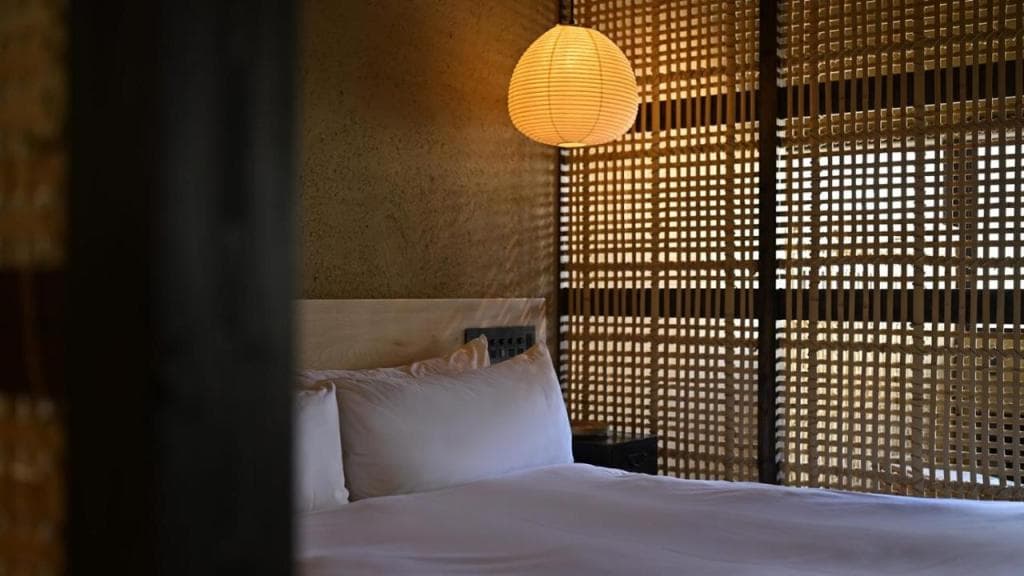
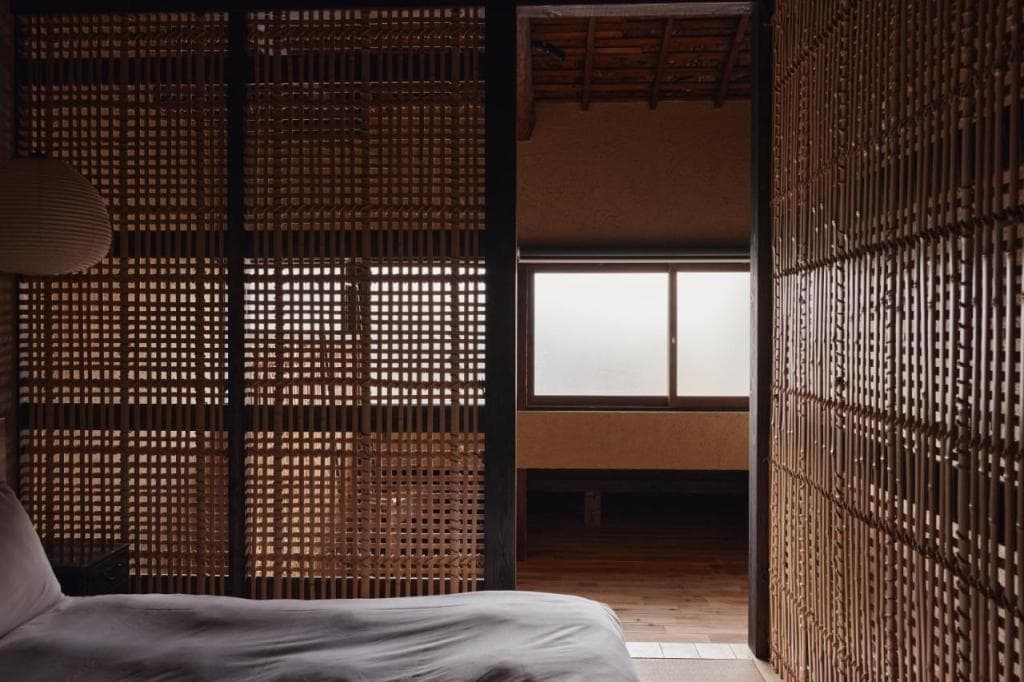
## Elegant Accommodations Maana Kiyomizu in Kyoto offers a 5-star hotel experience with comfortable rooms featuring air-conditioning, private bathrooms, and modern amenities. Guests enjoy free WiFi,




 Kyoto8 rooms
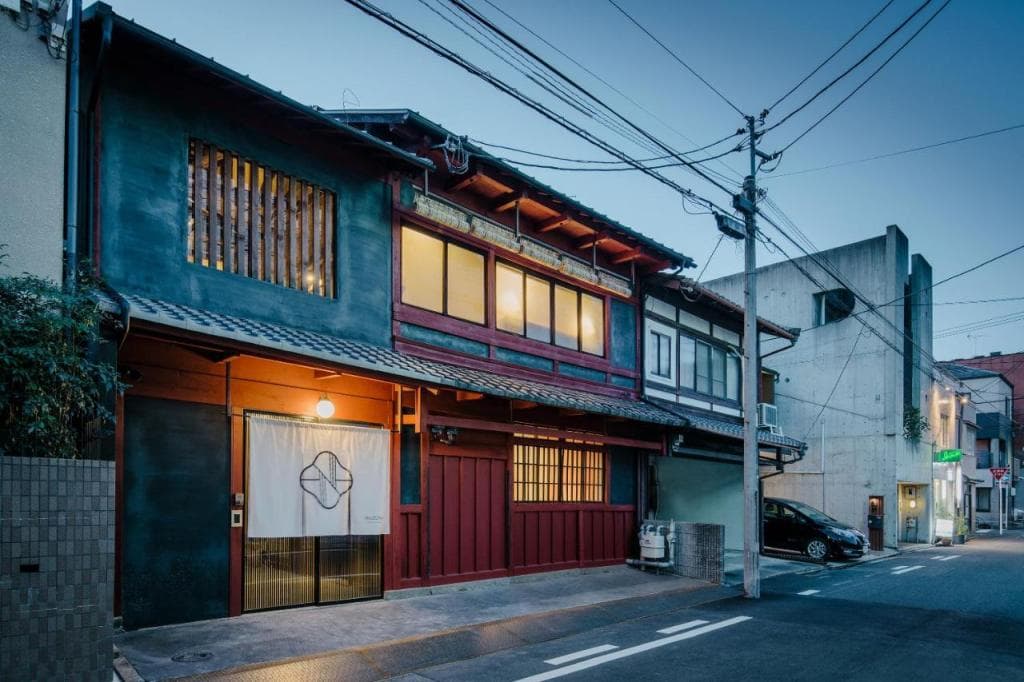
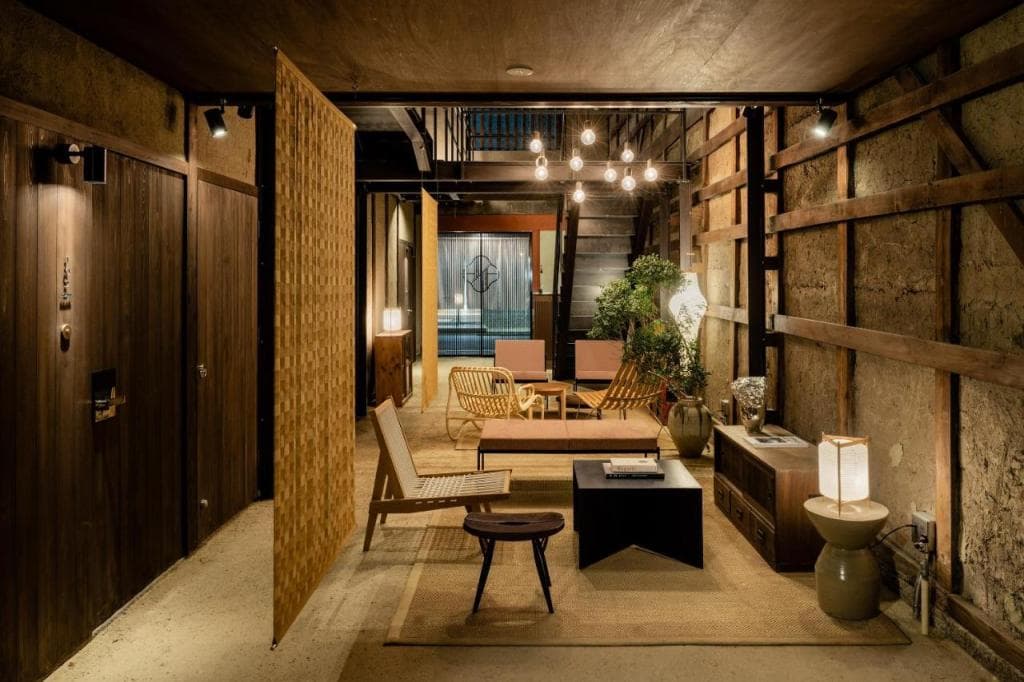
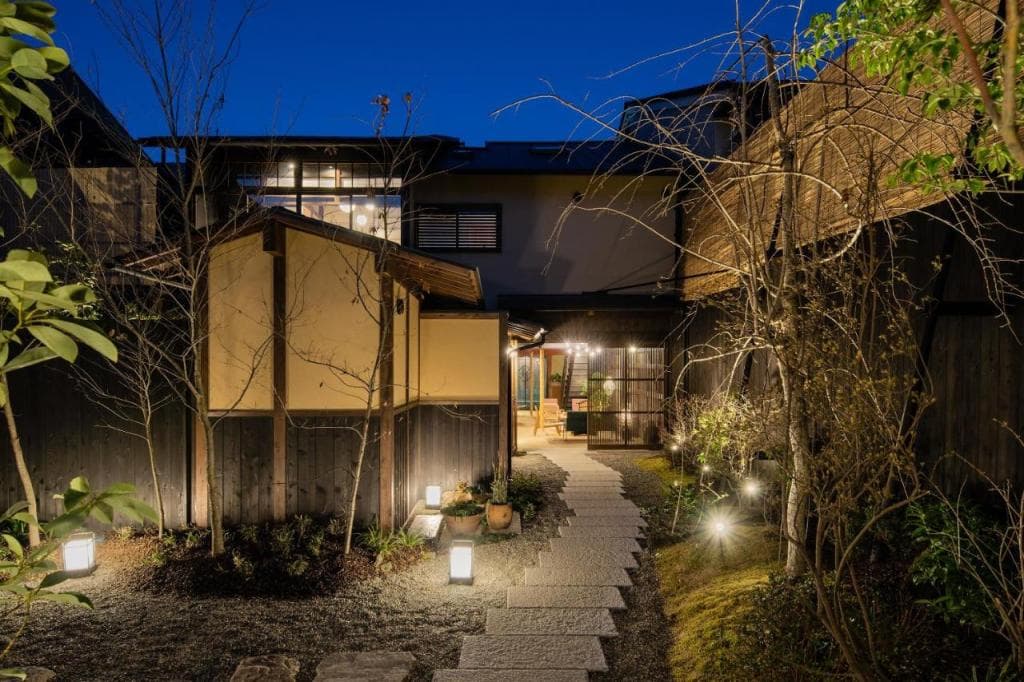
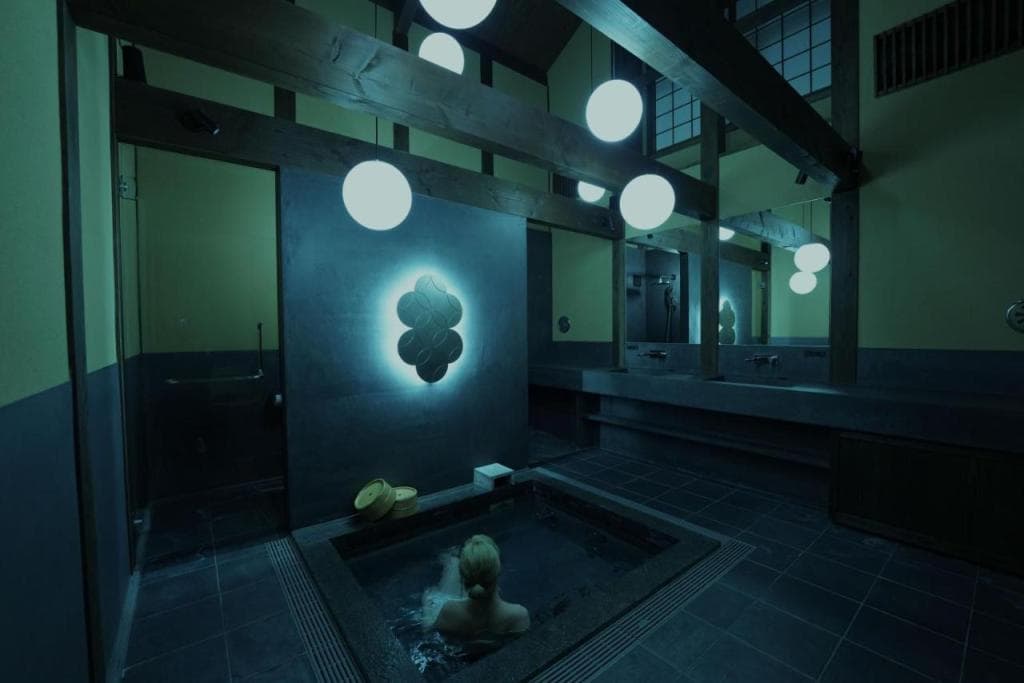
Featuring free WiFi, Nazuna Kyoto Gosho is set in Kyoto. The property is around 2133 ft from Kyoto International Manga Museum, 0.7 mi from Nijo Castle and 0.8 mi from Kyoto Imperial Palace. The ryokan





 Kyoto120 rooms
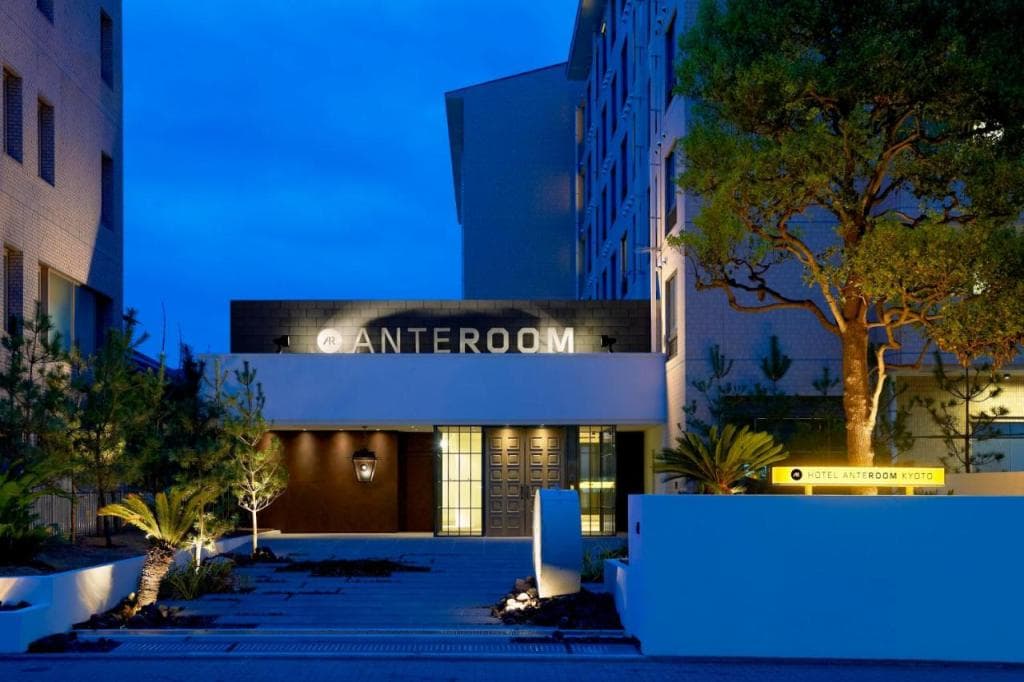
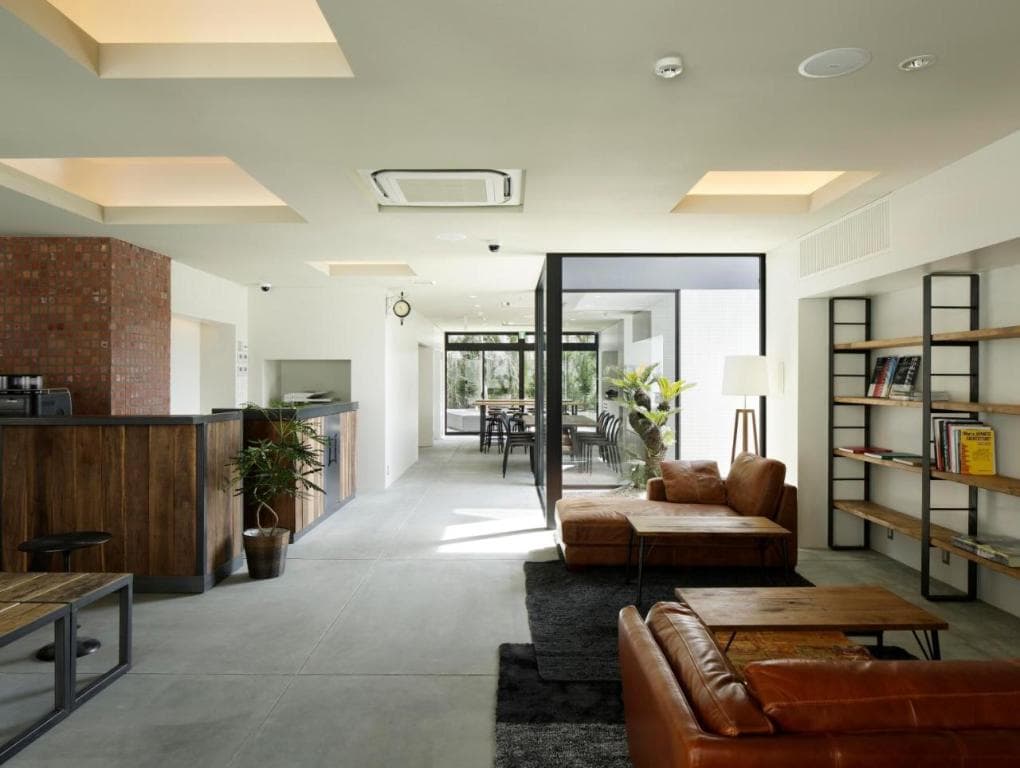
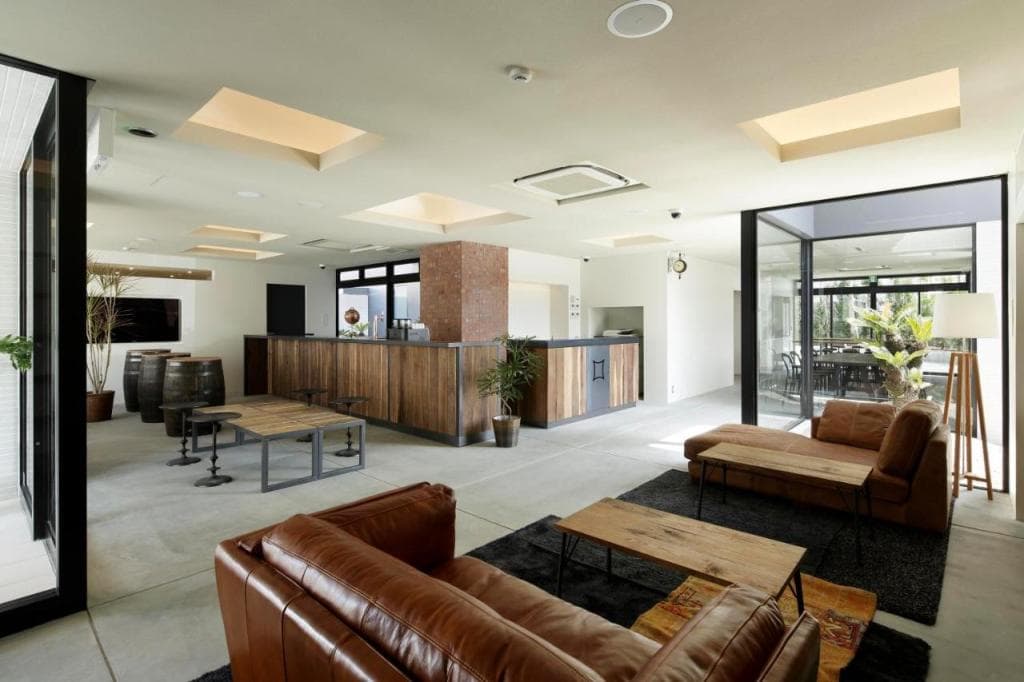
Minimalist design and art works are featured at Hotel Anteroom Kyoto's rooms, restaurant and art gallery. Seasonally decorated, it offers free WiFi, as well as free-use internet PCs and bicycles. Kujo



 Kyoto96 rooms
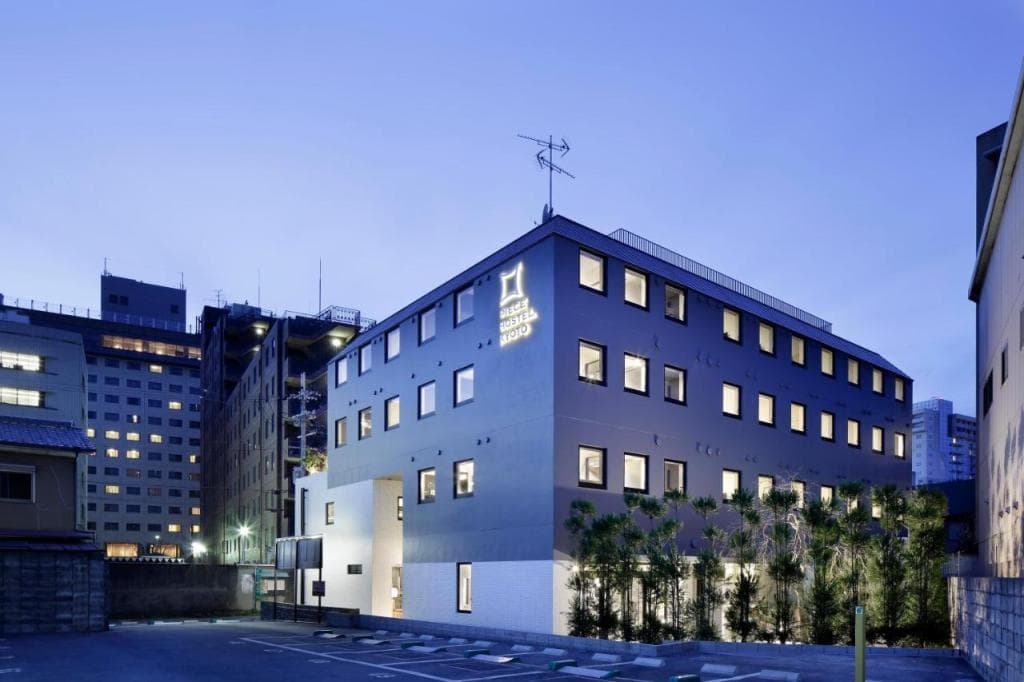
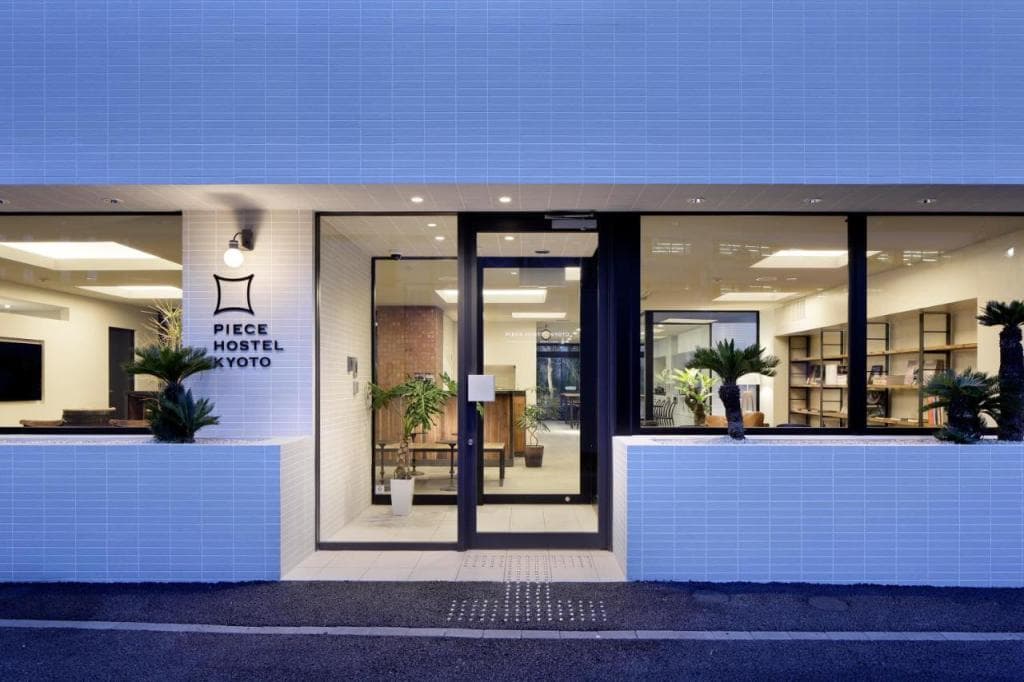
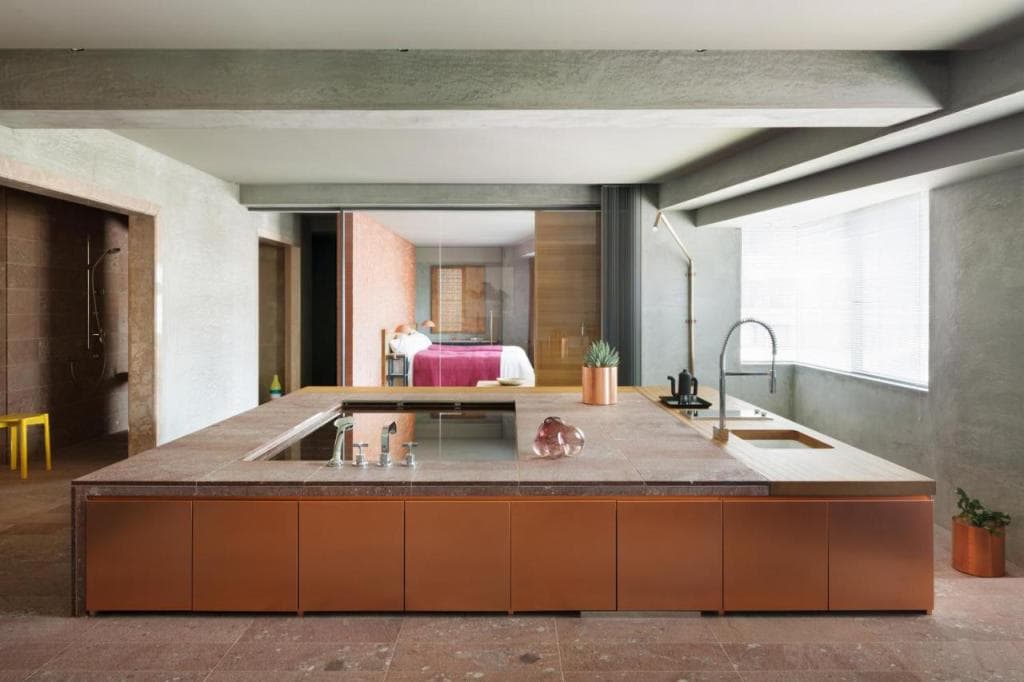
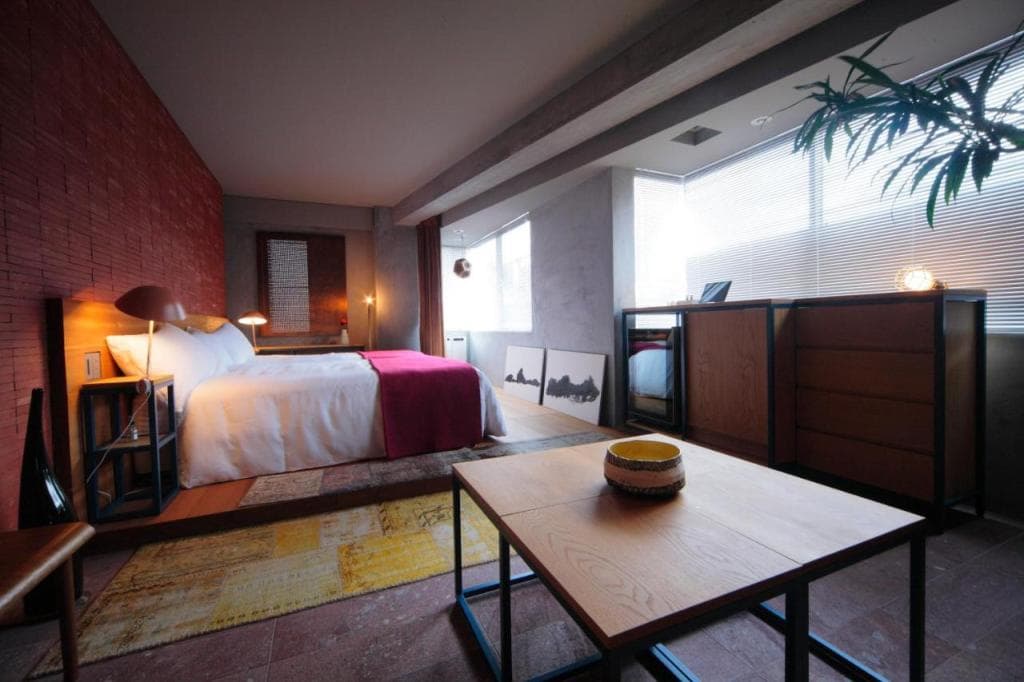
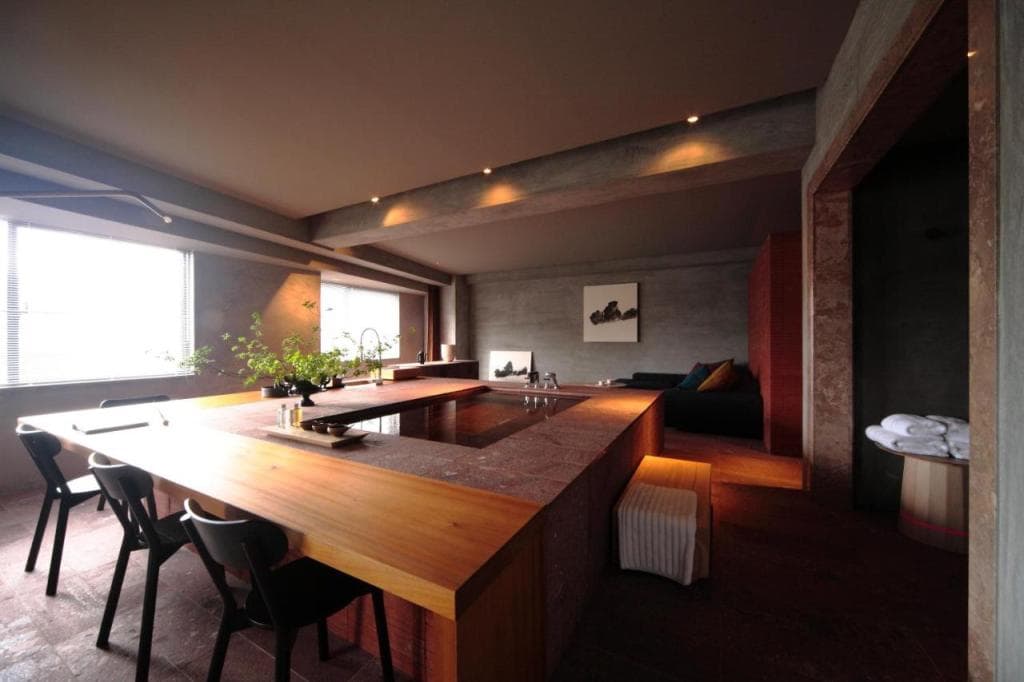
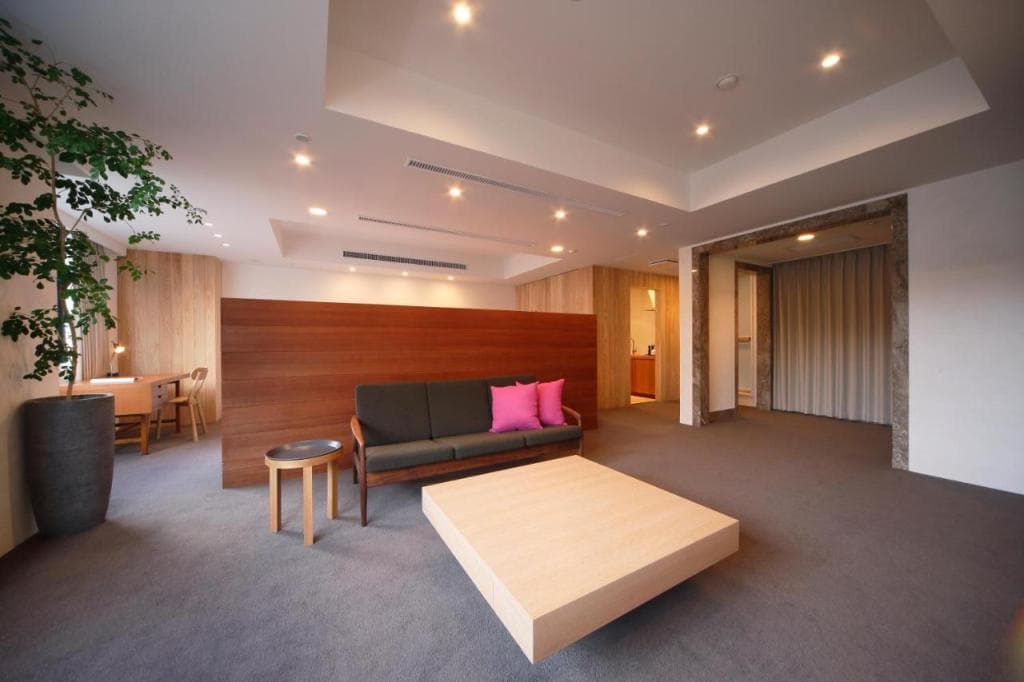
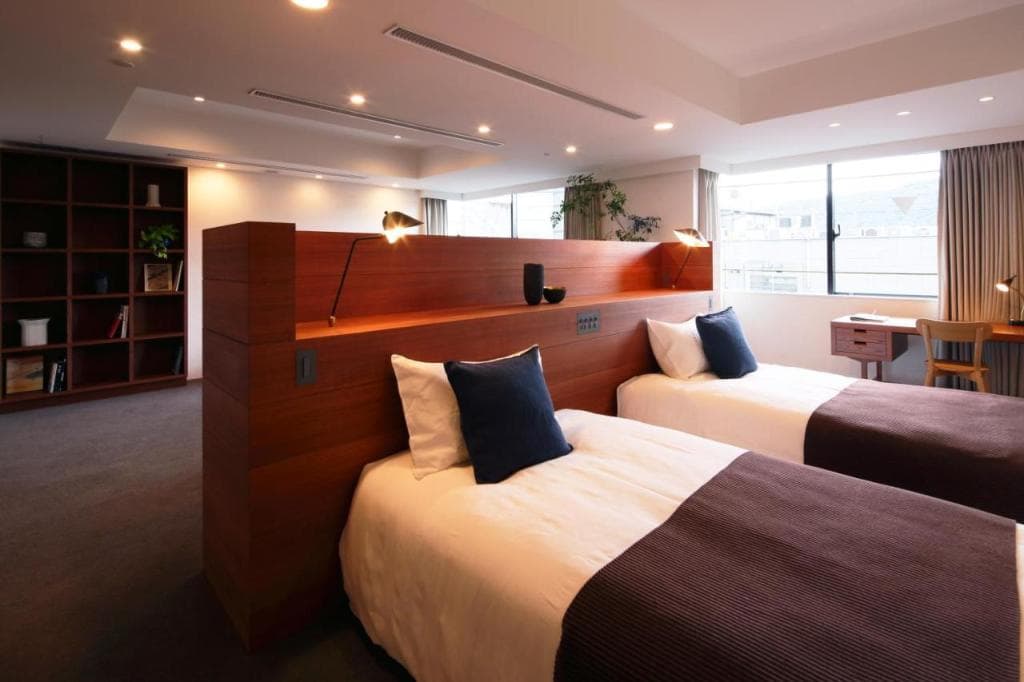
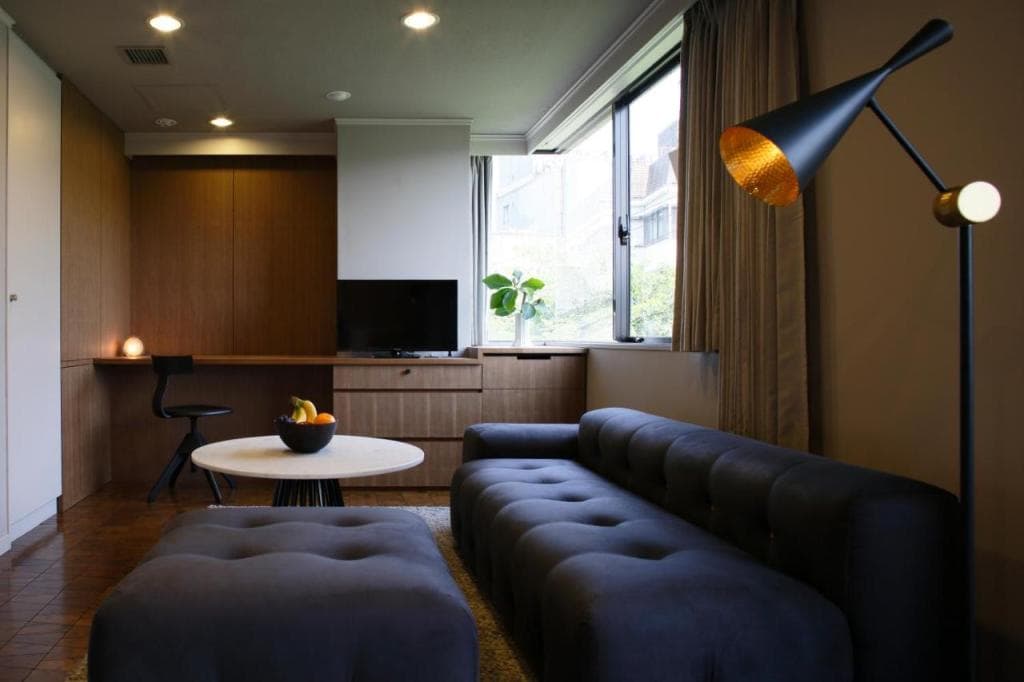
Opened in April 2013 with brand new facilities, Piece Hostel Kyoto is conveniently located just a 5-minute walk from JR Kyoto Station. It features a spacious and comfortable lounge, a tatami (woven-st
 Kyoto
Kyoto




 Kyoto13 rooms
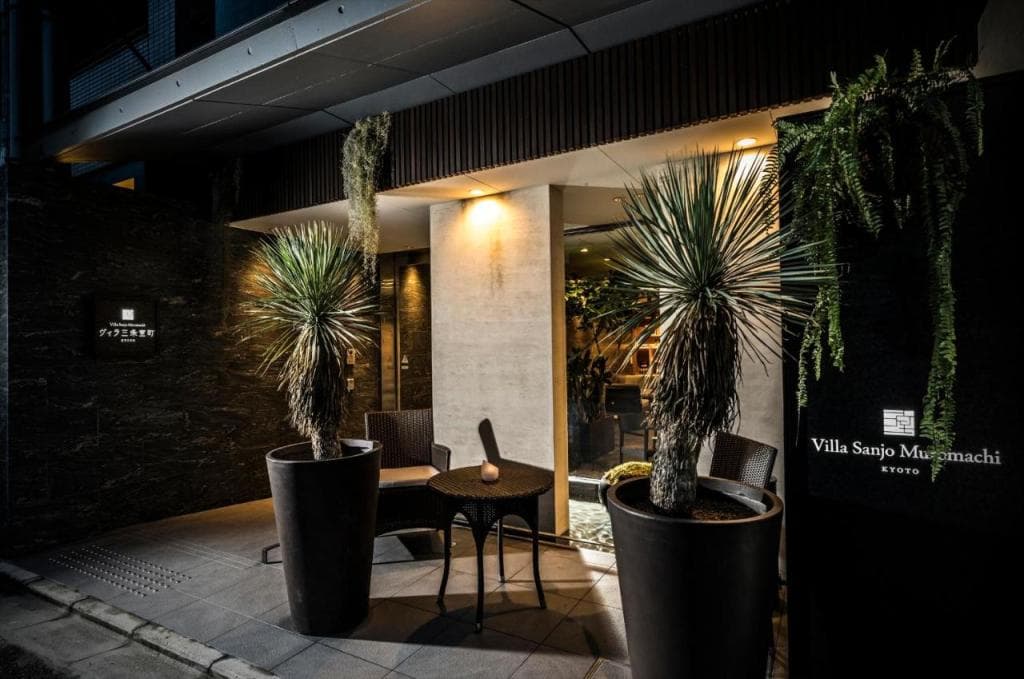
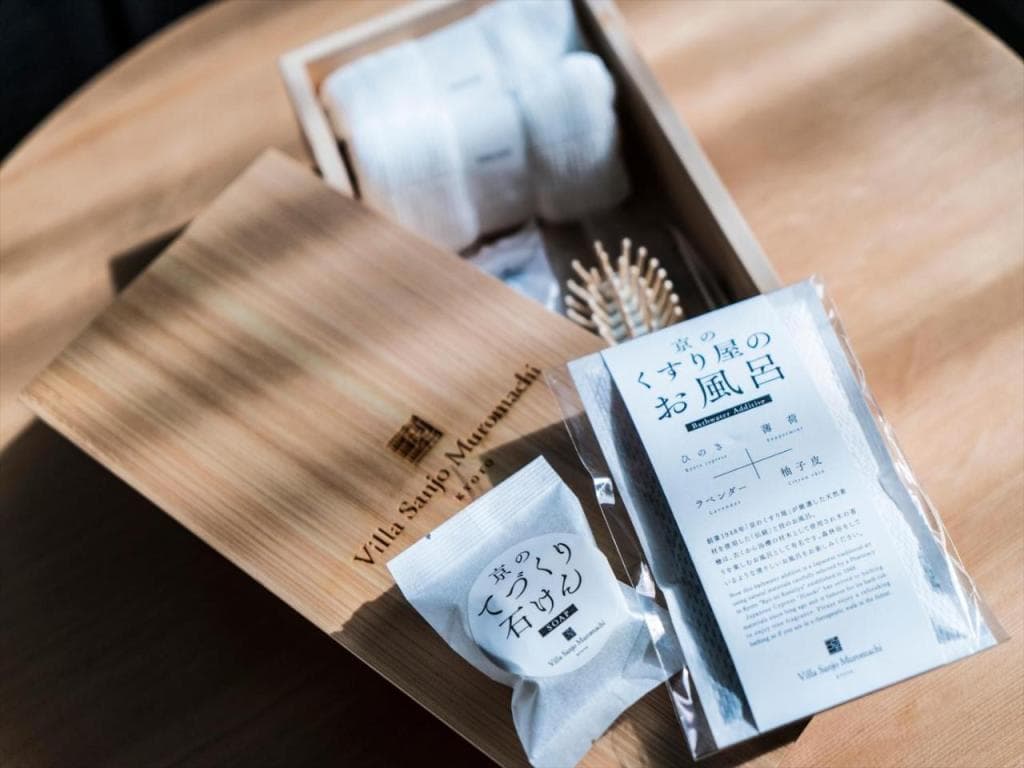
Opening in July 2016 and located within a 5-minute walk from Karasuma Oike Subway Station on the Karasuma Line and Tozai Line, Villa Sanjomuromachi KYOTO offers guests a relaxing accommodations and fr



 Kyoto64 rooms
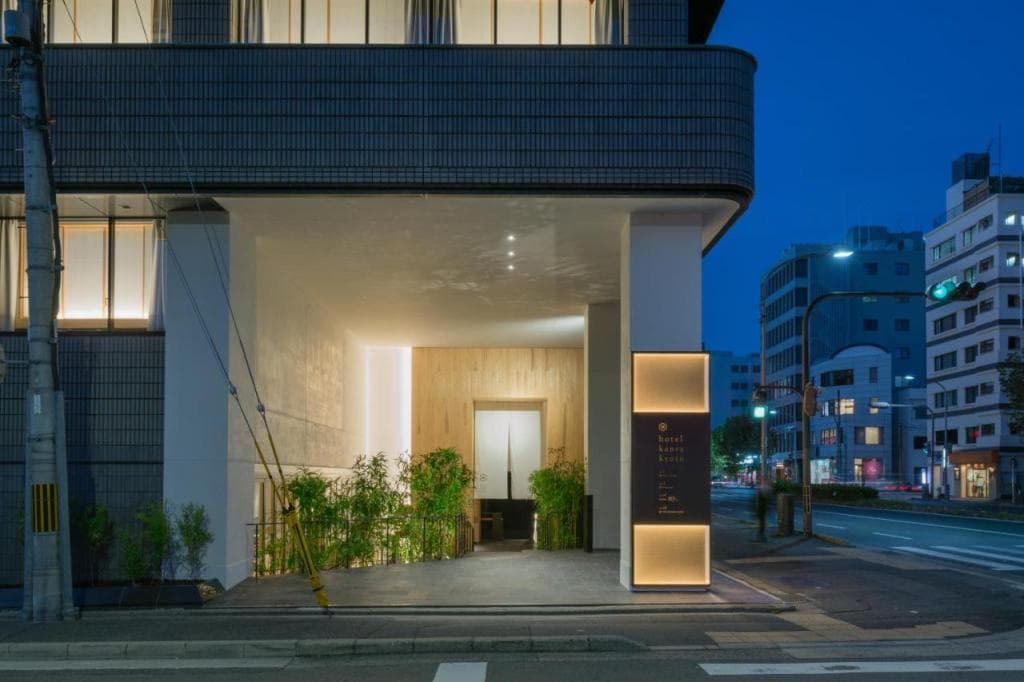
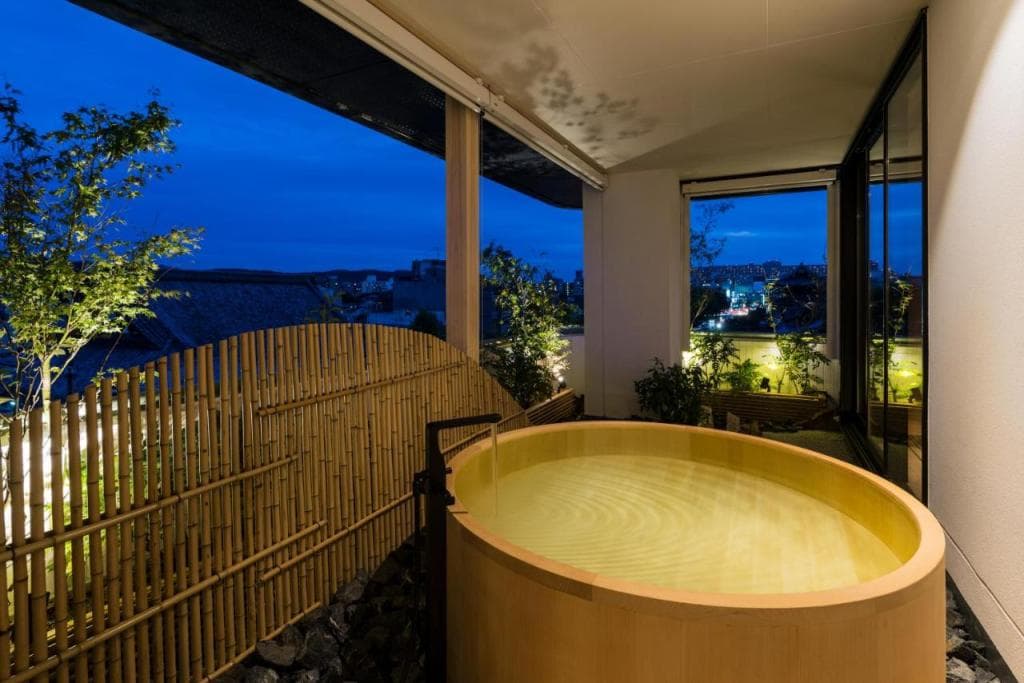
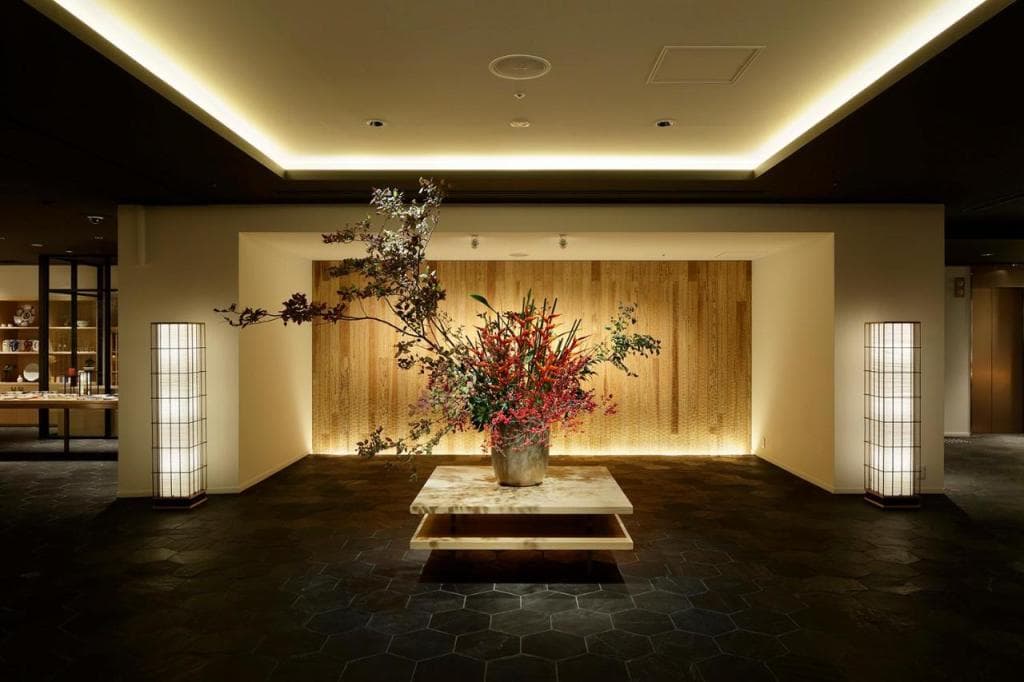
Just a 12-minute walk from Kyoto Station, hotel kanra kyoto is an entirely nonsmoking hotel, offering spacious rooms and a mix of traditional Japanese, modern and Western decor. All guest rooms featur



 Kyoto13 rooms
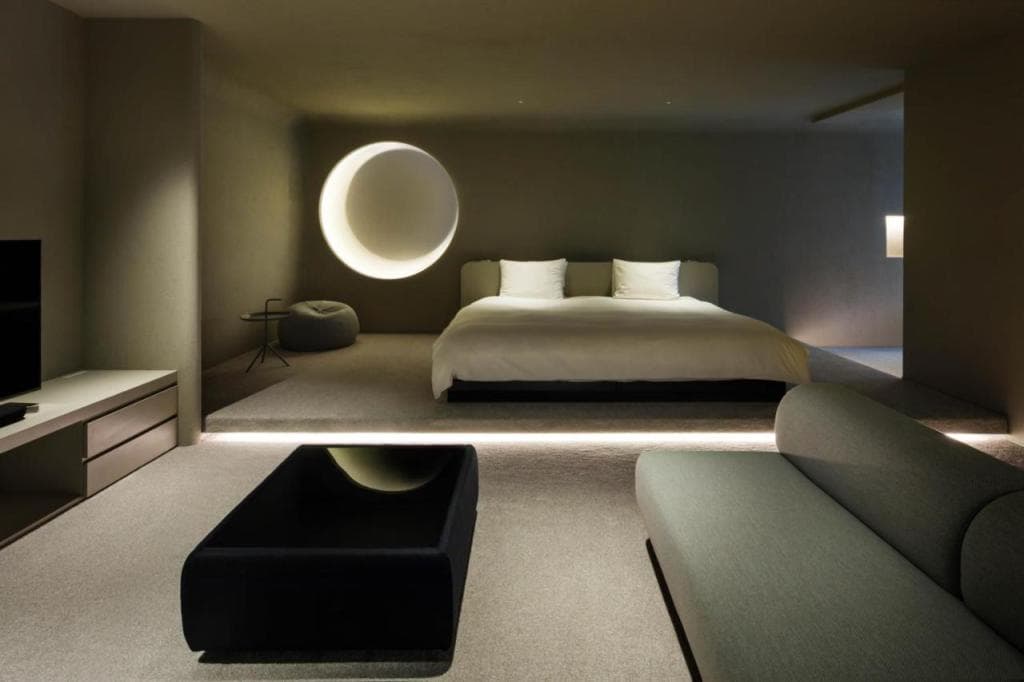
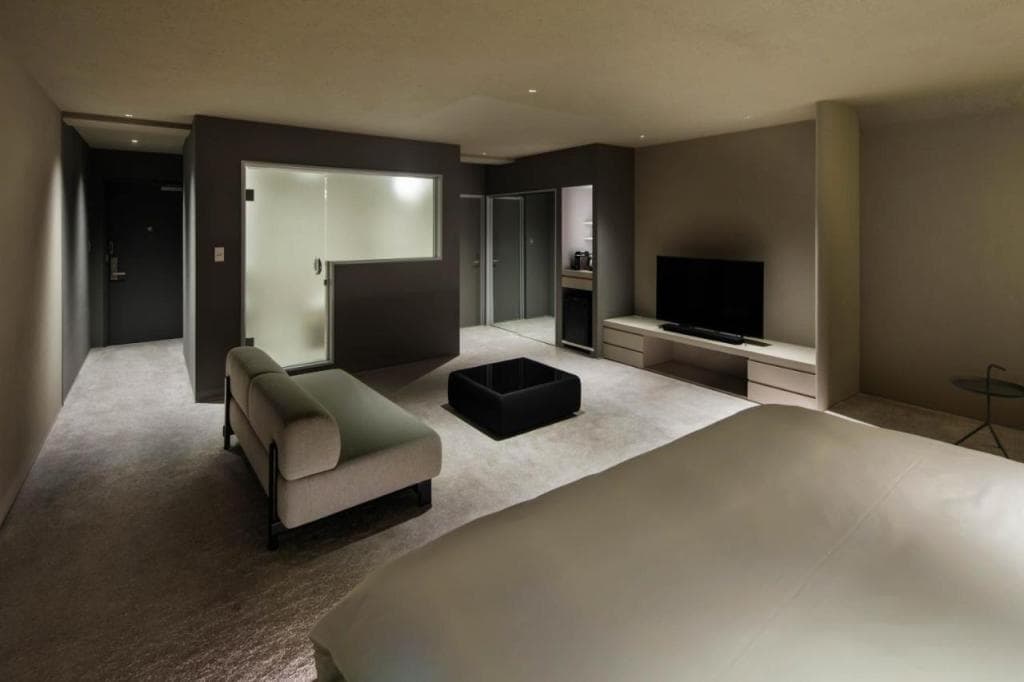
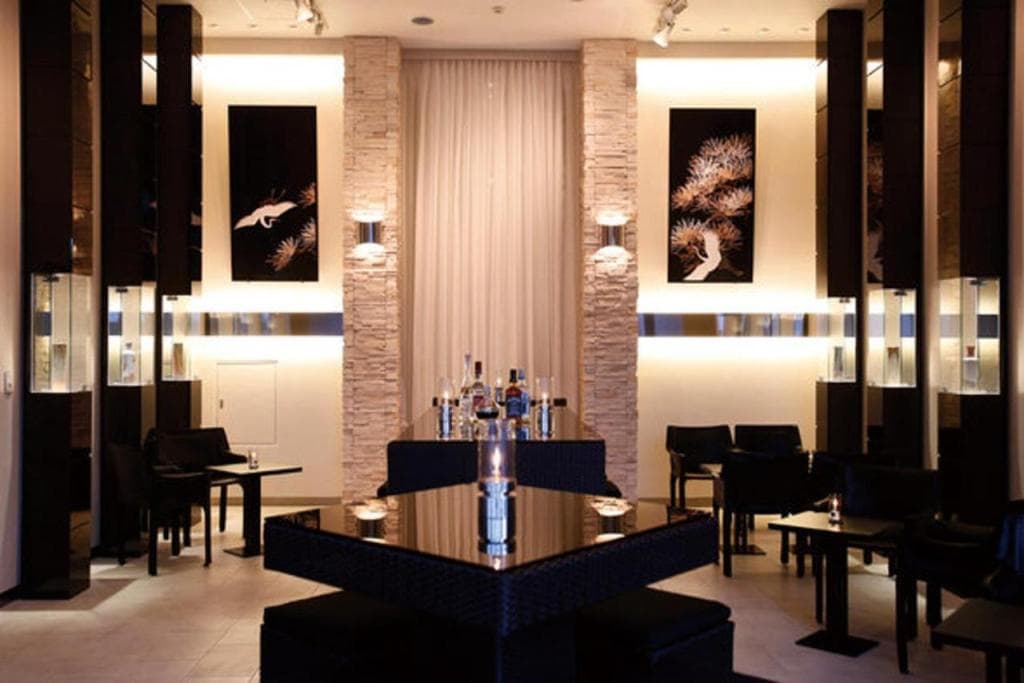
Boasting luxurious guest rooms with each unique design, The Screen is a boutique hotel located just a 3-minute walk to Kyoto Imperial Palace. Jingu Marutabashi Train Station is a 7-minute walk away. F


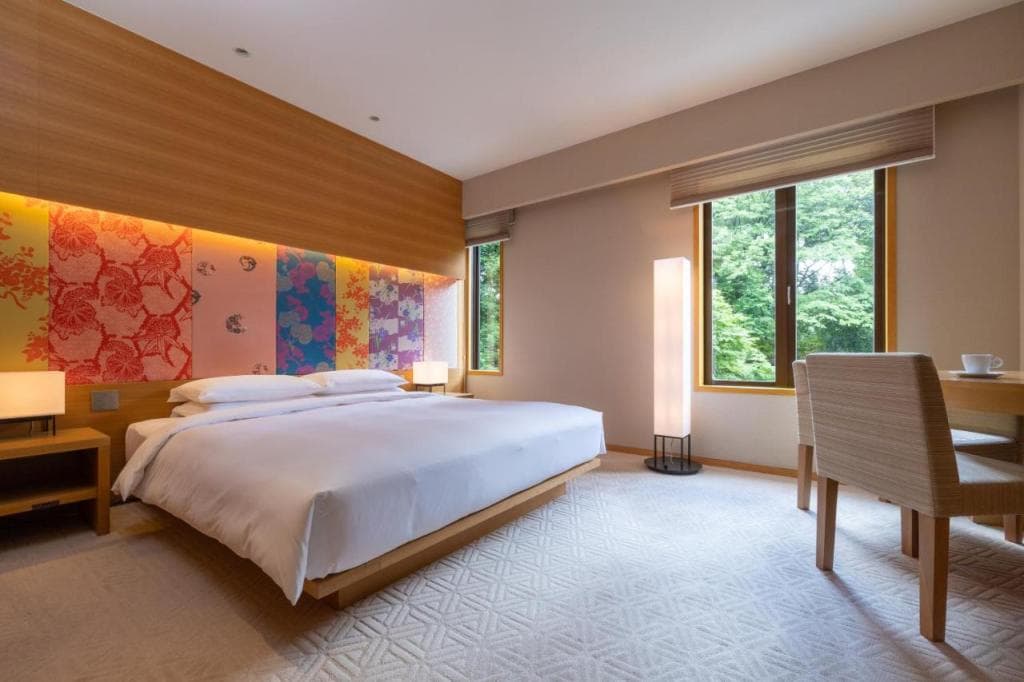

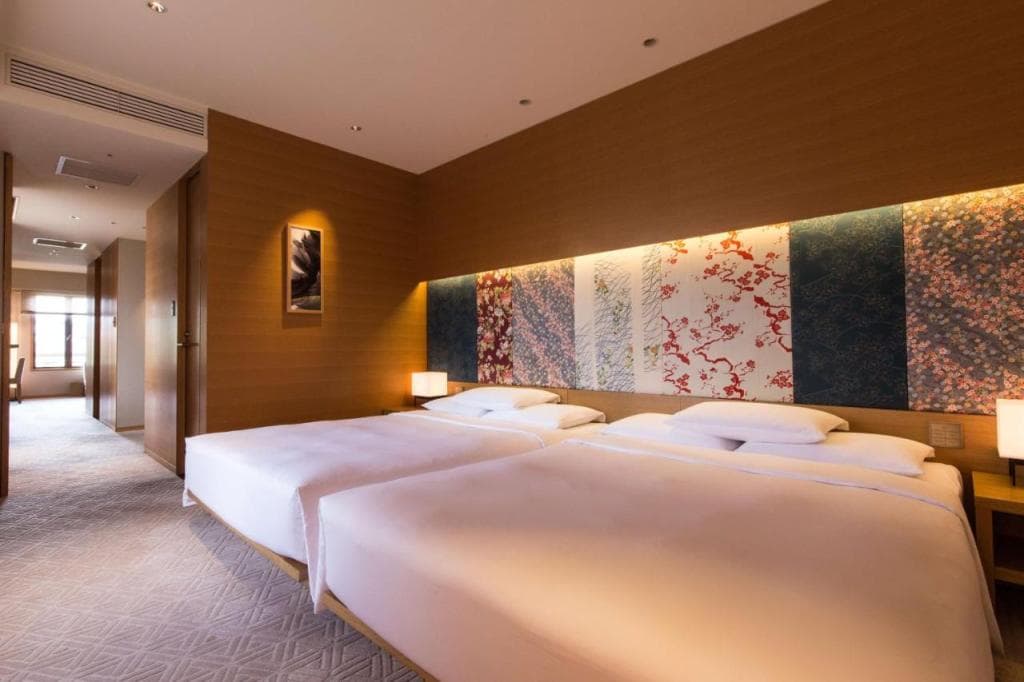

 Kyoto179 rooms
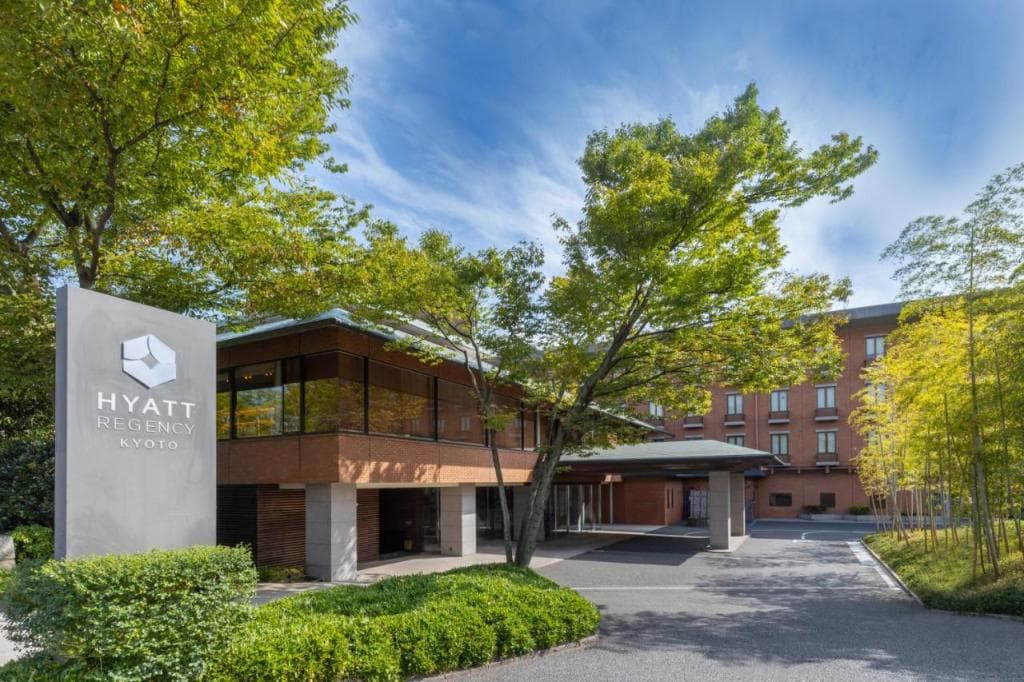
The stylish Hyatt Regency offers spacious rooms, free Wi-Fi at the lobby and 2 restaurants on just a 5-minute drive from Kyoto Station. It features a fitness center, spa services and rental bicycles.


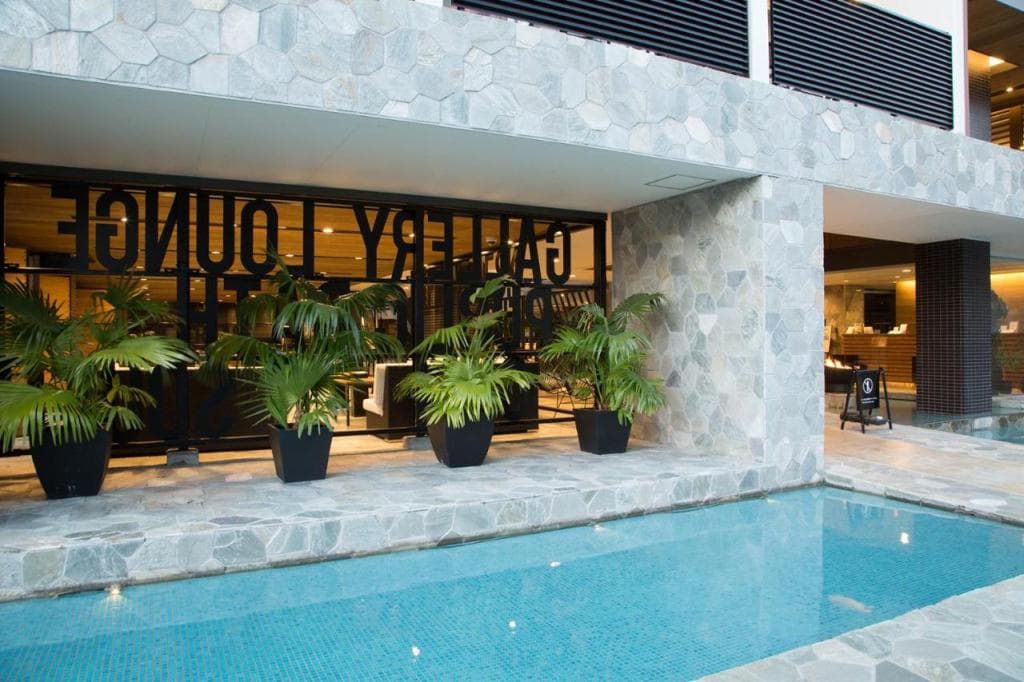

 Kyoto260 rooms
Opened in March 2015, Sakura Terrace The Gallery is conveniently located a 2-minute walk from the JR Kyoto Station. The on-site cafe offers house-roasted coffee and a selection of tea. Free WiFi is av


 Kyoto127 rooms
Opening in March 2014, Mitsui Garden Hotel Kyoto Shinmachi Bettei offers accommodations with a modern yet traditional décor. Free Wi-Fi is available at the entire property and guests can refresh in th
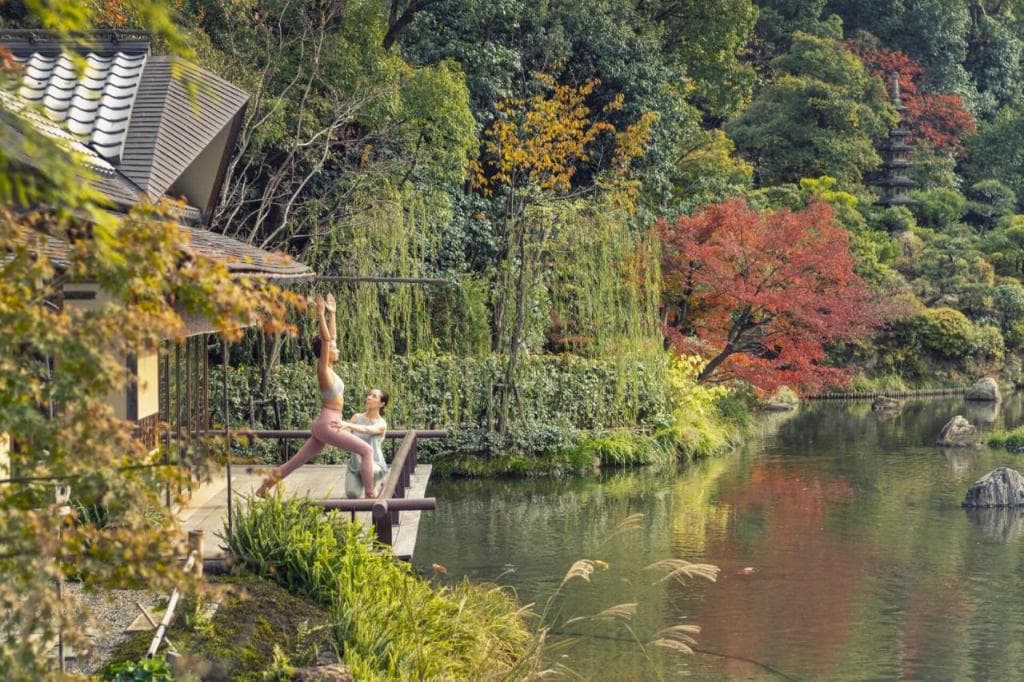


 Kyoto124 rooms
Open from 2016, Four Seasons Hotel Kyoto features a Western-style restaurant and a tea house by a pond in Shakusuien Japanese garden as well as a lounge. Kyoto Station is a 7-minute drive away. Free W
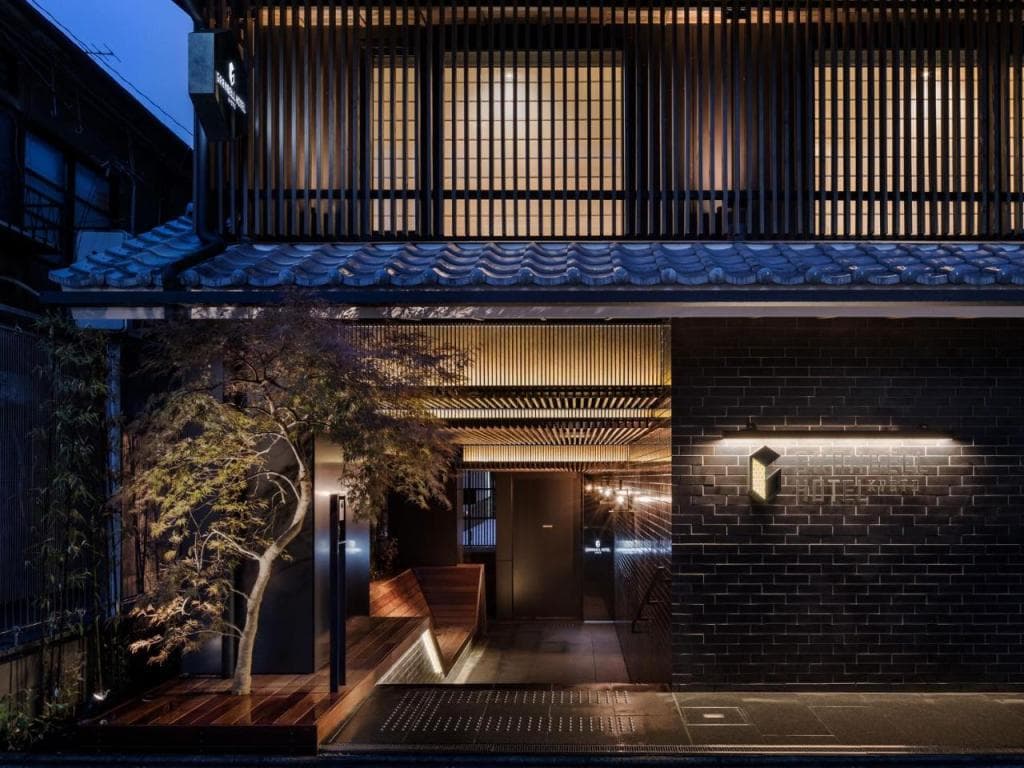


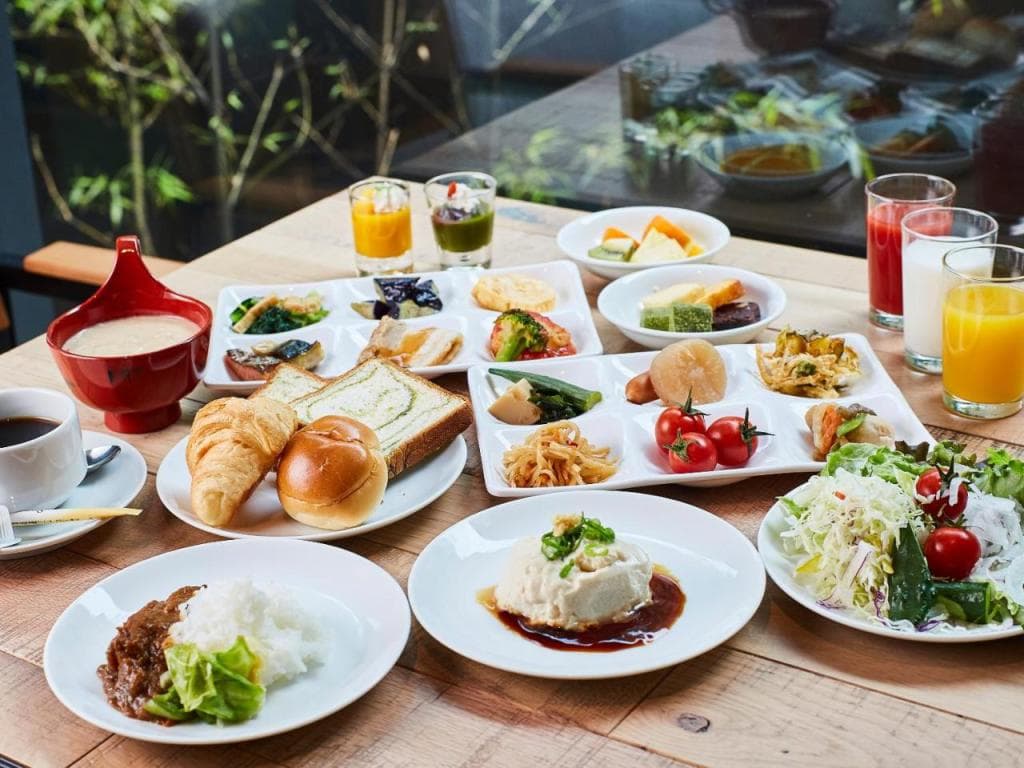


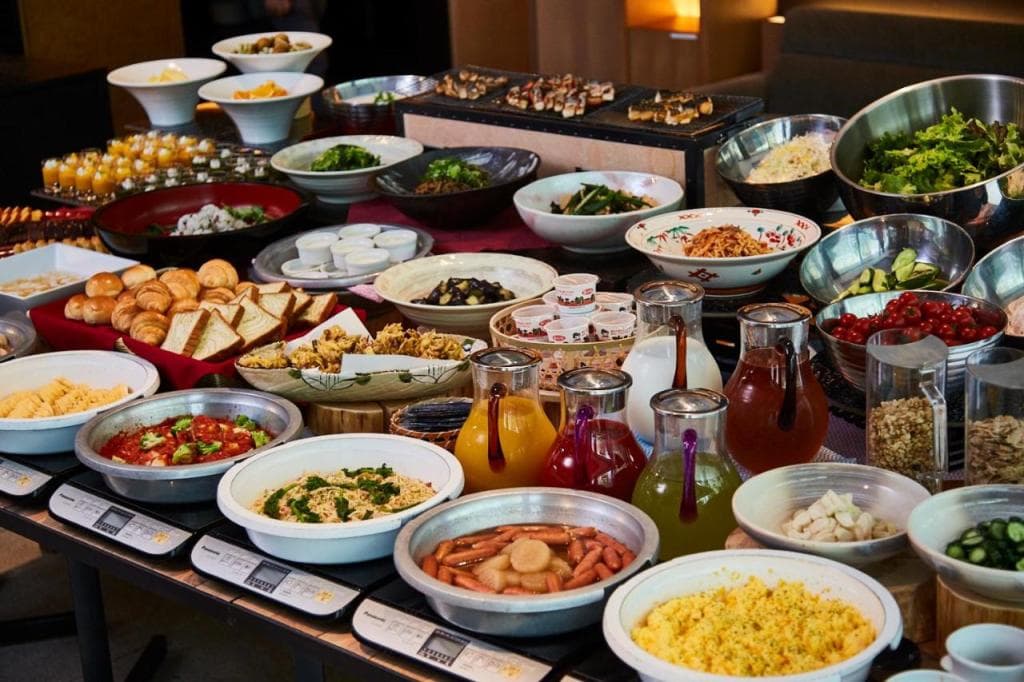
 Kyoto118 rooms
Located just a 2-minute walk from Gion-Shijo Subway Station, Kyoto Granbell Hotel features modern architecture with hints of traditional Japanese design. Free WiFi is available throughout the property


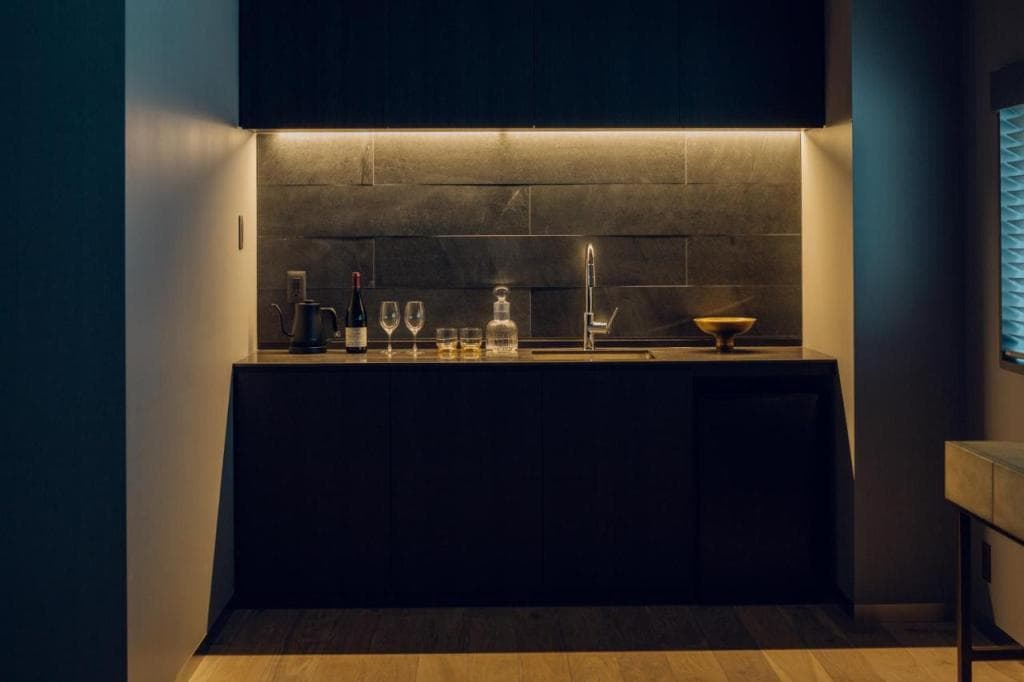


 Kyoto25 rooms
## Comfortable Accommodations node hotel in Kyoto offers adults-only rooms with air-conditioning, private bathrooms, and modern amenities. Each room includes a work desk, free toiletries, and a flat-
Results 1 - 18
Kyoto doesn't have a dedicated gay district like Tokyo's Shinjuku Ni-chome, but several central areas are known for being welcoming and convenient for gay travelers. Downtown Kyoto, around the Kawaramachi and Gion areas, is walkable, well-connected by public transport, and home to many restaurants, bars, and shops that welcome all visitors. Staying near Kyoto Station is also practical, offering easy access to trains toward Osaka, where a larger and more established gay nightlife scene exists. Many gay travelers choose to split their trip between Kyoto for culture and sightseeing, and Osaka for nightlife.
Central neighbourhoods offer anonymity, safety in numbers, and proximity to transport links that make evening trips to Osaka's gay bars feasible, even as a day or overnight excursion.
Kyoto is most popular in spring (March to May) for cherry blossoms and in autumn (October to November) for fall foliage. These seasons bring larger crowds, so booking accommodation in advance is recommended. Japan's largest Pride events, including Tokyo Rainbow Pride, typically take place in spring, and Osaka hosts its own Pride festivities as well. While Kyoto itself does not host a major Pride parade, travelers often combine a Kyoto visit with Pride celebrations in nearby cities during the same trip.
Summer in Kyoto is hot and humid, while winter is mild but can be chilly, especially in the evenings. Spring and autumn remain the most comfortable and visually rewarding times to visit.
Japan does not criminalize same-sex relationships, and Kyoto is generally considered a safe city for gay travelers. Public displays of affection are uncommon among couples of any orientation in Japan due to cultural norms around modesty in public, rather than specific hostility toward gay people. Japan does not have nationwide legal recognition of same-sex marriage, though some municipalities offer partnership certificates. Discrimination protections vary, and awareness of local customs helps travelers navigate social situations comfortably. Most visitors report feeling safe walking around Kyoto, including at night, as the city has low crime rates overall.
Respecting local customs, avoiding overt public affection, and researching accommodation reviews from other gay travelers can help ensure a smooth and safe stay.
When selecting a hotel in Kyoto, gay travelers should prioritize location, staff attitude, and reviews from other gay guests. Central areas near Kawaramachi, Gion, or Kyoto Station offer convenience and easy access to transport. Reading recent reviews can reveal how welcoming staff are toward gay couples, particularly regarding room requests such as double beds. Traditional ryokan inns can offer an authentic Japanese experience, though some smaller, family-run properties may be less familiar with gay guests than international hotel chains. Booking through platforms that highlight gay-friendly reviews helps reduce uncertainty.
Consider confirming bed configuration preferences directly with the hotel, checking cancellation policies, and looking for properties with consistently positive guest feedback regarding inclusivity.
Kyoto's own gay nightlife is limited, with only a small number of gay-friendly bars scattered around the city center. Many gay travelers take the short train ride to Osaka, roughly 30-45 minutes away, to experience Doyama-cho, Osaka's well-established gay district with numerous bars and clubs. Tokyo's Shinjuku Ni-chome, reachable by bullet train in about two hours, is Japan's largest gay nightlife hub and worth a visit if time allows. Within Kyoto, community connection often happens through smaller izakayas and bars known informally among locals and travelers as welcoming spaces.
Combining daytime sightseeing in Kyoto with evening excursions to Osaka allows travelers to enjoy Kyoto's cultural sites while still accessing a lively gay nightlife scene nearby.
Yes, Kyoto is generally considered safe for gay travelers. Japan has low crime rates, and while public displays of affection are uncommon for all couples due to cultural norms, there is no widespread hostility toward gay visitors.
Kyoto does not have a dedicated gay district like Tokyo's Shinjuku Ni-chome or Osaka's Doyama-cho. Central areas like Kawaramachi and Gion are welcoming and convenient bases for exploring the city.
Kyoto has a small number of gay-friendly bars, but the scene is limited compared to larger Japanese cities. Many travelers take a short train trip to Osaka for a more established gay nightlife experience.
Same-sex marriage is not legally recognized nationwide in Japan, though some municipalities offer partnership certificates that provide limited recognition, without the same legal rights as marriage.
Osaka's Doyama-cho gay district is roughly 30 to 45 minutes from Kyoto by train, making it a feasible evening trip for travelers based in Kyoto.
Yes, gay couples can generally book hotel rooms with a double bed in Kyoto without issue, though it's advisable to confirm bed preferences directly with the hotel, especially at smaller or traditional properties.
Kyoto does not host a major Pride parade of its own. Travelers often combine a Kyoto visit with Pride events in nearby cities like Tokyo or Osaka, which typically take place in spring.
Spring (March to May) and autumn (October to November) are the most popular times to visit Kyoto, offering cherry blossoms or fall foliage along with comfortable weather.
Many ryokan inns welcome all guests, though smaller, family-run properties may have less experience hosting gay couples than international hotel chains. Checking reviews beforehand can help set expectations.
Public displays of affection are uncommon in Japan for couples of any orientation due to cultural norms around modesty, rather than specific rules against gay couples.
Look for hotels with positive reviews from other gay travelers, confirm double bed availability directly with the property, and prioritize central locations near Kawaramachi or Kyoto Station.
Yes, Tokyo's Shinjuku Ni-chome district is reachable from Kyoto by bullet train in about two hours, making it possible to visit as part of a broader Japan itinerary.
Legal protections against discrimination based on sexual orientation vary by municipality in Japan, and there is no comprehensive nationwide law. Awareness of local context helps travelers navigate situations appropriately.
Kyoto has a small number of welcoming izakayas and bars known informally as inclusive spaces, though the community scene is much smaller than in Osaka or Tokyo.
Yes, booking well ahead is recommended during cherry blossom season in spring and fall foliage season in autumn, as Kyoto experiences high demand and accommodation can sell out.