Fabulous — 9.2/10



 Palm Springs
 21 rooms
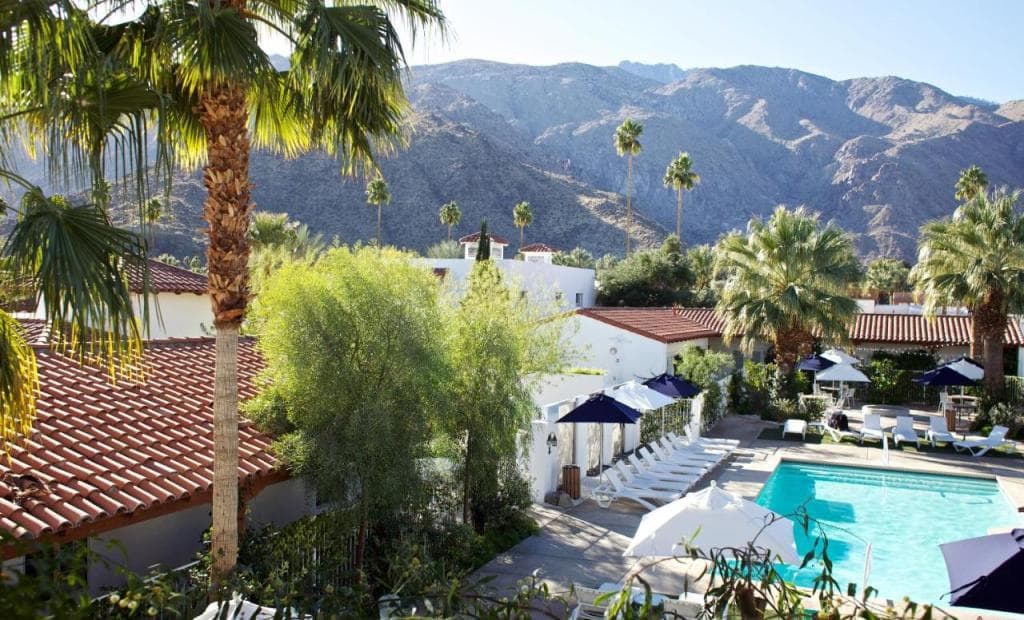
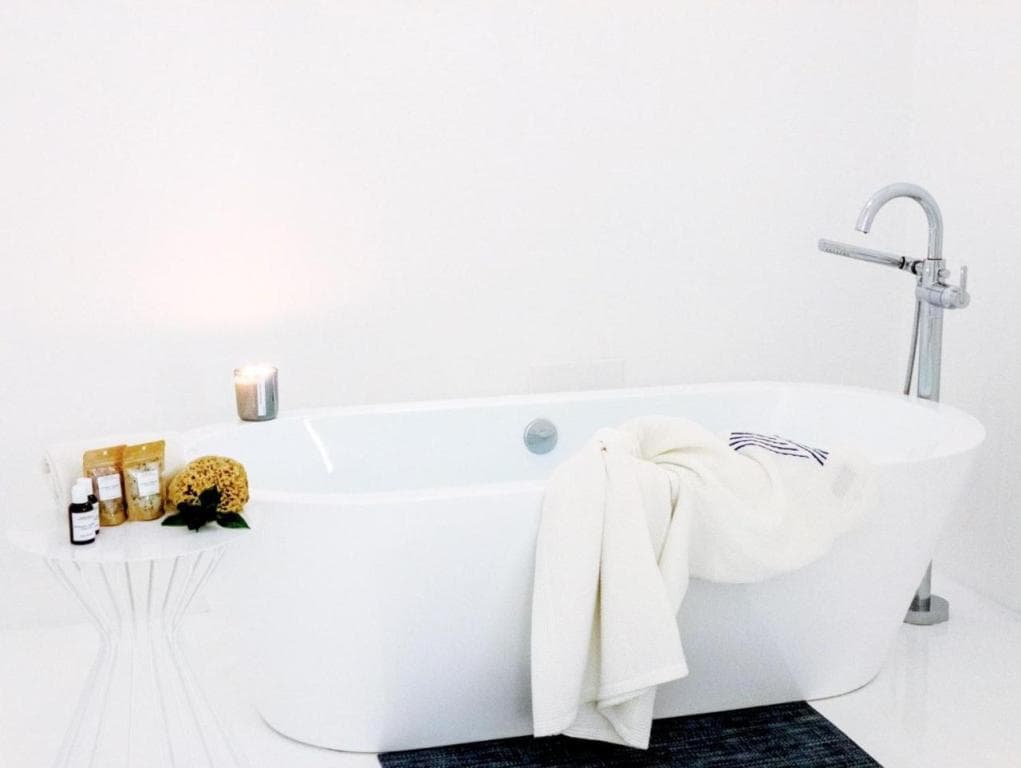
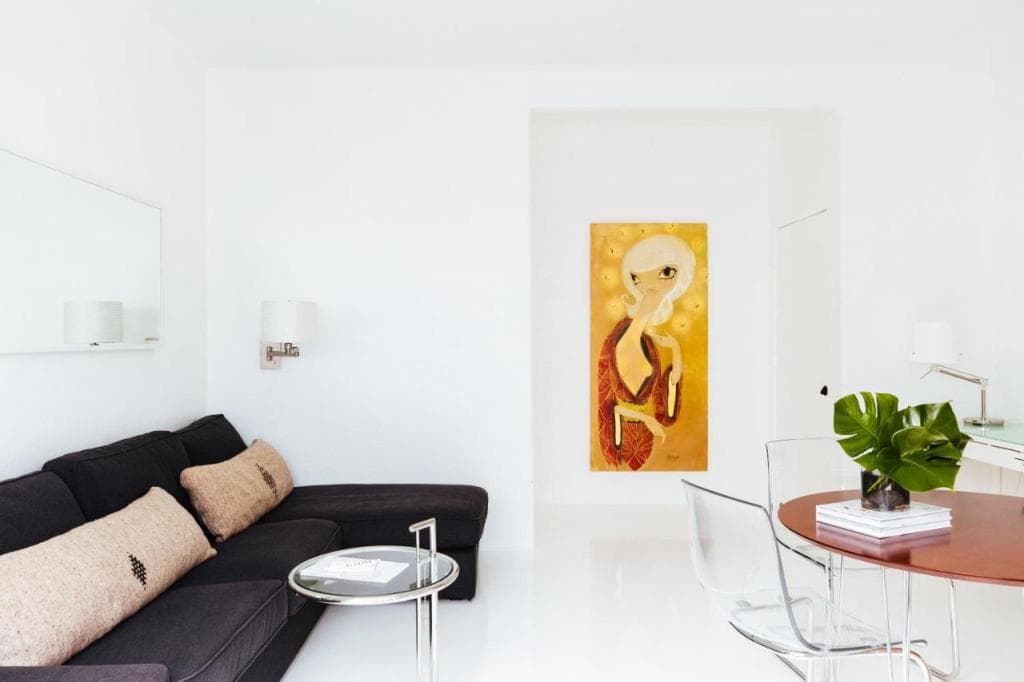
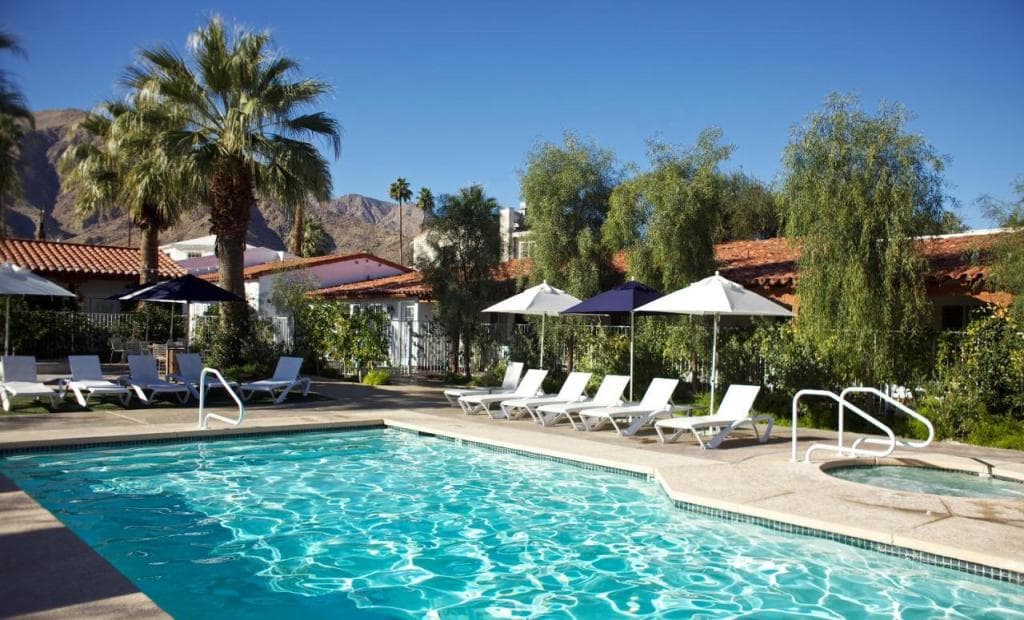
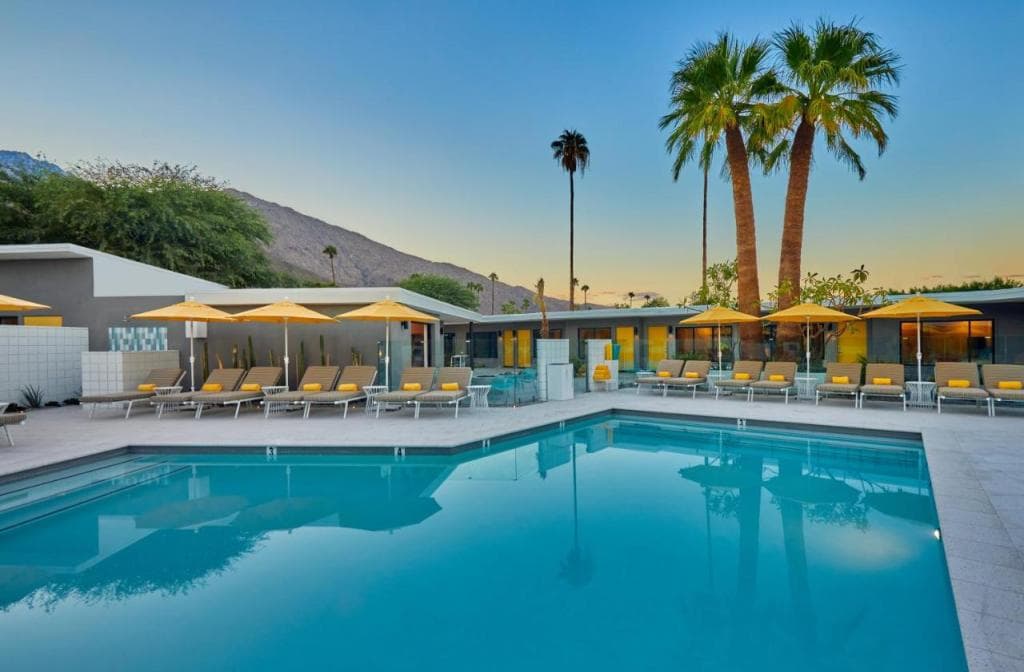
Featuring a modern design, this Palm Springs hotel offers an outdoor pool, hot tub and a pool patio. Rooms feature bathrobes and free WiFi. Complimentary coffee, tea, juice, espresso, and fresh pastri

 Palm Springs21 rooms
Featuring a modern design, this Palm Springs hotel offers an outdoor pool, hot tub and a pool patio. Rooms feature bathrobes and free WiFi. Complimentary coffee, tea, juice, espresso, and fresh pastri


 Palm Springs31 rooms
## Elegant Accommodations INNdulge Iconic Gay Men's Resort in Palm Springs offers comfortable rooms with garden or pool views. Free WiFi is available throughout the property. ## Relaxing Facilities




 Palm Springs32 rooms
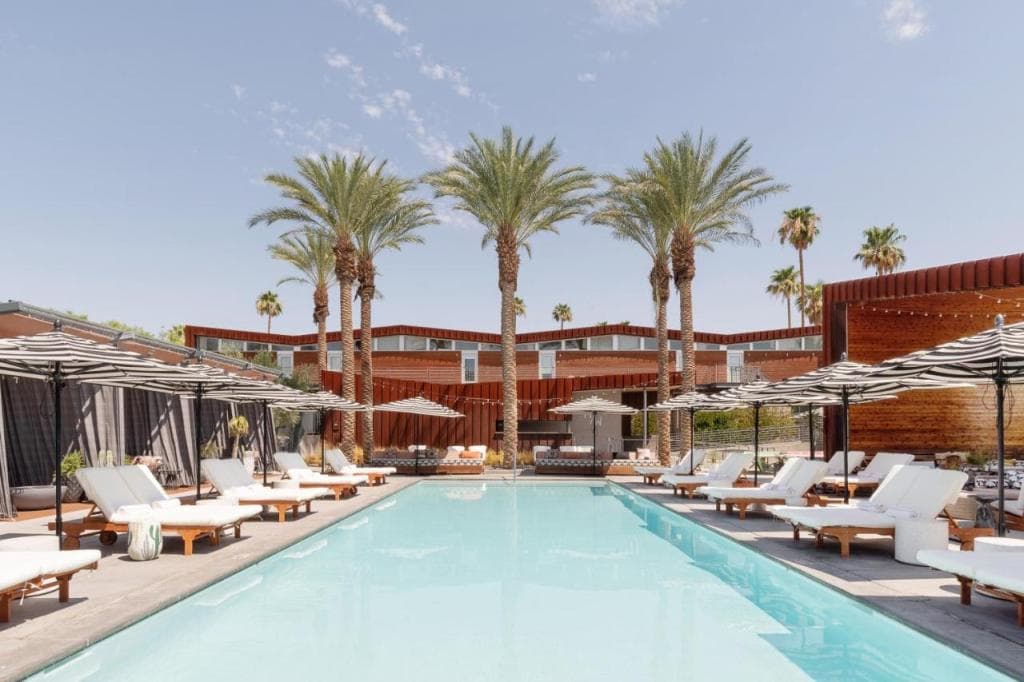
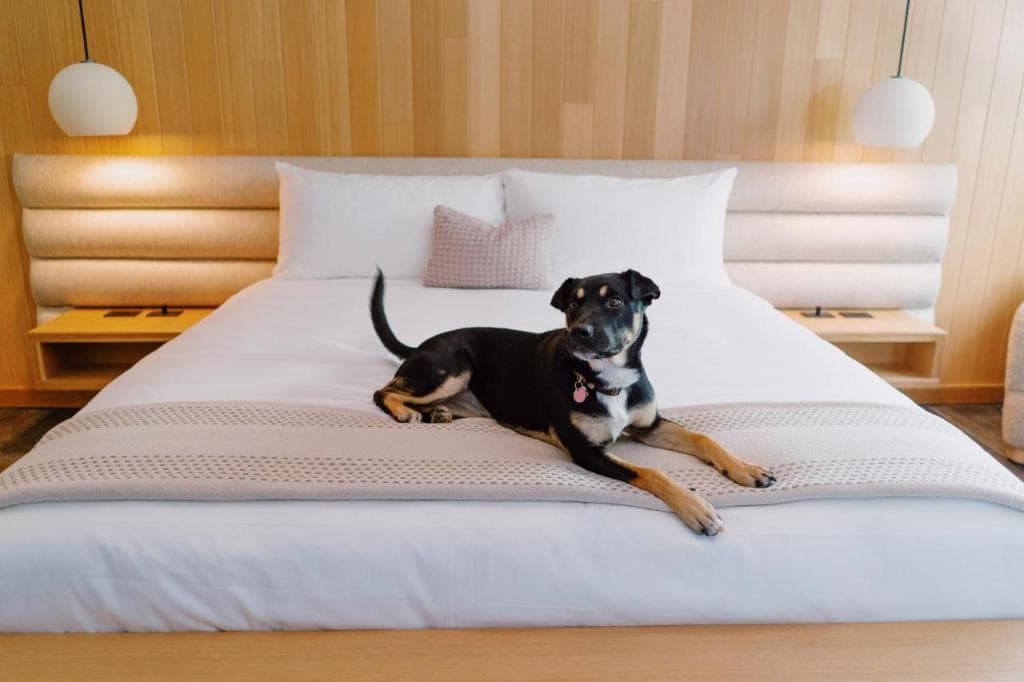
ARRIVE is located in Palm Springs, 1 mi away from downtown Palm Springs. Guests can enjoy the convenient on-site bar. Each air-conditioned room at ARRIVE features a DirecTV, an Apple TV. The private




 Palm Springs14 rooms
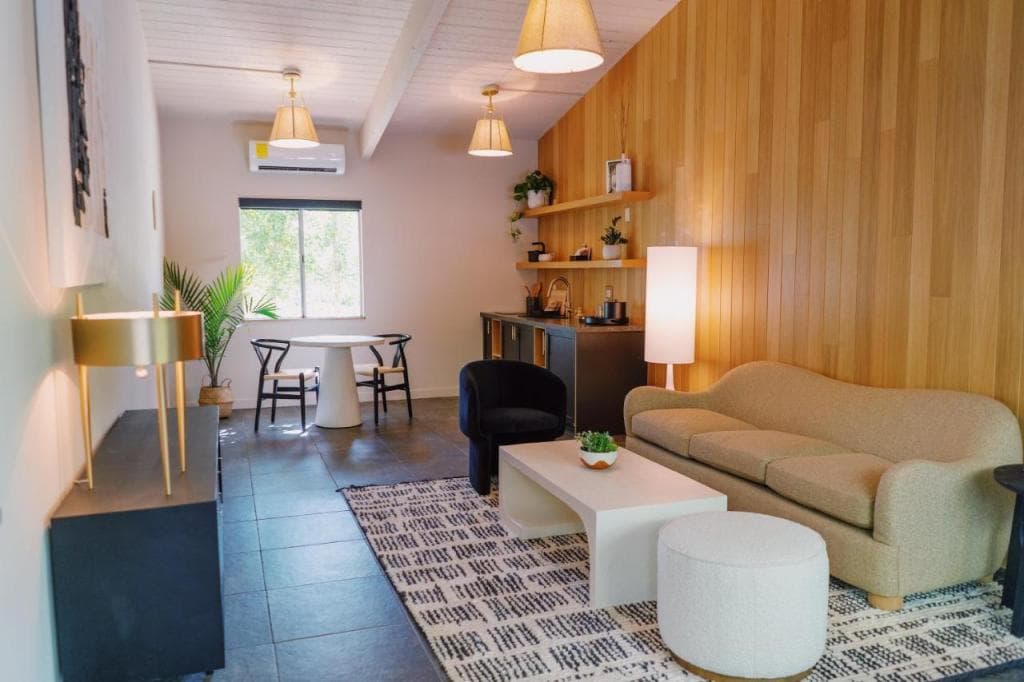
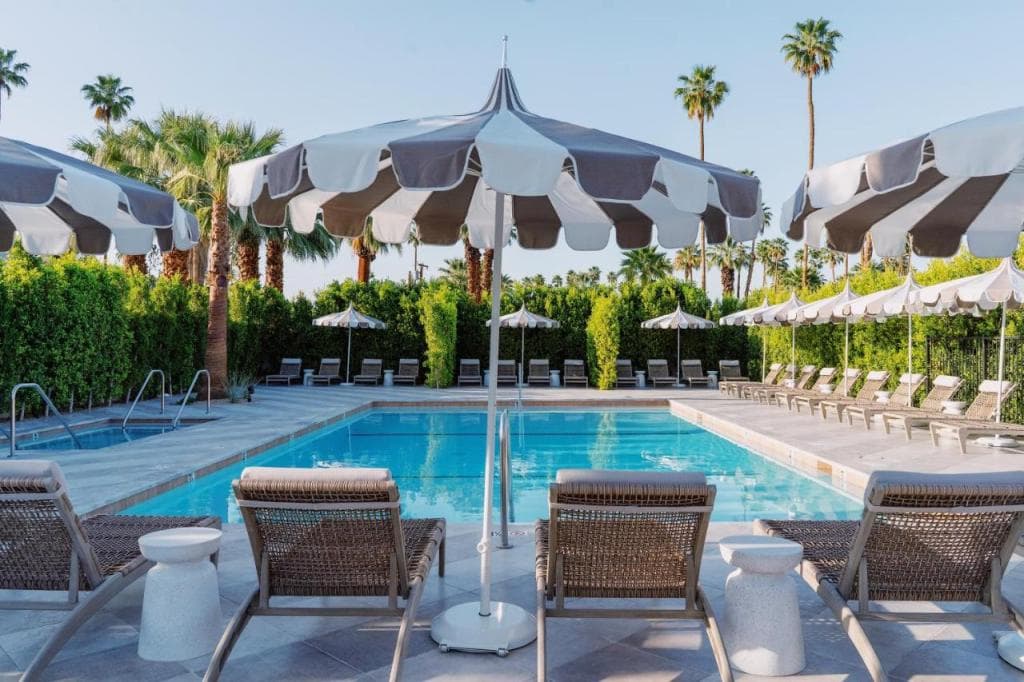
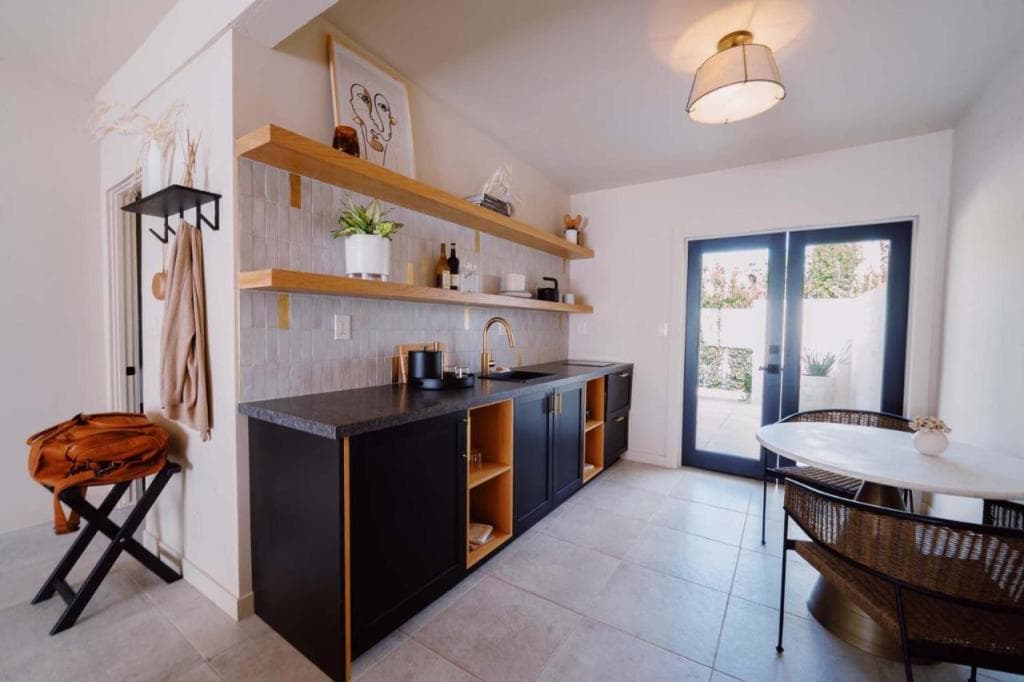
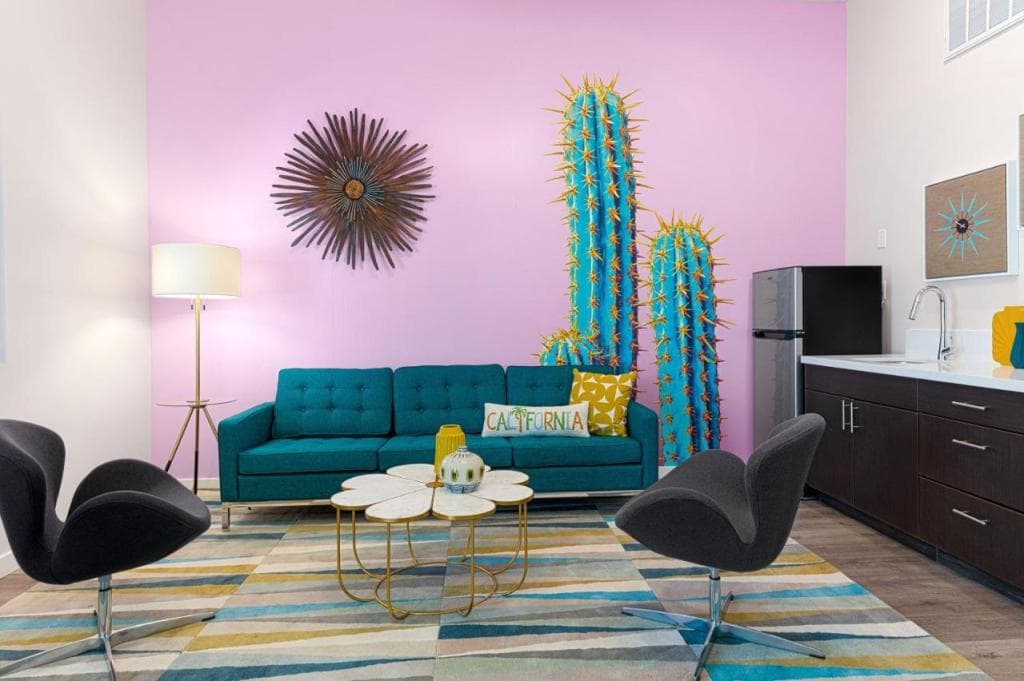
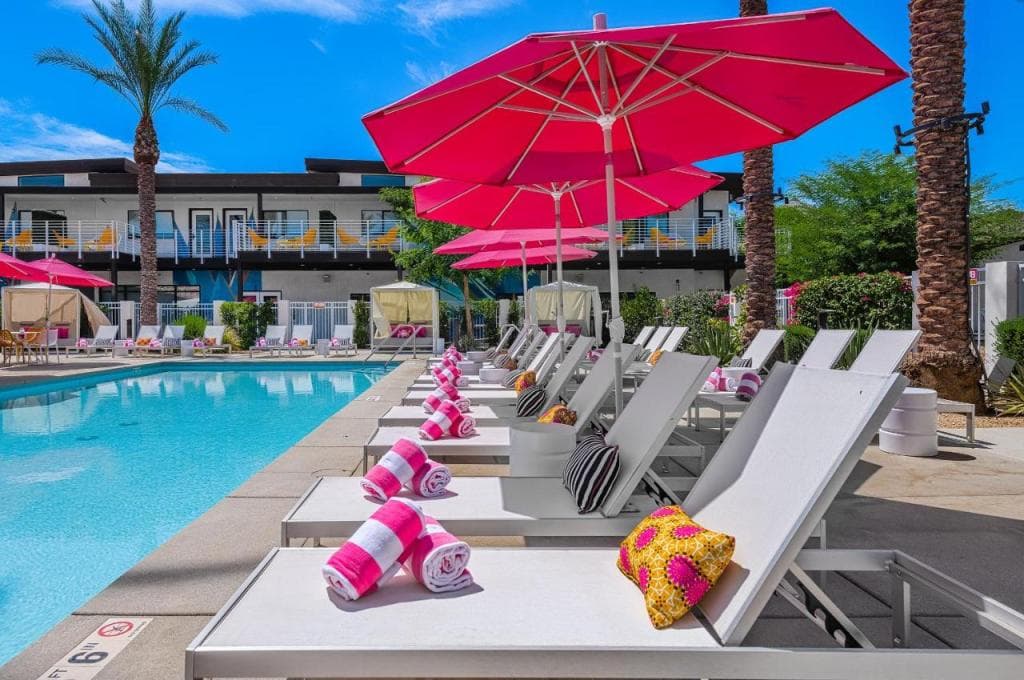
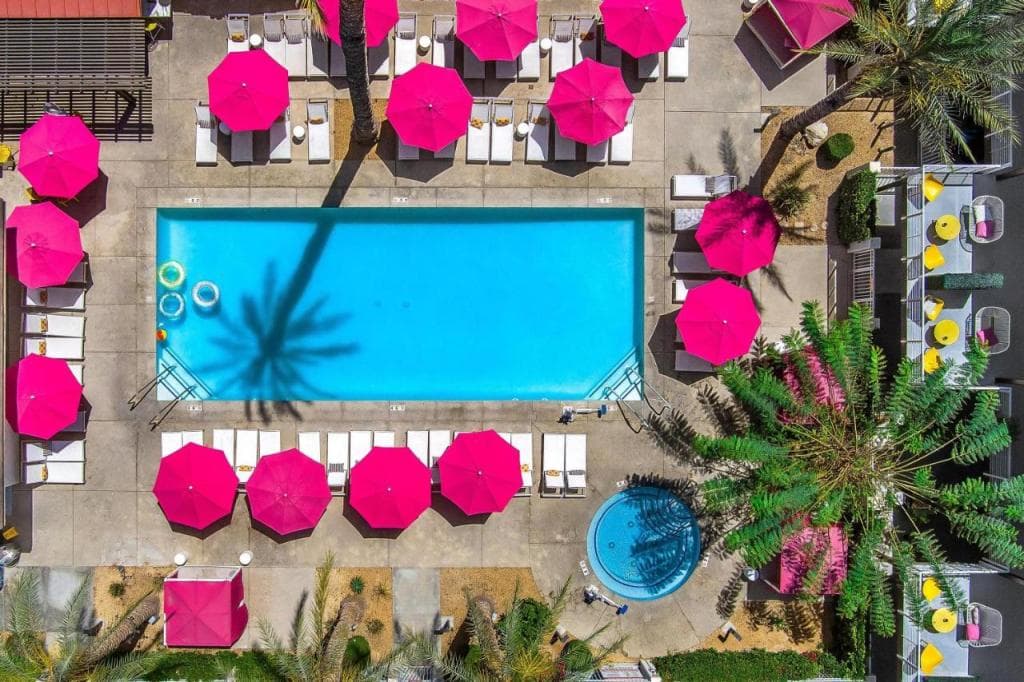
## Elegant Accommodations Azure Sky Hotel - Adults Only in Palm Springs offers a 4-star experience with adults-only rooms featuring air-conditioning, kitchenettes, balconies, and free WiFi. Each room




 Palm Springs52 rooms
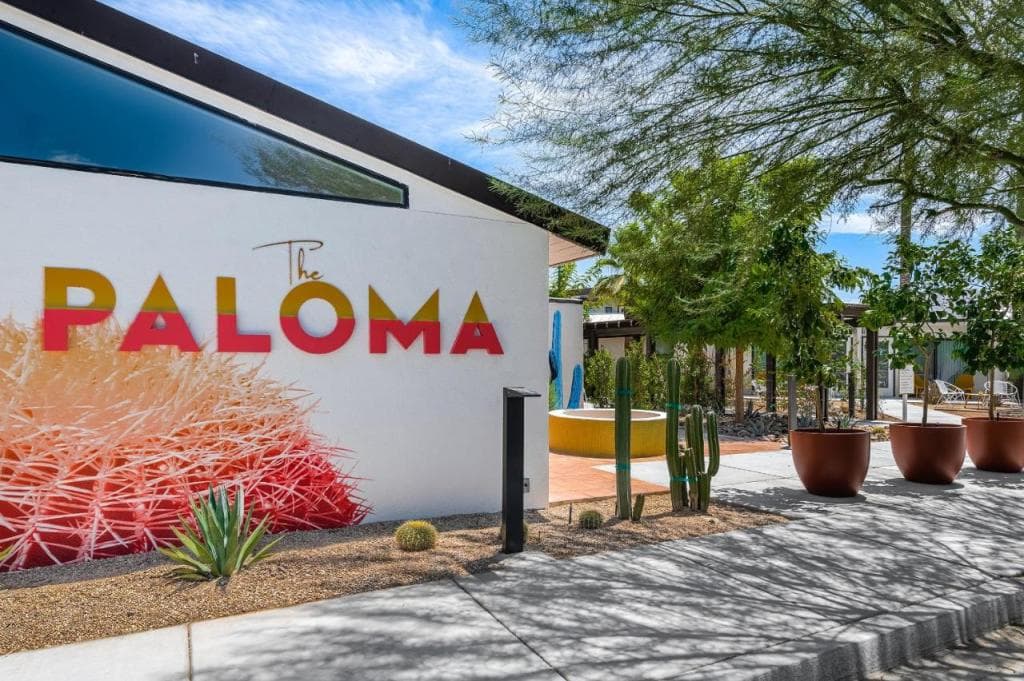
## Elegant Accommodations The Paloma Resort in Palm Springs offers a 4-star hotel experience with spa facilities, a swimming pool with a view, fitness center, sun terrace, and lush gardens. Guests en


 Palm Springs106 rooms
Located in Palm Springs, Kimpton Rowan Palm Springs Hotel features a year-round outdoor pool. The hotel has a sun terrace and views of the mountain, and guests can enjoy a drink at the bar. Private pa




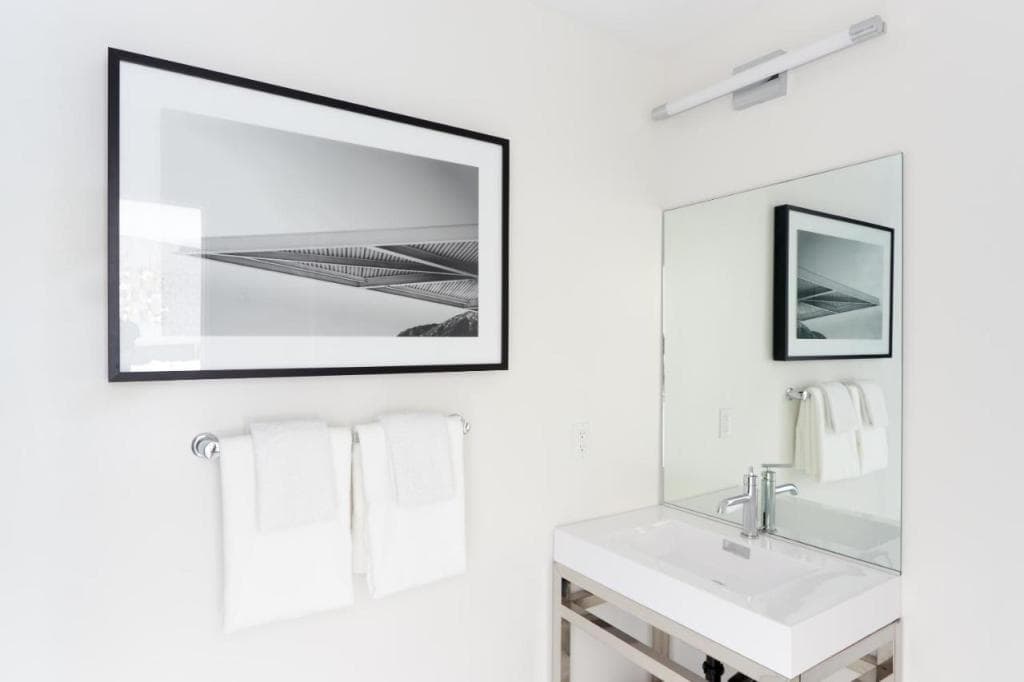 Palm Springs29 rooms
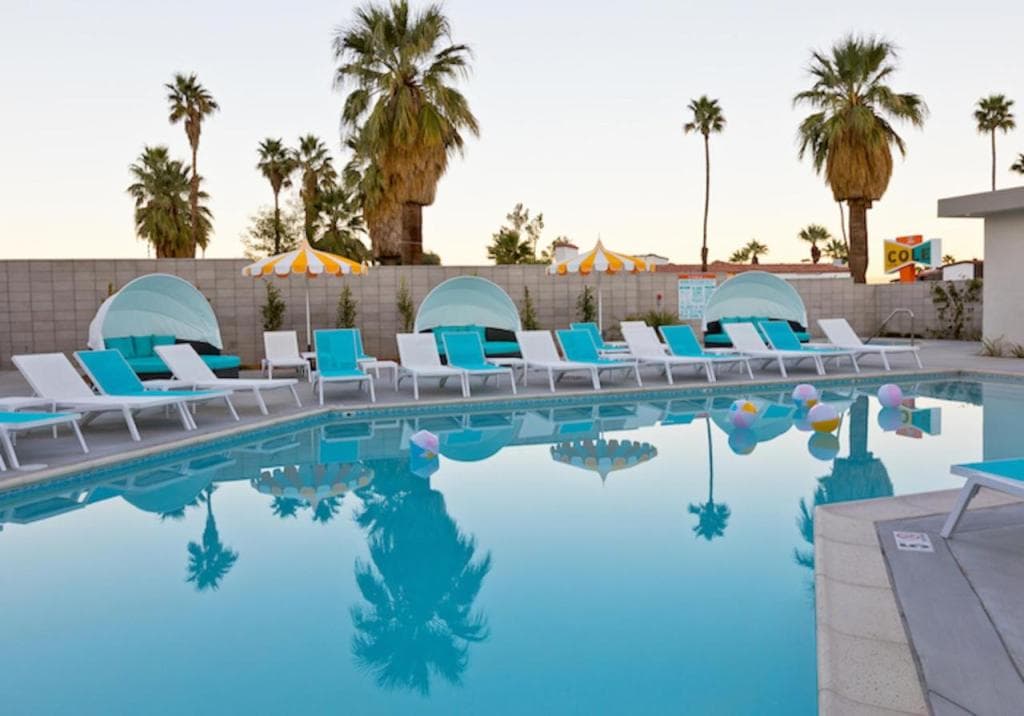
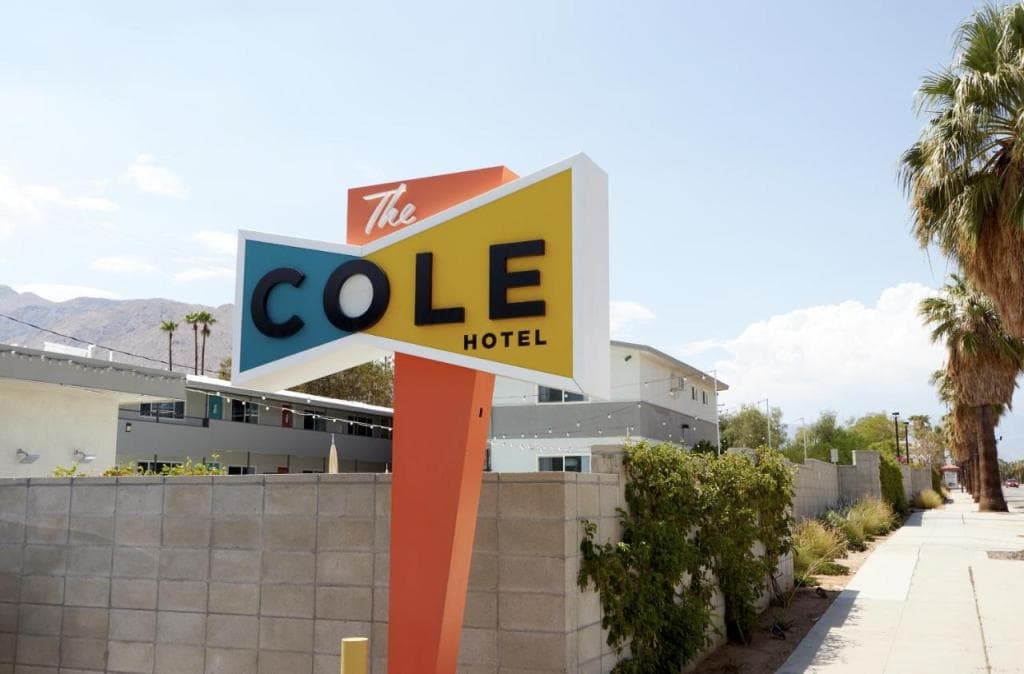
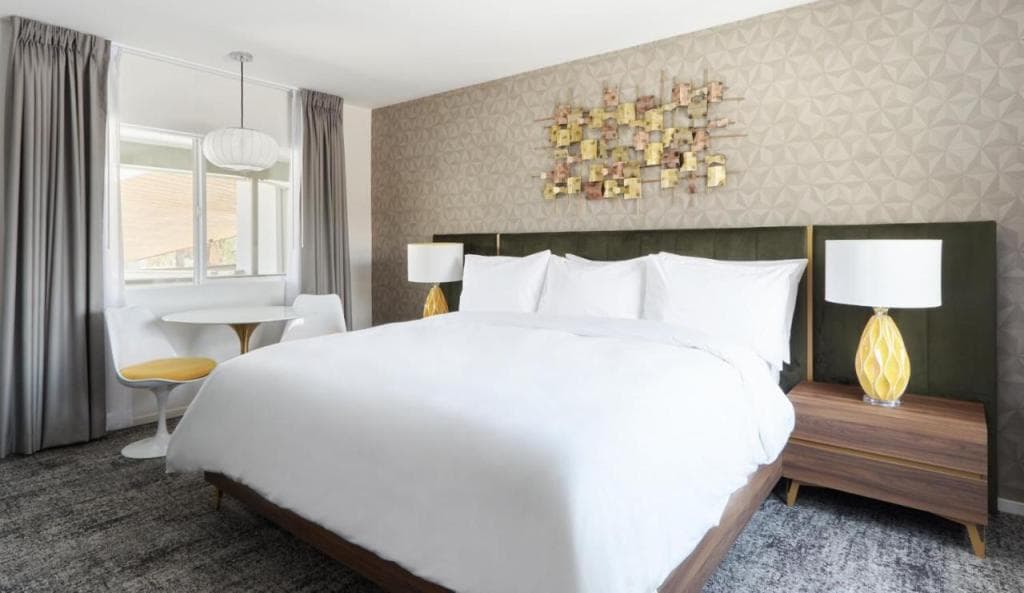
## Elegant Accommodations The Cole in Palm Springs offers adults-only rooms with air-conditioning, pool views, carpeted floors, and balconies. Each room includes a TV, wardrobe, and bath. ## Excepti


 Downtown Palm Springs54 rooms
Located in Palm Springs, a 12-minute walk from O'Donald Golf Course, Drift Palm Springs, a Member of Design Hotels has accommodations with free bikes, free private parking, an outdoor swimming pool an


 Downtown Palm Springs30 rooms
Surrounded by lush gardens in Palm Springs, this historic inn offers views of the San Jacinto mountains. With adobe hacienda architecture, each air-conditioned room offers free Wi-Fi and cable TV. Th


 Downtown Palm Springs13 rooms
Well set in Palm Springs, Terra Palm Springs provides air-conditioned rooms, free bikes, free WiFi and an outdoor swimming pool. Ideally located in the Downtown Palm Springs district, this hotel has a


 Palm Springs13 rooms
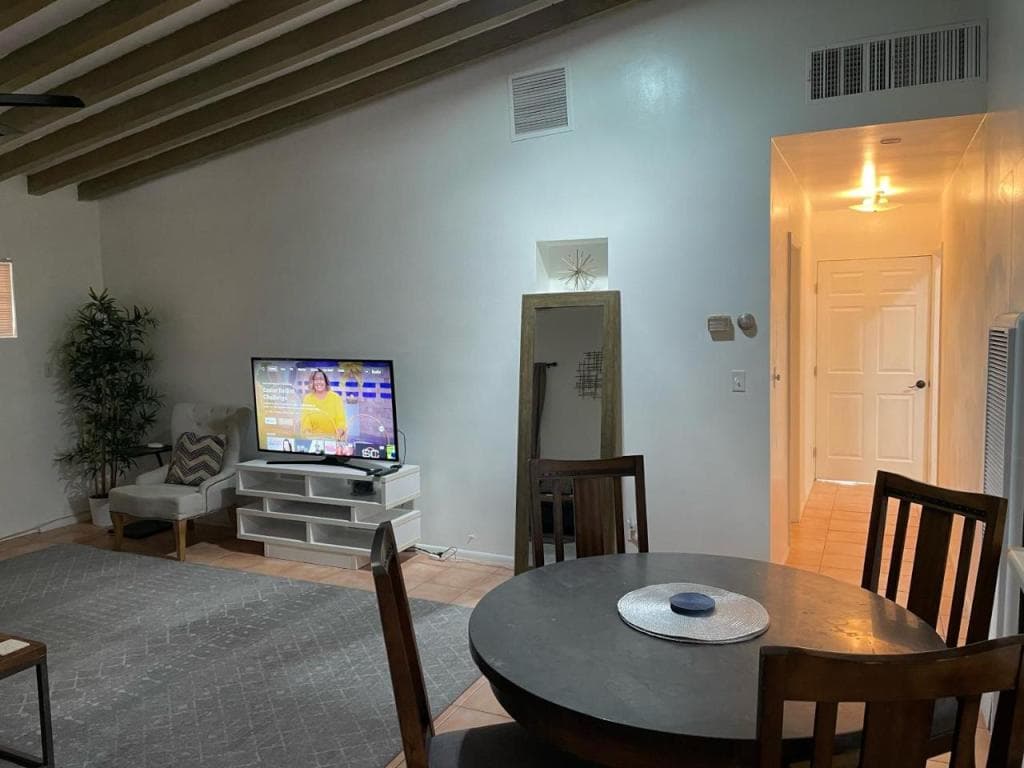
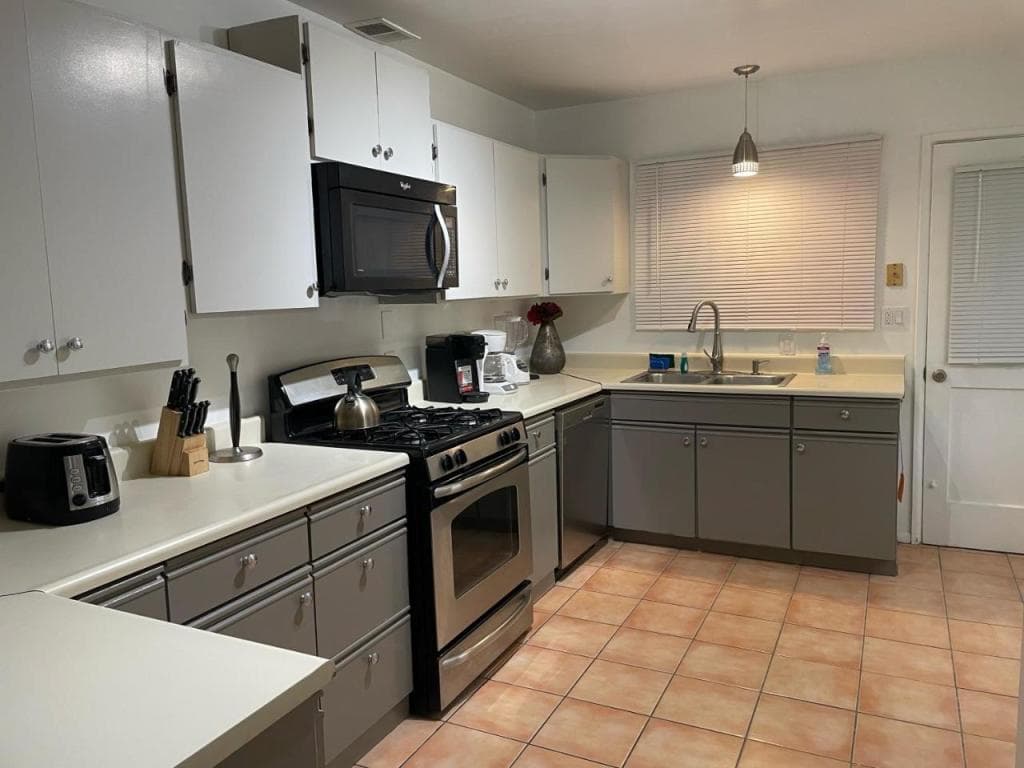
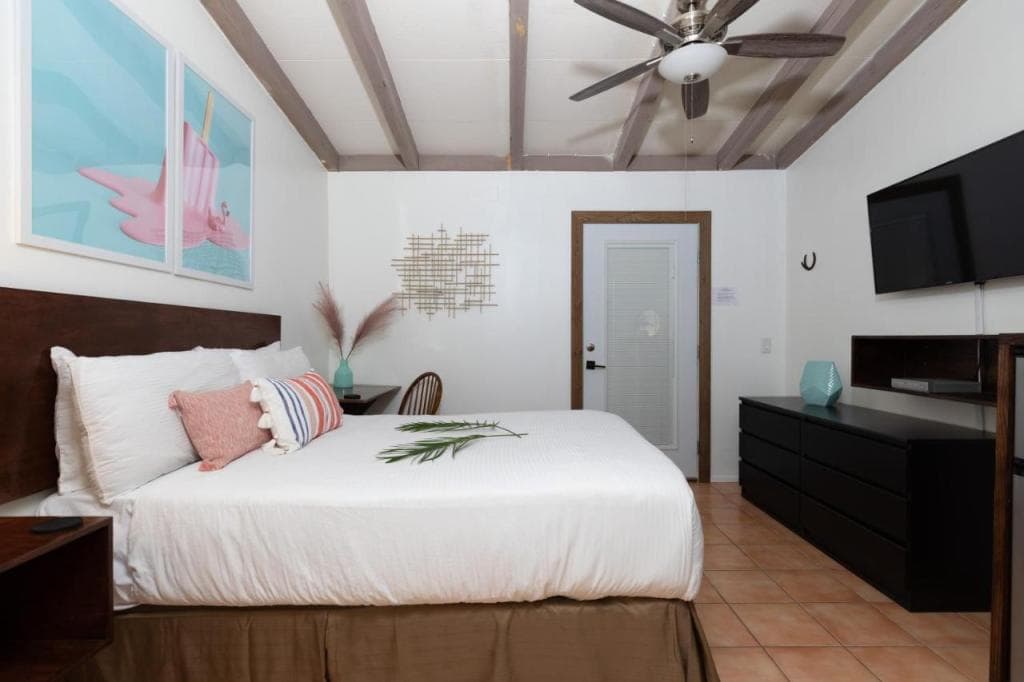
## Comfortable Accommodations Desert Paradise - A Men's Clothing Optional Resort in Palm Springs offers adults-only rooms with air-conditioning, private bathrooms, and free WiFi. Each room includes a
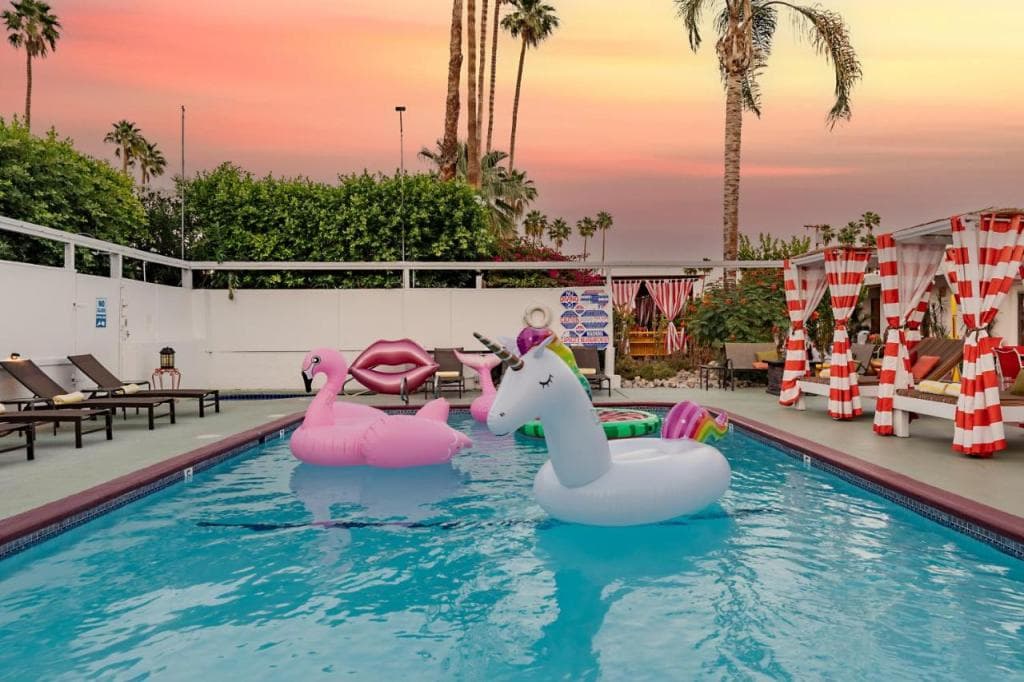
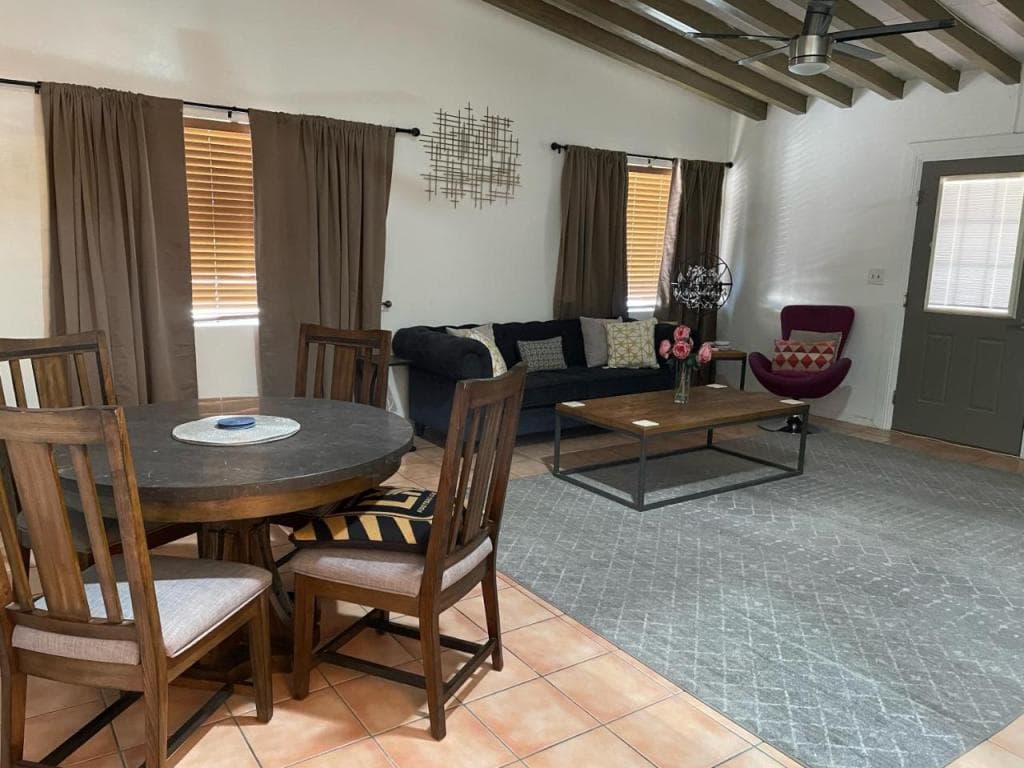


 Palm Springs13 rooms


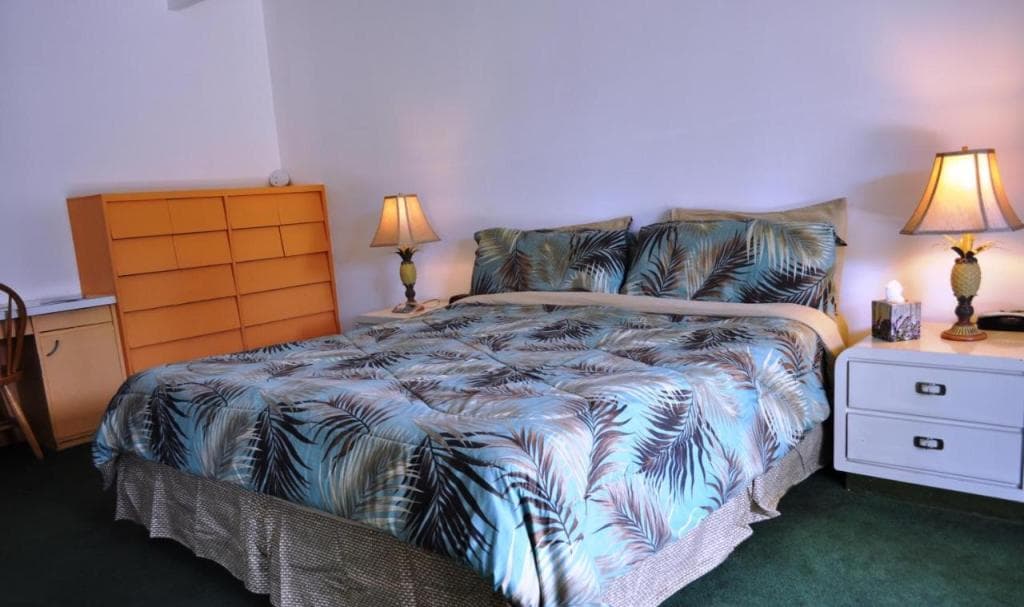

 Palm Springs20 rooms
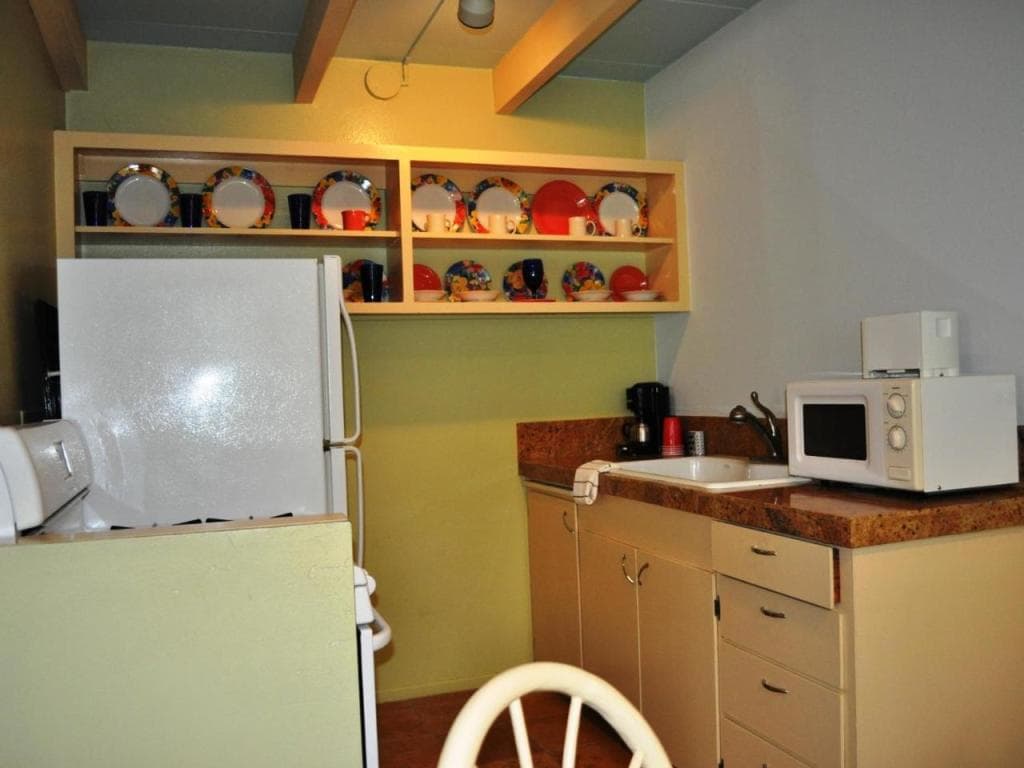
This adult gay men’s-only clothing optional resort features 2 outdoor pools, a 16-man hot tub. All rooms offer a TV with 4 gay adult film channels. Central Palm Springs is 1 mile away. One Bedroom Su



 Palm Springs14 rooms
Located in the Uptown district in Palm Springs, 0.7 mi from Descanso Resort, A Men's Resort that features free WiFi access and free private parking. All guest rooms at Descanso Resort, A Men's Resort


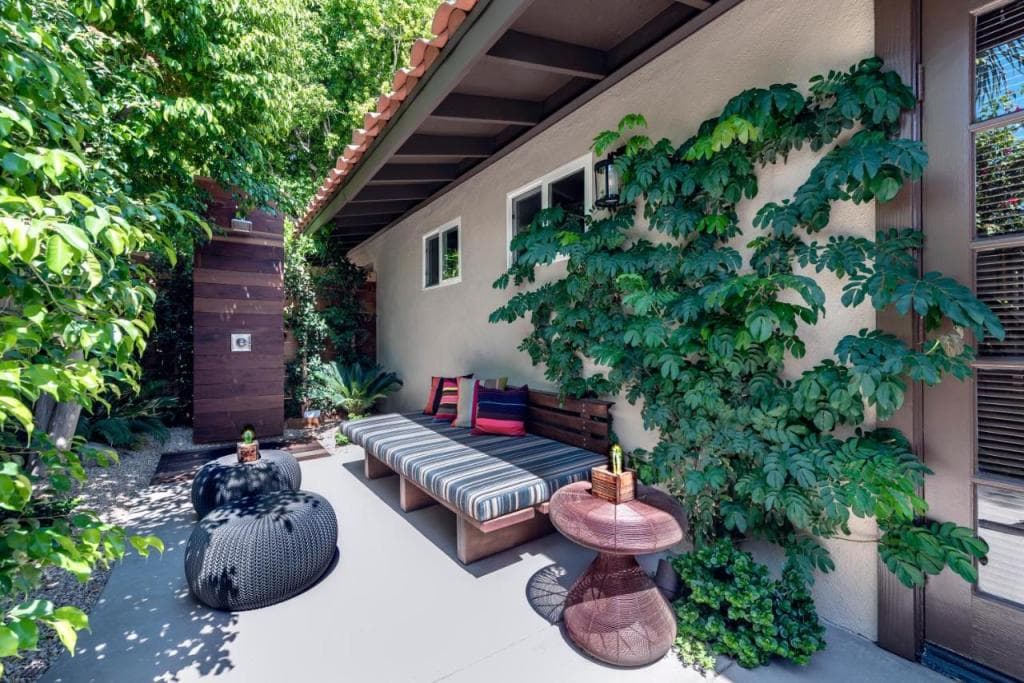 Palm Springs25 rooms
Offering a year-round outdoor pool and men's-only accommodations with pool views. Santiago Resort - A Gay Men's Clothing Optional Resort is set in the Palm Springs Uptown district in Palm Springs. Ev
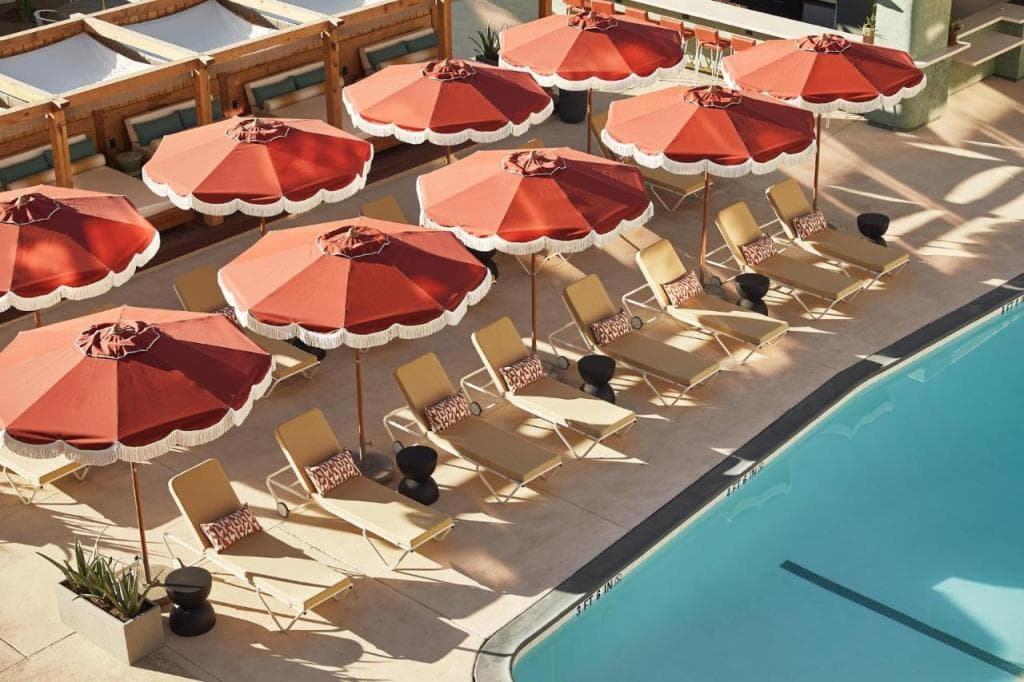
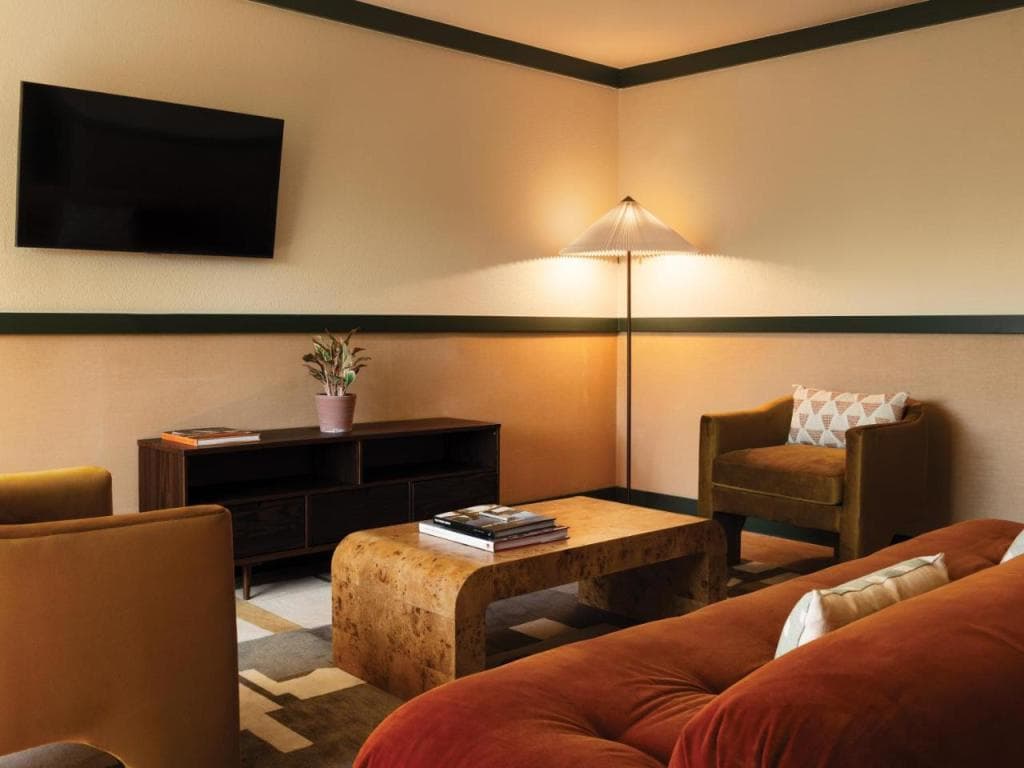
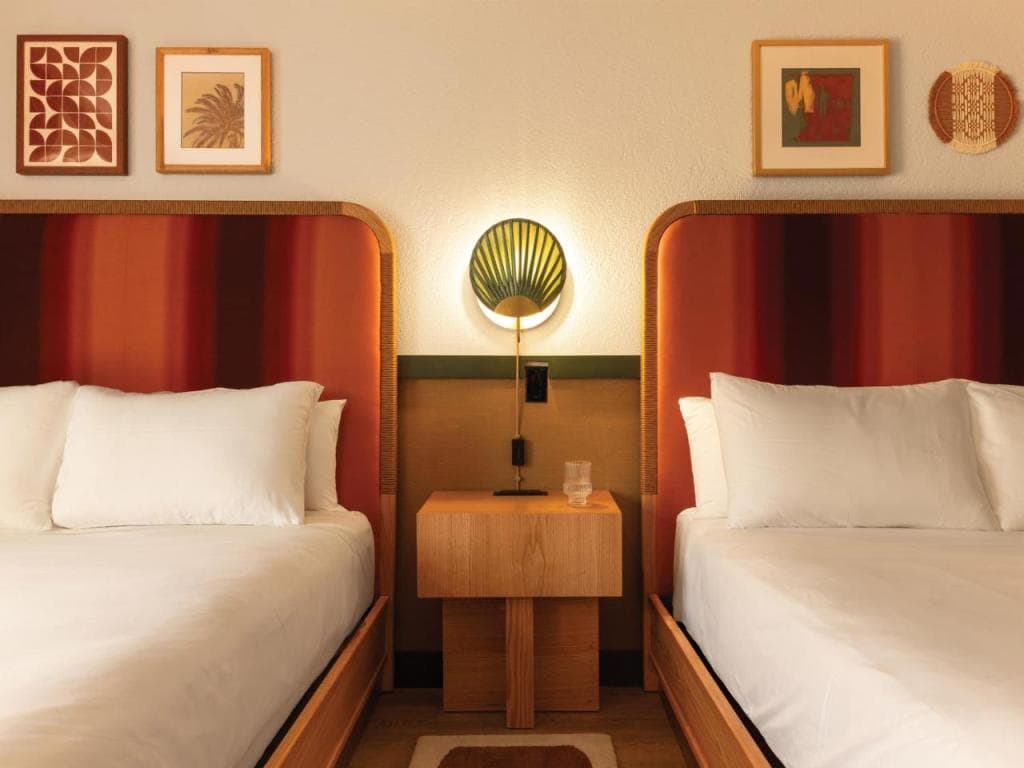

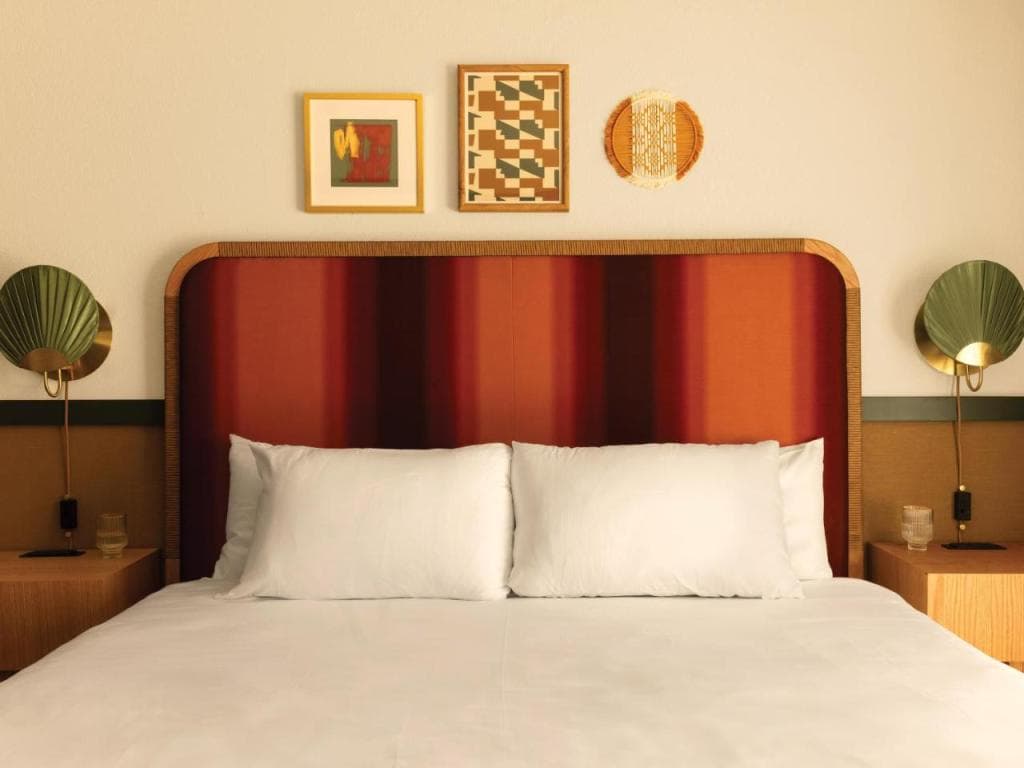
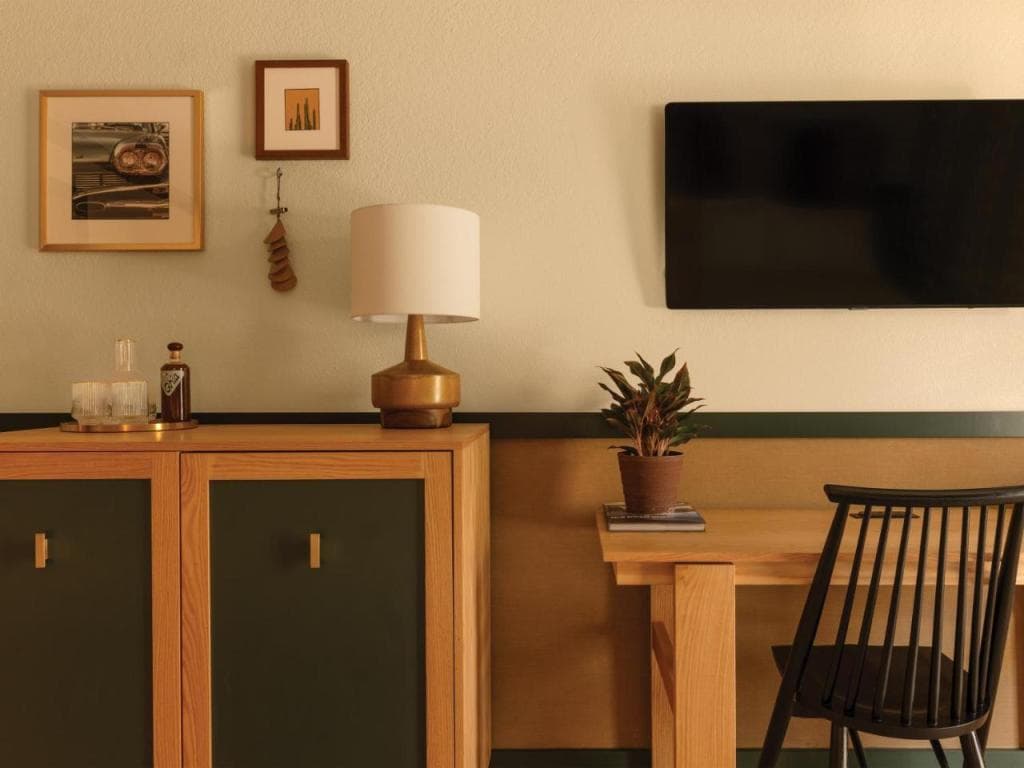
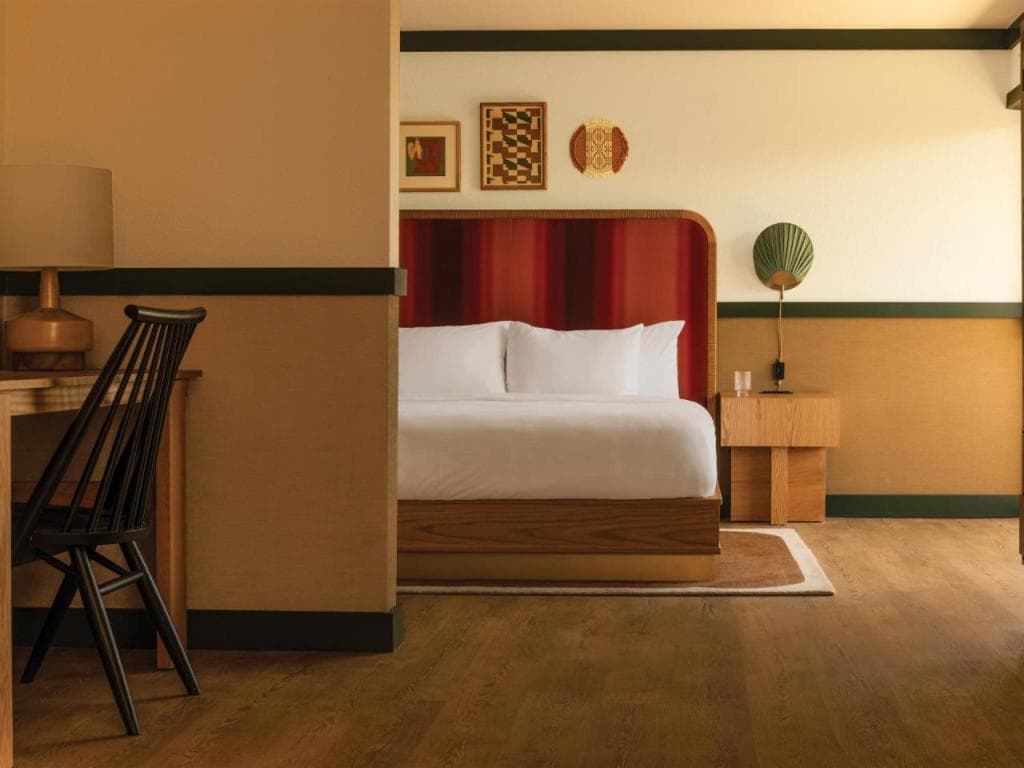
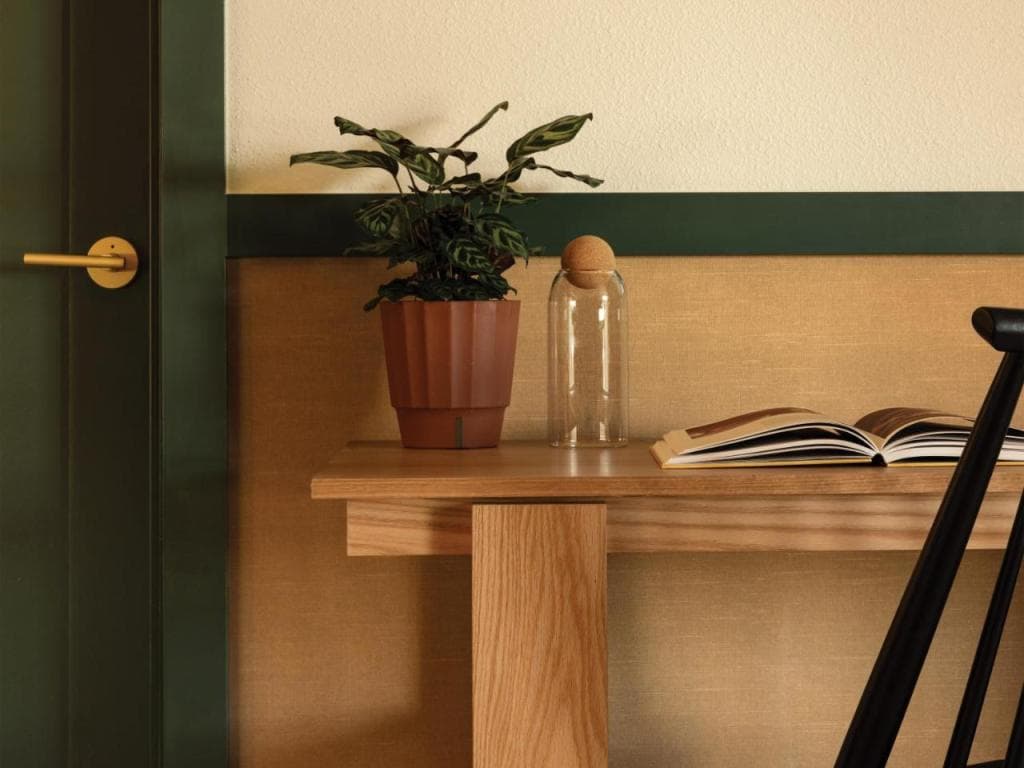 Palm Springs


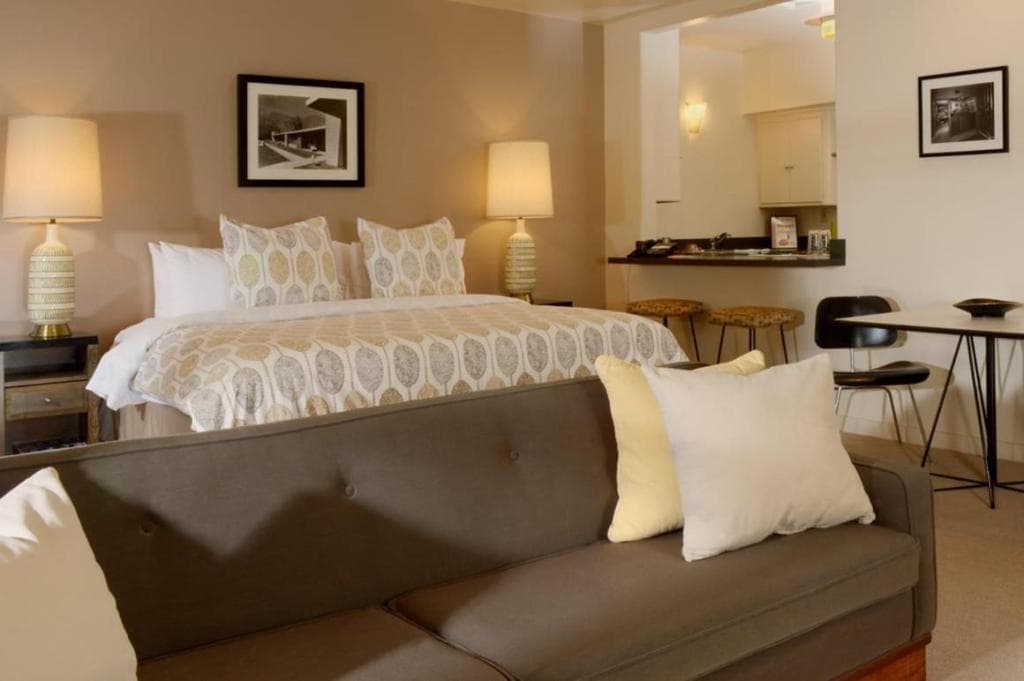


 Palm Springs10 rooms
## Elegant Accommodations The Hideaway in Palm Springs offers adults-only rooms with private bathrooms, air-conditioning, and garden or pool views. Each room includes a tea and coffee maker, refriger
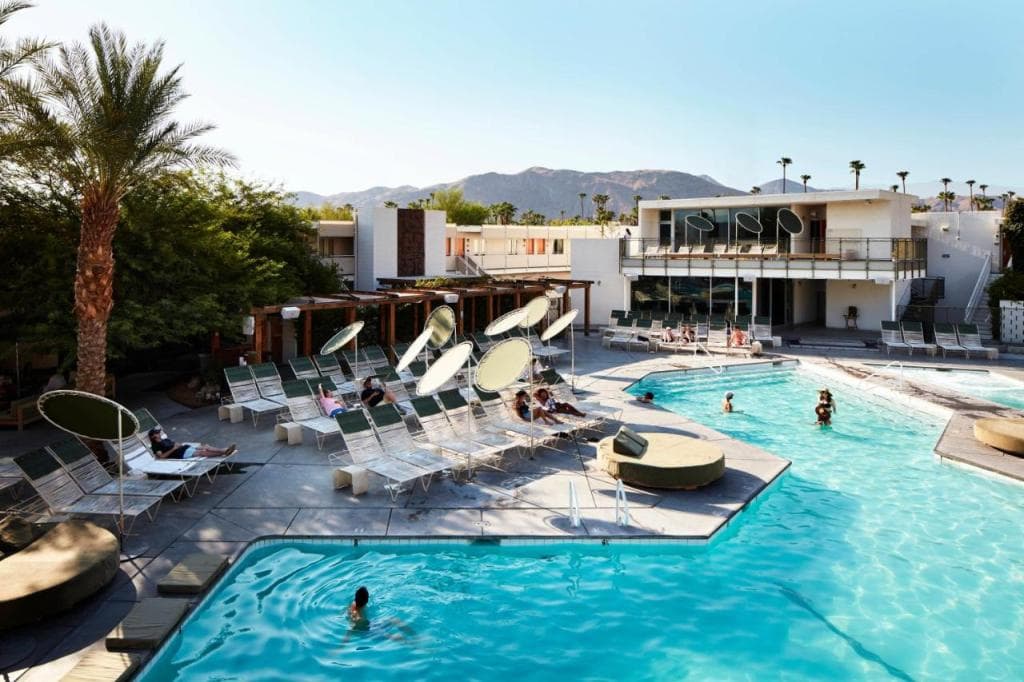


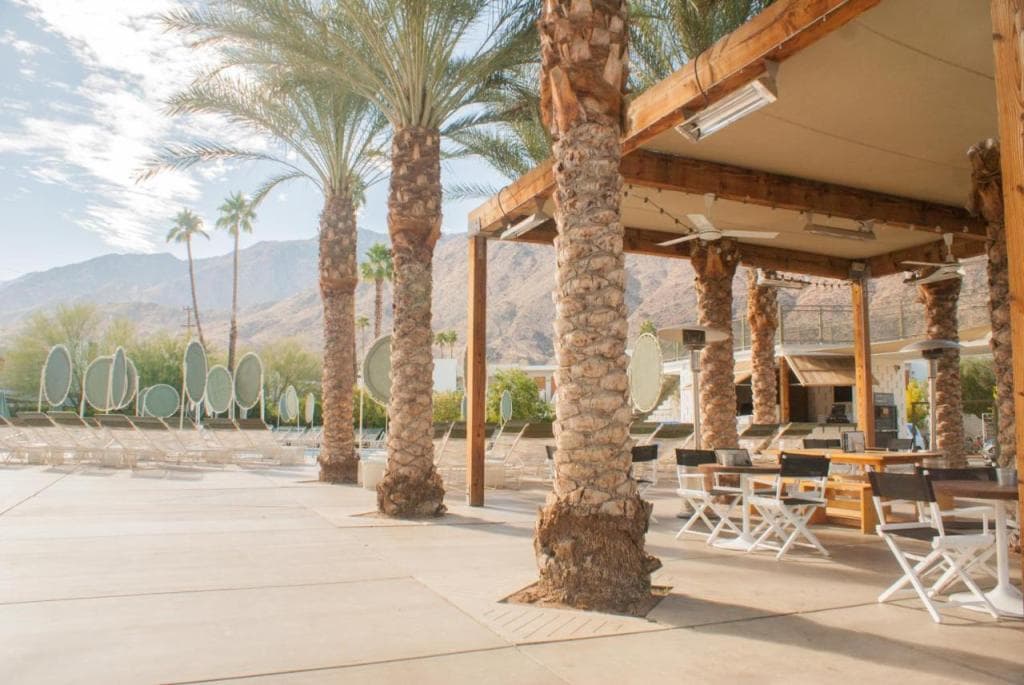

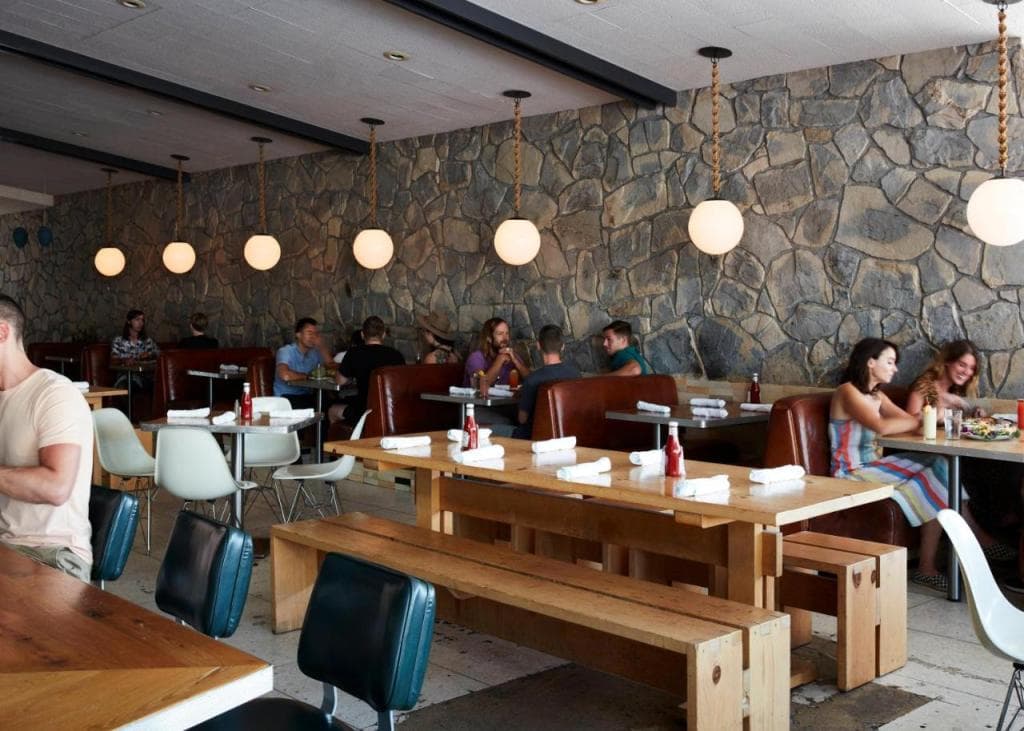

 Palm Springs180 rooms
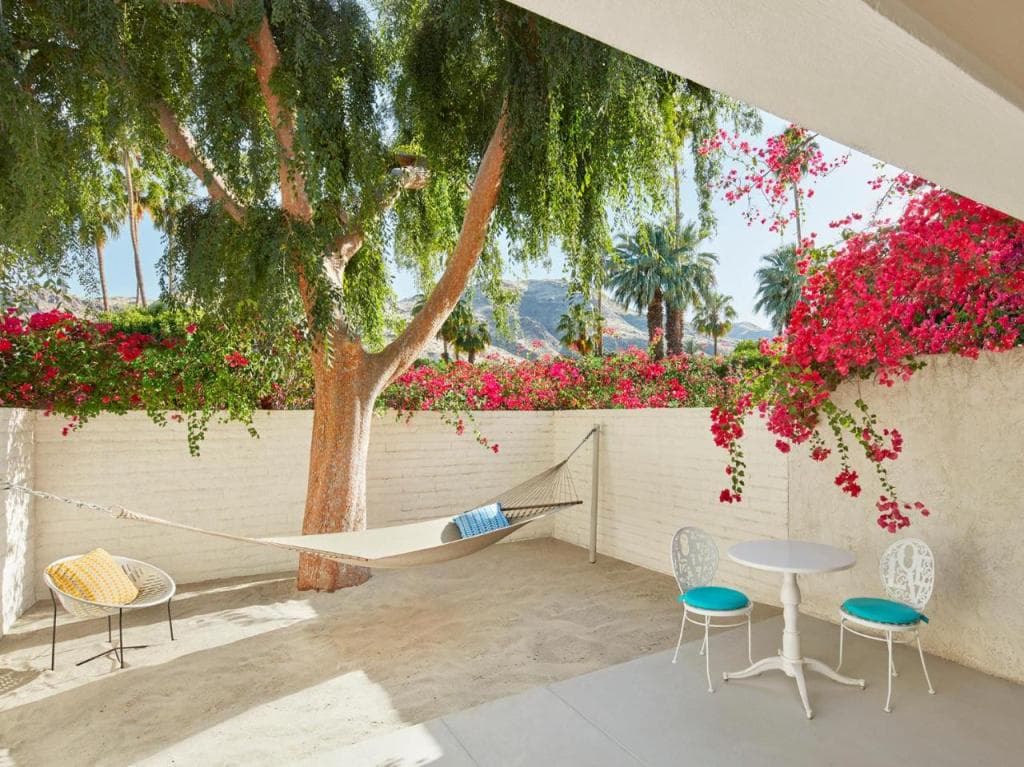
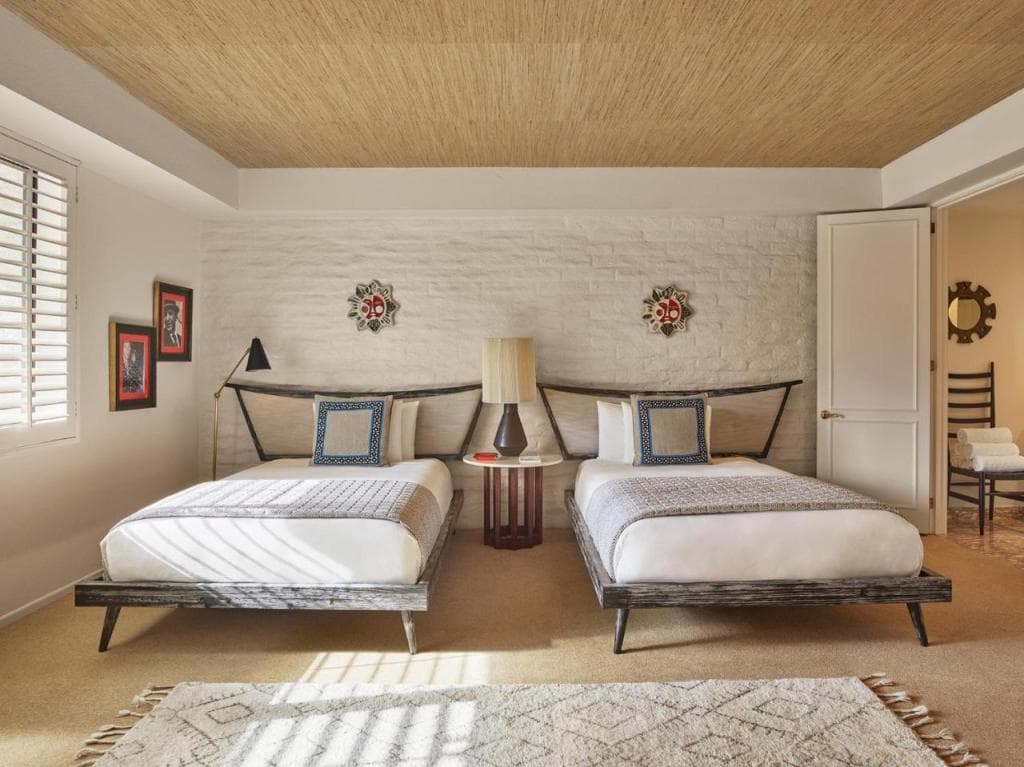
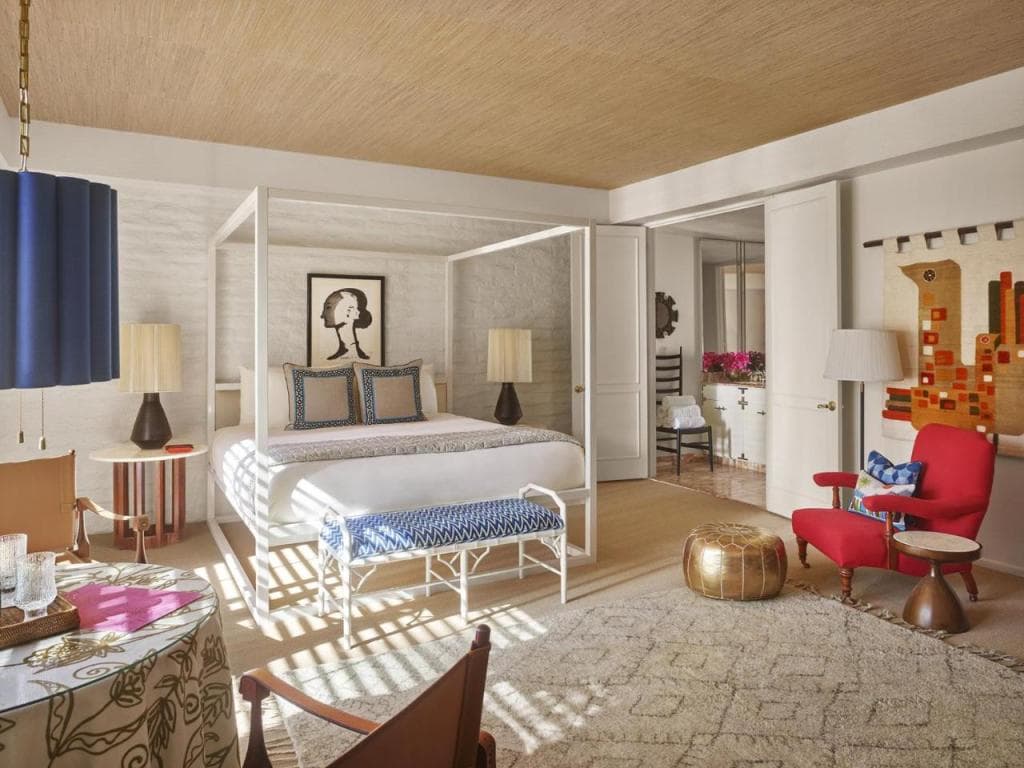
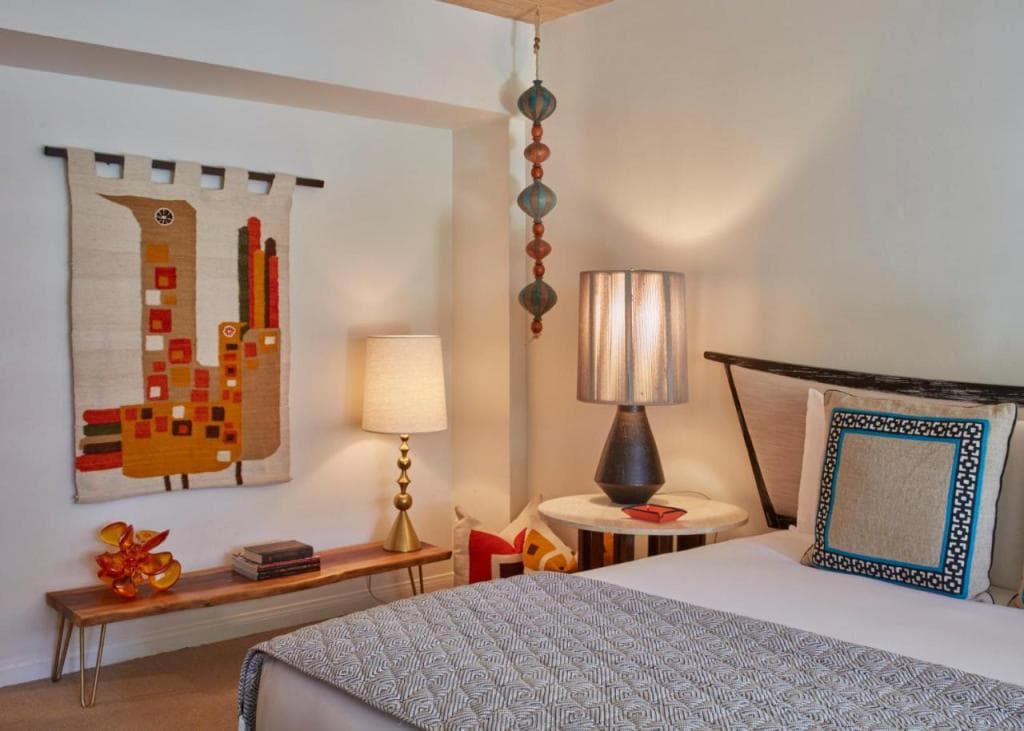
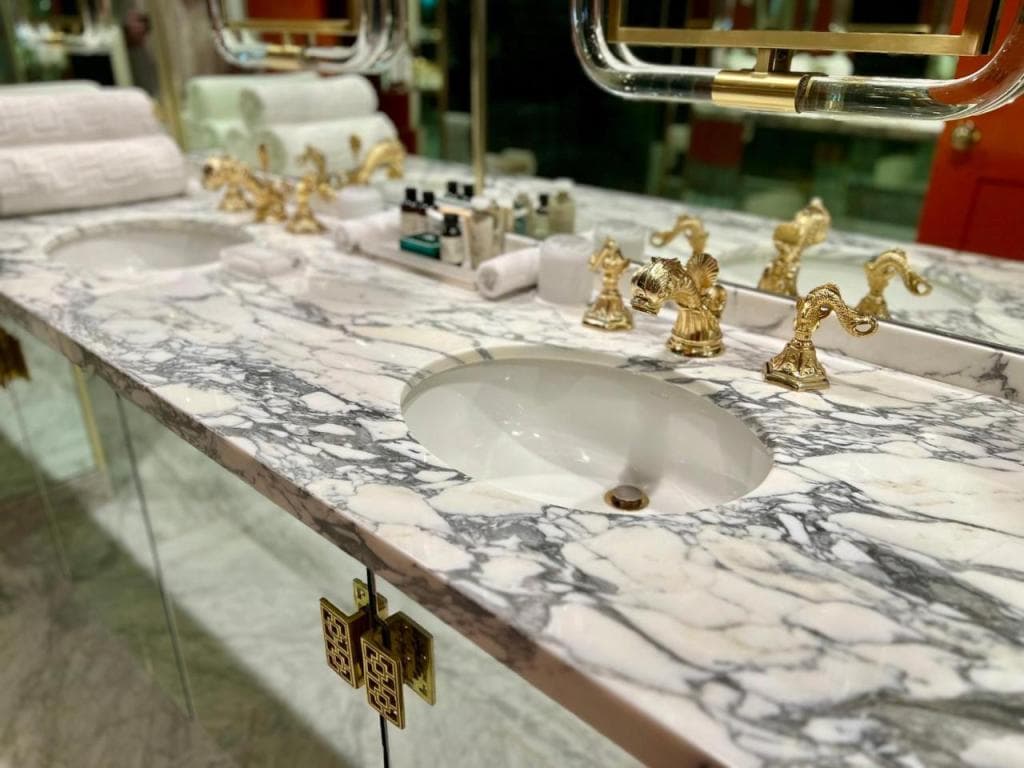
Set in Palm Springs, California, near activities such as shopping and golfing, this unique hotel offers contemporary guestrooms with free wireless internet access, a spa and an on-site restaurant. Gue
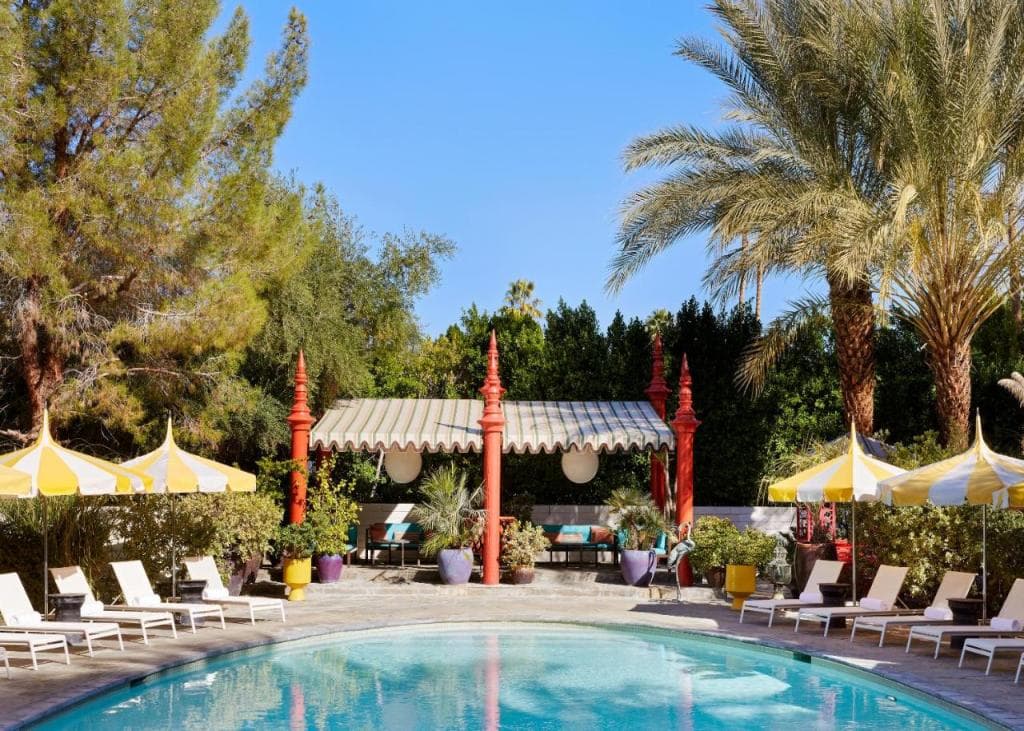
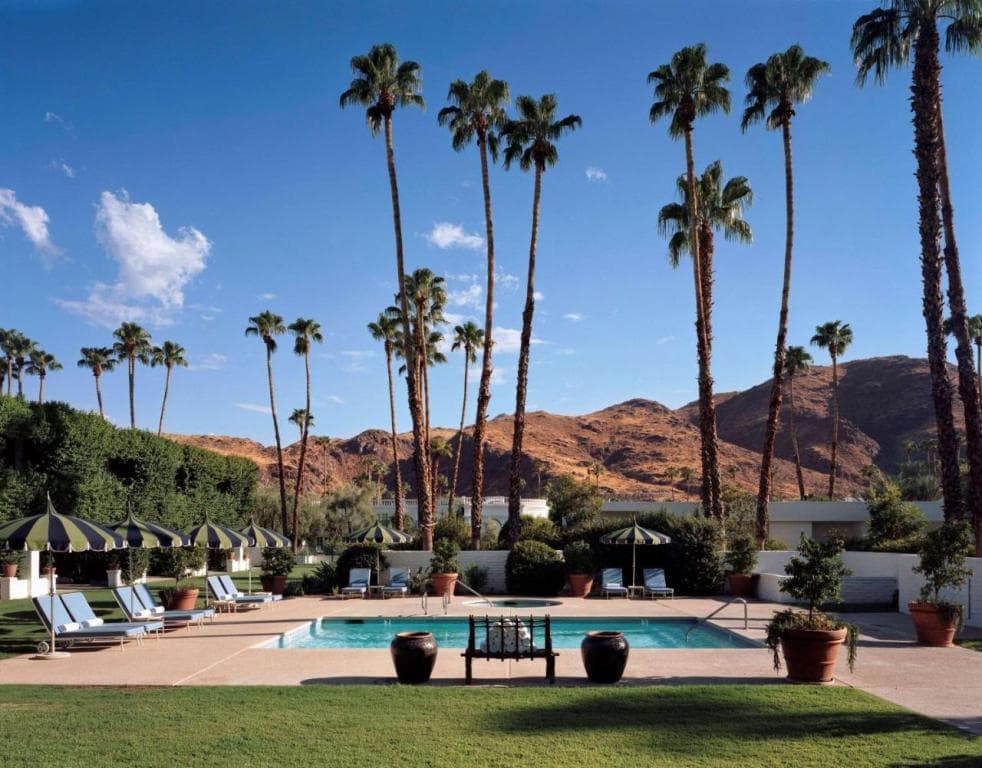
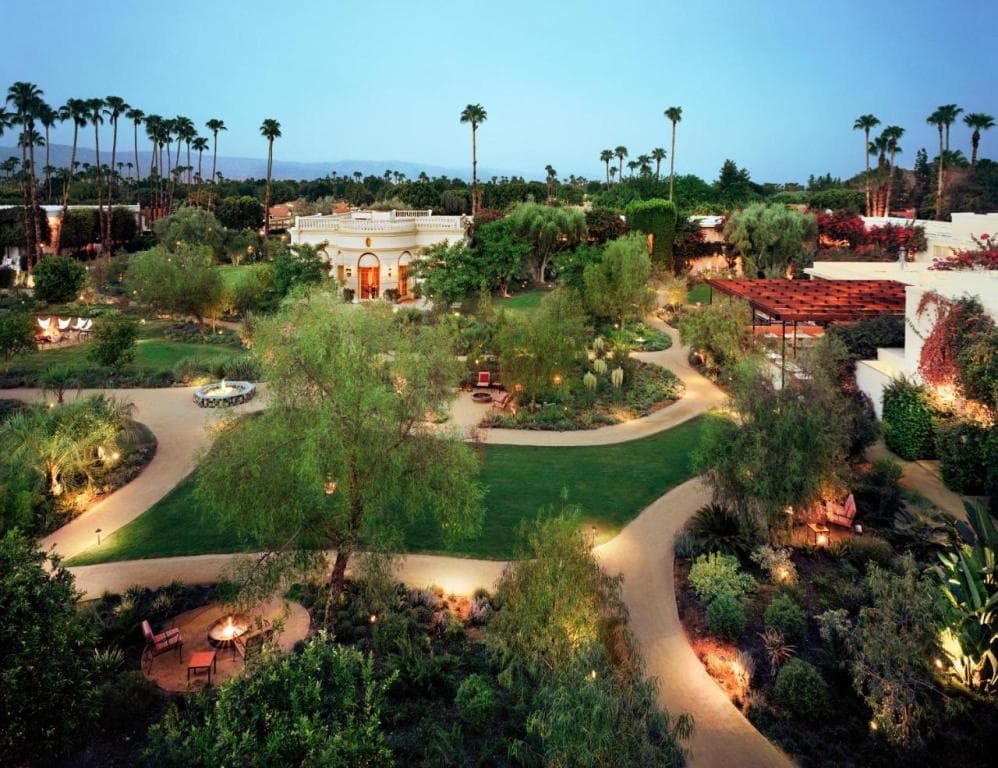
 Palm Springs


 Palm Springs50 rooms
Located on the Hermann Bungalows side, offering a spa center and hot tub, L'Horizon Resort & Spa, Hermann Bungalows - Adults Only 21 and Older Palm Springs is an adult only (21+) resort, 1.6 mi from P



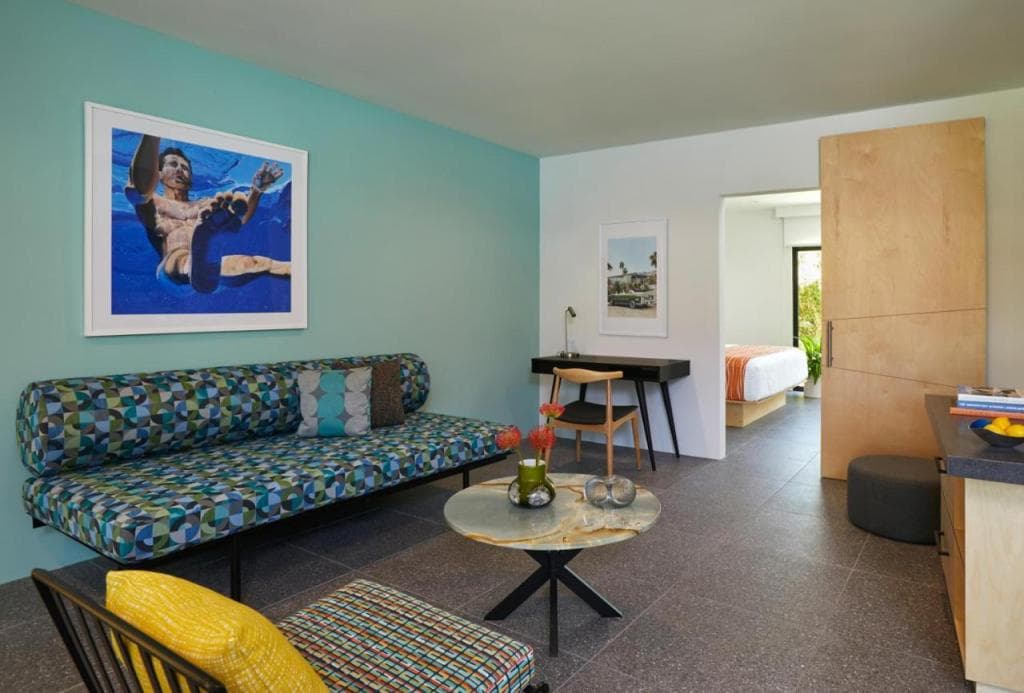 Palm Springs20 rooms
## Comfortable Accommodations Twin Palms Resort in Palm Springs offers adults-only rooms with private bathrooms, air-conditioning, and modern amenities. Each room features a pool or mountain view, en
Results 1 - 21
Palm Springs is widely regarded as one of the most gay-friendly cities in the United States, with a large gay population integrated throughout the community rather than confined to one district. That said, certain areas stand out for visitors.
Warm Sands is the historic heart of gay Palm Springs, home to numerous clothing-optional gay resorts and guesthouses. This walkable neighborhood is quiet, residential, and known for its relaxed, adults-only atmosphere.
Arenas Road, located in the downtown core, is the epicenter of gay nightlife and dining. Rainbow flags line the street, and the area is packed with gay-owned bars, restaurants, and shops within walking distance of downtown attractions.
The most comfortable weather in Palm Springs runs from October through May, with mild days and cool evenings ideal for pool lounging and outdoor dining. Summer months bring extreme desert heat, though many resorts offer lower rates during this period.
Palm Springs Pride typically takes place in early November, featuring a parade, street fair, and community events celebrating the city's gay history and culture.
Held over Easter weekend, White Party Palm Springs is one of the largest gay dance events in the country, drawing visitors from around the world for pool parties, concerts, and nightlife.
California has strong legal protections for gay residents and visitors, including recognition of same-sex marriage and anti-discrimination laws covering housing, employment, and public accommodations. Palm Springs itself has a long-standing reputation as a safe haven, with openly gay city officials and a community that actively supports gay visibility. As with any destination, travelers should stay aware of their surroundings, particularly at night, though Palm Springs is consistently rated among the safest cities in the U.S. for gay travelers.
the best gay and gay friendly hotels in Palm Springs
When selecting accommodation in Palm Springs, consider whether you prefer a clothing-optional gay resort in Warm Sands, a boutique hotel closer to downtown nightlife, or a larger mainstream property that is also welcoming to gay guests. Many gay resorts are adults-only and cater specifically to men, while some newer properties welcome all gay travelers, including women and couples. Look for details on pool policies, proximity to Arenas Road, and whether the property offers all-inclusive rates covering breakfast and afternoon happy hours, a common feature at Palm Springs gay resorts.
Arenas Road remains the go-to strip for gay nightlife, with bars, lounges, and restaurants that stay lively into the evening. Popular gathering spots include long-running gay bars featuring drag shows, dance floors, and outdoor patios perfect for the desert climate. Beyond nightlife, Palm Springs supports a strong daytime community culture centered around resort pools, where many gay guesthouses host social hours and pool parties. The Palm Springs Cultural Center and local coffee shops also serve as casual meeting points for the community, reflecting the city's blend of relaxed daytime living and energetic nightlife.
Yes, Palm Springs is considered one of the safest destinations in the United States for gay travelers. The city has a large, visible gay community, openly gay elected officials, and strong California state laws protecting against discrimination based on sexual orientation.
Warm Sands is the historic gay neighborhood known for its clothing-optional resorts, while Arenas Road in downtown Palm Springs is the center of gay nightlife, dining, and shopping.
Palm Springs Pride typically takes place in early November and includes a parade, street fair, and community celebrations throughout downtown.
White Party Palm Springs is a major gay circuit event held over Easter weekend each year, featuring pool parties, concerts, and dance events that attract visitors internationally.
Yes, Palm Springs has numerous clothing-optional gay resorts, primarily located in the Warm Sands neighborhood, many of which are adults-only and cater to men.
Yes, while some resorts historically catered mainly to gay men, Palm Springs as a whole is welcoming to all gay travelers, and an increasing number of hotels and guesthouses cater to gay women and mixed groups.
October through May offers the most comfortable weather, with mild temperatures ideal for pool days and outdoor activities. Summer is very hot but often features lower hotel rates.
Arenas Road in downtown Palm Springs is the main hub for gay bars, lounges, and restaurants, with several venues offering drag shows and dancing.
Yes, same-sex marriage is legally recognized throughout California, including Palm Springs, and the city has a long history of supporting gay rights and visibility.
Policies vary by property. Some gay resorts allow day passes for pool access, while others restrict access to overnight guests only, so it's best to confirm directly with the hotel.
Palm Springs is generally very accepting, and public displays of affection between gay couples are common and widely accepted, particularly downtown and in Warm Sands.
First-time visitors should know that Palm Springs has a well-established gay community, walkable neighborhoods, and a mix of relaxed resort culture and active nightlife, making it approachable for solo travelers and couples alike.
Yes, Palm Springs has a high concentration of gay-owned hotels, restaurants, and bars, particularly along Arenas Road and within the Warm Sands district.
Palm Springs is often compared to destinations like Provincetown and Fire Island for its concentration of gay-owned businesses and resorts, though it stands out for its year-round desert climate and resort-style pool culture.
The Palm Springs Cultural Center and various local organizations host events and provide resources for the gay community, and many hotels offer concierge advice on current happenings and safe spaces for visitors.