Very good — 8.4/10





 Miami Beach
 172 rooms
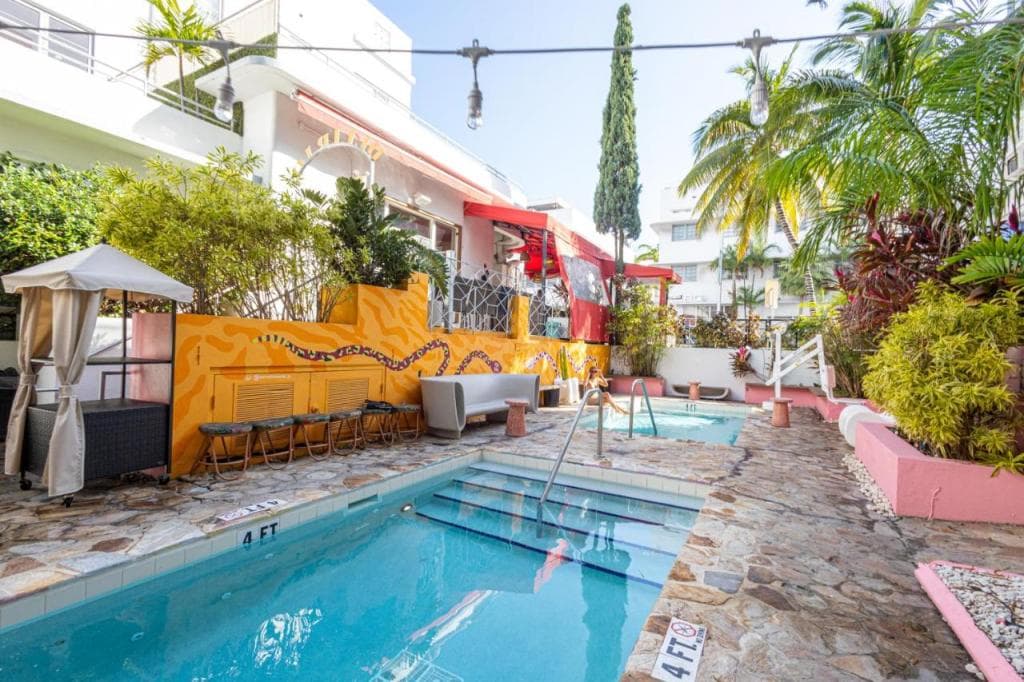
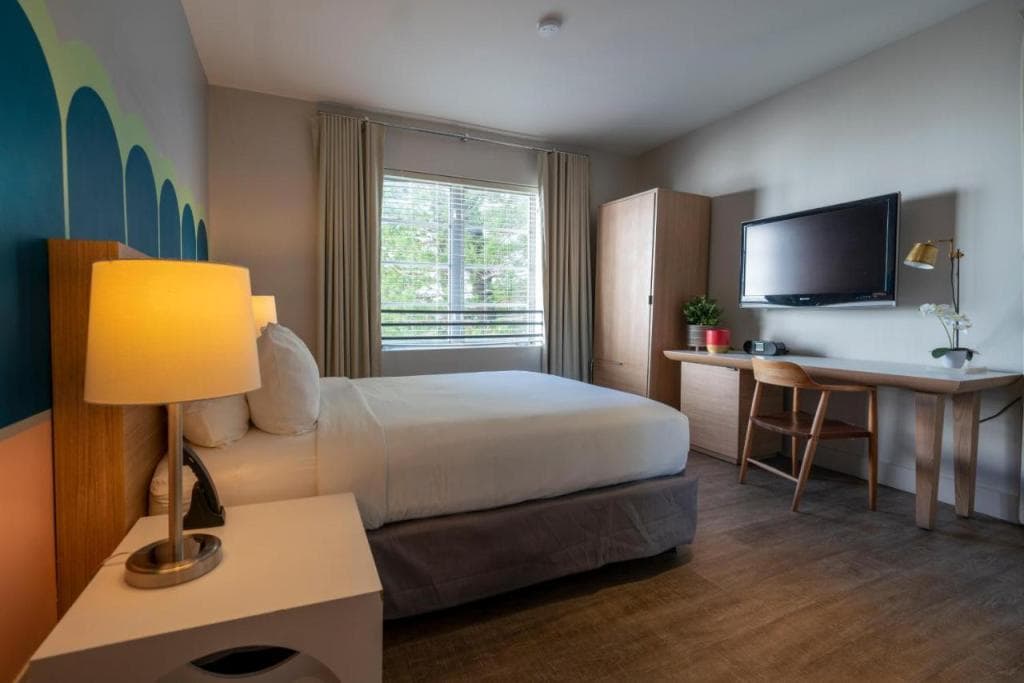
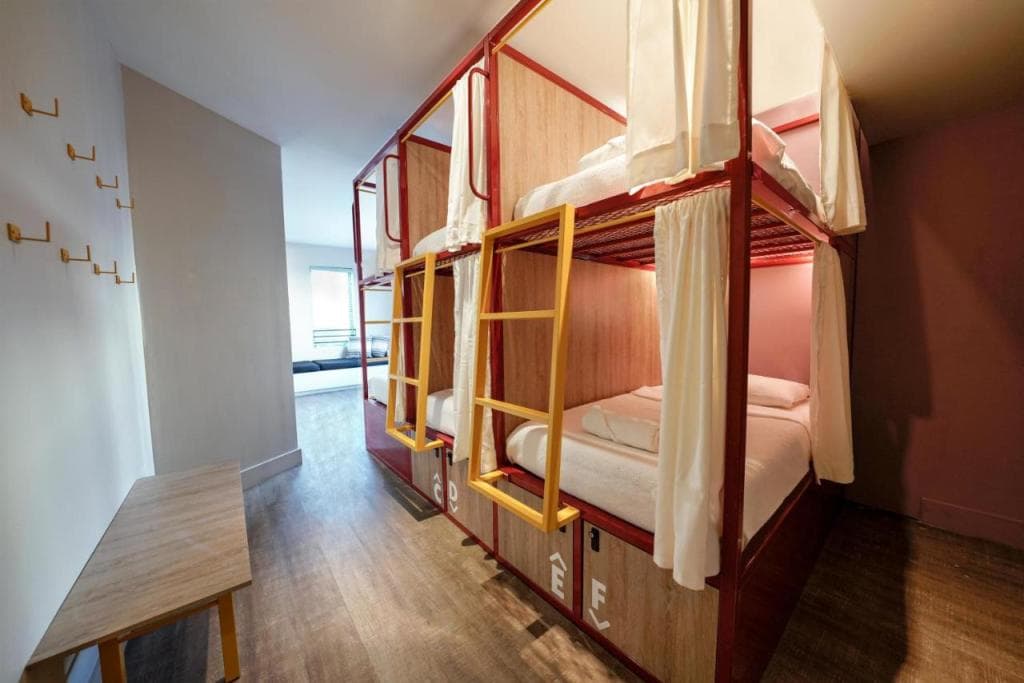
Centrally located opposite the beach and 5 minutes' walk from the restaurants and bars of Ocean Drive, this boutique hotel in South Beach features 3 pools in a courtyard. The accommodations at Viajer

 Miami Beach172 rooms
Centrally located opposite the beach and 5 minutes' walk from the restaurants and bars of Ocean Drive, this boutique hotel in South Beach features 3 pools in a courtyard. The accommodations at Viajer


 Miami Beach44 rooms
Nassau Suite Hotel is located on bustling Collins Avenue in Miami Beach. Originally built in 1936 and fully rebuilt and remodeled in 2023, this all suite, art deco hotel is 5 minutes’ walk from the be




 Miami Beach82 rooms
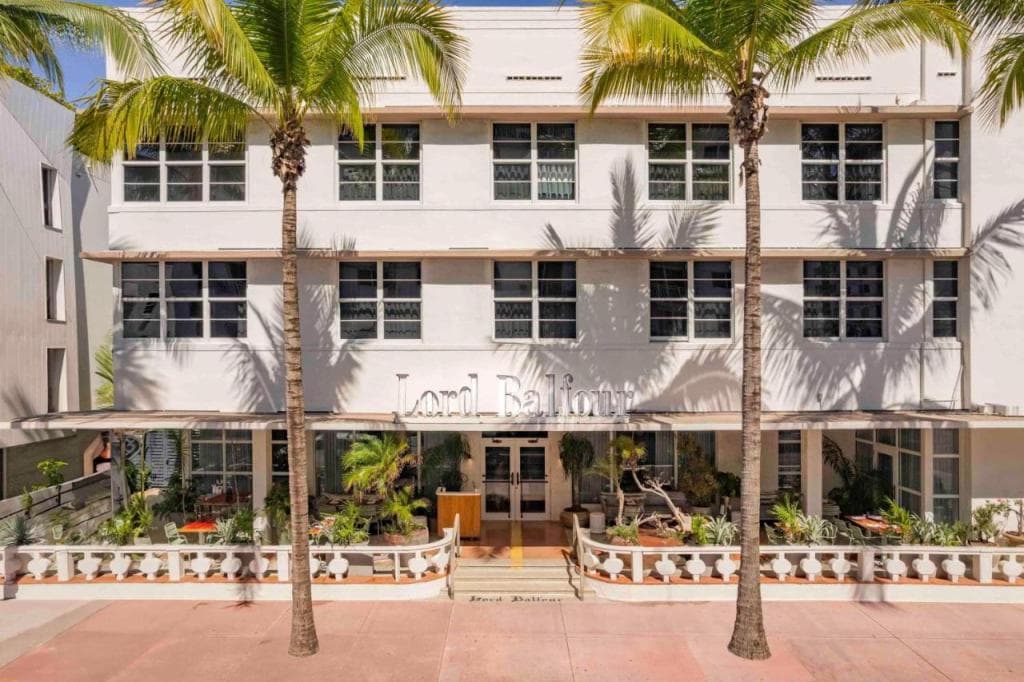
Balfour Miami Beach A Registry Collection Hotel is located on Ocean Drive, home to many shopping, dining, and entertainment options. Guests will find concierge services and valet parking in this desi


 Miami Beach60 rooms
## Prime Beachfront Location Eurostars Winter Haven Miami Beach in Miami Beach offers direct beachfront access and a sun terrace. Guests enjoy sea views and a relaxing atmosphere. ## Comfortable Acc




 South Beach183 rooms
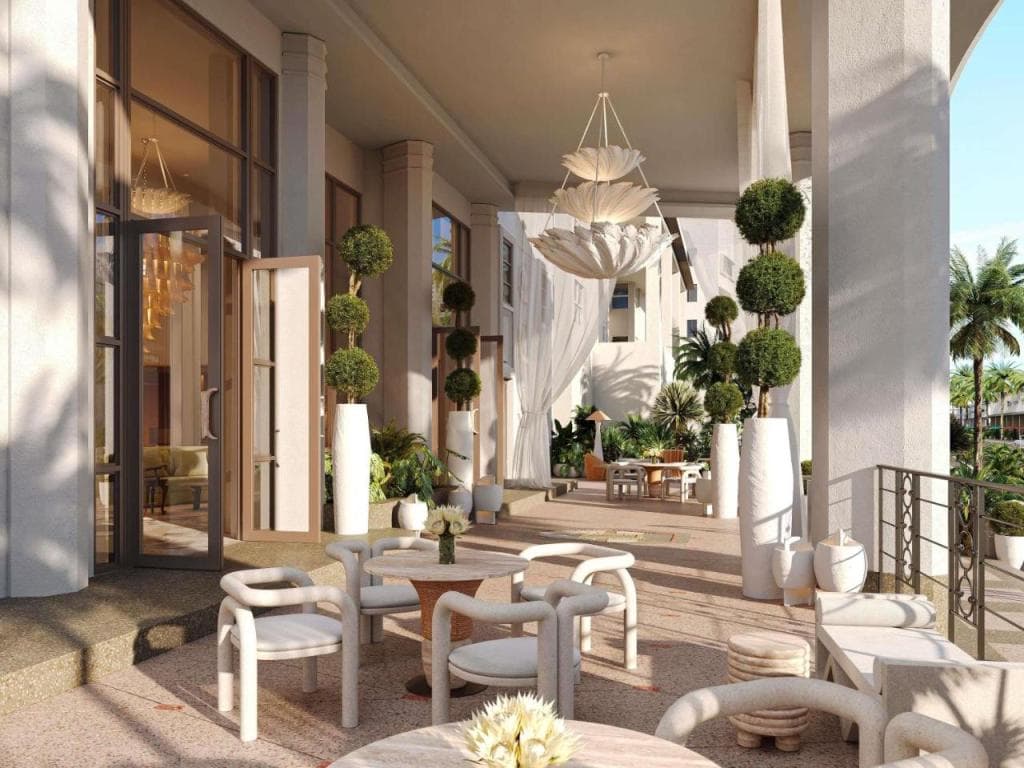
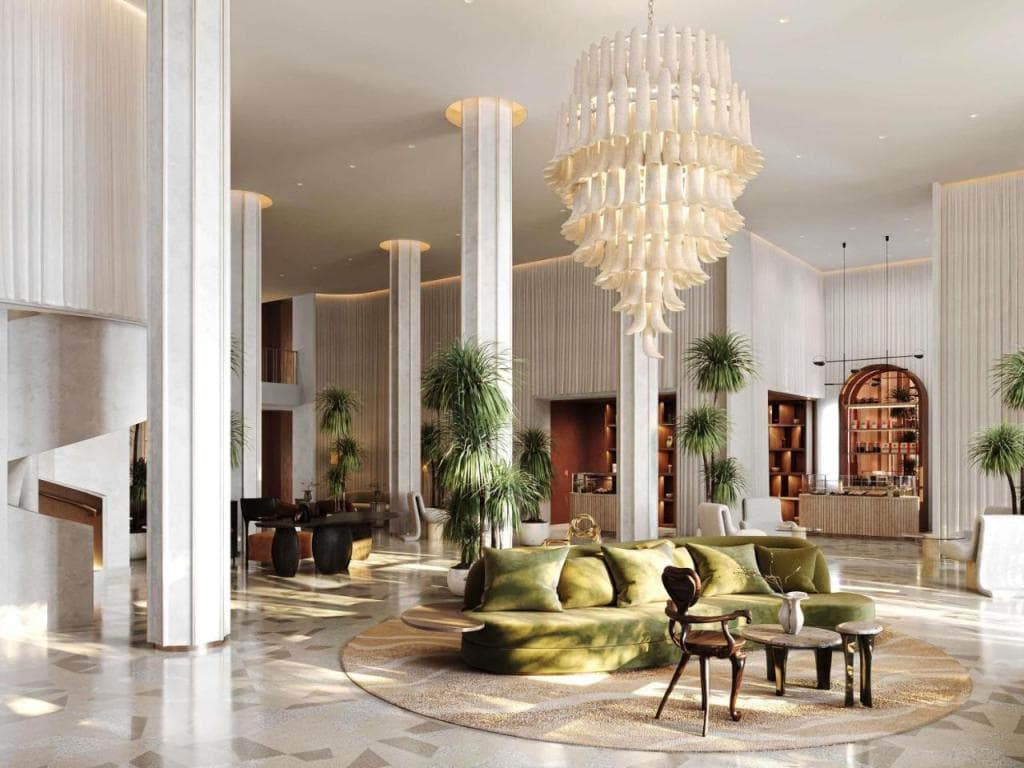
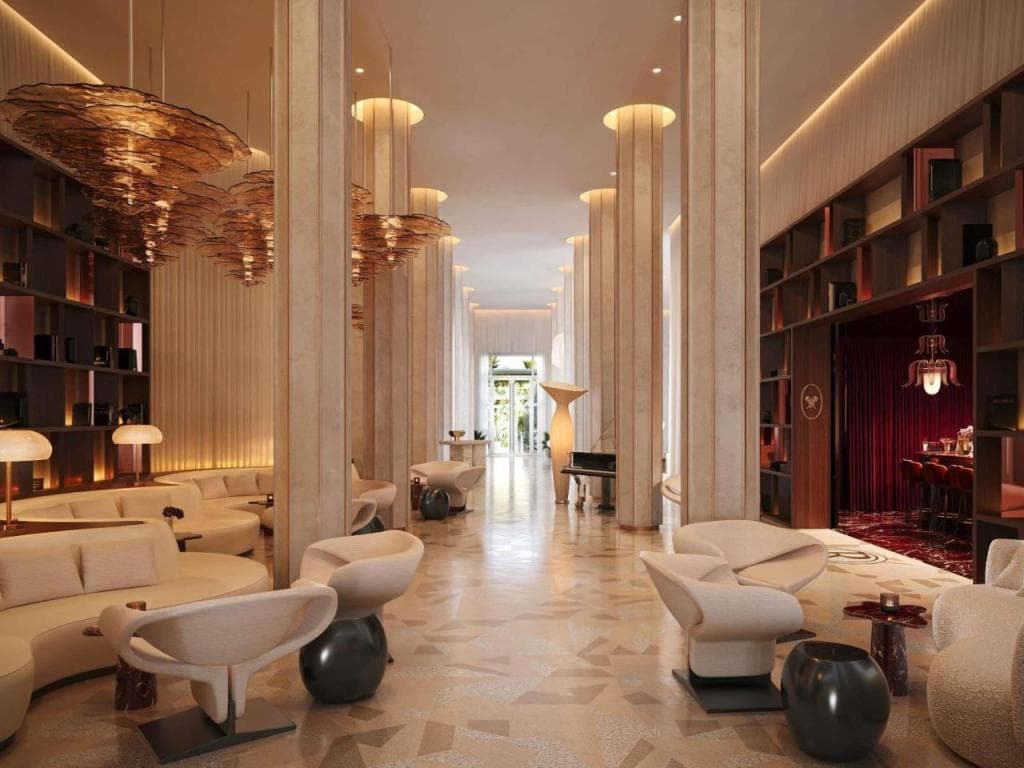
Honoring a celebrated legacy while shaping a bold new chapter, Delano returns to Miami Beach. Oceanfront accommodations, from refined penthouses to poolside bungalows, meet a stay enriched by modern



 Miami Beach27 rooms
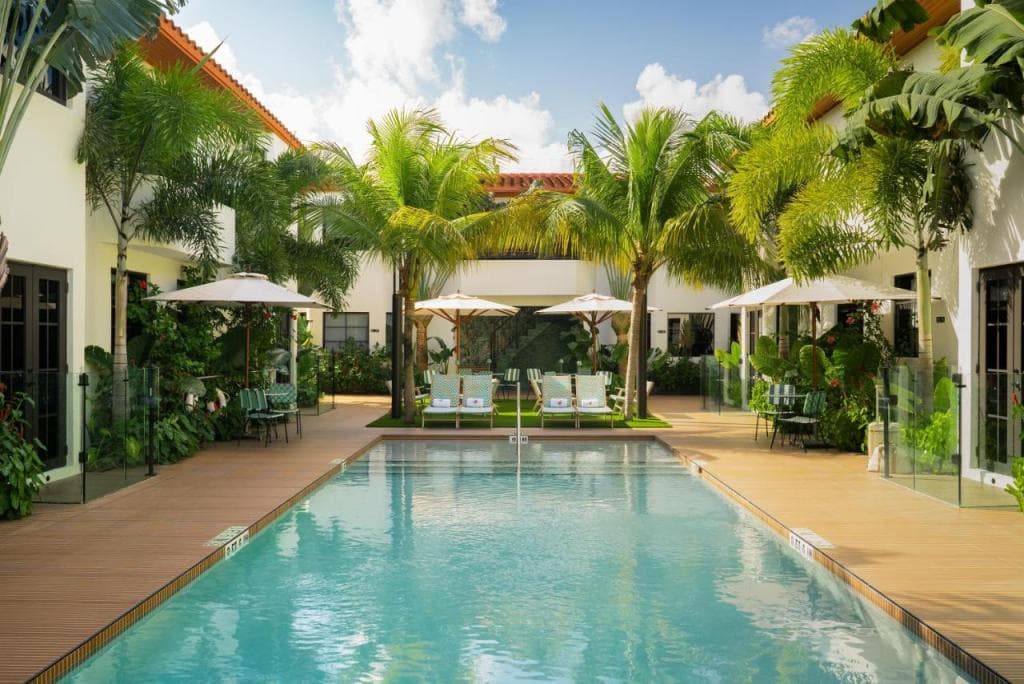
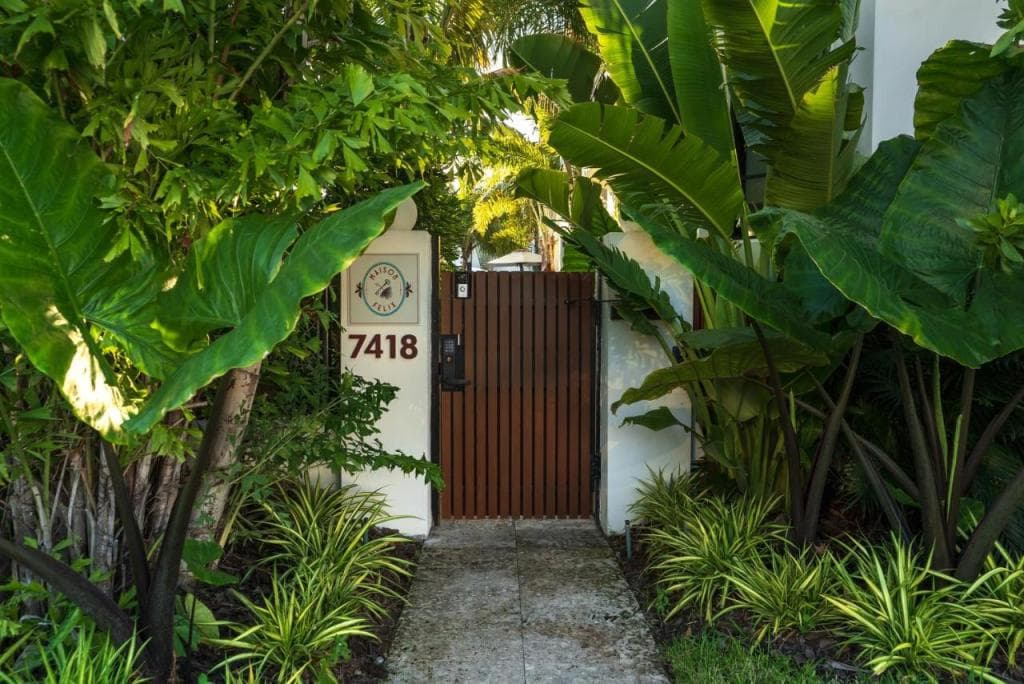
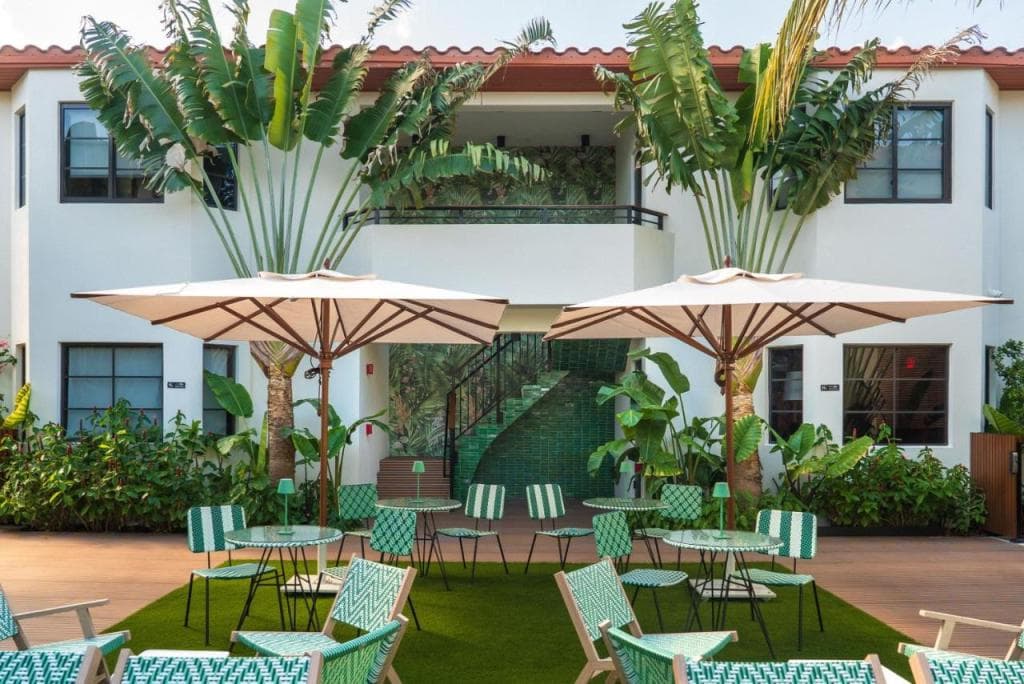
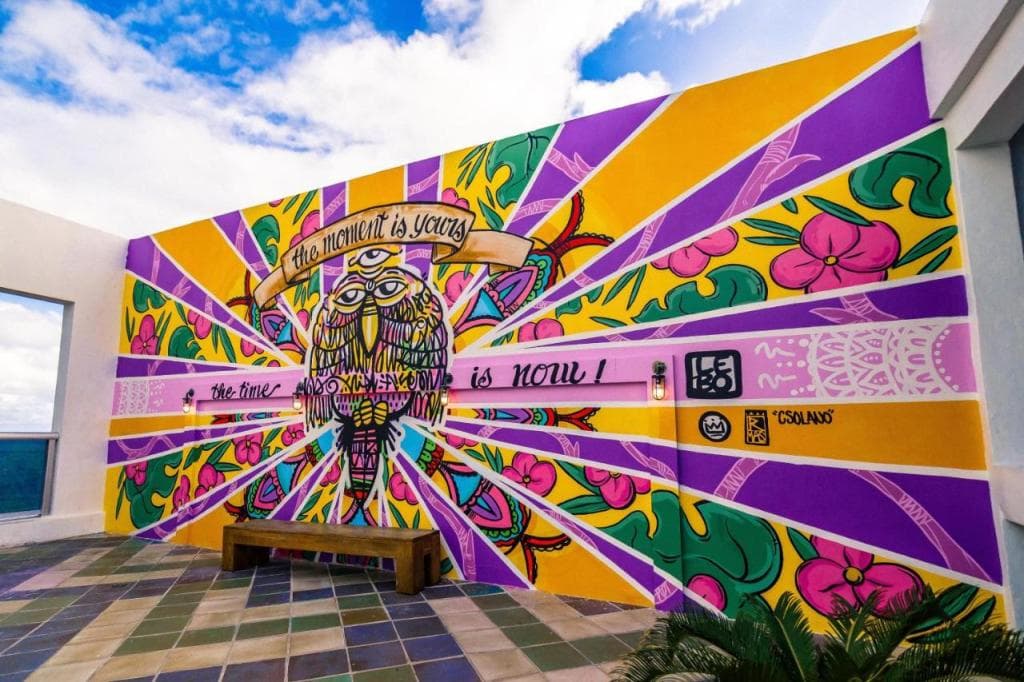
## Elegant Accommodations Maison Felix in Miami Beach offers a 5-star hotel experience with a fitness center, sun terrace, and a year-round outdoor swimming pool. Guests enjoy free WiFi, a garden, an





 Mid-Beach359 rooms
## Prime Beachfront Location Andaz Miami Beach Resort & Spa in Miami Beach offers a private beach area and beachfront access. Guests enjoy a year-round outdoor swimming pool, terrace, and free WiFi t


 South Beach249 rooms
Introducing The Shelborne by Proper, a Member of Design Hotels, a thoughtful reimagining of the iconic landmark hotel in the heart of Miami Beach. Following an extensive $100 million renovation, the o


 Espanola Way, South Beach144 rooms
Located in Miami Beach, a 6-minute walk from Miami Beach, Esme Miami Beach has accommodations with free bikes, private parking, an outdoor swimming pool and a garden. Among the facilities of this prop



 Miami Beach13 rooms
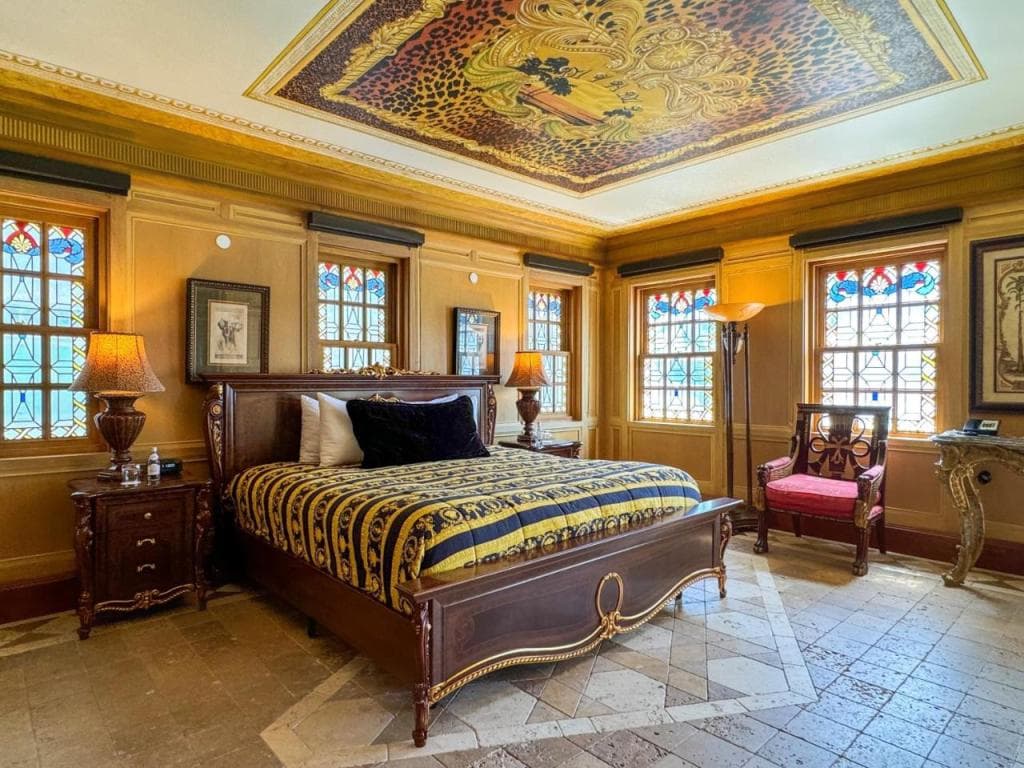
Miami Beach’s most exceptional experience waits for you at The Villa Casa Casuarina, inside the former Versace Mansion, where unparalleled service and elegant style are sure to please the most discrim


 Miami Beach115 rooms
Housed in a 4-story Art Morderne building, The Plymouth features an outdoor pool and sundeck in famed Miami Beach. Complimentary daytime transfer services are available to private Plymouth Beach. Gue


 Miami Beach21 rooms
Located in the Lincoln Road shopping district, this Miami Beach boutique hotel features a complimentary men-only self-service spa including a steam room, dry sauna, and hot tub. Over 10 restaurants ar


 Miami Beach91 rooms
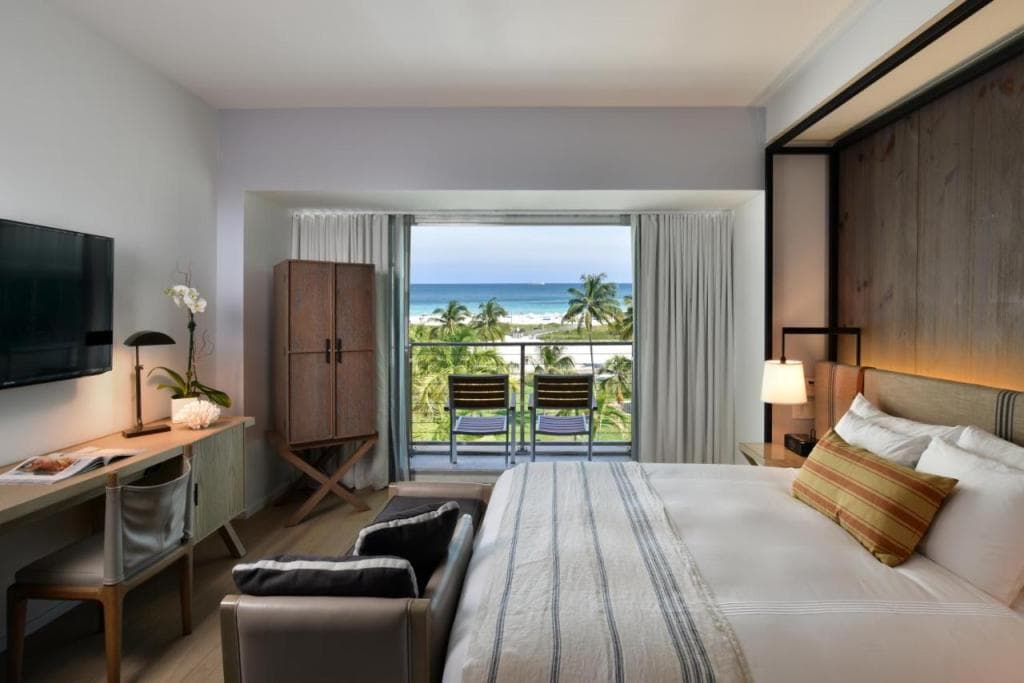
This luxury South Beach hotel features a pool overlooking the Atlantic Ocean. The rooms include flat-screen TVs and MP3 docking stations. Modern bathrooms with bathrobes are standard in the rooms at


 Miami Beach93 rooms
Featuring a full-service spa, this adult-only Miami Beach hotel also features rooms with a view of the lush gardens, Biscayne Bay, and outdoor infinity pool. Guests will be 12 minutes' walk to Lincoln


 Miami Beach45 rooms
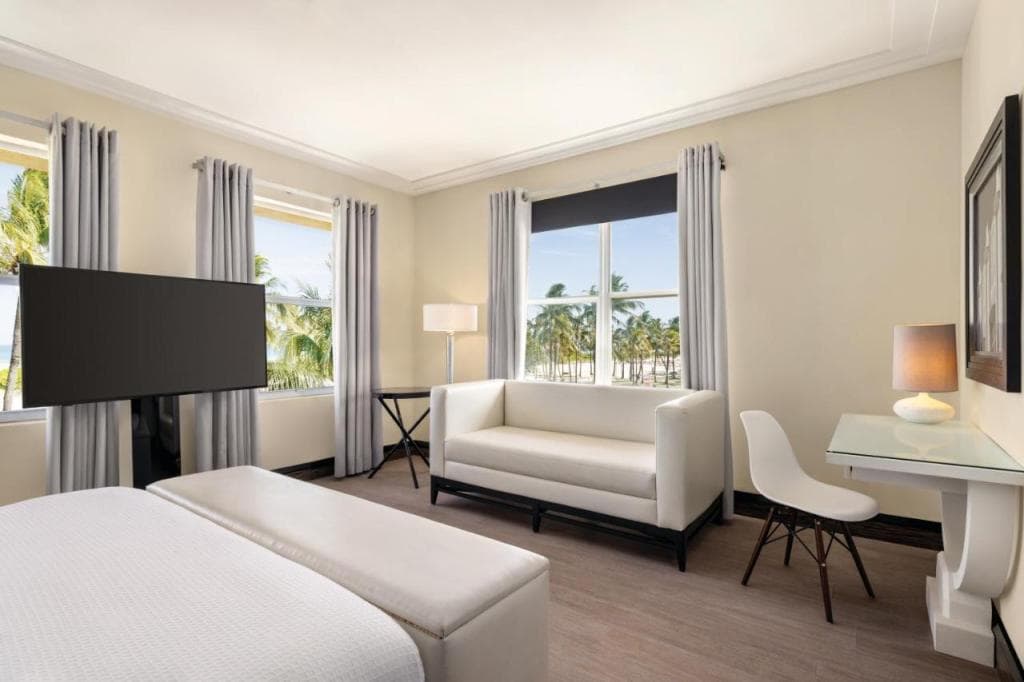
Designed in 1937, this restored hotel is located on famed Ocean Drive, directly across from the beach and 14 minutes' walk from the shops, nightlife, and restaurants of Espanola Way. Free WiFi, a fla


 Miami Beach379 rooms
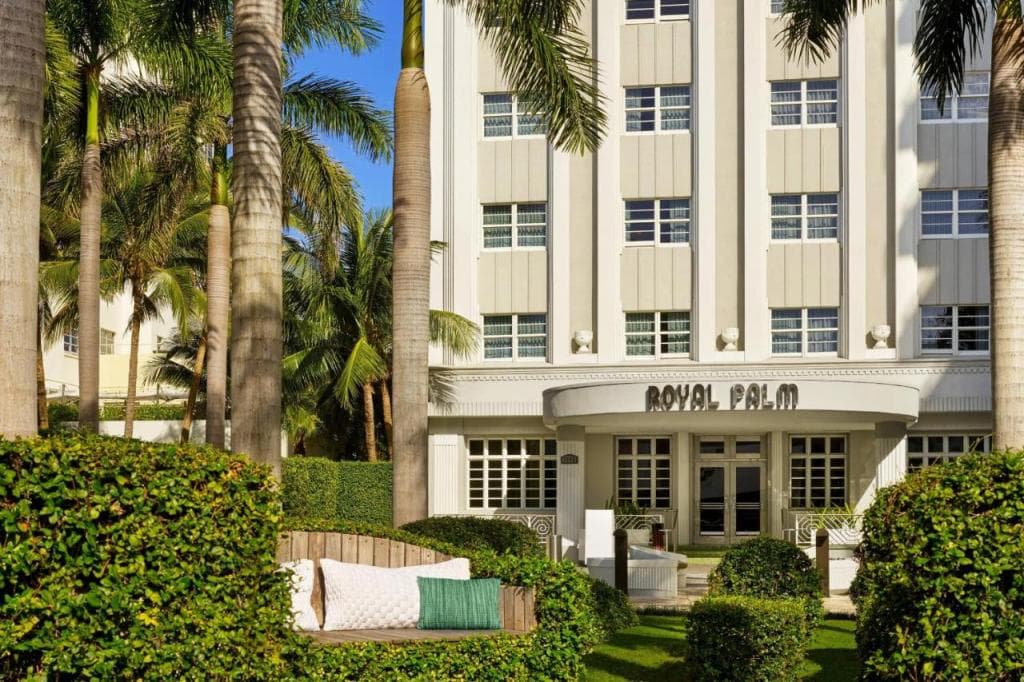
Located on the shores of Miami Beach, the Royal Palm South Beach Miami. The resort is 5 minutes’ walk from Lincoln Road Mall. Featured on site, The Compass Rose Bar has a selection of coffee, tea, an


 South Beach111 rooms
Located oceanfront in the heart of Miami’s most desirable location in South Beach, The Setai, Miami Beach is an award-winning, international leader in hospitality and the hotel of choice for the sophi


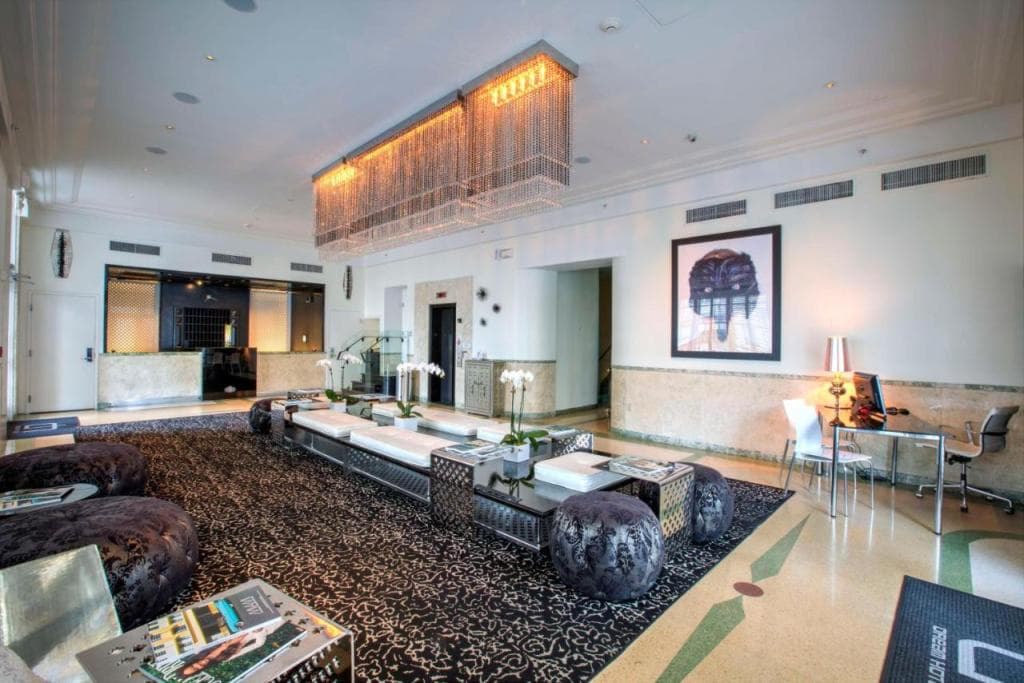

 Miami Beach99 rooms
Stay in the middle of South Beach’s lively entertainment district at Dream Hotel South Beach, a Florida Green Lodging hotel. An infinity-edge rooftop pool, a rooftop bar, and beachside service are fea
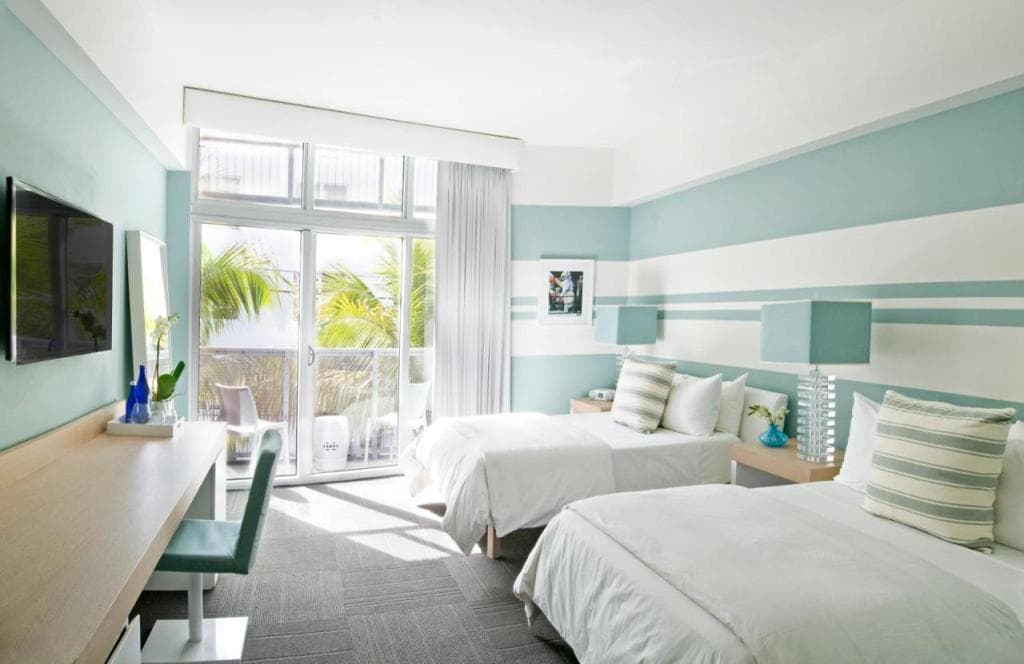


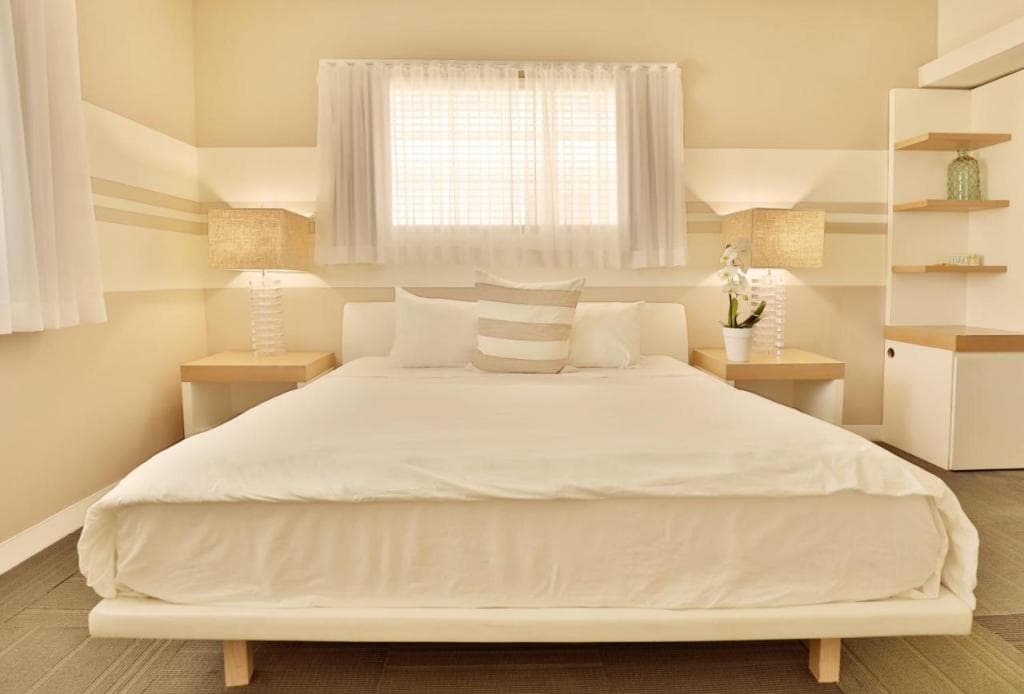
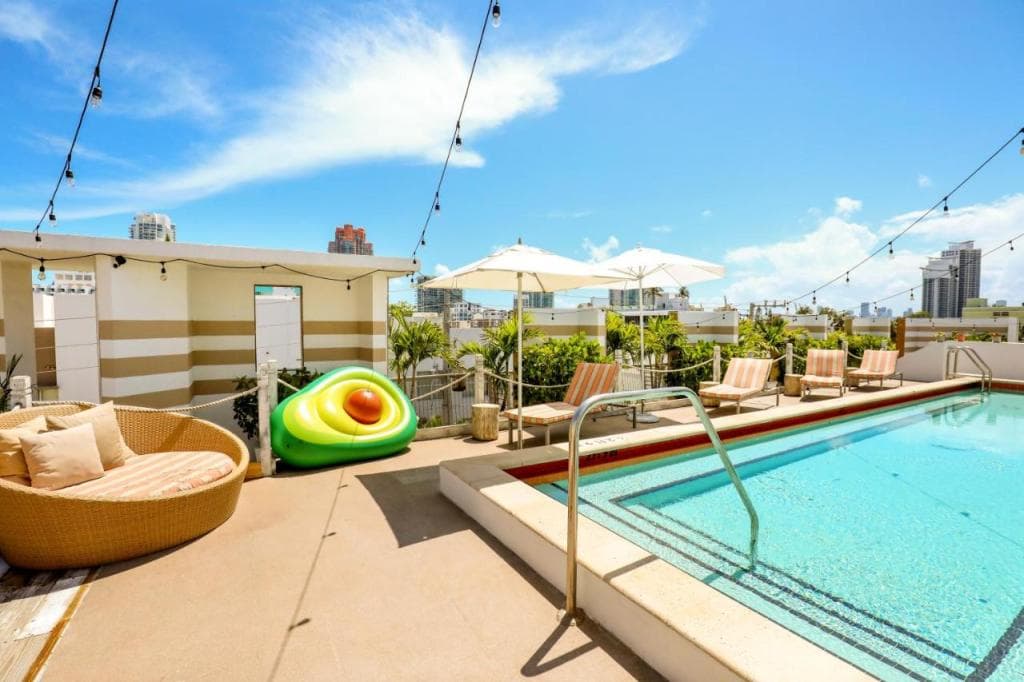

 Miami Beach18 rooms
Offering an ideal central location in the SoFi district, this environmentally friendly hotel features a rooftop pool. It is steps from the ocean and every room includes a 46-inch flat-screen TV. A mi


 South Beach129 rooms
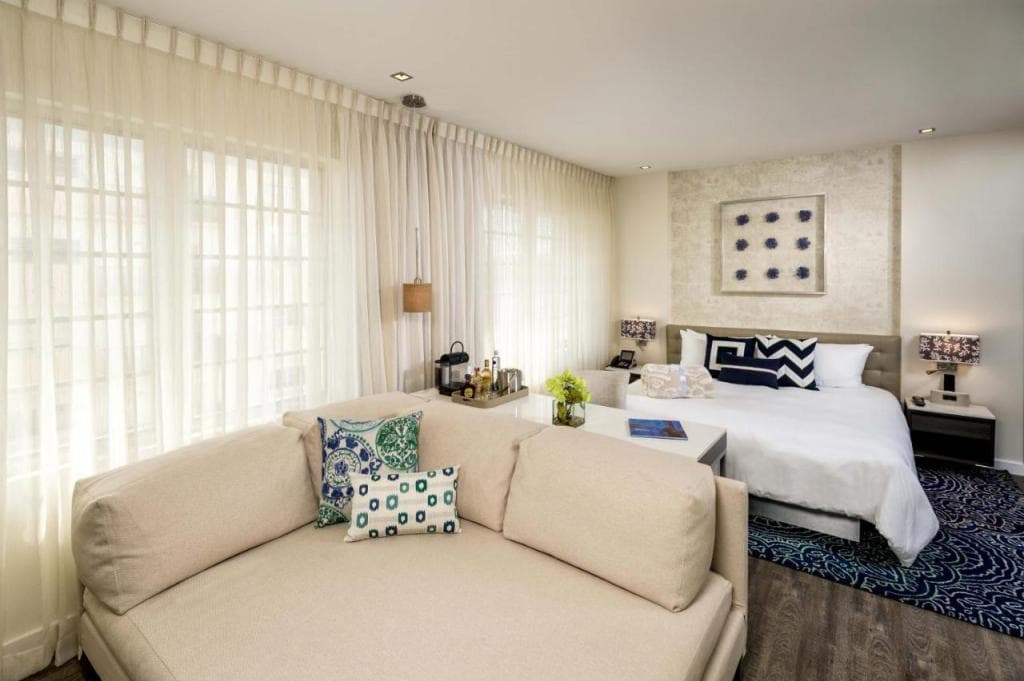
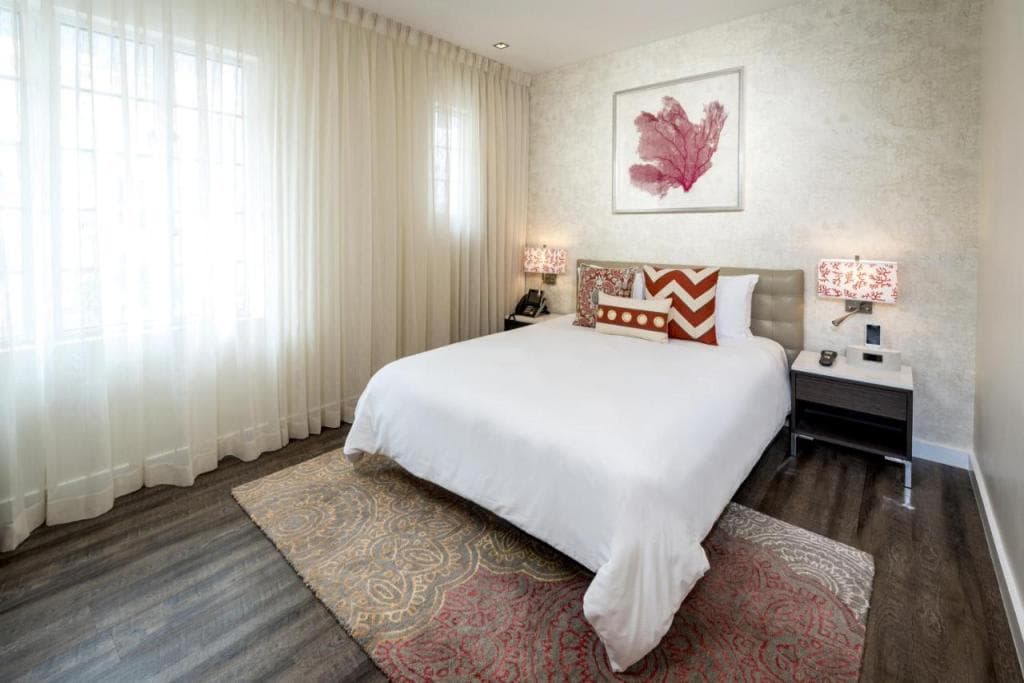
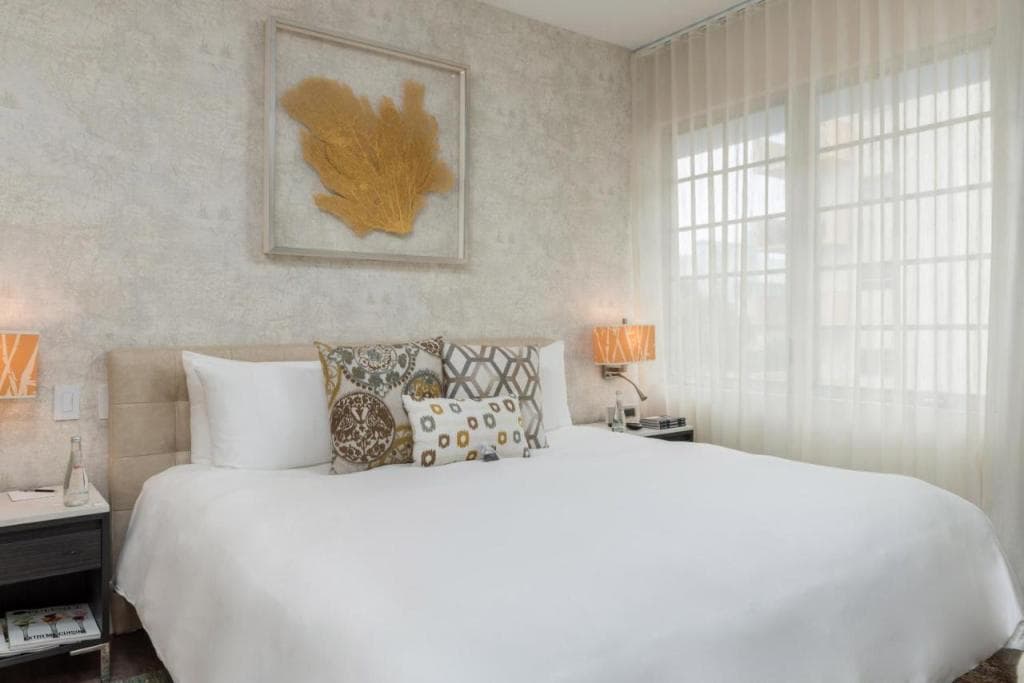
Located amid the shopping, dining and entertainment on Ocean Drive, The Betsy Hotel, South Beach offers direct beach access, along with a courtyard and rooftop pool with 360 degree views. Adorned wit



 Miami Beach34 rooms
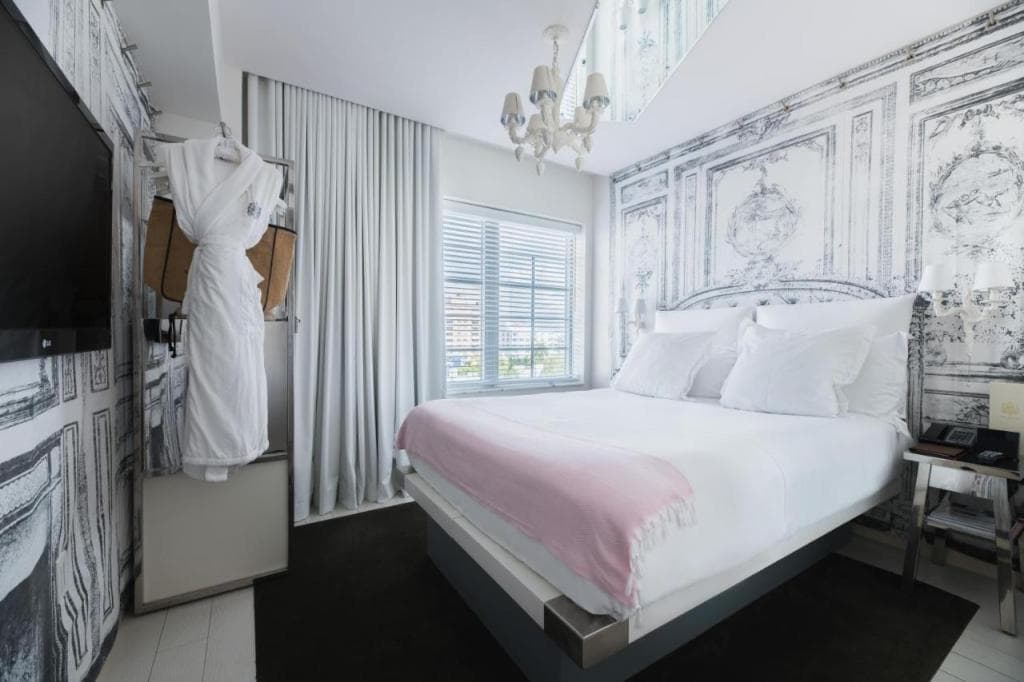
The white sands of South Beach are steps away from this boutique hotel. Features include free high speed WiFi, rooms with a 55-inch flat screen TV, and a fully-stocked mini-bar. Blackout drapes, a sp
 Miami Beach


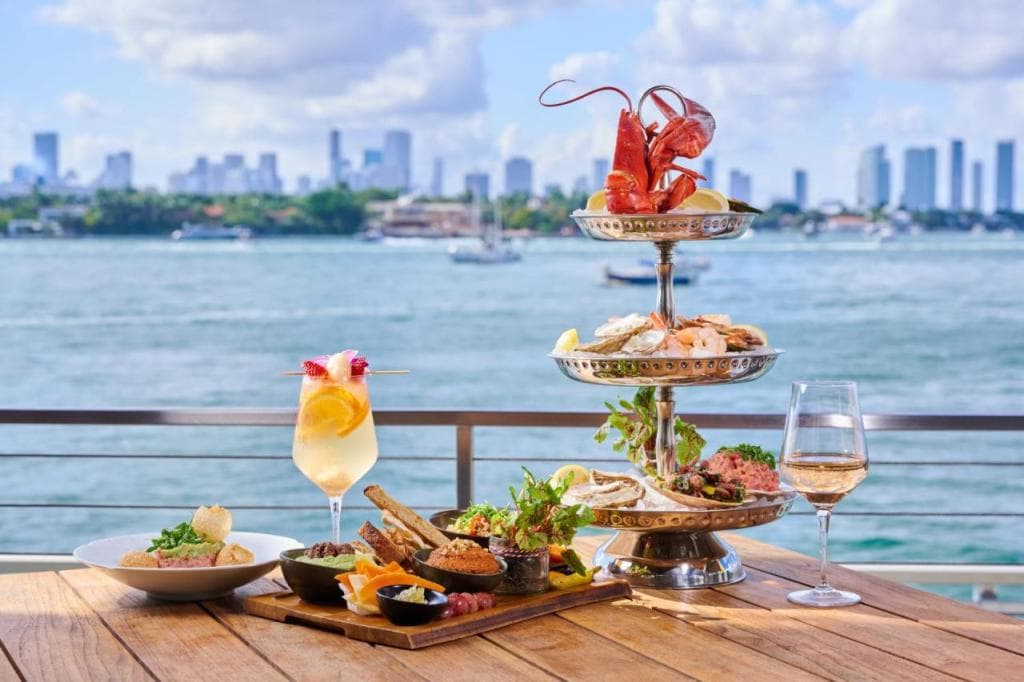

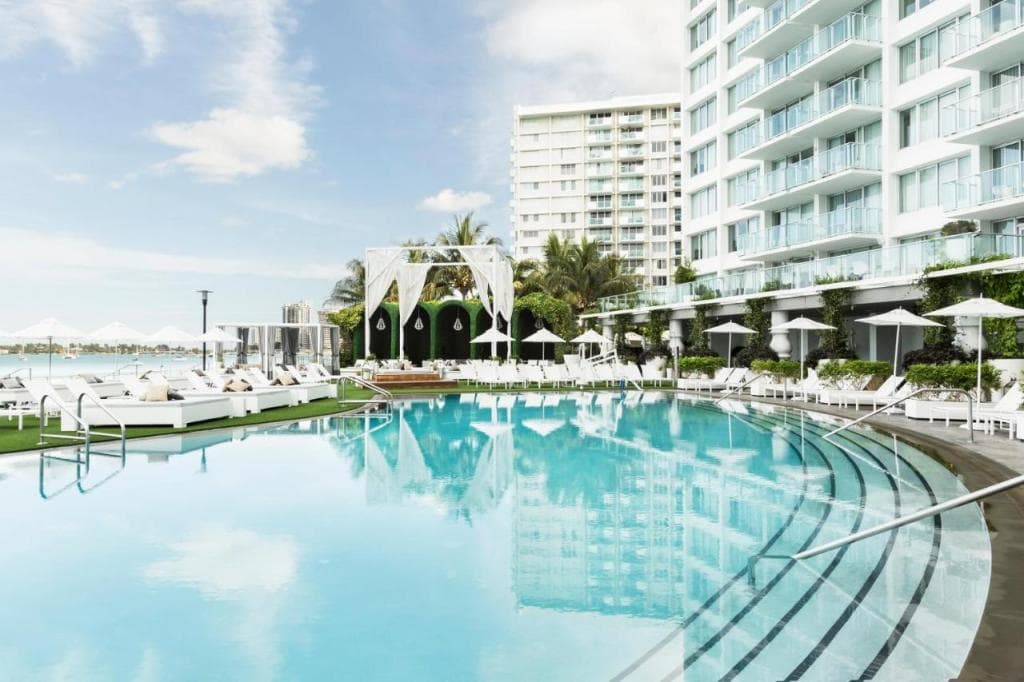

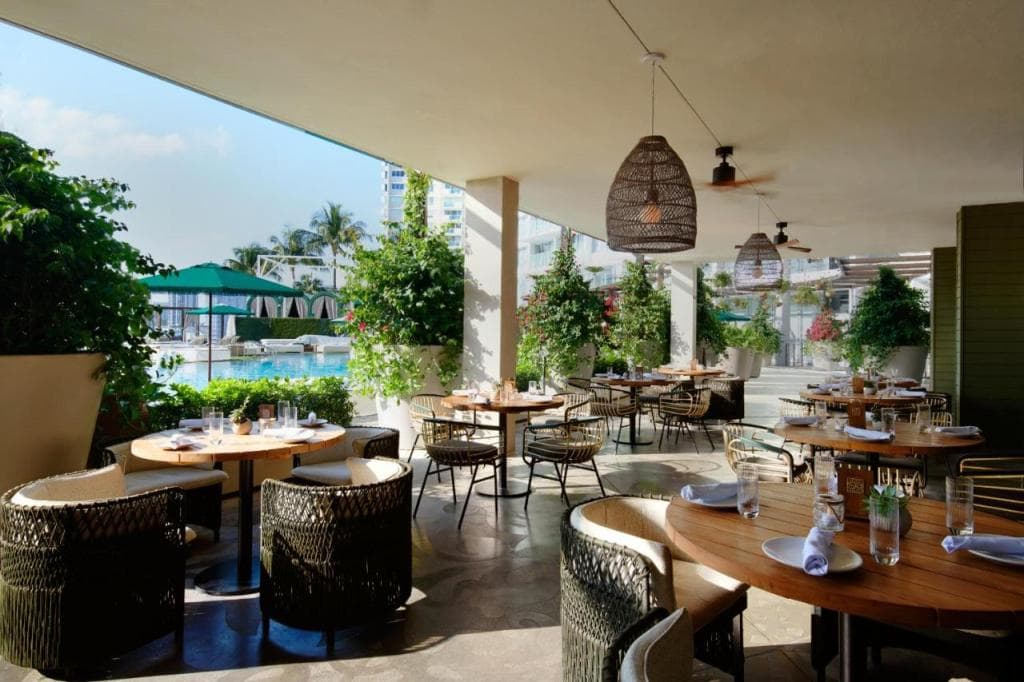 South Beach216 rooms
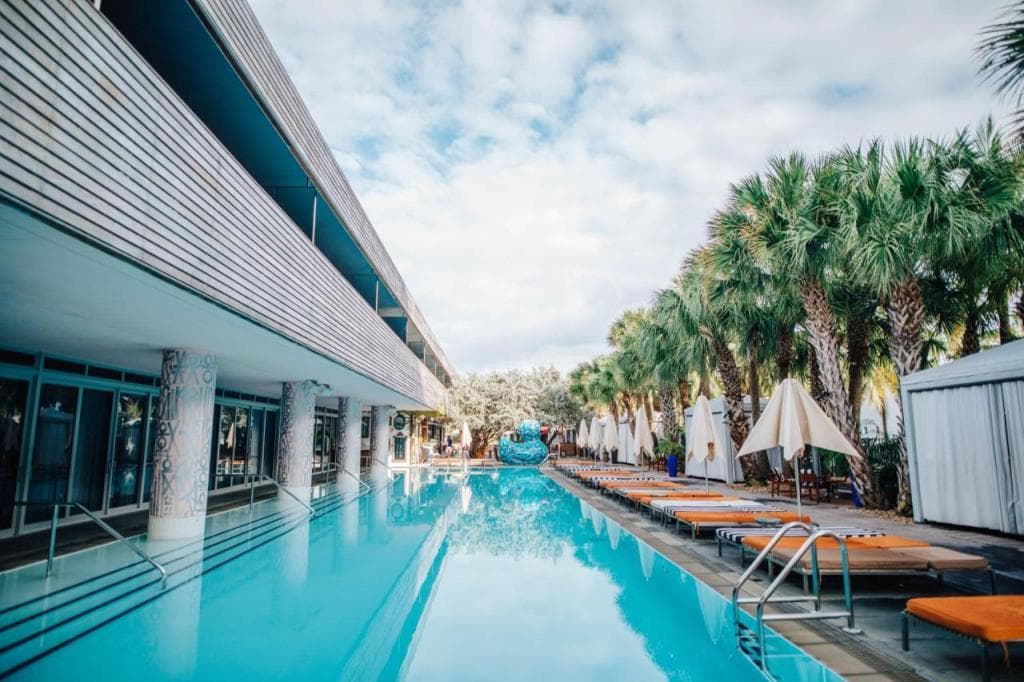
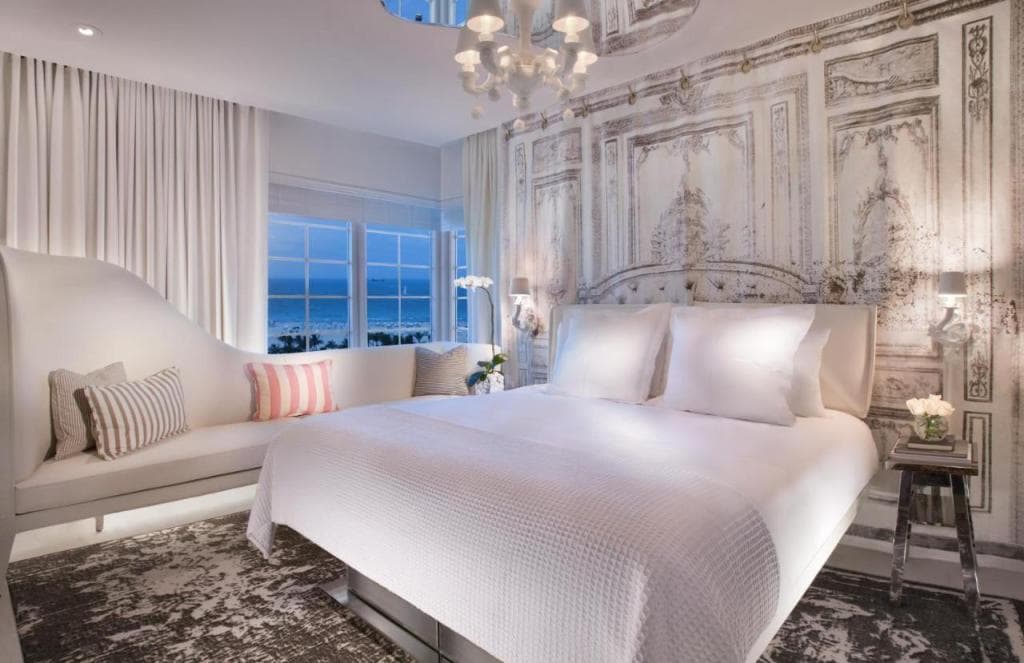
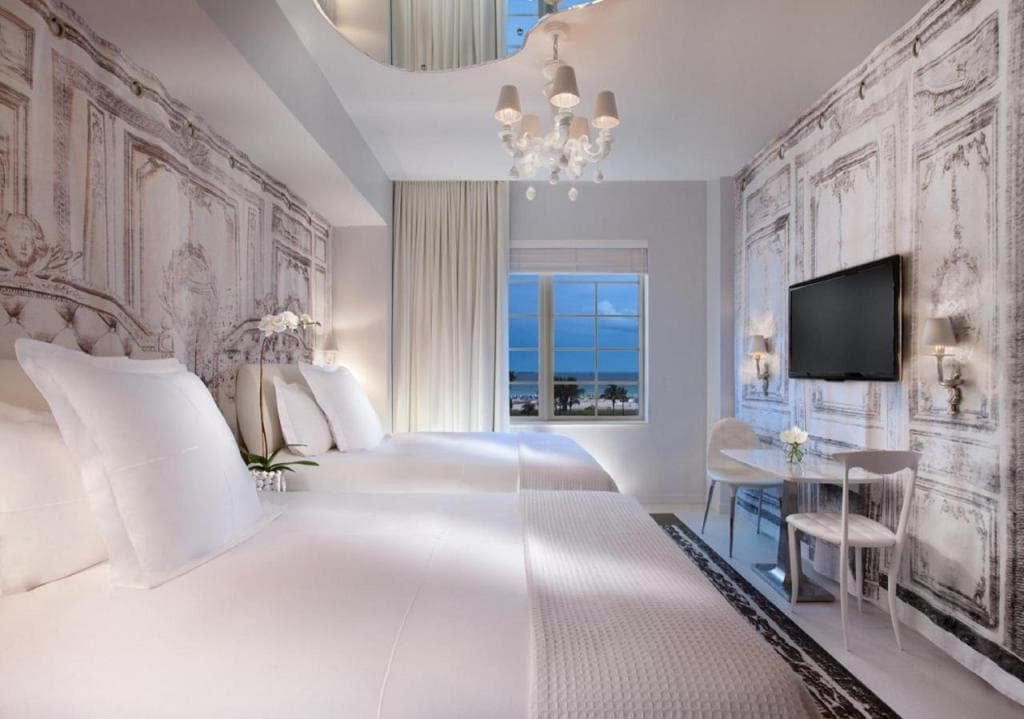
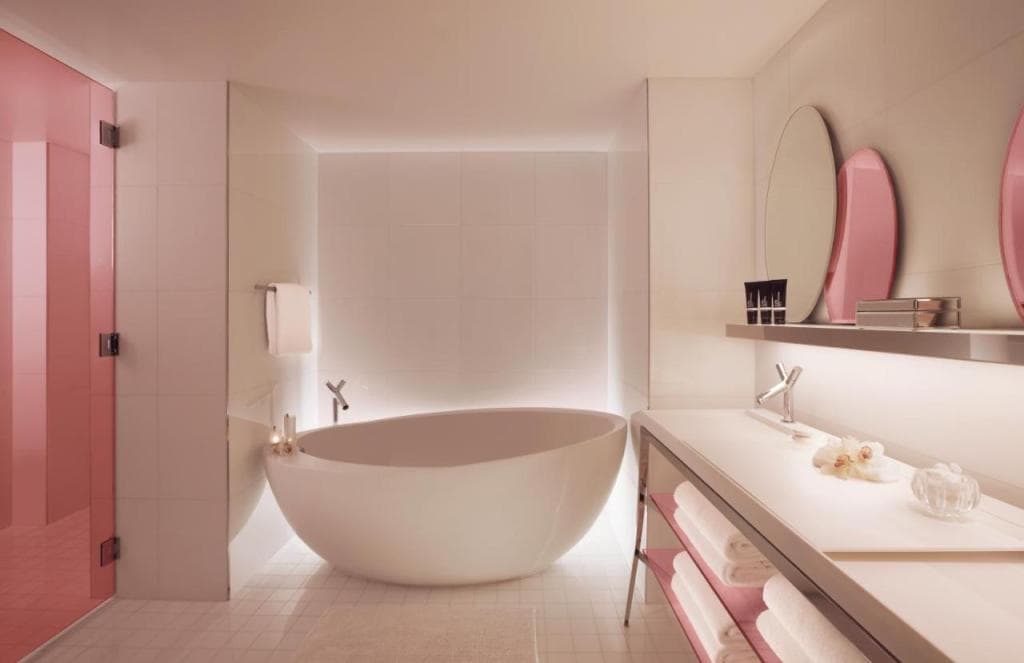
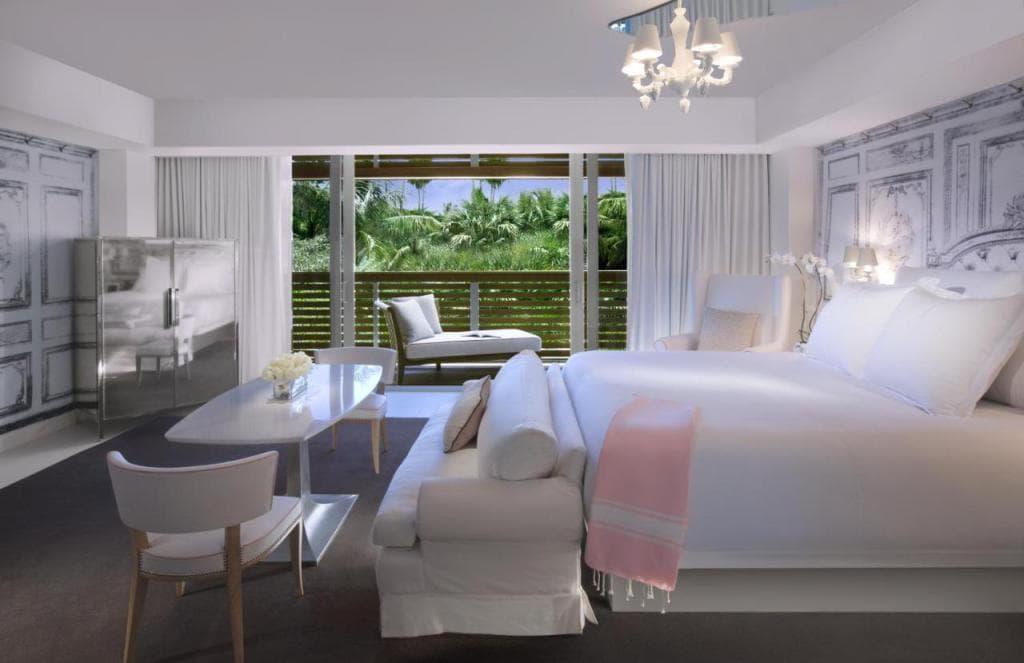
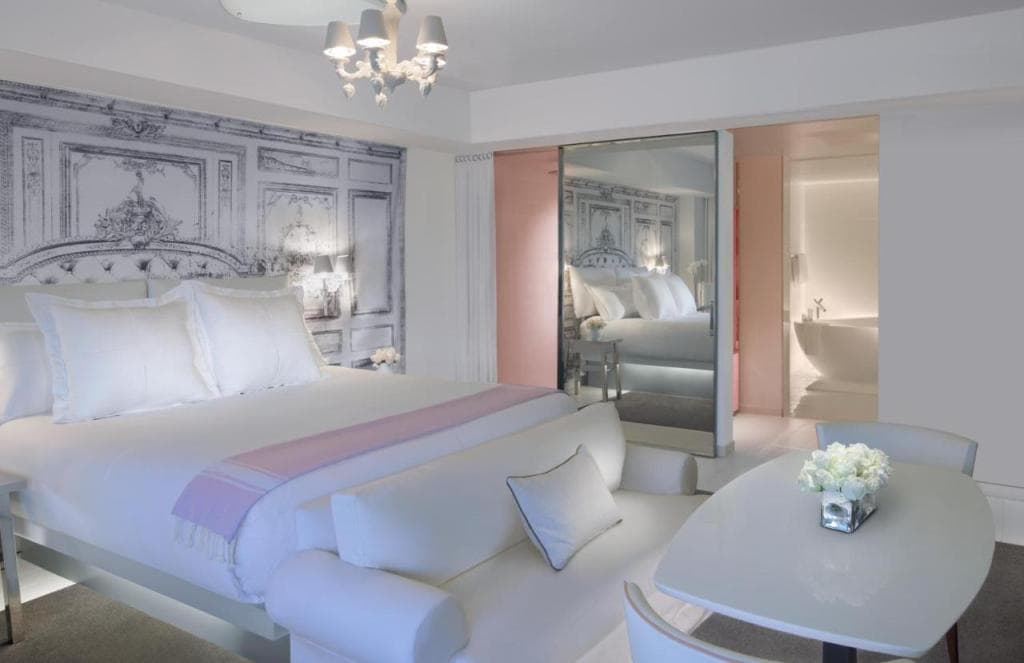
Designed by renowned designer Marcel Wanders, this unique, Miami Beach hotel features custom-designed furniture and artwork. A full-service spa, on-site restaurant, and modern suites with a full kitch


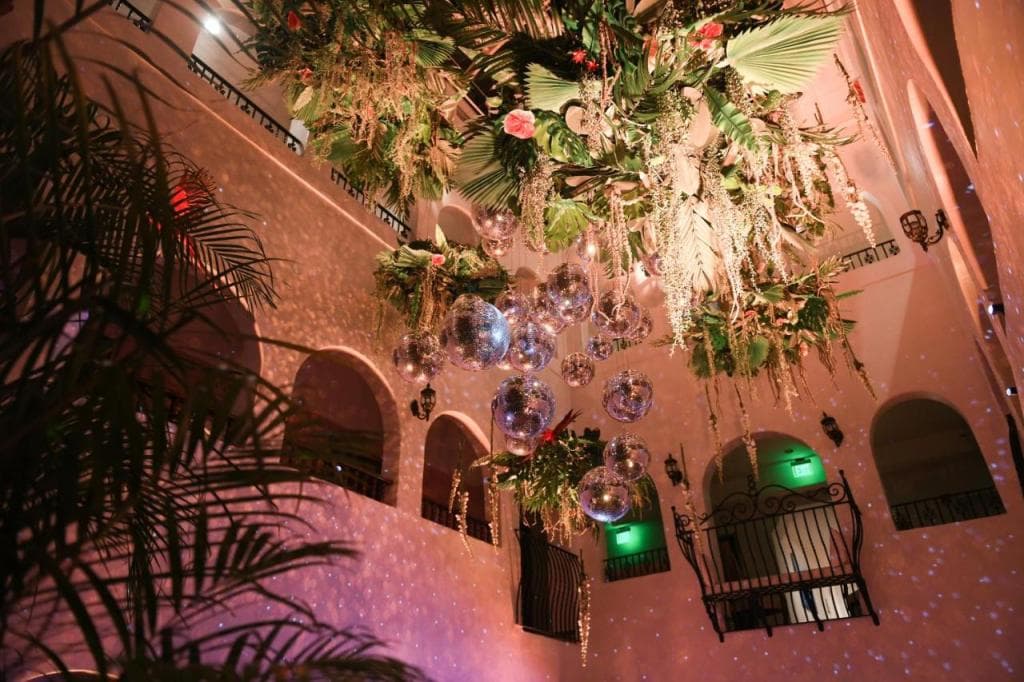

 Miami Beach38 rooms
Located less than 1 block from the sands of Miami Beach, this hotel features Mediterranean style. A on-site restaurant, and free WiFi are all available. Spanish tile floors are provided in the exotic


 South Beach402 rooms
This historic oceanfront hotel features a private beach area and on-site dining options. There are 4 swimming pools, including an adult exclusive rooftop pool, available at 1 Hotel South Beach. A tab
Results 1 - 25
Miami Beach has been a cornerstone of LGBTQ+ travel in the United States since the 1970s, when artists, performers and entrepreneurs began restoring the Art Deco district and reshaping South Beach into an open, cosmopolitan resort. Today, hospitality professionals across the island are trained to welcome same-sex couples, solo travellers and queer families with discretion and warmth. Boutique properties in restored Deco buildings, oceanfront resorts on Collins Avenue and design-led retreats in Mid-Beach all share a common ethos of inclusion, making it easy to find an address that matches your travel style.
The city's compact geography is another asset: most LGBTQ+ landmarks, beaches and dining hotspots sit within a walkable or cyclable radius, and the dedicated gay section of the beach near 12th Street is a daily meeting point for residents and visitors alike.
South Beach, locally known as SoBe, concentrates much of the queer nightlife and café culture. Lincoln Road, a pedestrian promenade lined with palms, hosts terraces where drag brunches, fashion crowds and beachgoers cross paths from late morning onwards. Washington Avenue and Collins Avenue carry the legacy of legendary clubs, while smaller bars on Española Way offer a more intimate, conversational atmosphere.
Beyond the bars, the area lives through its beach: rainbow flags fly proudly along 12th Street, and beach volleyball, paddleboarding and sunset walks turn the shoreline into an outdoor social club. North of South Beach, neighbourhoods like Mid-Beach and Surfside add a quieter, more residential dimension for travellers seeking calm without leaving the island.
Miami Beach holds the largest concentration of Art Deco architecture in the world, with more than 800 protected buildings between 5th and 23rd Streets. Guided walks through the Miami Design Preservation League reveal the pastel geometry, neon signage and tropical motifs that define the skyline. Just across Biscayne Bay, the Pérez Art Museum, the Wynwood murals and Little Havana's Calle Ocho extend the cultural offer with contemporary art, street murals and Cuban music.
The culinary scene mirrors this diversity: Floribbean cuisine, Nuevo Latino tasting menus, Haitian griot, ceviche bars and rooftop cocktail lounges form a layered food map that pairs well with leisurely, sun-drenched days.
The high season runs from December to April, when temperatures stay around 24 to 28 °C and the city hosts Miami Beach Pride in early April, drawing crowds along Ocean Drive. The Winter Party Festival in March and the White Party in late November are long-standing fixtures of the international LGBTQ+ calendar. Late spring and autumn bring softer rates, fewer visitors and warm seas, ideal for a more contemplative stay focused on architecture, museums and slow beach days.